Understanding Community Healthcare Residency Programs
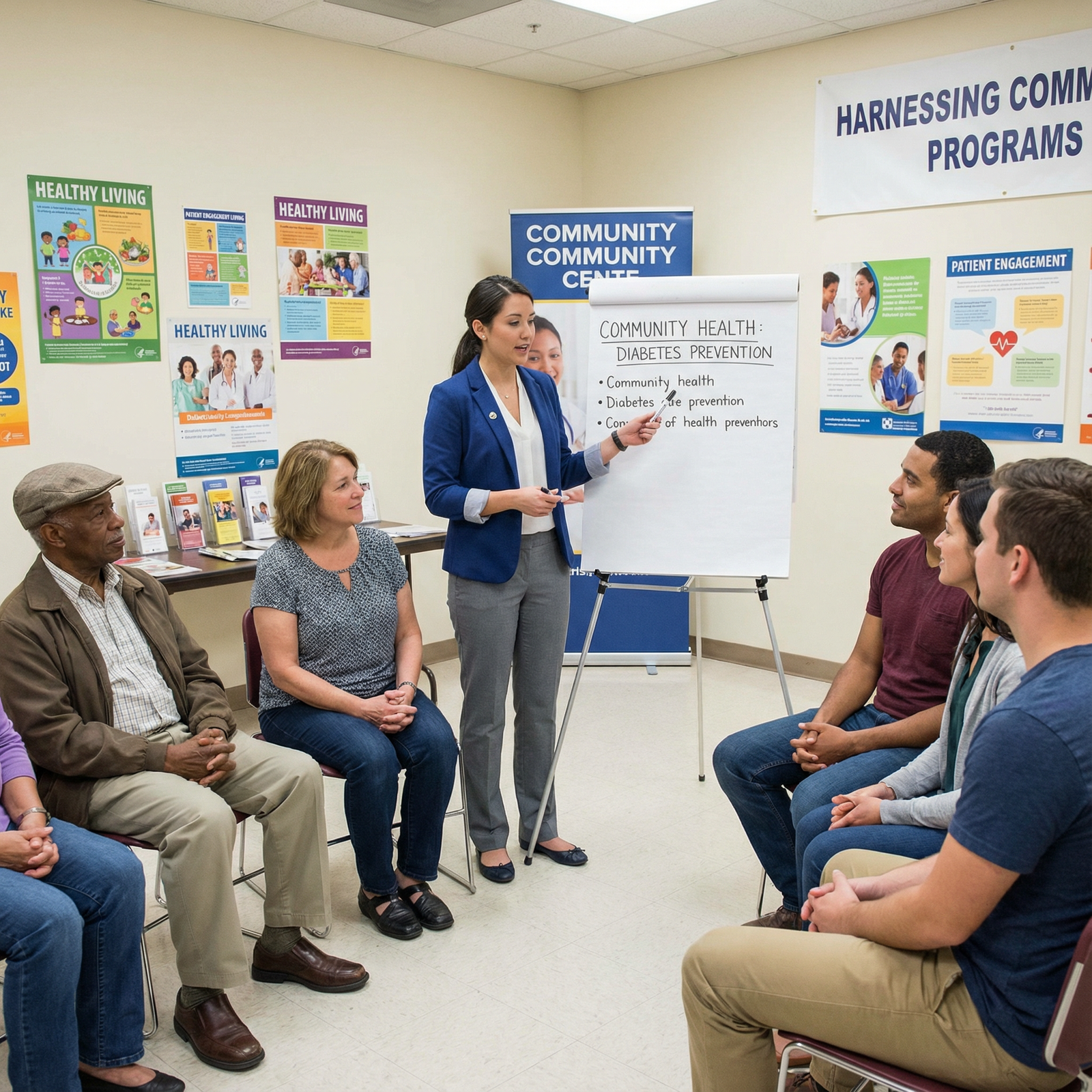
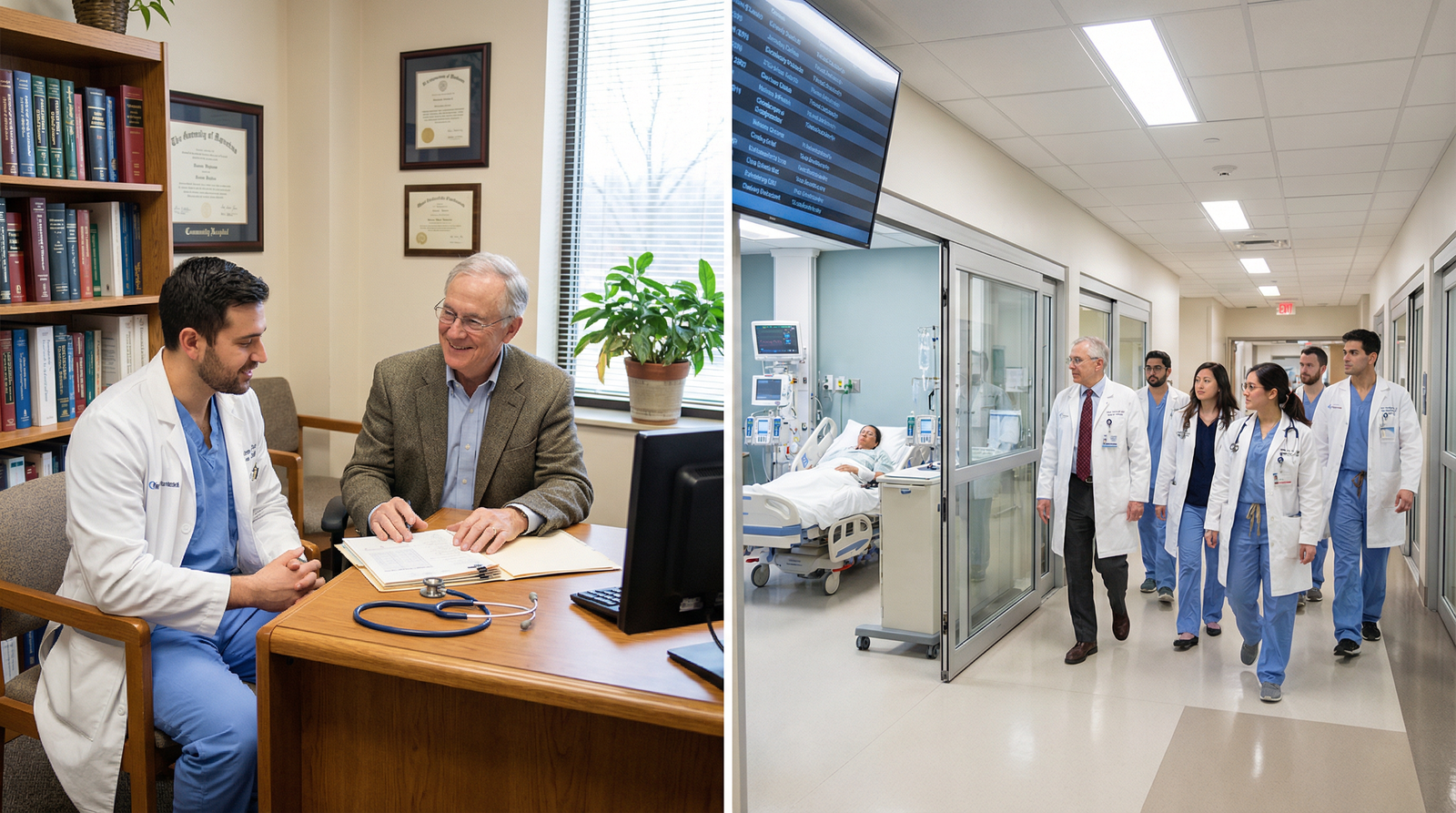
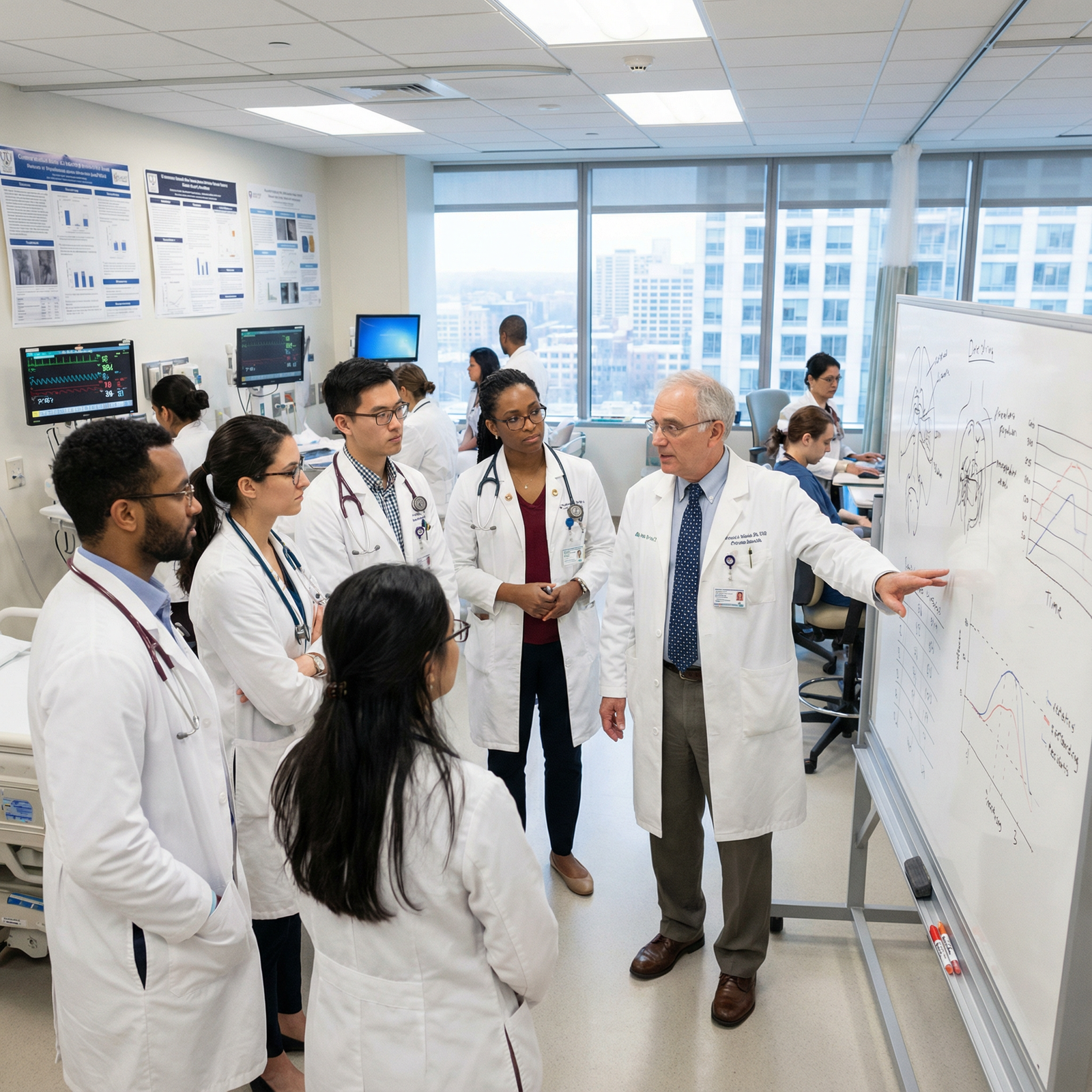
Community healthcare residency programs—often housed in community hospitals, FQHCs (Federally Qualified Health Centers), or regional medical centers—are a major part of graduate medical education in the United States. For many applicants, especially those interested in Primary Care or working with underserved populations, these programs are not just a “backup” but a deliberate and strategic choice.
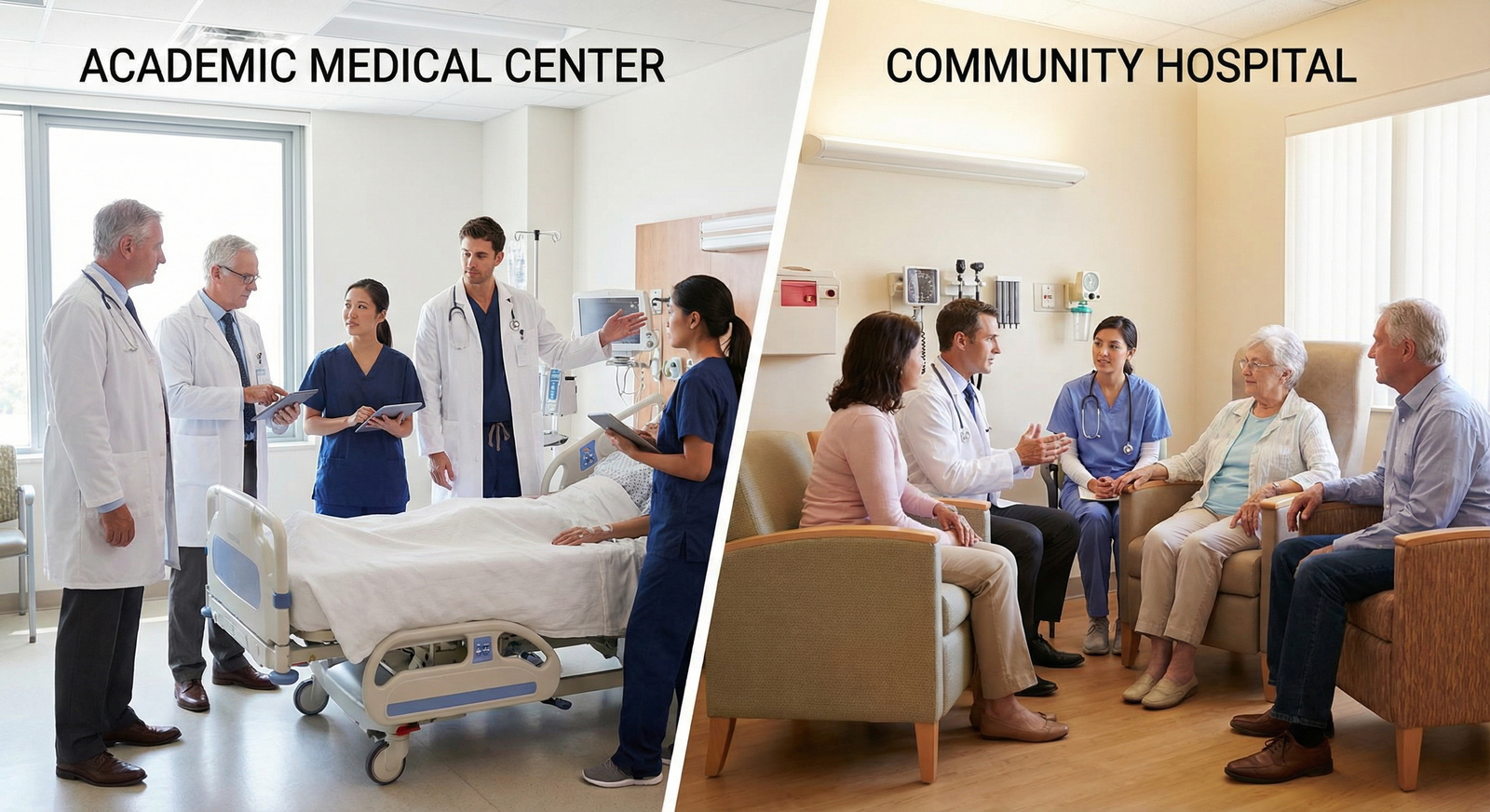
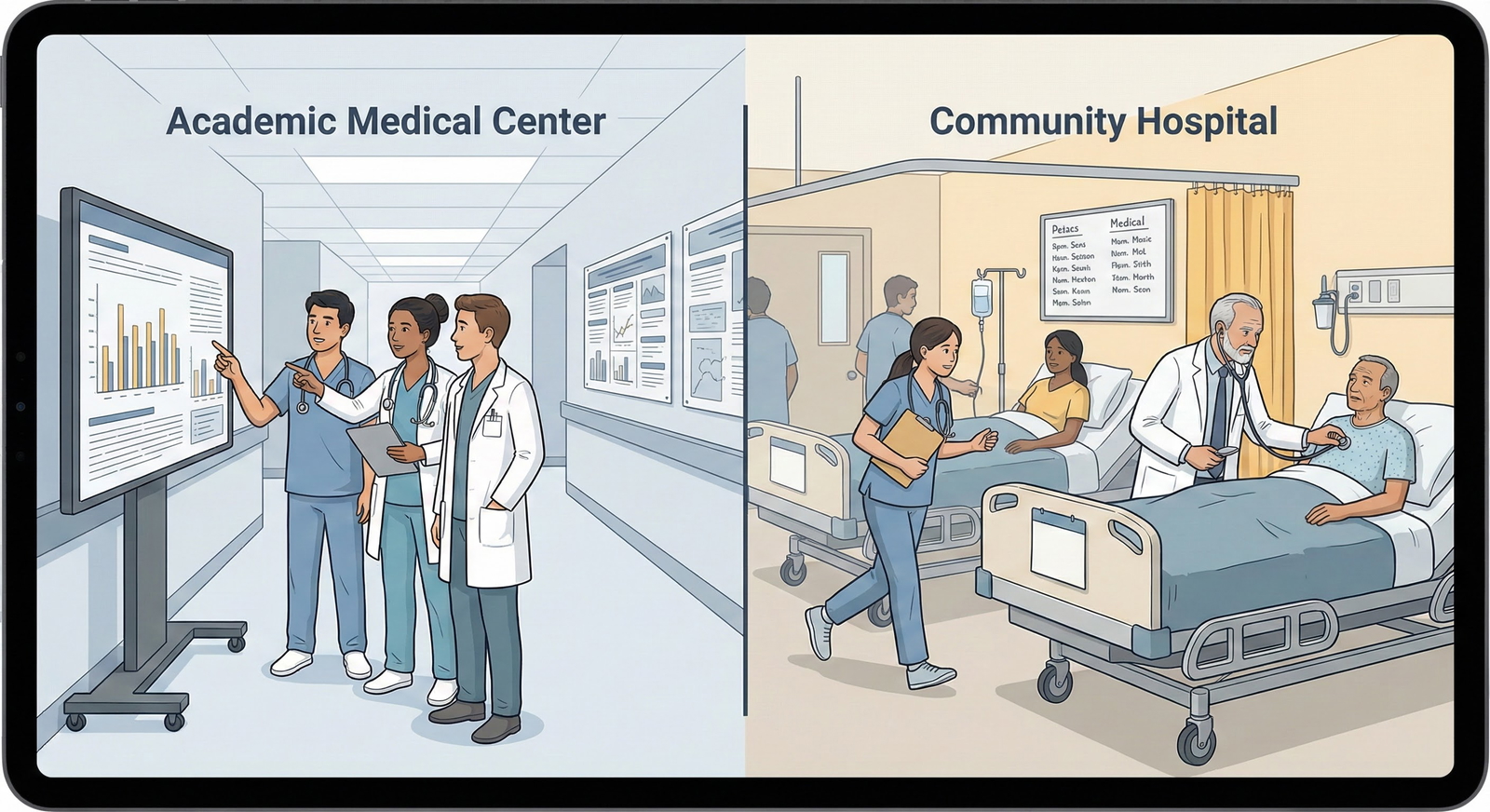
Unlike large academic medical centers, community programs are typically smaller, more locally focused, and deeply embedded in the communities they serve. Their missions often highlight service to vulnerable or underserved populations, continuity-based care, and real-world preparation for independent practice.
What Defines a Community Program?
While there’s no single formal definition, community residency programs generally:
- Are based in community hospitals or outpatient clinics rather than large university hospitals
- May be university-affiliated but are not the primary academic teaching hospitals
- Focus heavily on Primary Care specialties (Family Medicine, Internal Medicine, Pediatrics, Psychiatry, OB/GYN)
- Serve local communities, often with high proportions of:
- Medicaid/uninsured patients
- Rural or inner-city populations
- Immigrant or culturally diverse groups
- Emphasize service, access to care, and continuity of care
For residency applicants, the key question is: Are these programs worth it for my goals in medicine? To answer that, it helps to break down both the advantages and limitations from the perspective of training, career development, and long-term satisfaction.
Pros of Community Programs for Medical Residency
1. Strong Focus on Primary Care and Real-World Practice
Many community programs are built around the central mission of Primary Care and Community Healthcare. This can be a powerful advantage, especially if you’re considering:
- Family Medicine
- General Internal Medicine
- General Pediatrics
- Community Psychiatry
- General OB/GYN
Why this matters for your training
- High-volume, broad-spectrum care: You spend much of your time managing chronic conditions (diabetes, hypertension, COPD, heart failure, depression) that you will see daily in real practice.
- Less “super-subspecialization”: Rather than immediately consulting multiple subspecialists, you often take a more comprehensive primary care approach, strengthening your diagnostic reasoning and management skills.
- Practice-ready skills: Graduates of strong community programs often feel very comfortable entering outpatient practice or hospitalist roles without needing a “buffer” transition.
If your ideal future includes being someone’s “doctor” over years—not just a consultant for a narrow problem—this exposure can be invaluable.
2. Greater Patient Interaction and Continuity of Care
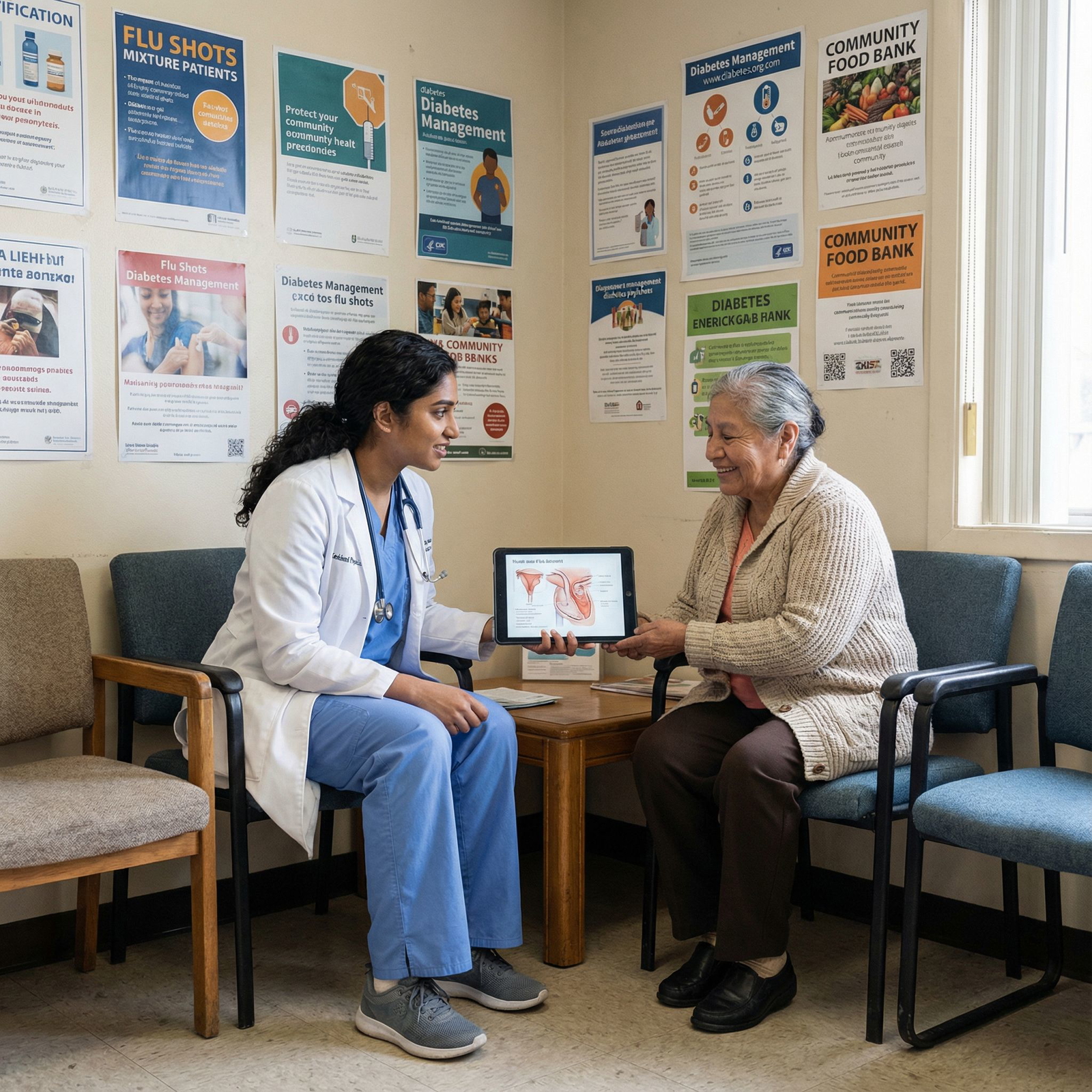
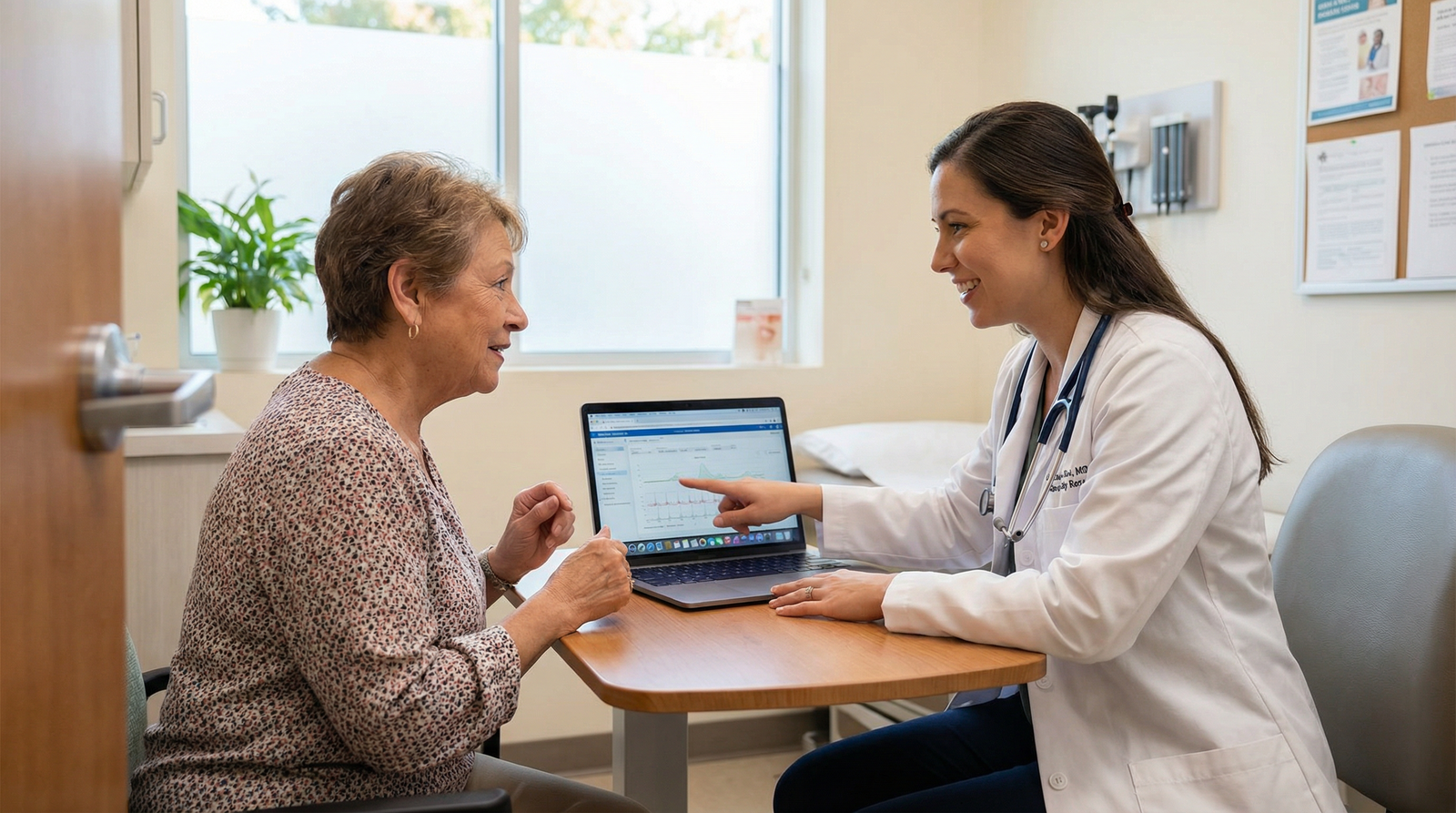
One of the signature strengths of community programs is intense, longitudinal Patient Interaction.
- You often see the same patients and families repeatedly over months to years.
- Clinics are typically community-based and embedded in neighborhoods where patients live and work.
- You may care for multiple generations within the same family.
How this benefits your development
- Stronger communication skills: You learn to deliver bad news, negotiate treatment plans, build trust, and navigate cultural and socioeconomic barriers.
- Meaningful relationships: Residents commonly describe deep satisfaction in watching patients improve, stabilize, or grow (especially in Pediatrics and Family Medicine).
- Continuity experience: This experience is critical for Primary Care career paths and highly valued in outpatient job interviews.
Compared with some large academic centers—where patients may be transferred frequently or primarily managed by subspecialty teams—community programs can offer more ownership over your patient panel and more frequent one-on-one patient contact.
3. Diverse Learning Opportunities Unique to Local Populations
Although community programs may lack the quaternary-level rare diseases seen at major academic referral centers, they often compensate with breadth and diversity of common and region-specific conditions.
You may encounter:
- High rates of chronic disease and advanced pathology due to delayed care (e.g., uncontrolled diabetes with complications)
- Substance use disorders and associated complications
- Occupational or environmental illness specific to local industries or agriculture
- Culturally specific health beliefs and practices
Educational advantages
- You develop strong clinical judgment by seeing diseases at multiple stages and in multiple social contexts.
- You gain practical experience in:
- Motivational interviewing
- Culturally competent care
- Working with interpreters
- Managing limited resources
- You often participate in community health initiatives (school-based clinics, mobile health units, public health outreach) that broaden your understanding of population health.
This kind of training aligns closely with modern priorities in medicine: health equity, social determinants of health, and population-level interventions.
4. Strong Sense of Community and Mentorship
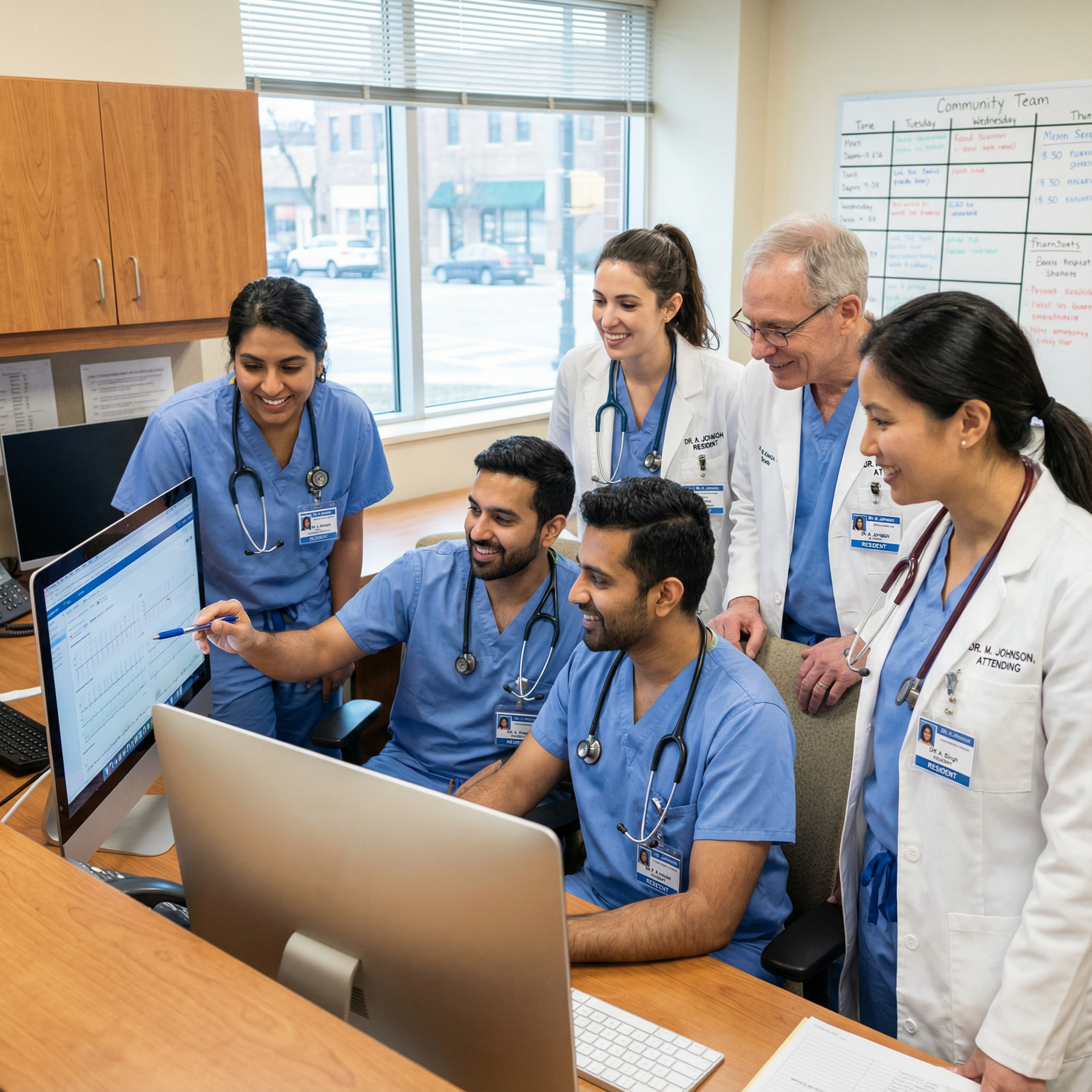
A recurring theme in resident testimonials from community programs is the tight-knit, supportive environment.
- Smaller resident classes mean you know your colleagues—and your faculty—well.
- Attendings are often deeply involved in teaching, not just research or administration.
- Program culture may feel less hierarchical and more collaborative.
How this impacts your day-to-day life
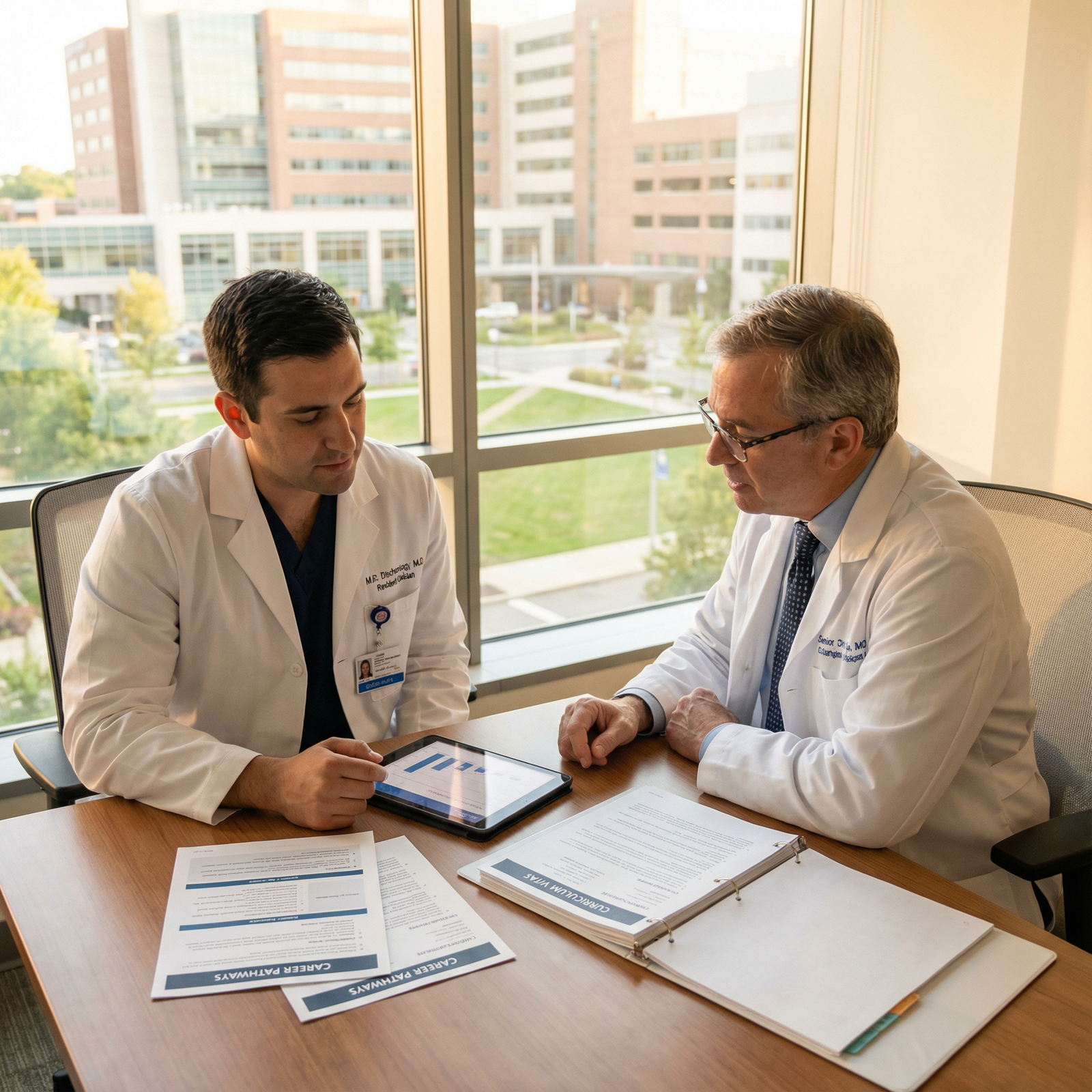
- More facetime with faculty: Easier to find mentors, letter writers, and sponsors for your career development.
- Less anonymity: Your growth, strengths, and challenges are more visible, which can lead to tailored feedback and support.
- Wellness and camaraderie: In high-stress training years, having peers and attendings who know you personally can make residency more sustainable.
For many residents, this sense of belonging is a major factor in avoiding burnout and maintaining enthusiasm for medicine.
5. Early Opportunities for Leadership and Program Involvement
Because community programs tend to be smaller and more nimble, residents have substantial opportunities to lead and shape the program.
Examples include:
- Serving on hospital committees (quality improvement, patient safety, antibiotic stewardship)
- Leading community outreach projects (health fairs, vaccination drives, school health education)
- Designing or implementing QI initiatives that impact clinic workflow or patient outcomes
- Taking on chief resident or leadership roles in your PGY-3 or PGY-4 year
These experiences are incredibly valuable for:
- Career development in administration, medical directorship, or system leadership
- Building a strong CV for future jobs or fellowships
- Developing skills in communication, conflict resolution, and organizational change
If leadership is part of your long-term vision, a community program can be a fertile training ground.
Cons and Limitations of Community Programs
While community programs offer many advantages, it’s crucial to realistically consider their potential drawbacks—especially compared to large academic centers.
1. Limited Resources and Subspecialty Exposure
Community hospitals frequently operate with tighter budgets and fewer subspecialty services than university hospitals.
Potential limitations include:
- Fewer on-site subspecialists (e.g., rheumatology, transplant, advanced cardiology)
- Less access to cutting-edge technology (advanced imaging, robotic surgery, specialized procedures)
- Smaller or less diverse research infrastructure
- Limited availability of advanced electives or niche rotations
How this may affect you
- If your goal is a highly specialized career (e.g., interventional cardiology, transplant surgery, advanced GI), you may want:
- Access to high-volume tertiary/quaternary care
- Strong academic mentorship in that subspecialty
- Greater research and publication opportunities
- Your case mix may be more generalist-heavy, with rare or complex cases occasionally transferred out to larger centers.
That said, many community programs mitigate these limitations through:
- Affiliations with academic centers, allowing away rotations or shared faculty
- Telemedicine or tele-consults with subspecialists
- Encouraging elective time at tertiary-care institutions
If you are strongly subspecialty-focused, ask specific questions about these options during interviews.
2. Lower Name Recognition and Perceived Prestige
In the residency and job market, brand recognition can open doors—especially for competitive fellowships or academic careers.
Challenges with some community programs may include:
- Less familiarity among fellowship directors outside the region
- Fewer “big-name” faculty members or limited national academic presence
- Potential bias from some employers or interviewers who favor applicants from well-known university programs
How serious is this in practice?
- For Primary Care, hospitalist, and generalist roles, strong performance in a community program is typically more than sufficient. Employers often prioritize:
- Clinical competency
- Ability to work independently
- Fit with their patient population
- For highly competitive fellowships (cardiology, GI, heme/onc, some surgical subspecialties):
- Coming from a community program is absolutely possible, but you may need to be more proactive in:
- Research
- Networking
- Seeking strong letters of recommendation
- Coming from a community program is absolutely possible, but you may need to be more proactive in:
The key is to evaluate whether the specific program has a track record of matching graduates into the type of positions or fellowships you’re aiming for.
3. More Traditional Training Focus and Less Academic Emphasis
Some community programs emphasize traditional clinical training with less focus on:
- Research productivity
- Basic science or translational research
- Cutting-edge experimental therapies
- Formal academic career development
For certain applicants, this is ideal—they want robust clinical skills and less research pressure. For others, it can be a mismatch.
Consider your long-term goals
A community-focused program may be less ideal if you:
- Aspire to a full-time academic career (bench research, major grants, frequent publications)
- Want strong preparation for a physician-scientist track
- Value a heavy emphasis on conference presentations and national academic visibility
However, many community programs are evolving and now offer:
- Resident-led quality improvement projects and scholarly work
- Opportunities to present at regional or national meetings
- Institutional affiliations that allow participation in multicenter research
During interviews, ask to see resident scholarly output and recent fellowship match lists as objective data points.
4. Potential Professional Isolation and Smaller Networks
By design, community programs are often less connected to the enormous academic “ecosystem” of large teaching hospitals.
Potential impacts:
- Smaller resident and faculty networks
- Fewer visiting professors or frequent grand rounds from national experts
- Less day-to-day exposure to subspecialty fellows or highly academic peers
- Fewer built-in connections for national networking
This can translate into a sense of professional isolation, especially if:
- You’re pursuing a niche subspecialty and have little local mentorship
- You’re the only resident deeply interested in a particular academic track
That said, you can counteract this by:
- Joining national specialty societies early (e.g., ACP, AAFP, AAP)
- Attending regional/national conferences
- Seeking virtual mentorship or online research collaborations
- Doing away electives or visiting rotations at academic centers
5. Residency Match Considerations and Competitiveness
From an application standpoint, community programs vary widely in competitiveness.
- Some are easier to match into due to location or lesser-known status.
- Others are quite competitive because of:
- Desirable geography
- Strong reputation in Primary Care or specific specialties
- Excellent work-life balance or resident culture
Key considerations for applicants
- Fit with your profile: Community programs may be a great match for applicants with:
- Strong clinical skills but less research
- Non-traditional backgrounds
- Late discovery of specialty interests
- Fellowship ambitions: If you plan to apply for a competitive fellowship:
- Look specifically for community programs with documented success in fellowship placement.
- Ask about support for research, protected time, and mentorship.
Understanding this landscape will help you use community programs strategically in your rank list—both as strong training options and as part of a balanced match strategy.
How to Decide if a Community Program Is Right for You
The “worth” of a community program is personal. The same program can be ideal for one applicant and a poor fit for another.
Clarify Your Career Goals Early
Ask yourself:
- Do I see myself in Primary Care, hospital medicine, or community-based practice?
- How important is doing cutting-edge, high-volume subspecialty work?
- Am I aiming for a competitive fellowship or a primarily clinical career?
- Do I want to work with underserved populations or in Community Healthcare long-term?
Your answers will help you prioritize:
- Depth of clinical exposure vs. breadth of subspecialty services
- Prestige vs. personal support and mentorship
- Research opportunities vs. hands-on patient interaction
What to Ask on Interview Day (or in Virtual Sessions)
To make an informed decision, ask programs:
- Patient Population & Clinical Exposure
- Who are your typical patients (demographics, insurance mix, language needs)?
- What are the most common conditions residents manage?
- Faculty and Mentorship
- How accessible are attendings and program leadership?
- Are there faculty who share my specific career interests?
- Fellowship and Career Outcomes
- Where have recent graduates matched for fellowship or found jobs?
- What proportion of graduates enter Primary Care vs. subspecialty roles?
- Resources and Electives
- Are there opportunities to rotate at an affiliated academic center?
- Is there support for research, QI, or conference presentations?
- Program Culture and Wellness
- How does the program support resident wellness and mental health?
- What is the call schedule and average weekly workload?
Pay attention not only to the content of the answers, but also to the tone and consistency—especially between residents and faculty.
Actionable Steps for Applicants Considering Community Programs
- Shadow or rotate at a community program if possible (sub-I, acting internship, or elective).
- Talk to graduates who went into roles you’re interested in (Primary Care, hospitalist, fellowship).
- Review program outcomes (board pass rates, fellowship matches, job placement).
- Evaluate location and lifestyle: Community programs are often in smaller cities or rural areas—reflect honestly on whether you’d be happy living there during training.

Frequently Asked Questions (FAQs) About Community Residency Programs
1. Are community programs only for Primary Care, or can I still pursue subspecialty training?
Community programs are not only for Primary Care. Many residents from community-based Internal Medicine, Pediatrics, and OB/GYN programs successfully match into fellowships such as cardiology, GI, heme/onc, pulmonary/critical care, and others.
However, if you’re fellowship-bound, you should:
- Ask about fellowship match lists and where prior graduates have gone.
- Confirm that you’ll have:
- Opportunities for research/scholarly projects
- Strong letter writers in your area of interest
- Time and mentorship for fellowship applications
For ultra-competitive fellowships, some applicants strategically choose community programs that have formal affiliations with academic centers or provide elective time at tertiary hospitals.
2. Are community residency programs less competitive than academic programs?
Not reliably. Competitiveness depends heavily on:
- Geographic location (e.g., coastal cities vs. rural regions)
- Program reputation and resident satisfaction
- Lifestyle, workload, and benefits
- The specialty itself (e.g., Family Medicine vs. Dermatology)
Some community programs in desirable cities or with excellent cultures fill all positions with strong applicants and can be quite competitive. Others in less popular locations may have fewer applicants. It’s more accurate to say that competitiveness varies by program, not strictly by “community vs. academic.”
3. Will training at a community program hurt my job prospects?
For most clinical jobs in Primary Care, hospital medicine, general pediatrics, or community-based specialties, training at a well-regarded community program will not hurt your prospects. Employers typically focus on:
- Clinical competence and independence
- Communication skills and professionalism
- Fit with the practice’s population and culture
- References from your attendings
Where program name recognition matters more is for some competitive academic or subspecialty positions, but even then, strong performance and proactive career development often outweigh the program label.
4. How does patient interaction differ between community and academic residency programs?
In community programs, residents often:
- Have more direct, longitudinal Patient Interaction
- See fewer “super-rare” cases but more advanced, real-world presentations of common diseases
- Spend a larger portion of time on continuity clinics and primary care visits
Academic centers may have:
- More inpatient subspecialty exposure and rare pathologies
- Larger teams where residents may rotate more frequently between services
- More involvement of fellows and subspecialists, which can diffuse primary responsibility for some aspects of care
If you value long-term relationships and continuity, community settings often excel. If you value exposure to rare diseases and many subspecialists, academic centers may be more aligned with your goals.
5. How can I make the most of a community residency if I’m interested in long-term Career Development?
You can build a strong Career Development trajectory from a community program by:
- Identifying mentors early (within your first 6–12 months)
- Getting involved in:
- Quality improvement projects
- Hospital committees or community outreach
- Resident leadership positions
- Presenting at regional or national conferences
- Joining national specialty organizations and attending their meetings
- Taking electives at academic centers if available—especially if you’re fellowship-bound
Above all, focus on becoming an excellent clinician, cultivating strong relationships with patients and faculty, and being proactive about your professional growth. These qualities matter far more than program type alone.
Choosing between community and academic residency programs is not about which is “better” in the abstract, but which best aligns with your values, goals, and vision of your future practice. Community programs can offer exceptional training in Community Healthcare, rich Patient Interaction, and meaningful leadership opportunities. By asking the right questions and reflecting honestly on your priorities, you can decide whether a community-focused residency is truly “worth it” for your unique path in medicine.