Rethinking Community Programs in Residency Training
When medical students start exploring Residency Training options, many instinctively rank big-name academic centers at the top of their lists. Community Programs are often seen as “backup” choices—less prestigious, less academic, and less likely to open doors.
That perception is incomplete and, in many cases, simply wrong.
Community-based residency programs are integral to Medical Education and to the functioning of the broader healthcare system. They play a major role in Primary Care training, strengthen Healthcare Access in underserved communities, and produce highly capable clinicians who are comfortable managing complex, real-world patients with limited resources.
This article reframes how you think about Community Programs—what they offer, how they differ from large academic centers, and how to decide whether a community-based residency might actually be the best fit for your goals.
What Exactly Is a Community Residency Program?
Community programs are residency training programs primarily based in community hospitals, federally qualified health centers (FQHCs), health systems, or large multispecialty clinics rather than in large, university-owned academic medical centers.
They may still be affiliated with a medical school or university, but the:
- Primary training site is a community hospital or clinic that focuses on direct patient care
- Mission is often aligned with serving local populations and improving Healthcare Access
- Culture tends to be more clinically focused and less research-driven
Typical Features of Community Programs
- Smaller or mid-sized hospitals, often without every subspecialty in-house
- High patient volumes, especially in bread-and-butter pathology and chronic disease management
- Strong emphasis on Primary Care and continuity clinics
- Close ties to local public health agencies and community organizations
- Faculty who are primarily clinician-educators rather than physician-scientists
Academic programs and Community Programs are not mutually exclusive categories—many hybrids exist—but understanding the core strengths of community-based training can help you make smarter application and rank list decisions.
Core Strengths of Community Programs in Medical Education
1. Intense Hands-On Clinical Experience
One of the most powerful advantages of Community Programs is the depth of hands-on experience residents gain early and consistently.
In many community settings, residents:
- Assume significant responsibility for patient care from day one
- Perform a wide range of procedures due to fewer layers of trainees
- Manage patients with limited access to subspecialty care or advanced technology
- Learn to make sound clinical decisions with imperfect information and real-world constraints
Where you might spend time observing at a large academic center, in a community setting you are more often:
- Admitting the patient yourself
- Calling the consult
- Performing the bedside procedure
- Communicating the plan directly to patients and families
This volume and level of responsibility can rapidly accelerate your growth in:
- Clinical reasoning and diagnostic skills
- Time management and efficiency
- Comfort with autonomy and decision-making under pressure
For residents planning careers in hospital medicine, Primary Care, emergency medicine, and many procedural fields, this hands-on intensity can be a major advantage.
2. Broad Exposure to Diverse and Underserved Patient Populations
Community programs are frequently embedded in areas with:
- High proportions of uninsured or underinsured patients
- Racially, ethnically, and linguistically diverse communities
- Significant social determinants of health challenges (housing insecurity, food insecurity, transportation barriers, limited health literacy)
This means your daily patient panel may include:
- Migrant workers with chronic, uncontrolled diseases
- Elderly patients managing multiple comorbidities on limited income
- Recently arrived refugees with complex psychosocial and medical needs
- Patients who rely on the emergency department as their primary access point to care
From a training standpoint, that diversity is invaluable:
- You learn to adapt care plans to patients’ financial and social realities
- You practice shared decision-making with patients from many cultural backgrounds
- You gain real-world experience in care coordination, working with social workers, case managers, and community organizations
These skills are increasingly recognized as core competencies for all physicians—not just those who plan to work in safety-net or Primary Care settings.
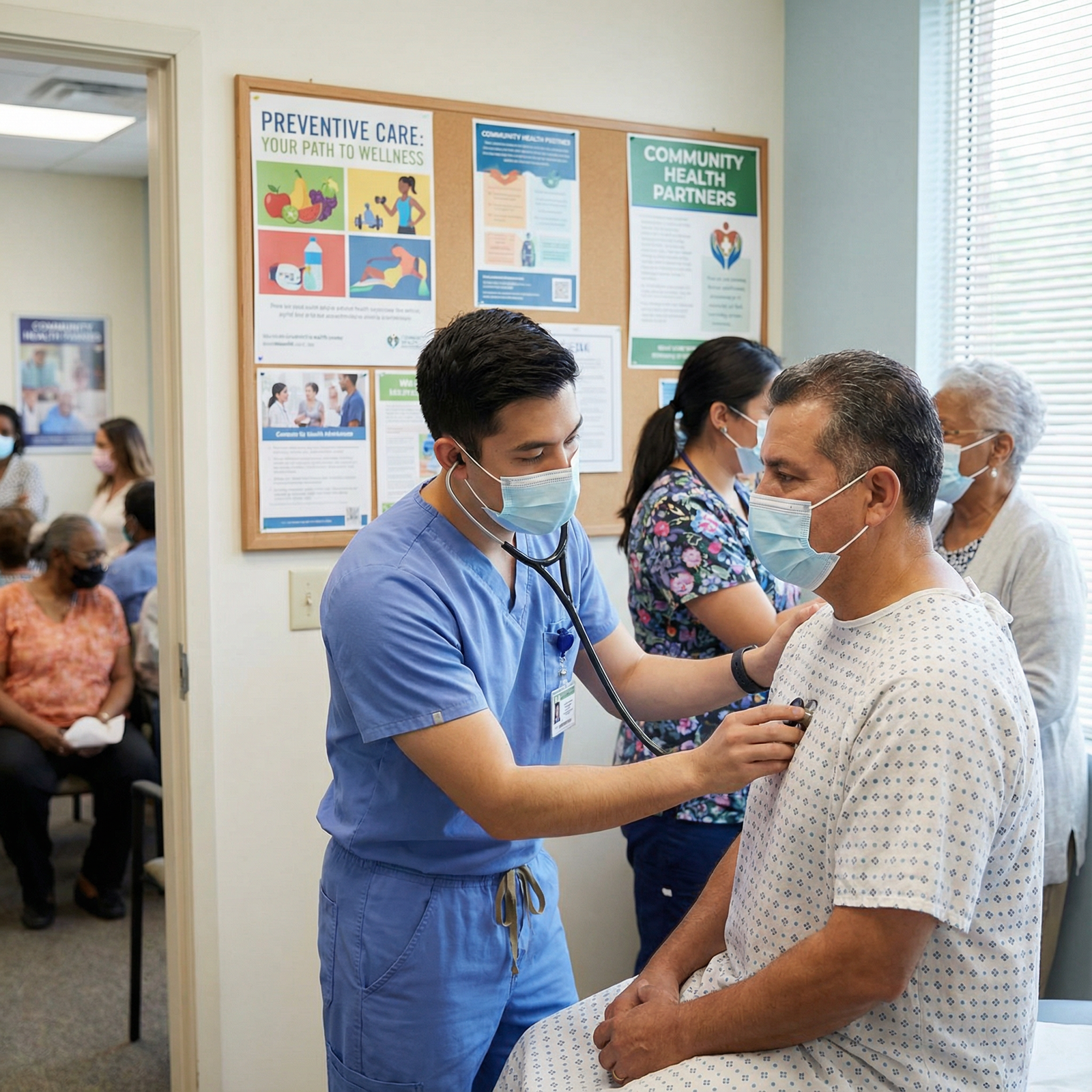
3. Strong Emphasis on Primary Care and Continuity
Many Community Programs—especially in family medicine, internal medicine, pediatrics, and combined programs—are purpose-built to train the Primary Care workforce that communities desperately need.
Key features include:
- Robust continuity clinics where you follow the same patients over years
- Integrated behavioral health, social work, and care management in clinic
- Training in population health, preventive care, and chronic disease management
- Experience with value-based care models and quality improvement at the clinic level
National and international data repeatedly show that:
- Strong Primary Care systems improve health outcomes
- Communities with more primary care physicians have lower mortality and fewer preventable hospitalizations
- Primary Care improves Healthcare Access and equity, particularly for vulnerable populations
If your career interests include:
- Outpatient medicine
- Rural health
- Underserved care
- Community health leadership
then a community-based program with a Primary Care emphasis can offer a training environment that mirrors your eventual practice.
4. Integration with Local Health Systems and Community Resources
Community residency programs often have deep roots in the local Healthcare ecosystem. This can translate into unique educational opportunities that are harder to access at large tertiary-care centers.
Residents may:
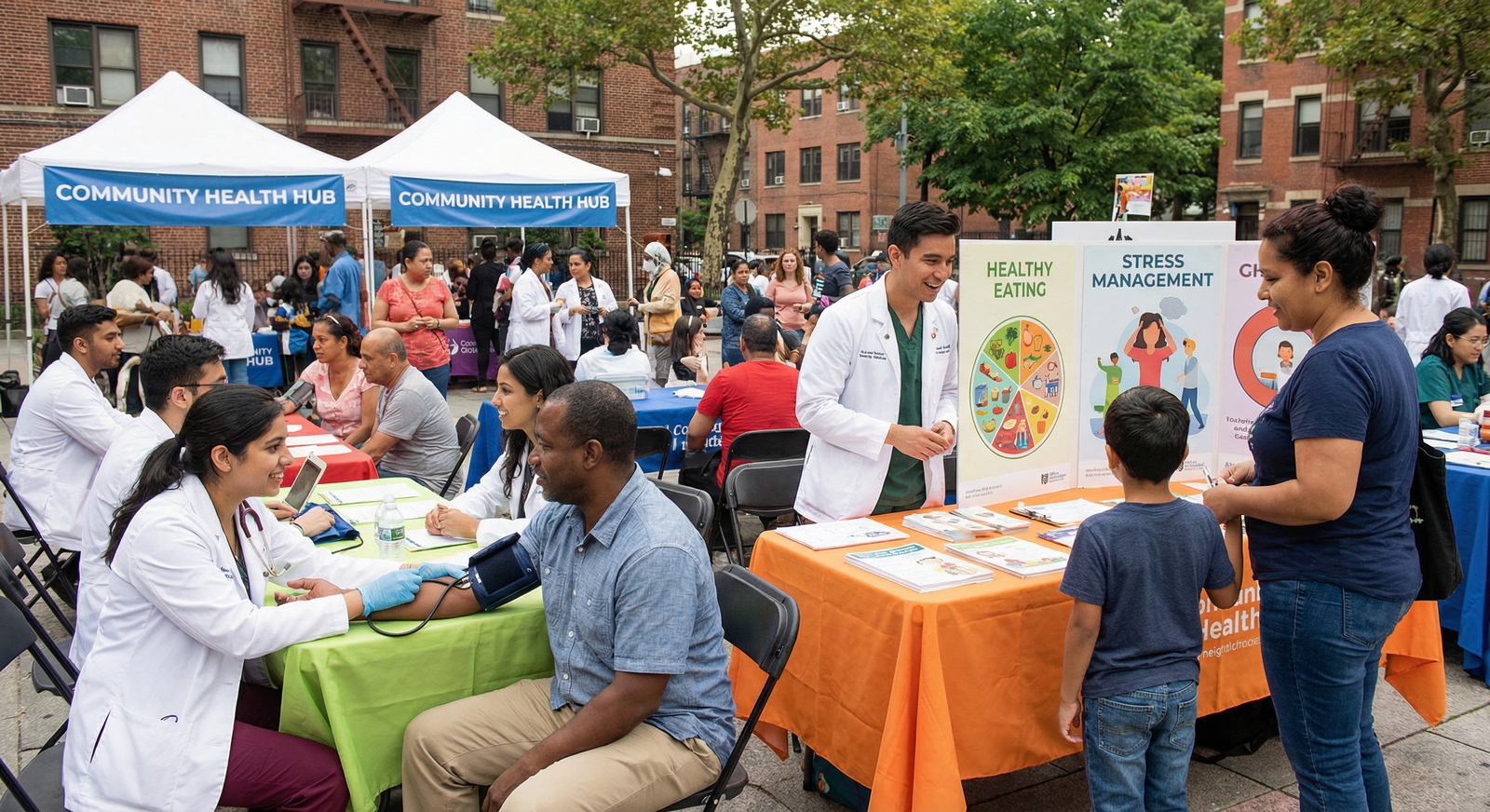
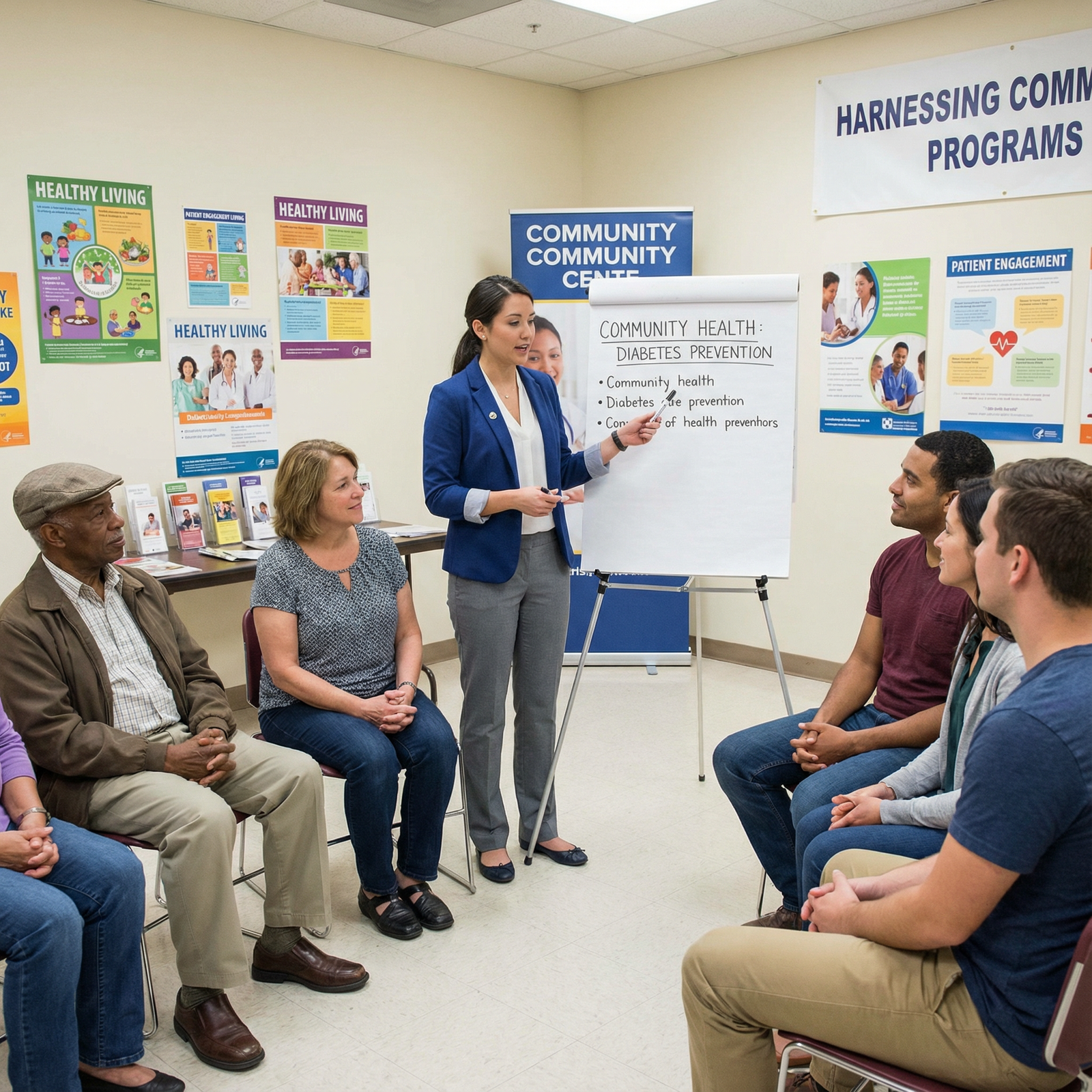
- Collaborate closely with county health departments on vaccination campaigns, outbreak investigations, or public health initiatives
- Work with local schools, shelters, or advocacy groups on community health projects
- Participate in mobile clinics, street medicine, or outreach to migrant camps or remote rural areas
- Learn how local hospital and clinic leaders manage budgets, staffing, and quality metrics
This integration gives you:
- A front-row seat to how health systems function at the community level
- Insight into the practical challenges of improving Healthcare Access
- Opportunities to build leadership and systems-based practice skills
For residents considering future roles in clinical leadership, quality improvement, or public health, these experiences can be exceptionally valuable.
5. Close Mentorship and Strong Professional Relationships
Because many Community Programs are smaller—both in resident class size and faculty numbers—they can foster tight-knit, supportive environments.
You’re more likely to:
- Know all your attendings personally
- Work regularly with the same nurses, therapists, pharmacists, and ancillary staff
- Receive frequent, individualized feedback on your clinical performance
- Have easier access to program leadership for career guidance and wellness support
This can translate into:
- Stronger mentorship for career planning, fellowship applications, and work–life balance
- More opportunities to take on leadership roles (chief resident, QI lead, curriculum projects)
- Smoother communication across teams and a sense of belonging and psychological safety
For many residents, this community culture is a major factor in wellbeing and in feeling supported through the intense years of Residency Training.
Addressing Common Concerns and Misconceptions About Community Programs
Despite these strengths, some applicants remain hesitant about Community Programs. It’s important to dissect the common concerns and understand which are myth, which are nuance, and which truly matter for your goals.
Concern 1: “Community programs are less prestigious and will limit my career options.”
Reality:
- Many community-trained physicians hold leadership positions in hospitals, health systems, and medical groups.
- Numerous fellowship-bound residents successfully match into competitive specialties from Community Programs, particularly when the program has a strong academic or university affiliation.
- Employers in Primary Care, hospital medicine, and many subspecialties often value strong clinical skills and independence—things community training often excels at providing.
What matters more than the label “community” or “academic” is:
- The strength and reputation of the specific program
- The outcomes of their graduates (jobs, fellowships, geography)
- The alignment with your career goals (clinical practice vs. academic research vs. policy, etc.)
Concern 2: “Community programs have fewer resources and less subspecialty exposure.”
There is some truth and a lot of nuance here.
- Some smaller community hospitals may indeed lack every subspecialty or cutting-edge treatment modality.
- However, many Community Programs have robust referral networks, affiliations with academic centers, or rotating subspecialists who staff clinics and consult services.
- Residents may rotate at partner tertiary-care centers for certain subspecialties or advanced procedures.
When evaluating programs, ask:
- Which subspecialties are on-site vs. referred out?
- Do residents rotate at academic or tertiary-care hospitals during training?
- What procedures and pathologies do graduating residents feel comfortable managing independently?
For many career paths—especially broad-scope Primary Care and hospital medicine—community-based exposure is not a limitation but a realistic preparation for practice.
Concern 3: “There’s less research at community programs.”
Often, but not always, true—yet this may or may not matter.
- Classic bench or basic science research is more often concentrated at large academic centers.
- Many community-based residents still publish in clinical journals, present posters, or participate in quality improvement (QI) and health services research.
- Community settings are ideal for practice-based research in primary care, population health, or implementation science.
If you are strongly committed to a research-heavy academic career, you should:
- Specifically look for community or hybrid programs with built-in research infrastructure
- Ask about protected time, mentorship, and typical scholarly productivity of residents
- Consider academic programs if competitive, but do not automatically exclude all Community Programs—some are research-rich, especially those with university affiliations
Real-World Examples: How Community Programs Deliver Impactful Training
Example 1: Family Medicine in a Federally Qualified Health Center (FQHC)
Consider a Family Medicine residency embedded in a large urban FQHC:
- Residents see a majority of Medicaid, uninsured, or underinsured patients
- Clinic visits span chronic disease management, women’s health, pediatrics, geriatrics, and behavioral health
- Residents participate in group visits for diabetes management, smoking cessation classes, and prenatal care
- The program runs outreach to local shelters and schools and collaborates with food banks and housing services
Graduates of this program:
- Often choose to practice in similar environments
- Serve as medical directors of FQHCs, residency clinics, or population health departments
- Bring nuanced understanding of health equity, cultural humility, and systems of care to their roles
This is Community Program training at its best: high-volume, diverse, patient-centered, and deeply tied to local healthcare needs.
Example 2: Internal Medicine in a Community Hospital During a Public Health Crisis
An internal medicine residency at a mid-sized community hospital faced rapid escalation in patient volume during the COVID‑19 pandemic:
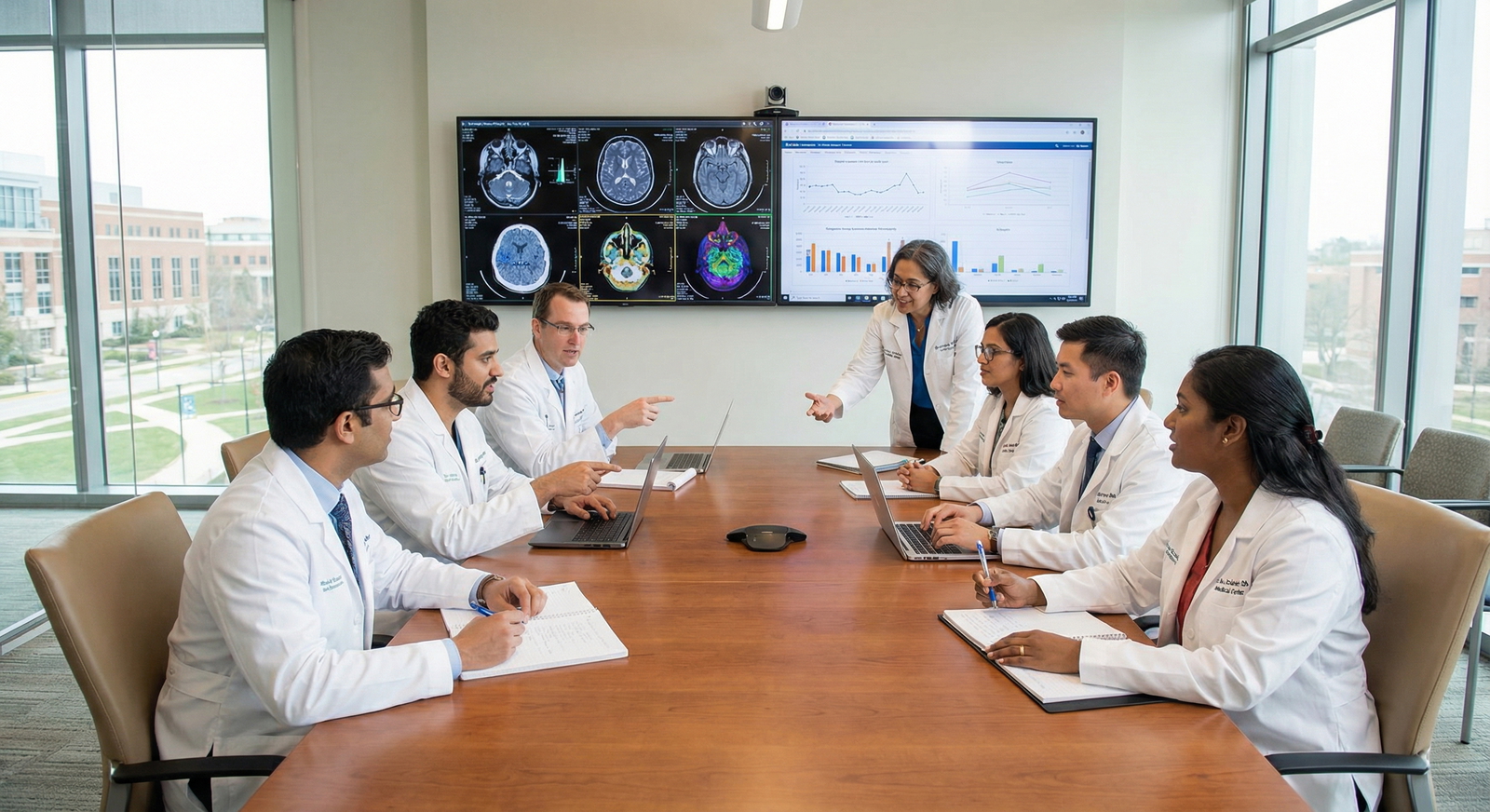
- Residents co-led daily multidisciplinary huddles to coordinate care for critically ill patients
- The program partnered with the local health department to improve vaccine outreach and communicate with long-term care facilities
- Residents helped develop and refine protocols for triage, oxygen escalation, and post-discharge follow-up in a resource-limited environment
The result:
- Residents gained front-line experience in crisis standards of care, systems thinking, and rapid-cycle improvement
- Graduates took these skills to both community and academic positions, bringing a grounded understanding of public health and health system resilience
These case examples illustrate that some of the most formative experiences in Residency Training can occur in community settings, especially in real-world challenges where theory must be translated into action.
How to Evaluate Community Programs During the Residency Application Process
As you plan your Residency Match strategy, it’s worth giving Community Programs a serious and structured evaluation rather than using them as generic “safety” options.
1. Clarify Your Career Goals
Ask yourself:
- Do I envision myself in Primary Care, hospital medicine, or a procedure-heavy subspecialty?
- How important is academic research vs. direct patient care?
- Do I want to work in an urban, suburban, or rural setting long term?
- How important are prestige, reputation, and name recognition to my future goals?
If your main goals involve:
- Being an excellent clinician
- Serving underserved populations
- Having early responsibility with strong mentorship
then Community Programs may align very well with your priorities.
2. Gather Data on Outcomes
For each program (community or academic), try to learn:
- Where do graduates practice? (type of job, geographic region, academic vs. community)
- What percentage of residents match into fellowships if they choose to apply, and in which specialties?
- How do graduates describe their preparation for independent practice?
This information is often available via:
- Program websites
- Virtual information sessions
- Alumni panels
- Direct questions to residents and program leadership on interview day
3. Assess Clinical Breadth and Depth
During interviews or open houses, ask:
- What is the typical patient volume for inpatient and outpatient rotations?
- Which procedures do residents routinely perform?
- How is autonomy balanced with supervision and safety?
- Are there rotations at other affiliated hospitals or specialized centers?
Programs that clearly articulate their clinical strengths and support resident growth tend to provide robust training regardless of “community” or “academic” labels.
4. Explore Educational and Research Opportunities
Even if research is not your primary focus, scholarly activity still matters for fellowship applications and professional growth.
Ask:
- What types of scholarly projects are most common (QI, case reports, clinical trials, health services research)?
- Is there protected time or structured mentorship for scholarly work?
- Do residents regularly present at regional or national conferences?
Many Community Programs have niche strengths—such as quality improvement, patient safety, or population health—that can be just as valuable as traditional academic research for many career paths.
5. Evaluate Culture and Support
Finally, pay close attention to:
- Resident wellness initiatives and call schedules
- How residents talk about faculty approachability and responsiveness
- Inclusion, diversity, and equity efforts within the program
- How the program handled major stressors (e.g., COVID‑19 surges, staffing shortages)
A supportive culture can significantly impact your Residency Training experience and your long-term satisfaction.
The Future: Unlocking the Full Potential of Community Programs
Community-based residency training is not merely an alternative to big-name academic centers—it’s a critical piece of the solution to current and future challenges in healthcare.
Aligning Training with Community Health Needs
Medical schools, health systems, and community organizations can strengthen Community Programs by:
- Designing curricula around local epidemiology and prevalent conditions (e.g., diabetes, substance use disorders, maternal health, occupational exposures)
- Integrating training in social determinants of health, advocacy, and health policy
- Building pipelines that encourage residents to remain and practice in the communities they trained in
This alignment ensures that Residency Training directly advances Healthcare Access and health equity.
Leveraging Technology to Narrow Gaps with Academic Centers
Modern technology can further elevate Community Programs:
- Telehealth allows exposure to subspecialists who may not be locally available
- Virtual didactics, national lecture series, and shared online curricula connect residents to academic experts
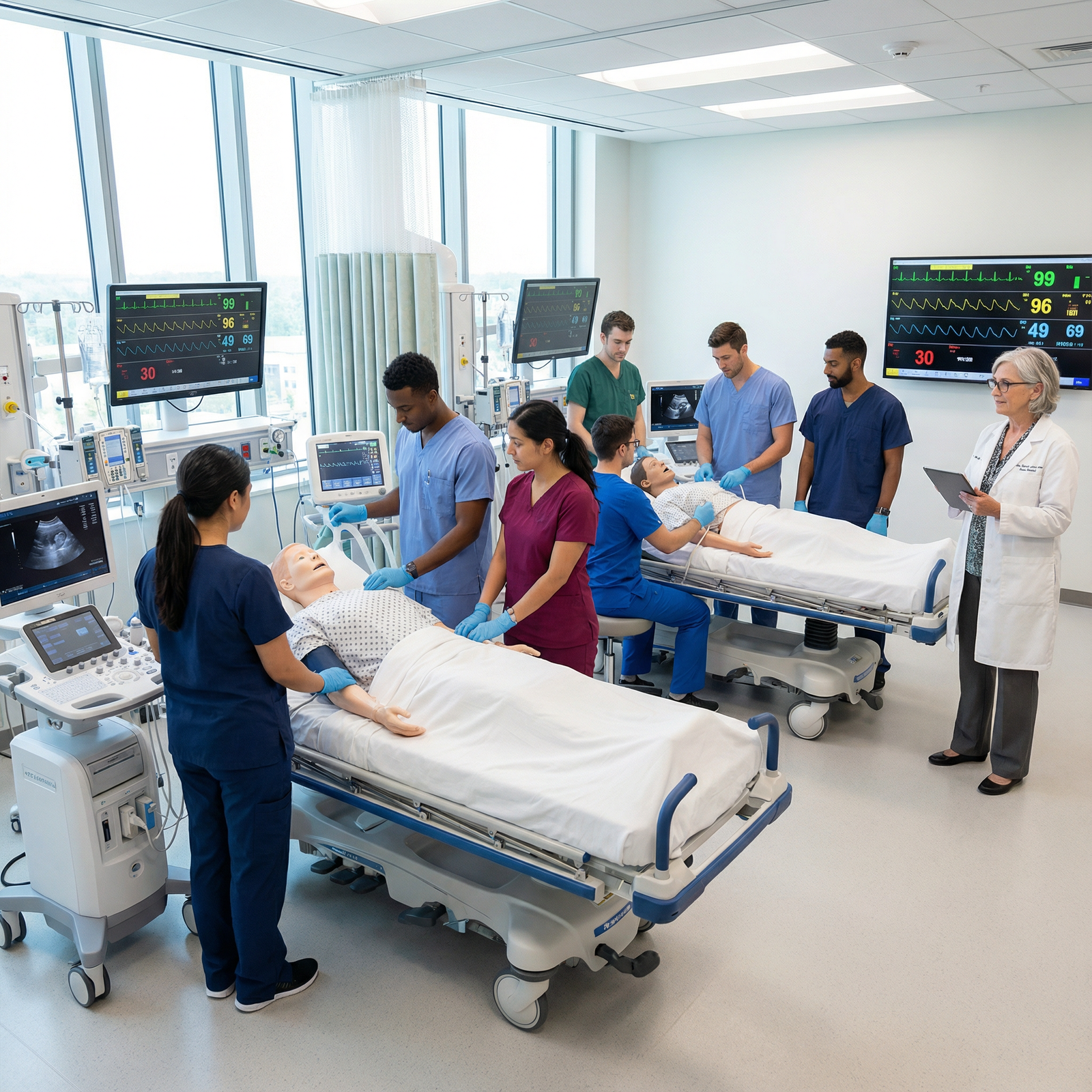
- Simulation centers, even regional or shared ones, offer training in emergencies and rare procedures
By fully embracing these tools, community-based Medical Education can match or surpass many aspects of traditional academic training while preserving its clinical strengths.
Raising Visibility and Correcting Misconceptions
Leaders and advocates for Community Programs can:
- Publish outcome data and success stories of graduates
- Host webinars and Q&A sessions specifically geared toward medical students
- Partner with medical schools to offer community-based clerkships and electives, allowing students to experience these settings early
Over time, greater visibility will help dismantle outdated assumptions and ensure that applicants evaluate Community Programs based on fit and quality, not stereotype.

FAQs About Community Residency Programs
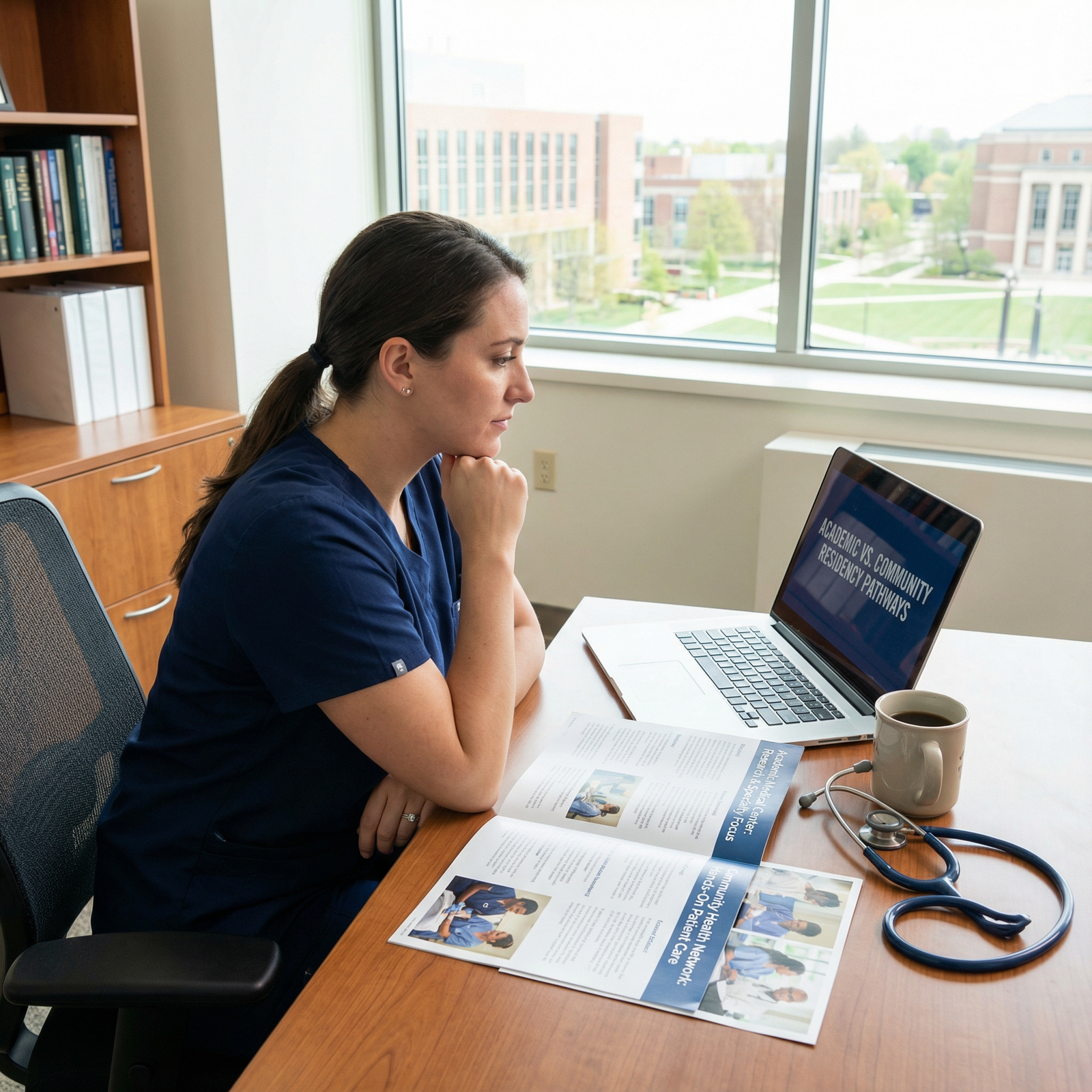
1. What are the key differences between community and academic residency programs?
In broad terms:
Community Programs
- Based primarily in community hospitals or clinics
- Strong emphasis on clinical volume, hands-on training, and primary care
- Typically smaller, with close-knit teams and more direct mentorship
- May have fewer basic science research opportunities but strong QI and population health projects
Academic Programs
- Based at or closely tied to large university hospitals
- Greater focus on subspecialty care, tertiary/quaternary referrals, and academic research
- Larger faculty and resident cohorts, more complex institutional structures
- Often more name recognition, which can help in certain research-heavy academic career paths
Both pathways can lead to excellent careers; the “better” choice depends on your goals and learning style.
2. Can graduates of community programs match into competitive fellowships?
Yes. Many graduates from strong Community Programs match into fellowships, including competitive subspecialties. Success depends on:
- Your individual performance (evaluations, board scores, clinical reputation)
- Strength of letters of recommendation and mentorship
- Your scholarly activity (case reports, QI projects, clinical research)
- The program’s track record of fellowship placement
If fellowship is a goal, ask each program—community or academic—for concrete data on recent fellowship matches.
3. How can I identify high-quality community residency programs during applications?
Look beyond labels and examine:
- Accreditation status and any recent citations
- Board pass rates over several years
- Graduate outcomes (jobs, fellowships, geographic distribution)
- Resident satisfaction and retention
- Breadth and depth of clinical exposure
- Availability of mentorship, career guidance, and well-being support
Talking directly with current residents—outside of formal interview settings when possible—is one of the best ways to get an authentic picture.
4. Are community programs mainly for those interested in primary care?
No, but they are particularly strong for applicants with Primary Care or hospitalist interests. Many Community Programs also offer:
- Strong inpatient medicine experiences for future hospitalists
- Procedural exposure for fields like emergency medicine, anesthesia, or some surgical specialties
- Subspecialty rotations through affiliated hospitals or visiting consultants
What matters is how each specific program’s case mix, rotations, and graduate outcomes align with your intended career.
5. Do community programs offer financial support or loan repayment opportunities?
Many community-based settings, especially those serving underserved populations, are eligible for:
- Federal or state loan repayment programs (e.g., NHSC, state-specific programs) once you become an attending
- Institutional incentives such as sign-on bonuses, retention bonuses, or housing stipends (usually post-residency)
During Residency Training itself, salary levels are often comparable between community and academic programs within the same region, though benefits and cost of living vary. Ask programs directly about:
- Salary and benefits
- Moonlighting policies and opportunities
- Any partnerships with loan repayment or scholarship programs after graduation
Community Programs are not consolation prizes; they are vital engines of Medical Education and frontline Healthcare Access. For many residency applicants, a well-chosen community-based program can provide exactly the right blend of intense clinical training, meaningful patient relationships, and mentorship to launch a fulfilling and impactful career in medicine.