Understanding Academic Residency Programs in Modern Medical Education
Choosing a residency program is one of the most consequential decisions in your medical career. Beyond specialty, one of the first major choices you’ll face is academic vs. community residency training. Many applicants have a vague sense that “academic” equals research and “prestige,” while “community” equals hands-on clinical work—but the reality is more nuanced.
Academic programs, sometimes called university-based or academic health center residencies, sit at the heart of modern medical education. They shape how physicians learn, how research is translated into practice, and how the next generation of clinicians and scientists is trained.
This guide decodes academic programs: what they are, how they function, the value they offer, and how to decide whether this environment aligns with your goals in residency training, research opportunities, and long-term career development.
What Are Academic Residency Programs?
Academic residency programs are typically based at:
- University hospitals
- Academic medical centers
- Institutions closely affiliated with a medical school
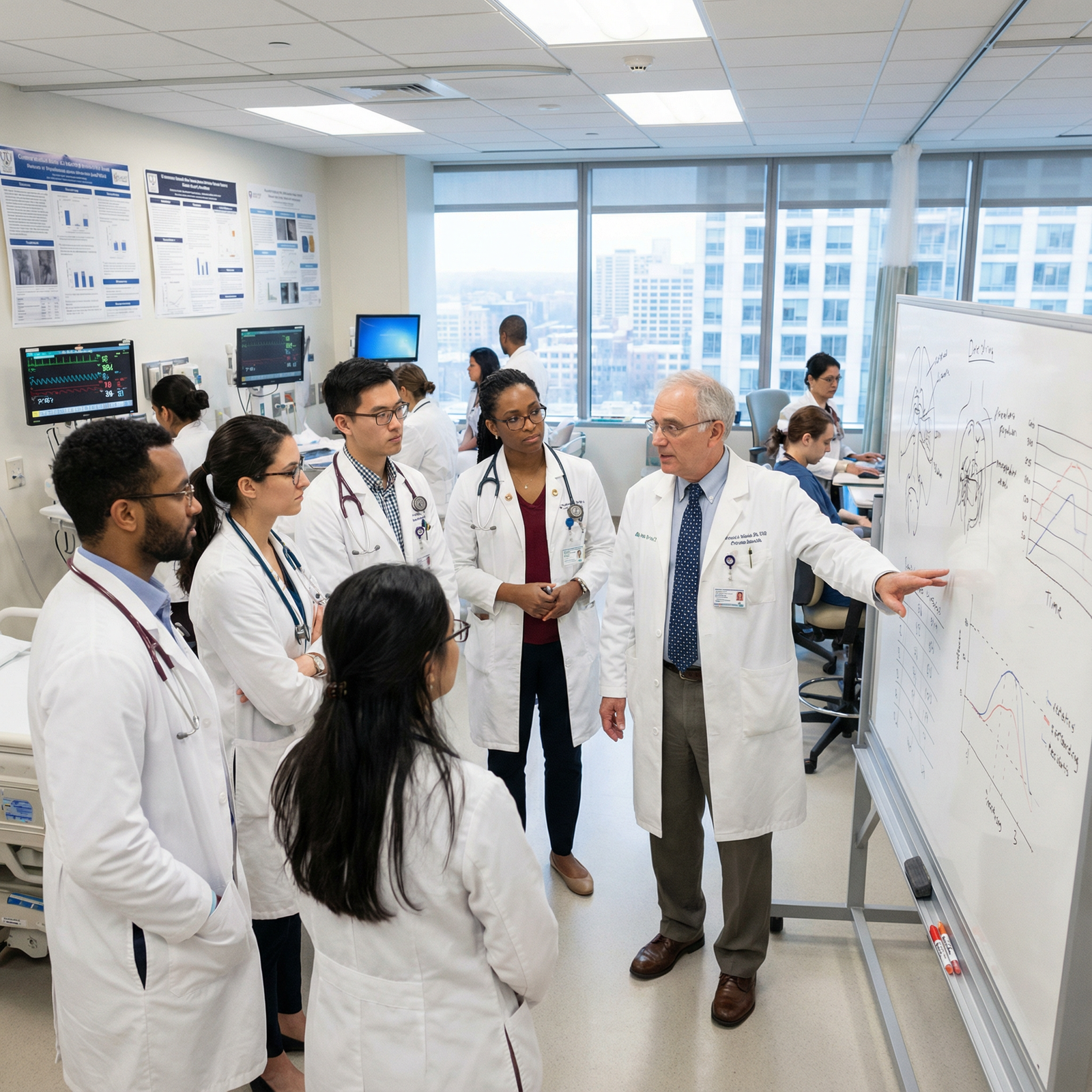
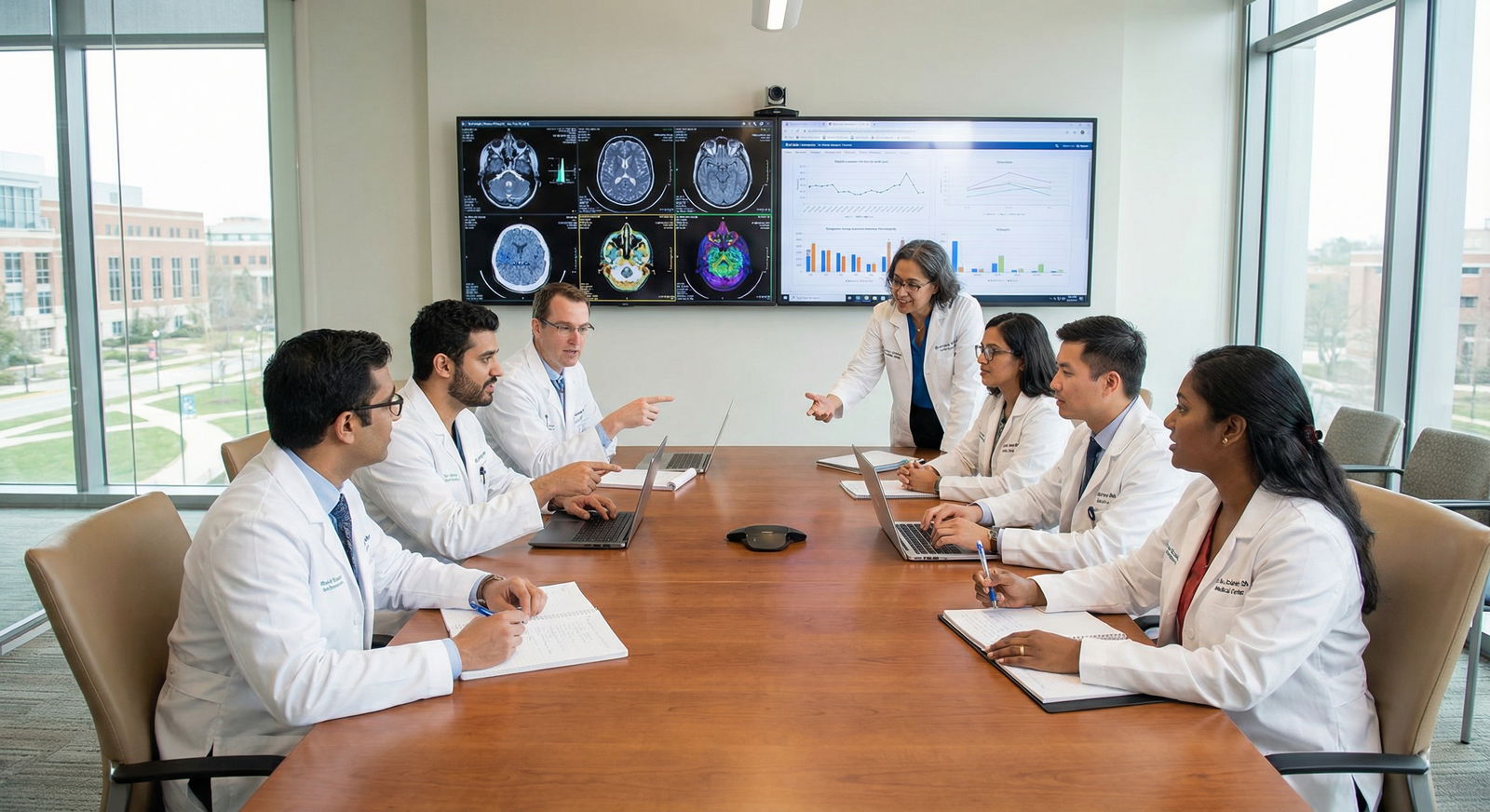
These programs are deeply integrated into the missions of education, research, and patient care. Residents are not only clinicians-in-training but also active participants in scholarly work and teaching.
Core Features That Define Academic Programs
While every academic program has its own culture, several defining characteristics are common across most:
1. Strong Faculty Oversight and Academic Governance
Academic programs operate within strict educational frameworks set by:
- The Accreditation Council for Graduate Medical Education (ACGME)
- Specialty-specific boards and societies
- Institutional graduate medical education (GME) offices
Key implications for residents:
- Robust supervision: Attending physicians often hold faculty appointments with defined teaching roles, expectations, and evaluation responsibilities.
- Structured oversight: Program directors and core faculty closely monitor milestones, clinical competencies, and scholarly activity.
- Education committees: Curriculum and rotation design are regularly reviewed and updated based on educational outcomes, new evidence, and feedback.
This governance often produces a highly organized educational environment with clear expectations, well-defined goals, and an emphasis on continuous improvement.
2. Integrated Research and Scholarly Activity
Research and scholarship are central to most academic residency programs. This can include:
- Clinical trials and outcomes research
- Health services and quality improvement (QI) projects
- Medical education research
- Translational and basic science collaborations
- Case reports, case series, and review articles
Many academic programs:
- Require at least one scholarly project for graduation
- Provide protected research time, especially in the later years of training
- Offer mentorship by faculty with active grants and publications
The result is an environment where asking questions, seeking evidence, and generating new knowledge are part of everyday clinical practice.
3. Rich and Diverse Learning Experiences
Because academic centers often serve as tertiary or quaternary referral hospitals, residents are exposed to:
- High-acuity, complex cases
- Rare diseases and advanced procedures
- Multidisciplinary care teams (e.g., tumor boards, transplant committees)
- Subspecialty clinics and consult services
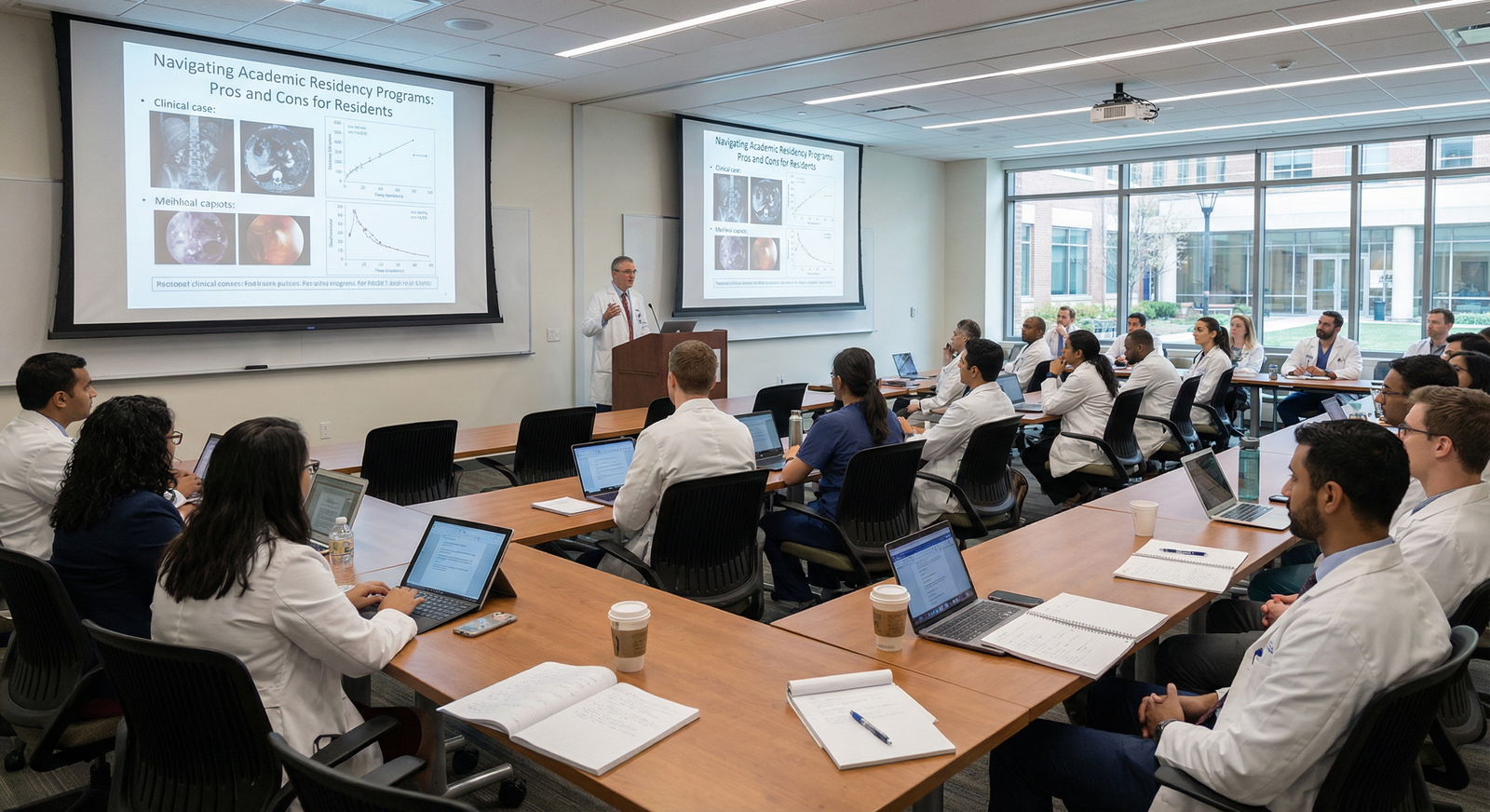
Beyond clinical exposure, residents benefit from a wide range of didactic activities, such as:
- Morning reports
- Grand rounds
- Subspecialty conferences
- Simulation-based training
- Procedural skills labs
- Journal clubs focused on critical appraisal and evidence-based practice
4. Built-In Networking and Professional Visibility
Academic centers function as hubs of professional networking, which can shape your career trajectory for years:
- Daily interaction with nationally recognized experts
- Access to visiting professors, national speakers, and alumni
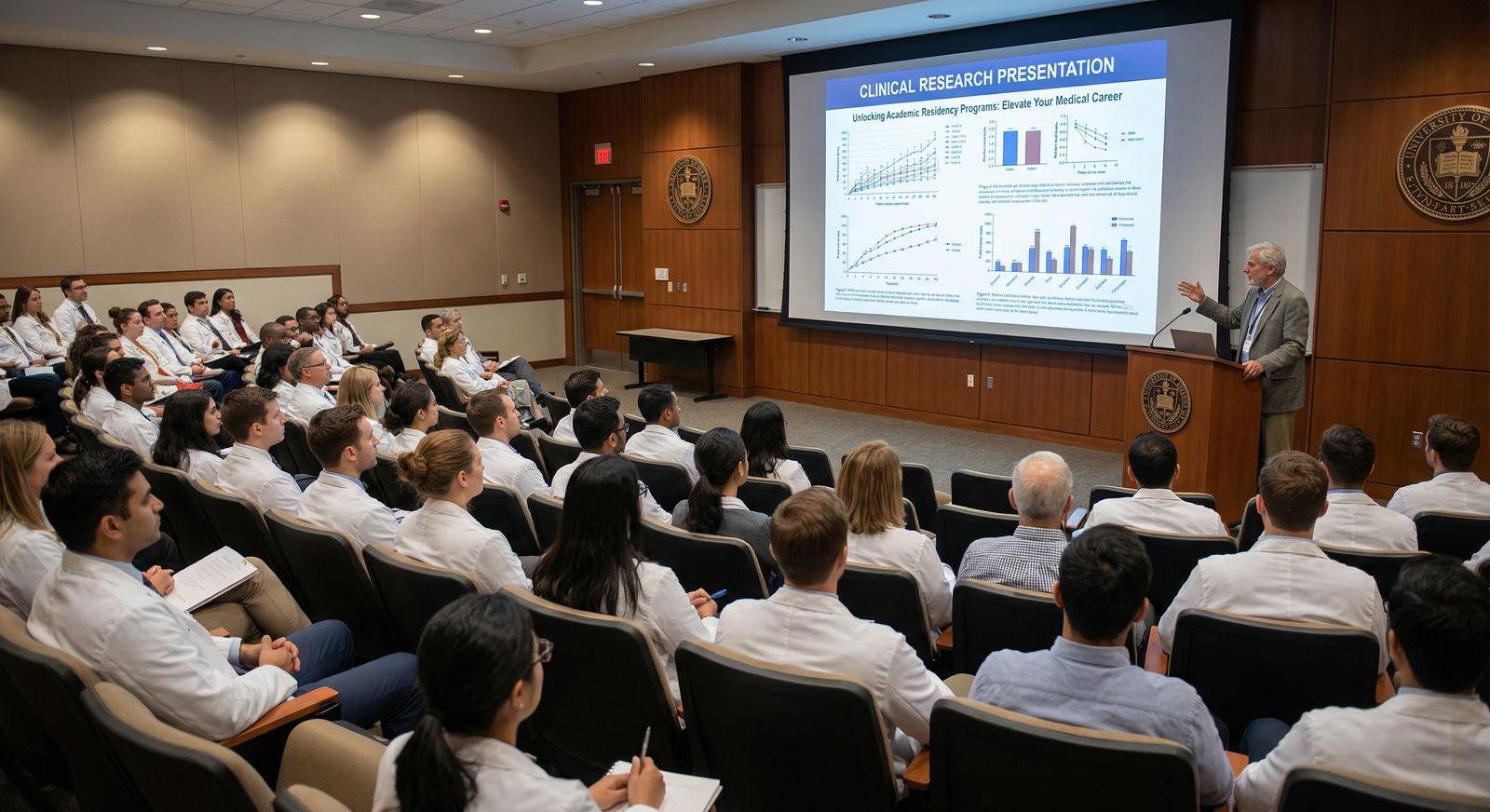
- Opportunities to present at conferences and build your CV
- Early connections to fellowship directors and future collaborators
For residents considering fellowships, academic careers, or research-intensive roles, these networks can be invaluable.
The Unique Value of Academic Residency Programs
Academic programs are not just about prestige; they offer a distinct training environment that can strongly influence your future career development. Below are the key dimensions of their value, along with practical examples and implications for your residency choices.
1. Deep Emphasis on Research and Scholarship
If you are drawn to questioning existing practices, designing studies, or advancing medical knowledge, academic programs offer a natural home.
Access to Funding, Infrastructure, and Expertise
Academic centers typically provide:
- Institutional review board (IRB) support for research protocols
- Biostatistics and data analysis resources
- Research coordinators or study staff (especially in large departments)
- Internal research funding mechanisms, pilot grants, or travel awards
Example:
- An internal medicine resident interested in sepsis outcomes might work with a critical care faculty mentor on a retrospective cohort study, using the hospital’s data warehouse and biostatistics core to power the analysis.
Tangible Scholarly Output
Residents in academic programs often graduate with:
- Peer-reviewed publications
- Abstracts presented at national or international conferences
- Posters and oral presentations at specialty society meetings
- QI projects that lead to practice changes and recognition
This is especially beneficial if you:
- Plan to apply for competitive fellowships (e.g., cardiology, GI, heme/onc, surgical subspecialties)
- Envision an academic career with a research component
- Want to build a strong scholarly portfolio early in training
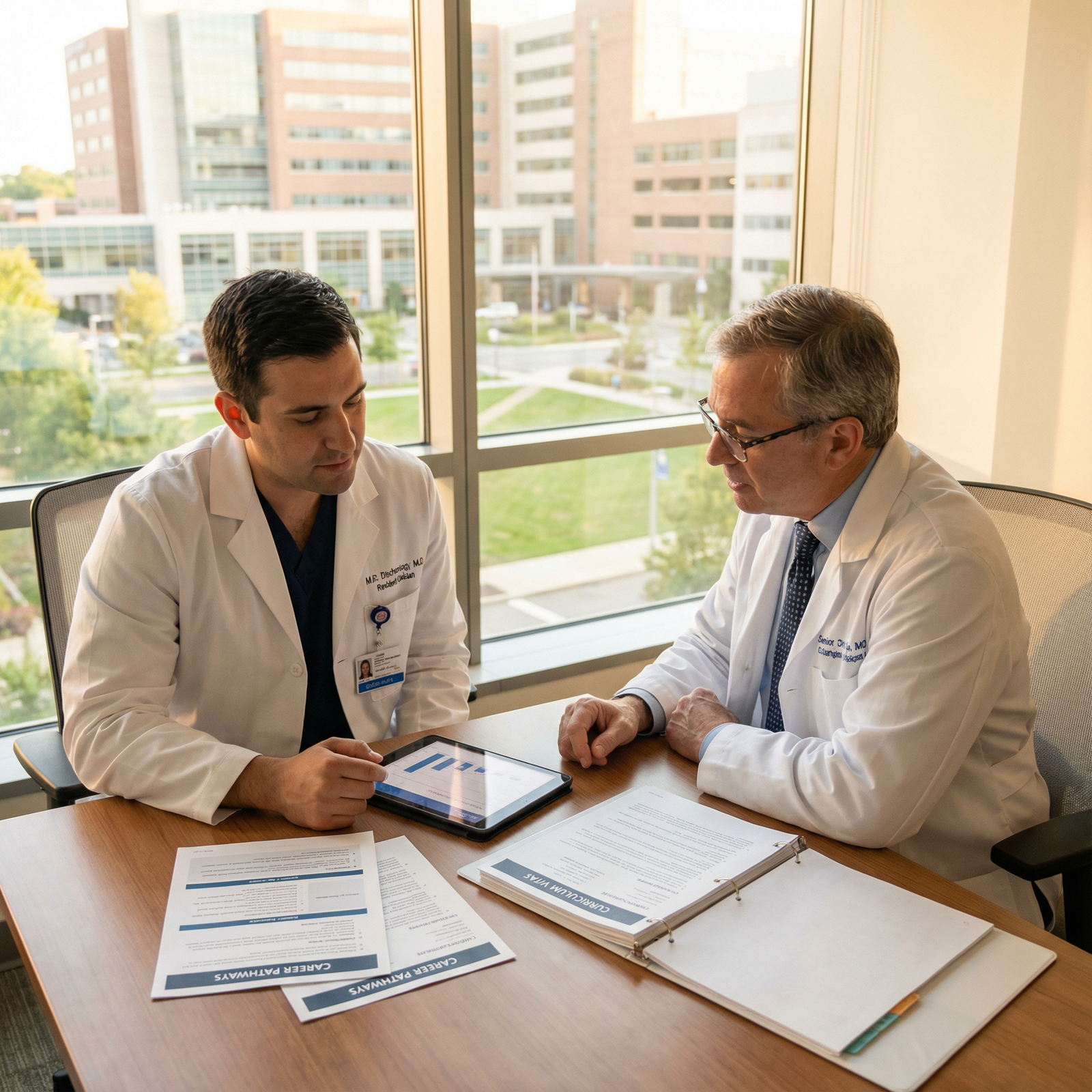
2. Personalized Mentorship and Career Guidance
One of the most underappreciated strengths of academic programs is the density and diversity of mentors.
Multilayered Mentoring Structure
You are likely to encounter:
- Faculty mentors with specific clinical or research interests aligned with yours
- Peer mentors (senior residents, fellows) who recently navigated the same pathway
- Career development advisors embedded in departments or GME offices
Mentorship can support you in:
- Refining your career goals (academic vs. community practice, subspecialty choices)
- Planning research and scholarly projects
- Strategically building your CV for the Match and beyond
- Accessing leadership roles (e.g., chief resident, committee positions)
Exposure to Varied Practice Models
Academic faculty often split their time across:
- Inpatient and outpatient clinical practice
- Research and grant work
- Teaching and curriculum design
- Administrative and leadership roles
By shadowing and working closely with these physicians, you can:
- See firsthand what an academic career looks like day-to-day
- Compare different practice models (e.g., 80% clinical / 20% research vs. 50/50)
- Clarify how you might want to structure your own career after residency
3. Structured, High-Quality Educational Experiences
Academic programs intentionally design their educational environment with medical education best practices in mind.
Formal Didactics and Curriculum
Academic residencies commonly feature:
- Weekly or daily didactic blocks protected from clinical duties
- Milestones- and competency-based curricula aligned with ACGME requirements
- Integrated teaching on evidence-based medicine, ethics, QI, patient safety, and health systems
Educational activities are often multi-modal:
- Case-based learning: E.g., morning report discussions focusing on diagnostic reasoning
- Simulation: Managing codes, procedural skills, communication training
- Flipped classroom models: Pre-reading with interactive sessions to apply concepts
Continuous Curriculum Development
Because academic programs are engaged in medical education research and innovation, they tend to:
- Rapidly incorporate new guidelines and evidence into teaching
- Experiment with novel teaching methods (e.g., near-peer teaching, interprofessional education)
- Evaluate educational outcomes and adapt based on resident feedback and performance data
This ongoing adaptation helps ensure that your training aligns with the most current standards in healthcare delivery.
4. Exposure to Innovation and Cutting-Edge Medicine
Academic medical centers are often early adopters of new technologies and therapies:
- Advanced imaging, robotic surgery, minimally invasive techniques
- Complex multidisciplinary clinics (e.g., cardio-oncology, gender-affirming care, transplant programs)
- Participation in phase I–III clinical trials
For residents, this means:
- Learning techniques and therapies that may not yet be widely available in community settings
- Gaining experience with novel devices, biologics, or protocols
- Participating in the evaluation and implementation of new interventions
This environment fosters an attitude of curiosity, critical appraisal, and comfort with change—skills that will serve you as medicine continues to evolve.
5. Enhanced Short- and Long-Term Career Opportunities
Training at an academic program can open doors across several domains of career development.
Competitive Fellowships and Subspecialty Training
Many fellowship selection committees:
- Recognize the rigor of academic residency training
- Value applicants with robust scholarly portfolios
- Are more familiar with academic program reputations and faculty letters
Being in an academic environment also:
- Increases your visibility to fellowship faculty
- Makes it easier to collaborate on projects with leaders in your field of interest
- Provides ready access to fellowship interview preparation, mock interviews, and mentorship
Pathways to Academic and Leadership Roles
Graduates of academic programs are often well-positioned to:
- Secure clinical educator positions at medical schools or teaching hospitals
- Take on leadership roles (e.g., program director tracks, clerkship director, hospital administration)
- Pursue advanced degrees (MPH, MEd, MSc, PhD) during or after residency
Even if you ultimately choose community practice, your academic background can set you apart as:
- A local expert in evidence-based practice or QI
- A lead for educational initiatives or residency site development
- A liaison between community hospitals and academic centers in collaborative care or research
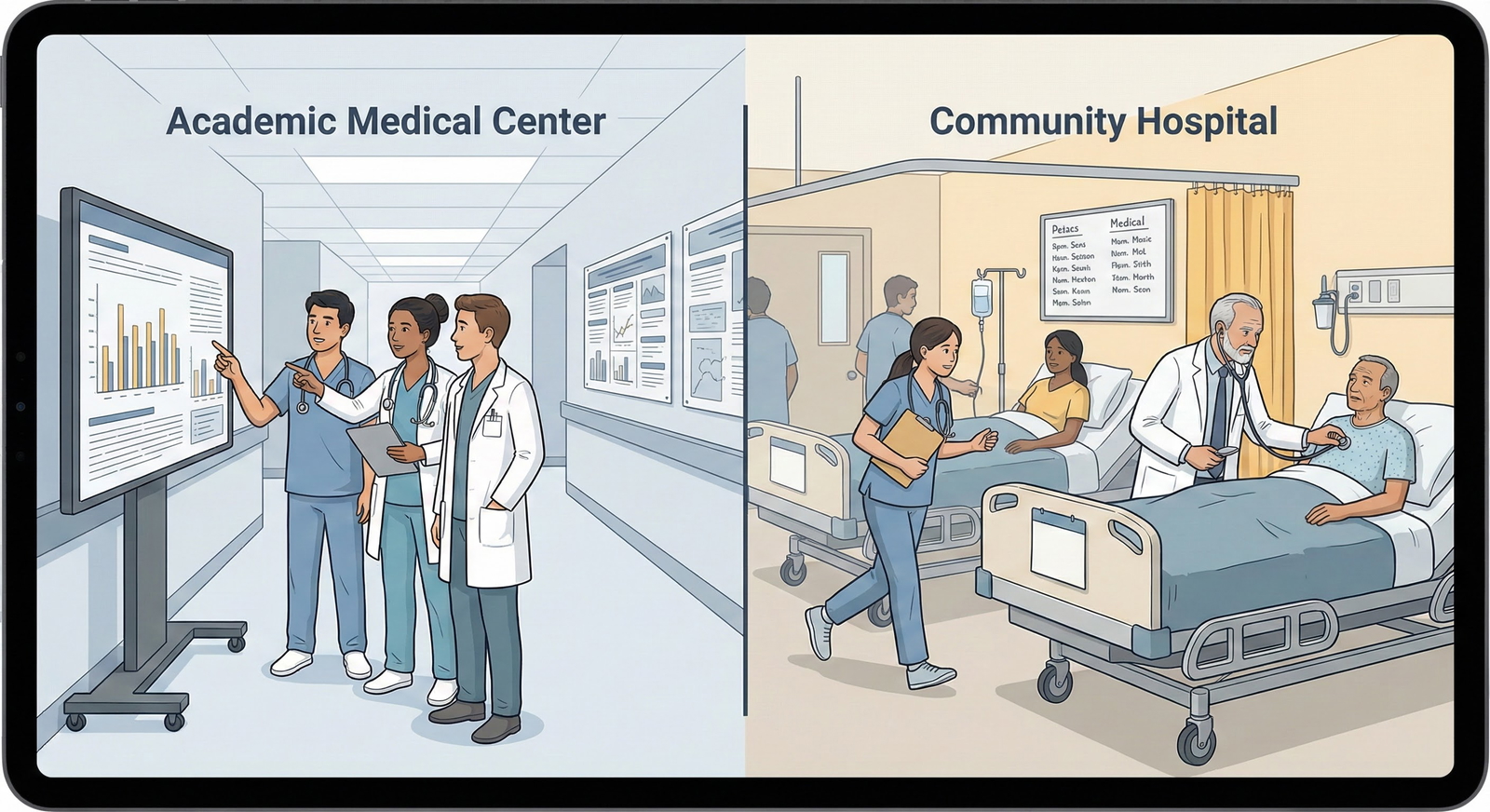
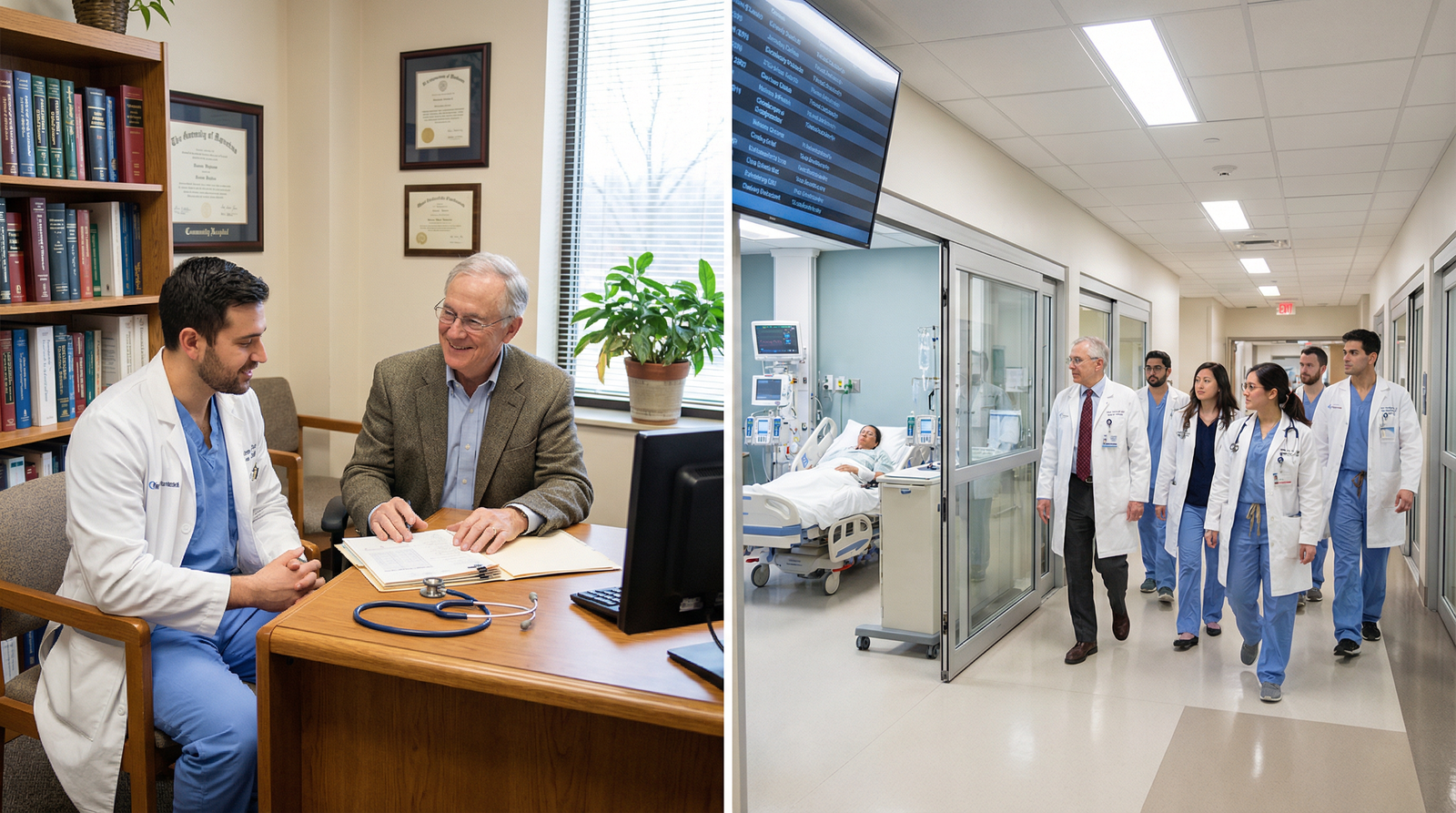
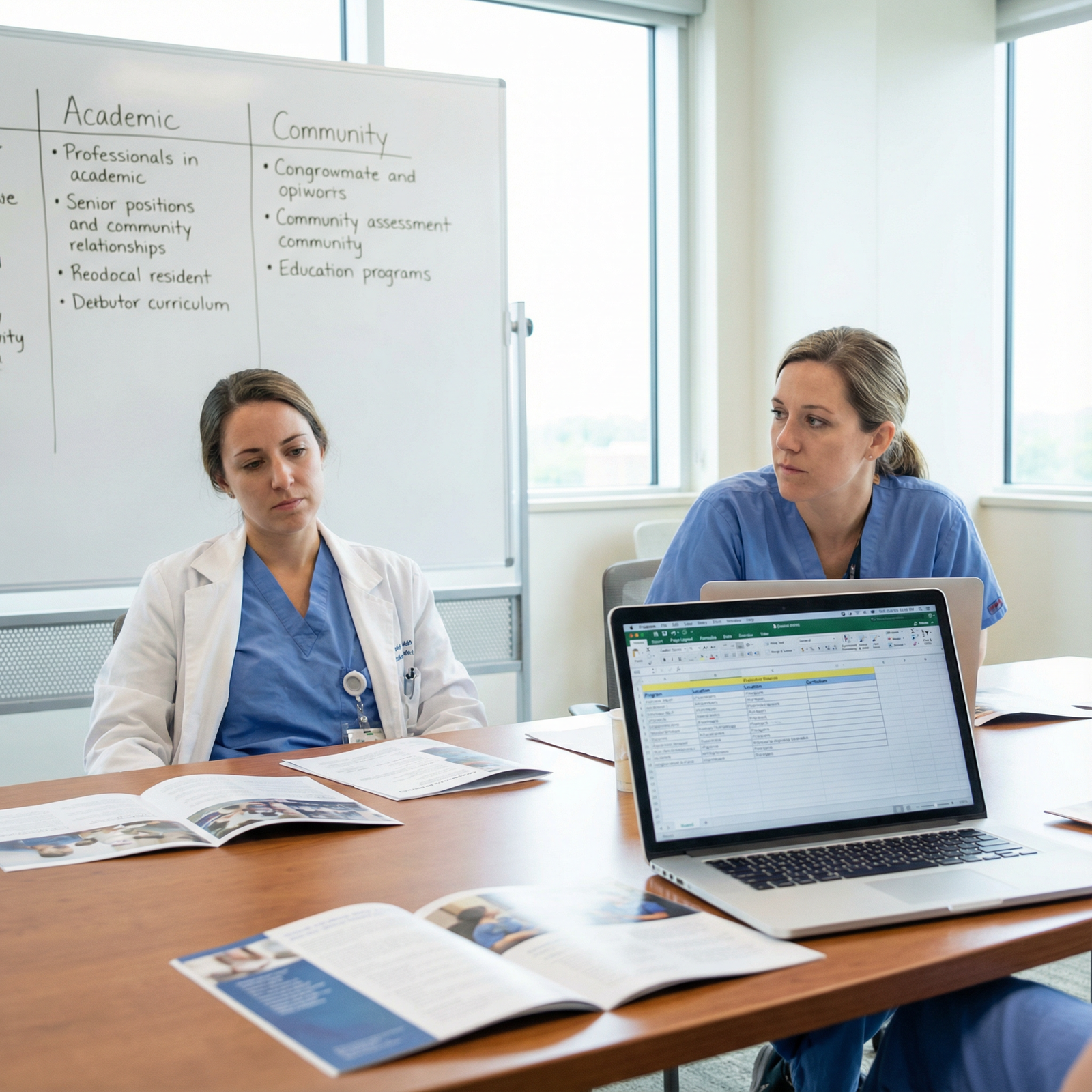
Academic vs. Community Programs: Key Differences and How to Decide
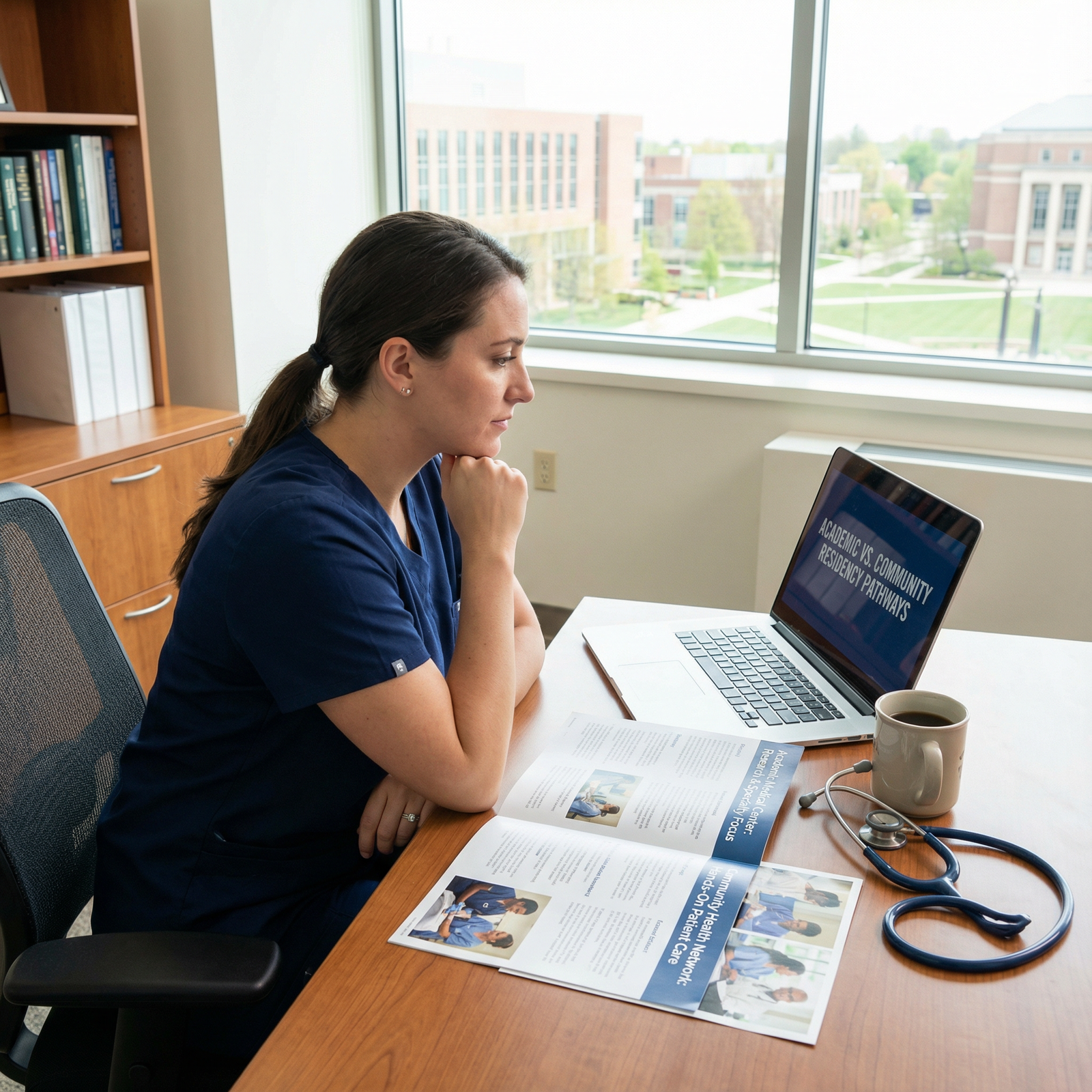
Both academic and community programs can provide excellent clinical training. The “right” environment depends on your goals, learning style, and lifestyle preferences.
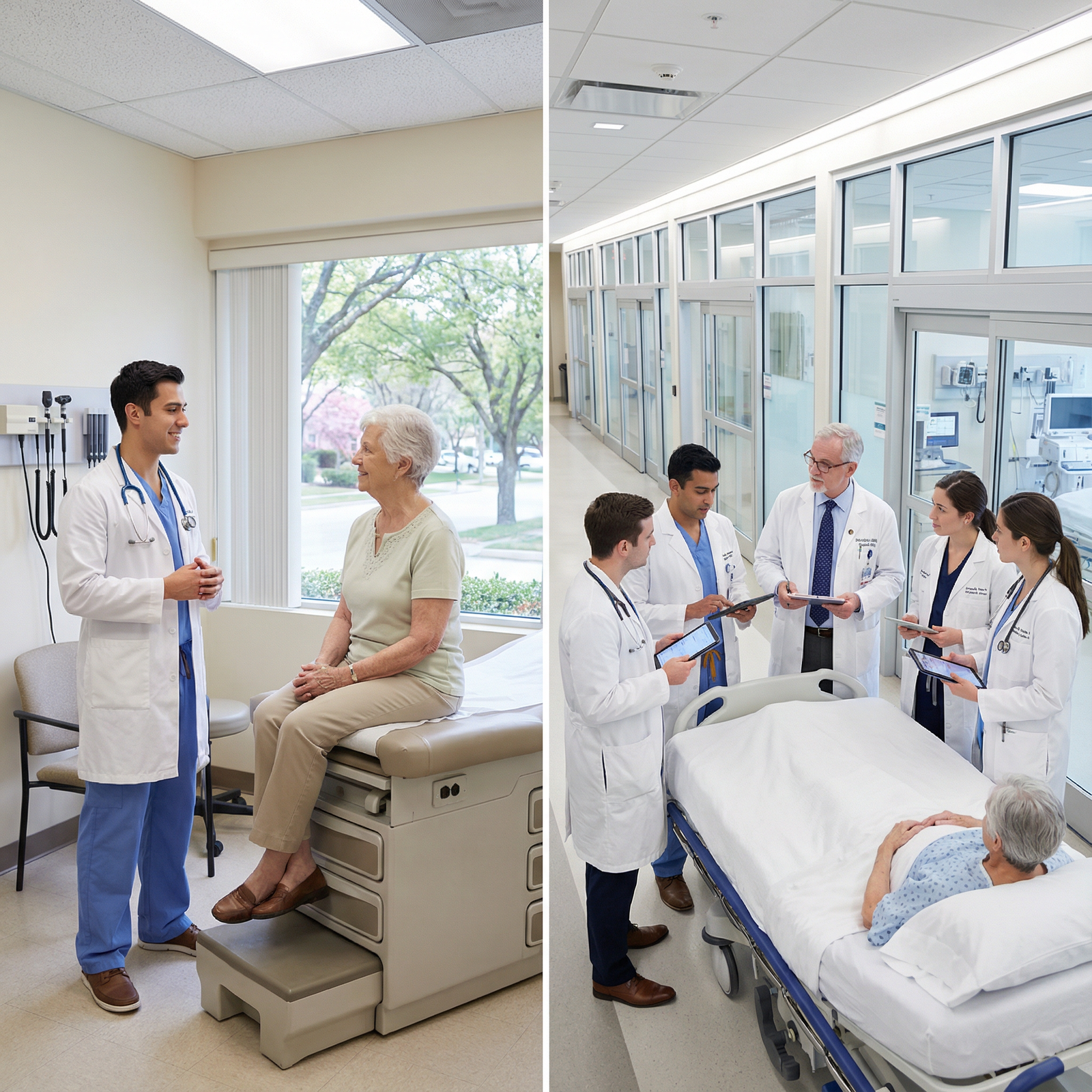
How Academic Programs Typically Differ from Community Programs
While there are exceptions on both sides, academic programs often:
- Place stronger emphasis on research and scholarly work
- Offer more formal didactics, conferences, and protected educational time
- Provide broader exposure to complex, tertiary-level cases
- Incorporate more layers of learners (students, residents, fellows)
- Operate within a more structured, hierarchical system
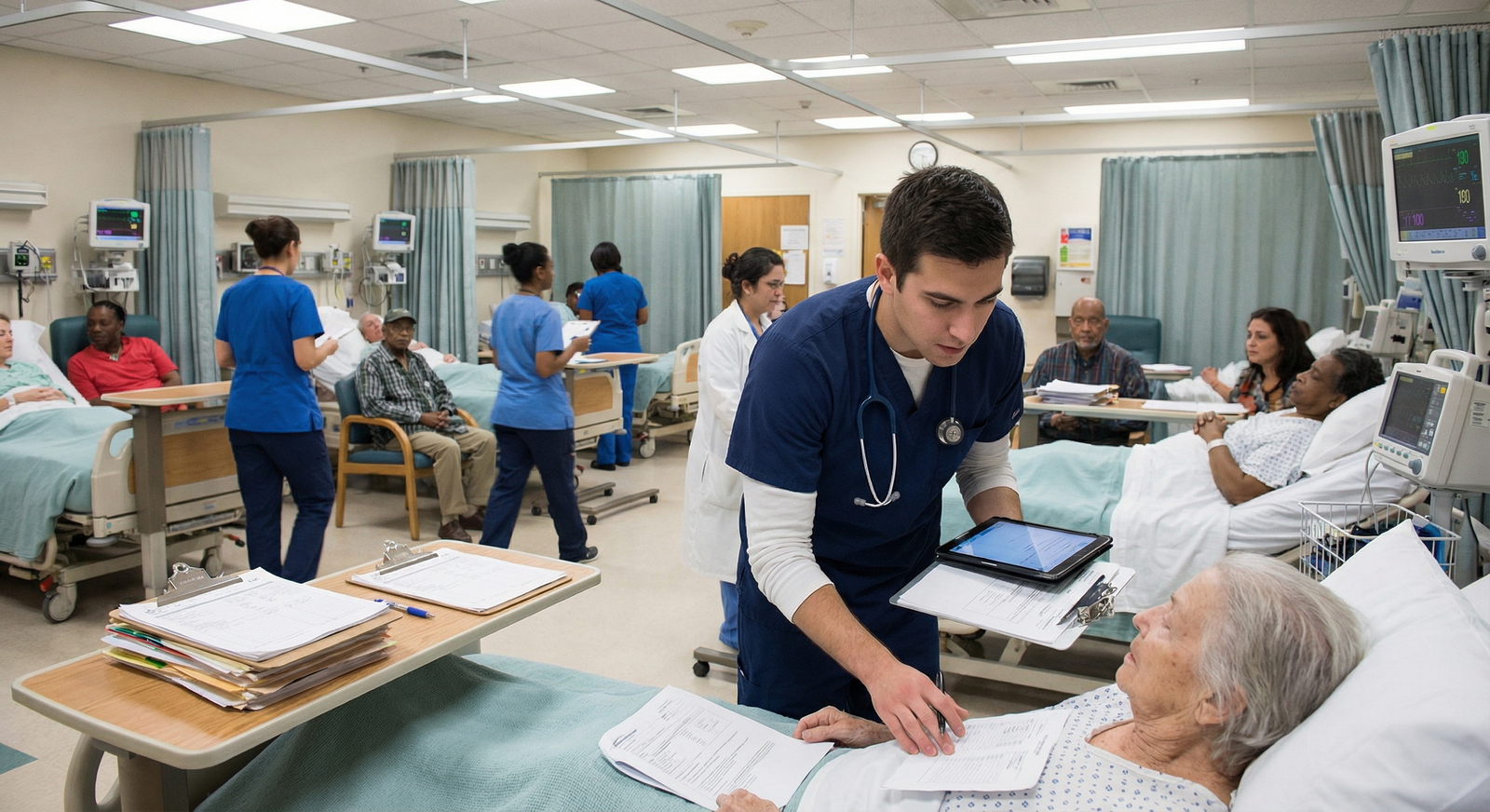
Community programs, in contrast, tend to:
- Focus heavily on high-volume, bread-and-butter clinical work
- Offer earlier autonomy in patient care and procedures
- Have fewer research requirements (though many now encourage QI projects)
- Provide a practice environment that more closely mirrors community practice settings
- May offer a more intimate program size and closer-knit resident cohort
Considerations If You’re Leaning Toward an Academic Program
Ask yourself:
Do I enjoy or want to explore research?
- If you’re excited by publications, conferences, and data, academic is a strong fit.
- If you’re unsure, academic programs often provide the best setting to test this interest.
Am I considering a competitive fellowship or an academic career?
- Academic residency training and mentoring can give you a measurable advantage.
Do I value a highly structured educational environment?
- If you thrive with scheduled didactics, ongoing feedback, and defined milestones, the academic model is ideal.
Am I open to additional responsibilities beyond clinical care?
- Teaching students, participating in committees, and engaging in QI and research are often expectations, not extras.
Potential trade-offs to keep in mind:
- Research and academic responsibilities can add to your workload.
- You may have slightly less early autonomy compared with some community programs.
- Hierarchies and large institutional systems can feel bureaucratic at times.
Considerations If You’re Comparing Against Community Programs
You might prefer a community-focused pathway if:
- Your primary goal is maximal hands-on clinical experience with early independence.
- You are confident you want generalist practice (e.g., general internal medicine, community pediatrics, general surgery in a regional setting).
- You prefer smaller teams and closer daily contact with attendings, without layers of fellows.
- Research and publication are not major priorities in your career plan.
That said, many residents blend both worlds by:
- Training in academic residencies but practicing in community settings afterward
- Choosing community programs with strong academic affiliations and research options
- Completing fellowship in an academic center after a community residency
The key is to align your choice with your most likely 5–10-year career goals, while preserving flexibility if you change your mind.
Practical Strategies for Evaluating Academic Programs During Applications
When you’re applying and interviewing, look beyond labels like “university-based” or “community-based” and dig into the actual environment.
Key Questions to Ask on Interview Day
About research and scholarship:
- What proportion of residents are involved in research, and in what capacity?
- Is scholarly activity required for graduation? How is it supported?
- Do residents have protected research time, and in which years?
- Are there recent examples of residents presenting at national meetings or publishing in peer-reviewed journals?
About education and curriculum:
- How many hours per week are dedicated to formal didactics?
- Are educational conferences protected from clinical duties?
- How does the program integrate evidence-based medicine and QI into daily practice?
- How often is the curriculum formally reviewed and updated?
About mentorship and career development:
- How are mentors assigned? Can residents choose their own mentors?
- What structured career development support is available (CV review, fellowship prep, mock interviews)?
- Where have recent graduates gone after residency (academic vs community practice, fellowships, advanced degrees)?
Red Flags and Green Flags in Academic Programs
Green flags:
- Clear, accessible expectations for scholarly activity
- Evidence of resident success in fellowships or academic positions
- Faculty enthusiastic about teaching, not just research
- Residents who can articulate both strengths and growth areas of their program
Red flags:
- Vague or inconsistent answers about research support (“You can find something if you look hard enough…”)
- Overemphasis on service demands with minimal mention of education
- Little resident involvement in conferences or scholarly projects
- Residents appearing burnt out or disengaged from educational activities
Being systematic and intentional during interview season will help you choose a program that truly supports your Medical Education and long-term career development.
FAQ: Academic Residency Programs, Research, and Career Paths
Q1: What truly distinguishes an academic residency program from a community program?
Academic programs are typically based in or tightly affiliated with medical schools and academic health centers. They emphasize research, structured didactics, and scholarly activity, and they often care for complex, referral-level patients. Community programs usually focus more on high-volume, practical clinical experience in settings that resemble typical community practice. Both can provide excellent training, but academic programs are more likely to integrate research, teaching, and innovation into daily residency life.
Q2: Do I need significant research experience before applying to an academic program?
Not necessarily. Prior research strengthens your application, especially for highly competitive specialties and institutions, but motivation and genuine interest are just as important. Many academic programs welcome residents who are new to research and provide structured opportunities to learn study design, data analysis, and scientific writing. If you lack experience, be prepared to discuss your curiosity, growth mindset, and how you hope to engage in scholarship during residency.
Q3: Will clinical training suffer in an academic program because of research and teaching responsibilities?
In well-run academic programs, clinical training remains the top priority. You will still see high patient volumes and develop strong clinical skills—often with exposure to more complex and rare conditions. The research and educational components are designed to complement, not replace, clinical learning. However, some residents feel stretched if they overcommit to research on top of heavy clinical duties. Time management and clear communication with mentors are essential to maintaining balance.
Q4: Are academic programs always more competitive than community programs?
Many academic programs—especially at large, well-known institutions—are highly competitive, but the landscape is diverse. Some community programs are just as competitive, particularly in desirable locations or prestigious health systems. Admissions decisions are based on overall fit, clinical performance, letters, and personal attributes—not just USMLE/COMLEX scores or research output. Applicants interested in academic careers should apply broadly across both academic and community programs that offer strong educational environments and mentorship.
Q5: If I train in a community program, can I still pursue a fellowship or an academic career later?
Yes. Many successful academic physicians and subspecialists come from community residency programs. The key is to seek out research or scholarly opportunities wherever you train and to build relationships with mentors who can support your goals. That said, academic programs often make it easier to access research, conferences, and high-profile mentorship. If you know early that you want a research-intensive or academic career, an academic residency may provide a more direct pathway—but it is not the only route.
By understanding the function and value of academic programs—how they structure Medical Education, support Residency Training, foster Research Opportunities, and shape Career Development—you can make more informed decisions about your residency path. Whether you ultimately choose an academic or community environment, aligning your training with your long-term goals will set the foundation for a fulfilling and impactful medical career.