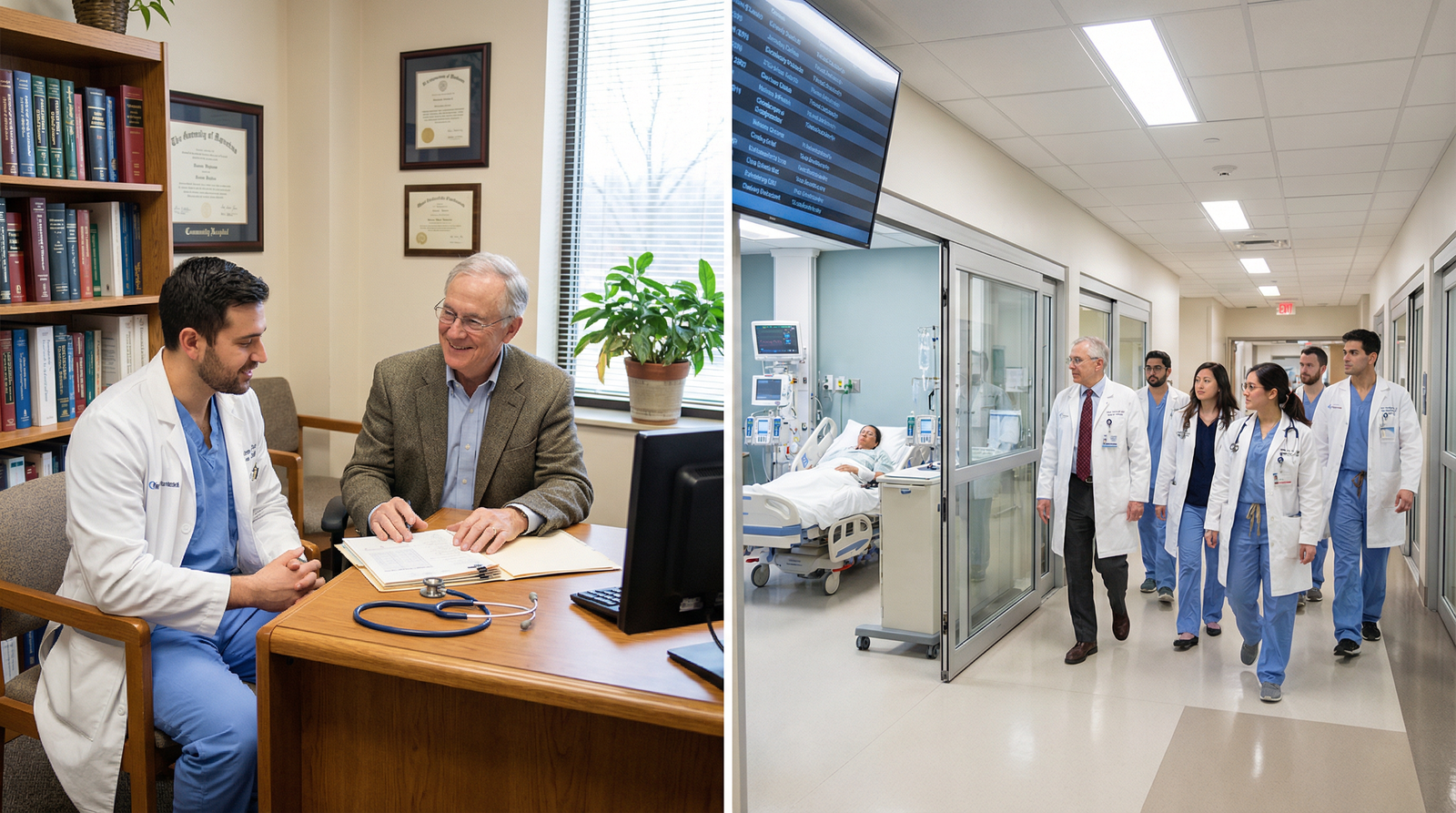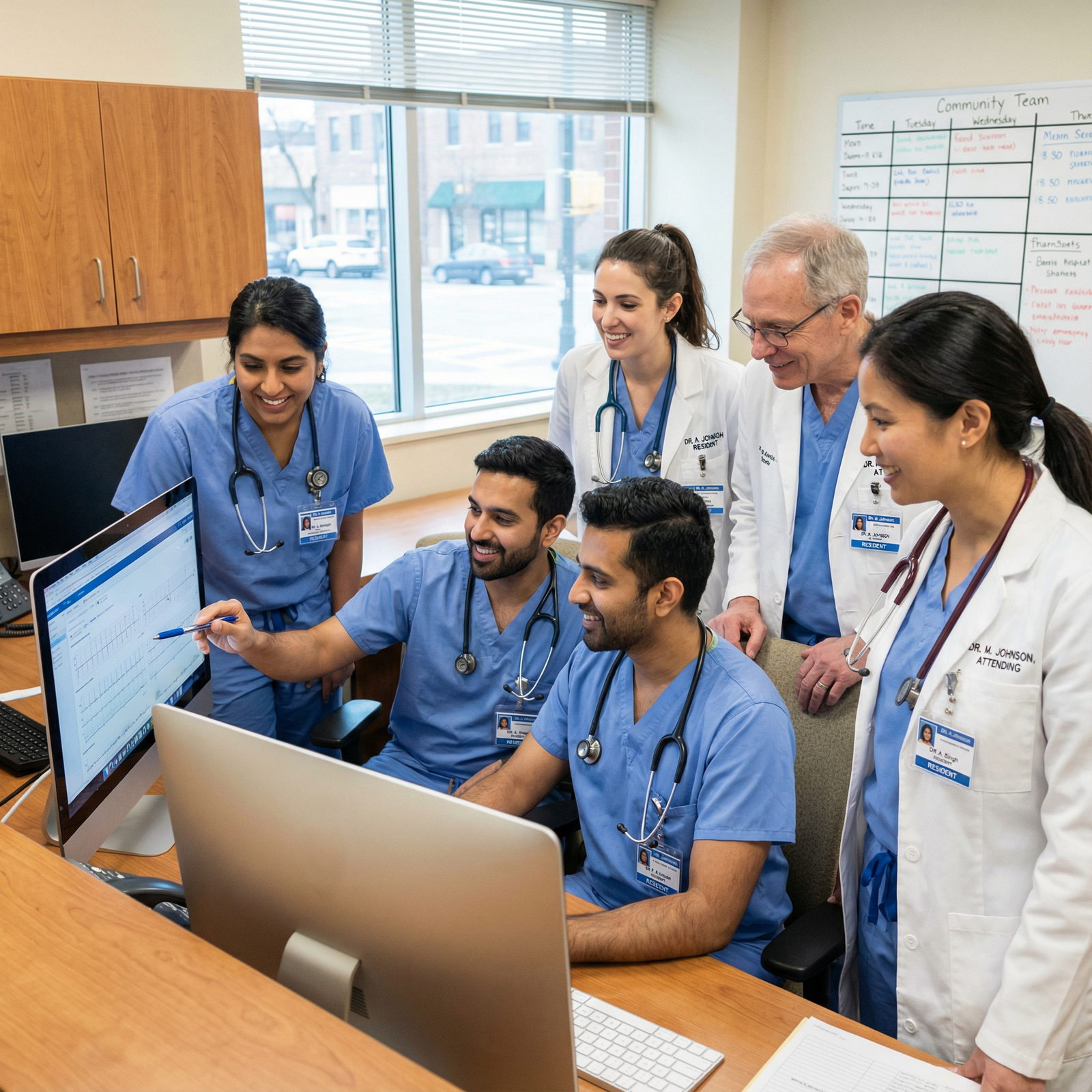
10 Powerful Reasons to Choose Community Residency Programs Over Academic Ones
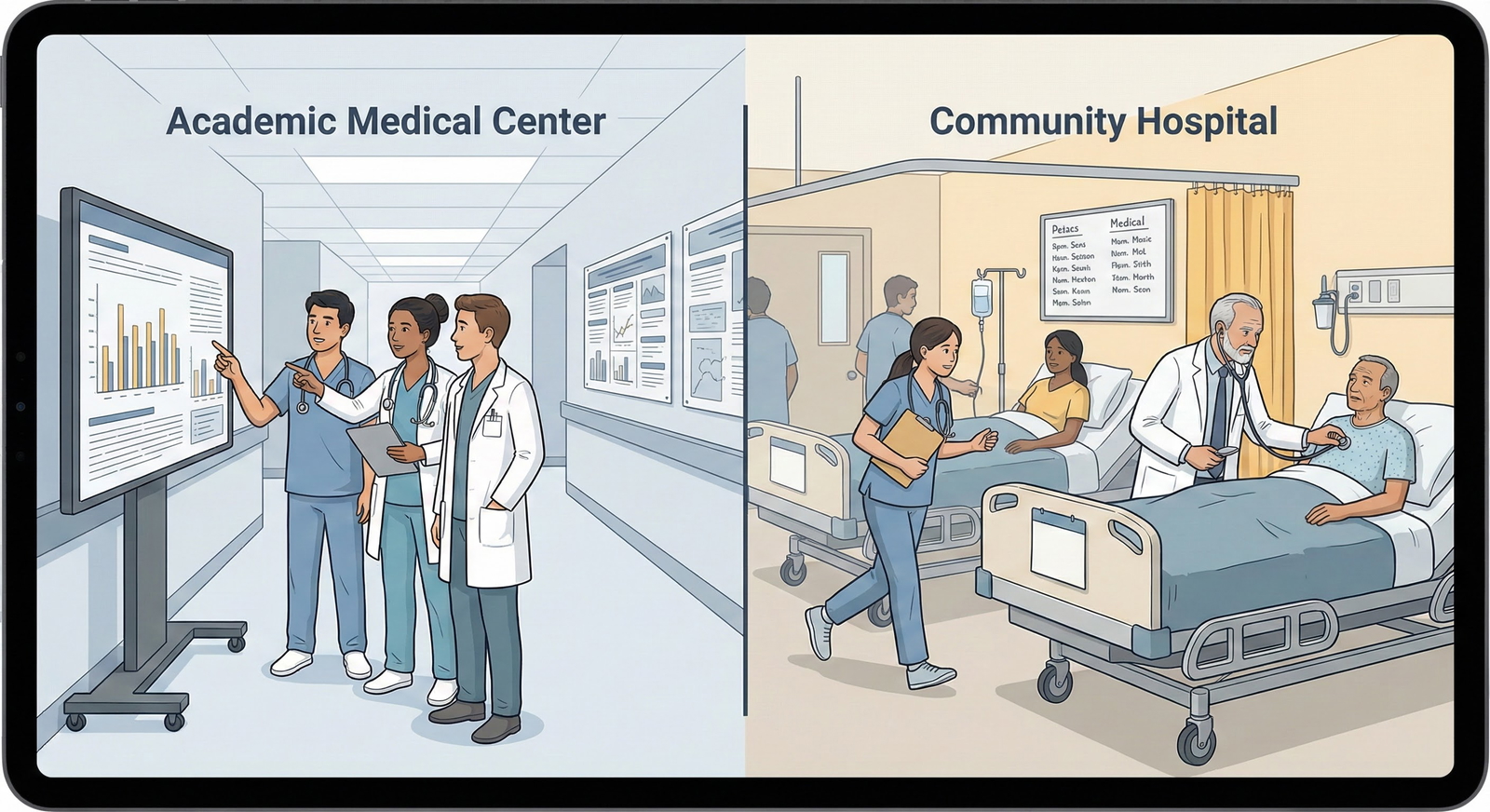
Choosing between community and academic Residency Programs is one of the highest-stakes decisions in your medical career. Academic centers often carry an aura of prestige, high-powered research, and quaternary care. Yet, for many residents, Community Programs provide a training environment that aligns more closely with their long-term goals, values, and work style—especially if they envision a career in comprehensive, Patient-Centered Care or Community Health.
This guide expands on the original “10 Reasons to Choose Community Programs Over Academic Ones,” adding depth, context, and practical tips to help you decide which setting is right for you as you navigate Residency Match and Applications.
1. Hands-On Clinical Experience in Real-World Settings
Community residency programs are often designed around high-volume, high-responsibility clinical exposure. From day one, you may find yourself functioning closer to an attending-in-training than an observer.
Earlier and More Direct Responsibility
In many community hospitals:
- Residents are the primary drivers of patient care.
- There are fewer fellows, meaning residents are not “bypassed” for procedures or complex cases.
- You are often the first call for admissions, cross-cover, and emergent issues.
This can translate into:
- Earlier exposure to independent decision-making
- More procedural volume (especially in Emergency Medicine, Internal Medicine, Family Medicine, and OB/Gyn)
- Stronger readiness for unsupervised practice upon graduation
For example, a PGY-2 Internal Medicine resident in a community hospital might routinely perform paracenteses, thoracenteses, central lines, and joint injections, while at a large academic center these procedures might be handled mainly by fellows or specialized teams.
Realistic Practice Environment
Most physicians ultimately practice in community settings rather than large academic medical centers. Training in a community program can mirror the environment you will likely work in later:
- Mixed inpatient and outpatient responsibilities
- Limited subspecialty backup at night or on weekends
- Need to make practical, cost-conscious decisions
Residents quickly learn how to manage common conditions efficiently, coordinate care with local specialists, and navigate outpatient follow-up—all key elements of real-world Healthcare Training.
2. Stronger Focus on Patient-Centered Care
Patient-Centered Care is more than a buzzword in community programs; it’s often built into the culture and daily operations.
Longitudinal Relationships With Patients
In many community-based clinics and continuity practices:
- Residents follow the same patients for years
- You get to know patients’ families, social situations, and barriers to care
- Visits focus not only on diagnosis and treatment, but on education, shared decision-making, and long-term planning
This continuity makes it easier to:
- See the real impact of your medical decisions over time
- Develop communication skills for difficult conversations
- Understand how social determinants of health affect adherence and outcomes
Holistic, Community-Oriented Perspective
Community Programs often serve as safety-net providers:
- Large proportions of underinsured or uninsured patients
- High prevalence of chronic diseases and mental health conditions
- Complex psychosocial issues (housing instability, food insecurity, substance use, language barriers)
This environment naturally pushes you to integrate Patient-Centered Care with Community Health:
- Working with social workers and case managers
- Coordinating with local public health and community organizations
- Learning to advocate for patients within constrained systems
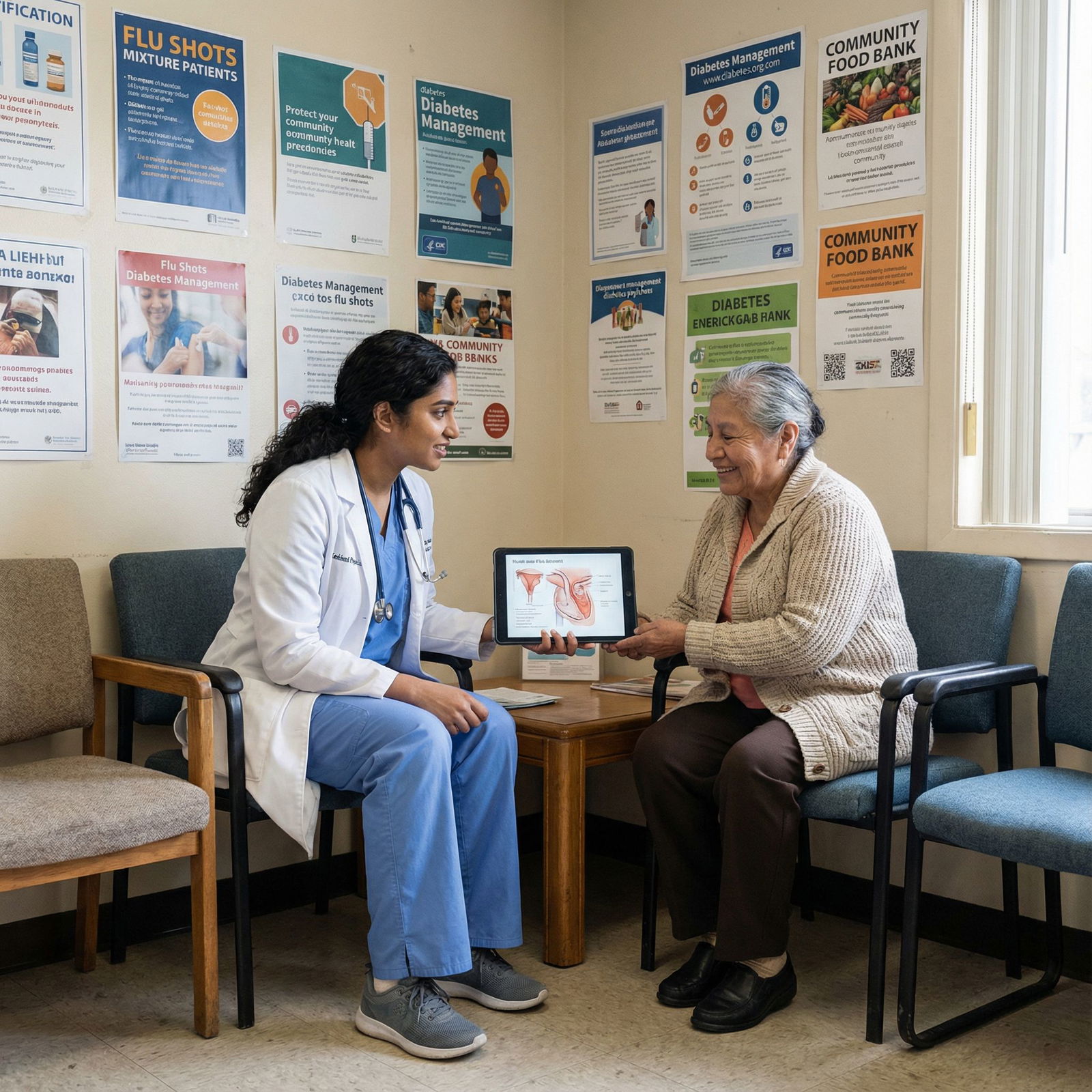
3. Greater Opportunities for Leadership and Autonomy
For many residents, one of the most attractive features of community programs is the faster path to leadership roles and meaningful responsibility.
Earlier Leadership Roles
In a community program you may:
- Serve as team leader on inpatient services earlier in training
- Take charge of code situations or rapid responses as a senior resident
- Have a central role in multidisciplinary rounds and care coordination
This accelerated leadership experience is invaluable if you plan to:
- Work in smaller hospitals or group practices
- Serve as a future medical director or clinic lead
- Practice in rural or under-resourced settings where independence is essential
Systems-Level Involvement
Community Programs often provide easier access to hospital leadership and committees. Residents may:
- Join quality improvement (QI) or patient safety committees
- Lead initiatives in sepsis care, discharge planning, or ED throughput
- Participate in community outreach projects or health fairs
These experiences can set you apart when applying for jobs or fellowships, demonstrating initiative and systems thinking.
4. A Supportive, Close-Knit Learning Environment
Culture matters. Many residents describe community programs as “family-like” environments where they feel seen, supported, and mentored.
Mentorship and Faculty Accessibility
Key advantages often include:
- Smaller faculty-to-resident ratios
- More frequent one-on-one teaching on rounds and in clinic
- Easier access to attendings for career guidance, feedback, and letters of recommendation
Because faculty are less likely to be pulled in many directions (major grants, large labs, extensive lecture schedules), they may have more time and bandwidth for direct teaching and mentorship.
Psychological Safety and Wellness
A supportive learning environment can:
- Encourage you to ask questions without fear of judgment
- Normalize discussing mistakes and learning from them
- Reduce burnout by fostering connection and belonging
Residents often report:
- Strong peer camaraderie
- Program leadership that is responsive to feedback
- Wellness initiatives tailored to the realities of community practice (e.g., scheduling adjustments, local mental health resources)
5. Flexible, Adaptive Curriculum and Training
Because community programs often have flatter hierarchies and smaller administrative structures, they can be more agile in updating their curricula.
Tailored Educational Experiences
You may find:
- Quicker integration of new guidelines and evidence into the curriculum
- Ability to create or modify elective rotations (e.g., addiction medicine, rural health, palliative care, sports medicine)
- More flexibility with off-site rotations, away electives, or global health experiences
For residents with specific career plans—such as outpatient primary care, urgent care, or rural practice—this flexibility can be a major advantage over more rigid academic pathways.
Responsive to Local Community Needs
Community Programs are closely tied to the populations they serve, so their Healthcare Training often emphasizes:
- Conditions most common in the local community (e.g., diabetes, obesity, occupational injuries)
- Public health priorities (e.g., vaccination campaigns, HIV/PrEP, opioid epidemic)
- Culturally and linguistically appropriate care
You’re not just learning medicine in the abstract—you’re learning how to practice effectively in the exact community around you.
6. Exposure to Diverse and Underserved Patient Populations
Most community hospitals and clinics care for highly diverse populations, both demographically and socioeconomically.
Rich Clinical and Cultural Diversity
You might routinely care for:
- Immigrant and refugee populations
- Patients without regular access to primary care
- Individuals facing language barriers, low health literacy, or unstable housing
This diversity offers:
- Deeper understanding of health disparities and social determinants of health
- Practice in working with interpreters and culturally tailored counseling
- Opportunities to learn about less common diseases or presentations related to specific regions or backgrounds
Training in Health Equity and Advocacy
Community Programs are often at the forefront of:
- Free or low-cost clinics
- Mobile health units
- Collaborative work with public health departments or nonprofit organizations
Participating in these initiatives can help you:
- Develop as a physician-advocate
- Gain experience in population health and community outreach
- Build a portfolio of work that resonates with values-driven employers and fellowships
7. Improved Work-Life Balance and Manageable Workload
While residency is demanding everywhere, some community programs offer a more sustainable balance than high-intensity academic centers.
More Predictable Schedules
Advantages often include:
- Fewer research and conference obligations beyond clinical duties
- More predictable call schedules and rotation structures
- Less “academic pressure” related to publications and grant writing
This can translate to:
- More time for sleep, exercise, and relationships
- Ability to maintain hobbies, family responsibilities, or community involvement
- Lower risk of burnout, especially in longer training programs (e.g., Internal Medicine, Pediatrics, Surgery)
Focus on Practical Competence Over Academic Prestige
In many community settings, the emphasis is on:
- Becoming a competent, safe, and efficient clinician
- Delivering high-quality Patient-Centered Care
- Learning how to work within resource-limited environments
For residents who want strong clinical skills and a sustainable lifestyle, this can be particularly appealing.
8. Strong Emphasis on Primary Care and Community Health
If you’re drawn to primary care, preventive medicine, or population health, community residency programs are often an ideal match.
Training That Mirrors Primary Care Careers
Family Medicine, Internal Medicine, and Pediatrics programs in community settings typically emphasize:
- Continuity clinics with large, diverse patient panels
- Management of chronic diseases across the lifespan
- Behavioral health integration and coordination with mental health providers
You learn how to:
- Run a clinic day efficiently
- Manage common outpatient procedures (joint injections, skin procedures, women’s health)
- Address social needs alongside medical issues
Embedded in the Local Healthcare System
Community Programs frequently partner with:
- Federally Qualified Health Centers (FQHCs)
- Rural health clinics
- Local public health departments
This immersion in Community Health settings helps you:
- Understand how primary care interfaces with hospitals, specialists, and public health entities
- See firsthand how policies and reimbursement affect patient care
- Build skills that are directly transferable to future outpatient or community-based roles
9. Deep Integration and Networking Within Local Healthcare Systems
While academic programs showcase national and international reputations, community programs can offer powerful local and regional networks.
Strong Local Professional Relationships
During your training you may:
- Work closely with local private practice physicians and specialists
- Rotate through multiple community hospitals and clinics within the same health system
- Build rapport with nursing leadership, administrators, and allied health professionals
These relationships can lead to:
- Job offers before graduation
- Local mentorship for starting in private practice or joining a group
- Collaborative opportunities in QI, clinical innovation, or community outreach
Seamless Transition to Independent Practice
Because you train in the same system where you might eventually practice, you:
- Already know the EMR, referral patterns, and institutional culture
- Understand local population needs and resource availability
- Are trusted by staff and colleagues from day one as an attending
For residents who want to remain in the same city or region, this can be a major career advantage.
10. Cost-Effectiveness and Financial Practicality
Given the burden of medical school debt, financial considerations around residency should not be underestimated.
Lower Cost of Living
Community Programs are often located in:
- Smaller cities or suburban/rural areas
- Regions with significantly lower housing and general living expenses than major academic hubs
Lower costs can allow residents to:
- Pay down loans more aggressively
- Save for future goals (home, family, fellowship relocation)
- Reduce financial stress during an already demanding period
Competitive Compensation and Benefits
Many community hospitals and health systems:
- Offer resident salaries comparable to or sometimes higher than academic centers in the same region
- Provide robust benefits (health insurance, retirement contributions, wellness programs)
- May offer loan repayment or retention bonuses for staying on as an attending
Viewed over the span of your training and early career, choosing a community program can be a financially strategic decision that aligns with long-term stability.

Putting It All Together: Is a Community Residency Program Right for You?
Both community and academic programs can provide excellent Medical Education and prepare you for board certification and independent practice. The key is fit.
A community program may be a particularly strong choice if you:
- Prioritize hands-on clinical training and early autonomy
- Value close-knit teams, accessible mentors, and a supportive culture
- Are passionate about Patient-Centered Care, primary care, or Community Health
- Want a realistic picture of everyday practice in non-tertiary settings
- Need or prefer a more sustainable work-life balance and manageable cost of living
An academic program may be preferable if you:
- Have strong, specific research interests or a desire for a heavily research-oriented career
- Aim for highly competitive subspecialty fellowships where academic pedigree may carry more weight
- Want broad exposure to rare or ultra-complex conditions in a quaternary referral center
Ultimately, the “best” program is the one that aligns with your values, learning style, and long-term goals.
FAQs About Choosing Community vs Academic Residency Programs
1. Are community residency programs less competitive or less prestigious?
Competitiveness varies by specialty and region. Some community programs are extremely competitive due to their strong clinical training, lifestyle, and fellowship outcomes. While academic centers often have more name recognition, many employers care more about:
- Your clinical skills and professionalism
- Letters of recommendation and reputation within your region
- Board pass rates and performance
Do not assume community means “second tier.” Research program outcomes, talk to current residents, and look at where graduates go after training.
2. Can I still match into a competitive fellowship from a community program?
Yes. Many residents from community programs match into competitive fellowships, especially if they:
- Seek out mentorship early
- Participate in research or QI projects (often focused on Community Health or clinical outcomes)
- Present at regional or national conferences
- Perform strongly on in-training exams and Step/COMLEX
When evaluating a program, ask specifically: “Where have your graduates matched for fellowship in the last 3–5 years?”
3. Do community programs offer research opportunities?
Most community programs offer at least:
- Quality improvement and patient safety projects
- Retrospective chart reviews
- Case reports and case series
- Community Health and population-based studies
Some are affiliated with academic institutions and provide access to larger research infrastructures. If research is a priority for you, ask about:
- Protected academic time
- Access to statisticians or research coordinators
- Expectations for scholarship (e.g., posters, publications)
4. How can I tell if a specific community program will provide strong training?
During interviews and rotations, focus on:
- Graduates’ outcomes: jobs, fellowships, board pass rates
- Clinical volume and acuity: number and variety of patients and procedures
- Faculty engagement: Are attendings present and enthusiastic teachers?
- Resident culture: Do residents seem supported, collaborative, and satisfied?
- Curriculum structure: Elective options, continuity clinic experience, and Community Health involvement
Asking targeted questions and speaking to multiple current residents (preferably without faculty present) can give you an honest picture.
5. What should I prioritize when ranking community vs academic programs?
Consider:
- Your long-term career goals (primary care vs subspecialty, community vs academic)
- Desired level of research involvement
- Preferred geographic location and cost of living
- Culture, mentorship, and wellness supports
- How you felt during interview day and any away rotations
Use both objective data (board pass rates, fellowship matches) and your gut sense of where you will grow, be supported, and become the kind of physician you want to be.
Choosing between community and academic Residency Programs is not about right or wrong—it’s about alignment. Carefully evaluate how each program’s strengths in hands-on training, Patient-Centered Care, Community Health, and overall Healthcare Training environment match your goals. When those pieces align, you set yourself up not just for a successful match, but for a fulfilling career.