I still remember the exact second my stomach dropped. It was 11:47 PM on a Tuesday. I was doom-scrolling LinkedIn (mistake number one) when three classmates in a row posted about their first-author spots in JCI, JAMA Derm, and some ortho journal I'd never even heard of. My own PubMed search? Zero. Not one. Not even a letter to the editor. Just a blinking cursor and the sudden certainty that I'd already failed before ERAS even opened. If you're reading this with that same cold sweat, yeah, I've been exactly where you are. And the panic is real.
Dermatology and Orthopedics have always felt like paper mills. Everyone knows it. You hear the horror stories: "No first-author? Don't even bother." It feels like a death sentence. I spent weeks convinced programs would auto-reject me the second their filter hit an empty research section. But here's the thing I had to force myself to believe, and that you need to hear right now: papers help, but they are not the gatekeeper. Programs are getting more holistic whether they admit it or not. Clinical grades, LORs that actually gush, and whether you seem like someone they can stand working with for five years matter more than another mid-tier publication. Plenty of current residents matched into both specialties with zero first-author work. They did it through brutal Sub-I performance, strategic networking, and not completely melting down in interviews. You're not alone. You're just late to the comparison game, and comparison is a liar.
This article is for educational purposes only. It is not financial advice, not legal advice, and not tax advice. Figures vary by individual circumstances, so consult a qualified professional before acting.
Why Do I Need Papers? Understanding the Hierarchy of Needs
Let's talk about the fear that keeps you up. Programs get flooded. They need a quick filter. Publications are that low-effort signal: "This person can finish something and write a sentence." Without it, you worry you're invisible. That the algorithm or the tired resident screening apps never even sees your name. I get it. I lived it.
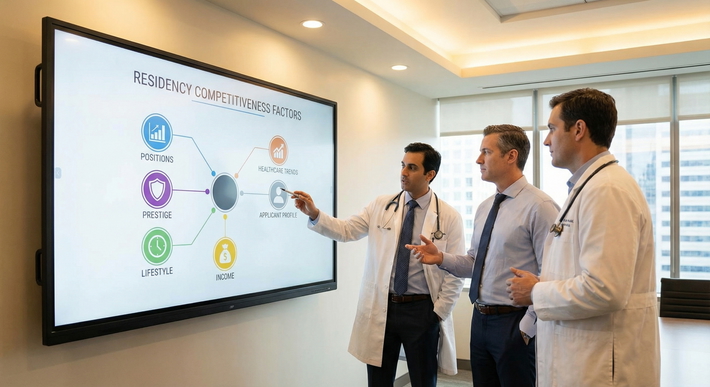
But the hierarchy isn't what Instagram makes it look like. Tier 1 is still Step 2 CK and your clinical grades/MSPE. Those are the blunt instruments. Publications sit lower, Tier 2 or even Tier 3 differentiators once you're past the first cut. I've watched program director survey data for years (yes, obsessively). Step 2 CK and clerkship performance consistently rank higher than research output. A perfect Step score won't save you if your evals say you were "adequate" and disappeared after rounds. But a merely good Step score can get overlooked when a Chair writes that you were the hardest-working student they'd seen in a decade.
Stop trying to prove you're smart with papers. Start proving you're competent and not a nightmare in the OR or clinic. That's the mindset shift that actually matters. The paper chase is often just anxiety cosplay. Programs want someone who can take call, talk to patients without sounding like a robot, and not quit when the list hits 20. Your empty research tab doesn't automatically mean you fail those tests.
Compensating for the Void: Strategic Networking and LORs
Since you can't wave a first-author banner, you have one primary weapon left: the Sub-Internship. This is non-negotiable. Away rotations are where you prove clinical excellence in real time. Show up early. Stay late. Know the patients better than the intern. Anticipate needs. That performance is what gets you the "champion" LORs, the ones from Department Chairs or nationally known names who will literally pick up the phone and fight for you even though your CV looks thin on research.
How do you ask without sounding entitled? Be direct and humble: "I've loved working with your team and I'm applying this cycle. Would you feel comfortable writing a strong letter that speaks to my clinical work?" If they hesitate, thank them and move on. You need fighters, not lukewarm template writers.
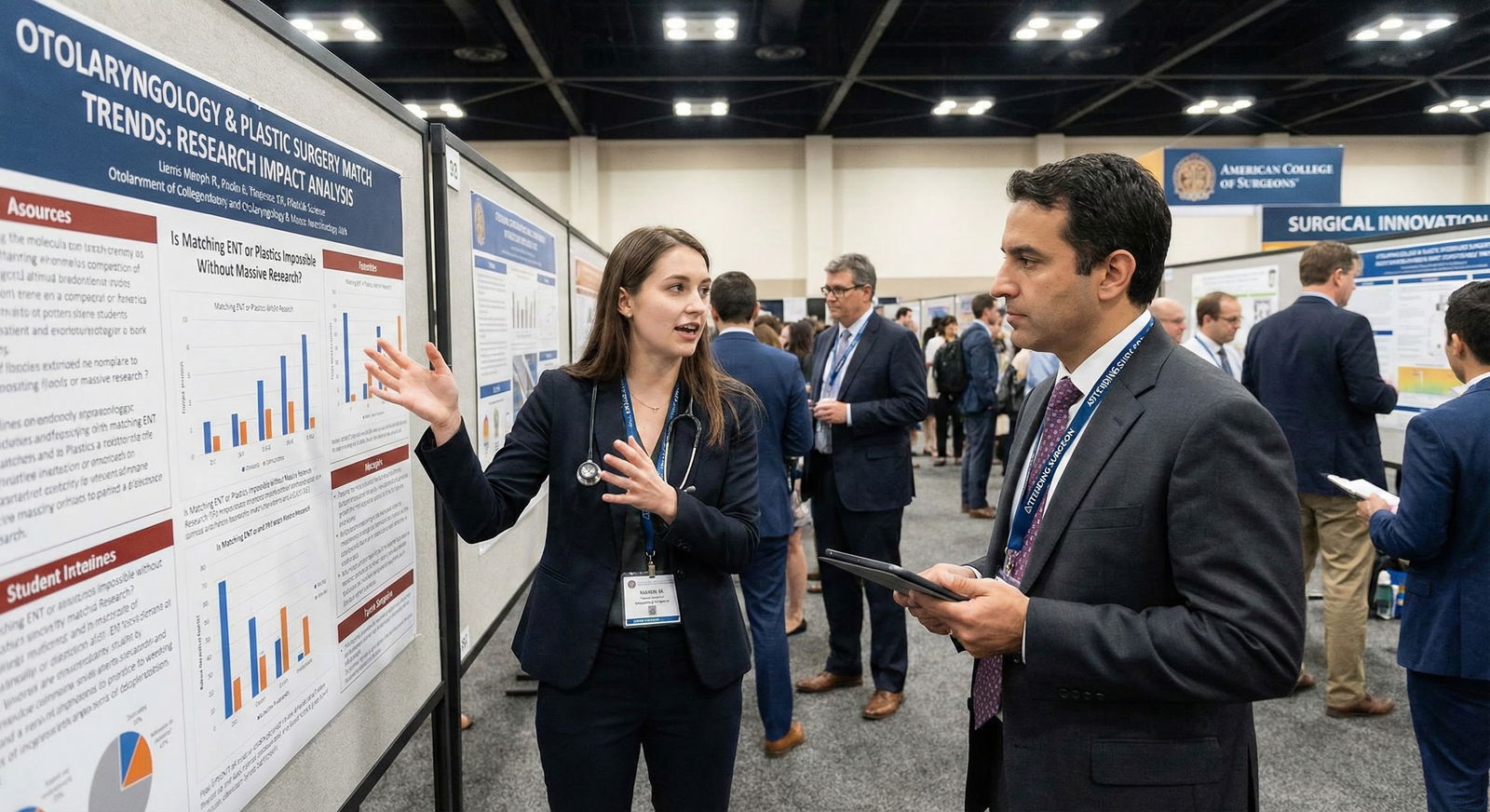
Networking starts before you submit. Go to the conferences, not just to sit in the back. Introduce yourself after talks. Mention a specific point they made. Follow up within 48 hours with a short email that references the conversation and attaches nothing pushy. Make yourself the "hard worker who actually cares about patients" instead of another faceless researcher. I've seen quiet students with zero papers become memorable simply because they sent three thoughtful follow-ups and then crushed the Sub-I.
Your personal statement is where you own the gap. Don't hide it. One clean sentence: "I deliberately prioritized intensive clinical time and family responsibilities over chasing first-author projects." Then pivot hard to what that taught you about patient care and resilience. Frame it as maturity, not deficiency. Readers can smell desperation and excuses. They respect ownership.
The Alternative Routes: Case Reports and Collaborative Efforts
A full original research project takes forever. You don't have forever. Case reports are faster, often 3-6 months if you pick something clean and submit smart. They still demonstrate you can observe, write, and follow ethics. One solid case report in a real journal beats three garbage ones in predatory outlets that will make you look desperate. Avoid those like the plague. Programs notice.
Third or fourth author on a big multicenter thing is better than a blank line, but only if you can explain exactly what you did. "I handled data entry and the lit review for the discussion section" sounds honest. "I was part of the team" sounds like gift authorship and interviewers will smell it. Quality over quantity every single time.
Don't forget the other boxes: quality improvement projects, curriculum development, teaching awards. These count as scholarly activity. They fill the space without the soul-crushing timeline of basic science. I know people who matched Derm with a strong QI poster and killer clinical letters. It happens.
Specialty-Specific Nuances: Derm vs. Ortho
Dermatology still leans more research-heavy historically. If you're going that route without papers, lean into the visual and clinical side hard, phototherapy responses, inflammatory cases with great photos, cosmetic procedure outcomes you actually scrubbed in on. Make the clinical story vivid.
Orthopedics cares more about whether you can stand for eight hours, handle tools, and not freeze when blood hits the floor. Athletic background or obvious manual dexterity helps some programs. Your Sub-I stamina and technical curiosity matter more than another biomechanics abstract. Get extra OR time now if you haven't already. Lack of real surgical exposure is a bigger red flag than missing papers.
Be geographically flexible. The hyper-competitive coastal academic programs are drowning in paper-heavy applicants. Midwestern or less saturated programs often care more about whether you'll fit their culture and work ethic. Apply broadly or you'll torture yourself with unnecessary rejection.
If you don't match? Decide fast. One quick case report or a research year can help, but only if your clinical scores and letters were already strong. Otherwise fix the real holes first. Reapplying with the same thin clinical story plus one extra paper rarely works.
Final Reassurance: You Are More Than Your CV
Residency is about taking care of sick people at 2 AM, not padding PubMed. Too many applicants drown in the comparison weeds and forget that. You can still match. I've watched it happen for people who felt exactly as doomed as you do right now.
Do these three things today: email one mentor or potential letter writer with a specific ask, draft the honest paragraph of your personal statement that owns the research gap, and register for the next local specialty meeting even if it feels awkward. Use the fear. Channel it into interview prep so when they ask about your research you answer with calm ownership instead of apology.
It's okay to be scared. That energy means you care. Confidence isn't a feeling you wait for, it's what shows up after you've prepared like your life depends on it.
Drop your biggest fear in the comments. Someone else is lying awake with the exact same one, and we can talk each other off the ledge. And grab the checklist for non-research scholarly activities, I've linked it below. You've got this. Even without the first-author glory.