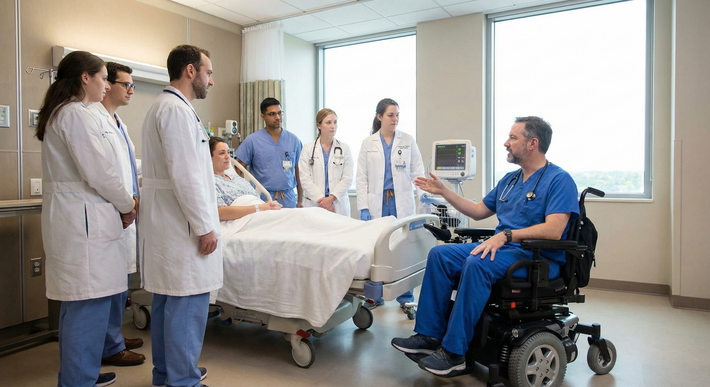
Ever heard the rumor that anatomy lab is a sacred, untouchable zone where disability accommodations go to die?
It's one of the most persistent myths in medical education. Applicants whisper it on forums. Pre-meds assume it's a hard truth. The logic usually goes: anatomy lab is messy, physical, and strictly regulated, so if you need an accommodation, you're out of luck.
Let's kill this myth right now. Anatomy lab is not automatically "non-accommodable." Schools are legally and ethically required to consider reasonable accommodations on a case-by-case basis.
If you're in this situation, here is what accommodations actually look like in real life. We aren't talking about skipping the lab. We're talking about adjusted table heights, ergonomic seating options, alternative personal protective equipment (PPE), modified exposure times for those with severe chemical sensitivities, assistive tech for low vision, or built-in support for disability-related fatigue and chronic pain.
There is a hard limit, of course. Accommodations must preserve essential technical standards and lab safety. You can't ask to bypass learning the brachial plexus just because dissecting it is tedious. The question the school asks isn't, "Can this student be accommodated at all?" It's, "What can we change without compromising the core learning outcomes or putting anyone in danger?"
If you need accommodations, your next step isn't to cross your fingers and assume denial. It's about gathering documentation, nailing your timing, and having a direct, functional conversation with disability services.
What accommodations are commonly possible in anatomy lab?
Let's get specific. When I review lab accommodation plans, the most commonly approved adjustments target the physical environment and the workflow, not the actual anatomy curriculum. The goal is to give you access to the exact same learning, not to water down the science.
Here are practical accommodations that are routinely considered and approved:
- Ergonomic adjustments: Adjustable seating, anti-fatigue mats, or customized workstation heights.
- Pacing modifications: Scheduled mandatory breaks, reduced continuous standing time, or permission to step out for disability-related symptom management.
- Sensory and visual aids: Magnification tools, specialized lighting, assistive listening devices, or captioned pre-lab instructional videos.
- Assessment tweaks: Extended time for lab-based practical exams (like "bell ringer" spot tests) when applicable.
How these are tailored depends entirely on your disability. A student with mobility issues or chronic pain might need a specialized chair and a lower table. A student with a visual impairment might need digital magnification and tactile models. A neurodivergent student or someone with severe sensory processing issues might need noise-canceling headphones (if safety permits) or a designated quiet break room. A student undergoing medical treatment might need a flexible schedule for make-up lab hours.
Some of these are easy approvals. An ergonomic chair? Usually a no-brainer. But requests that brush up against sterile technique, specimen handling, or chemical safety require a lot more discussion. If your request impacts how you handle a scalpel or manage formaldehyde exposure, the school will scrutinize it heavily to ensure it doesn't violate safety protocols.
How do schools decide what is 'reasonable' and what documentation do you need?
Schools don't just flip a coin to decide what's reasonable. They use a structured decision-making process. They evaluate whether your requested accommodation is effective, reasonable, safe, and compatible with the essential requirements of the program.
This is where "technical standards" come in. Every medical school has a published list of technical standards, the core physical, cognitive, and behavioral skills you must possess to become a physician. These aren't just preferences. They are the baseline. Before you request changes, read your school's technical standards. Understand what they define as essential. If a technical standard says you must be able to "perform gross and fine motor movements required to perform surgical procedures," asking for someone else to do your dissections for you will be denied. Asking for an adapted grip for your scalpel? That's a reasonable conversation.
To get to that conversation, you need the right paperwork. Don't just bring a doctor's note that says, "Student needs accommodations." That's useless. You need a comprehensive clinician letter that includes:
- Your specific diagnosis or medical history.
- Your functional limitations (how the condition actually affects you day-to-day).
- A specific accommodation rationale tied directly to anatomy lab tasks.
Connect the dots for them. "Because the student has X, they experience Y limitation when standing at a standard cadaver table for three hours. Therefore, they require Z accommodation."
And do it early. The absolute best time to request accommodations is before classes or lab rotations even begin. Last-minute requests are a nightmare to implement. The school needs time to order equipment, train lab staff, and adjust the schedule. Give them that time.
What should you do if a school says no?
A "no" is rarely a brick wall. Usually, it's just a speed bump.
I've seen countless initial requests denied simply because they were too broad, poorly documented, or framed as a desire to avoid work rather than a need for access. If you get a denial, don't panic. Don't get angry. Get strategic.
Here is your practical response plan:
- Ask for the reason in writing. You need to know exactly which technical standard or safety protocol they believe your accommodation violates.
- Request the essential standards. If they haven't already provided them, ask for the specific learning objectives of the lab.
- Propose alternatives. If they say no to your first idea, pivot. If they won't let you skip the formaldehyde-heavy prosection days, ask if you can use a respirator mask and work in a localized fume hood instead. Keep the discussion strictly focused on access and safety.
Know when to escalate. If the disability services coordinator is stonewalling you, take it to their supervisor. If that fails, go to the Dean of Student Affairs or the university ombuds office. Most schools have a formal appeals process for accommodations. Use it.
And document everything. Keep a meticulous log of every email, meeting, and phone call. If the issue becomes a pattern of discrimination, your records are your best defense.
How do you advocate for yourself without overexplaining or oversharing?
This is where a lot of students trip up. You want to be thorough, so you end up dumping your entire medical trauma history onto the disability coordinator's desk. Stop. You do not need to justify your whole life story. You just need to connect your condition to what happens in the lab.
Keep it concise. Be specific. Use this exact script framework when you contact disability services:
"I have [Condition], which causes [Functional Limitation] when I am doing [Specific Lab Task]. To access the material safely and effectively, I am requesting [Specific Accommodation]."
That's it. Three sentences. You state the limitation, the functional barrier in the lab, and the accommodation requested.
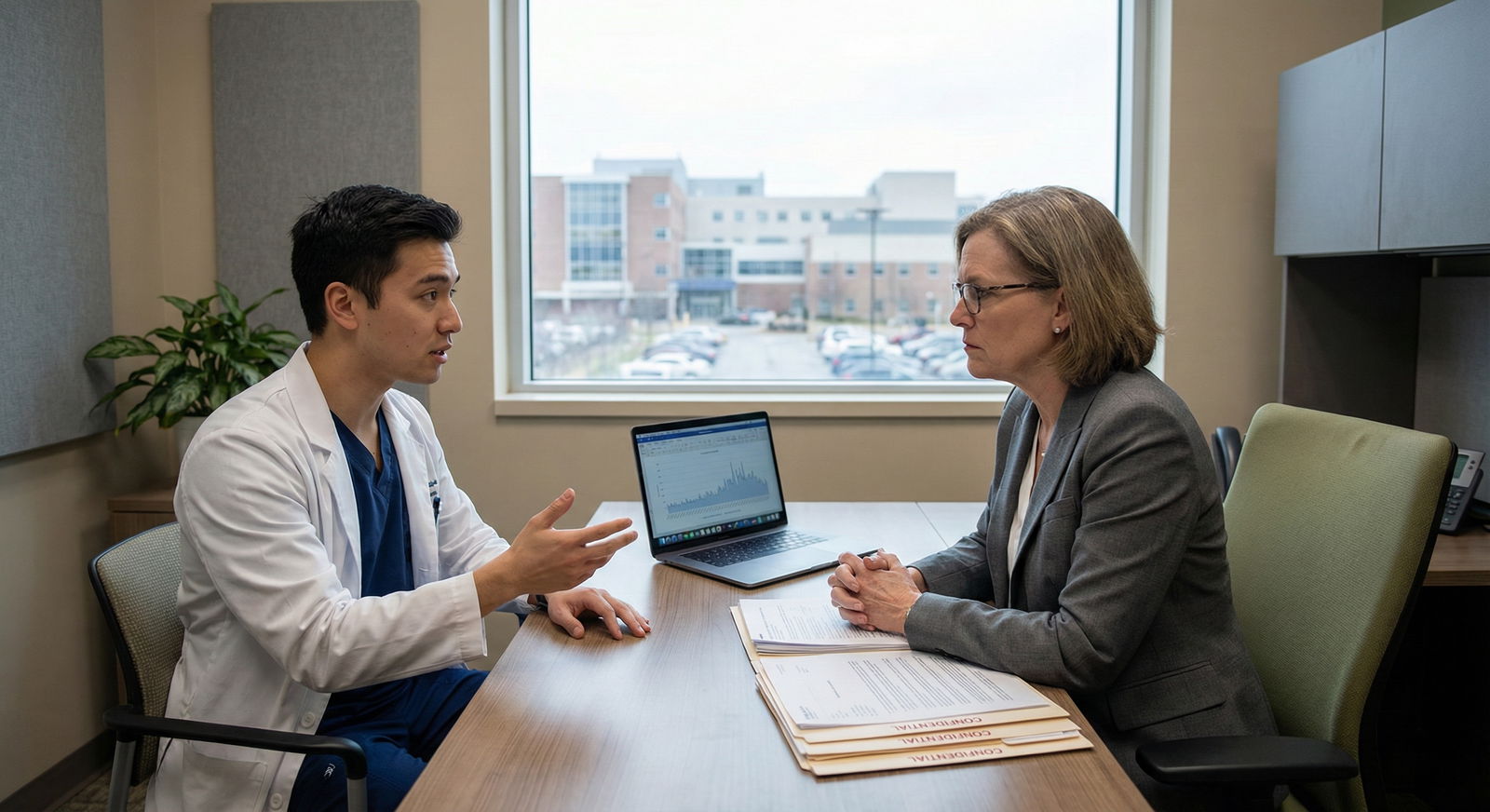
If you're worried about stigma, control your narrative. Ask for strict confidentiality. Keep your conversations on a need-to-know basis. The anatomy lab director needs to know you get an extra 10-minute break; they do not need to know the intimate details of your gastrointestinal flare-ups. If you feel overwhelmed, bring a trusted advisor or an advocate to your meetings. You don't have to do this alone.
What does success look like once accommodations are in place?
Let's set realistic expectations. Success isn't a magical fix on day one. Accommodations in a dynamic, physical space like an anatomy lab almost always require trial and adjustment. Workflow matters. Safety matters. The first chair they buy you might not have the right lumbar support. The break schedule might clash with the professor's lecture timing.
Evaluate the plan based on three metrics: Can you access the material? Can you participate safely? Are you keeping up with the lab objectives? If the answer to any of those is no, the plan isn't working.
If the first accommodation falls short, request a review immediately. Don't wait until finals week to complain that the magnifier isn't strong enough. Provide new documentation if your condition has changed, and refine the plan with the disability office.
If you need accommodations, the process is almost always more workable than applicants assume. But you have to ask early, advocate clearly, and stay engaged. The system works if you know how to work it.
Summary of the Reality: Anatomy lab is not an automatic dead end for accommodations. Schools must consider reasonable, safety-preserving access on a case-by-case basis. The strongest requests are highly specific, thoroughly documented, and tied directly to functional barriers in the lab, not broad exemptions from required learning. And if the first answer is no, your next move is simply to ask why, offer a practical alternative, and use the school's review process.