Introduction: The Dual Challenge of Intern Year
The intern year is where medicine stops being theoretical and becomes intensely real. You are suddenly responsible—under supervision—for lives, decisions, and outcomes. Your days are filled with pre-rounds, notes, pages, cross-cover, admissions, and sign-out. At the same time, you are expected to study, prepare for boards, maintain relationships, and somehow care for your own physical and mental health.
This phase of training is both exhilarating and exhausting. The steep learning curve and constant exposure to new clinical scenarios rapidly build your skills and confidence. But the same factors can also erode your resilience if you do not deliberately balance Patient Care with Self-Care and Mental Health.
This article explores practical strategies to help you navigate Medical Internships more sustainably. You will learn how to:
- Understand the realities and pressures of intern year
- Protect your well-being without compromising patient care
- Apply realistic Time Management strategies that actually work on the wards
- Create a personalized Self-Care plan that fits your schedule
- Recognize when you need help and how to access support
The goal is not perfection. The goal is to leave intern year competent, compassionate, and still feeling like yourself.
Understanding the Intern Experience: Demands, Pressures, and Opportunities
Internship is the first postgraduate year (PGY-1), and it is often the most jarring transition in medical training. You move from student observer to primary contact for many patients. Understanding the typical stressors of this phase can normalize your experience and help you plan proactively.
Core Demands of Intern Year
1. Long and unpredictable hours
- Workweeks commonly range from 60–80 hours, often including nights, weekends, and 24-hour (or longer) calls depending on your specialty and country.
- Circadian disruption, missed meals, and fragmented sleep are common and directly impact your mood, immune system, and cognitive performance.
2. Heavy patient care responsibilities
You are now responsible—under supervision—for:
- Conducting admissions and initial assessments
- Presenting patients on rounds
- Writing daily progress notes and discharge summaries
- Calling consults and coordinating multidisciplinary care
- Placing basic orders and performing certain procedures
This level of responsibility can be both empowering and overwhelming, especially early on.
3. High-stakes decision making
Even though you are supervised, the decisions you help make directly impact patients:
- Choosing antibiotics or fluids
- Recognizing early signs of deterioration
- Managing complex comorbidities
The fear of missing something important is a common source of anxiety. Interns often feel they must be “on” all the time, which can become emotionally draining.
4. Emotional exposure to suffering and loss
You will experience:
- Delivering bad news under supervision
- Managing distressed or angry families
- Caring for dying patients and processing death and grief
Repeated exposure can take a toll, contributing to compassion fatigue, moral distress, and burnout—especially if you lack space and tools to process these experiences.
Why Personal Well-Being Is a Core Clinical Skill
Maintaining your well-being is not a luxury. It is a patient safety and professionalism issue.
Research consistently shows that physicians and trainees who attend to their own physical and mental health:
- Provide more empathetic, patient-centered care
- Make fewer medical errors
- Have lower rates of burnout, depression, and suicidal ideation
- Are more likely to stay in their chosen specialty
Internship is not about choosing between being a good doctor and being a healthy person. The reality is that sustainable, high-quality Patient Care depends on your ability to protect your own well-being.
The “Empty Cup” Problem: Why Interns Must Prioritize Themselves
“You cannot pour from an empty cup” is more than a cliché; it captures a central truth of residency life.
Key factors that make Self-Care indispensable during intern year include:
1. Physical health
- Regular physical activity improves stamina, mood, and cognitive function.
- Reasonable nutrition supports immune function, wound healing (for any procedures), and energy.
- Untreated sleep deprivation and chronic fatigue increase error rates, irritability, and difficulty learning new information.
2. Mental health and emotional resilience
- Mindfulness, brief relaxation exercises, and healthy coping strategies decrease anxiety, rumination, and emotional exhaustion.
- Early recognition and treatment of depression, anxiety, or burnout protect both you and your patients.
- Developing self-compassion reduces the impact of inevitable mistakes and critical feedback.
3. Social support and community
- Connection with peers, family, and friends is protective against burnout.
- Peer validation (“I’m not the only one struggling”) normalizes the intern experience.
- Supportive relationships make it easier to seek help when you need it.
Investing in your own well-being is not a distraction from training—it is the foundation that allows you to learn, adapt, and care effectively for others.

Time Management Strategies for Interns: Making the Most of Limited Time
Effective Time Management is one of the most powerful tools you can develop during intern year. It can reduce stress, increase your sense of control, and create small but meaningful windows for Self-Care and Mental Health support.
Prioritizing Patient Care Tasks in Real Time
Not all tasks are created equal. Learning to triage your work is essential.
Use a simple prioritization framework:
- Level 1 – Urgent/critical:
- Unstable vitals, acute chest pain, new neuro deficits
- Stat labs or imaging
- Time-sensitive pages from nursing
- Level 2 – Important but not emergent:
- New admissions after initial stabilization
- Updating families
- Discharge planning for patients going home that day
- Level 3 – Routine tasks:
- Non-urgent note-writing
- Non-critical medication reconciliation
- Updating problem lists and documentation details
Practical tips:
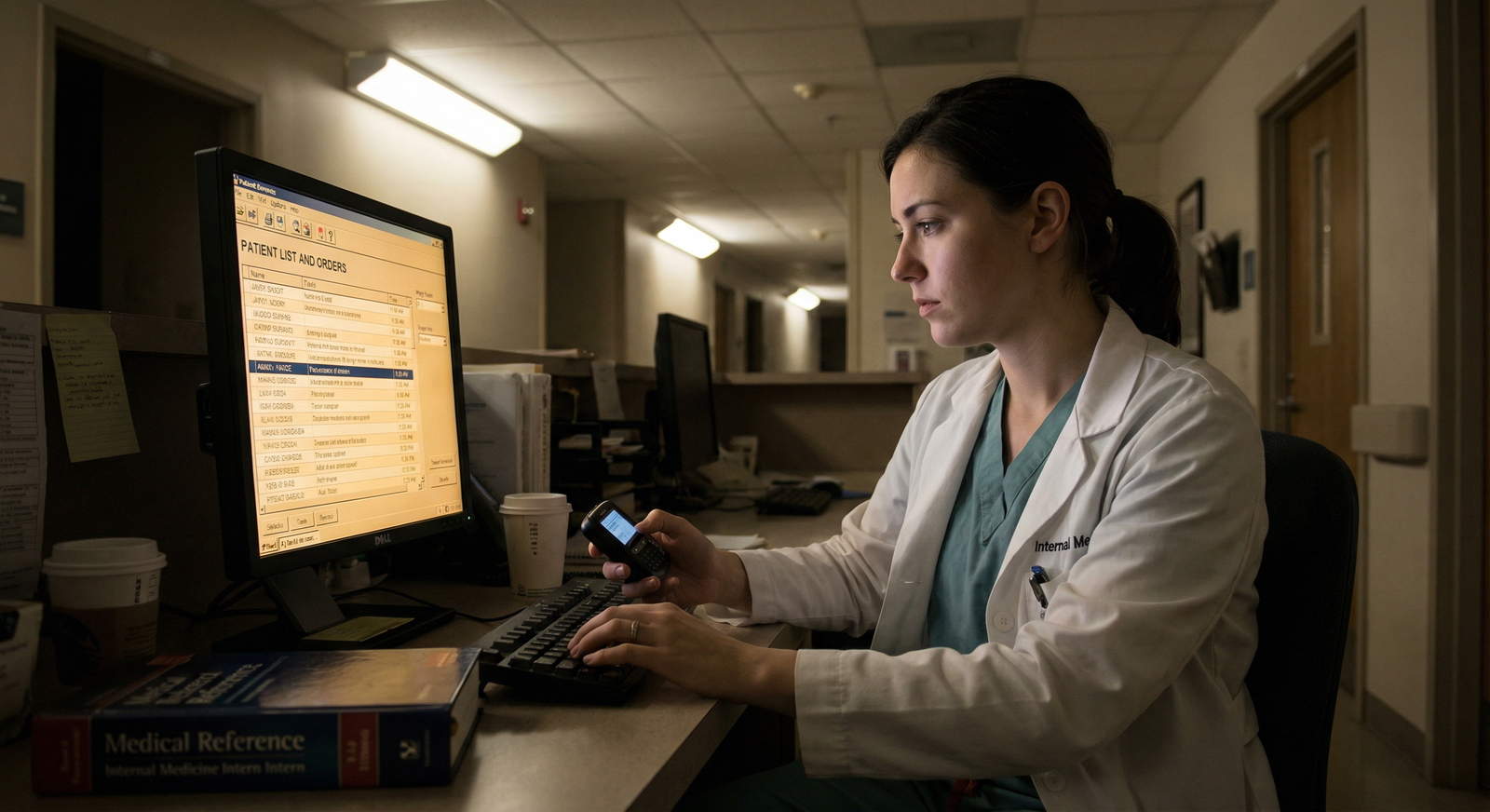
- Start the day with a written patient list and identify top priorities.
- Begin rounds prep with the sickest or most complex patients.
- Batch similar tasks (e.g., call all consults together, then write several notes in one sitting).
Tools and Systems That Actually Work on Busy Rotations
1. To-do lists that travel with you
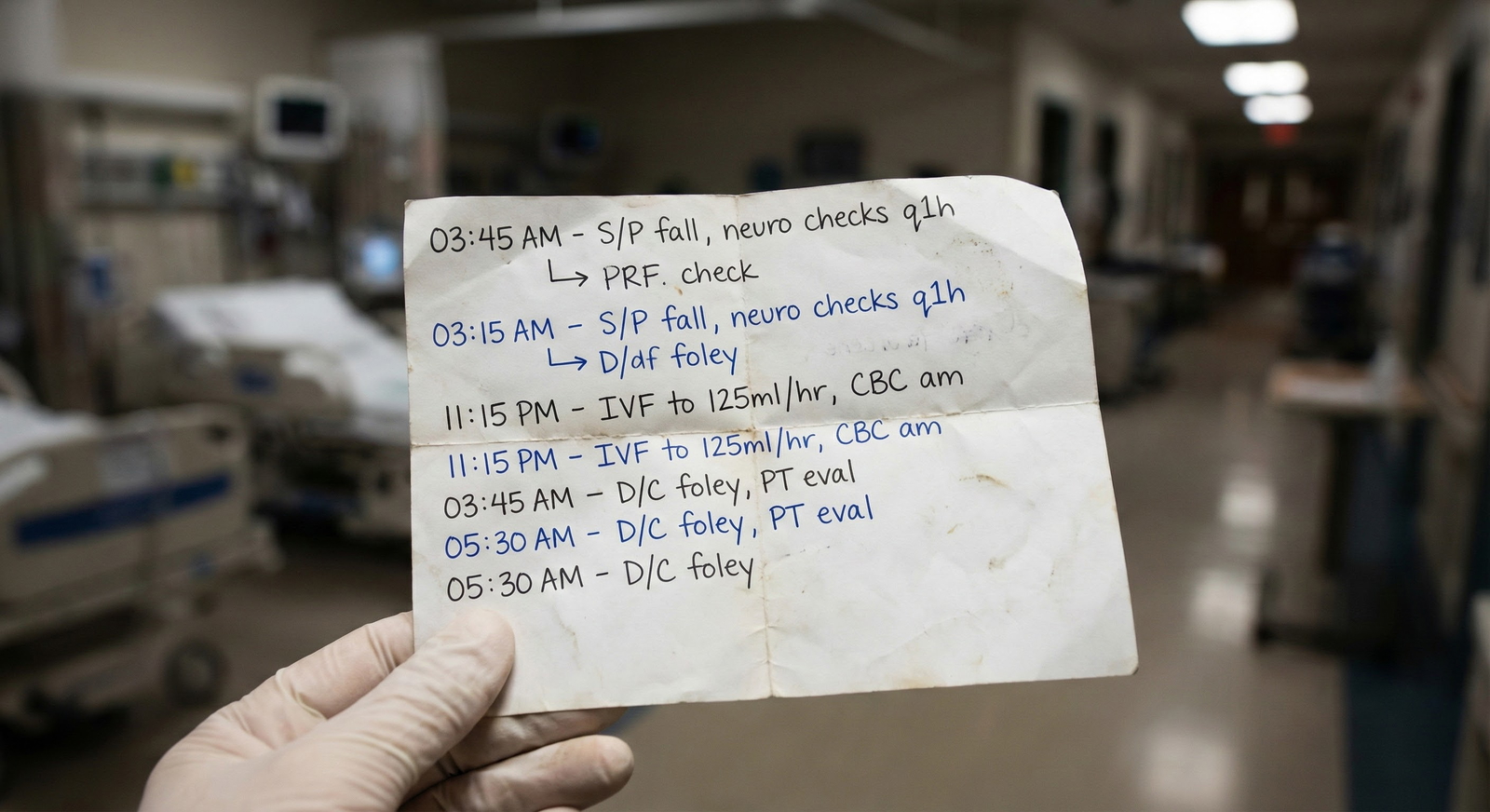
- Use a small pocket notebook or a digital app (e.g., Notion, Todoist, or a simple notes app) that you can update quickly during rounds.
- Create checkboxes for each patient’s key tasks (labs to follow up, imaging to check, consults to call, discharge steps).
2. Structured notes and templates
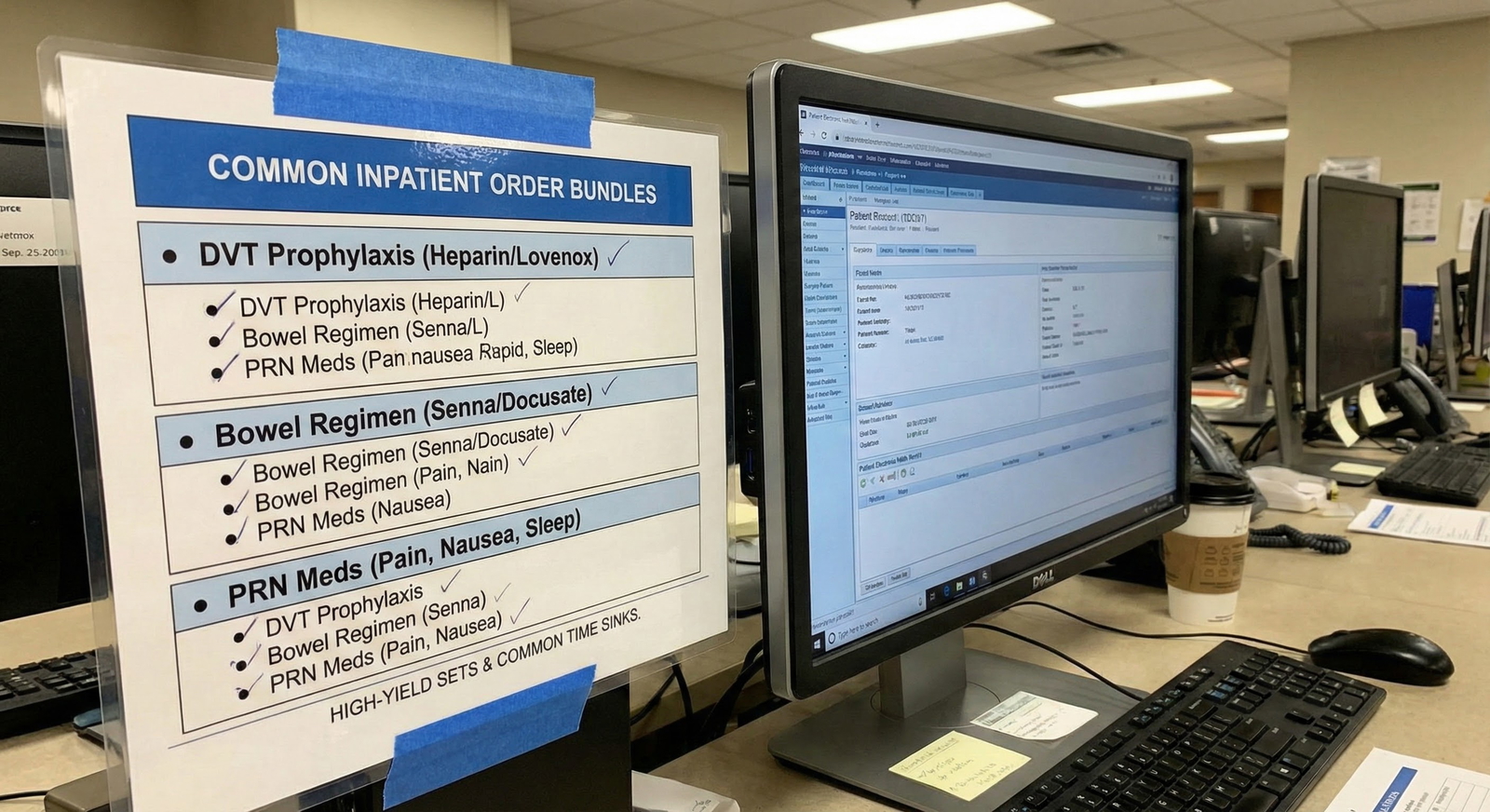
- Use templates for H&Ps, progress notes, and sign-outs to minimize cognitive load.
- Standardized language reduces time spent thinking about formatting and allows you to focus on content.
3. Protecting small blocks of time
- Think in 10–20 minute blocks, not hours.
- During a lull in pages, do one focused task: finish a note, check imaging, or quickly review tomorrow’s OR schedule.
- Avoid “doom scrolling” during micro-breaks—choose either productive tasks or intentional rest.
Setting Boundaries Without Jeopardizing Patient Care
Boundaries during intern year are less about refusing work and more about:
- Being honest about what you can safely manage
- Saying “I’m at my limit” when patient safety is at risk
- Protecting off-duty time from unnecessary interruptions whenever possible
Examples:
- Off-service pages: If you are post-call and officially signed out, direct non-urgent questions to the on-call resident or oncoming team.
- Non-essential commitments: It is okay to say, “I’d like to help with this research project, but my schedule this month won’t allow me to do it well. Can we revisit in a few months?”
Realistic boundaries help you sustain your ability to provide safe, attentive Patient Care over months and years—not just days.
Building a Sustainable Self-Care Routine During Internship
Self-Care does not require long spa days or elaborate routines. In intern year, success looks like small, repeatable habits that fit into a crowded schedule and protect your Mental Health.
Physical Self-Care: Movement, Sleep, and Nutrition
1. Physical activity that fits your reality
Aim for short, frequent bouts of movement rather than idealized workouts you never have time for.
- 10–15 minutes of bodyweight exercises at home after a shift
- Taking stairs instead of elevators when safe and realistic
- Walking outside for 5–10 minutes during lunch or after sign-out
Example:
A group of interns in one program met twice a week for “micro-workouts”—10 minutes of stretching and light strength exercises in an unused conference room after sign-out. This became both an exercise habit and a support group.
2. Prioritizing sleep when you can
You may not get 7–9 hours every night, but you can make the most of what you do get:
- Use a wind-down ritual: dim lights, avoid screens for 20–30 minutes, listen to calm music or a brief meditation.
- On night-float or call rotations, anchor at least 1–2 consistent sleep periods on off days to stabilize your rhythm.
- Use earplugs, eye masks, or white noise if sleeping during the day.
3. Nourishing yourself in a hospital world of vending machines
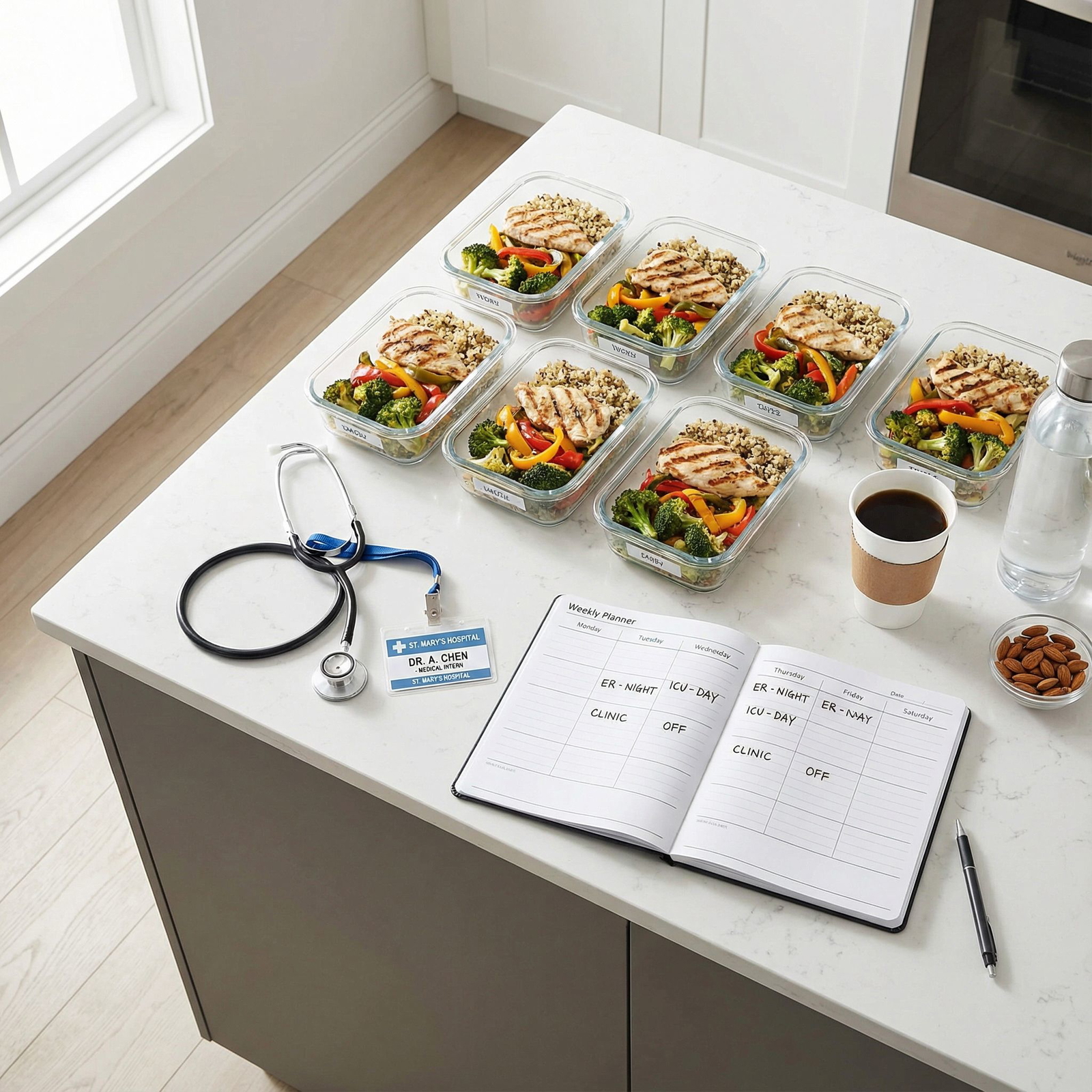
- Keep portable, high-protein snacks in your bag or locker (nuts, yogurt, cheese sticks, protein bars, fruit).
- Identify at least one healthier option in the hospital cafeteria or nearby food spot that you can default to when tired.
- Hydrate: aim for a refillable water bottle at your workstation; set a goal to empty and refill it a set number of times per shift.
Mental and Emotional Self-Care: Mindfulness, Reflection, and Resetting
1. Micro-mindfulness in the middle of a busy shift
You don’t need long meditations. Try:
- Box breathing (4-second inhale, 4-second hold, 4-second exhale, 4-second hold) for 1–2 minutes between patients
- A 60-second body scan while washing your hands: notice your shoulders, jaw, and posture
- Using a mindfulness app for a 3–5 minute reset during a quick break
Example:
One intern used a mindfulness app between admissions on night float. She reported feeling less frazzled and more focused by the end of each shift, even if she only managed two or three short sessions.
2. Journaling and structured reflection
Reflection promotes learning, emotional processing, and resilience:
- Keep a 2–3 minute daily log (even bullet points) with:
- One thing you learned
- One challenging moment
- One thing you did well
- Use this to track patterns—when you’re most stressed, what triggers self-doubt, and what supports you.
3. Self-compassion after mistakes
Errors and near-misses are inevitable. The goal is to respond constructively:
- Acknowledge what happened without harsh self-judgment.
- Ask: “What can I learn from this?” instead of “How could I be so stupid?”
- Discuss the case with a trusted senior or attending to gain perspective and improvement strategies.
Connection, Support, and Communication: You Are Not Alone
Internship can feel isolating, but it doesn’t have to be. Support systems make the journey survivable and often deeply meaningful.
Peer Support: The Power of Shared Experience
Your co-interns are living the same reality and can offer:
- Validation: “Yes, that rotation is brutal—here’s how I got through it.”
- Tips: How to navigate specific attendings, services, or electronic health record workflows.
- Camaraderie: Shared meals, dark humor, and late-night debriefs.
Example:
At one residency, interns formed a weekly “check-in” after their continuity clinic. For 30 minutes, they shared high and low points of the week and one practical tip. Over time, this became a critical part of their support system and significantly improved morale.
Mentorship: Guidance From Those Ahead of You
Finding and using mentors can:
- Help you navigate difficult rotations or interpersonal conflicts
- Provide perspective on work-life integration over a full residency, not just intern year
- Support your career planning, research, and fellowship goals
How to build these relationships:
- Ask senior residents or attendings you respect: “Could I meet with you briefly to get your advice about X?”
- Show up prepared with specific questions; respect their time.
- Follow up with gratitude and brief updates—mentorship is a relationship, not a one-time favor.
Talking About Mental Health and When to Seek Professional Help
Open communication about Mental Health challenges is crucial:
- Normalize distress: Sadness after a patient death, anxiety before call, or temporary fatigue are expected parts of training.
- Recognize red flags:
- Persistent low mood or hopelessness
- Loss of interest in previously enjoyable activities
- Thoughts of self-harm or feeling that your patients would be better off without you
- Reliance on substances to cope
If you notice these signs in yourself or a colleague:
- Use institutional resources:
- Employee Assistance Programs
- Confidential counseling through GME or wellness offices
- Peer support programs after adverse events
- Remember that seeking help is a sign of insight and professionalism, not weakness.
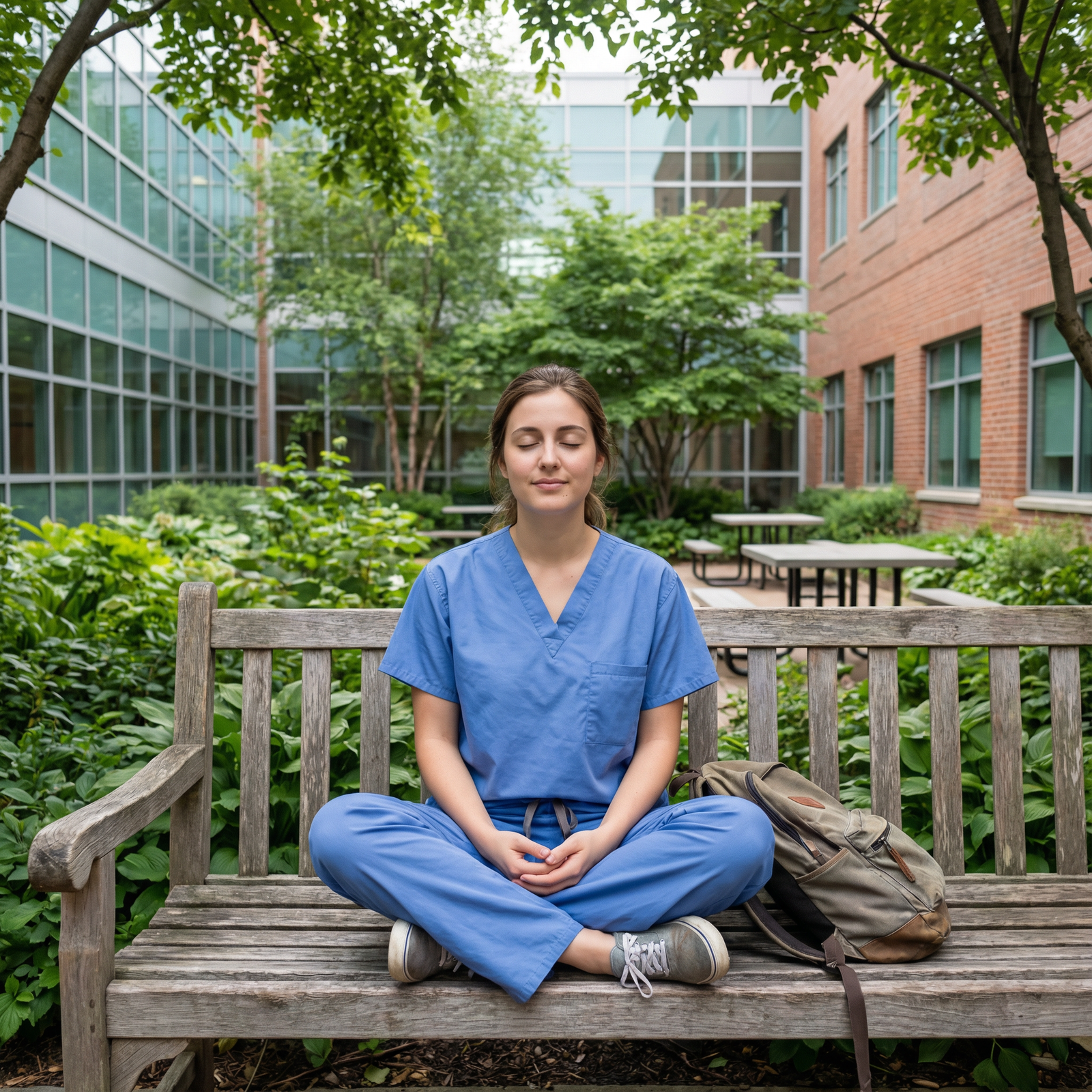
Reflecting, Adjusting, and Growing Through Intern Year
Intern year is not static. What works in July may not work in December. Regular reflection allows you to adjust your approach and grow both as a clinician and as a person.
Using Reflection to Guide Change
1. Short, periodic self-check-ins
Every few weeks, ask yourself:
- How is my energy level?
- What is currently most stressful?
- What is working well that I want to keep?
- What is one small change I can try next week?
2. Realigning your priorities
You cannot maximize every area of life simultaneously during internship. Instead:
- Decide what absolutely must be preserved (e.g., one weekly call with a loved one, a religious service, or a small hobby).
- Accept that some interests may temporarily be dialed down, not abandoned forever.
- Revisit these decisions every few months as rotations and demands change.
Celebrating Progress and Small Wins
Internship often highlights what you don’t know, making it easy to overlook your growth.
Deliberately celebrate:
- The first time you recognize a subtle but important clinical sign
- A successful family meeting where you communicated clearly and compassionately
- Surviving a difficult call night with safe, solid care
Document these wins in a journal or notes app. On the hardest days, reading back can remind you how far you’ve come.
FAQs: Balancing Patient Care and Personal Well-Being as an Intern
1. What is a typical workweek like for a medical intern?
Most Medical Internships involve 60–80 hours per week, though this can vary by specialty, program, and rotation. Schedules often include nights, weekends, and 24-hour or “long call” shifts. While duty-hour regulations exist in many regions, the work can still feel relentless. Planning ahead for sleep, meals, and brief recovery windows is essential.
2. How can I manage stress during my intern year without sacrificing patient care?
Combine small, realistic strategies rather than relying on one big solution:
- Use Time Management tools: prioritize tasks, batch work, and use checklists.
- Build micro Self-Care habits: 5–10 minutes of walking, simple stretching, or brief mindfulness during breaks.
- Seek Peer Support: talk with co-interns, join informal debrief sessions, and share coping strategies.
- Set attainable goals: focus on being safe and steadily improving, not perfect.
These approaches reduce stress while helping you stay organized and attentive to your patients.
3. What mental health resources are usually available to interns?
Most residency programs and hospitals offer some combination of:
- Confidential counseling or therapy through Employee Assistance Programs or wellness offices
- Access to external therapists covered by insurance
- Peer support or resident support groups
- Debrief sessions after critical incidents (e.g., unexpected deaths, codes)
If you are unsure what exists at your institution, ask your program director, chief residents, or GME office. Many resources are underutilized simply because residents don’t know they exist.
4. How can I build strong relationships with supervising physicians and residents?
You can build positive relationships by:
- Showing reliability: follow through on assigned tasks and communicate if you’re running into barriers.
- Being teachable: ask questions, seek feedback, and show that you incorporate suggestions over time.
- Demonstrating respect: be on time, prepared for rounds, and professional with staff and patients.
- Expressing interest: briefly share your career goals and ask for advice; many supervisors are eager to mentor motivated interns.
These relationships not only support your learning but can also serve as critical sources of guidance and advocacy.
5. Why is Self-Care considered a professional responsibility for medical interns?
Self-Care for interns is not indulgent—it is a core component of safe, ethical practice. When you are chronically sleep-deprived, emotionally exhausted, or struggling with untreated Mental Health issues, your ability to provide high-quality Patient Care diminishes. Prioritizing your well-being:
- Reduces the risk of medical error
- Helps you maintain empathy and professionalism
- Supports longevity in your career
- Models healthy behavior for colleagues and future trainees
Caring for yourself and caring for your patients are not competing goals; they are interdependent.
Intern year will challenge you intellectually, physically, and emotionally. Yet with intentional strategies for Time Management, Self-Care, Mental Health support, and connection, it can also be one of the most rewarding and formative experiences of your career. Protect your well-being, not in spite of your patients, but for them—and for the physician you are becoming.