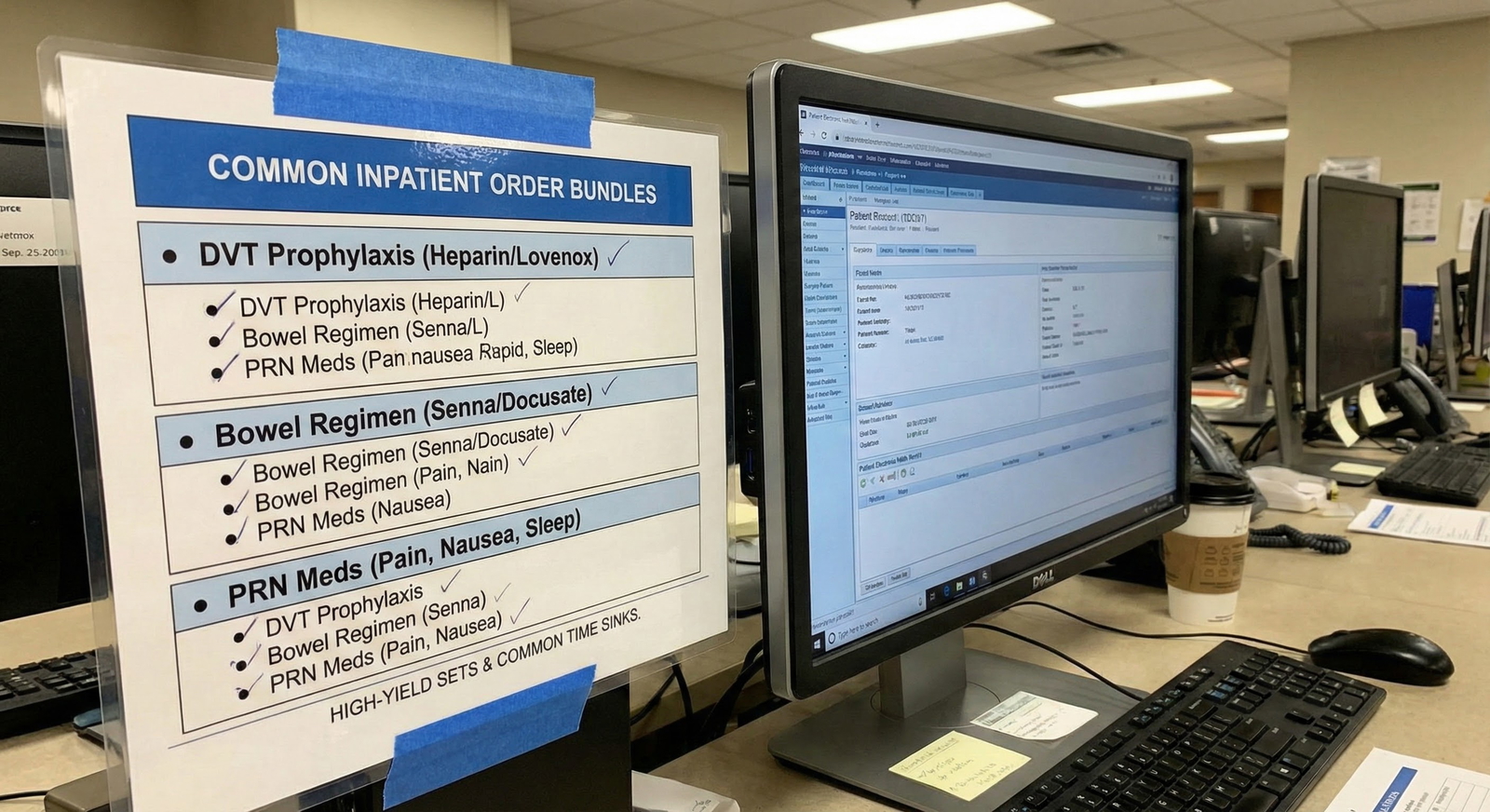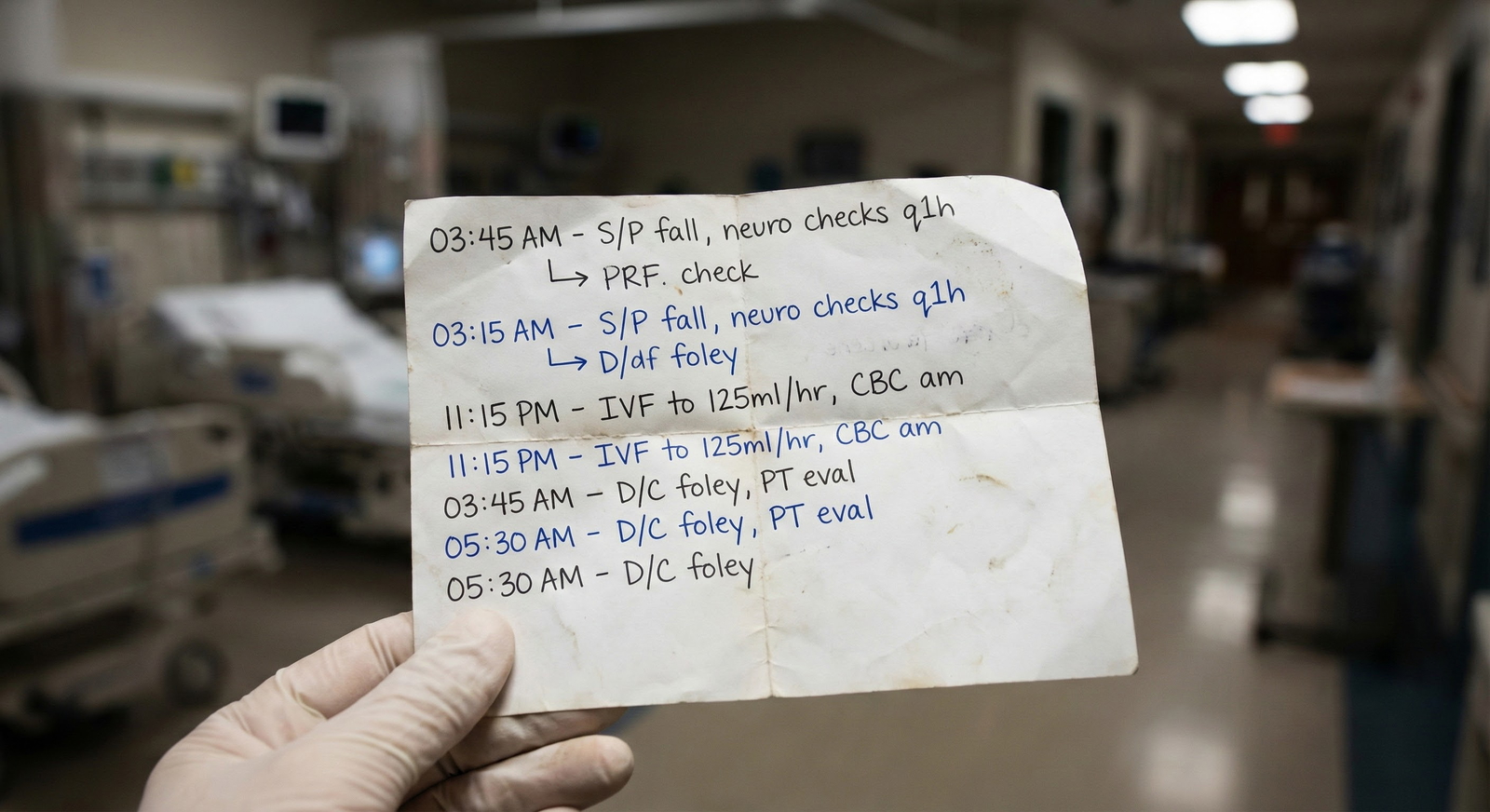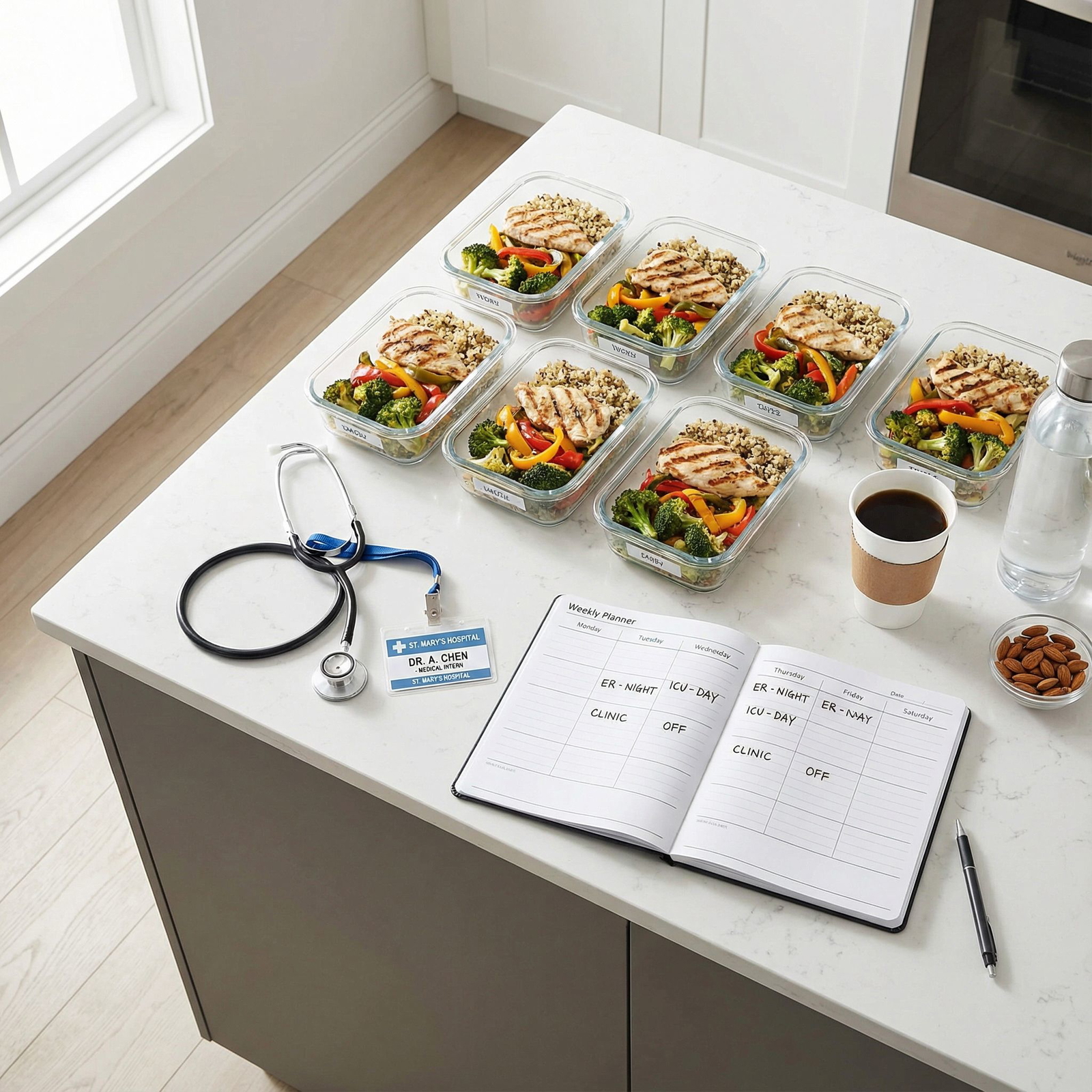
Embracing the Intern Year: Advanced Tips for Managing Your Workload
The transition from medical school to residency can feel like stepping off a cliff into the unknown. One day you are a supervised student; the next, you are the physician of record, placing orders, returning pages, and making decisions that directly affect patient outcomes. The mix of excitement, anxiety, and responsibility is intense.
Your intern year is one of the most demanding and formative stages in your medical education. It combines steep learning curves, high workload, and emotional challenges—but it is also when you grow the most as a clinician. How you approach workload management during this year will shape not only your performance and evaluations, but also your well-being and long-term career satisfaction.
This guide expands on practical, residency-tested strategies to manage your workload, protect your energy, and make the most of your intern year.
Understanding the Intern Year: What to Expect and How to Prepare
Before diving into specific Residency Tips and tools, it helps to have a realistic understanding of what the intern year looks like on the ground.
Core Realities of Intern Year
As an intern, you can typically expect:
Long and Irregular Hours
- Shifts commonly range from 10–16 hours, with night shifts, weekends, and holiday coverage.
- Duty-hour rules provide some protection, but you’ll still experience sustained fatigue and circadian disruption, especially on busy inpatient rotations.
A Steep Clinical Learning Curve
- You will be responsible for everything from routine admissions and discharges to complex, multi-morbidity patients.
- You’ll need to rapidly develop skills in triaging issues, writing efficient notes, placing orders, and recognizing red-flag symptoms.
New Team Dynamics and Hierarchy
- You’ll work closely with senior residents, attendings, nurses, pharmacists, therapists, and case managers.
- Each service and attending may have a different style and expectations, and learning to adapt quickly is key.
Substantial Patient Load
- Depending on your specialty and service, you may manage 6–20+ patients at a time.
- Keeping track of active problems, follow-ups, labs, imaging, and consults requires deliberate organizational systems.
High Cognitive and Emotional Load
- You will make many decisions quickly, often while juggling pages, admissions, and family discussions.
- You’ll encounter suffering, death, conflict, and moral distress more frequently than in medical school.
Why Workload Management Matters for Interns
Effective workload management is not about “doing more”—it’s about working smarter to protect your attention, your learning, and your health.
Poor workload management can lead to:
Increased Stress and Burnout
- Chronic overwhelm contributes to emotional exhaustion, cynicism, and reduced empathy.
- Burnout is strongly associated with medical errors, depression, and leaving clinical practice.
Reduced Quality of Patient Care
- When you’re scattered or chronically behind, you’re more likely to miss abnormal labs, delay critical interventions, or overlook key history points.
Diminished Learning and Professional Growth
- If you’re always just trying to “survive the day,” you have little bandwidth left to reflect, study, or consolidate what you’re learning at the bedside.
Deliberate Workload Management during the intern year is therefore part of your professional duty: to your patients, your team, and yourself.
Building Your Foundation: Organization and Time Management Skills

1. Mastering Organization: Systems That Actually Work
Organization is the backbone of effective workload management in residency. You will not remember everything—systems will save you.
Use Structured Digital Tools
Calendar and Shift Management
- Use Google Calendar, Outlook, or a residency scheduling app to track shifts, clinic days, didactics, handoffs, and deadlines.
- Color-code by category (e.g., “Clinical,” “Education,” “Personal,” “Deadlines”) for quick visual scanning.
- Set reminders for important events: mid-rotation feedback meetings, evaluation deadlines, exams, or conference presentations.
Task Management Apps
- Consider tools like Todoist, Notion, or simple Notes apps to maintain running to-do lists by patient, by day, and by priority.
- Divide tasks into “Must Do Today,” “Should Do If Time,” and “Future/Follow-Up.”
Create a Reliable Patient-Tracking System
Whether your program uses electronic lists, index cards, or printed rosters, develop a standardized way to track:
- Active problems and working diagnoses
- Key exam findings or data points
- Pending labs and imaging
- Outstanding consults and recommendations
- Discharge needs and barriers (PT/OT, SNF placement, prior authorization, etc.)
Many interns use:
The “One-Liner + To-Do” Method
- Write or type a concise one-liner for each patient, followed by bullet-point tasks for the day.
- Example: “65M with CHF exacerbation, AKI, and new Afib on heparin gtt → f/u BMP at 2 pm, adjust diuretics per urine output, echo result, d/w cardiology about rate control.”
Checklists for Each Rounding Day
- Standardize what you check on every patient: vitals, I/O, overnight events, new labs, imaging, nursing concerns, med changes.
- Use checkboxes for daily tasks—closing loops is critical for safety and your sanity.
Keep Your Physical and Digital Workspace Tidy
- At the end of each shift, invest 5–10 minutes to:
- Clear your workspace of old printouts.
- Organize your white coat (pen, small notebook, reference cards, hand sanitizer, snacks).
- Log out of shared computers and close extra windows.
- A decluttered space reduces cognitive load and improves focus, especially at the start of a busy call night.
2. Strategic Time Management in a High-Pressure Environment
Time management during intern year is less about perfection and more about strategic prioritization under pressure.
Start Your Day with a Brief Plan
Before rounds, take 5–10 minutes to:
- Skim your patient list for:
- Sickest patients
- New admissions
- Time-sensitive tasks (e.g., meds that need renewing, tests with narrow time windows)
- Mark:
- Stat/urgent tasks (red or starred)
- High-value learning opportunities (e.g., an interesting new admission, an upcoming procedure)
- Set a small learning goal of the day, such as “I will understand the management of DKA” or “I will practice better sign-out.”
Prioritize with Simple Frameworks
“Now, Next, Later” Method
- Now: Tasks that impact immediate patient safety or time-critical interventions.
- Next: Tasks needed for rounds, discharges, and team flow.
- Later: Notes, calls that can wait, education, and reading.
The 2-Minute Rule
- If a task will take ≤2 minutes and is truly quick (e.g., signing an order, returning a simple page), do it now to reduce mental clutter—unless you are in the middle of a higher-priority task.
Use Micro-Intervals of Focus
- The classic Pomodoro Technique (25 minutes work, 5 minutes break) may not always fit in residency, but the principle is useful:
- During a lull, dedicate 10–15 minutes of focused time to finish a note or one chunk of a task before checking your phone or inbox.
- Take short “reset breaks” (1–3 minutes) when you transition between major tasks (after rounds, after a difficult family meeting, post-code).
Set Realistic Expectations
- Some days are pure survival: you will not finish all the nice-to-have tasks, and that’s okay.
- Focus on:
- Patient safety and care quality
- Clear communication and handoff
- One or two achievable learning goals or improvements per day
- Avoid comparing yourself to co-interns who seem to have it all figured out—everyone is juggling different patient loads, services, and personal stressors.
Communication, Teamwork, and Delegation: Working Smarter with Your Team
Effective communication is one of the most powerful tools for managing workload in residency. You are not meant to do this alone.
3. Communicate Proactively and Clearly
Regular Check-ins with Seniors and Attendings
- At the start of the day, quickly review with your senior:
- Sickest patients and anticipated issues
- New admissions and division of work
- Who will handle urgent pages during rounds
- Midday, update them on:
- Lab or imaging results that change management
- Barriers to discharges
- Any personal limitations (e.g., “I have a didactic at 3 pm, can we plan discharges before then?”)
Proactive updates prevent last-minute crises and help seniors redistribute workload when needed.
Ask for Help Early and Specifically
Instead of “I’m overwhelmed,” try:
- “I’m running behind on notes because I have two new admissions and three discharges—can we redistribute one discharge or an admission?”
- “I’m concerned about this patient’s worsening vitals; can you come assess with me?”
You are not expected to know everything as an intern. Asking thoughtfully for help is a sign of responsibility, not weakness.
Use Closed-Loop Communication with Nurses and Staff
- Confirm key orders and plans with nursing:
- “I’ll place the transfusion order now; could you please start it once it’s verified?”
- “If his blood pressure drops below 90 systolic, please page me immediately.”
- At sign-out, summarize clearly:
- Active problems
- Pending studies
- Anticipated overnight issues
- Explicit “if/then” plans (e.g., “If chest pain recurs, get EKG and trops and call me.”)
Clear, concise communication reduces unnecessary pages and helps the entire team manage workload more efficiently.
4. Delegation, Boundaries, and Saying “No” Appropriately
Understand Your Role and Scope
- As an intern, your primary responsibility is direct patient care and documentation.
- Educational and research opportunities are important, but patient care and safety come first.
Learn to Negotiate Tasks
When multiple people are asking for your time:
- Clarify priorities with your senior:
- “I’ve been asked to help with a procedure, but I still have two new admissions. Which is higher priority right now?”
- When you must decline or defer:
- “I’d love to help with that central line, but I need to stabilize this new admission first. If you’re still doing procedures in 30–45 minutes, please page me again.”
Setting realistic boundaries is essential for sustainable workload management.
Self-Care, Resilience, and Mental Health: Protecting the Physician Behind the Pager

5. Making Self-Care Non-Negotiable During Intern Year
Self-Care is not a luxury—it is a core professional responsibility. You cannot provide safe, compassionate care if you are chronically depleted.
Protect Sleep Whenever Possible
- Aim for consistent sleep windows on non-call days, even if not perfect.
- On night float:
- Use blackout curtains, eye masks, and white noise.
- Limit caffeine in the last 4–6 hours of your “night.”
- When post-call:
- Prioritize a recovery nap, but avoid sleeping so long that you can’t fall asleep at night.
Even small improvements in sleep quality can significantly impact mood, cognition, and decision-making.
Prioritize Nutrition and Hydration
- Pack quick, nutrient-dense snacks: nuts, yogurt, fruit, granola bars, pre-made sandwiches or wraps.
- Keep a refillable water bottle with you and set a goal to finish it by mid-shift and again by the end.
- Avoid relying solely on energy drinks and vending machine food; they worsen energy crashes and mood swings.
Incorporate Micro-Exercise and Movement
You may not always have time for the gym—but you can still:
- Take the stairs when feasible.
- Do brief stretching between patients or during computer work.
- Take 5-minute walks around the unit or outside during breaks to reset mentally.
Even 10–15 minutes of movement per day helps with stress reduction and sleep.
6. Building Emotional Resilience and Seeking Support
Intern year will challenge you emotionally as much as intellectually.
Normalize the Emotional Roller Coaster
- Feeling unprepared, anxious, or like an impostor is common among interns.
- You are not alone if you:
- Replay difficult encounters in your head
- Feel distressed after codes, bad news, or poor outcomes
- Experience guilt about mistakes or near-misses
Talk openly with trusted co-interns, seniors, or mentors about these experiences.
Use Hospital and Institutional Resources
Most programs offer:
- Confidential counseling services or employee assistance programs
- Peer support groups or wellness sessions
- Chaplaincy or spiritual care for processing grief and moral distress
Speaking to a mental health professional early—before crisis—can be profoundly protective.
Maintain a Life Outside the Hospital
As much as your schedule allows:
- Stay connected to family and friends, even via brief calls or texts.
- Protect at least one regular non-medical activity (hobby, sport, religious practice, creative outlet).
- Plan small things to look forward to: a meal out, a trip on your golden weekend, or a short vacation between rotations.
These anchors help you maintain perspective and identity beyond “intern.”
Maximizing Learning While Managing Workload
Your intern year is also a pivotal period of Medical Education. The challenge is balancing learning with heavy service demands.
7. Turn Daily Work into High-Yield Learning
Use the “One Patient, One Concept” Rule
Each day, pick one patient and one learning topic:
- CHF exacerbation → read about diuretic strategies
- New Afib → review anticoagulation options and stroke risk scores
- DKA admission → learn the stepwise insulin and fluid protocol
Even 10–15 minutes of focused reading per day builds a powerful knowledge base over a year.
Reflect Briefly at the End of Your Shift
Ask yourself:
- What did I do well today?
- What confused or challenged me?
- What will I do differently next time?
Jotting down 1–2 bullet points on your phone or notebook reinforces growth and helps you see progress over time.
8. Seek Mentorship and Constructive Feedback
Identify Mentors Early
Look for:
- Senior residents who teach well and model healthy boundaries
- Attendings whose practice style and values resonate with you
- Faculty invested in wellness, education, or your specialty interests
Ask for brief meetings to discuss goals and challenges. Mentors can help you navigate rotations, research, and long-term career decisions.
Make Feedback a Regular Habit
Instead of waiting for formal evaluations, ask:
- “Do you have any quick feedback on my notes or presentations?”
- “Is there one thing I could focus on improving this week?”
Targeted feedback accelerates growth and helps prevent small issues from becoming persistent habits.
9. Have Backup Plans—for Patients and for Yourself
Residency rarely goes exactly as planned. Developing mental and logistical “Plan B’s” reduces stress when things change suddenly.
Clinical Contingency Planning
- Know your hospital’s rapid response and code protocols.
- Have a mental checklist for acute issues: chest pain, shortness of breath, hypotension, agitation.
- Be comfortable with common procedures and know who to call for help.
Being prepared improves both patient safety and your confidence under pressure.
Personal Contingency Planning
- If you know you’re heading into a difficult stretch (e.g., ICU nights), plan:
- Meal prepping beforehand
- Pre-scheduling support calls with family or friends
- Blocking off true rest periods on days off
- If you have a bad call night and barely sleep, have a strategy for:
- Prioritizing sleep recovery
- Simplifying personal tasks (grocery delivery, simple meals)
- Temporarily lowering non-essential commitments
Frequently Asked Questions About Intern Year Workload Management
1. What should I do if I feel overwhelmed or like I’m failing during intern year?
Feeling overwhelmed is extremely common. If this happens:
- Communicate early: Tell your senior resident or chief that you’re struggling with workload or a particular rotation.
- Clarify priorities: Ask for help prioritizing tasks and redistributing work if necessary.
- Use support systems: Reach out to peers, mentors, or program leadership.
- Seek professional support: If you notice persistent anxiety, depression, or burnout symptoms, use counseling or employee assistance services.
You are not expected to handle everything alone. Asking for help is a mark of professionalism and insight.
2. How can I safely manage a heavy patient load as an intern?
Focus on:
- Robust organization: Use structured lists and checklists for each patient.
- Prioritization: Assess who is sickest and whose care is most time-sensitive.
- Communication: Keep seniors, nurses, and attendings updated about concerning patients or delays.
- Handoff quality: Give clear, concise sign-out to reduce overnight confusion.
- Situational awareness: Regularly scan your list for changing vitals, new labs, or consult recommendations.
Over time, your efficiency improves and patterns become more intuitive.
3. How do I balance learning with service demands and documentation?
You will rarely have long, uninterrupted blocks to study. Instead:
- Integrate learning into daily work (e.g., quickly read about a patient’s main problem).
- Use micro-learning: 5–10 minutes between tasks for guidelines, UpToDate, or pocket references.
- Set small, achievable daily or weekly learning goals.
- Ask attendings to highlight 1–2 key take-home points after rounds or a case.
Quality, focused learning integrated into patient care is more sustainable than trying to “catch up” on everything at once.
4. How can I tell if I’m performing well as an intern?
Look for:
- Feedback from supervisors: Ask for regular, specific feedback.
- Patient outcomes and safety: Fewer missed labs, fewer last-minute crises due to oversight.
- Personal growth: More confidence in handling common scenarios, more efficient notes, and smoother communication.
- Team trust: Nurses and residents increasingly rely on and collaborate with you.
It’s normal not to feel competent yet—that usually lags behind actual improvement. Trust the process and data from objective feedback.
5. Is it normal to feel unprepared when starting residency?
Yes. Nearly every intern—regardless of school or grades—feels underprepared in some way:
- The pace and responsibility of residency are different from medical school.
- You are now the one being paged, making orders, and answering questions in real time.
- Competence builds progressively through repetition, reflection, and feedback.
Give yourself permission to be a learner. You are not expected to be perfect; you are expected to be honest, responsible, and coachable.
Navigating your intern year is challenging but deeply rewarding. By focusing on deliberate organization, realistic time management, clear communication, and consistent Self-Care, you can not only survive this intense phase of Residency Life and Challenges, but also thrive—building the skills, resilience, and professional identity that will carry you through your career in medicine. Take it one day, one patient, and one learning moment at a time.