Understanding the Challenge: Low Step Scores as a Caribbean IMG Aiming for Global Health
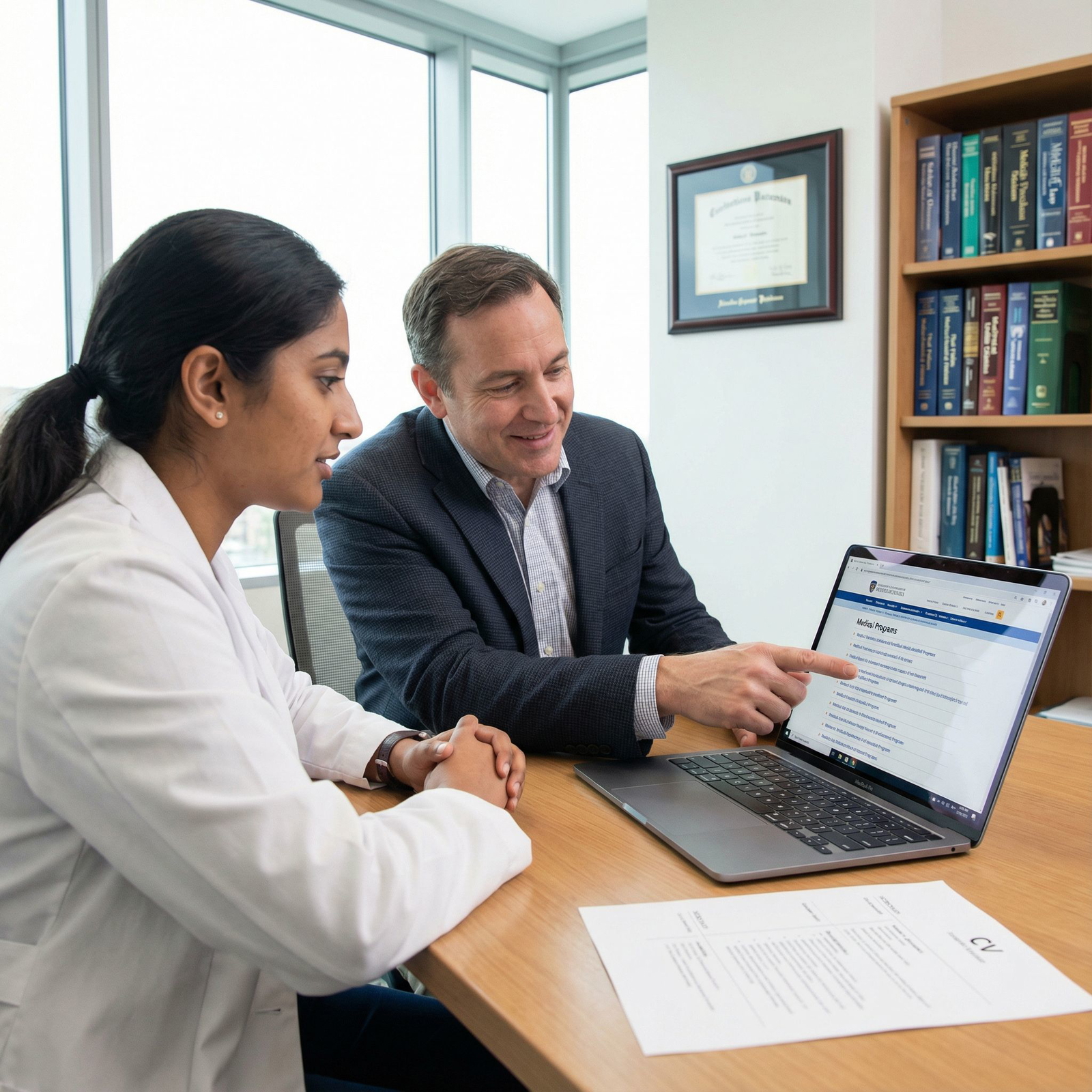
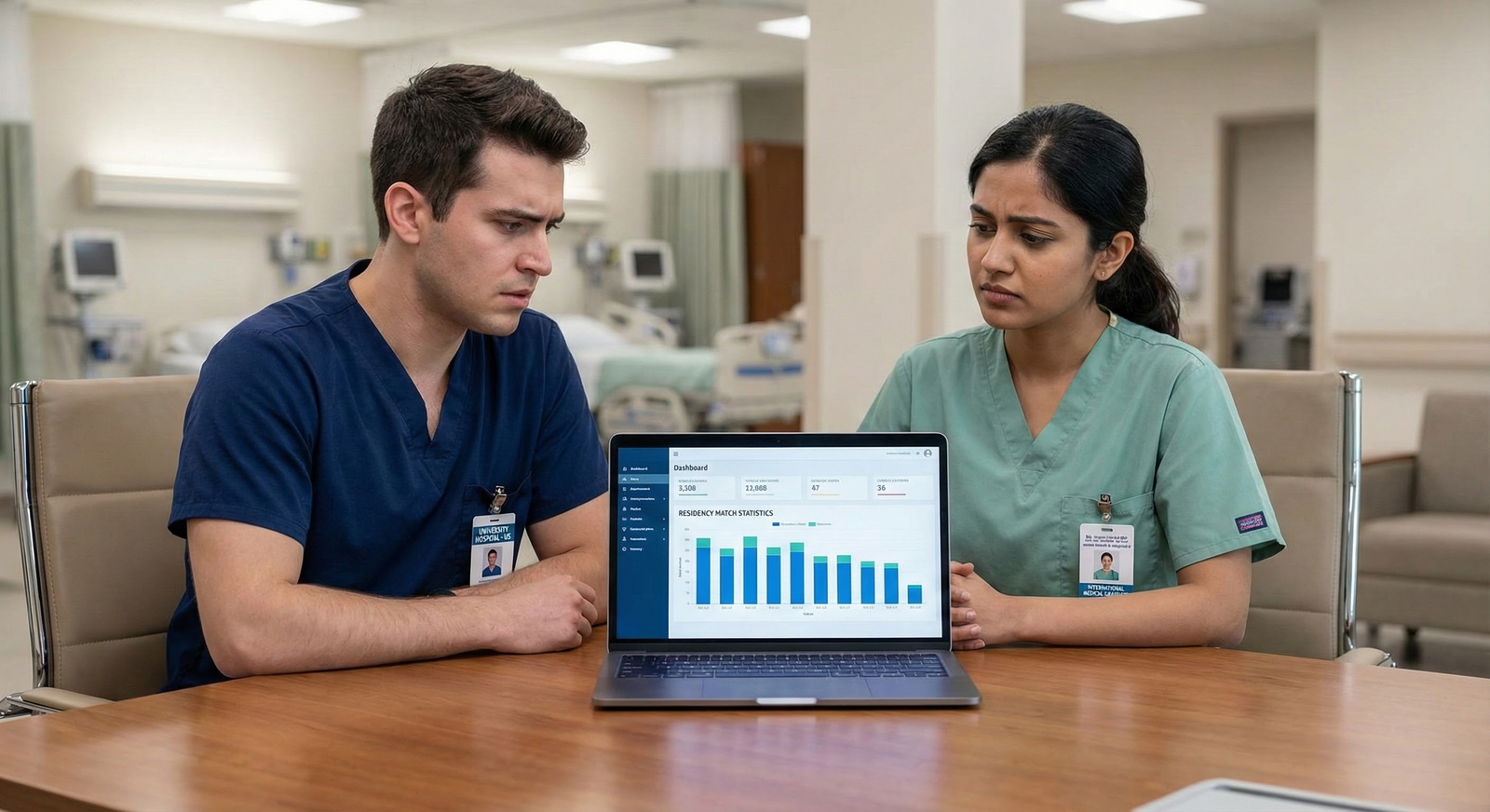
Applying for residency with a low Step 1 score (or below average board scores overall) is stressful for any applicant, but especially for a Caribbean medical school graduate targeting competitive global health residency tracks. Many Caribbean IMGs feel that a single exam result has closed doors forever.
It hasn’t.
Global health–oriented programs actually place meaningful weight on experiences, mission fit, and long-term commitment to international medicine. While a low score absolutely changes your strategy, it does not erase your chances—especially if you are realistic, strategic, and proactive.
This article is designed specifically for:
- Caribbean IMGs from schools like SGU, AUC, Ross, Saba, etc.
- Applicants who are worried about a low Step 1 score or below average Step 2 CK
- Students or graduates aiming for a residency with a global health residency track or robust international medicine opportunities
You will learn:
- How to interpret a “low score” realistically as a Caribbean IMG
- How to turn your global health experiences into concrete strengths
- Application strategies for matching with low scores
- Ways to leverage SGU residency match patterns and similar Caribbean medical school residency data
- How to build a compelling narrative that makes programs look past your numbers
Section 1: What “Low Step Score” Means for Caribbean IMGs in Global Health
1.1 Understanding Your Numbers in Context
“Low Step score” is not a single number; it depends on:
- The specialty you’re targeting
- Your applicant group (Caribbean IMG vs US MD vs US DO)
- The rest of your application (research, global health portfolio, LORs)
For global health–oriented careers, you’re usually looking at entry through core specialties such as:
- Internal Medicine
- Family Medicine
- Pediatrics
- OB/GYN
- Emergency Medicine (more competitive, especially with EM–global health tracks)
- Occasionally General Surgery or Psychiatry (niche global health roles)
Programs with global health residency tracks may be slightly more competitive than their “standard” tracks, but many are still housed within community programs or mid-tier academic centers that remain IMG-friendly.
Common benchmarks for Caribbean IMGs (these are approximate, not absolute cutoffs):
- Step 1 (before pass/fail transition):
- 210–220: Borderline but workable for FM, IM, Peds with strong application
- <210: More challenging; needs strong compensatory factors, often FM-heavy list
- Step 2 CK:
- 220–230: Below average for US MDs, but often workable for Caribbean IMGs, especially in primary care
- <220: A real concern, but not disqualifying with excellent strategy and mission fit
If Step 1 is pass/fail and you received a Pass but Step 2 CK is low, Step 2 CK becomes the key concern.
1.2 Caribbean Medical School Residency Realities
Programs are aware of the “Caribbean effect”: on average, Caribbean graduates have lower board scores than US MDs. Many PDs know that:
- Your clinical training sites may vary in rigor
- You often have fewer built-in research opportunities
- Your path to US residency is less structured
This means you might start with some inherent skepticism from programs—especially academic centers and flagship global health tracks. But:
- Many community-based programs with global health electives or informal tracks remain quite open to Caribbean IMGs.
- SGU residency match lists, for example, consistently show placements in:
- Internal Medicine programs with global health electives
- Family Medicine programs with international medicine focus
- Pediatrics programs involved in global child health
- These demonstrate that a Caribbean medical school residency can absolutely lead to a career in global health.
The key is reframing your application from “please overlook my scores” to:
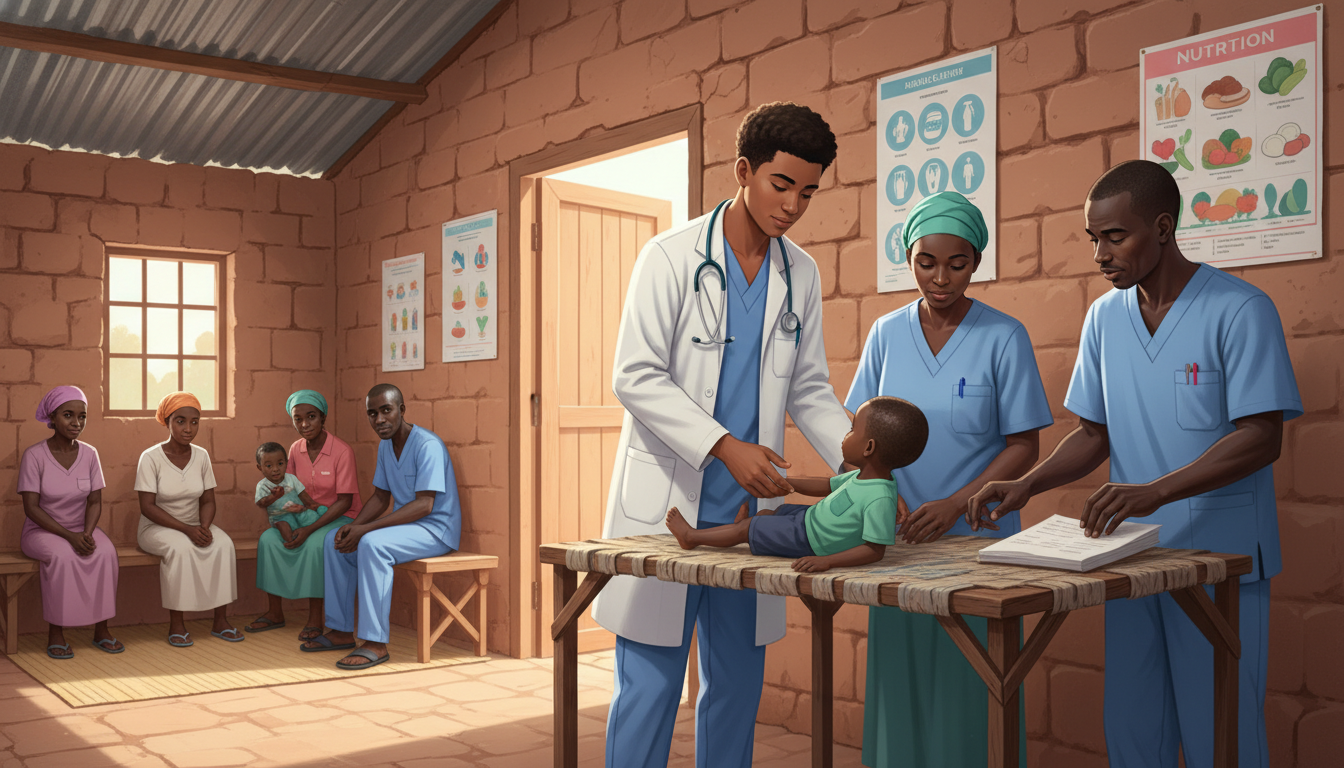
“My long-term commitment to global health, proven international experiences, and readiness to serve diverse, underserved populations make me an ideal fit for your program’s mission.”
Section 2: Compensating for Low Step Scores with a Global Health Portfolio
When matching with low scores, you cannot rely on numbers to carry you. You need to make your global health track record so compelling that programs see you as a high-value resident despite your board score.
2.1 Build a Coherent Global Health Story
Programs look for coherence: does your past behavior match your stated interest?
Strong indicators of a genuine global health orientation:
- Longitudinal involvement in global health or international medicine:
- Pre-med service in low-resource settings
- Medical school global health electives in multiple years
- Continuous work with refugee, migrant, or underserved communities
- Educational or research projects on:
- Infectious diseases in low-income countries
- Health systems strengthening
- Maternal-child health in resource-limited settings
- Global mental health, trauma, displacement
Weak or “checkbox” signals:
- One short volunteer trip with no follow-up or scholarly work
- A single 2-week mission without any demonstrated learning or reflection
- Vague statements like “I want to help people around the world” without evidence
Action step:
Write a one-page narrative for yourself answering:
- When did your interest in global health begin?
- How has it evolved across college and medical school?
- Which specific populations or regions are you most passionate about?
- What skills or insights have you gained so far?
You’ll mine this for your personal statement, experiences, and interview talking points.
2.2 Make Local Work Count as “Global Health”
You don’t need a passport stamp to prove international medicine commitment. Especially if your budget, visa situation, or pandemic disruptions limited travel, you can still show global health alignment through local work with:
- Refugee or asylum seekers
- Immigrant and migrant farmworker populations
- Indigenous communities
- Non-English–speaking patients in safety-net hospitals
- Telehealth projects serving low-resource international settings
Turn these into strong application entries by:
- Quantifying: “Worked with 50+ refugee families,” “Completed 120+ hours of clinic-based interpretation”
- Explaining impact: “Helped establish vaccination follow-up system,” “Created educational materials in patient’s native language”
- Clarifying what you learned about health systems, cultural humility, and resource constraints
Programs value applicants who understand that global health is also local health.
2.3 Use Research and Scholarly Work to Offset Below Average Board Scores
Research is one of the most reliable ways to show academic strength when your test scores are weak.
For global health residency tracks, prioritize:
- Topics: TB, HIV, malaria, non-communicable diseases in LMICs, maternal mortality, migrant health, health equity
- Types of work:
- Quality improvement projects in under-resourced clinics
- Chart reviews or observational studies on international or immigrant populations
- Systematic or scoping reviews on global health topics
- Case reports from low-resource settings
You do not need RCTs in The Lancet to stand out. Even:
- A conference poster
- A small regional presentation
- An abstract at a global health meeting
…can meaningfully strengthen your profile.
Action step:
- Identify a global health–oriented faculty mentor at your school or clinical site.
- Ask about:
- Ongoing global health or international medicine projects
- Simple chart reviews, QI projects, or literature reviews you can help with
- Aim for:
- 1–2 posters
- 1 manuscript (even if it’s “submitted” or “in preparation” by application time)
Mentioning these concretely will help PDs see you as more than your Step score.
Section 3: Choosing the Right Pathways to Global Health with Low Scores
Global health is more a career direction than a single specialty. With low Step scores, you want specialties and programs that:
- Are IMG-friendly
- Have lower board score thresholds
- Still offer solid global health residency tracks or international medicine opportunities
3.1 Most Realistic Entry Specialties for Caribbean IMGs with Low Step Scores
Family Medicine
- Very IMG-friendly, particularly for Caribbean IMGs
- Many FM programs have:
- Global health tracks
- International rotations
- Long-term partnerships with clinics abroad
- Great fit if you like comprehensive care and want flexibility to work overseas
Internal Medicine
- Still relatively accessible, though more competitive than FM
- Look for:
- Community-based IM programs with global health electives or underserved tracks
- University-affiliated community hospitals rather than flagship academic centers
- Strong pathway to global health via ID, hospital medicine, or primary care
Pediatrics
- Moderate competitiveness; still IMG-friendly in many community programs
- Frequent global child health electives and partnerships
Psychiatry and OB/GYN
- Mixed IMG-friendliness and rising competitiveness; still feasible in selected locations
- More realistic if your Step 2 CK is closer to average, even if Step 1 was weak
Emergency Medicine, General Surgery
- Global health opportunities are substantial, but both are much more competitive for Caribbean IMGs with low scores
- Usually realistic only if:
- You have strong research
- High Step 2 CK (even if Step 1 was low)
- Significant US LORs and away rotations
3.2 Targeting Programs with Global Health Tracks
When searching for programs:
- Use filters:
- FREIDA, program websites, and NRMP data
- Terms like “global health residency track,” “international medicine,” “global health pathway,” “underserved populations track”
- Study program websites:
- Look for descriptions of:
- Long-term international partnerships
- Optional international rotations
- Formal global health curricula (journal clubs, didactics, certificates)
- Look for descriptions of:
Reality check:
Many dedicated global health tracks at top-tier academic centers are very competitive—even for US MDs with strong scores. As a Caribbean IMG with low scores, your best strategy is often:
- Target:
- Community or university-affiliated community programs with:
- Informal global health opportunities
- Single-site partnerships
- Flexibility for elective time abroad
- Community or university-affiliated community programs with:
- Then:
- Build your global health credentials during residency
- Pursue a global health fellowship after residency, if needed
3.3 Using SGU Residency Match and Similar Data Strategically
SGU residency match lists and those from other Caribbean schools are useful tools:
- Identify:
- Which programs frequently take Caribbean IMGs
- Which specialties are most viable with your profile
- Programs that had residents involved in global health or international medicine
Strategy:
- Download recent match lists from SGU (or your school) website.
- Highlight:
- FM, IM, Pediatrics, and other primary care matches
- Programs with names suggesting global health or underserved focus
- Cross-reference:
- Check program websites for global health electives/tracks
- Verify IMG-friendliness and visa policies
Your goal is to create a high-yield list: global health potential + IMG-friendly + realistic board score expectations.

Section 4: Application Strategy for Matching with Low Scores
Once you’ve framed your profile and chosen your paths, you need a tactical plan for:
- Timing exams
- Choosing where and how widely to apply
- Using your personal statement, LORs, and ERAS content to control the narrative
4.1 Timing Step 2 CK and Its Role
If you have:
Low Step 1, stronger Step 2 CK:
- This is ideal for damage control.
- Take Step 2 CK as early as feasible (end of third year or early fourth).
- Programs will see improvement and may interpret low Step 1 as an outlier.
Low Step 1 and low Step 2 CK:
- You must rely more heavily on:
- Clinical performance
- Strong US letters
- Global health achievements
- Do not delay Step 2 CK unless:
- You genuinely believe (with NBME data) that a delay will yield a major score jump.
- If Step 2 CK is already done and low, focus on strengthening everything else before application season: research, electives, letters.
- You must rely more heavily on:
4.2 Strategic Program Selection and Application Volume
With below average board scores as a Caribbean IMG, application volume matters.
General guidance (adjust based on your situation):
- FM or IM with low scores (Step 2 CK < 225):
- 80–120 applications total
- Emphasis on community programs, smaller cities, Midwest/South
- Pediatrics or OB/GYN with low scores:
- 80–130 applications
- Mix of community and some university-affiliated mid-tier programs
- EM or Surgery with low scores:
- Very challenging; consider dual-application strategy (e.g., EM + IM, Surgery + Prelim + FM backup)
Focus on:
- Programs with:
- High IMG percentages
- Caribbean graduates in recent years
- Public mission statements around underserved care, diversity, and global health
Lower your odds if you:
- Apply mostly to big-name academic centers
- Apply narrowly in coastal, high-demand cities
- Ignore IMG-friendliness and visa policies
4.3 Crafting a Personal Statement that Neutralizes Low Scores
Your personal statement is your best opportunity to shape how programs interpret your low scores.
Key elements:
Direct but brief acknowledgment (if appropriate):
Example:
“While my Step 1 score does not fully reflect my current capabilities, it became a turning point that pushed me to restructure my study approach and seek more mentorship. The result has been stronger clinical evaluations, a solid Step 2 CK performance, and a more deliberate, disciplined approach to my work.”
Avoid:
- Making excuses
- Over-explaining
- Blaming others
Strong global health narrative:
- Use a specific experience:
- A clinical encounter in a low-resource setting
- A longitudinal project with a migrant community
- Connect that experience to:
- Why you chose your specialty
- Why you value global health and equity
- Use a specific experience:
Fit with global health residency track or program mission:
- Research each program’s global health or underserved initiatives.
- In a tailored paragraph:
- Link your experiences to their existing projects.
- State how you plan to contribute.
Example:
“Your residency’s partnership with the clinic in Guatemala mirrors my work with Haitian migrants in [location]. I am particularly interested in participating in your global health track’s longitudinal curriculum and contributing to future QI projects in maternal-child health.”
4.4 Letters of Recommendation: Your Most Powerful Non-Numerical Evidence
For Caribbean IMGs, and especially those matching with low scores, letters can make or break an application.
Priorities:
- US-based clinical letters from:
- Core rotations in your chosen specialty
- Sub-internships/acting internships
- Global health or international electives with US-affiliated attendings
- Content you want highlighted:
- Clinical reasoning and reliability
- Work ethic and resilience
- Cultural humility and ability to work with diverse, underserved populations
- Specific global health–relevant qualities: adaptability, team-based care in under-resourced settings
Actionable steps:
- Identify 3–4 attendings who:
- Know you well
- Supervised you closely
- Respect your work ethic and clinical skills
- Request letters in person or via video call if possible.
- Provide:
- Your CV (highlight global health activities)
- Personal statement draft
- A short bullet list of themes they might emphasize (e.g., “Please address my reliability, clinical judgment, and my work with non-English–speaking patients.”)
Section 5: Using Clinical Rotations and Extra Training to Stand Out
With low scores, your behavior in the hospital and clinic must convey that you will be an excellent resident.
5.1 Excel in Clinical Rotations
During core and elective rotations, especially in your target specialty:
- Be the early, prepared student:
- Pre-read about common diagnoses
- Know your patients’ charts in detail
- Volunteer appropriately:
- Offer to do extra follow-up calls
- Ask to present at case conferences or journal clubs
- Show teachability:
- Seek feedback and implement it visibly
- Own your mistakes and demonstrate growth
Ask attendings directly if there are QI projects, small audits, or presentations you can join—this often leads to stronger letters and tangible accomplishments.
5.2 Targeted Global Health Electives
If your Caribbean medical school offers:
- Global health or international electives in:
- Latin America
- The Caribbean
- Africa
- Asia
Choose those that:
- Have robust supervision
- Include structured teaching or small research/QI components
- Allow you to work meaningfully with local staff rather than only observing
During such electives:
- Keep a reflective journal:
- You’ll use this for personal statements and interviews.
- Document your work well:
- Number of patients seen
- Key challenges you learned to manage
- Look for small, publishable projects:
- Case reports
- Short reviews of clinic outcomes
- Educational interventions
5.3 Certificates and Additional Training
Supplement your CV with low-cost or free:
- Global health coursework:
- Online certificates (e.g., global health foundations, humanitarian response, tropical medicine basics)
- Public health training:
- Short courses in epidemiology or biostatistics
- Language improvement:
- Spanish, French, or regional languages relevant to where you aim to work
These help communicate sustained commitment and readiness for international medicine.
Section 6: Mindset, Backup Planning, and Long-Term Global Health Careers
Even with a perfect application strategy, Caribbean IMGs with low scores must plan for variability—and maintain realistic optimism.
6.1 Managing Expectations and Maintaining Hope
Understand:
- You may not match into a brand-name global health track straight away.
- You can still become a global health physician via:
- A solid community FM or IM residency
- Involvement in global health projects during residency
- A global health fellowship later
- NGO work, humanitarian organizations, or academic partnerships post-residency
Think long-term: a 30–40 year career in global health vs. a single exam score or one match cycle.
6.2 Backup Plans Within the Same Global Health Trajectory
Smart backup options might include:
- Applying more heavily to:
- Family Medicine with global health or underserved tracks, even if you initially aimed for IM or EM
- Targeting:
- Programs in medically underserved regions of the US (rural or inner-city safety-net hospitals), which often align with global health values
- Considering:
- Prelim year positions (if aiming for a more competitive specialty) plus robust applications to categorical FM/IM programs
If you do not match:
- Use a gap year wisely:
- Research assistant roles in global health projects
- Additional US clinical experience in underserved settings
- Strengthening language skills
- Re-taking Step exams only if realistically likely to improve significantly (and if allowed)
6.3 Protecting Your Well-Being
Being a Caribbean IMG with low scores in a high-stakes process is emotionally draining. To function at your best:
- Establish support:
- Peers in similar situations
- Mentors who believe in you
- Alumni from your school who have matched into global health–related paths
- Protect your routine:
- Sleep, exercise, and some non-medical activities
- Keep perspective:
- Your value as a future physician is not defined solely by an exam number.
FAQs: Low Step Score Strategies for Caribbean IMGs in Global Health
1. Can I still match into a global health residency track with a low Step 1 score?
Yes, but you must be strategic. Most competitive, university-based global health tracks will prefer higher scores. However, many community-based programs and some university-affiliated programs have global health or international medicine opportunities and remain IMG-friendly. Strengthen your global health portfolio, Step 2 CK, clinical performance, and letters to compensate.
2. Is Family Medicine my only realistic path to global health with below average board scores?
No—though Family Medicine is often the most forgiving and versatile option. Internal Medicine and Pediatrics can also be realistic for Caribbean IMGs, particularly in community programs, and both have substantial global health possibilities. OB/GYN and Psychiatry are more competitive but not impossible. Emergency Medicine and Surgery with low scores are challenging and generally require exceptional non-numerical strengths.
3. How can I make my Caribbean medical school residency application stand out despite low scores?
Focus on:
- A clear, longitudinal global health narrative
- Tangible global health experiences (local and international)
- Research or QI projects related to underserved or international populations
- Strong US clinical performance and letters
- A concise, honest personal statement that reframes your low scores as a growth point Also, apply broadly and target programs known to accept Caribbean IMGs and value service to underserved populations.
4. Should I delay applying to retake exams and improve my score, or apply now with low scores?
It depends on:
- How much improvement is realistically possible (based on practice NBMEs)
- Whether a retake is allowed and acceptable to programs
- How strong the rest of your CV already is
If you can significantly improve Step 2 CK and have clear evidence from practice exams, delaying one year may be worthwhile. If your practice scores remain in the same range, your time may be better spent strengthening clinical experience, research, and global health activities, and then applying with a robust, strategically targeted application.
A low Step score is one obstacle, not a final verdict. As a Caribbean IMG committed to global health, your sustained actions—service, scholarship, and resilience—can build a career far more powerful than any single number.