Understanding the Challenge: Low Step Scores as a Caribbean IMG
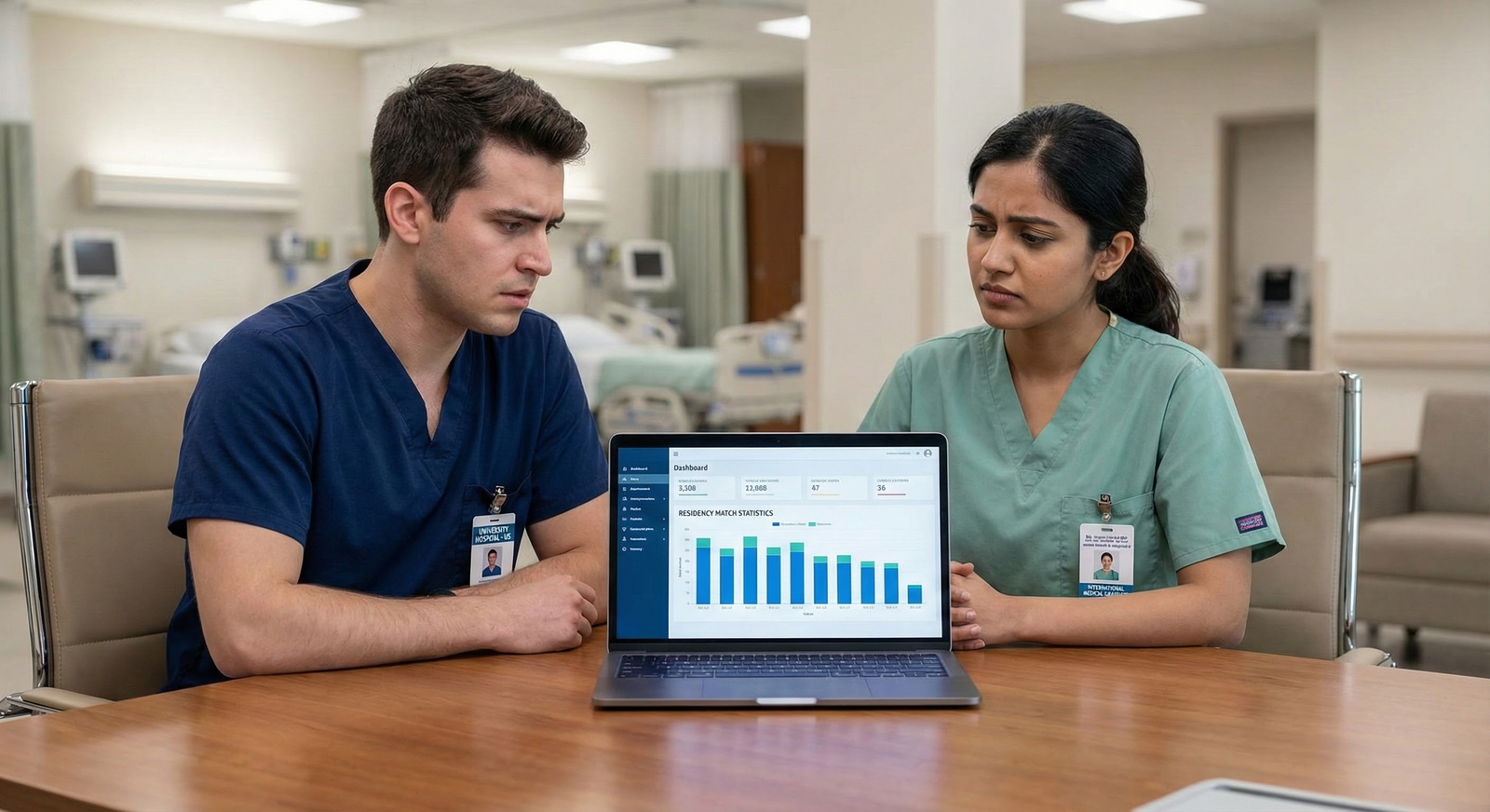
Diagnostic Radiology is a competitive specialty, and being a Caribbean IMG with a low Step score can feel like you are starting several steps behind. Programs receive thousands of applications and often use USMLE cutoffs as an initial filter, which can disproportionately affect Caribbean graduates, especially those with below-average board scores.
Yet, every year, candidates from Caribbean medical schools do secure a diagnostic radiology match—even with imperfect test histories. You cannot change your USMLE transcript, but you can absolutely change how the rest of your application looks, how program directors perceive your trajectory, and how strategically you apply.
This article is written specifically for Caribbean IMGs aiming for diagnostic radiology residency in the U.S., with particular attention to:
- Low Step 1 score or failed attempt
- Below-average Step 2 CK
- SGU residency match and other Caribbean medical school residency outcomes
- Strategies for matching with low scores in radiology
The goal is not to sugarcoat the challenge, but to give you a concrete, tactical plan to maximize your chances—whether that leads to an immediate diagnostic radiology match, a transitional path, or a stepwise strategy that includes a preliminary year or research.
Step Scores in Diagnostic Radiology: How Much Do They Matter?
Diagnostic radiology programs historically leaned heavily on test scores because the specialty requires strong analytical and pattern-recognition skills, and Step scores offered an easy proxy. With Step 1 now pass/fail, Step 2 CK has taken even greater weight, but many IMGs still apply with a low Step 1 score, old numerical Step 1 score, or multiple attempts.
Typical Score Expectations in Diagnostic Radiology
While exact numbers vary by year and program, historically:
- Matched U.S. MDs in diagnostic radiology:
- Step 1: often in the 240–250+ range (when numerical)
- Step 2 CK: similar or slightly higher
- Matched IMGs in radiology:
- Often in the upper 230s–240+, with fewer red flags
If you are a Caribbean IMG with scores like:
- Step 1 (pre-pass/fail): 215–225 (or a failed attempt followed by a pass)
- Step 2 CK: 220–235, or just below the national mean
- Any failed attempt on Step 1 or Step 2 CK
then on paper, you are at a disadvantage. However, scores are not the only story—especially if you can:
- Show an upward trajectory (e.g., Step 2 CK significantly better than Step 1)
- Provide a compelling explanation for any failures or outliers
- Demonstrate radiology-specific excellence in other domains
How Programs Actually Use Scores
Most programs use scores in three main ways:
Initial Screening:
- Automated filters on USMLE scores and attempts
- Some may have hard cutoffs (e.g., “no failures” or “minimum Step 2 CK 230”)
- Caribbean IMGs are more likely to be filtered out here, especially with a low Step 1 score
Risk Assessment:
- Concern about in-training exam performance and board pass rates
- Hesitation about candidates with repeated test failures
Comparison Tool:
- When choosing between two similar applicants, higher scores can break the tie
Your goal is to minimize the negative impact of low or failed scores by overwhelmingly strengthening other parts of your application and targeting programs strategically, rather than sending out blind, broad applications.
Strategic Score Management: What You Can Still Control
If your scores are already fixed, your strategy is different than if you still have an exam ahead. Many Caribbean students are in transition phases (e.g., passed Step 1, waiting for Step 2 CK, or considering Step 3). Here’s how to think about this.
1. If You Haven’t Taken Step 2 CK Yet
With Step 1 now pass/fail for recent takers (or fixed and unchangeable for older graduates), Step 2 CK becomes your redemption exam.
Your approach must be:
- Treat Step 2 CK as a must-excel exam, not just a pass
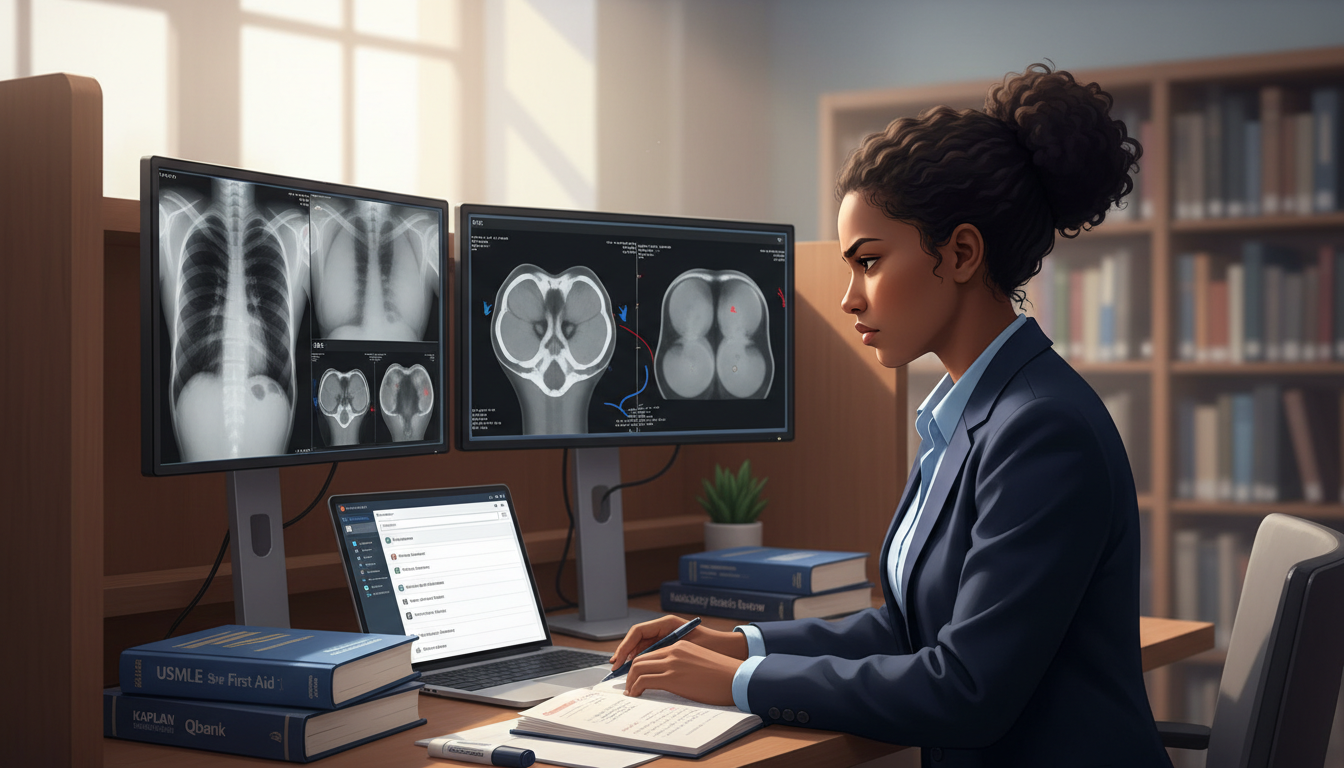
- Create a dedicated study period (6–12+ weeks) with minimal clinical distractions
- Use high-yield resources (UWorld, NBME self-assessments) and strict study schedules
- Aim for at least 5–10+ points above the national mean, if possible
If your Step 1 score is low, a strong Step 2 CK:
- Demonstrates academic growth and resilience
- Reassures program directors about board potential
- Provides a concrete narrative: “I learned from my struggles and improved substantially”
If you underperform again on Step 2 CK, radiology becomes significantly harder, and a stepwise strategy (e.g., preliminary year in internal medicine, research, or another specialty) becomes more realistic.
2. Considering Step 3 Before Applying
For IMGs with low Step 1 and Step 2 CK, taking Step 3 can sometimes:
- Show improvement in standardized testing
- Reduce program anxiety about board pass rates
- Differentiate you from other Caribbean medical school residency applicants
However, Step 3 is a double-edged sword:
- A strong score (especially if higher than Step 2 CK) can help offset prior lower scores
- Another low score or failure just adds more negative data
Who should consider Step 3 before applying?
- Older graduates or those who have already had application cycles with no interviews
- Candidates planning a research year or gap year
- Those truly confident they can outperform prior exams (with a clear, disciplined study plan)
3. Managing Failed Attempts and Low Scores in Your Narrative
A low Step 1 score or failed attempt does not automatically disqualify you, but it must be contextualized. Your personal statement, MSPE (Dean’s letter), and especially your interview answers should:
- Acknowledge the issue clearly (“During my preparation for Step 1, I struggled with [specific challenge]…”)
- Avoid excuses while providing context (health issue, overextended clinical schedule, family responsibilities, ineffective study strategies)
- Emphasize the concrete changes you made:
- New study methodology
- Dedicated time
- Improved scores in later exams or shelf exams
- Highlight other academic strengths (strong clinical grades, honors, high radiology elective evaluations)
Program directors respond better to honest, reflective explanations with documented improvement than to vague or defensive language.

Building a Radiology-Focused Profile That Outweighs Low Scores
For a Caribbean IMG with a low Step score, the rest of your profile must stand out more than usual. Diagnostic radiology program directors want to see genuine interest, proven commitment, and radiology-specific strengths.
1. Radiology Electives and Sub-Internships
U.S. clinical experience in radiology is critical, especially at places that regularly take IMGs. Aim for:
- At least 2–3 radiology rotations in the U.S., preferably including:
- Diagnostic radiology
- Maybe neuroradiology, body imaging, or interventional radiology exposure
- Rotations at programs that have a history of Caribbean IMG or SGU residency match success in radiology or other competitive fields
During these rotations:
- Show up early, stay engaged, ask thoughtful questions
- Read about cases you see and discuss them intelligently
- Offer to help with small research or QA projects
- Ask radiology faculty directly if they would be comfortable writing a strong letter of recommendation
Strong evaluations and letters can partially offset a low Step 1 score or borderline Step 2 CK.
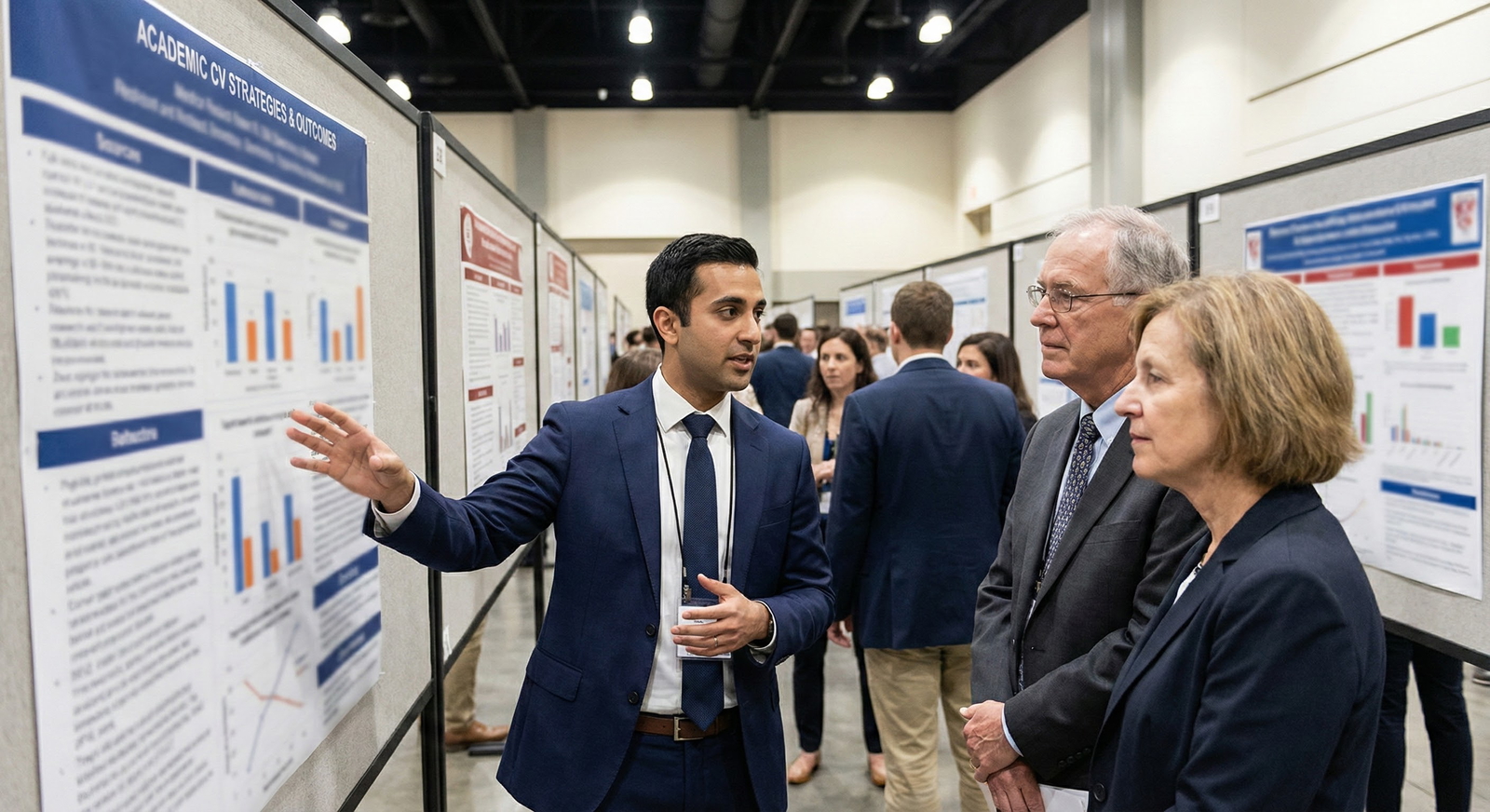
2. Radiology Research and Scholarly Activity
Research is a powerful equalizer, especially in a competitive field like diagnostic radiology. For a Caribbean IMG, research shows:
- Academic curiosity
- Persistence and follow-through
- Ability to contribute at a higher level than “just scores”
Aim for:
- At least 1–2 radiology-focused projects, even if small:
- Case reports or case series (e.g., rare findings on CT/MRI)
- Retrospective imaging studies under a mentor
- Educational posters for radiology society meetings
- Try to convert projects into:
- Poster presentations
- Abstracts
- Journal submissions (even if to smaller journals)
If you are from a well-known Caribbean school (e.g., SGU), look into:
- SGU-affiliated hospitals or alumni in radiology
- Institutional research programs or faculty with radiology interests
- SGU residency match lists to identify radiology-friendly programs and possible mentors
Your goal: to have your ERAS application show radiology research in the Experience and Publications sections, which signals sustained interest beyond just “I think radiology looks cool.”
3. Letters of Recommendation: Quality Over Titles
With low Step scores, radiology-specific letters become even more important. Strong letters can convince a program director to look past a numerical weakness.
Prioritize:
- Letters from U.S.-based radiologists who have directly supervised you
- At least one letter that explicitly states:
- Your work ethic, curiosity, and teachability
- Your performance compared with peers (e.g., “top 10% of students”)
- Your potential to succeed in diagnostic radiology residency
A famous name with a generic letter is less helpful than a mid-level faculty member who writes a detailed, personalized endorsement.
4. Radiology-Focused CV and ERAS Application
Your CV should tell a clear, coherent story:
- Clinical experiences: highlight radiology rotations, teleradiology exposure, imaging-heavy electives (ICU, neurology, oncology)
- Research: emphasize radiology projects at the top
- Volunteer activities: include anything imaging-related (screening programs, health fairs, imaging-based outreach with faculty)
When program directors glance at your application, you want them to think:
“This candidate truly wants radiology and has already started living like a future radiologist.”
Application Strategy: Matching in Diagnostic Radiology with Low Scores
Even a strong profile cannot overcome poor strategy. For Caribbean medical school residency applicants, especially in a competitive field like radiology, how you apply can be as important as what you’ve done.
1. Choosing Programs Strategically
You need to be realistic and data-driven:
- Prioritize programs that:
- Have previously matched IMGs or Caribbean grads (check program websites, FREIDA, NRMP Charting Outcomes, and SGU residency match lists)
- Are community-based or university-affiliated community programs rather than top-tier academic powerhouses
- Are located in less competitive regions (Midwest, South, smaller cities)
Avoid relying on:
- Top 20 academic radiology programs with strong home med schools that rarely interview Caribbean IMGs
- Highly desirable geographic regions (e.g., coastal metros) as your primary targets
You should still apply broadly, but heavy emphasis should be on IMG- and Caribbean-friendly programs that do not state strict USMLE cutoffs that would automatically disqualify you.
2. Application Volume and Parallel Planning
With below-average board scores as a Caribbean IMG, you should:
- Apply to a large number of diagnostic radiology programs (often 80–120+), unless financial constraints are overwhelming
- Simultaneously apply for:
- Preliminary or transitional year positions (internal medicine, surgery prelim, or transitional year)
- Possibly a backup categorical specialty (e.g., internal medicine, family medicine) depending on your risk tolerance
This parallel planning strategy:
- Increases the likelihood you match somewhere
- Allows for a two-step path:
- Match into a preliminary or another specialty
- Build a stronger U.S. record and then reapply for a diagnostic radiology match later (or do an IR-independent or ESIR-related path if available)
Matching with low scores sometimes means thinking in terms of multi-year career strategy, not single-cycle success.
3. Personal Statement and Explanation of Low Scores
Your personal statement should:
- Show authentic radiology motivation:
- Clinical stories where imaging altered management
- Experiences on radiology rotations that solidified your interest
- How you think visually, analytically, and enjoy pattern recognition
- Briefly but clearly address any major exam red flags, if not addressed elsewhere:
- Mention only once and keep it concise
- Focus on growth, resilience, and improved performance
Do NOT let the entire statement become an essay about your low Step 1 score or failed attempt. Address it, then move forward to who you are now and what you bring to radiology.
4. Interview Season: Owning Your Story
If you earn interviews despite low scores, you must:
- Be prepared for direct questions:
- “I noticed you had a low Step 1 score. Can you tell me about that?”
- “How do we know you will be able to pass your radiology boards?”
- Answer with:
- Honesty about what went wrong (without blaming others)
- Specific changes in your study habits and mindset
- Evidence of improvement (Step 2 CK, shelves, in-training exam during prelim year, Step 3 if taken)
Also highlight:
- Strong clinical communication skills (vital for radiology consultations)
- Team collaboration and teachability
- Work ethic and reliability—qualities programs often value more than raw scores once you’re “in the door”

Alternative and Stepwise Routes into Diagnostic Radiology
For some Caribbean IMGs, especially with multiple failed attempts or very low scores, a direct diagnostic radiology match may not be realistic on the first try. That does not mean radiology is impossible; it means you may need a stepwise strategy.
1. Preliminary Year + Reapply
One common pathway:
- Match into a preliminary internal medicine or surgery year, or a transitional year
- During that year:
- Excel clinically
- Seek radiology rotations and mentors at that hospital
- Engage in radiology research projects
- Take and do well on Step 3 (if not already taken)
- Reapply to diagnostic radiology with stronger letters and U.S. experience
Programs sometimes feel more comfortable taking a candidate they’ve seen succeed in a U.S. residency environment, even if their original test scores were weak.
2. Categorical Non-Radiology Residency, Then Change Course
Another, more complex route:
- Match into a categorical specialty (e.g., internal medicine, neurology, prelim → categorical offer)
- During training, you:
- Work closely with radiology faculty
- Engage in imaging-focused research or multidisciplinary conferences
- Express interest in radiology
- Apply to transfer into a radiology residency or apply again after one or more years
This path is high risk and not guaranteed, but it has worked for some determined candidates over time—particularly those who demonstrate excellence in their initial field and build strong radiology connections.
3. Non-U.S. Radiology Training, Then Return
A smaller subset of Caribbean IMGs:
- Complete radiology training outside the U.S. (e.g., in their home country or another system)
- Then pursue U.S. fellowship positions and later board eligibility pathways (where allowed)
This route depends heavily on:
- Country-specific recognition
- Evolving ABR (American Board of Radiology) and immigration policies
It’s less direct but may be an option for those fully committed to radiology who face severe score barriers in the U.S. system.
4. Honest Reassessment: Is Radiology Still the Right Fit?
It’s also important to step back and ask:
- Do my strengths, interests, and life priorities align with radiology enough to justify a multi-year, uncertain route?
- Are there other specialties (e.g., internal medicine, pathology, family medicine, neurology) that might fit my skills and offer a more realistic match given my scores?
For some Caribbean medical school residency applicants, choosing a less competitive specialty does not mean “settling”; it may mean thriving in a field better aligned with their broader abilities and opportunities. The key is to make this decision consciously, not out of panic.
Frequently Asked Questions (FAQ)
1. Can a Caribbean IMG with a low Step 1 score still match into diagnostic radiology?
Yes, but it is challenging and requires a highly strategic approach. Your chances improve if:
- Step 2 CK is notably stronger than Step 1
- You have solid U.S. radiology rotations and strong letters from radiologists
- You gain radiology-focused research or scholarly work
- You apply broadly to IMG-friendly programs and consider a parallel backup plan
A low Step 1 score alone is not always fatal, but multiple failed attempts or a very low Step 2 CK significantly decrease the odds of a direct diagnostic radiology match.
2. Does an SGU residency match in radiology prove that Caribbean IMGs can succeed despite low scores?
SGU and other major Caribbean schools publish residency match lists that include diagnostic radiology each year. These do demonstrate that Caribbean IMGs can secure radiology positions, but:
- Many of those matched graduates have competitive scores and strong profiles
- SGU residency match data doesn’t always show candidate-specific score details
- For applicants with below-average board scores, you must assume a higher bar in all other parts of your application (research, letters, rotations, personal statement, and strategy)
Use SGU and other Caribbean residency match lists as proof of possibility, not as a guarantee.
3. Should I take Step 3 before applying to radiology if my Step 1 and Step 2 CK are low?
It depends:
Consider taking Step 3 before applying if:
- You have a gap year or a research year
- You are confident you can significantly outperform your earlier exams
- You want to reassure programs about your board potential
Avoid rushing into Step 3 if:
- You are not well prepared
- Another low score or failure would severely hurt your profile
A strong Step 3 can help offset prior weaknesses; a poor Step 3 becomes another major red flag.
4. How many diagnostic radiology programs should I apply to as a Caribbean IMG with low scores?
In most cases, you should:
- Apply to a large number of radiology programs (often 80–120+), with emphasis on IMG-friendly and community-based programs
- Simultaneously apply to preliminary/transitional year positions and possibly a backup categorical specialty
The exact number depends on your budget, but underapplying is a common and costly mistake. With below-average board scores, volume + strategy + radiology-focused content are essential to giving yourself a realistic chance.
By combining accurate self-assessment, aggressive remediation of weaknesses, radiology-specific strengthening, and strategic application planning, a Caribbean IMG with a low Step score can still build a viable path toward a diagnostic radiology career. The route may not be straightforward, but with focus, mentorship, and persistence, it remains possible.