Understanding Your Situation: Low Step Scores as a DO in the Bay Area Context
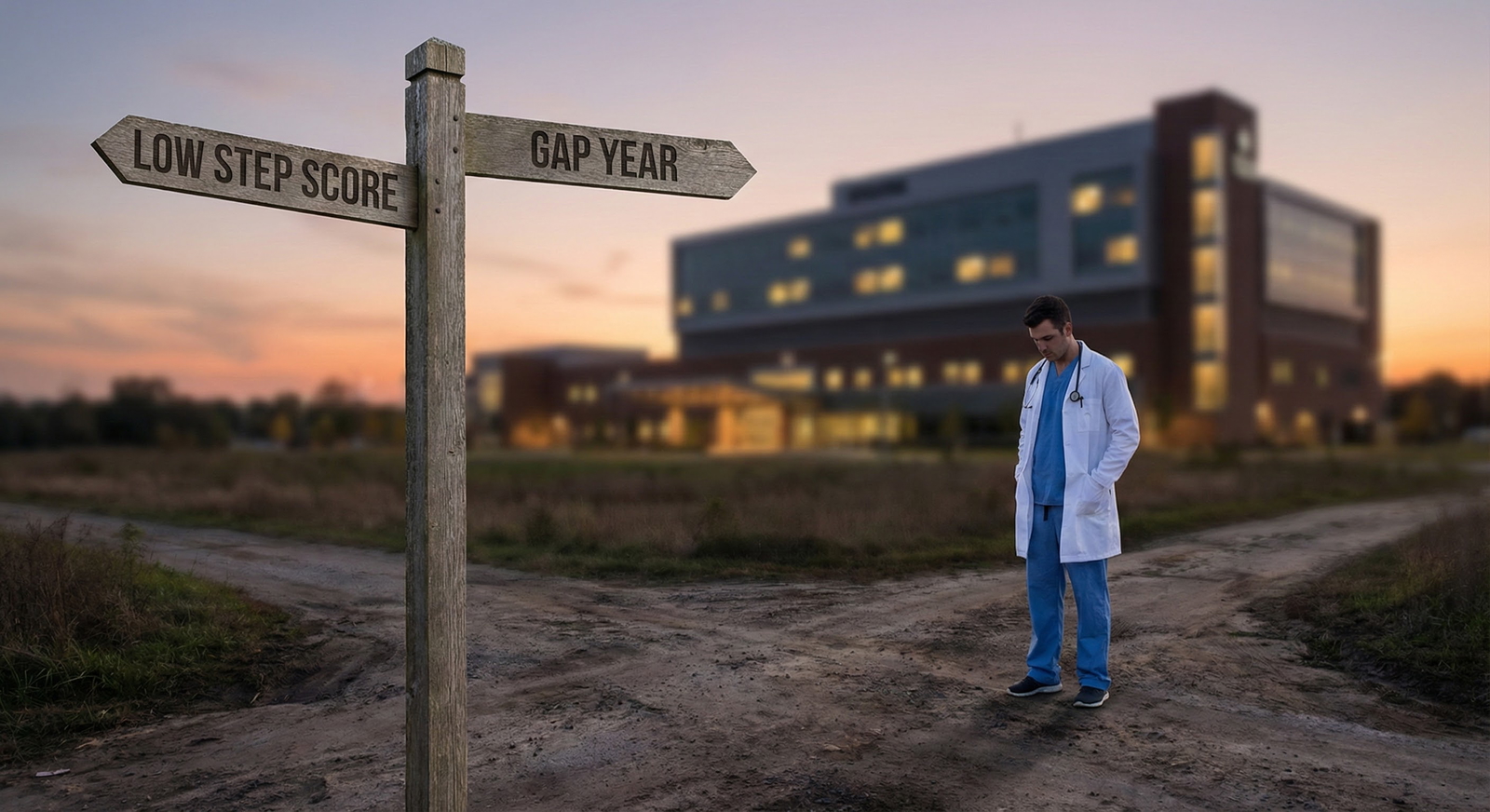
Being a DO graduate in the San Francisco Bay Area with a low Step 1 or COMLEX Level 1 score can feel discouraging—especially when you’re surrounded by competitive programs and high-achieving peers. But a low Step score does not automatically mean you won’t match, and it certainly doesn’t define your potential as a resident or physician.
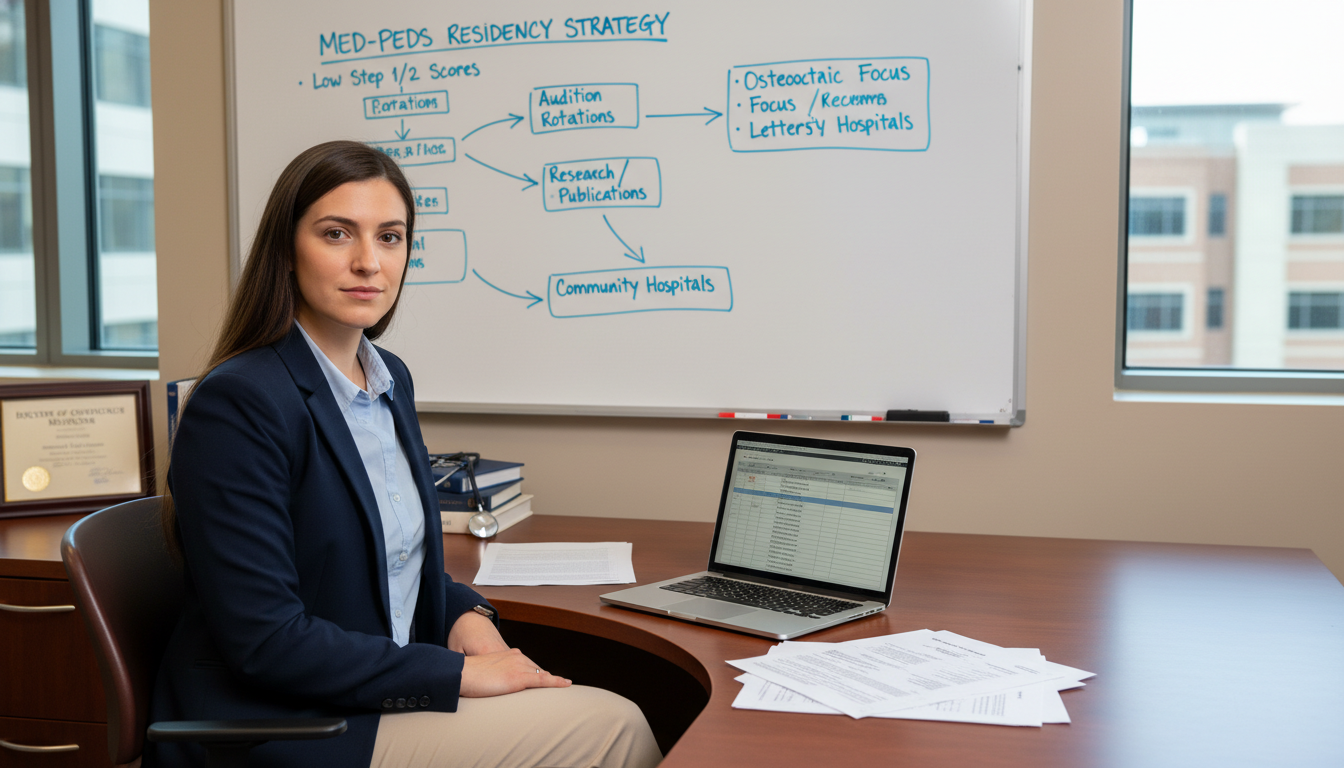
In the integrated MD/DO environment after the ACGME merger, more Bay Area programs than ever are open to DOs. However, programs in San Francisco, Oakland, Palo Alto, and surrounding cities are often highly competitive. If you have a low Step score or below average board scores, your strategy needs to be deliberate, data-driven, and focused on your strengths.
This article walks you through practical, step-by-step strategies tailored specifically for:
- DO graduates
- With a low Step 1 score and/or low COMLEX scores
- Targeting San Francisco Bay Area and broader California residencies
- Looking to maximize their chances at a successful osteopathic residency match (now ACGME residency match, but with strong DO representation)
We’ll focus on what you can control now: your Step 2/Level 2 performance, clinical experiences, application strategy, networking, and program targeting.
Step 1: Accurately Assess Where You Stand
Before you build a strategy, you need a clear, honest assessment of your competitiveness.
Clarify What “Low Step Score” Means
“Low” is relative. It depends on:
- Specialty competitiveness
- Program location
- Applicant pool in a given year
Generally:
- Step 1 (pre-pass/fail) or COMLEX Level 1
- Significantly below national mean, or failed attempt, places you in a risk category
- Step 2 CK / COMLEX Level 2
- A strong Step 2 score can meaningfully offset a low Step 1 for many programs
- Multiple attempts on any exam usually warrant a targeted explanation and strong compensating strengths elsewhere
For DO graduates applying to the Bay Area:
- Many San Francisco residency and Bay Area residency programs receive large numbers of applications.
- Even “community” programs here may have higher-than-average Step/COMLEX expectations simply due to location attractiveness.
If you’re uncertain how low your scores are relative to your target field, talk to:
- Your DO school’s advising office
- A trusted faculty mentor who sits on residency selection committees
- Recent alumni who matched in California
Create a Clear Snapshot of Your Profile
Write out a one-page private “competitiveness snapshot” including:
- Step 1 / COMLEX Level 1: score(s), attempts
- Step 2 CK / COMLEX Level 2: score(s), attempts (or projected timeline)
- Clinical grades and class rank (if available)
- Research, publications, QI projects
- Letters of recommendation strengths (who, where, how strong)
- Clinical rotations: especially any in the Bay Area
- Red flags: failed courses, professionalism concerns, extended time, etc.
This will guide how aggressive or conservative you should be in targeting San Francisco residency programs vs. broader California or national options, and how heavily you’ll rely on other strengths besides scores.
Step 2: Use Academics Strategically—Maximizing Step 2 and COMLEX Level 2
With a low Step 1 or below average board scores, your Step 2 CK / Level 2 performance becomes critical.
Prioritize Step 2 / Level 2 as Your Major “Recovery” Opportunity
For many program directors:
- A strong Step 2 score suggests upward trajectory and improved knowledge base.
- In a pass/fail Step 1 world, Step 2 is often the primary numeric signal.
If Step 1/Level 1 is low, aim for Step 2/Level 2 to be noticeably stronger, not just “passing.”
Actionable strategies:
Delay Step 2 only if it helps, not hurts.
- If you’re early and still building knowledge, consider taking extra study time.
- If you’re close to ERAS opening and unprepared, a rushed low Step 2 can lock in a weak academic profile.
- Discuss timing with an advisor who knows DO-specific and California match realities.
Use data-driven prep resources:
- NBME or COMSAE practice exams at intervals to track progress
- UWorld, COMBANK, or other high-yield Q-banks
- Target weak systems and disciplines aggressively
Emphasize clinical reasoning:
- Step 2 rewards pattern recognition and management decisions more than rote memorization.
- Tailor study to high-yield internal medicine, surgery, OB/Gyn, pediatrics, psych, and emergency scenarios.
Document your improvement trajectory.
- Save your practice test history (NBME scores, Q-bank percentages).
- If your Step 2 ultimately shows significant improvement, this narrative can be highlighted in your personal statement or advisor letter.
Should You Take Both USMLE and COMLEX?
As a DO graduate in the Bay Area market:
- Many competitive programs (especially academic centers) are still more comfortable interpreting USMLE scores.
- If you have only COMLEX and your scores are low, some MD-heavy programs may not know how to contextualize them.
If you have the option:
- Taking Step 2 CK (if you haven’t already) can open doors, especially for:
- UCSF-affiliated programs
- Stanford-affiliated community sites
- Larger academic or hybrid community programs in the Bay Area and broader California
However, if your prior exams have been very low or you’ve struggled to pass, you’ll need:
- A realistic appraisal of whether attempting Step 2 CK will likely improve or further harm your profile.
- Expert, individualized advice—often from your school’s COMLEX/USMLE advisor or a trusted faculty mentor.

Step 3: Choosing the Right Specialties and Programs with Low Scores
Your choice of specialty may matter more than any single test score, especially with limited geographic flexibility in the San Francisco Bay Area.
Be Strategic About Specialty Competitiveness
Certain specialties are consistently high-competition regardless of geography:
- Dermatology, orthopedics, plastics, ENT, neurosurgery, radiation oncology, some ophthalmology and radiology programs.
If your Step 1 and Step 2 are significantly below average, these fields will be extremely challenging in a competitive region like the Bay Area.
Specialties that may be more forgiving of low Step scores (especially for DO graduates with strong clinical performance and good fit):
- Family Medicine
- Internal Medicine (especially community or university-affiliated community programs)
- Pediatrics
- Psychiatry
- PM&R (varies by region)
Keep in mind:
- In the Bay Area, even “less competitive” specialties can become competitive due to location.
- You improve your chances by including programs outside the Bay Area and outside California in your rank list, even if your ideal is a San Francisco residency.
Prioritizing DO-Friendly and Bay Area–Adjacent Programs
Historically, some programs have been more familiar and comfortable with DO graduates and osteopathic training. Post-merger, many of these are former AOA programs or community-based ACGME programs.
For a DO graduate with low scores targeting the San Francisco Bay Area:
Identify DO-friendly programs in California and nearby states:
- Look for:
- High percentage of DO residents on current rosters
- Former AOA accreditation
- Explicit statements about welcoming DO applicants
- These may be in Sacramento, Central Valley, Southern California, or nearby states like Nevada, Oregon, Arizona.
- Look for:
Balance Bay Area programs with “safety” options:
- Apply to a mix:
- A few Bay Area programs where your profile is borderline but not impossible.
- A larger set of programs in less saturated markets.
- This is critical if you have a below average board score across the board.
- Apply to a mix:
Consider community and hybrid programs over large academic flagships:
- UCSF, Stanford, and some large academic centers are often flooded with near-perfect board scores.
- University-affiliated community programs may be more holistic and open to candidates with nontraditional paths and osteopathic backgrounds.
Geographic Flexibility vs. Bay Area Commitment
If living and training specifically in the Bay Area is your top priority:
- Be realistic that your match probability may be lower, especially in competitive specialties.
- Consider an approach where you:
- Match outside the Bay Area first in a more DO-friendly setting.
- Later pursue fellowship or post-residency practice in the San Francisco region.
Residency location does not permanently define your career geography; you can still build toward Bay Area practice over time.
Step 4: Application Tactics to Offset Low Scores
When your test scores are a concern, every other component of your application needs to peak.
Strengthen Your Clinical and Rotation Story
Clinical performance can profoundly influence how program directors interpret low Step scores.
High-yield steps:
Maximize core rotation evaluations.
- Aim for honors or strong comments in medicine, family, pediatrics, and any specialty of interest.
- Ask attendings for specific, behavior-based feedback and then actively address it on subsequent rotations.
Pursue audition or away rotations strategically.
- If you’re aiming for San Francisco residency or Bay Area residency spots:
- Seek rotations at community hospitals or university-affiliated community sites in the region.
- Aim to be remembered as hardworking, teachable, and a team player.
- Even if you don’t rotate at your exact target program, rotating at a nearby or affiliated hospital can help build your local network.
- If you’re aiming for San Francisco residency or Bay Area residency spots:
Be explicit about your DO training strengths.
- Highlight OMT/OMM training when relevant, especially in primary care fields.
- Show how your osteopathic background elevates your holistic, patient-centered care.
Optimize Letters of Recommendation (LoRs)
Strong LoRs can shift committees toward giving you an interview despite low scores.
Prioritize letters from:
- Clinical faculty who directly supervised you and can speak to your work ethic, reliability, and teachability.
- Bay Area or California-based physicians when possible (they’re more familiar to local programs).
- DO or MD faculty who are respected in your specialty of interest.
Ask specifically for:
- A “strong letter of recommendation” (phrase it politely but clearly).
- Letters that address your clinical reasoning, interpersonal skills, and any upward trajectory in performance.
Craft a Focused, Honest Personal Statement
For DO graduates matching with low scores, the personal statement is a key narrative tool.
Goals of your statement:
- Provide context (if needed) for low scores without making excuses.
- Highlight growth, resilience, and specific actions taken after setbacks.
- Underscore your connection to:
- The San Francisco Bay Area (family ties, previous training, community involvement)
- Your specialty and its patient population
- Osteopathic principles and whole-person care
If you had:
- A failed Step attempt
- Major personal or health circumstances
- Other academic struggles
You may need:
- A short, factual mention in your statement
- And/or a dean’s letter or advisor letter that provides additional context and assures programs of your current readiness
Keep the tone forward-looking: focus on what you changed, what you learned, and why you’re now a stronger candidate and future resident.

Step 5: Leverage Networking, Mentorship, and Regional Ties
In a competitive region like the San Francisco Bay Area, who knows you (and what they say about you) can be as important as your board scores.
Build Relationships with Bay Area Physicians
Concrete steps:
Tap into your DO school’s alumni network.
- Identify alumni in:
- UCSF-affiliated programs
- Stanford-affiliated community sites
- Kaiser, Sutter, Dignity, county hospitals, and VA systems in the Bay Area
- Request brief Zoom calls or coffee chats to:
- Learn about their program’s vibe and DO-friendliness
- Ask how they’d advise a DO matching with low scores in this region
- Identify alumni in:
Attend regional conferences and grand rounds.
- UCSF, Stanford, and local medical societies host educational events that may be open to students or recent graduates.
- Ask good questions, introduce yourself briefly to speakers, and follow up with a concise email thanking them and reflecting on what you learned.
Find a Bay Area-based mentor whenever possible.
- This can be:
- A residency faculty member
- A community physician
- A chief resident with ties to your DO school
- A mentor can:
- Give honest feedback on your competitiveness
- Possibly advocate for you informally with their program
- Help you decide if a San Francisco residency is realistic as a first step, or better approached via later training stages.
- This can be:
Highlight Regional Commitment Thoughtfully
Programs in the Bay Area want residents who are likely to stay and serve their local communities.
Show regional commitment by:
- Mentioning Bay Area ties (family, prior work, previous education, long-term plans).
- Discussing:
- Local patient populations you’ve worked with (e.g., immigrants, uninsured, tech-industry workers, urban underserved).
- Your interest in serving the diverse communities of the Bay Area, whether in San Francisco, Oakland, Richmond, or Silicon Valley.
If you grew up elsewhere but have compelling reasons for wanting to stay long-term in the Bay Area, make that part of your narrative.
Step 6: Application Numbers, Parallel Plans, and Post-Match Options
With a low Step score or below average board scores, application volume and backup plans matter a lot.
Be Strategic With Number and Mix of Applications
For DO graduates with concerning scores:
- Applying broadly is often necessary:
- Many advisors recommend 40–60+ applications for primary care and more for competitive specialties if scores are low.
- If you’re set on a San Francisco residency, still apply to a broad geographic spread to maintain match safety.
Balance your list:
- A small core of Bay Area programs (reach or target)
- A larger majority of DO-friendly programs in:
- Other parts of California (Central Valley, inland regions, Southern California community programs)
- Neighboring states and less saturated regions
Use tools like:
- FREIDA and program websites for DO representation
- NRMP and AAMC data for specialty competitiveness
Consider a Parallel Plan
If you’re aiming at a more competitive specialty but have low scores, a parallel plan can reduce your chance of going unmatched.
Examples:
- Applying primarily to Internal Medicine or Family Medicine, with a smaller number of applications to a more competitive specialty.
- Using internal medicine as a stepping stone toward a subspecialty later.
Be realistic:
- Discuss parallel strategies with mentors who know match patterns for DOs, especially in the California market.
Planning for SOAP or a Reapplication Year
Despite your efforts, you might face:
- No match
- Limited interview offers
- Need for SOAP
If this happens:
- Do not panic or give up. Many excellent physicians have taken 1–2 extra years before landing in a good residency.
- Use the time to:
- Do a research year (preferably linked to an academic center or specialty of interest)
- Work in a clinical research coordinator, scribe, or hospital-based role
- Strengthen Step 2 (if still pending) or Step 3
- Gain additional letters and clinical experience
For DO graduates in the San Francisco Bay Area:
- Look at:
- UCSF, Stanford, Kaiser, or VA research opportunities
- Community clinics serving the underserved—this can also deepen your local ties and show continued clinical engagement.
When you reapply:
- Present a clear narrative of growth, concrete achievements, and improved readiness compared to your first try.
FAQs: Low Step Score Strategies for DO Graduates in the Bay Area
1. Can I still match into a San Francisco residency with a low Step 1 score?
Yes, it’s possible but challenging. Your chances depend on:
- How low your score is relative to your target specialty’s norms
- Your Step 2/COMLEX Level 2 performance and overall trajectory
- The competitiveness of your specialty
- The strength of your clinical evaluations, letters, and fit
For highly competitive academic programs in San Francisco, low scores are a significant hurdle. Many DO graduates with low scores successfully match into:
- Community or university-affiliated programs in California (often outside SF)
- Programs in other states Then they later return to the Bay Area for fellowship or practice. Keep the Bay Area as a long-term goal, even if you can’t secure it immediately.
2. As a DO, do I really need USMLE if I already took COMLEX and my scores are low?
Not always, but in the Bay Area, USMLE can increase your options. Consider USMLE Step 2 CK if:
- You believe you can significantly outperform your COMLEX scores.
- You’re targeting programs that explicitly prefer or require USMLE.
If your COMLEX performance has been consistently low or borderline, adding a low USMLE score might not help. Talk with a DO-focused advisor who understands California match patterns to weigh the benefits and risks.
3. How many programs should I apply to if I have below average board scores?
For DO applicants with low Step or COMLEX scores:
- For primary care specialties (Family Medicine, Internal Medicine, Pediatrics): often at least 40–60 programs is reasonable, with many advisors recommending more if you’re geographically restricted.
- If you’re targeting more competitive specialties, you may need an even broader net and/or a parallel plan.
In all cases:
- Do not limit yourself to only Bay Area or only California programs.
- Add a solid number of DO-friendly, community, and less location-competitive programs to maintain match safety.
4. Should I address my low scores directly in my personal statement?
If your scores are just modestly below average and you have no failures, you may not need to dwell on them. If you have:
- A failed attempt
- A large score drop
- An extended academic interruption
Then a brief, straightforward explanation can be helpful. Keep it:
- Factual (what happened)
- Reflective (what you changed)
- Forward-focused (how you’ve improved and proven readiness, e.g., stronger Step 2, strong rotations)
Avoid making excuses; instead, emphasize resilience, insight, and growth.
Low Step or COMLEX scores are a real obstacle, but they’re not the end of your path—especially as a DO graduate with the flexibility and holistic training that many Bay Area programs value. By combining a smart specialty and program strategy, a strong Step 2 plan, powerful letters, and targeted Bay Area networking, you can significantly improve your chances of a successful osteopathic residency match—whether in the San Francisco Bay Area now or as part of a longer-term career trajectory that brings you back to the region you want to serve.