Understanding the Reality: Low Scores Do Not Define Your Entire Application
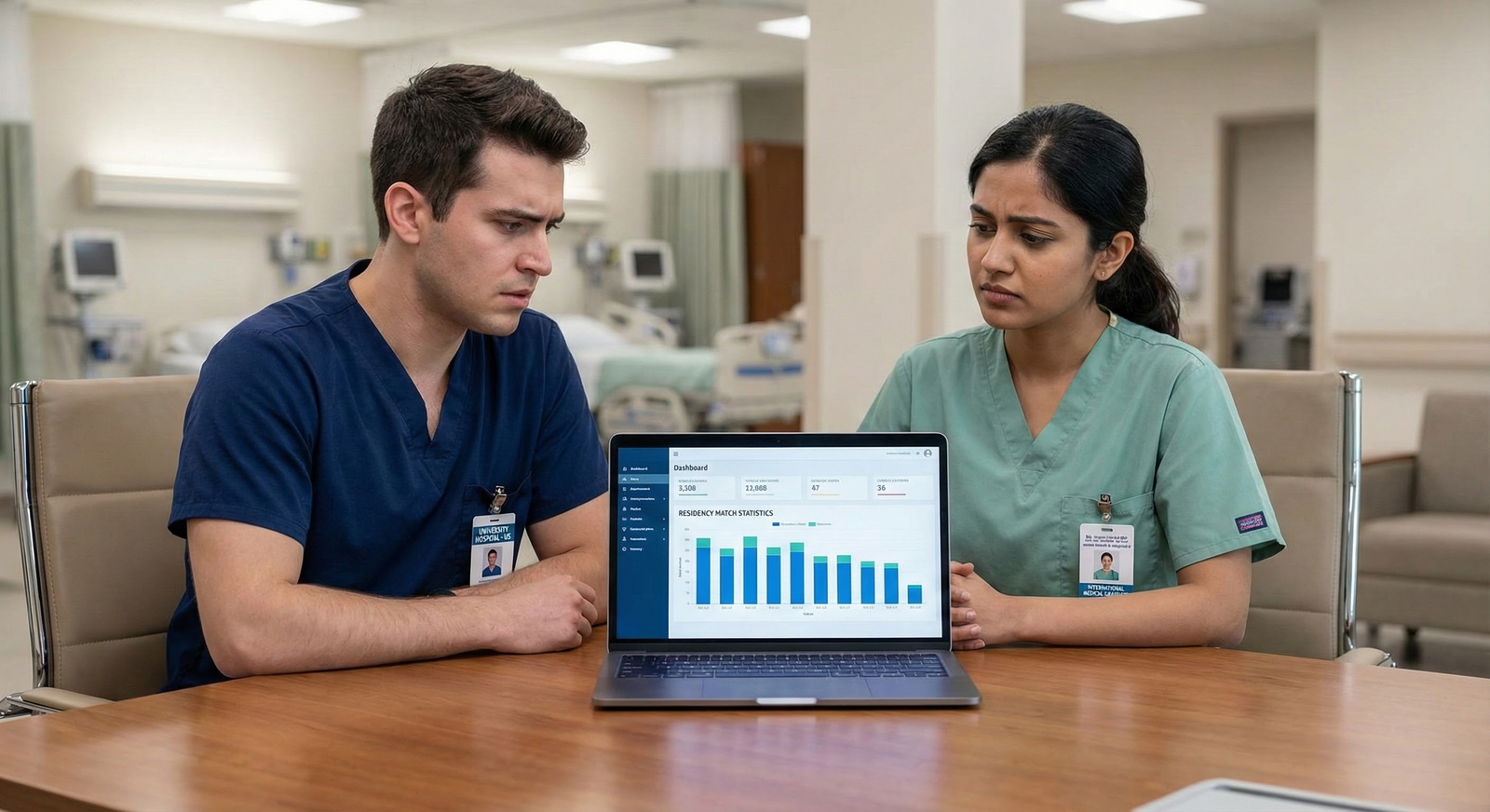
Being an international medical graduate (IMG) with a low Step score—whether Step 1, Step 2 CK, or both—can feel devastating, especially when you’re targeting competitive regions like Miami and South Florida residency programs. But a low number does not end your chances. It simply means your path will be more strategic, more deliberate, and more focused.
For IMGs applying to Miami residency programs (internal medicine, family medicine, pediatrics, psychiatry, prelim/transitional year, etc.), the key is to understand:
- What “low” or “below average board scores” actually means in practice
- How programs in South Florida typically view IMGs and Step scores
- Where you can realistically be competitive
- How to build a powerful application narrative that compensates for low Step scores
This IMG residency guide focuses on strategies for low Step scores specifically tailored to IMGs aiming for Miami and South Florida residency positions. You’ll learn how to frame your scores honestly, what to prioritize in the next 6–12 months, and how to target programs that may be more IMG-friendly even with academic blemishes.
Step Scores in Context: What Is “Low” and How Programs in Miami Think
What Counts as a “Low Step Score”?
Exact cutoffs change over time, but as a practical working guide for IMGs:
USMLE Step 1 (if you have a score):
- Below ~215–220 is commonly considered low for IMGs in competitive regions.
- Multiple attempts or a fail is more concerning than a single low pass.
USMLE Step 2 CK:
- Below ~225–230 is generally below average in the current landscape for IMGs aiming for solid internal medicine or family medicine programs.
- Scores in the 200–215 range are considered high-risk for competitive academic centers.
These numbers are not strict rules, but they reflect how many PDs informally think. A “low Step 1 score” or “below average board scores” do not automatically mean rejection, but they do mean you must:
- Target programs where your score is above or near their usual minimums
- Build compensatory strength in clinical performance, US experience, and non-test components
How Miami and South Florida Programs Typically Use Scores
Most South Florida programs receive thousands of applications. To manage volume, many use numerical filters, especially for IMGs. Common patterns (these are general trends, not fixed rules):
Academic university programs (e.g., large tertiary centers):
- Often prefer higher Step 2 CK scores (e.g., 235+).
- May screen out multiple attempts or scores <220 for IMGs.
- Some may still consider you if you have outstanding US clinical experience, research, or connections at that institution.
Community-based Miami residency programs and South Florida residency programs:
- More likely to accept IMGs with low Step 1 scores if Step 2 CK is stronger, or if you bring strong US letters, connections, and consistent performance.
- Some have explicit minimum score cutoffs (e.g., 210 or 220) listed on their websites.
Preliminary and transitional year programs in the region:
- Sometimes slightly more flexible with scores for applicants planning advanced specialties elsewhere (but still competitive in popular locations like Miami).
Your core strategy:
Treat your scores as a baseline screening risk, and counterbalance that risk with every other aspect of your application.
Strategic Positioning: Choosing the Right Specialty and Program Type
Step 1: Be Honest About Competitiveness in Your Specialty
Not all specialties are equal in how they treat matching with low scores:
More forgiving (relatively) for IMGs with below average board scores in Miami and South Florida:
- Internal Medicine (especially community and community-affiliated academic programs)
- Family Medicine
- Pediatrics (community programs)
- Psychiatry (though getting more competitive each year)
- Transitional/Preliminary Internal Medicine or Surgery (for one-year training)
Much less forgiving:
- Dermatology, Plastic Surgery, Orthopedics, Neurosurgery, ENT
- Diagnostic/Interventional Radiology
- Ophthalmology, Urology
- Competitive hospital-based fellowships (you’ll likely need to first match a core residency like IM or FM)
If you have a low Step 1 score but decent Step 2 CK, consider anchoring your plan in specialties with more flexible score expectations, particularly:
- Internal Medicine in South Florida (including community programs associated with academic centers)
- Family Medicine in Florida, where primary care needs are high
You can always pursue subspecialty training later, but you must first secure a residency seat.
Step 2: Build a Miami- and South-Florida–Focused Program List
Your program list should balance:
- IMG-friendliness: Prior history of matching IMGs
- Realistic score ranges: If past residents or current program FAQs suggest minimum scores
- Location priorities: If Miami is critical (family, community, language), you may accept a slightly lower chance of matching in exchange for geographic preference.
Actionable steps:
Compile a list of Miami and broader South Florida programs for your specialty (e.g., Internal Medicine, Family Medicine).
- Look at programs in Miami-Dade, Broward, and Palm Beach counties.
For each program, research:
- Do they explicitly accept IMGs?
- Do they publish minimum Step score criteria?
- Do their residents include international medical graduates similar to your background?
Categorize your list:
- Tier A (Reach): Academic Miami programs that commonly want strong scores but may still consider strong IMGs.
- Tier B (Target): Community or community-affiliated South Florida residency programs with known IMG representation.
- Tier C (Safety): Programs outside Miami but still in Florida or nearby states that reliably consider IMGs with lower scores.
Your success often depends less on any single program and more on the breadth and intelligence of your entire application strategy.

Compensating for Low Scores: Building a Strong, Miami-Relevant Application
1. Maximize Clinical Rotations and Observerships in South Florida
For an international medical graduate with low Step scores, US clinical experience (USCE) in the geographic region you want—Miami and South Florida—is one of your most powerful assets.
Prioritize:
Hands-on experiences (if possible):
- Sub-internships, acting internships, or clinical electives if you are still a student.
- Supervised patient contact (even if limited) if you’re a graduate.
Local institutions:
- Community hospitals or clinics affiliated with Miami residency programs.
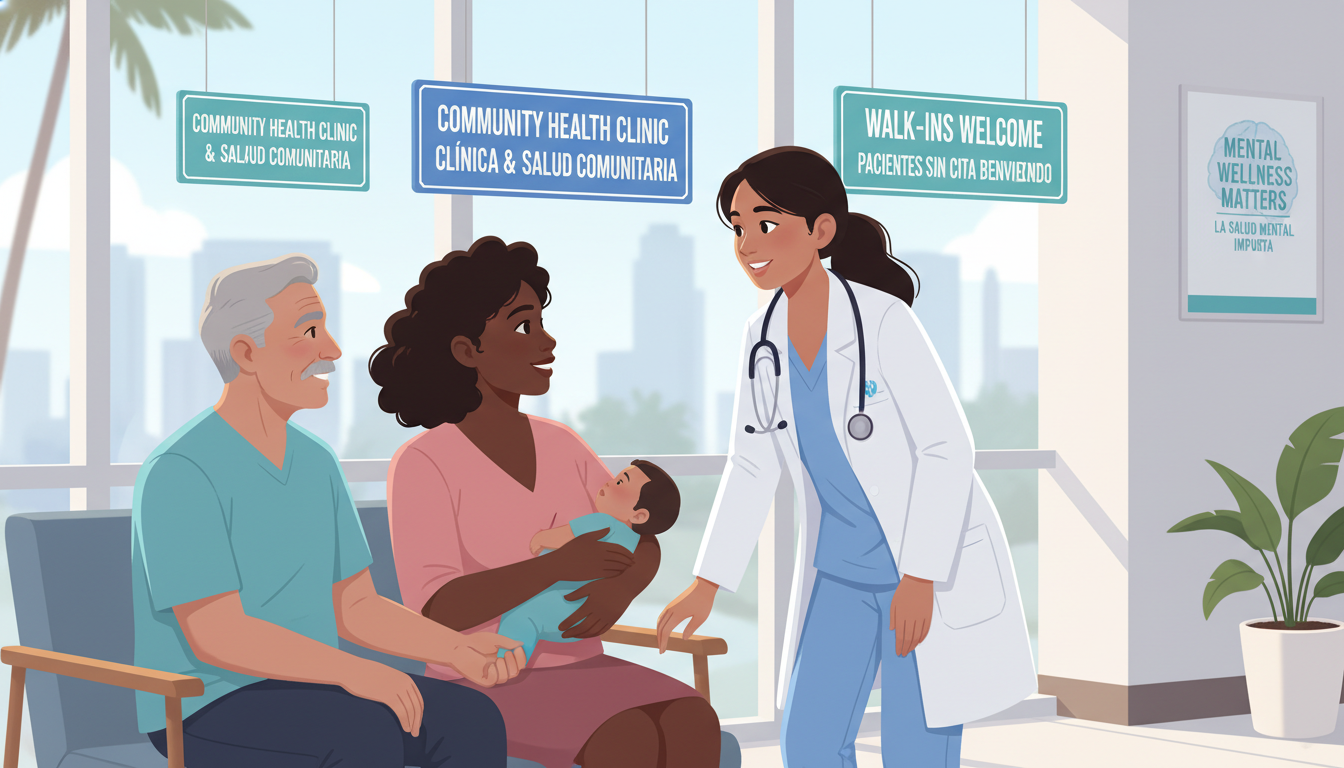
- Federally Qualified Health Centers (FQHCs) or community health organizations serving diverse and Spanish-speaking populations.
Continuity and commitment:
- Longer rotations (8–12 weeks) at fewer sites are often more powerful than many short 2-week observerships.
These rotations can lead to:
- Stronger, personalized letters of recommendation from US faculty in the region
- Evidence that you can work effectively in US healthcare teams
- A track record of reliability and professionalism that counterbalances low scores
2. Make Your Letters of Recommendation Work Overtime
With below average board scores, your letters of recommendation (LoRs) become critical.
For Miami and South Florida programs, the best LoRs often:
- Come from US-based physicians who supervise you in a clinical setting
- Are in the same specialty you’re applying to (e.g., IM letters for IM applications)
- Mention:
- Your clinical reasoning and reliability
- Language skills, especially if you speak Spanish, Haitian Creole, or Portuguese, which are valued in South Florida
- Your work with diverse, underserved, or immigrant populations
Practical advice:
- Prioritize quality over quantity. Three powerful letters are better than four generic ones.
- Give your letter writers:
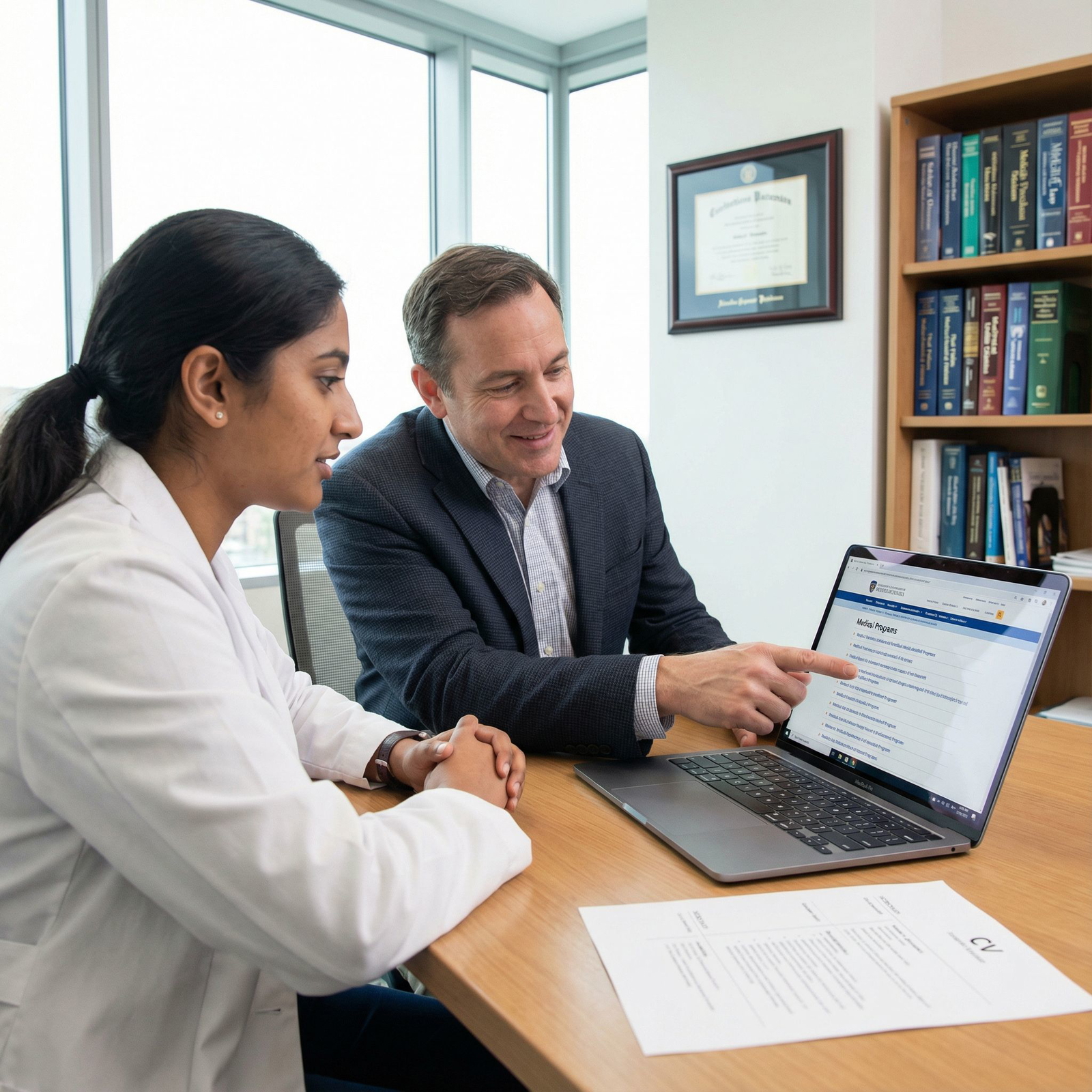
- Your CV
- Your personal statement draft
- A summary of your goals (e.g., “I am an IMG applying to Miami and South Florida internal medicine programs with a lower Step 1 score; I would appreciate if you could highlight my clinical strengths and reliability.”)
A focused, honest request helps them write letters that directly address potential program concerns.
3. Craft a Personal Statement That Directly—and Strategically—Addresses Low Scores
For IMGs concerned about matching with low scores, your personal statement is an opportunity to:
- Acknowledge the weakness once, briefly, without excuses
- Reframe the narrative in terms of resilience and growth
- Highlight strengths that are particularly valuable in Miami and South Florida
Suggested structure:
Introduction with a patient story or meaningful clinical moment in a setting relevant to your target community (e.g., working with underserved populations, multilingual communication, cross-cultural care).
Academic performance explanation (2–4 sentences, max):
- Avoid long justifications.
- Briefly note context (e.g., illness, personal hardship, or adjustment to a new system), but focus more on:
- What you learned
- How your subsequent performance improved (e.g., stronger Step 2, strong clinical grades)
Miami/South Florida connection:
- Family or community ties to the region
- Language skills and cultural familiarity
- Clinical or volunteer experience with Latinx, Caribbean, or immigrant populations relevant to South Florida
Forward-looking closing:
- Emphasize your long-term commitment to the region and to the specialty.
- Highlight specific interests (e.g., primary care, community health, health disparities, quality improvement).
Programs want to see that you’ve reflected on your performance, grown, and are now ready to perform at residency level, especially in the population they serve.
4. Showcase Strength in Non-Test Metrics
To counterbalance a low Step 1 or Step 2 CK:
Medical school performance:
- Strong clinical clerkship grades (Honors/High Pass)
- Evidence of improvement over time
- Class rank (if favorable)
Research and scholarly activity:
- Even small projects (case reports, QI projects, posters) can help, especially if related to:
- Chronic diseases highly prevalent in South Florida (e.g., diabetes, cardiovascular disease, HIV)
- Health disparities, immigrant health, or Latino/Caribbean communities
- Even small projects (case reports, QI projects, posters) can help, especially if related to:
Language and communication:
- In Miami, fluency in Spanish is a major advantage.
- Highlight any interpreting, community outreach, or health education done in other languages.
Professionalism and resilience:
- Show long-term commitments (e.g., multi-year volunteer positions, teaching roles, leadership) that demonstrate reliability and consistency.
Application Tactics: How to Apply Smartly With Low Scores
Optimize Timing: When to Apply
For matching with low scores, timing can matter:
Apply as early as the ERAS season opens.
Programs with cutoffs often filter soon after receiving applications; you want to be in their first batch.If you are retaking an exam or waiting for Step 2 CK:
- Avoid delaying your entire application excessively.
- Submit early with what you have, then update programs once your improved score is available—this is especially important if Step 2 is much stronger than Step 1.
Apply Broadly—But Intelligently
With below average board scores, especially as an international medical graduate, the safest strategy is:
- Broad application across Miami + South Florida + other regions that are IMG-friendly.
- Strong focus on community and community-affiliated programs.
Consider:
- 80–120 applications for internal medicine or family medicine if you have significantly low scores or attempts on record.
- If your scores are near average but still on the lower side, you might apply to 50–80 programs, depending on your other strengths.
Make sure you:
- Study program websites for explicit cutoffs (e.g., some may say “we require Step 2 CK ≥ 225 for IMGs”).
- Avoid spending too many applications on programs with stated cutoffs well above your scores.
Use the ERAS Application to Tell a Coherent Story
Your ERAS experiences must reinforce a coherent narrative:
Highlight:
- US clinical experiences in Miami/South Florida
- Long-term commitments (clinical, volunteer, research)
- Teaching and leadership roles that show maturity
For each role, use the “Most Meaningful” experiences to emphasize:
- How you improved patient care
- Cross-cultural communication skills
- Collaboration in diverse teams
For an IMG in Miami, a strong narrative might be:
“I am a bilingual (Spanish-English) physician committed to internal medicine and to long-term practice in South Florida, especially in underserved communities. My clinical experiences in community clinics and hospitals in Miami have shown me the impact of culturally sensitive, continuity-based care. Despite early test performance challenges, my subsequent clinical work and Step 2 CK score show my readiness for residency.”
Interview Strategies: Addressing Low Scores Without Letting Them Dominate
If you receive interviews, your task is to convert those into ranked positions.
Prepare specific, concise answers to questions such as:
- “Can you talk about your Step 1 (or Step 2) performance?”
- “What did you learn from your low score?”
- “How do we know you will handle the in-training exam and boards during residency?”
Your response should:
- Acknowledge the weakness briefly
- Provide context without sounding defensive
- Emphasize actions and improvement:
- Changes in study methods
- Better time management
- A stronger Step 2 CK or shelf exam history
- Reassure them:
- Show a clear, realistic plan for continuing education and exam prep in residency
- Mention any recent exam-like successes (NBME practice scores, in-course exams, etc.)
Programs don’t expect perfection; they want to know you can learn from setbacks and still succeed.
Miami-Specific Advantages You Can Leverage as an IMG
Being an international medical graduate aiming for Miami residency programs actually carries several unique advantages—especially if you frame them correctly.
1. Language Skills and Cultural Competence
Miami and South Florida have:
- Large Spanish-speaking populations
- Significant Caribbean, Haitian, Brazilian, and other immigrant communities
If you:
- Speak Spanish or Haitian Creole or another locally relevant language
- Have worked with immigrant or underserved populations
- Understand cross-cultural barriers in healthcare (immigration status, lack of insurance, distrust of the system)
…you bring enormous value to residency programs. Highlight:
- Times you translated or explained complex medical concepts to patients in their native language
- Community outreach or public health experiences in multicultural settings
- How your own background helps you build trust quickly with diverse patients
2. Commitment to the Region
Programs are more confident ranking applicants who seem likely to stay and practice in the area long-term.
Emphasize:
- Family or close friends in Miami/South Florida
- Desire to raise your family in the region
- Career plans involving community clinics, public health, or academic work in South Florida
3. Resilience and Adaptability as an IMG
As an international medical graduate, you’ve already:
- Navigated a new exam system (USMLE)
- Often moved countries
- Adapted to new healthcare environments
This resilience directly counters the impression that a low Step score equals inability. Make sure interviewers see the full picture:
“I adapted to a new language, new exam style, and new healthcare system, and although my first attempt was not ideal, I used that experience to adjust my study strategies and ultimately succeed in clinical settings.”
Frequently Asked Questions (FAQ)
1. Can I match into a Miami residency program with a low Step 1 score?
Yes, it is possible, but it depends on multiple factors:
- Strength of your Step 2 CK (often more important now)
- Evidence of steady improvement over time
- Quality of your US clinical experience, especially in South Florida
- Strong letters of recommendation and interview performance
You may have a harder time with highly academic university programs, but community and community-affiliated Miami residency programs are more realistic targets.
2. Should I delay applying to improve my Step 2 CK score?
If your current Step 2 CK score is:
- Very low (e.g., <215–220) or
- You failed on a prior attempt
…then strongly consider focusing on a solid retake with better preparation before applying. A strong Step 2 CK score can partially offset a low Step 1 and significantly improve your chances, especially for an international medical graduate.
However, if your Step 2 CK is average or slightly below but passable (e.g., 220–230), it may be better to apply sooner and more broadly, while working on strengthening the rest of your application.
3. Should I mention my low scores in my personal statement?
Yes, but only briefly and in a constructive way. One short paragraph is usually enough:
- Acknowledge the low score or initial failure
- Offer minimal context (without excessive excuses)
- Focus on what changed and how you have improved since then
Do not make the entire personal statement about your score; the majority should highlight your clinical strengths, commitment to Miami/South Florida, and future goals.
4. Are there specific South Florida residency programs known to be IMG-friendly for low scores?
Program policies change frequently, and no program will publicly advertise that they accept “low scores.” However, some South Florida residency programs have:
- A history of matching international medical graduates
- Community-focused missions where clinical performance and cultural/language skills are heavily valued
You should:
- Review each program’s current residents
- Look for IMGs from schools like yours
- Check for any stated minimum score criteria on official websites
- Reach out respectfully to current residents or alumni (via LinkedIn, school connections, or alumni networks) for up-to-date insight
Even with low Step scores, an international medical graduate targeting Miami and South Florida residency programs can absolutely succeed. Your path will rely on smart specialty choices, region-focused US clinical experience, powerful letters, and a clear narrative of resilience and growth. Scores are one part of your story—not the whole story.