
Understanding the Challenge: Low Step Scores as an IMG in the Mississippi Delta
For an international medical graduate (IMG) with a low Step score, the road to residency can feel intimidating—especially if you are targeting community-based programs in regions like the Mississippi Delta and the broader Deep South. Yet, many applicants with a low Step 1 score or below average board scores do match successfully every year, often by targeting the right programs and using smart, focused strategies.
This IMG residency guide focuses on practical, realistic approaches to matching with low scores in the Mississippi Delta region. We will cover:
- How programs in the Deep South may view low USMLE scores
- Ways to compensate for a low Step 1 score or low Step 2 CK
- Building a region-specific application strategy (Mississippi Delta and surrounding areas)
- Improving your chances with clinical experience, networking, and targeted communications
- Example timelines and specific, actionable steps
You cannot erase your score, but you can change how program directors see you—and how many will seriously consider your application.
How Programs in the Mississippi Delta View Low Scores
The Mississippi Delta is medically underserved, with high rates of chronic disease and physician shortages. Many residency programs in Mississippi and the surrounding Deep South emphasize:
- Commitment to underserved communities
- Longevity and retention in the region
- Hands-on clinical performance
- Professionalism and communication skills
USMLE scores matter, but they are often just one piece of a broader picture, especially in community and safety-net programs.
Why low scores may be less fatal here than in big academic centers
In large coastal academic centers, strict score cut-offs are common. In the Mississippi Delta region and nearby Deep South residency programs, score filters may still exist, but there is often:
- More flexibility when the rest of the application is strong
- Higher appreciation of real-world clinical experience
- Interest in applicants who genuinely want to serve in high-need areas
As an international medical graduate, you can turn this to your advantage—if you demonstrate that you are more than a test score and that you specifically want to work in this region.
Typical score thresholds (approximate)
While every program is different, many community programs might:
- Prefer Step 2 CK ≥ 220, but still review strong applicants with 205–215
- Be more forgiving of a low Step 1 score if Step 2 CK shows improvement
- Look closely at trends: Did you improve? Did you pass on first attempt?
If you have:
- USMLE attempts or
- A very low Step 1 score (e.g., < 210) or
- Step 2 CK below 215
…you are in the “matching with low scores” category and must compensate aggressively in other areas.
Academic Recovery: How to Offset a Low Step Score
You cannot change a past exam, but you can influence how program directors interpret your academic profile.
1. Maximize Step 2 CK (even if you’ve already taken it)
If you have not yet taken Step 2 CK, this is your main opportunity to “rewrite your narrative.”
Goals if Step 1 was low:
- Aim for Step 2 CK ≥ 10–20 points higher than Step 1
- Show a clear, upward trend in performance
- Take the exam only when you are consistently scoring near your target in NBME practice tests
If you already have a low Step 2 CK:
- Emphasize other strengths in your application (clinical performance, research, service)
- Be fully transparent in your personal statement about what changed and what you learned
- Use your letters of recommendation (LoRs) to highlight clinical judgment and reliability
2. Use your personal statement to reframe your scores
A strong, honest personal statement can help reduce anxiety about your low score.
How to address low Step 1 scores or board failures:
- Take ownership: Briefly acknowledge the low score (or failure) without making excuses
- Provide context: Health issues, adjustment to a new system, test anxiety—but only if true and concise
- Show growth: Emphasize what you changed—study methods, time management, seeking mentorship
- Demonstrate outcome: Improved clinical performance, honors in rotations, stronger Step 2 CK (if applicable)
Example framing sentence:
“My Step 1 score does not reflect my current capabilities; since that time, I have significantly improved my study strategies and clinical reasoning, as evidenced by my performance in clerkships and my Step 2 CK score and by strong feedback from U.S. attendings.”
Keep this section short—3–5 sentences—and focus quickly on your strengths and your commitment to patient care in underserved settings like the Mississippi Delta.
3. Leverage strong letters of recommendation
For an IMG with below average board scores, letters of recommendation can be decisive, particularly from:
- U.S. clinical supervisors
- Faculty who work with underserved populations
- Program directors or core faculty from your clinical rotations
Ask your letter writers to highlight:
- Reliability, work ethic, and professionalism
- Clinical reasoning and ability to manage complex patients
- Strong communication with patients of different backgrounds
- Fit for community/underserved medicine
In the Mississippi Delta and similar areas, letters that mention your skill with underserved or rural populations carry extra weight.

Building a Mississippi Delta–Focused Application Strategy
Being “generic” hurts applicants with low scores. You must stand out for something other than numbers—here, your commitment to the region and its patient population is key.
1. Understand the region and its needs
The Mississippi Delta is characterized by:
- High rates of diabetes, hypertension, obesity, and cardiovascular disease
- Significant poverty and limited access to specialty care
- Rural and semi-rural health systems
- Many patients with low health literacy
Residency programs here value applicants who:
- Genuinely want to work with underserved populations
- Can handle resource-limited settings
- Speak additional languages or show cultural sensitivity
- Are likely to stay in the region after training
In your personal statement, ERAS experiences, and interviews, highlight any prior work in:
- Rural health
- Free clinics
- Community health outreach
- Chronic disease management
Even experiences from your home country can be relevant if you connect them thoughtfully.
2. Target the right specialties and program types
With low Step 1 or Step 2 CK scores, your choice of specialty is critical.
More IMG- and low-score-friendly specialties (in many Deep South regions):
- Internal Medicine (especially community-based programs)
- Family Medicine (very aligned with Mississippi Delta needs)
- Pediatrics (some community programs)
- Psychiatry (in certain underserved areas)
Generally difficult with low scores (especially for IMGs):
- Dermatology, Orthopedics, Neurosurgery
- Radiology, Ophthalmology, ENT
- Many highly competitive university-based categorical programs
Focus on specialties that are most needed in underserved communities. For the Mississippi Delta, Family Medicine and Internal Medicine are often the best match for IMGs with lower scores.
3. Prioritize community and hybrid programs
When building your list, emphasize:
- Community-based programs affiliated with regional medical centers
- Programs with a clear mission toward underserved or rural health
- Institutions known to accept international medical graduates
Program websites and NRMP data can give hints:
- Look at current residents—are there IMGs? From where?
- Check for mission statements that mention “underserved,” “rural,” or “Delta region”
- Note USMLE requirements; some programs list minimum scores or “no more than one attempt”
Create a spreadsheet with:
- Program name, location
- IMG friendliness (presence of IMGs in current classes)
- Published score thresholds (if any)
- Visa sponsorship policy (J-1, H-1B, or none)
- Special focus (e.g., rural health track, community health)
Aim for a broad list: applicants with low scores often need more applications to reach enough interviews. For many IMGs with low scores, this might mean 100+ applications across the Deep South and similar regions, tailored by specialty.
4. Show real geographic and mission-driven interest
Programs in the Mississippi Delta are very sensitive to retention—will you stay and serve the community, or leave immediately after training?
You can demonstrate genuine interest by:
- Mentioning a specific interest in the Mississippi Delta and Deep South in your personal statement
- Including any ties (even indirect): family, friends, mentors, previous rotations, church or community affiliations, or long-term goals to work in underserved Southern areas
- Choosing “Mississippi” and surrounding Deep South states as geographic preferences in ERAS, when available
- Participating in virtual open houses or webinars hosted by regional programs
Consider writing a Mississippi Delta–focused paragraph in your personal statement, such as:
“During medical school and my subsequent clinical work, I was consistently drawn to underserved communities with limited access to care. The Mississippi Delta—with its high burden of chronic disease and shortage of primary care physicians—represents exactly the kind of environment where I hope to serve long-term. My goal is to practice as a primary care physician in a community-based setting, working closely with patients to improve chronic disease management and health literacy.”
Strengthening Your Profile Beyond Scores
With low Step 1 or Step 2 CK scores, everything else in your application must be strategically strong.
1. U.S. clinical experience (USCE) in relevant settings
For IMGs, strong, recent U.S. clinical experience (preferably hands-on, not just observerships) is crucial.
Best options if you’re targeting Mississippi Delta or Deep South residency:
- Inpatient or outpatient Internal Medicine or Family Medicine rotations in community hospitals
- Federally Qualified Health Centers (FQHCs) serving rural or underserved populations
- Rotations in Mississippi or neighboring Deep South states (Louisiana, Arkansas, Alabama, Tennessee)
If you cannot get experience exactly in the Mississippi Delta, aim for a similar population:
- Clinics serving low-income or rural patients
- Safety-net hospitals in other states
- Volunteer clinics for uninsured or immigrant populations
This strengthens your story: you work well with high-need, underserved communities, and that is where you want to train.
2. Research and quality improvement (QI) aligned with community needs
Cutting-edge basic science research is less important for community programs than:
- Quality improvement (QI) projects
- Outcomes research
- Population health and chronic disease management
- Health disparities research
To stand out:
- Join a QI project during USCE (e.g., improving diabetes follow-up, reducing readmissions)
- Collect simple data, help implement protocols, and aim for a poster or abstract
- Use your CV and personal statement to show that you understand system-level challenges facing patients in the Mississippi Delta
Focus topics that resonate strongly in this region include:
- Diabetes control and education
- Hypertension management
- Access to preventive screenings (mammograms, colonoscopy, etc.)
- Telemedicine for rural populations
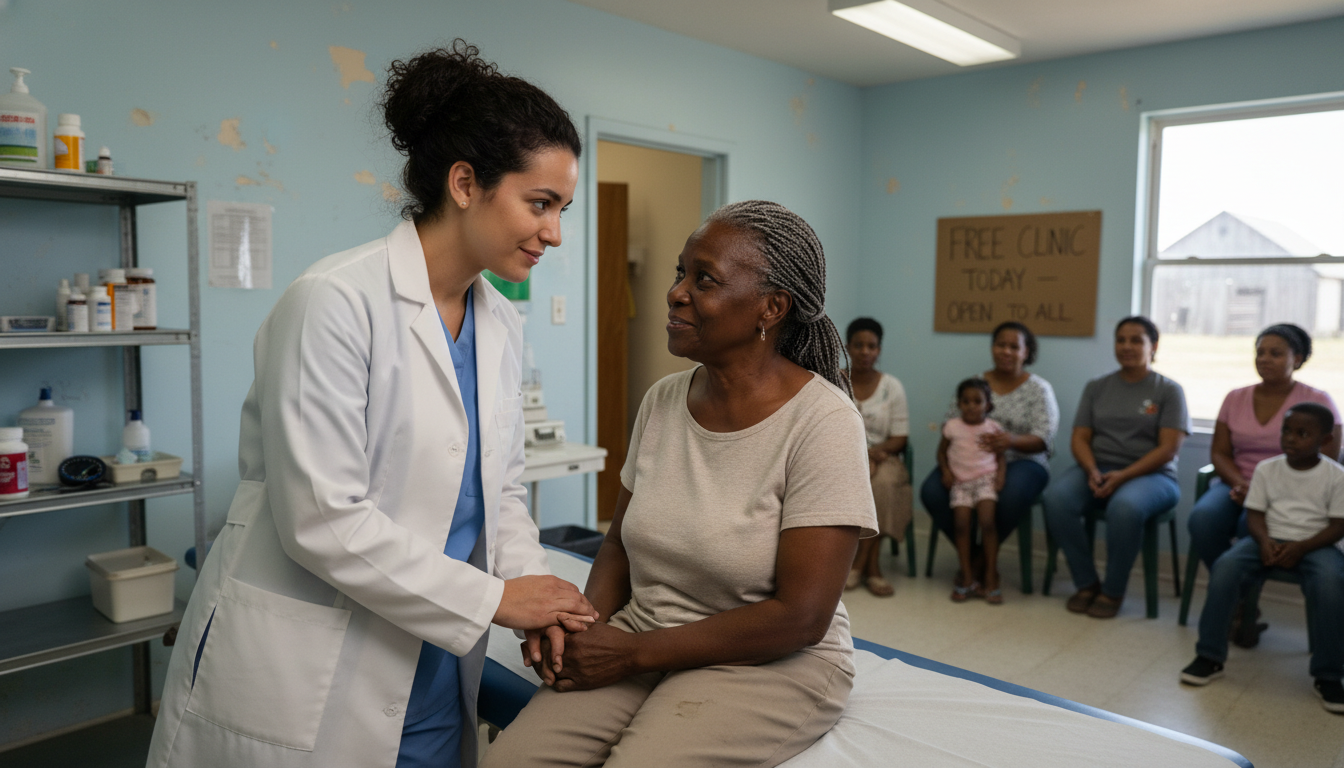
3. Volunteering and community engagement
Residency programs in underserved regions look for applicants with a service mindset.
Examples that can offset low boards:
- Volunteering at free clinics
- Health fairs or screening campaigns
- Patient education workshops (in any country, if population is underserved)
- Translation services or advocacy work for immigrant communities
In your application, emphasize:
- Long-term, consistent involvement (even 1–2 years)
- Leadership roles (coordinator, organizer, educator)
- Direct patient contact and education
Connect these experiences explicitly to your interest in the Mississippi Delta.
Communication, Networking, and Application Tactics That Matter
With low USMLE scores, you often do not have the luxury of passively waiting for interview invitations. Strategic communication can significantly improve your chances.
1. Emailing programs (the right way)
Sending thoughtful, concise emails can help you get noticed—especially by community programs that may not receive as many targeted messages.
When to email:
- Shortly after submitting ERAS
- Around mid- to late-October if you have not heard from a program
- After receiving a strong new update (publication, Step 2 score, new rotation)
What to include:
- That you are an international medical graduate with a genuine interest in their specific program and region
- One or two key strengths: U.S. clinical experience in similar settings, QI work, specific language skills, or long-term commitment to underserved care
- Any direct connection to the Mississippi Delta or Deep South
- Your AAMC ID
Keep it short—one small paragraph plus your attached CV.
2. Using “Signals” and supplemental applications (if available)
Some application cycles offer supplemental signaling tools. For an IMG with low scores:
- Use your signals on realistic, IMG-friendly community programs—especially in the Mississippi Delta and greater Deep South
- Do not waste signals on ultra-competitive academic centers that rarely consider low scores
If a supplemental application allows you to:
- Highlight interest in rural or underserved health
- Rank geographic preferences
- Describe mission alignment
…always choose options that point clearly toward Mississippi and similar underserved Southern regions.
3. Interview skills tailored to low scores
If your board performance is weak, your interview must leave zero doubt about your:
- Reliability and maturity
- Commitment to underserved care
- Understanding of the program’s mission
Prepare for questions like:
- “Can you tell us about your Step scores?”
- “Why do you want to train in the Mississippi Delta/Deep South?”
- “How do you handle stress or high patient loads?”
Approach your low scores with:
- Honesty: Acknowledge the weakness briefly
- Reflection: Explain what you learned and how you improved
- Reassurance: Highlight examples of strong performance since then
Then pivot quickly to your strengths: clinical work, service, and long-term goals.
Example Roadmap: Matching with Low Scores as an IMG Targeting the Mississippi Delta
To tie it all together, here is an example roadmap:
12–18 months before ERAS
- Honestly assess your Step scores and attempts
- Decide on a realistic specialty (often Internal Medicine or Family Medicine)
- Arrange U.S. clinical experience, ideally in community or underserved settings
- Begin or join at least one QI or community health project
9–12 months before ERAS
- Identify Mississippi Delta and Deep South residency programs that take IMGs
- Learn about their mission statements and patient populations
- Start drafting your personal statement with a focus on underserved care and the region
- Strengthen volunteer and community work (even in your home country if needed)
6–9 months before ERAS
- Confirm final Step exam dates if not yet done (especially Step 2 CK)
- Ask for strong letters of recommendation from U.S. clinicians
- Update your CV with any new projects, presentations, or volunteer roles
3–6 months before ERAS
- Finalize ERAS entries, emphasizing:
- Underserved/rural health experiences
- Leadership and continuity in service roles
- Any ties to the Deep South or similar regions
- Finalize and tailor your personal statement for the specialty and mission
- Draft professional email templates to contact programs after submission
ERAS submission through interview season
- Apply broadly to community and mission-driven programs across the Deep South
- Email selected Mississippi Delta programs to highlight your interest and fit
- Respond quickly and professionally to all program communications
- Prepare extensively for interviews, with specific answers on:
- Your Step scores and what changed
- Why you want to work in this region
- How you will contribute to their underserved mission
FAQs: Low Step Score Strategies for IMGs in the Mississippi Delta
1. Can I match into a Mississippi Delta residency with a very low Step 1 score (e.g., < 210)?
Yes, it is possible, especially in community-based Internal Medicine and Family Medicine programs that value service to underserved populations and see many IMG applicants. Your chances improve if:
- Step 2 CK shows improvement or at least stability
- You have strong U.S. clinical experience in similar settings
- Your letters speak clearly to your reliability and clinical performance
- You convincingly demonstrate commitment to underserved care and the region
You will need to apply broadly and be very strategic, but a low Step 1 score is not an automatic rejection everywhere.
2. Is it better to delay applying a year to improve my profile if my scores are low?
In some cases, yes. It may be worth delaying if:
- You can significantly strengthen Step 2 CK
- You have almost no U.S. clinical experience and can secure rotations
- You can gain strong letters of recommendation and meaningful QI/community work
However, do not delay without a clear plan. A “gap year” that adds little to your profile will not help and may raise questions. If you take time, use it to build a focused, region- and mission-aligned profile.
3. How many programs should I apply to as an IMG with low scores interested in the Deep South?
There is no universal number, but many IMGs with below average board scores apply to 100+ programs, including:
- All realistic Mississippi-based programs in your specialty
- Many community programs across the broader Deep South (Louisiana, Arkansas, Alabama, Tennessee, etc.)
- Selected IMG-friendly programs in other underserved regions
Because score-based filters can reduce your chances of being seen, a broader application list helps compensate. Just ensure that each application still aligns with your specialty, visa needs, and mission.
4. Do I need specific experience in Mississippi to match there?
Not strictly, but it helps. Direct Mississippi experience (rotations, volunteering, family ties) is ideal, yet you can still be competitive if you have:
- Significant experience in other underserved or rural settings
- A clear, well-articulated interest in practicing in the Deep South
- Knowledge of the region’s health challenges (chronic disease burden, rural access issues)
Use your personal statement, ERAS experiences, and interviews to connect your background and long-term goals to the needs of the Mississippi Delta, showing that you are choosing this region intentionally—not just applying everywhere.
By understanding how programs in the Mississippi Delta and broader Deep South evaluate international medical graduates with low Step scores—and by focusing on mission, service, and clinical strength—you can build a compelling application that goes far beyond your USMLE numbers.