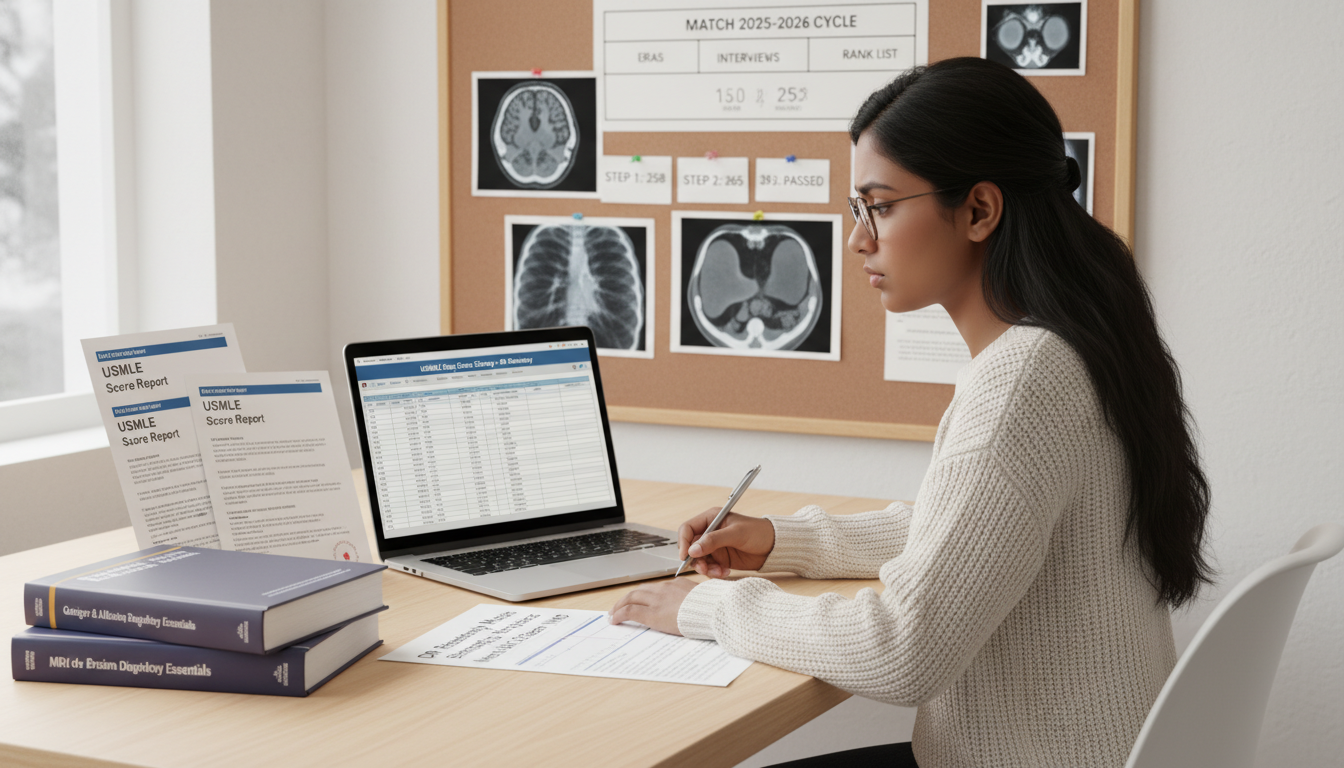
Understanding the Challenge: Low Step Scores as an IMG in Southern California
If you are an international medical graduate (IMG) with a low Step 1 score or below average board scores, and you dream of training in Southern California, you are not alone. Many strong applicants face the same concern: “Can I realistically match in a Southern California residency program with my scores?”
The honest answer: it is harder, but far from impossible—especially if you understand how Southern California programs think, strategically rebuild your profile, and apply with a targeted plan.
This IMG residency guide focuses specifically on low Step score strategies for IMGs aiming for SoCal medical training in fields like Internal Medicine, Family Medicine, Pediatrics, Psychiatry, Transitional Year, and some Prelim programs. We will not sugarcoat the challenges but will emphasize practical, actionable steps to improve your odds of matching with low scores.
What “Low” Means in Today’s Landscape
While exact numbers vary by year and specialty, for most IMGs:
- Step 1 (pre-pass/fail era)
- Low: < 215–220
- Step 2 CK
- Low: < 225–230
- Below average board scores overall
- Being consistently below the mean for matched IMGs in your target specialty
In competitive Southern California programs, average scores of matched applicants are often higher than the national mean. Many SoCal residency programs receive thousands of applications, so scores can become quick filters.
However, filters are not everything. Programs will often “rescue” files that stand out in other ways—especially for IMGs who show:
- Strong Step 2 CK improvement or “score recovery”
- Solid US clinical experience (USCE), ideally in California
- Excellent letters of recommendation (LoRs) from U.S. physicians
- Evidence of professionalism, communication, and reliability
- A coherent, compelling story that fits the program’s mission
Your goal is to build such a strong narrative and supporting evidence that programs see you as more than a test score.
How Southern California Programs View Low Scores
Understanding how programs in Southern California actually process applications will help you shape your strategy.
High Volume, High Competition
Large SoCal training hubs (Los Angeles, San Diego, Orange County, Inland Empire) attract enormous applicant pools because of:
- Desirable location (climate, culture, diverse patient population)
- Well-known academic and community programs
- Opportunities in research, fellowships, and post-residency careers
Even smaller community programs in SoCal can be more competitive than similar programs in other regions simply because of location demand.
Implication for low scores:
Programs may use stricter filters (e.g., Step 2 CK cutoffs, graduation year limits, IMG status filters) just to manage volume.
Diversity and IMG-Friendliness
The good news: Southern California patient populations are incredibly diverse—linguistically, ethnically, and socioeconomically. Many SoCal residency programs value IMGs because you:
- Often bring multilingual skills (Spanish, Tagalog, Mandarin, Arabic, etc.)
- Understand different health systems and cultural backgrounds
- Are used to working with diverse, underserved populations
Several SoCal Internal Medicine, Family Medicine, and Psychiatry programs are explicitly IMG-friendly, routinely matching a significant proportion of IMGs each year. These programs may be more flexible on scores if you strongly fit their mission.
Holistic Review in Practice
Holistic review means programs consider:
- Academic metrics (scores, transcripts, fails)
- Experiences (USCE, volunteer work, research, employment)
- Attributes (resilience, communication, leadership, cultural competence)
- Fit with program priorities (community service, primary care, underserved care)
In Southern California, programs that serve large underserved or immigrant communities may prioritize:
- Spanish or other language proficiency
- Commitment to working with vulnerable populations
- Long-term interest in primary care or community psychiatry
If you clearly demonstrate these qualities, a low Step 1 score or below average board scores may be viewed in context rather than as an automatic disqualifier.
Academic Recovery: Turning Low Scores into a Strength
Low scores don’t have to define you. What programs really want to know is: What did you do after you got that score?
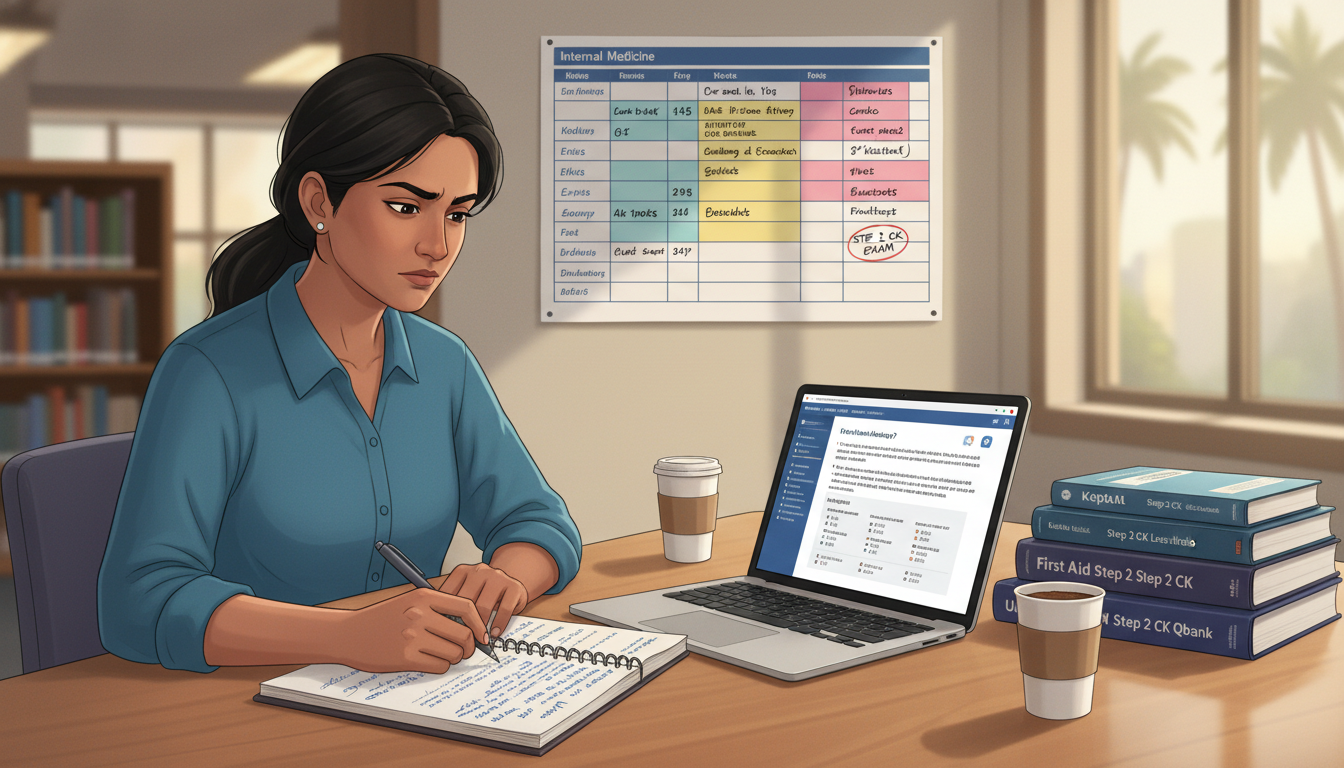
1. Prioritize a Strong Step 2 CK (and Step 3 When Helpful)
If Step 1 is low (or you have a fail), a strong Step 2 CK is your single most powerful recovery tool.
Targets (for most IMGs applying to SoCal primary care specialties)
- Aim for ≥ 235 if at all possible
- At minimum, aim for a clear upward trend (e.g., Step 1: 210 → Step 2: 230+)
For some applicants with especially low Step 1 or a history of failure, taking Step 3 early (before applying or before the interview season) can help:
- Shows readiness for licensing exams
- Reassures programs about your test-taking ability
- Particularly useful for J-1 or H-1B visa–seeking IMGs, as some SoCal programs prefer/require Step 3 for H-1B sponsorship
2. Build and Document a Formal Remediation Plan
Programs respond well when they can see you have:
- Identified what went wrong
- Sought help
- Implemented systematic changes
Consider:
- Working with a tutor or academic coach
- Using evidence-based prep strategies:
- Dedicated question banks (UWorld, AMBOSS)
- One or two high-yield resources (not ten)
- Timed blocks and self-assessments (NBME, UWSA)
- Keeping a study log tracking:
- Baseline performance
- Weekly goals
- Self-assessment scores
- Key lessons learned
This material can feed into your personal statement or an “Additional Information” section to show insight and growth, rather than making excuses.
3. Addressing Fails and Retakes Professionally
If you have a Step failure:
- Do not ignore it. Programs will see it.
- In your personal statement or a short note, briefly:
- Acknowledge it
- Provide concise context (e.g., illness, personal crisis, poor study strategy—but avoid oversharing)
- Emphasize what changed:
- Different study method
- Improved time management
- Use of faculty or mentor support
- Highlight subsequent successes:
- Higher Step 2/3 scores
- Strong performance in US rotations
Your goal is to show: “I encountered a setback, understood why, responded maturely, and improved.”
Building a Compelling Southern California–Focused Application
Your application must do more than say, “I want to be in California because of the weather.” You need a coherent SoCal medical training narrative that resonates with specific programs.
1. Strategic US Clinical Experience in California
For an IMG with low scores, high-quality USCE in Southern California is often the deciding factor between being screened out and obtaining interviews.
Prioritize:
- Hands-on electives or sub-internships (if still a student)
- Clinical observerships, externships, or pre-residency fellowships (for graduates)
- Rotations in residency-affiliated teaching sites whenever possible
Look for:
- Community hospitals with Family Medicine or Internal Medicine residencies in LA, Orange County, San Diego, Inland Empire, or Central Valley “feeders” that send graduates to SoCal programs.
- Clinics and hospitals serving:
- Underserved communities
- Large Spanish-speaking populations
- Refugees and immigrants
Ask early whether your supervising physician:
- Has an academic appointment
- Frequently writes letters for residency applicants
- Works closely with the residency program you’re targeting
2. Letters of Recommendation that Outweigh Scores
Strong U.S. LoRs are indispensable for matching with low scores, especially in Southern California.
Aim for:
- 3–4 letters, at least:
- 2 from U.S. clinical supervisors in your target specialty
- 1 from a California physician if possible (ideally at or linked to a SoCal program)
- Letters that comment on:
- Clinical reasoning and medical knowledge
- Reliability, professionalism, and work ethic
- Communication (especially with diverse patients or in other languages)
- Teamwork, initiative, and teachability
A truly enthusiastic, detailed letter from a well-respected SoCal attending can move a borderline file into the interview stack.
3. Personal Statement: Tell a Focused, Honest Story
Your personal statement is where you control the narrative around your low Step scores and your Southern California focus.
Include:
- A clear reason for your choice of specialty (e.g., Internal Medicine, Family Medicine, Pediatrics, Psychiatry)
- Specific ties to Southern California or similar communities:
- Family living in the area
- Prior clinical or personal experience with SoCal patient populations
- Similar demographic or health system experience abroad
- A brief, mature explanation of your scores (if needed), emphasizing:
- Insight: What you learned
- Action: What you changed
- Outcome: Improved performance, strong clinical evaluations
Avoid:
- Over-explaining or dramatizing your struggles
- Blaming others or the system
- Generic language about loving California’s beaches or lifestyle
Programs want to see you as a future colleague who has overcome hardship and can thrive in their setting.
4. Tailoring Your Program List for Realistic Chances
To maximize your chance of matching with low scores:
- Apply broadly within Southern California-friendly specialties:
- More IMG-friendly: Internal Medicine (community and some university-affiliated programs), Family Medicine, Psychiatry, Pediatrics, Transitional Year
- More challenging (with low scores as IMG): Radiology, Dermatology, Orthopedics, Ophthalmology, ENT, competitive university IM programs
- Include:
- A core list of SoCal programs where you have:
- USCE
- LoRs from faculty
- Geographical or language ties
- A larger set of California-wide and out-of-state programs where IMGs with your profile have matched previously
- A core list of SoCal programs where you have:
Do not rely solely on Southern California. If SoCal is your dream, aim to match anywhere first, then pursue SoCal for fellowship or later practice.
Boosting Overall Competitiveness Beyond Test Scores

Programs look for well-rounded residents who will contribute to their mission, teams, and patients. As an IMG with a low Step 1 score or below average board scores, you need to excel in other dimensions.
1. Community Service and Underserved Care
Southern California programs that care for large underserved populations notice applicants who have:
- Volunteered in:
- Free clinics
- Homeless shelters
- Migrant health programs
- Mental health advocacy organizations
- Worked with:
- Spanish-speaking patients
- Low-income or uninsured populations
- Refugees or newly arrived immigrants
Use your experiences to demonstrate:
- Cultural humility
- Commitment to health equity
- Long-term interest in serving similar communities after residency
2. Research and Scholarly Activity (Targeted, Not Just Quantity)
Research is rarely the main deciding factor for community-based SoCal programs, but it can:
- Show intellectual curiosity and persistence
- Provide evidence of academic skills to offset low scores
- Give you something meaningful to discuss in interviews
Focus on:
- Projects in your target specialty (e.g., quality improvement in diabetes care for FM/IM, depression screening in primary care for Psychiatry)
- Feasible timelines:
- Case reports
- Chart reviews
- Quality improvement projects
- Institutions or mentors with California connections when possible
If you publish or present (even posters or regional conferences), make sure it’s clearly listed on your CV.
3. Language Skills as a Major Asset
If you speak Spanish—or other languages commonly used in Southern California—this can substantially boost your fit for many programs.
Highlight:
- Level of fluency (e.g., “native Spanish speaker,” “conversational,” “medical Spanish course completed”)
- Actual use in clinical settings
- Any patient education, translation, or outreach activities you’ve done
Programs serving large Spanish-speaking communities are often eager for residents who can provide care directly in Spanish.
4. Professionalism, Communication, and Identity as an IMG
Programs sometimes worry that low scores may reflect broader difficulty with:
- Time management
- Stress handling
- Communication skills
- Adaptation to the U.S. system
Counter this clearly by:
- Demonstrating consistent, positive evaluations during USCE
- Showing stable or long-term commitments (work, volunteering, research)
- Maintaining organized, error-free application materials
- Being punctual, responsive, and courteous in all interactions
Your identity as an international medical graduate is not a weakness. Use it to show:
- Resilience (having navigated multiple systems)
- Adaptability (learning new healthcare environments)
- Global perspective (relevant in diverse SoCal communities)
Interview Season and Post-Interview Strategy with Low Scores
Once you get an interview, your low Step score matters far less than your impression on interview day.
1. Anticipate Questions About Scores
You might be asked:
- “Can you tell me about your Step 1 performance?”
- “I see a gap or a fail—what happened?”
Prepare a brief, structured answer:
- Own it: “My Step 1 score was lower than I had hoped.”
- Context without excuses:
- “At that time, I underestimated how different U.S.-style exams are…”
- “I was balancing significant personal responsibilities and did not manage my time well.”
- Actions taken:
- “I sought help from mentors, changed my study strategy, relied on question banks and self-assessments…”
- Outcome:
- “As a result, my Step 2 CK improved by ___ points, and my supervisors in my U.S. rotations have noted strong clinical reasoning and reliability.”
Keep this under 1–2 minutes and pivot to your strengths.
2. Emphasize Fit with Southern California and the Program
Demonstrate you’ve done your homework:
- Reference specific aspects of the program:
- Patient populations
- Clinic sites
- Rotations (e.g., community medicine, addiction psychiatry, outpatient pediatrics)
- Global or community health tracks
- Connect your background:
- “In my home country, I worked with similar underserved populations…”
- “During my observership at [SoCal hospital/clinic], I saw how important continuity of care is…”
Programs are more likely to overlook low scores if they believe:
“This applicant will thrive here, stay here, and contribute to our mission.”
3. Post-Interview Communication and Updates
Use post-interview messages strategically:
- Thank interviewers for their time
- Reiterate specific reasons you are a strong fit
- Provide relevant score or achievement updates:
- New Step 3 pass
- New publication
- Leadership or community service milestones
Be honest and professional—never imply ranking promises or pressure programs. Some programs explicitly state whether they welcome post-interview communication; follow their instructions.
Putting It All Together: A Realistic Roadmap
For an IMG aiming for Southern California residency with low Step scores:
Maximize your academic recovery
- Strong Step 2 CK, consider Step 3
- Clear remediation plan and upward trend
Invest heavily in California-relevant USCE
- Hands-on if possible, SoCal-based rotations
- Secure strong, detailed U.S. LoRs from clinicians familiar with residency selection
Build a SoCal-focused narrative
- Authentic ties to the region or similar populations
- Language skills and commitment to underserved communities
Diversify your program list
- Include SoCal but do not limit yourself to it
- Apply broadly across IMG-friendly community and university-affiliated programs
Prepare thoroughly for interviews
- Concise, mature explanation of low scores
- Clear demonstration of fit, reliability, and communication skills
Matching with low scores is a strategy problem, not only a numbers problem. The more carefully you plan each piece of your profile, the more likely you are to convert a challenging starting point into a successful SoCal medical training journey.
FAQ: Low Step Score Strategies for IMGs in Southern California
1. Can I match into a Southern California residency with a very low Step 1 score (e.g., < 210) as an IMG?
It is possible but challenging. Your chances improve if:
- You show a significant Step 2 CK improvement (e.g., ≥ 230–235)
- You have strong USCE in California, preferably SoCal
- You obtain excellent U.S. LoRs, ideally from faculty known to local programs
- You apply broadly, including outside of Southern California
- You are flexible with specialty (e.g., considering Family Medicine, Internal Medicine, Psychiatry, or Pediatrics instead of highly competitive fields)
Many programs will still screen out very low Step 1 scores, but some will review your application holistically, especially if you demonstrate clear growth and match their mission.
2. Should I delay my application to improve my Step 2 CK or take Step 3?
If you currently have a low Step 1 and your Step 2 CK is not yet competitive:
- Delaying to improve Step 2 CK can be a wise choice, especially if you realistically believe you can improve significantly with structured study.
- Taking Step 3 before applying can help IMGs with:
- Prior failures
- Very low scores
- Plans to seek H-1B sponsorship
However, delaying also risks becoming a more distant-year graduate, which some SoCal programs penalize. Balance both factors in consultation with mentors who know your full profile.
3. Is it better to focus on research or US clinical experience if my scores are low?
For most IMGs with low scores applying to SoCal primary care specialties, US clinical experience is more important than research. USCE gives:
- Direct evidence of your clinical competence
- Opportunities for strong LoRs
- Familiarity with the U.S. system and team-based care
Research is beneficial as a supplement—especially if it is practical and related to your specialty—but it rarely substitutes for solid clinical performance and letters in community-oriented SoCal programs.
4. How do I find IMG-friendly Southern California programs with realistic expectations for my scores?
You can:
- Review NRMP and FREIDA data for each program (look at IMG match percentages and average scores when available)
- Use residency forums, alumni networks, and mentor advice to identify:
- Programs with a history of matching IMGs
- Community-based or safety-net institutions
- Look closely at:
- Program websites for diversity and IMG statements
- Current resident rosters (how many are IMGs? From where?)
- Clinical sites serving underserved populations—often more IMG-friendly
Then, categorize programs into:
- Reach (scores or pedigree significantly higher than yours)
- Target (similar profiles have matched there)
- Safety (more IMG-heavy, broader score ranges)
Prioritize building real connections at your target and safety programs through rotations, observerships, and networking where possible.
By approaching your situation with clarity, strategy, and persistence, you can transform low Step scores into one part of a much stronger, more compelling story as an IMG seeking residency in Southern California.