
Residency applications are stressful for any medical graduate, but as a DO graduate with a low Step score—and with specific interest in Alaska residency or Hawaii residency programs—you’re navigating an especially complex path. The good news: matching with low scores is absolutely possible, particularly if you understand your unique advantages as a DO graduate, strategically target programs, and build a convincing narrative around your application.
Below is a comprehensive, strategy-focused guide tailored specifically to DO graduates aiming for residency in Alaska and Hawaii, or in programs friendly to osteopathic applicants, despite low or below-average board scores.
Understanding “Low Step Score” for DO Graduates
Before you create a plan, you need to understand what “low” means in context.
What counts as a low Step 1 or COMLEX Level 1?
With USMLE Step 1 now Pass/Fail, many programs have shifted emphasis to:
- USMLE Step 2 CK
- COMLEX Level 2-CE
- Clinical evaluations and letters of recommendation
- Overall application narrative and fit
For DO applicants, a “low” or “below average board score” commonly means:
- Step 2 CK: < 225 (many primary care programs may consider down to ~210–215 if the rest of the application is strong)
- COMLEX Level 2-CE: below the national mean (typically < 500–520, though thresholds vary)
- Any failure (Step or COMLEX): a red flag, but not automatic rejection if appropriately addressed
For some Alaska residency or Hawaii residency programs—especially primary care and community-focused tracks—scores are one piece of a holistic review, not the only filter.
Why scores matter differently in Alaska & Hawaii
Programs in Alaska and Hawaii often have:
- Smaller cohorts and fewer total positions
- Strong emphasis on regional mission (serving underserved, rural, or island communities)
- A tendency to value life experience, community engagement, and geographic fit
For a DO graduate, this means:
- Scores are important, but commitment to region and mission can outweigh metrics in some programs.
- Showing genuine, long-term interest in practice in Alaska or Hawaii can substantially offset low Step scores or below average board scores.
Strategic Self-Assessment: Turning Weaknesses Into a Coherent Story
Before tackling specific tactics, you need a clear, honest assessment of your profile.
Step 1: Clarify the full picture, not just the score
List out:
- Board scores
- Step 1 (if taken, even if pass/fail)
- Step 2 CK
- COMLEX Levels (if applicable)
- Any fails or repeats
- Clinical performance
- Clerkship grades / evaluations
- Sub-I’s or acting internships
- Osteopathic identity
- OMT experience and interest
- Osteopathic leadership or advocacy roles
- Geographic ties
- Lived in Alaska or Hawaii?
- Rotations, volunteer work, family, or long-term plans in these states
- Non-clinical strengths
- Research (especially relevant to rural, indigenous, or community health)
- Leadership or teaching
- Unique life experiences (military, other career, rural upbringing, etc.)
Your goal is to see the total value you bring, not just your numeric metrics.
Step 2: Define your target specialties realistically
Some specialties are extremely score-sensitive (e.g., dermatology, plastic surgery, orthopedic surgery). With low Step or below average board scores, these fields are often out of reach unless:
- You have extraordinary supporting factors (high-level research, strong insider advocacy, significant away-rotation impact), and
- You are ready for a multi-year strategy (research fellowships, etc.)
More realistic pathways for DO graduates with low scores aiming for Alaska or Hawaii:
- Family Medicine
- Internal Medicine (especially community-based)
- Psychiatry
- Pediatrics
- Transitional Year / Preliminary Medicine (as stepping stones)
Programs in Alaska and Hawaii typically emphasize primary care, rural health, and community-focused specialties, which align well with the osteopathic philosophy.
Targeting Alaska & Hawaii: Program-Level Strategy for DO Graduates
There are relatively few residency positions physically in Alaska and Hawaii, so your strategy must be precise and region-aware.
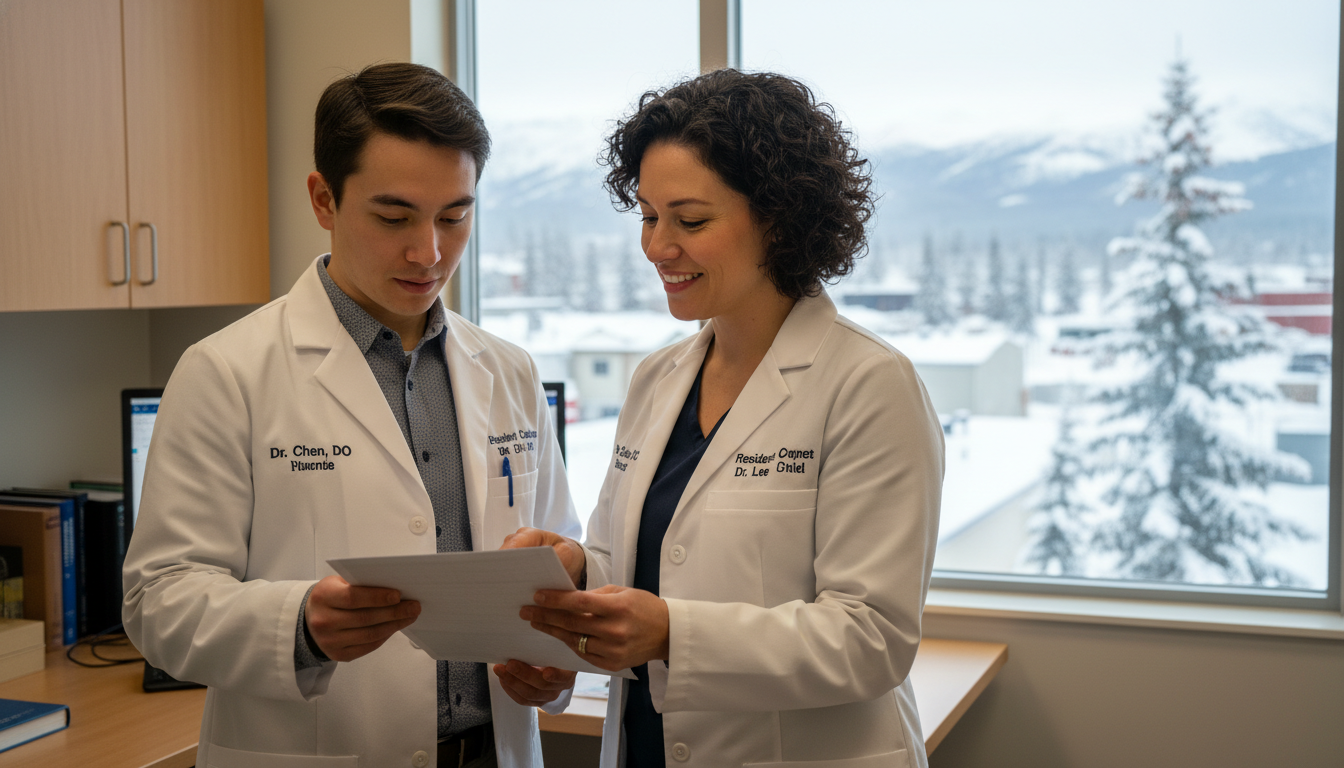
1. Understand the residency landscape in Alaska
Alaska has a limited number of residency programs, with a heavy focus on Family Medicine and rural training tracks. Many are community-based and mission-driven, often partnering with universities or larger mainland health systems.
As a DO graduate with low scores, your best fits are likely programs that:
- Explicitly state holistic review
- Emphasize:
- Rural medicine
- Indigenous and underserved populations
- Longitudinal community relationships
- Have a history of accepting DO graduates
Practical actions:
- Review program websites for:
- “Osteopathic-friendly” language
- DO faculty or alumni listed on the website
- Mission statements aligned with DO values (whole-person, community care)
- Search FREIDA and program websites for:
- Percentage of DO residents
- Mentions of COMLEX acceptance
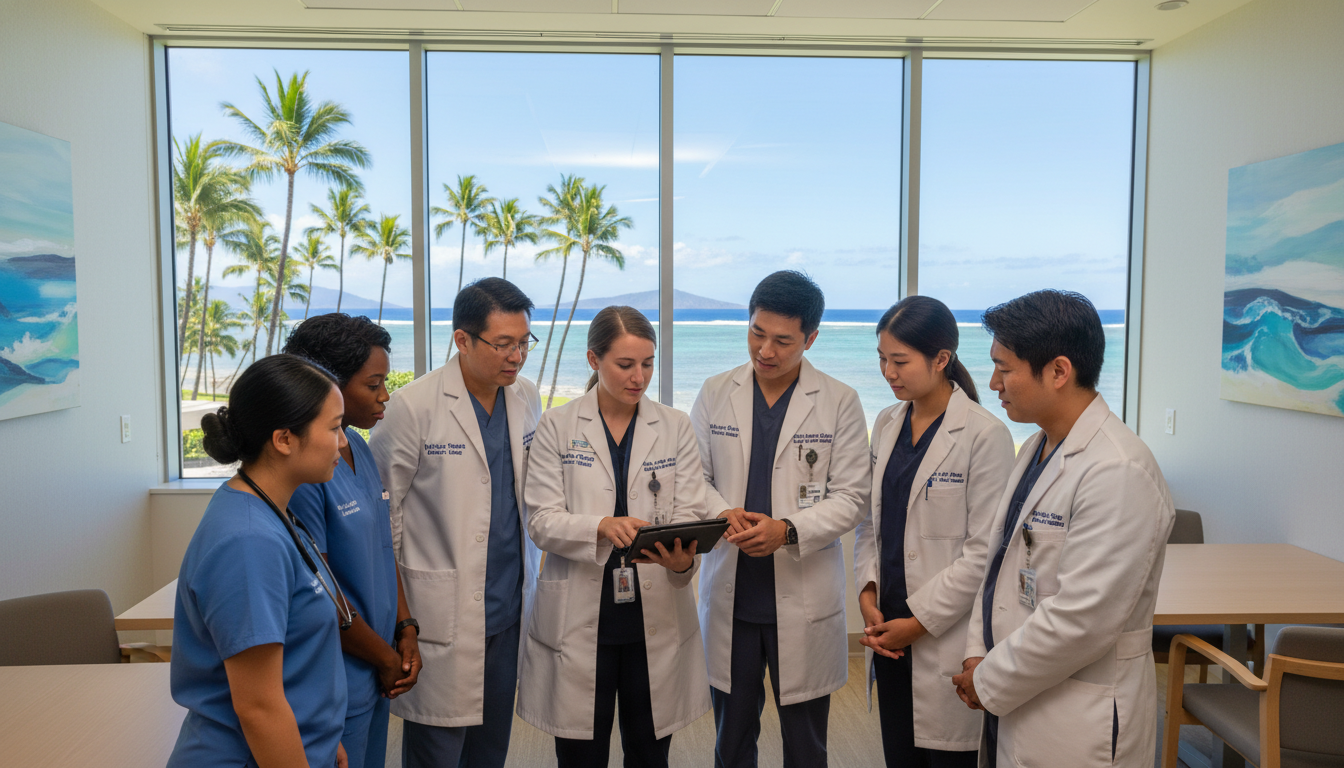
2. Understand the residency landscape in Hawaii
Hawaii residency programs, predominantly based in Honolulu and affiliated with major health systems and universities, often emphasize:
- Community health and primary care
- Pacific Islander and Asian health issues
- Cultural humility and cross-cultural communication
Some may be more competitive due to location desirability, which means low Step scores require extra compensating strengths:
- Significant Hawaii ties (grew up there, family there, long-term commitment to practice there)
- Rotations or sub-I’s completed in Hawaii
- Research or projects involving Hawaiian or Pacific Islander communities
3. “Fit” and geographic commitment as your superpower
Programs in Alaska and Hawaii are particularly sensitive to retention: they want residents who will stay and practice in the state. Use this to your advantage:
- In your application, explicitly address:
- Why Alaska/Hawaii specifically (not just “beautiful place to live”)
- Evidence of staying power (previous residence, long-standing interest in rural or island medicine, spouse/family connection, cultural ties)
- Clear, concrete plans to practice there after training
- Include region-focused experiences when possible:
- Electives or away rotations in these states (even if short)
- Telehealth or research collaborations with institutions in Alaska or Hawaii
- Relevant volunteer work with similar populations where you currently live (e.g., indigenous communities, immigrant populations, Pacific Islander communities)
When programs believe your interest is authentic and durable, they may be more willing to overlook below average board scores.
Optimizing Your Application: Overcoming Low or Below-Average Scores
If you’re matching with low scores, everything else in your application must be optimized, especially as a DO graduate targeting smaller regions like Alaska and Hawaii.
1. Step 2 CK and COMLEX Level 2-CE: Your redemption arc
For DO graduates with low Step 1 or COMLEX Level 1, Step 2 CK and Level 2-CE are often viewed as evidence of:
- Growth and improvement
- Readiness for residency-level clinical work
Actions:
- Delay ERAS submission (within reason) if you can take Step 2 CK/Level 2-CE a bit later to prepare thoroughly and improve.
- Use targeted prep:
- Focus on your weakest shelf exam areas.
- Use question banks (UWorld, Amboss, COMQUEST/COMBANK) with rigorous review.
- If Step 2 CK or Level 2-CE is already low:
- Consider a Step 3 attempt before or during application cycles only if you are highly confident of a much better performance. A second low score hurts more than waiting.
2. Personal statement: Frame, don’t hide, your low scores
Do not spend the majority of your statement dwelling on your scores. However, a brief, mature explanation can reframe a red flag.
Effective framing:
- One concise paragraph acknowledging:
- That your early exams or Step 1 were below your expectations.
- The reasons, briefly and without excuses (e.g., study strategy issues, personal challenges, adjustment to exam style).
- Follow with:
- Specific changes you implemented (tutors, structured schedule, dedicated practice questions).
- Resulting improvements in clerkship grades, Step 2 CK/Level 2 scores, or clinical performance.
- Pivot to:
- How this experience improved your resilience and self-awareness—qualities that benefit your patients and your residency team.
Connect the story to your osteopathic training: how your whole-person, patient-centered focus is stronger because you learned to cope with setbacks constructively.
3. Letters of recommendation (LoRs): Make them your strongest asset
For applicants with low Step scores, strong, specific LoRs are critical.
Prioritize:
- Letters from:
- Core specialty attendings in your chosen field (e.g., FM, IM, Psych).
- Attending physicians who are well known to your target programs or have practiced in similar regions (rural, community-based, indigenous health).
- A letter from a DO physician in your specialty if possible, emphasizing:
- Your osteopathic principles and OMT skills (if relevant).
- Content to encourage:
- Concrete examples of your clinical reasoning, reliability, teachability, and cultural humility.
- Evidence that attending would “absolutely work with this resident again.”
Consider telling your letter writers directly:
“Programs may worry about my below-average board scores; what would you say that convinces them I’ll be a safe, reliable, and strong resident despite that?”
4. Clinical experiences: Sub-I’s and away rotations in Alaska & Hawaii
If you can arrange it, a sub-internship (sub-I) or audition rotation in your target region is one of the most powerful tools to override low scores.
For Alaska & Hawaii:
- Contact programs early (6–9 months ahead) about:
- Available visiting student rotations
- Any DO-specific opportunities or requirements
- On rotation:
- Be the most prepared, reliable, and enthusiastic student on service.
- Show genuine curiosity about regional health issues (e.g., access, cultural beliefs, rural or island logistics).
- Ask for informal feedback mid-rotation and adjust quickly.
- If you excel:
- This can lead to an internal “champion” on the faculty.
- They may explicitly advocate for you in rank meetings, even with below average board scores.
5. Program list strategy: Breadth, tiering, and DO-friendly focus
When matching with low scores, your application list strategy matters as much as your individual components.
Tactics:
- Tier your program list
- A small number of “reach” programs (more competitive, desirable locations, or academic-heavy, including in Hawaii)
- A larger group of realistic programs:
- Community-based
- Osteopathic-friendly
- Historically accepting DOs with a range of scores
- A necessary base of safety programs:
- Rural or community programs
- Newer programs that may be more flexible on scores
- Prioritize DO-friendly and osteopathic residency match patterns
- Look at past DO vs MD resident proportions on FREIDA and program websites.
- Target programs that list:
- “DO and COMLEX scores accepted”
- “We value osteopathic principles”
- Cast a geographically broader net than just Alaska & Hawaii
- Realistically, there are too few Alaska and Hawaii residency programs to rely on them alone.
- Apply broadly across:
- Rural programs in the Northwest, Mountain West, or Pacific regions
- Osteopathic-oriented programs across the U.S.
- If you ultimately want Alaska or Hawaii, you can:
- Match elsewhere.
- Build experience in rural or underserved medicine.
- Transition later through job opportunities or fellowships.
Interview and Post-Interview Strategy: Standing Out Beyond Scores
Once you have an interview, your board scores matter far less. Your goal is to erase doubts and strongly convey fit, reliability, and regional commitment.
1. Preparing for questions about low scores
You will likely be asked about your low Step score or COMLEX performance.
How to respond:
- Be direct and concise.
- Acknowledge the issue without over-explaining.
- Example: “My early exam performance did not reflect my potential because I relied too heavily on passive study methods and didn’t structure my time effectively.”
- Emphasize insight and correction:
- “I recognized that and shifted to a more active, question-based approach, sought faculty mentoring, and implemented a detailed weekly plan.”
- Highlight evidence of improvement:
- “You can see that in my stronger clerkship evaluations, Step 2/Level 2 score, and the feedback I’ve received on rotations.”
Then pivot quickly to your strengths and fit for that program.
2. Show deep understanding of local health context
For Alaska & Hawaii interviews:
- Demonstrate you’ve studied:
- Major health disparities and access issues in each state.
- Unique cultural and linguistic needs of local communities.
- Prepare specific talking points:
- In Alaska: rural fly-in communities, challenges in continuity of care, indigenous health partnerships.
- In Hawaii: island-specific resource limitations, Pacific Islander and Native Hawaiian health disparities, cost of living and retention issues.
- Connect your osteopathic philosophy:
- Whole-person care, attention to social determinants of health, emphasis on function and quality of life—these align well with community medicine in these regions.
3. Project stability and longevity
Programs want residents who will stay through training and possibly remain in the state.
Convey:
- You understand:
- Cost of living
- Geographic isolation
- Weather and climate extremes (especially Alaska)
- You have:
- Personal and/or family support systems that make you likely to stay.
- Realistic lifestyle expectations.
Specific language helps:
“I’ve spent time in remote communities before and know that environment suits me. I’m looking for a residency I can commit to for the long term, and I’d be very happy starting and building my career here.”
4. Smart, genuine post-interview communication
- Send individualized thank-you emails within 24–48 hours, highlighting:
- Something specific you learned about the program.
- How your goals align with their mission (especially regarding underserved, rural, or island populations).
- If a program in Alaska or Hawaii is your clear top choice:
- You may send a post-interview communication (if permitted) indicating strong interest or that you intend to rank them highly (follow NRMP communication rules and program-specific guidelines).
- Stay honest; misleading “I will rank you #1” messages can backfire and are unethical.
When You Don’t Match: A Recovery Plan for DO Graduates with Low Scores
Despite best efforts, some candidates will not match on the first try. This is especially possible when targeting small regions like Alaska and Hawaii. Your career is not over; you need a planned response.
SOAP (Supplemental Offer and Acceptance Program)
- Be prepared for SOAP if your chances are uncertain:
- Have updated letters ready.
- Clarify your flexibility across specialties (e.g., FM, IM prelim, TY).
- Enter SOAP aiming for:
- DO-friendly programs.
- Community or rural training sites.
- Programs where your commitment to underserved care shines.
Post-SOAP / Next-Cycle Strategy
If you remain unmatched:
- Consider a clinical or research gap year
- Positions in community clinics, rural hospitals, or academic departments.
- Ideally tied to:
- Primary care
- Indigenous or underserved populations
- Alaska- or Hawaii-related projects if possible (even remote research)
- Strengthen weak areas
- If not already done:
- Retake exams (if allowed and likely to improve).
- Take Step 3 if you can confidently score higher.
- Obtain new, strong LoRs from recent supervisors.
- If not already done:
- Broaden your geographic and specialty scope
- Apply much more broadly beyond Alaska and Hawaii initially.
- Once residency is secured, you can still aim to move to these states after training.
Putting It All Together: A Sample Strategy for a DO Graduate with Low Scores
Scenario:
You are a DO graduate with:
- Step 1: Pass
- Step 2 CK: 214
- COMLEX Level 2-CE: 480
- Strong clinical evaluations in FM and IM
- Deep interest in Alaska residency due to past experience in rural communities
Your plan might look like:
- Target Specialties: Family Medicine and possibly Internal Medicine (community).
- Geographic Strategy:
- Apply to:
- All Alaska FM programs and DO-friendly IM programs.
- Selected Hawaii residency programs emphasizing primary care.
- 60–80+ additional DO-friendly, rural or community-based FM and IM programs across the U.S.
- Apply to:
- Application Optimization:
- Personal statement:
- Brief, honest explanation of low Step 2/COMLEX.
- Deep focus on rural, underserved care and your Alaska-specific interest.
- LoRs:
- 2 strong FM letters (one DO if possible).
- 1 IM letter.
- CV:
- Highlight rural rotations, community service, any indigenous health experiences.
- Personal statement:
- Interviews:
- Prepare practiced, concise answers about low scores.
- Thoroughly research Alaska/Hawaii program missions and local health challenges.
- Emphasize long-term commitment and resilience.
- Backup Plan:
- Be ready for SOAP with flexible specialty interests.
- If unmatched, seek a rural clinical job or research role, ideally with an Alaska- or Hawaii-aligned focus, then reapply.
FAQs: Low Step Score Strategies for DO Graduates in Alaska & Hawaii
1. Can a DO graduate with low Step 1 or Step 2 scores realistically match into an Alaska or Hawaii residency program?
Yes, it is possible, but it is competitive and numbers-limited. Most success stories involve:
- Targeting primary care specialties (e.g., Family Medicine, Internal Medicine, Psychiatry).
- Demonstrating strong geographic and mission fit (rural care, island or indigenous health).
- Compensating with:
- Excellent clinical evaluations
- Strong letters of recommendation
- A clear narrative around growth and resilience
You should still apply broadly outside Alaska and Hawaii to maximize your odds, treating these states as high-priority but not exclusive targets.
2. Should a DO graduate with low scores take USMLE if they already have COMLEX?
If you have not yet taken USMLE, and your COMLEX scores are low:
- Taking Step 2 CK can sometimes help if:
- You have time to prepare well.
- You are confident you can score meaningfully higher than your COMLEX equivalent.
- If you already have a low Step 2 CK score, adding more exams without clear potential for improvement is risky.
For many osteopathic residency match–friendly or community programs, COMLEX alone is acceptable, but some university-affiliated Hawaii or mainland programs may prefer or require USMLE. Research each program’s requirements carefully.
3. How can I show programs that my low scores won’t predict poor performance in residency?
Focus on current, real-world evidence of your capabilities:
- Strong clerkship and sub-I evaluations, especially comments about:
- Reliability
- Clinical reasoning
- Teamwork and communication
- Improved performance on later exams (Step 2 CK, COMLEX Level 2-CE, or Step 3 if applicable).
- Letters of recommendation emphasizing:
- Safety
- Work ethic
- Ability to learn from feedback
In your interviews and personal statement, frame your low scores as a past challenge that led to better habits and resilience, rather than an ongoing weakness.
4. Is it better to focus on osteopathic residency match programs or large academic centers if I have low scores?
With low or below average board scores, a DO graduate generally has better odds targeting:
- Osteopathic-friendly, community-based programs
- Programs with a track record of:
- Accepting DO graduates
- Placing less emphasis on raw scores
- Emphasizing holistic review and mission fit
Large academic centers—especially in desirable locations like parts of Hawaii—often remain more score-sensitive. You can include a few as “reach” programs, but the bulk of your list should consist of realistic, DO-friendly options, including those in less urban or less competitive regions.
By acknowledging your low Step score or below average board scores frankly, leaning into your strengths as a DO graduate, and strategically targeting Alaska residency and Hawaii residency programs that value mission and geographic fit, you can significantly improve your chances of success. Matching with low scores requires more planning and self-awareness—but it is entirely achievable with the right approach.