
Understanding Your Starting Point as a Non‑US Citizen IMG
If you are a non‑US citizen IMG or foreign national medical graduate with a low Step score, you are not alone—and you are not automatically disqualified from matching. Many residents in California’s Central Valley, including in Fresno residency programs, have matched with below average board scores by building strong, targeted applications.
Before building a strategy, clarify three things:
What is “low” for Step scores today?
- Historically, a “low Step 1 score” meant <220; for Step 2 CK, <230–235 in many competitive fields.
- With Step 1 now pass/fail, “low” often refers to:
- Borderline Step 1 pass on first attempt
- Step 1 fail then pass on second attempt
- Step 2 CK <230 (internal medicine/FM/psych) or <240 (more competitive specialties)
Where do you fit?
Common profiles:- Passed Step 1 on first attempt, low Step 2 CK (e.g., 215–225)
- Failed Step 1 or Step 2 CK once, later passed
- Below average board scores on both Step 1 (pre‑P/F) and Step 2 CK
- Taking exams late in the cycle, leading to limited application time
Your unique constraints as a foreign national medical graduate
- Need for visa sponsorship (usually J‑1, sometimes H‑1B)
- Being a non‑US citizen IMG in a region with strong local preference for California graduates
- Potential fewer US clinical connections and limited US research experience
Your goal is to turn a perceived weakness—low Step 1 score or low Step 2 CK—into one factor among many, rather than the element that defines your whole application. In the California Central Valley, where many programs have a strong service and community mission, you can compete if you clearly show that you are a safe, reliable, hardworking future resident who understands and values the region.
How Central Valley and Fresno Programs View Low Scores
The California Central Valley (Fresno, Bakersfield, Modesto, Madera, Visalia, Merced, etc.) has a distinctive residency landscape. Understanding it helps you tailor your approach.
1. Mission‑Driven, Underserved‑Focused Programs
Many Central Valley and Fresno residency programs serve:
- Large Medicaid/uninsured populations
- Rural agricultural communities
- High percentages of Spanish‑speaking and migrant farmworker families
- Patients with significant social determinants of health challenges
Programs in this region often prioritize:
- Commitment to underserved medicine and community service
- Residents who can handle high volume and complex pathology
- Resilience and reliability on busy inpatient services
For a non‑US citizen IMG with a low Step 1 score, this is a real opportunity: mission fit and clinical work ethic can weigh heavily, sometimes more than raw test numbers.
2. How Programs Screen Applicants
Even mission-driven programs use filters. Typical patterns:
Automatic score filters
Some programs set a Step 2 CK cutoff (often 220–225 for IM/FM/psych). If you are below this, your application might never be reviewed unless:- You have very strong connections
- You are a known quantity via audition rotation
- Faculty directly advocate for you
Holistic review in some community and university‑affiliated programs
A number of Central Valley and Fresno residency programs (especially in Family Medicine, Internal Medicine, Psychiatry, Pediatrics) will:- Look past a low Step 1 score if Step 2 is strong or trending up
- Accept a Step failure if later performance and narrative are strong
3. Visa Sponsorship Reality
As a non‑US citizen IMG:
- Most Central Valley programs can sponsor J‑1 visas
- H‑1B sponsorship is more limited, but some Internal Medicine, Neurology, and sub‑specialty programs offer it; check each program’s website carefully.
- If you need H‑1B, your Step 3 status becomes crucial (more on this later)
A realistic, region‑appropriate strategy means:
- Prioritizing Central Valley programs with a history of taking non‑US citizen IMGs
- Understanding exactly what each Fresno residency or nearby program expects in terms of scores, visas, and timeline

Step‑Focused Recovery Plan: Turning a Low Score into a Narrative
If your Step 1 score is low or borderline, or you have a low Step 2 CK score, your next moves must send a clear message: “I am improving, safe, and reliable.”
1. Prioritize Step 2 CK (If Not Taken Yet or Low)
For most specialties in the Central Valley:
- Step 2 CK is now the main numeric academic metric
- A strong Step 2 CK can partially offset a low Step 1 score
If you haven’t taken Step 2 CK:
- Delay ERAS submission by a few weeks if necessary to:
- Achieve a meaningful score jump
- Ensure one clean pass
- Use a structured plan:
- 2–3 blocks of UWorld per day
- Weekly NBME or UWSA assessments
- Target at least 15–20 points above your baseline practice scores before sitting the exam
If you already have a low Step 2 CK:
- You must shift strategy:
- Target programs with lower reported average Step scores
- Lean on non‑exam strengths (clinical, research, service, language skills)
- Consider a research or preliminary year to build a stronger track record
2. Strategically Using Step 3 (When It Helps)
For non‑US citizen IMGs with below average board scores, Step 3 can be a powerful tool—especially in the Central Valley:
Step 3 helps when:
- You need H‑1B visa sponsorship (some programs require Step 3 passed before starting)
- You have multiple exam attempts and need evidence of:
- Improvement
- Clinical reasoning competence
- Test‑taking resilience
It is useful when:
- You can realistically score decently (no need for a stellar score, but passing with comfortable margin is ideal)
- You can complete it before or during interview season so it appears on your ERAS update and in conversations
Avoid Step 3 if:
- You are still struggling significantly with standardized tests
- You haven’t fixed the core issues that led to your low Step scores
In that situation, it’s better to:
- Stabilize your performance
- Seek tutoring or structured prep support
- Only sit Step 3 when your practice performance is consistently solid
3. Clearly Explaining Low Scores in Your Application
You should address low Step 1 score or Step 2 CK in:
- Your ERAS personal statement (briefly and positively)
- The ERAS “Additional Information” or Experiences” section
- Occasionally in interviews (if asked)
Key principles:
- Own it, don’t over‑explain. One short paragraph is usually enough.
- Highlight improvement and learning. Emphasize what changed in your study strategies, mindset, or life circumstances.
- Avoid blaming others. Frame external challenges factually and focus on how you adapted.
Example for ERAS:
“My Step 1 performance did not reflect my capabilities. At that time I was balancing family responsibilities and studying without effective USMLE‑style resources. For Step 2 CK, I adopted a structured plan using UWorld, NBME self‑assessments, and dedicated 10 weeks of full‑time preparation. This led to a significant improvement in my clinical reasoning skills and exam performance. More importantly, these changes are reflected in my strong clinical evaluations from US rotations and my commitment to continuous learning.”
If your Step 2 CK is also low:
“While my Step 2 CK score is below the national mean, it does not reflect my day‑to‑day clinical performance. My US clinical rotations at [hospital/program] have repeatedly highlighted strengths in work ethic, communication, and clinical judgment. Since taking Step 2 CK, I have continued to develop with focused case‑based learning, simulation sessions, and close supervision. The feedback from my supervising physicians has been consistently strong and is documented in my letters of recommendation.”
Building a “Central Valley‑Friendly” Application Beyond Scores
For a foreign national medical graduate targeting Central Valley and Fresno residency programs, being score‑conscious is necessary—but not sufficient. You must stand out in ways that matter to these programs.
1. Clinical Experiences: Aim for Direct Central Valley Exposure
If at all possible, obtain US clinical experience in or near the Central Valley. This can include:
- Audition electives or sub‑internships at:
- UCSF Fresno–affiliated hospitals
- Community programs in Fresno, Bakersfield, Modesto, Madera, Visalia, Merced
- Community health center rotations serving agricultural or underserved populations
Your goal is:
- To demonstrate that you understand the patient population and system realities
- To obtain strong US letters that speak directly to your work in similar environments
If you can’t get Central Valley rotations:
- Aim for any California community or county hospital experience
- Prioritize:
- Internal Medicine, Family Medicine, Psychiatry, Pediatrics, or Transitional Year rotations
- Rotations in safety‑net hospitals that mirror Central Valley settings
2. Letters of Recommendation That Offset Low Scores
For non‑US citizen IMGs with below average board scores, letters carry extra weight. Strong letters can:
- Reassure programs you are safe and competent clinically
- Show that someone who has worked with you closely trusts you with patients
Aim for:
- 3–4 US letters, at least:
- 2 in your chosen specialty (e.g., IM, FM, Psych, etc.)
- 1 from a program director, clerkship director, or chief of service if possible
Content that is particularly helpful given low Step scores:
- “I fully trust this applicant to independently manage patients at the PGY‑1 level.”
- “Despite his/her low Step scores, in clinical practice [Name] consistently demonstrates sound clinical reasoning and safe decision‑making.”
- “I would be happy to have [Name] as a resident in our program.”
3. Research and Scholarly Activity that Fits the Region
You do not need high‑impact, basic science research to match in Central Valley programs. However, some targeted activities help:
Helpful types of research:
- Quality improvement (QI) projects in:
- Diabetes, COPD, heart failure, obesity (all common in the Central Valley)
- Projects focusing on:
- Access to care in rural or agricultural communities
- Outcomes in underserved, Spanish‑speaking, or migrant worker populations
If you cannot secure US research in person:
- Look for remote collaborations:
- Email or LinkedIn outreach to faculty at UCSF Fresno or other Central Valley‑connected institutions
- Volunteer roles on ongoing projects (data collection, literature reviews, manuscript preparation)
Research doesn’t overwrite a low Step 1 score, but it:
- Signals academic curiosity
- Shows you can complete projects and work in teams
- Offers faculty who may later advocate for you during selection
4. Demonstrating Language Skills and Cultural Competence
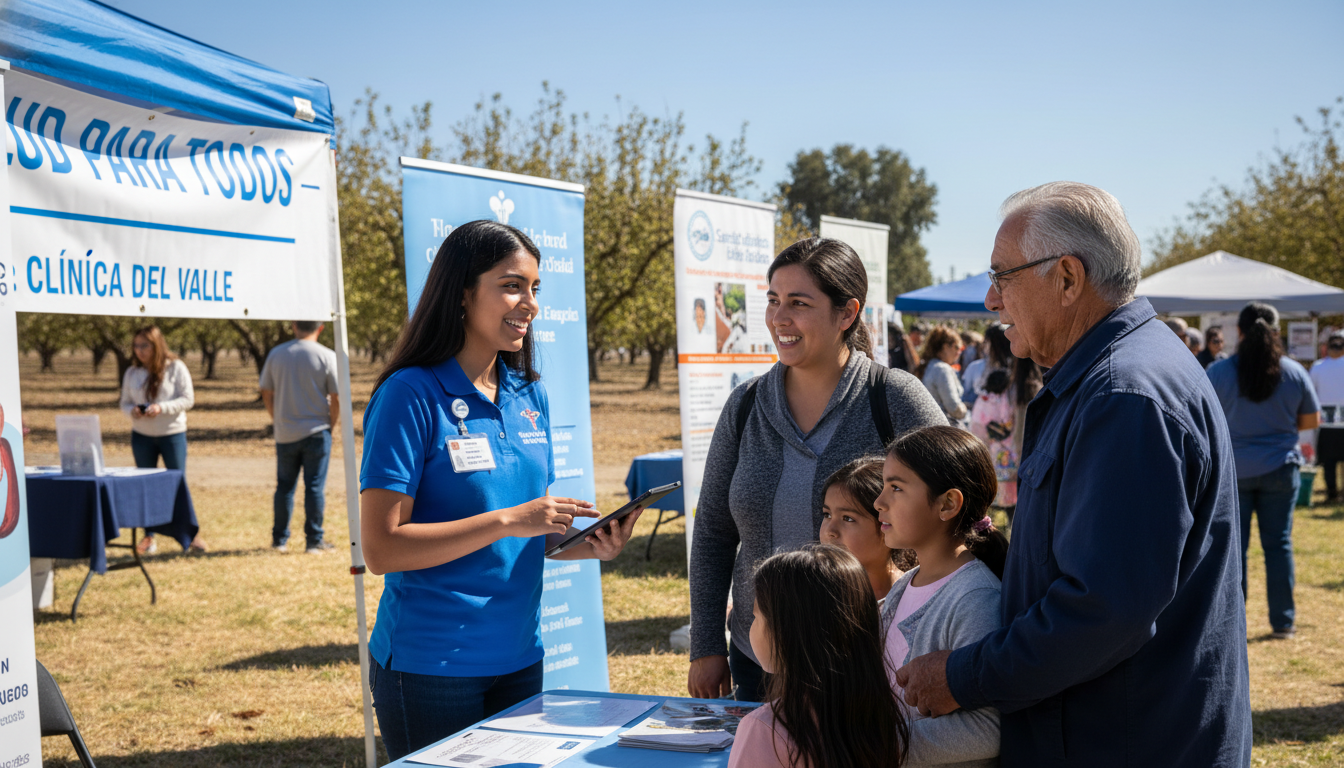
Central Valley residency programs serve many Spanish‑speaking and diverse communities. As a non‑US citizen IMG, you may speak multiple languages—this is a strength.
If you speak Spanish or another locally relevant language:
- State it clearly in ERAS:
- “Fluent in Spanish (used in clinical settings during rotations in [location])”
- In your personal statement and interviews:
- Describe real situations where your language skills improved patient care
- Obtain a letter or comment from an attending:
- “Her fluency in Spanish allowed her to connect quickly with our Central Valley patient population.”
If you don’t speak Spanish:
- Emphasize cultural humility, adaptability, and prior work in underserved settings (rural regions, refugee camps, low‑resource clinics abroad)
- Take basic Spanish for healthcare providers courses (online or local) and mention this effort in your application
Application Tactics: Maximizing Interviews with Low Scores
Once you’ve strengthened your profile, you must apply strategically, especially when matching with low scores as a non‑US citizen IMG.
1. Choosing the Right Specialties
For Central Valley and Fresno residency programs, choose fields where your profile is competitive. Specialties more accessible to non‑US citizen IMGs with low Step scores include:
- Family Medicine
- Internal Medicine (categorical or preliminary)
- Psychiatry
- Pediatrics
- Transitional Year (as a bridge, especially if combined with research plans)
Specialties that are significantly harder with low scores for non‑US citizen IMGs:
- Dermatology, Plastic Surgery, Orthopedics, ENT, Ophthalmology
- Competitive Radiology, Anesthesia, Emergency Medicine in California (not impossible, but very difficult with below average board scores)
Consider:
- If you have a low Step 1 score but a strong personal story and excellent clinical feedback, Family Medicine and Psychiatry in the Central Valley may be particularly open, as they value:
- Longitudinal relationships
- Behavioral health skills
- Language and cultural competence
2. Crafting a Regionally Focused Program List
Generate a tiered list:
Tier 1: California Central Valley and Fresno residency programs that:
- Publicly welcome IMGs
- Consistently take non‑US citizen IMGs
- Sponsor J‑1 (and possibly H‑1B if needed)
Tier 2: Similar community‑focused programs in:
- Inland Empire (e.g., Riverside, San Bernardino)
- Other underserved regions in California or neighboring states (Nevada, Arizona, New Mexico)
Tier 3: IMG‑friendly programs nationally with:
- A record of taking low‑score or “second‑chance” applicants
- Strong underserved or community medicine focus
Apply broadly:
- With low Step 1 score or low Step 2 CK, you should:
- Apply to a large number of programs (often 80–120+ for IM/FM/Psych if resources allow)
- Be willing to leave California initially and return later via fellowship or job
3. Tailoring Your Application Materials
For key Central Valley and Fresno residency choices, customize:
Personal Statement
- Explicitly mention:
- Your interest in working with Central Valley populations
- Any experience with farmworker communities, rural health, or migrant populations
- Commitment to staying in the region long term, if genuine
- Explicitly mention:
Experience Descriptions
- Connect your work to:
- Underserved care
- Resource‑limited settings
- Multilingual or multicultural care
- Use concise, outcome‑focused descriptions:
- “Managed 12–15 inpatients daily in a resource‑limited teaching hospital; led patient education sessions for Spanish‑speaking families using interpreter services.”
- Connect your work to:
4. Handling the Interview with a History of Low Scores
In interviews, you might be asked about your scores. Prepare a clear, confident, and brief answer:
Framework:
- Acknowledge: “Yes, my Step 1 score was lower than I had hoped.”
- Context but not excuses: One‑sentence explanation (e.g., poor strategy, family illness, adjustment to US‑style exams).
- Growth: Describe specific changes you made in study habits and clinical preparation.
- Evidence of improvement: Reference:
- Better Step 2 performance (if applicable)
- Strong clinical evaluations
- Step 3 pass, if completed
- Reassurance: Emphasize that your performance in residency will be consistent, disciplined, and safe.
Example response:
“My Step 1 score was lower than I expected. At that time, I underestimated how different USMLE‑style questions were from my school exams and I studied too passively. For Step 2 CK, I changed my approach completely: structured UWorld blocks, weekly self‑assessments, and focused review of missed topics. This improved both my test performance and my clinical reasoning. My attendings in US rotations have consistently commented on my reliability, thoroughness, and safe decision‑making. I know that residency will be demanding, and I’ve built a system of disciplined daily study and feedback that I plan to continue here.”
Long‑Term Pathways if You Don’t Match on the First Try
Non‑US citizen IMGs with low Step scores often need a multi‑year strategy, especially in California.
If you don’t match:
- Seek a SOAP position in:
- Prelim Internal Medicine
- Family Medicine
- Transitional Year
- Psychiatry or Pediatrics (if available)
- If SOAP fails or options aren’t suitable:
- Consider:
- 1–2 years of US clinical or research work (preferably paid, if visa allows)
- Clinical research coordinator or postdoctoral research positions tied to IM/FM/Psych programs
- Repeat application with much stronger US experience and letters
- Consider:
Make sure that:
- Every year after graduation, you have substantial clinical or academic activity, not career gaps.
- You maintain or improve:
- Hands‑on clinical skills
- Connection to patient care, especially in underserved settings
For the California Central Valley specifically:
- Spending time working or volunteering in the region:
- Community health centers in Fresno, Bakersfield, Merced, Modesto, or rural clinics
- Public health departments or migrant health outreach programs
- This demonstrates:
- Genuine geographic commitment
- Understanding of regional challenges
- Potential for long‑term retention, which is highly valued
Frequently Asked Questions (FAQ)
1. Can a non‑US citizen IMG with a low Step 1 score still match into a Fresno residency program?
Yes, it is possible. Your chances depend on:
- Overall pattern of scores (any improvement on Step 2, Step 3)
- Strength of US clinical experience and letters
- Fit with the program’s mission (especially underserved care)
- Visa needs and the program’s willingness to sponsor
You will likely need a broader application strategy, but Central Valley programs that value service and resilience will sometimes accept applicants with below average board scores, especially in Family Medicine, Internal Medicine, Psychiatry, and Pediatrics.
2. Should I take Step 3 before applying if my Step 1 and Step 2 scores are low?
If you have time and your practice scores are solid, yes, Step 3 can help, especially if:
- You are targeting programs that sponsor H‑1B visas
- You need to show recent academic success after prior low scores
However, if you are not ready and risk another low performance or a fail, it is better to delay Step 3 and first stabilize your exam preparation.
3. How many programs should I apply to as a foreign national medical graduate with below average board scores?
Most non‑US citizen IMGs with low scores should plan a broad application:
- Often 80–120+ programs for IM/FM/Psych/Peds, depending on budget
- Include:
- California Central Valley and Fresno residency programs that are IMG‑friendly
- Other underserved regions and community‑focused programs across the US
The goal is to increase your interview numbers, because a few strong interviews matter more than the exact total number of applications after a certain point.
4. Are research and publications necessary for Central Valley programs if my scores are low?
They are not strictly necessary, especially for Family Medicine and some Internal Medicine or Psychiatry programs. However, focused research or QI work related to:
- Underserved care
- Chronic disease management (diabetes, COPD, heart failure)
- Rural or migrant health
can strengthen your application by showing academic engagement and alignment with the region’s needs. For a non‑US citizen IMG with low Step scores, research is best seen as supporting evidence, not a substitute for solid clinical performance and strong letters.
By combining realistic self‑assessment, targeted test‑taking recovery, region‑specific clinical experience, and a mission‑driven application narrative, a non‑US citizen IMG aiming for California’s Central Valley—Fresno and beyond—can still build a convincing path to residency, even when starting with a low Step score.