Understanding Your Situation as a US Citizen IMG in Global Health
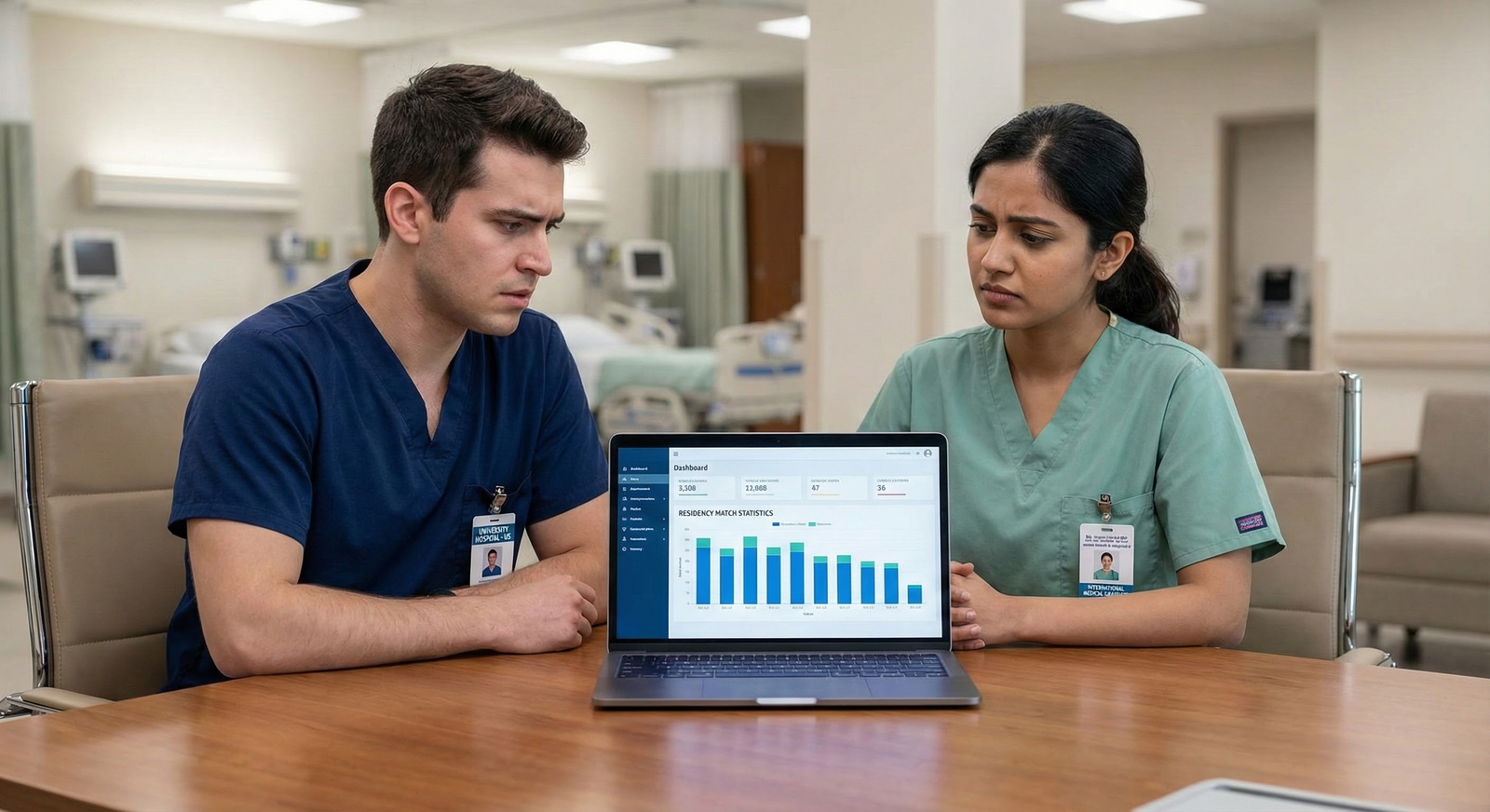
Being a US citizen IMG and an American studying abroad already puts you in a more complex category for residency applications. Adding a low Step 1 score or below average board scores can feel discouraging—especially when you’re aiming for a purposeful, mission-driven career in global health or international medicine.
Yet many applicants in your exact position match every year, including into global health residency tracks and programs with strong international medicine opportunities. The key difference is not “perfect” scores, but strategic planning, thoughtful positioning, and consistent evidence that you will be an outstanding resident and future global health physician.
Before you start building strategies, clarify three truths about your situation:
Your scores matter, but they are not your entire application.
Even if you are worried about matching with low scores, program directors also care deeply about clinical performance, commitment to underserved populations, professionalism, and fit with their mission.As a US citizen IMG, you hold some unique advantages.
You usually don’t require visa sponsorship, which removes a major barrier for many international applicants. Programs can focus more on your overall profile instead of immigration issues.Global health–oriented programs look for long-term commitment, not just a buzzword.
If you can show sustained involvement in global health or international medicine and tie it to concrete skills and values, you can stand out even if your USMLE performance is not perfect.
This article focuses on actionable, step-by-step strategies for US citizen IMGs with low Step scores who are specifically targeting global health and international medicine–oriented residency pathways.
Reframing Your “Low Score” in the Context of Global Health
Before you build solutions, define the problem accurately. Not every “low score” is equally limiting, and not every global health pathway has the same competitiveness profile.
What Does “Low Step Score” Mean in Practice?
For most US citizen IMGs applying to global health–friendly specialties (often Internal Medicine, Family Medicine, Pediatrics, OB/GYN, Psychiatry, Emergency Medicine), a “low” score might mean:
- Step 1 (pre-pass/fail era): Below the national mean, particularly <220
- Step 2 CK: Below 220–225 or substantially below your school’s benchmark
- A failed attempt on Step 1 or Step 2 CK, even if passed on a later try
If you are reading this as someone with:
- A single failure now passed
- Borderline or below average board scores on one or both Steps
- Or both low Step 1 score and modest Step 2 CK
—you are the exact reader this guide is written for.
Why Global Health Can Be More Forgiving of Board Scores
Many global health–oriented tracks sit within primary care–oriented specialties (Internal Medicine, Family Medicine, Pediatrics, Psychiatry, OB/GYN). Program directors in these fields often care deeply about:
- Your commitment to underserved populations
- Your adaptability and resilience in low-resource settings
- Your intercultural communication skills
- Your track record of service, language skills, and global experiences
This does not mean scores are irrelevant, but it does mean:
- Programs may be more willing to look past a low Step 1 score if you demonstrate you will thrive clinically and uphold the mission of caring for marginalized communities.
- A rich record of global health engagement, strong letters, and powerful narratives can offset weaker board performance in ways that are harder to do for hyper-competitive specialties.
Strategy Mindset: From Deficit to Differentiator
Instead of:
“I have a low Step score; I’m at a disadvantage compared to US grads.”
Reframe as:
“I’m a US citizen IMG with a realistic understanding of my academic profile, but with powerful global health experiences and a clear mission. I will build an application that proves I can excel clinically and bring unique value to global health residency tracks.”
That mindset will guide every tactic described below.
Academic Strategy: Repair, Reassure, and Rebalance Your Profile
Programs that see “low Step” or “failed attempt” want evidence that the problem is addressed and unlikely to recur. Your job is to provide that reassurance clearly and proactively.
1. Maximize Step 2 CK as Your Academic Redemption
For most programs, Step 2 CK is now the primary standardized comparator, especially with Step 1 being pass/fail for recent cohorts.
If you still have time before taking Step 2 CK:
- Do not rush to sit for Step 2 CK without clear readiness. A second weak score is far worse than a slightly delayed but stronger performance.
- Invest in:
- A trusted NBME assessment series to track progress
- A tightly structured schedule with UWorld or equivalent QBank thoroughly completed (and reviewed, not just done)
- Active recall strategies (Anki, self-testing) over passive reading
If you have already scored low on Step 2 CK:
- Your focus shifts to building a strong non-test portfolio:
- Honors or high performance in clinical rotations
- Strong global health work and research output
- Excellent letters of recommendation
- US clinical experience with documented competence (e.g., narrative evaluations)
2. Use Clinical Rotations to Prove You Are More Than a Number
For an American studying abroad, especially a US citizen IMG, clinical rotations are your chance to demonstrate:
- You can function effectively in the US healthcare environment
- You are safe, reliable, teachable, and collegial
- Your bedside manner, adaptability, and cross-cultural communication are strengths
Focus on:
- US-based clinical rotations in your intended specialty (e.g., Internal Medicine, Family Medicine, Pediatrics)
- Audition or sub-internship experiences at programs or institutions with:
- Global health residency tracks
- International medicine electives
- Partnerships with global NGOs or academic global health centers
During these rotations:
- Show up early, stay late, volunteer for tasks
- Be meticulous with notes, follow-up, and presentations
- Engage respectfully with all staff—nurses, interpreters, social work, and support staff often informally influence impressions
Your goal: earn letters that explicitly say that your clinical skills, work ethic, and professionalism far outshine any concerns about exam performance.
3. Address Red Flags Directly but Strategically
If you have a low Step 1 score, Step 2 CK below average, or a failure attempt:
- Explain briefly and professionally in your personal statement (or ERAS explanation section if used) what happened:
- One short paragraph, not an essay
- Avoid blaming your school, exam, or external circumstances entirely
- Take responsibility where appropriate, then pivot to what changed
Example framing:
“My Step 1 result does not reflect my current abilities. During that period, I struggled with time management and ineffective study strategies. Since then, I have redesigned my approach—seeking mentorship, using evidence-based study techniques, and regularly self-assessing my progress. This has translated into stronger clinical performances and more consistent academic results, as reflected in [specific examples].”
Always move from problem → insight → corrective action → improved result.
Building a Compelling Global Health Narrative
For a US citizen IMG interested in global health, your greatest strength may not be your score—it is your story, consistency, and credibility in this space.
1. Show Depth, Not Just “Voluntourism”
Programs are increasingly cautious about applicants who list a one-week “medical mission trip” as their entire global health experience. To be competitive for a global health residency track, aim to show:
- Longitudinal involvement (multiple experiences, or multi-year commitment)
- Diverse roles (clinical, public health, research, teaching, advocacy)
- Engagement with:
- Refugee or immigrant health in the US
- Community health projects at home or abroad
- NGOs or student organizations focused on international medicine
If you are earlier in your path and still building this:
- Seek out:
- Telehealth or remote global health initiatives
- Volunteer roles with local refugee or asylee clinics in the US
- Academic groups focused on global health, infectious diseases, or health equity
2. Align Your Experiences with Residency-Level Skills
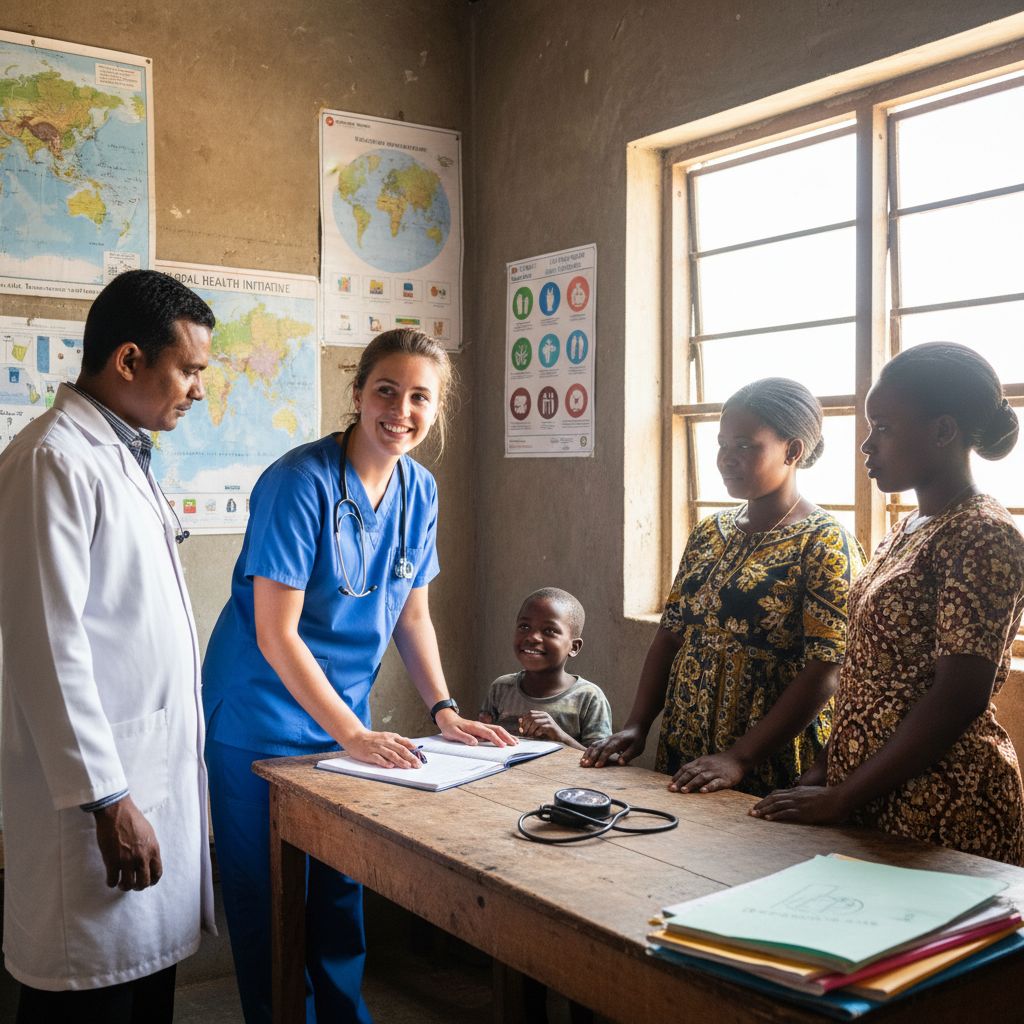
Global health is not just about “working abroad”; it’s about:
- Managing resource limitations
- Navigating cultural and linguistic barriers
- Practicing humility and partnership rather than parachute medicine
- Understanding social determinants of health
Translate your experiences into resident-relevant competencies. For example:
- “In X rural clinic, I learned to prioritize diagnostics and therapies when resources were scarce, which strengthened my clinical reasoning and adaptability.”
- “Working with Y refugee organization taught me to coordinate care with interpreters and social services, skills that I know are essential in safety-net hospitals.”
3. Tailor Your Personal Statement for Global Health–Focused Programs
For global health–oriented tracks, your personal statement should:
- Anchor your interest in a formative experience (not a cliché)
- Show that you understand global health ethics and the pitfalls of “savior” narratives
- Link your past to clear, realistic future goals:
- Working in academic global health
- Developing bilateral exchange programs
- Leading international medicine initiatives at a safety-net hospital
- Focusing on specific populations (e.g., HIV care, maternal health, migrant health)
Make sure your statement simultaneously addresses:
- Why this specialty is right for you (e.g., Internal Medicine + global health)
- Why global health is an authentic and long-term commitment
- How your below average board scores do not define your clinical capacity or your ability to succeed in residency

Targeting Programs Strategically: Maximizing Match Chances with Low Scores
Even the best story can fail if you apply to the wrong programs. As a US citizen IMG with a low Step score, your program strategy matters as much as your narrative.
1. Focus on Global Health–Friendly Specialties
The majority of structured global health residency tracks are found in:
- Internal Medicine (and sometimes IM–Pediatrics)
- Family Medicine
- Pediatrics
- OB/GYN
- Psychiatry
- Emergency Medicine (more competitive, but some options exist)
If you have markedly low or failed Step scores:
- Family Medicine and Internal Medicine often provide more leeway, especially in community or university-affiliated community programs with global health or international medicine electives.
2. Identify Programs with Genuine Global Health Infrastructure
Look for:
- Explicit “global health residency track” or “international medicine track” on program websites
- Partnerships with:
- International hospitals or clinics
- NGOs (e.g., Partners In Health, MSF collaborations, local ministries of health)
- Dedicated faculty with titles like:
- “Director of Global Health”
- “Global Health Pathway Director”
- “International Medicine Program Lead”
These are the programs where your passion for global health is most likely to be seen as a tangible asset that offsets lower test performance.
3. Use Data and Filters Wisely
When targeting programs:
- Check minimum score cutoffs or attempts on program websites and verified databases.
- If a program states “no failures accepted” and you have one, do not waste an application.
- Prioritize:
- Programs that accept IMGs regularly, especially US citizen IMG applicants.
- Programs with a track record of global health scholarly output.
You may construct tiers:
- Tier 1: Global health track + IMG-friendly + lower score flexibility
- Tier 2: Global health electives/interest, but no formal track; moderate IMG acceptance
- Tier 3: Strong community/underserved programs, safety-net hospitals; no explicit global health track but strong mission alignment
4. Communicate Strategically with Programs
Once you have your list:
- Email specific global health faculty or program leadership (not mass emails) with:
- A concise introduction (US citizen IMG, training location, specialty interest)
- One or two lines on your global health background
- A specific question about their global health residency track or international opportunities
If you have a low Step 1 score or below average board scores:
- You do not need to lead with your numbers in cold emails, but you should:
- Attach a CV that shows your strengths
- Be prepared to discuss your scores honestly if asked, emphasizing growth and current readiness
Thoughtful, non-pushy communication can put you on the radar as “the global health–committed IMG” rather than “the low-score applicant.”
Application Execution: From ERAS to Interview to Rank List
Once strategy is set, execution becomes crucial—especially if you are matching with low scores.
1. Optimize Every Section of ERAS
For a US citizen IMG with a low Step score, each ERAS section must work harder:
Experience descriptions:
- Highlight global health projects, leadership roles, and community service
- Emphasize outcomes: improved access, patient education materials developed, QI initiatives, etc.
Publications and presentations:
- Even small-scale projects (e.g., poster at a local global health conference, QI work in resource-limited clinics) show academic engagement
- Make sure global health–related work is clearly visible near the top
US clinical experience:
- Highlight any time spent in safety-net hospitals, FQHCs, or clinics serving immigrant/refugee populations—these are highly relevant to international medicine.
2. Letters of Recommendation: Get the Right Voices
Your letters should ideally:
- Come from US-based supervisors whenever possible
- Include at least one writer who:
- Has a reputation in global health or underserved care
- Can directly speak to your clinical performance and growth despite earlier exam issues
Ask letter writers if they feel comfortable:
- Directly stating that they recommend you strongly for residency in the US
- Emphasizing your clinical judgment, professionalism, and capacity to grow
These letters become powerful counterweights to your below average board scores.
3. Interview Strategy: Own Your Path, Don’t Apologize for It
When interviews come:
- Anticipate questions about:
- Why you are an American studying abroad
- How your training prepared you for US residency
- Any exam failures or low Step scores
- Your true understanding of global health
Prepare honest, concise answers:
- On low scores:
- Frame them as an earlier challenge you have analyzed and overcome
- Provide specific examples of improved academic or clinical performance
- On global health:
- Share a concrete story that shaped your commitment, and connect it to your career vision
- Avoid vague statements like “I want to help people abroad” without nuance
Throughout the interview:
- Emphasize teamwork, humility, and resilience, traits vital in both residency and international medicine.
- Ask thoughtful questions about:
- How residents balance service with safety in global rotations
- How the program ensures bidirectional benefit with partner sites
- Training in ethics, security, and sustainability for global health work
4. Crafting a Realistic Yet Aspirational Rank List
At rank time:
- Place global health–oriented programs that interviewed you and felt like a good fit near the top, even if they are not the most “prestigious” names.
- Include a healthy mix of:
- Strong global health tracks
- Programs with international medicine electives
- Community or safety-net hospitals whose missions align with health equity, even without formal tracks
Your goal is not just to “match”; it is to land where your global health ambitions are nurtured and your lower board scores do not overshadow your strengths.
FAQs: Low Step Score Strategies for US Citizen IMG in Global Health
1. Can I realistically match into a global health residency track as a US citizen IMG with low Step scores?
Yes—many have. Matching with low scores is possible when you focus on global health–friendly specialties (e.g., Internal Medicine, Family Medicine, Pediatrics) and demonstrate a clear, sustained commitment to international medicine or underserved populations. You must also provide evidence that your test performance does not reflect ongoing academic problems—through improved Step 2 CK (if still pending), strong clinical evaluations, and excellent letters.
2. Should I retake an exam if I have a low Step 1 score but no failure?
Usually, no. Retaking without a failure is rarely an option and often not advisable. Instead, focus on:
- Maximizing Step 2 CK (if not yet taken)
- Strengthening your clinical performance and global health portfolio
- Choosing programs that openly consider IMGs and value international medicine experience
A strong Step 2 CK and robust global health involvement generally do more to help than obsessing over a non-failing low Step 1 score.
3. How can I explain my exam failure or low score in a way that doesn’t hurt me?
Be brief, honest, and growth-oriented. One short paragraph in your personal statement or ERAS explanation is enough:
- Acknowledge the issue without excuses
- Identify what you learned (e.g., time management, learning disability evaluation, stress management)
- Describe specific changes you made (study strategies, mentorship, resources used)
- Point to improved results (better clinical evaluations, Step 2 CK, coursework, or research productivity)
Programs mainly want to know: Will this happen again? Your explanation should reassure them that it will not.
4. I don’t have extensive overseas experience. Can I still present a strong global health application?
Yes. Global health is not limited to work abroad. You can build a compelling profile by:
- Working with refugee, immigrant, or migrant worker clinics in the US
- Volunteering with organizations focused on health equity and social determinants of health
- Participating in research or QI projects related to international medicine or underserved care
- Completing electives in US safety-net hospitals that serve diverse, globally-origin populations
What matters most is a consistent record of service, reflection, and growth in caring for marginalized populations, whether overseas or at home.
By combining a realistic understanding of your scores with a strategic focus on global health, you can turn a potential liability into an application that resonates strongly with the right programs—and ultimately build the international medicine career you envision.