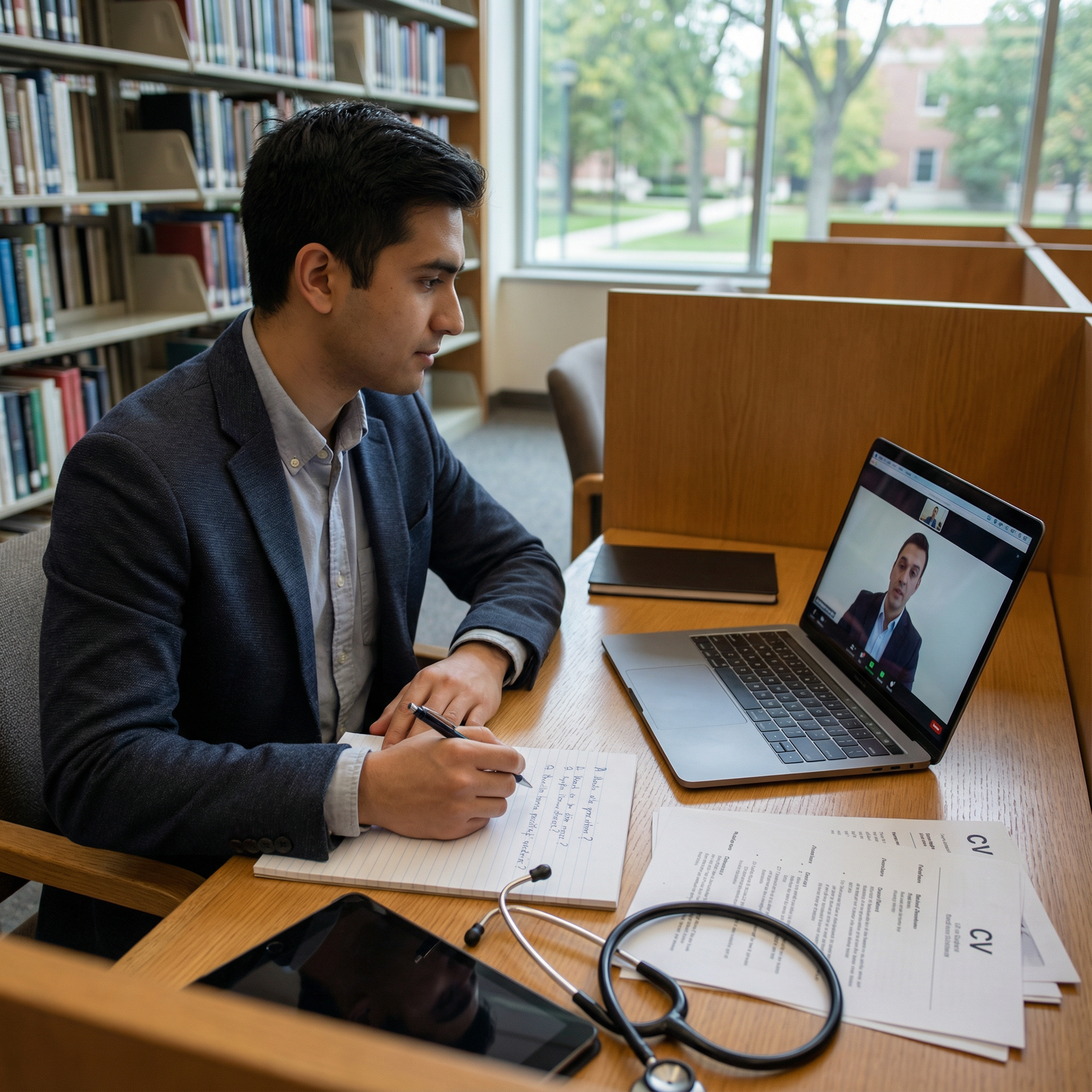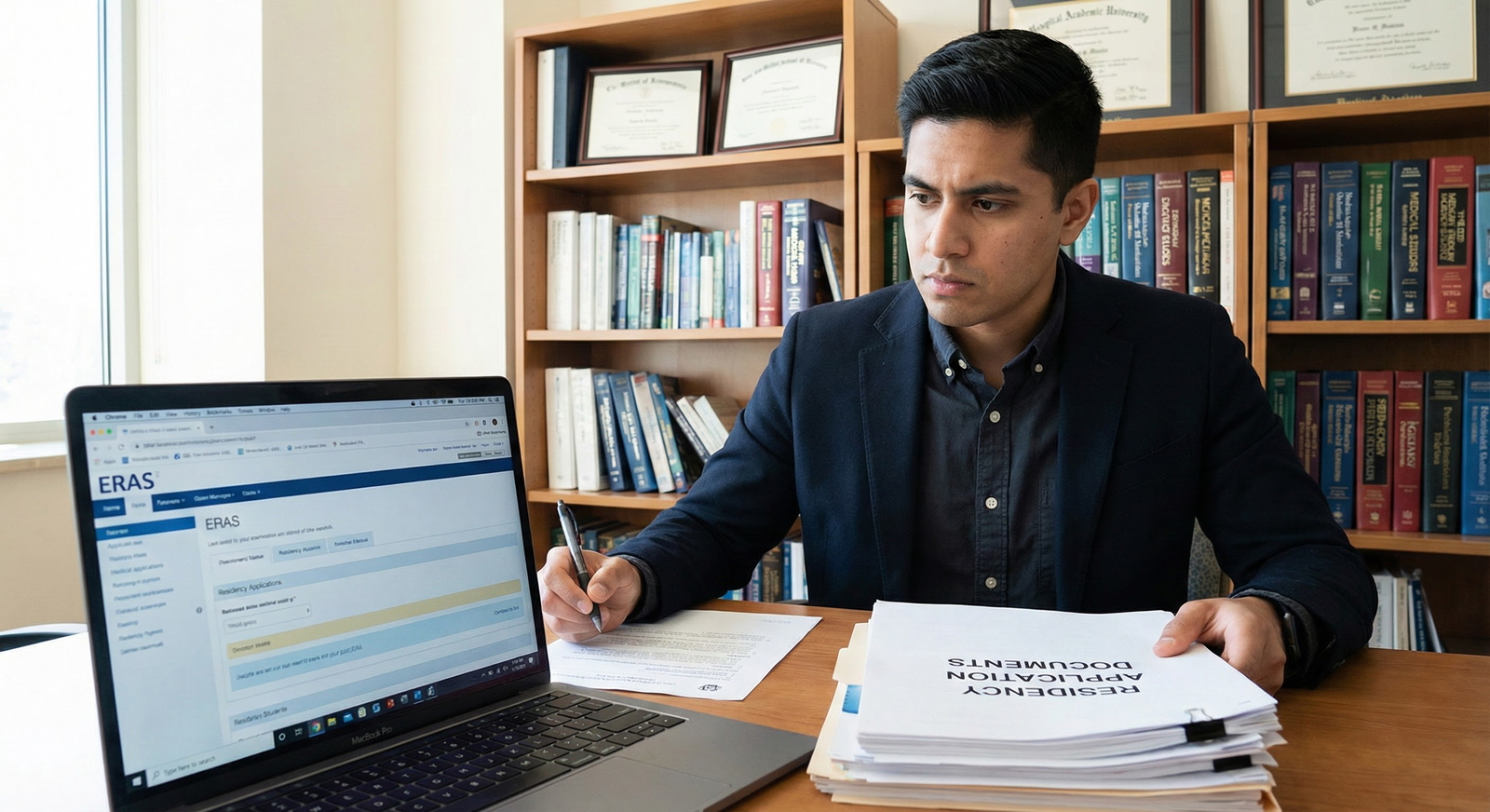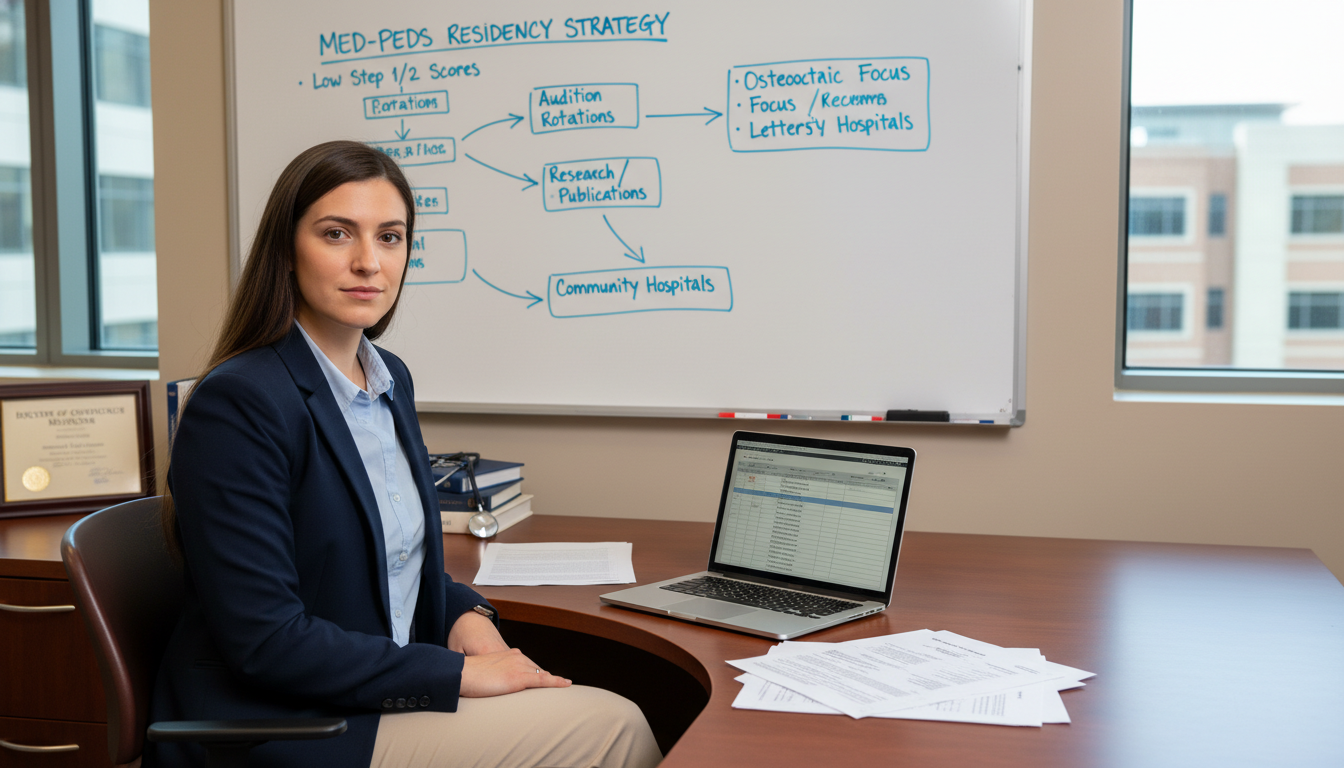
If you are a US citizen IMG with a low Step score and a dream of plastic surgery, you are walking one of the hardest paths in the match. But “hard” is not the same as “impossible.” The key is to stop thinking in terms of “Can I match?” and start asking “What exact steps can I take to give myself any realistic shot?”
This article focuses specifically on low Step score strategies for the US citizen IMG, American studying abroad, and others in similar positions who want a plastic surgery residency—especially the integrated plastics match.
Understanding Your Starting Point as a US Citizen IMG
Before you plan your strategy, you need a painfully honest assessment of where you stand.
Why Plastic Surgery Is So Unforgiving with Scores
Plastic surgery is among the most competitive specialties. Programs are flooded with:
- US MD seniors from top schools
- Applicants with research fellowships and multiple publications
- Near-perfect Step scores (even with Step 1 pass/fail, Step 2 CK is heavily scrutinized)
As a US citizen IMG, you already face:
- Less familiarity: Many programs are less familiar with the quality of international schools.
- Visa issues aren’t a barrier, but bias and risk aversion still exist.
- Fewer home program connections and weaker built-in letters of recommendation.
Now add a low Step 1 score (if numeric) or a marginal Step 1 pass, plus possible below average board scores on Step 2 CK—and the hill gets steeper.
Yet there is still a subset of programs and pathways where:
- Your clinical performance,
- Research productivity,
- Networking, and
- Persistence
can outweigh a shaky exam history—if you align your expectations and strategy.
Step 1 & Step 2 CK: Damage Control and Strategic Use
Your Step scores are fixed once taken, but their impact is not. The main goal now is damage control plus strategic signaling.
1. Interpreting a “Low” Score in Today’s Context
Even as Step 1 has moved to pass/fail, many US citizen IMGs are in one or more of these categories:
- Step 1 numeric < 220 (older scores)
- Step 1 pass on second attempt
- Step 2 CK < ~235–240, or a failure then pass
- Step 2 CK just above passing
Plastic surgery programs may set informal cutoffs above those ranges. But some programs:
- Review applications holistically, especially for US citizen IMGs
- Are more flexible for research-heavy applicants or those known through sub-internships
Your task: make sure no additional red flags appear, and build a strong counter-narrative.
2. If You Haven’t Taken Step 2 CK Yet
Step 2 CK is your last major opportunity to demonstrate cognitive strength.
If you have a low Step 1 score, you cannot afford a mediocre Step 2 CK performance. Consider:
- Delay Step 2 CK if your practice scores are weak.
- Grind UWorld and NBME/Free 120 practice exams until:
- Your NBME scores are within your target range (ideally ≥240 for plastics, but at minimum solidly above passing and trending upward).
- Use targeted resources: NBME feedback + UWorld incorrects to build a focused remediation plan.
It is better to push the exam back a few months and show clear improvement than to rush into another below average board score that reinforces program doubts.
3. If Your Step 2 CK Score Is Already Low
You cannot erase it, but you can frame it:
- Emphasize a stepwise upward trend if Step 1 was worse and Step 2 CK is at least higher.
- Highlight strong clinical grades and narrative comments.
- Demonstrate high performance on shelf exams or school-based exams (if true).
- Show success in other standardized testing settings (e.g., in-training exams during prelim/TY year, if applicable).
In your personal statement and interviews, be prepared to:
- Explain what happened (briefly, honestly)
- Describe what you changed about your study approach
- Show evidence that the underlying problem is solved (recent performance, research productivity, structured preparation)
Avoid overly personal or dramatic justifications; focus on professional insight and growth.

Strategic Pathways into Plastic Surgery with Low Scores
To be realistic: direct entry into an integrated plastic surgery residency from an international school with low Step scores is extremely rare. It happens, but almost always with atypical strengths:
- Phenomenal research portfolio in plastic surgery
- Mentorship from well-known US academic plastic surgeons
- Multiple US rotations with outstanding letters
- Exceptional networking and institutional advocacy
Accordingly, you should think in terms of layers of strategy and backup routes.
1. Direct Integrated Plastics Match (High-Risk, High-Reward)
This path targets PGY-1 integrated plastic surgery spots right out of medical school.
When it might make sense to try:
- You have low Step scores, but:
- Strong US clinical letters from plastic surgery rotations
- Substantial plastics research (e.g., 5–10+ abstracts/posters/papers)
- A US mentor willing to actively advocate for you
- A compelling story (e.g., niche skills, design/engineering background, prior career in art/biomaterials)
Tactical considerations:
- Apply very broadly—not just prestige programs.
- Target newer or smaller programs that may be more open to nontraditional candidates.
- Use away rotations (audition rotations) in the US to:
- Demonstrate your work ethic
- Generate strong letters
- Let faculty meet you beyond your CV
But understand: with a low Step 1 score or Step 2 CK score, even a very strong rest-of-application will still leave integrated plastics as a long shot. You should treat this as a “reach” rather than your only plan.
2. Independent Plastic Surgery Route (More Realistic, Longer Journey)
The independent pathway involves:
- Matching into general surgery, ENT, ortho, neurosurgery, or other relevant surgical field.
- Completing a residency (typically 5 years in general surgery).
- Applying for a plastic surgery fellowship (independent).
For a US citizen IMG with low scores, this can actually be more realistic if:
- You can get into a community or mid-tier general surgery program.
- You commit early to plastics-focused research and networking during your residency.
- You maintain excellent performance in residency and build a strong reputation.
This route:
- Takes longer (often 7+ years from med school graduation).
- Requires significant mental resilience.
- But dilutes the impact of low Step scores over time, as your residency performance and letters become the dominant factors.
3. Research-Focused Gap Years in Plastic Surgery
For an American studying abroad or US citizen IMG with a low score, a dedicated plastics research year or two in the US can:
- Build an impressive CV (publications, abstracts, national conference presentations).
- Help you network with program directors and faculty.
- Show commitment and maturity that outweigh test-performance concerns.
How to use a research year strategically:
Aim for large academic plastic surgery departments with an established record of:
- Taking on research fellows
- Supporting IMGs
- Helping fellows match into plastics or other strong surgical fields
During the research year:
- Attend departmental conferences and M&M.
- Ask to observe surgeries when allowed.
- Seek mentorship and feedback on your long-term plan.
- Show reliability: meet deadlines, take ownership of projects, produce results.
Importantly, a research year should not just “fill time”; it must produce tangible outputs and relationships.
4. Transitional Year or Preliminary Surgery as a Bridge
If you do not match directly:
- A preliminary surgery or transitional year (TY) in the US can:
- Place you within the US system
- Give you US-based supervisors and letters
- Allow you to rebuild your application while gaining clinical credibility
During prelim/TY:
- Aim for excellent evaluations.
- Be the hardest-working intern, particularly when rotating with plastic or reconstructive services.
- Seek research/quality improvement projects with plastics-affiliated teams.
This route is more practical if you’re open to the possibility that:
- You may end up matching into a different surgical field,
- Or using the experience to transition into a less competitive specialty if plastics remains inaccessible.
Overcoming Low Scores with Targeted Strengths
Low Step scores force you to outperform competitors in other domains. Your application must clearly answer:
“Why should a plastic surgery program take a chance on me despite my exam record?”
1. Build a Plastics-Focused Research Portfolio
For matching with low scores, research is your most powerful lever.
Aim for:
- Quantity + relevance + mentorship:
- Multiple projects directly tied to plastic or reconstructive surgery
- Involvement in clinical outcomes research, systematic reviews, basic science, or translational research
- A senior mentor who is known in the field
Examples of impactful activities:
- First-author retrospective chart review on outcomes of breast reconstruction
- Co-authoring a systematic review on nerve repair techniques
- Participating in a lab studying wound healing or biomaterials
Tips:
- Offer to help with data collection, IRB submissions, figure preparation, and manuscript editing.
- Set personal goals: e.g., 2–3 poster presentations and 1–2 manuscript submissions per year.
- Present at meetings like ASPS, AAPS, or regional plastic surgery conferences.
2. Secure Gold-Standard Letters of Recommendation
A generic letter from a plastic surgeon is far less valuable than a strong, personalized letter from someone who truly knows you.
Strive for letters from:
- US plastic surgery faculty who have:
- Seen you in the OR and clinic
- Watched your research progress
- Can comment on your work ethic, technical aptitude, and professionalism
Ask explicitly if they can write you a “strong letter of recommendation for plastic surgery residency”. If they hesitate, consider asking someone else.
What letter writers should emphasize (especially to offset low scores):
- Reliability and maturity in the face of setbacks
- Rapid learning curve and technical improvement
- Contributions to the team (research + clinical)
- Fit with the culture of academic plastic surgery

Application Tactics: How to Present a Low-Score Profile
Once you’ve done the groundwork, how you package your application becomes crucial.
1. Crafting Your Personal Statement
Your personal statement should:
- Briefly acknowledge challenges (if you choose to discuss your scores), but:
- Avoid excuses or overly personal drama.
- Focus on what you learned and how you improved.
Core elements to highlight, especially as a US citizen IMG:
- Why plastic surgery genuinely fits your values and interests:
- Reconstruction, function, aesthetics, innovation, problem-solving.
- Evidence of sustained commitment:
- Years of plastics research, shadowing, electives, design/engineering background, volunteer work with burn or trauma survivors.
- A forward-looking tone:
- Emphasize your readiness for the intensity of plastics training.
- Describe specific career goals (academic, reconstructive focus, hand surgery, etc.).
Your low Step 1 score or below average board scores should be one line in your story, not the headline.
2. Addressing Low Scores in Interviews
If interviewed, expect questions like:
- “Can you tell us about your board performance?”
- “How do you handle standardized exams?”
A useful framework:
- Own it: “My scores are lower than many applicants in your pool.”
- Explain briefly (no long narrative):
- Misaligned study strategy, test anxiety, poor exam timing, life event, etc.
- Show growth and insight:
- “I changed how I prepare: earlier start, question-based learning, faculty feedback.”
- Provide evidence of improvement:
- Better shelf exams, strong ITE (in-training) scores if you’re in residency, successful completion of other exams or certifications.
- Recenter the conversation on what they care about:
- “Ultimately, as a resident, my daily performance, teamwork, and response to feedback will matter more than one exam day. My research, letters, and clinical work reflect that I’ve developed those strengths.”
Practice giving this answer in 60–90 seconds, calmly and confidently.
3. Strategic Program Selection
With low scores and IMG status, you cannot apply narrowly.
Paths to consider:
- Include all integrated plastics programs, but prioritize:
- Newer programs or those not at the very top of national rankings.
- Programs known to have taken nontraditional applicants or IMGs (research this via alumni lists, forums, and networking).
- Simultaneously apply to:
- General surgery programs (especially those with strong plastics divisions where you could eventually rotate and network).
- Transitional or preliminary surgery programs if you need a foothold in the US system.
This multi-tier approach increases your chances of getting into the US GME system, which is often the critical first step for US citizen IMGs aiming at plastics.
Long-Term Mindset: Realistic Hope vs. Self-Destructive Stubbornness
It’s essential to balance ambition with self-care and realism.
1. Defining What “Success” Looks Like for You
Ask yourself honestly:
- Is my ultimate goal only integrated plastic surgery, or is it:
- A career in surgery where I can operate and care for complex patients?
- A role in reconstruction, wound care, hand surgery, microsurgery, or aesthetics?
- Would I be genuinely happy in:
- General surgery with a strong reconstructive or breast focus?
- ENT, ortho, or hand fellowship?
- Another specialty where my skills and interests can thrive?
For some US citizen IMGs, plastic surgery remains the target for years and they eventually succeed via the independent route. For others, a course correction leads to a satisfying career elsewhere.
Both paths are valid; what matters is that your plan is intentional, not driven solely by sunk costs or external expectations.
2. Avoiding Common Pitfalls
Common mistakes among US citizen IMGs with low scores chasing plastics:
- Reapplying year after year without meaningfully strengthening their application (no new research, weak letters, little networking).
- Failing to develop parallel plans (e.g., general surgery, alternative specialties).
- Neglecting mental health in pursuit of a single outcome.
- Ignoring feedback from honest mentors who know the field.
Instead:
- Build in checkpoints with mentors every 6–12 months:
- “Given my updated CV, what are my realistic options?”
- Be open to pivoting if multiple application cycles show no traction despite serious effort.
- Invest in your well-being—friends, hobbies, exercise, counseling if needed. A grueling path is easier to endure if you are not burning out.
FAQs: Low Step Scores and Plastic Surgery for US Citizen IMGs
1. Is it even possible for a US citizen IMG with a low Step 1 score to match integrated plastic surgery?
It is possible but extremely rare. For an American studying abroad with a low Step 1 score or below average Step 2 CK score, an integrated plastics match typically requires:
- Exceptionally strong plastics research with multiple publications
- High-impact US mentorship and advocacy
- Outstanding performance on away rotations with top-tier letters
- A compelling personal profile that brings something unique to a program
Treat integrated plastics as a reach goal, and simultaneously build solid backup pathways (independent route via general surgery, alternative surgical specialties, or related fields).
2. Should I still apply to plastic surgery if my Step 2 CK is below average?
You can apply, but adjust your expectations:
- If your Step 2 CK score is below the usual range for plastic surgery, your chances are low, even as a US citizen IMG.
- You should only apply if you:
- Have strong plastics research and letters
- Can afford the application costs
- Are also applying to less competitive specialties or prelim/TY spots as backups
Many applicants in your situation use the plastics application as information-gathering and to start building visibility, while primarily targeting more realistic entry points.
3. What’s the best way to explain my low scores to programs?
Keep it:
- Brief and honest: acknowledge the low score without defensiveness.
- Focused on growth: describe specific changes you made (study habits, resources, time management).
- Evidence-based: point to later successes (clinical performance, research productivity, in-training exams if in residency).
- Forward-looking: emphasize how your response to this setback reflects your resilience—a crucial trait in surgery.
Avoid long emotional explanations or blaming others. Programs are less interested in why you struggled than in how you responded.
4. If I’m serious about plastics but my scores are weak, what should my 3–5 year plan look like?
A realistic multi-year plan might include:
Year 1–2:
- Finish medical school.
- Complete US electives in plastic surgery.
- Secure at least 1–2 strong plastics letters.
- Begin or continue plastics research (ideally in the US).
Year 2–3:
- Do a plastics-focused research year in the US.
- Apply broadly to general surgery (and optionally integrated plastics as a reach).
- If unmatched, consider prelim/TY while continuing research.
Year 3–7:
- During general surgery residency, align rotations and research with plastic surgery.
- Build mentorship with plastic surgeons.
- Apply to independent plastic surgery programs later in residency.
Throughout, periodically reassess with mentors whether plastics remains feasible and whether alternative paths might better align with your evolving goals and realities.
A low Step score does not define your entire career, but it does shape the rules of the game. As a US citizen IMG interested in plastic surgery, your path will require strategy, patience, and humility—but also courage. Whether you ultimately match into integrated plastics, train via the independent route, or pivot to an adjacent field, a thoughtful plan can ensure that your hard work leads to a meaningful surgical career.