Understanding the Challenge: Low Scores as a US Citizen IMG in Southern California
For a US citizen IMG (American studying abroad), the combination of being international plus having a low Step score can feel like a double disadvantage—especially if you are targeting competitive locations like Southern California. Many American students studying abroad dream of returning home for residency, and SoCal medical training is particularly attractive because of its weather, diverse patient populations, and strong academic centers.
But program directors in Southern California see thousands of applications each year. When your Step 1 or Step 2 CK is below average, or you’re worried about matching with low scores, your application has to be deliberately strategic rather than generic.
This article will walk you through:
- How programs in Southern California actually view US citizen IMG applicants with a low Step 1 score or overall below average board scores
- Which specialties and programs might be more realistic for you
- Concrete strategies to offset red flags and highlight your strengths
- How to tailor your entire application—including personal statement, experience, and networking—to this region
The focus is not on excuses, but on strategy: where you can win, how to stack the odds in your favor, and how to present yourself as a safe, motivated, and trainable resident despite weaker scores.
How Southern California Programs View Low Scores for US Citizen IMGs
Southern California residency programs vary widely—from highly competitive university hospitals to community-based programs with a stronger emphasis on service and clinical performance. As a US citizen IMG, you’re competing with:
- US MD and DO seniors
- Non‑US IMGs with strong academic records
- Other American studying abroad students hoping to return home
What “Low Score” Means in Practice
“Low” is relative and changes each cycle, but broadly:
USMLE Step 1 (pass/fail)
Even though it is now reported as pass/fail, your numeric score (if taken before the change) and any failed attempts still matter. Programs typically look at:- Pass on first attempt = acceptable, especially if Step 2 CK is strong
- Fail or multiple attempts = a red flag that must be explained and offset
USMLE Step 2 CK
This is critical now, especially for IMGs. A below average board score here (e.g., < 220–225 range for many IM specialties, sometimes < 230–235 for more competitive SoCal sites) may limit your options, but does not automatically end your chances.
Each program will have its own thresholds, but many SoCal internal medicine and family medicine programs use rough cutoffs. An application with a low Step 2 CK is more likely to be screened out at a large academic center unless there are compelling compensating factors.
How SoCal Programs Triaging Applications Think
When reviewing a US citizen IMG with low Step scores, programs will look for:
Evidence of recent academic success
- Upward trend in scores (Step 2 CK > Step 1)
- Strong clerkship performance and clinical evaluations
- Solid shelf exam performance (if available)
Documented clinical performance in the US—especially in Southern California
- Strong letters from US physicians
- Rotations or sub-internships at SoCal programs
- Familiarity with California patient populations and health systems
Professionalism and reliability
- No professionalism issues or gaps in training
- Clear and honest explanation of any failed attempts
Fit with the specific program’s mission
- Interest in serving underserved communities
- Language skills (e.g., Spanish, Vietnamese, Korean, etc.) relevant to local populations
- Long-term interest in remaining in Southern California
If your Step 2 CK is low, you need to make it very easy for programs to say, “This candidate is more than their score, and we can trust them on our wards.”
Choosing Realistic Targets: Specialty and Program Strategy in SoCal
Not all specialties, nor all programs in Southern California, are equally attainable for a US citizen IMG with low Step scores. Smart targeting is half the strategy.
More Realistic Specialties
If your goal is SoCal medical training and your scores are below average, your best chances are typically in:
Internal Medicine (Community & University-Affiliated Programs)
- Focus on mid-tier and community-based programs
- Avoid the most competitive university or research-heavy tracks unless you have major strengths (publications, strong US letters, etc.)
Family Medicine
- Many SoCal programs value commitment to underserved care, language skills, and community involvement over pure test scores
- Strong fit and mission alignment can outweigh a low Step 2 CK
Pediatrics (select community and some university-affiliated programs)
- More attainable if you have good pediatric clinical experiences and letters
Psychiatry at smaller, community or county-affiliated sites
- Some SoCal psych programs remain IMG-friendly, especially in community settings
More Difficult or Unrealistic Specialties with Low Scores
Even for US citizen IMGs, certain specialties in Southern California are extremely challenging when you have a low Step 1 score or Step 2 CK:
- Dermatology
- Orthopedic surgery
- Plastic surgery
- Ophthalmology
- Otolaryngology (ENT)
- Radiation oncology
- Most radiology (especially at academic centers)
Even emergency medicine and anesthesiology can be difficult in SoCal with below average board scores unless there are exceptional compensating factors.
You can still try for these specialties if they are truly your passion, but you must:
- Apply much more broadly geographically (not SoCal only)
- Have contingency plans (prelim year, research year, or alternative specialty)
- Be realistic about probabilities
Targeting the Right Types of SoCal Programs
Southern California includes:
Big-name academic centers (e.g., USC, UCLA-affiliated, UC San Diego, UC Irvine)
- Very competitive
- Often prefer high board scores and US MD/DO
- May be long shots with consistently below average board scores unless your application is truly exceptional in other domains
County hospitals and safety-net programs
- Often value service, resilience, and diverse language/cultural competence
- May be more open to IMGs and to applicants with low Step scores if they demonstrate strong clinical performance and mission alignment
Community hospital programs (stand-alone or university-affiliated)
- Frequently the best option for US citizen IMG candidates with a low Step 1 score or Step 2 CK
- Focus more on work ethic, clinical skills, and “fit”
Newer or smaller programs
- May have less stringent score cutoffs
- Often more open to US citizen IMG applicants, especially those committed to staying local and building the program’s reputation
Actionable strategy:
Create three lists:
- Reach programs – Major academic or highly desirable SoCal programs
- Target programs – Mix of county and community programs known to take IMGs
- Safety programs – Programs in less saturated parts of California or neighboring states that regularly match US citizen IMGs with a range of scores
Apply broadly, but give special attention (customized personal statements, program-specific emails) to realistic SoCal targets.
Compensating for Low Scores: Building a Strong Application Narrative
You cannot erase a low Step 2 CK or a failed attempt, but you can control how your overall story reads.
1. Emphasize Clinical Strengths and Recent Performance
Programs take more comfort in your ability to handle residency if they see:
- Honors or high passes in core clerkships (IM, FM, Surgery, Pediatrics, Psych, OB/Gyn)
- Excellent clinical evaluations emphasizing:
- Reliability
- Teamwork
- Ownership of patient care
- Communication with patients and staff
If your school provides a Medical Student Performance Evaluation (MSPE) with narrative comments, make sure it’s updated and highlights your strengths.
Action step:
Gather 3–4 specific comments from evaluations that show:
- “Shows consistent improvement, took feedback and applied it well”
- “Excellent rapport with patients and families”
- “Prepared, punctual, and dependable on the wards”
Use these themes in your personal statement and interview answers to counterbalance low scores.
2. Secure High-Impact Letters of Recommendation in the US
For a US citizen IMG hoping to match in Southern California, US-based letters are critical—especially from physicians who:
- Know you well
- Can comment on your clinical reasoning, reliability, and improvement
- Are familiar with US training standards
Letters are even more powerful if they come from:
- Southern California attendings
- Alumni or affiliated faculty from SoCal programs
Concrete tips:
- Arrange US clinical experiences (electives, sub-internships, observerships with substantial responsibility) especially in SoCal.
- Ask earlier in the rotation if the attending is comfortable writing a strong letter.
- Provide letter writers with:
- CV
- Personal statement draft
- Brief bullet list of what you hoped they might highlight (e.g., improvement after feedback, adaptability, work ethic).
3. Addressing a Low Step 1 or Step 2 CK in Your Application
If you have a low Step score or multiple attempts, you should:
- Acknowledge it briefly and professionally, without making excuses
- Provide context if there were verifiable circumstances (illness, family crisis), but maintain ownership of the outcome
- Emphasize what you changed afterward and how your performance improved in other settings
Example explanation (for personal statement or interview):
“My Step 2 CK score does not reflect my current level of clinical competence. At the time of the exam, I underestimated how different it would be from my school’s assessments and over-relied on passive studying. After receiving my score, I restructured my approach to learning: I began using active question-based methods, sought more feedback during clinical rotations, and focused on applying guidelines to real patients. My subsequent clerkship evaluations and performance during US clinical electives demonstrate the improved habits I now bring to residency.”
The key is to show growth, not just regret.
Region-Specific Tactics for Southern California: Networking, Rotations, and Fit
Matching with low scores is far more realistic if programs know you as a person rather than just an ERAS file. This is especially true in a dense, competitive region like Southern California.

1. Prioritize US Clinical Experience in Southern California
For a US citizen IMG, geographic synergy is one of your greatest tools. Programs are more likely to trust that you’ll thrive with SoCal medical training if you:
- Have done US rotations in the region
- Worked or volunteered in local clinics serving similar populations
- Show understanding of local health systems and patient demographics
If you can:
- Arrange electives or sub-internships in Southern California, even if they are at community hospitals.
- Consider longer-term experiences (3–6 months) in the area if possible, especially in internal medicine or family medicine.
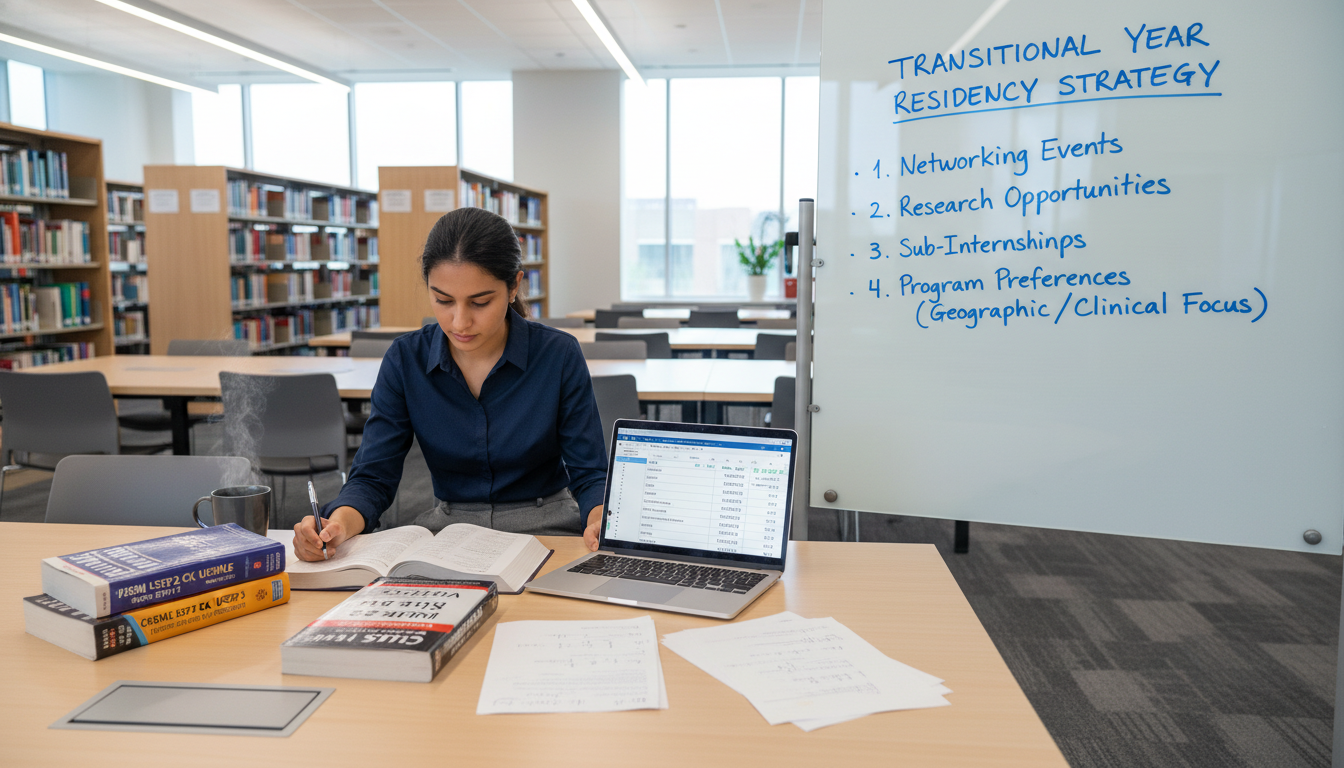
2. Leverage Networking and Informal Contacts
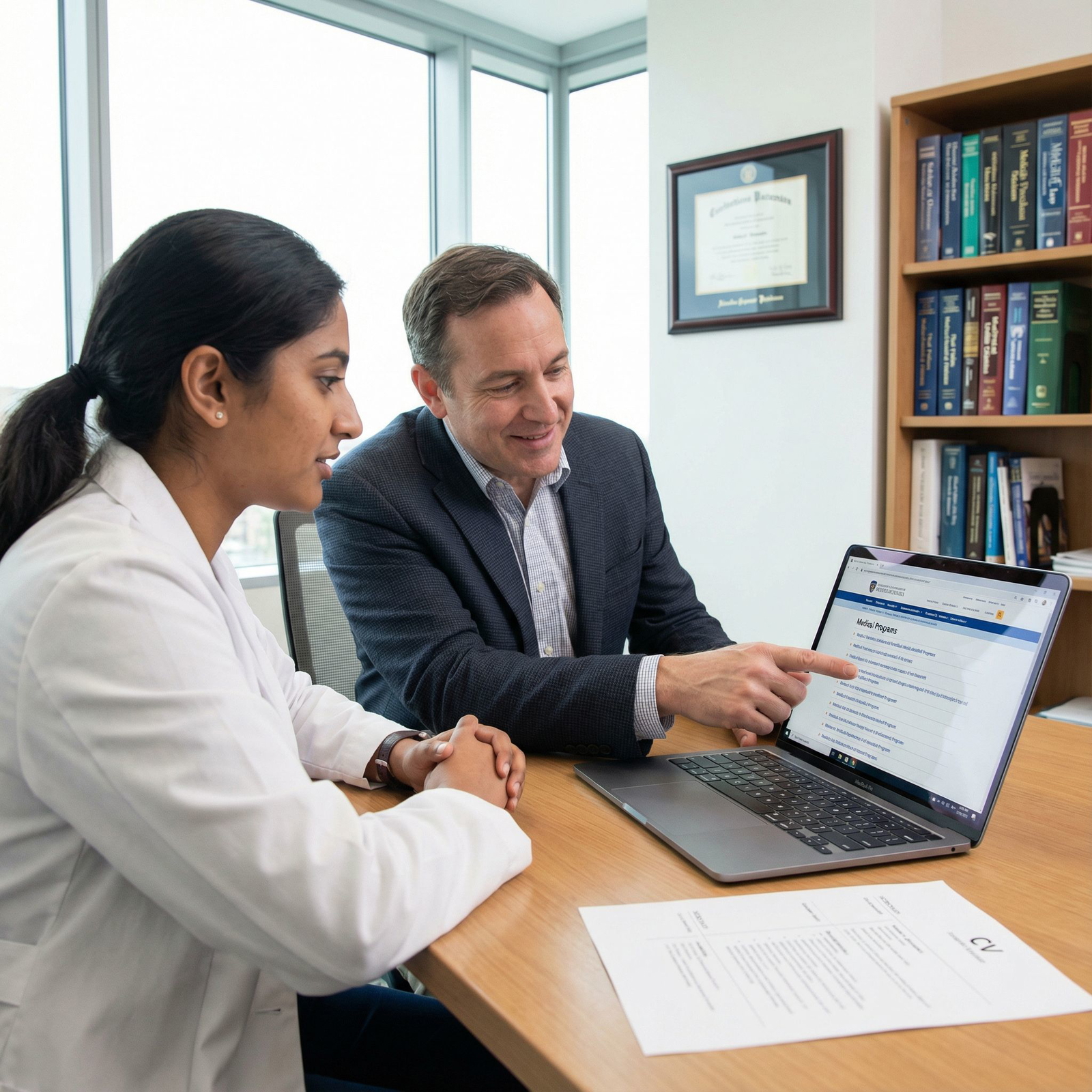
With low Step scores, your biggest advantage can be someone willing to say, “I know this applicant, and they’ll do well here.”
Ways to build those relationships:
- Attend open houses and virtual info sessions
- Many SoCal programs host Zoom Q&As; ask thoughtful questions that highlight your interest in their patient population and training environment.
- Reach out to alumni from your medical school in SoCal
- Ask for advice, not favors; build rapport before requesting anything
- A well-placed alumni email to a program director saying “This candidate is strong despite their score” can tip the scales
- Join local and national specialty societies (e.g., ACP, AAFP, APA)
- Attend local chapter meetings or webinars for California or SoCal
3. Demonstrate Clear, Long-Term Commitment to Southern California
Programs in Los Angeles, Orange County, San Diego, and surrounding regions often receive a flood of “location-shopping” applications. Distinguish yourself by showing why you specifically want Southern California, not just “nice weather.”
Highlight:
- Family ties or long-standing connections to the region
- Prior education or work in California
- Familiarity with local health disparities (e.g., border health in San Diego, immigrant health in LA, farmworker communities inland)
- Language skills relevant to the area (Spanish is particularly valuable, as are Asian and Middle Eastern languages in certain communities)
In your personal statement and program-specific paragraphs, you might write:
“Growing up in Southern California and volunteering for five years at a free clinic in East LA, I developed a deep appreciation for the challenges faced by uninsured and undocumented patients. Returning for residency is important to me because I want to build a career serving the same communities that shaped my early experiences in healthcare.”
This kind of detail shows a program you’re not just using SoCal as a backup; you’re invested.
Application Execution: From Program List to Interview Performance
Once you’ve defined your strategy, execution matters. With low scores, every part of your application must be purposeful.
Step 1: Build a Broad, Tiered Program List
As a US citizen IMG with below average board scores aiming for Southern California:
- Apply to a large number of programs—often 80–120 for IM/FM (or more if going into a more competitive specialty).
- Include:
- 20–30% reach (big academic SoCal programs, selective university affiliates)
- 40–50% realistic target (community and county programs, including SoCal and other parts of CA/nearby states)
- 20–30% safety (IMG-friendly programs known to consider low Step scores, even if outside California)
Balance your desire for SoCal medical training with your primary goal: matching.
Step 2: Tailor Your ERAS Application
Maximize strengths in these sections:
Experience descriptions
- Emphasize continuity of care, teamwork, leadership, and quality improvement
- Show how you handled complexity and followed up on patients
Personal statement
- Focus on a cohesive narrative: Why your specialty, why Southern California, and how you have grown from your challenges
- Mention low scores once, briefly; spend most of the space on strengths and fit
Supplemental ERAS (if applicable)
- Flag your genuine interest in specific SoCal programs and geographic preference
Step 3: Prepare for Tough Interview Questions
Programs will likely ask about:
- Your low Step 2 CK or failed attempts
- Why you went to medical school abroad as an American studying abroad
- Why you’re interested in this specific Southern California program
Prepare concise, honest answers:
- Own your test performance, emphasize what you learned, and point to evidence of improvement
- Frame your international education as an asset (adaptability, cultural competence, resourcefulness)
- Highlight how your experiences align with the program’s mission, patient population, and clinical strengths
Step 4: Show Reliability and Professionalism at Every Step
With low scores, you must demonstrate excellence in all controllable areas:
- Respond to emails promptly and professionally
- Show up early and prepared to any virtual or in-person event
- Send targeted, thoughtful thank-you notes after interviews
- Avoid any hint of entitlement (“I deserve SoCal because I’m from here”) and instead project gratitude and commitment
Frequently Asked Questions (FAQ)
1. I’m a US citizen IMG with a low Step 1 score—should I still try for residency in Southern California?
Yes, but do it strategically. If Step 1 is pass/fail with a first-attempt pass, your main focus should be performing as well as possible on Step 2 CK and building a strong overall profile. If your numeric Step 1 was low or you had a fail:
- Aim for a stronger Step 2 CK to demonstrate improvement
- Prioritize community and county programs in SoCal rather than only top academic centers
- Apply broadly outside Southern California as well, to maximize match chances
Your dream of SoCal medical training is not impossible, but it requires realism and a broad application strategy.
2. Which specialties in Southern California are most realistic for a US citizen IMG with below average board scores?
Generally, the most realistic options include:
- Internal Medicine (especially community and university-affiliated community programs)
- Family Medicine
- Some Pediatrics and Psychiatry programs, particularly in community or safety-net settings
Highly competitive specialties (dermatology, orthopedics, plastics, ENT, radiology) are extremely difficult with low scores, regardless of geography, and particularly so in Southern California. If you’re committed to a more competitive field, consider a multi-year plan: research, additional degrees, or prelim years—with eyes wide open about the odds.
3. How much does US clinical experience in Southern California really matter?
For you as a US citizen IMG, it matters a great deal. Programs are more comfortable with IMGs who:
- Have proven themselves in US hospital systems
- Have local letters of recommendation
- Understand the patient population and workflow patterns
If you can secure electives, sub-internships, or even long-term observerships in SoCal—especially at your target hospitals—you can offset some of the damage from low Step scores by being a known quantity.
4. Can a strong Step 2 CK overcome a low Step 1 score for SoCal programs?
A significantly stronger Step 2 CK can help a lot, especially now that Step 1 is pass/fail for many applicants. For example:
- Step 1: borderline pass or low numeric score
- Step 2 CK: solidly average or above average
In that scenario:
- Many community and some academic programs will focus more on your Step 2 CK and clinical performance
- You still must explain any Step 1 issues if asked, but programs will be reassured by your improvement
However, if both Step 1 and Step 2 CK are clearly below average, you’ll need multiple compensating strengths—excellent US letters, strong US clinical work, compelling regional ties, and a very broad application list.
By accepting the reality of your scores and channeling your energy into smart, regionally targeted strategies, you can still build a path toward residency in Southern California as a US citizen IMG. Focus on what you can control: clinical excellence, meaningful relationships, and a clear, honest narrative that shows you’re more than a number—and that you’re ready to thrive in SoCal medical training.