Understanding Your Situation: Low Scores in the Context of Radiology
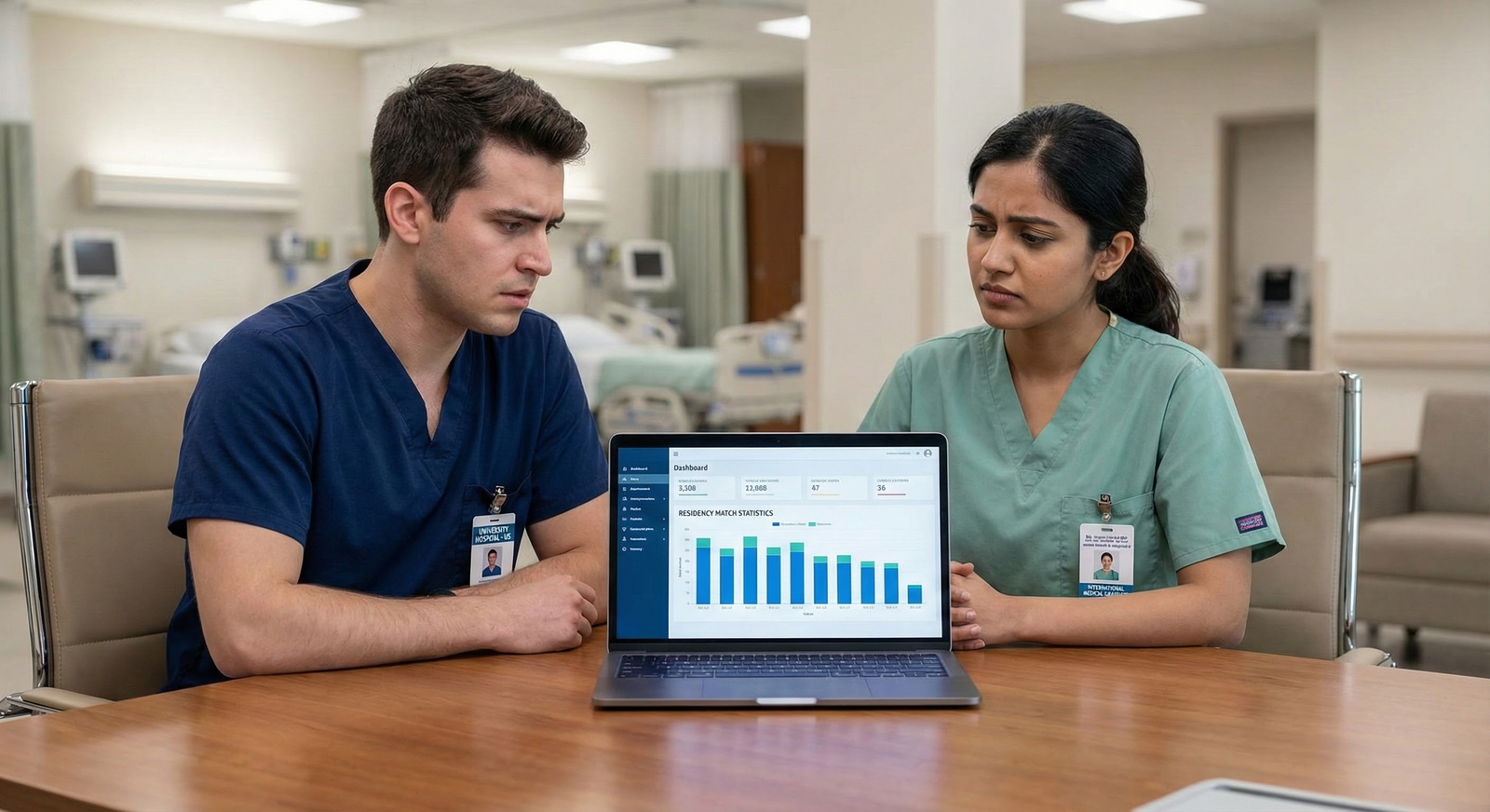
Diagnostic Radiology is a competitive specialty, and many MD graduates worry that a low Step 1 score—or overall below average board scores—automatically ends their chances. It does not. It does, however, change your strategy.
For context:
Radiology programs value:
- Strong clinical performance
- Solid Step 2 CK and/or COMLEX Level 2 (if applicable)
- Evidence of interest in imaging (electives, research, electives)
- Professionalism and reliability (letters, reputation, interviews)
- Technical and analytical thinking skills
A low Step 1 score (or pass only, from pass/fail era, with perceived “red flags”) matters less than:
- A significantly low Step 2 CK, which is often used as a screening tool
- Multiple failures or major professionalism concerns
- Lack of radiology-specific commitment
As an MD graduate from an allopathic medical school, you still have structural advantages: program familiarity with your curriculum, often better advising, and a track record of matching into radiology. Your goal is to reshape your application so programs see you as a strong, safe, motivated candidate despite below average board scores.
This article will walk you, step-by-step, through actionable strategies to improve your chances in the allopathic medical school match for radiology.
Step 1: Clarify How “Low” Your Scores Are and What It Means
Before you plan, you need an honest appraisal of your Step scores and overall profile.
1. Understand Your Numbers in Context
While numeric Step 1 scores have been phased out, many applicants still have them, and programs still know historical trends. Similarly, Step 2 CK remains numeric and highly visible.
Broadly:
- Mildly low (in radiology context):
- Step 2 CK ~ 215–230
- One border-line clerkship grade
- Moderately low / potentially concerning:
- Step 2 CK < 215
- Any failed Step attempt or multiple shelf failures
- Compounded red flags:
- Two or more exam failures
- Course repeat or professionalism notation
- Leaving a previous residency
Each of these scenarios is workable, but the intensity of the strategy differs.
2. Analyze the Rest of Your Application
Make a grid with these columns and rate yourself (Strong / Average / Weak):
- Clinical grades (especially Medicine, Surgery, Radiology elective)
- Letters of Recommendation (quality and from whom)
- Radiology exposure (electives, sub-I, shadowing)
- Research or academic productivity (especially imaging-related)
- Leadership, teaching, advocacy, or unique experiences
- Interview skills (if you’ve gone through a cycle before)
You are not just a “low score.” You are a whole application. Your plan is to:
- Mitigate your weaknesses
- Amplify your strengths
- Signal to programs that you will be a reliable, high-performing radiology resident

Step 2: Academic Recovery – Turning Low Scores into a Narrative of Growth
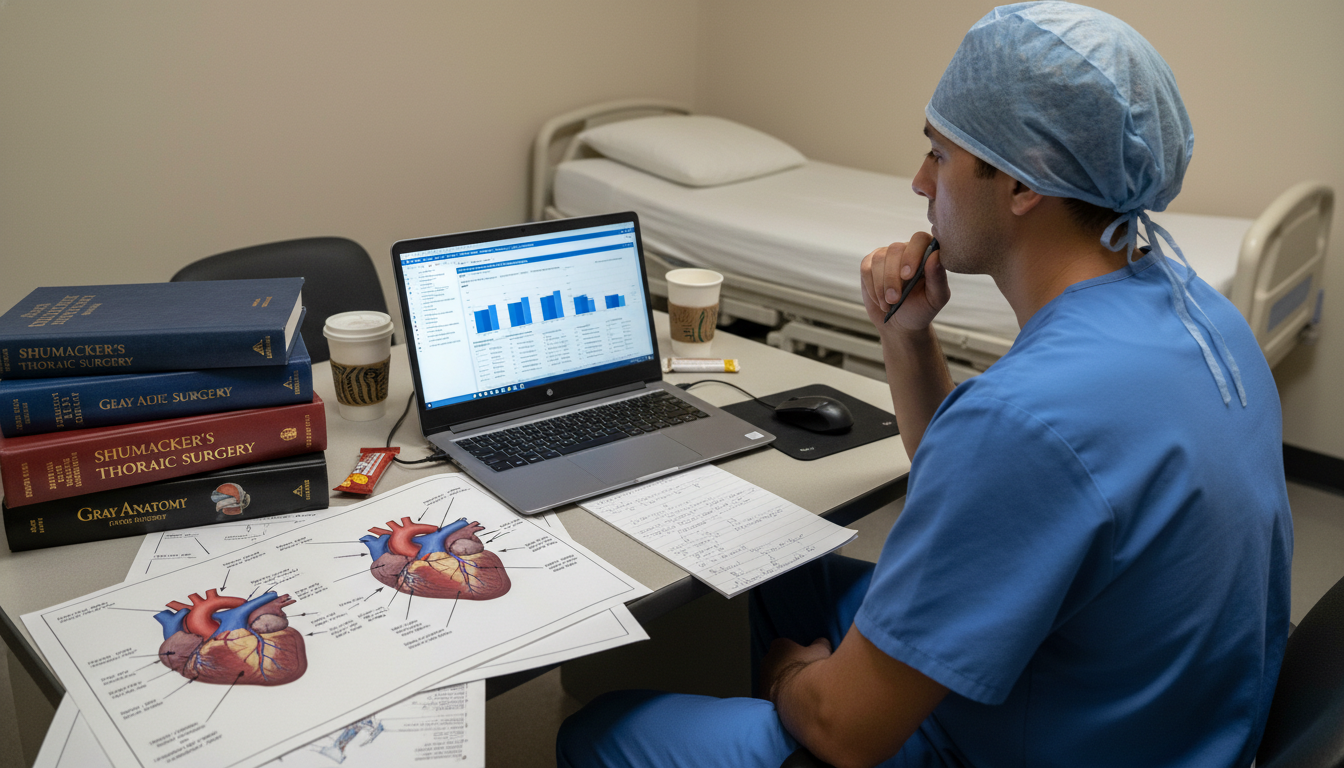
For MD graduates with low Step 1 scores or overall below average board scores, the single most powerful counterweight is a strong Step 2 CK and clear upward trend.
1. If You Haven’t Taken Step 2 CK Yet
Your entire radiology trajectory may hinge on how you perform here.
Concrete strategies:
Delay if needed (within reason).
If your NBME practice scores are far below your target (e.g., <215), and you can safely delay without affecting graduation or ERAS, consider postponing for 4–8 weeks of focused study.Target score zone:
- For a low Step 1: aim to be at least 10–15 points above your Step 1 equivalent
- For the diagnostic radiology match, a solid but not stellar Step 2 CK (e.g., 225–240) can significantly help offset a weaker Step 1.
Study plan elements:
- Use 1–2 core question banks (UWorld + one more if time)
- Schedule daily timed, mixed blocks to simulate test-taking
- Use an error log for repeated patterns (e.g., misreading, fatigue)
- Spend special time on high-yield radiology-adjacent topics (neuro, MSK, chest, abdominal)
Your talking point later:
“I recognized that my early performance on Step 1 didn’t reflect my true potential, so I reassessed my study methods and created a more disciplined schedule for Step 2 CK. My improvement reflects that growth.”
2. If Your Step 2 CK Is Already Low
In this case, you need a multi-layered academic recovery:
Ask: is there potential for a re-take or a strong other metric?
- You generally cannot retake Step 2 CK for score improvement alone.
- But you can:
- Crush any in-service exams during a transitional/prelim year
- Excel in in-training exams if you later do a research fellowship or a preliminary year
- Excel academically in clinical rotations and document that in letters
Build evidence of clinical and cognitive strength:
- Strong clinical clerkship grades, especially in:
- Internal Medicine
- Surgery
- Neurology
- Outstanding performance on a radiology sub-internship or acting internship
- Faculty comments in letters that highlight:
- Analytical reasoning
- Reliability and work ethic
- Growth and improvement over time
- Strong clinical clerkship grades, especially in:
Use narrative to reframe the scores (without excuses):
Examples you can adapt (if true):
- “I struggled early on with standardized test anxiety, which affected my Step performance. Recognizing this, I worked with learning specialists to develop better strategies, which translated into improved clinical performance, as reflected in my recent evaluations.”
- “I had a difficult personal circumstance around the time of my exam. I made sure to address it, and in subsequent rotations and assessments, I’ve demonstrated stable, strong performance.”
Programs are more willing to give a chance when they see sustained improvement and self-awareness.
Step 3: Building a Radiology-Focused Application That Rises Above Scores
For MD graduates, one advantage in the allopathic medical school match is access to radiology departments and faculty. Use this aggressively.
1. Radiology Electives and Sub-Internships
Secure at least one, ideally two diagnostic radiology rotations:
- One at your home institution (if available)
- One away rotation (audition) at a program where:
- They have a track record of holistic review
- You might realistically rank and match
During these rotations:
- Show up early, stay engaged late.
- Be proactive without being intrusive:
- Ask to read cases, present findings, and correlate with clinical data
- Volunteer to give a short case-based presentation to the team
- Be known as:
- The student who always follows up on cases
- The one who talks to referring teams and closes the loop
Strong letters from radiologists saying, “This applicant is in the top 10–20% of students I’ve worked with and I would rank them highly for our radiology residency” can significantly mitigate low Step scores.
2. Research in Diagnostic Radiology
Radiology is research-rich, but you don’t need a first-author paper in Radiology to be competitive. You do need evidence of engagement.
Actionable pathways:
Ask radiology faculty or fellows:
“I’m an MD graduate very interested in diagnostic radiology and planning to apply despite a low Step 1 score. Are there any projects—retrospective chart reviews, quality improvement, or educational projects—that I could help with in a meaningful way?”Start with approachable projects:
- Case reports or educational exhibits (RSNA, ARRS, subspecialty meetings)
- Simple retrospective chart/imaging reviews (under guidance)
- Quality improvement in imaging workflow, turnaround time, or radiation dose
Emphasize in your ERAS and interviews:
- Skills gained: data handling, critical thinking, collaboration
- Radiology-specific content: chest CT outcomes, MSK imaging, neuroimaging patterns, etc.
Even one or two modest radiology publications/posters help demonstrate serious commitment and intellectual curiosity.
3. Letters of Recommendation (LORs) – Make Them Work Overtime
For an MD graduate with below average board scores, letters are one of the most powerful match levers.
Aim for:
- At least two letters from radiologists, ideally:
- A core faculty member
- A program director or associate program director if possible
- One letter from a non-radiology clinician who can speak to:
- Work ethic
- Clinical judgment
- Teamwork and communication
How to get stronger letters:
- Meet with potential letter writers early.
- Provide:
- Your CV
- Personal statement draft
- Summary of what you did on their service
- Any notable patient cases or contributions
- Explicitly and confidently say:
- “Radiology is my top choice. I know my Step scores are not the strongest part of my application, so I’m working hard to build the rest of my profile. If you feel comfortable, I would be very grateful for a strong, supportive letter addressing my clinical strengths and potential as a radiology resident.”
The word “strong” invites them to decline gently if they can’t support you, which protects you from lukewarm letters.
Step 4: Application Strategy – Maximizing Match Chances with Low Scores
Once you’ve worked on the substance—academics, rotations, letters—you need a strategic ERAS approach for the diagnostic radiology match.
1. Apply Broadly and Realistically
For MD graduates with matching with low scores as a concern:
- Consider applying to 60–100+ diagnostic radiology programs, depending on:
- How low your scores are
- Other red flags (repeats, gaps)
- Strength of your non-test metrics
Target a mix of:
- Mid-tier university programs known for holistic review
- Strong community programs with academic affiliations
- Programs in geographically less competitive regions
- Midwest
- South
- Smaller cities vs. coastal major metros
Be cautious but not dismissive of:
- Hyper-competitive academic powerhouse programs with heavy research emphasis and high score cutoffs—they may be long shots, but a few “reach” programs are acceptable if you have ties or a specific connection.
2. Combine DR with a Thoughtful Backup Strategy
For many MD graduates with low Step 1 scores or a low Step 2, a dual-application strategy is wise:
- Primary: Diagnostic Radiology
- Backup: A field where:
- You’d be genuinely willing to train
- You can still later pivot toward imaging (e.g., Internal Medicine → Cardiology with imaging focus, or Family Medicine → primary care with POCUS emphasis)
Some applicants also apply to:
- Preliminary medicine or surgery positions separately (if the DR programs they target don’t include them)
- A Transitional Year (TY) or Preliminary Year as:
- A chance to prove themselves clinically and academically
- A stepping stone for a future DR application if they don’t match initially
This is especially crucial if you have a very low Step 2 CK or multiple exam failures.
3. Personal Statement: Addressing Low Scores Without Over-Focusing
Your personal statement for radiology residency should:
- Tell a positive, forward-looking story:
- Why radiology specifically
- How you think and work
- What experiences confirmed your fit
If you address scores, keep it:
- Brief
- Honest
- Non-defensive
- Focused on growth
Example structure:
- One or two sentences acknowledging the issue if necessary:
- “Earlier in medical school, I faced challenges translating my knowledge to standardized exams, reflected in my Step 1 performance.”
- Transition immediately to growth:
- “Recognizing this, I sought feedback, adjusted my study behaviors, and focused on building stronger clinical reasoning. This change is reflected in my improved clinical evaluations and my performance on subsequent assessments.”
- Pivot to strengths:
- “More importantly, these experiences taught me persistence, self-awareness, and discipline—attributes I now bring to my work in radiology.”
Don’t let the entire statement revolve around the scores; the goal is to acknowledge and move on, not apologize constantly.
4. Signaling Interest and Networking
Holistic review becomes more likely when programs know you as a person, not just a score:
- Attend residency open houses / virtual sessions and ask thoughtful questions about:
- Teaching structure
- Case volume and complexity
- Resident support and wellness
- If you have genuine geographic ties, clearly mention them in ERAS and interviews.
- Stay in touch professionally with:
- Residents or fellows you meet on rotations
- Faculty mentors who might advocate for you via informal emails or calls
A short, polite email from a well-respected radiologist to a PD can sometimes bring your application into consideration despite score filters.
Step 5: Interview and Post-Interview Strategy – Turning an Invitation into a Match
If you secure interviews in radiology residency, you’ve already passed a major hurdle. Many programs use Step scores mainly for early screening. Once invited, the focus often shifts to fit, professionalism, and communication.
1. Interview Preparation with a Low Score Background
Prepare concise, practiced answers to:
- “I see you had some difficulty with Step 1 / Step 2. Can you tell me about that?”
- “What did you learn from that experience?”
Key principles:
- Take ownership: avoid blaming others or circumstances entirely.
- Highlight steps you took to improve: tutors, scheduled study time, practice exams, wellness strategies.
- Emphasize stability: “Since that time, my clinical performance and subsequent metrics have been consistent and strong.”
Practice mock interviews with:
- A faculty advisor
- A resident mentor
- Your school’s career services office
Focus on:
- Clear explanations of why you want diagnostic radiology specifically
- Demonstrable understanding of the day-to-day work
- Examples of teamwork, communication, and resilience
2. Show That You Understand Radiology Beyond the Screens
Program directors want trainees who:
- Work well with referring clinicians
- Communicate clearly and respectfully
- Handle uncertainty and risk responsibly
Prepare a few clinical-radiology bridge examples:
- A case where you followed an imaging finding through to clinical outcome
- How radiology affected surgical planning or patient management
- An example of discussing imaging findings with a referring team as a student
These stories help counter any concern that you’re simply “hiding” in a reading room specialty. They also let you shine in areas unrelated to your scores.
3. Post-Interview Communication and Ranking
After interviews:
- Send brief, sincere thank-you emails to:
- PD/APD
- Any faculty you had substantial conversations with
- If a program is truly your top choice, consider a clear but honest communication (if culturally accepted) stating strong interest.
When building your rank list:
- Consider:
- How supportive and teaching-oriented the faculty seemed
- How residents described the learning environment
- Your realistic likelihood of success (academic support, test remediation if needed)
Matching into a somewhat less “prestigious” program where you can thrive often leads to a far more successful radiology career than struggling at a hyper-competitive institution that never really wanted you.
Contingency Planning: If You Don’t Match in Diagnostic Radiology the First Time
Even with a thoughtful strategy, some MD graduates with low Step scores will not match into radiology on their first try. That doesn’t necessarily end your radiology trajectory.
1. SOAP and Immediate Options
If you don’t match:
- Work closely with your Dean’s office and advisors during SOAP.
- Prioritize:
- Any open diagnostic radiology positions (rare, but possible)
- Transitional year or preliminary medicine/surgery positions
- Another specialty you would truly consider, rather than random choices driven by panic
A well-chosen prelim or TY year can:
- Demonstrate your clinical excellence
- Provide fresh, strong letters
- Set you up to reapply more competitively
2. One-Year Plans to Strengthen a Future DR Application
Some MD graduates take a dedicated research or clinical year in radiology or a related field at an academic institution:
- Radiology research fellow
- Imaging-focused clinical research in cardiology, neurology, oncology
- Teaching and QI roles within radiology departments
Goals during this year:
- Produce at least a few tangible academic outputs (posters, abstracts, papers)
- Earn one or two very strong radiology letters
- Show consistent professionalism, reliability, and growth
When you reapply:
- You can now show a rich, radiology-focused CV
- Your mentors can advocate for you to PDs directly
- Your narrative becomes: “I was committed enough to radiology to dedicate a year to working in the field and improving my application.”
FAQs: Low Step Scores and Diagnostic Radiology Residency
1. Can I realistically match into radiology residency with a low Step 1 score?
Yes, many applicants with a low Step 1 score have successfully matched into diagnostic radiology. Programs increasingly emphasize holistic review, especially as Step 1 has shifted to pass/fail. Your chances are significantly better if you:
- Achieve a stronger Step 2 CK score
- Demonstrate radiology commitment (electives, research)
- Secure strong letters from radiologists
- Apply broadly and strategically, including less competitive regions and community programs
Your status as an MD graduate from an allopathic medical school is an advantage, as programs are familiar with your training background.
2. What Step 2 CK score should I aim for if my Step 1 is low?
While there are no absolute cutoffs, for an MD graduate with low Step 1:
- A Step 2 CK in the mid-220s or higher is often considered a solid compensating score for many diagnostic radiology programs.
- Even a modest improvement (10–15 points above your Step 1 equivalent) helps demonstrate growth.
- If Step 2 CK is also low, then your strategy must rely more heavily on clinical performance, strong letters, and radiology engagement.
3. How many radiology programs should I apply to if I’m matching with low scores?
Most applicants with below average board scores should plan to:
- Apply to 60–100+ diagnostic radiology programs, depending on:
- How low the scores are
- Whether there are additional red flags (failures, repeats)
- The overall strength of their non-test credentials
A broad, realistic list that includes a mix of academic and community programs and less competitive geographic areas can significantly improve your chances in the allopathic medical school match.
4. Is it better to apply only to radiology or also have a backup specialty?
For many MD graduates with low Step 1 scores or a low Step 2 CK, especially if there are multiple academic concerns, a backup plan is wise. Options include:
- Applying to both diagnostic radiology and a backup specialty you could truly see yourself practicing
- Securing a preliminary or transitional year if available and then re-evaluating your options
- Considering a structured research or clinical year in radiology to strengthen your application if you don’t match
The correct approach depends on your risk tolerance, financial and personal situation, and how essential radiology is to your long-term career plans. Discuss these options openly with trusted mentors and advisors.
Low Step scores do not define your career. With a deliberate strategy—strong Step 2 (if possible), targeted radiology experiences, excellent letters, broad applications, and honest self-reflection—you can still build a compelling candidacy for diagnostic radiology residency as an MD graduate.