Understanding the Impact of a Low Step Score as an MD Graduate in Miami
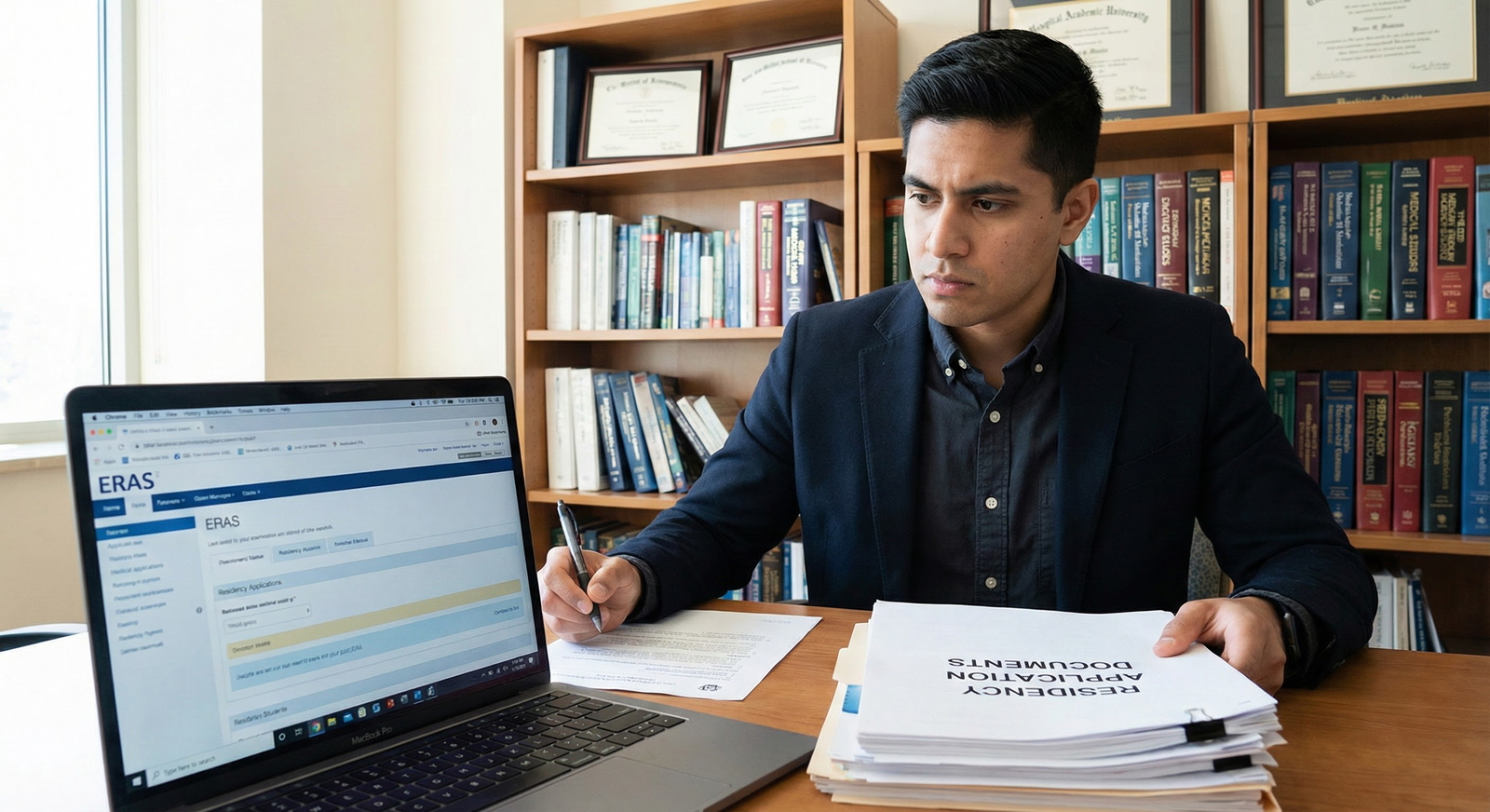
For an MD graduate in Miami, a low Step 1 or Step 2 CK score can feel like a permanent barrier to the allopathic medical school match. It isn’t. It changes your strategy, not your overall chances of building a solid career—especially in a region as diverse and opportunity-rich as South Florida.
Key idea: Programs don’t reject a person; they reject a risk. Your job is to convert yourself from a “score risk” to a “proven, reliable contributor” in the eyes of Miami residency programs and other South Florida residency options.
This article focuses on practical, step-by-step strategies to:
- Offset low or below average board scores
- Leverage local Miami connections and clinical experiences
- Tailor your application to South Florida residency programs
- Improve your odds of matching with low scores as an MD graduate
We’ll assume you either:
- Already graduated from an allopathic medical school (U.S. or international MD), or
- Are in your final year and concerned about a low Step 1 score or below average board scores.
How Residency Programs View Low Step Scores in Miami and Beyond
Before you can fix your application, you need to understand how program directors think—especially in competitive areas like Miami.
What does “low Step score” really mean?
While “low” is relative, programs often react most strongly when:
- Step 1 or Step 2 CK is < 220 (for many mid-tier programs)
- Any USMLE failure (failed attempt)
- Scores markedly below the national mean for your graduation year
However, there are nuances:
Step 1 Pass/Fail Era
- If you have a numeric Step 1 and it’s low, it can still be seen (if pre-2022 exam).
- If Step 1 is “Pass” only, your Step 2 CK carries more weight. A low Step 2 CK is now the primary concern.
Single failure vs. multiple issues
- A single failure with a clear recovery (e.g., Step 1 fail → strong Step 2 CK) is less damaging.
- Multiple failing attempts or repeated exams raise bigger red flags.
Context matters
- Miami and South Florida residency programs see many diverse applicants, including IMGs, Caribbean MDs, and non-traditional paths. Some are more familiar with non-linear journeys and may be more open to holistic review, especially in primary care specialties.
How Miami residency programs tend to evaluate applications
Miami-area and South Florida residency programs (internal medicine, family medicine, pediatrics, psychiatry, transitional year, prelim surg/medicine, etc.) often:
- Receive large applicant volumes, especially from local and Caribbean MD schools
- Use Step 2 CK cutoffs or screening thresholds, particularly in more competitive specialties
- Place substantial weight on:
- US clinical experience (USCE), especially in their own system
- Letters of recommendation from known faculty
- Evidence of professionalism, communication, and reliability
Your strategic takeaway:
- You must get past filters (scores, failures, graduation year).
- Once you’re past the screen, you must outperform on everything you can control: clinical performance, letters, personal statement, and interview.
Strategic Self-Assessment: Where Do You Stand?
Before building a rescue plan for your allopathic medical school match, perform a candid, data-driven self-assessment.
Step 1: Map your academic risk profile
List your testing history:
- Step 1: Pass/Fail, numeric score, number of attempts
- Step 2 CK: Score, attempts
- Any COMLEX (if applicable)
- Shelf exams or class failures, LOAs, or professionalism issues (if they appear on your MSPE or transcript)
Then categorize your risk:
- Mild risk: Passing Step scores but below average board scores (e.g., Step 2 CK in low 220s), no failures
- Moderate risk: One low score and/or one failure plus later improvement
- High risk: Multiple Step failures, very low scores, or a long gap since graduation
Step 2: Inventory your strengths
Offset your low Step score with a portfolio of strengths. Consider:
- Miami or South Florida clinical experience
- Strong letters from U.S. academic faculty
- Research (especially with local institutions)
- Spanish fluency or other language skills valuable in Miami’s population
- Volunteer work in South Florida communities
- Leadership, teaching, quality improvement (QI), or advocacy projects
You need these strengths to overwhelm concerns about your scores.
Step 3: Clarify your realistic specialty targets
For MD graduate residency applicants with low scores, specialty choice is critical.
Generally more forgiving (especially in Miami/South Florida):
- Family Medicine
- Internal Medicine (community, some academic)
- Pediatrics (community-focused)
- Psychiatry (varies but can be open for strong fit candidates)
- Transitional Year in some community hospitals
Typically less forgiving of low scores:
- Dermatology, Orthopedics, ENT, Ophthalmology, Plastic Surgery
- Radiology, Anesthesiology (depending on market)
- Certain competitive university Internal Medicine programs with strong fellowship pipelines
If your dream is a very competitive specialty, you may need:
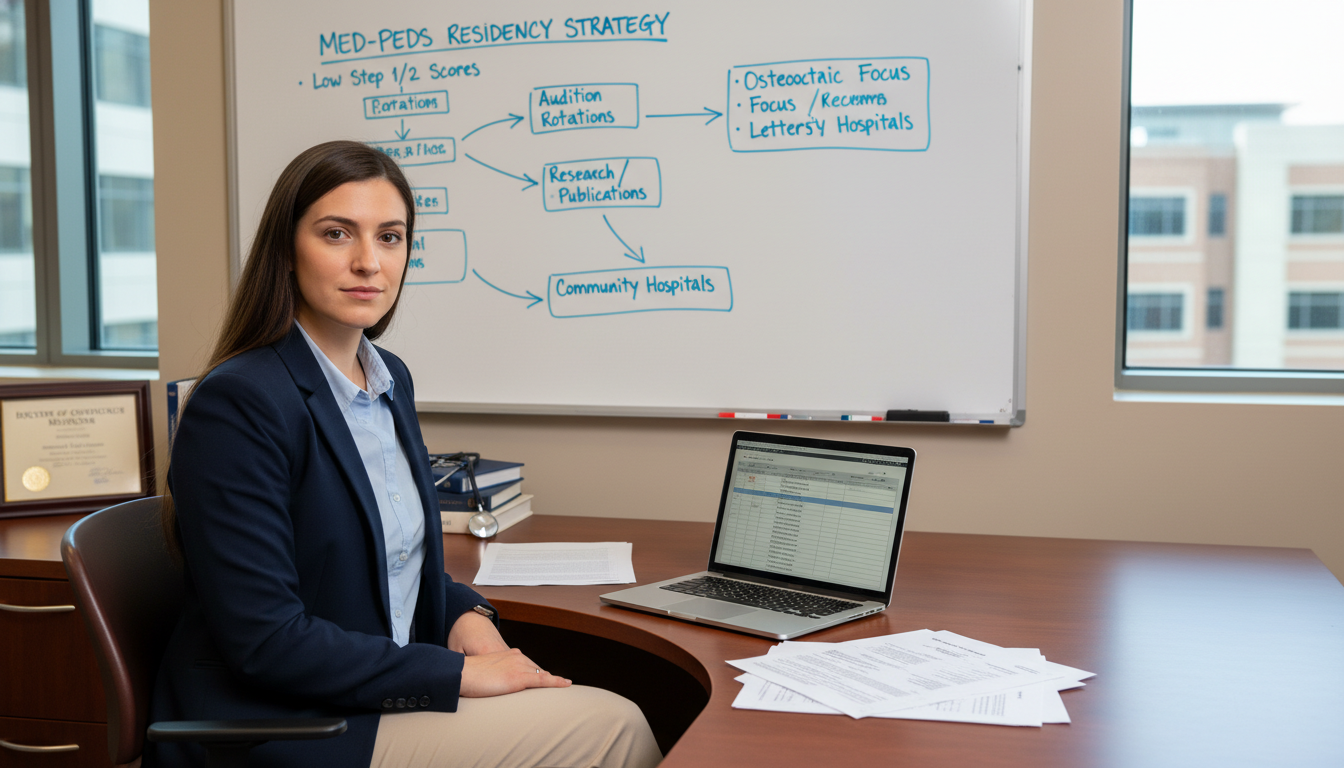
- A Plan A (e.g., IM/FM in Miami or South Florida residency programs)
- A Plan B (e.g., categorical internal medicine in another state)
High-Yield Application Tactics for Matching with Low Scores
This is where you convert strategy into action. Each subsection targets a specific weakness common in MD graduate residency candidates with low or below average board scores.
1. Maximize clinical exposure in Miami and South Florida
For applicants targeting Miami residency programs or South Florida residency positions, local clinical experience is invaluable.
Actions:
- Seek observerships, externships, or sub-internships in:
- University-affiliated hospitals in Miami
- Community hospitals that host internal medicine or family medicine residencies
- Prioritize inpatient rotations and those that:
- Allow close interaction with attendings
- Provide chances to present cases
- Offer exposure to residents and program leadership
Why this matters:
- Programs trust what they’ve seen with their own eyes more than they trust a test score.
- A strong performance in USCE can lead directly to:
- Strong letters
- Insider advocacy (“We should interview this person—they were excellent on our service.”)
Example:
An MD graduate with a low Step 1 score completed a 4-week inpatient IM rotation at a Miami safety-net hospital. By consistently arriving early, presenting confidently, and taking ownership of patients, they earned a letter from the clerkship director who later emailed the PD to support their application. That PD later said the letter and personal endorsement “completely neutralized” the applicant’s score concerns.
2. Engineer stellar letters of recommendation (LORs)
For applicants with low Step scores, average letters are dangerous. You need superlative and specific letters.
Strategies:
- Target letter writers who:
- Are academic or teaching faculty in your target specialty
- Have a history with the residency program or are respected locally
- Explicitly request that they:
- Comment on your clinical reasoning, work ethic, and reliability
- Address your ability to practice safely and effectively despite earlier exam performance
- Provide them with:
- Your CV
- A short personal statement draft or bullet-point story about your path
- A summary of cases you managed with them
Sample language to request a letter when you have low scores:
“I did struggle with standardized exams in medical school and my Step scores are not as strong as I would like. However, I believe my clinical performance with your team better reflects the kind of physician I am becoming. If you feel comfortable, I would be very grateful if your letter could specifically address my clinical judgment, teamwork, and reliability in patient care, as those are areas I hope will reassure programs beyond the numbers.”
Strong LORs are one of the most powerful tools for matching with low scores.
3. Optimize your personal statement to reframe your narrative
Your personal statement should not be an essay about failure—it should be about resilience and growth.
Key principles:
- Do not open with “I failed Step 1.”
- Instead:
- Acknowledge challenges briefly and professionally.
- Emphasize what you changed: study methods, time management, wellness, seeking mentorship.
- Highlight evidence of improvement (clinical grades, Step 2 CK, research, patient feedback).
Example framing:
- One concise paragraph:
- “During my second year, I struggled with standardized testing and initially underperformed on Step 1. That experience forced me to confront weaknesses in my approach to learning, time management, and stress. I sought guidance, adopted active learning strategies, and applied these changes on the wards. The result was consistent honors in my core clinical rotations and a significantly stronger performance on Step 2 CK. More importantly, I learned to be intentional, reflective, and coachable—qualities I now bring to every patient encounter.”
This acknowledges a low Step 1 score or prior difficulty without making it the center of your story.
4. Use ERAS strategically: Filters, signals, and program selection
To improve your odds in the allopathic medical school match with low scores, your ERAS strategy must be laser-focused.
Program selection:
- Aim for a large, diversified list:
- 60–100 programs for IM/FM if you have substantial risk factors
- Include a mix of:
- Miami and South Florida residency programs
- Other Florida programs
- Multiple states and regions that are IMG/low-score friendly
Identify programs that may be more flexible:
- Community-based rather than heavily research-focused
- Historically accept IMGs or MDs from Caribbean or international schools
- Mission-driven (serving underserved or immigrant populations—common in Miami)
Signals (if applicable in the cycle):
- If specialty uses signaling (e.g., internal medicine or others depending on year), prioritize:
- Programs where you’ve rotated
- Miami programs with strong fit (language, patient population, research interest)
Avoid obvious mismatches:
- Ultra-competitive, research-heavy academic programs with strict published cutoffs are poor use of applications if your scores are significantly below.
5. Mitigate risk factors explicitly in your application
If you have a Step failure or very low Step score, consider:
- An explicit, concise explanation in your MSPE addendum or personal statement if your school allows
- A note emphasizing no concerns about clinical performance, supported by:
- Strong rotation comments
- LORs calling out your clinical competence
Always keep explanations:
- Brief
- Professional
- Focused on what you learned, not excuses
Leveraging Miami-Specific Advantages for a Stronger Application
As an MD graduate in Miami, you have unique geographic and demographic advantages.
1. Use the local healthcare ecosystem
Miami’s medical community includes:
- Large academic centers
- Safety-net hospitals
- Community hospitals with Miami residency programs
- Clinics serving immigrant and Spanish-speaking populations
Actions:
- Engage in free clinics, community health fairs, or local public health initiatives
- Volunteer with organizations that serve South Florida’s underserved communities
- Ask for leadership roles in student- or resident-run clinics (if you’re still affiliated)
These activities show commitment to the community, which is highly valued by local program directors.
2. Highlight language and cultural competency
Miami’s patient population is heavily Spanish-speaking, with significant Caribbean and Latin American communities.
If you speak Spanish or another locally relevant language:
- List it prominently in ERAS with accurate proficiency level
- Show how you’ve used it in clinical care:
- “Conducted full H&Ps in Spanish in internal medicine clinic”
- “Led patient education sessions for Spanish-speaking diabetic patients”
This can meaningfully offset low or below average board scores because it maps directly to a program’s mission and daily needs.
3. Build genuine relationships with faculty and residents
Networking is often underrated, especially by academically focused applicants.
In Miami:
- Attend Grand Rounds, case conferences, and residency open houses
- Introduce yourself briefly, respectfully, and follow up by email
- If you do a rotation in a South Florida residency-affiliated hospital:
- Express interest in their programs
- Ask for feedback on your performance during and after the rotation
You’re aiming for advocates, not just acquaintances. A single attending or chief resident who emails the program director saying, “We need to seriously consider this candidate,” can dramatically change your trajectory.

Building a 12–18 Month Recovery Plan if You Have Very Low Scores
If your low Step score or exam history is severe (multiple failures, very low Step 2 CK, or older graduation year), you may need a multi-cycle strategy for the allopathic medical school match.
Step 1: Stabilize your testing profile
If you still have exams ahead (e.g., Step 2 CK, or a retake):
- Treat this as a full-time project if at all possible
- Work with:
- A USMLE tutor (especially one experienced with test-anxious or repeat-taker students)
- Your school’s learning specialist or academic support office
- Use data-driven methods:
- NBMEs and UWorld self-assessments to track progress
- Error logs, concept mapping, and spaced repetition (Anki or similar)
A significant improvement on Step 2 CK or a clean, passing retake is crucial to demonstrating upward trajectory.
Step 2: Gain continuous clinical engagement
Large gaps without clinical activity are nearly as damaging as low scores.
For 6–12+ months, pursue:
- Paid positions:
- Research assistant in a Miami program
- Clinical research coordinator in a hospital or private practice
- Medical assistant or scribe (if you need income and clinical proximity)
- Unpaid but high-value roles:
- Longitudinal observership/externship
- Ongoing community clinic work
Document your responsibilities clearly in ERAS under Work, Volunteer, and Research Experiences.
Step 3: Build a focused, outcome-driven project
One well-executed project can become the centerpiece of your recovery story.
Options:
- Quality Improvement (QI) project in a Miami clinic or hospital:
- Reducing readmission for heart failure
- Improving diabetic foot exam screening rates in a South Florida population
- Community outreach:
- Designing a bilingual educational program for hypertension or vaccination
- Clinical research:
- Case series, retrospective chart review, or collaboration with a faculty mentor
End goal:
- A poster presentation, abstract, or local hospital QI presentation you can list on your ERAS application.
Step 4: Craft a compelling “comeback” narrative
With improved Step scores, fresh clinical work, and a tangible project, your entire story becomes:
- Initial struggle → intentional change → evidence of success → benefit to patients and systems
This kind of trajectory is compelling to many PDs, especially in community-oriented Miami residency programs.
Interview Strategy: Turning Red Flags into Relative Non-Issues
Once you secure interviews—especially in South Florida residency programs—you must handle questions about your scores confidently and concisely.
How to discuss low Step scores during interviews
Be honest, brief, and non-defensive.
Example answer:
“I struggled with standardized tests early on and underperformed on Step 1. In response, I reevaluated my study strategies, began using active recall and spaced repetition, and sought mentorship. You can see that reflected in my stronger Step 2 CK and my clinical evaluations, which I believe better represent how I function as a physician.”
Shift focus to your strengths:
- Strong clinical comments
- Letters of recommendation
- Local Miami patient population experience
- QI or research projects
Rehearse but avoid sounding robotic:
- Practice your answer with a mentor or through mock interviews.
- Aim for a calm, confident tone that conveys growth.
Demonstrate fit with Miami and South Florida residency programs
Program directors often ask, “Why Miami?” or “Why our program?”
Strong responses touch on:
- Commitment to diverse and underserved populations
- Appreciation of Miami’s multicultural environment
- Ability to communicate with local patient populations (language, cultural familiarity)
- Long-term interest in staying in South Florida
Showing authentic, long-term interest can offset worries about your board performance because it signals loyalty and retention—major pluses for programs.
FAQs: Low Step Score Strategies for MD Graduates in Miami
1. Can I still match into a Miami residency program with a low Step 1 or Step 2 CK score?
Yes, many applicants with low or below average board scores do match into Miami and South Florida residency programs each year, especially in internal medicine, family medicine, pediatrics, and psychiatry. Success depends on realistic specialty choice, strong clinical performance (ideally local), excellent letters of recommendation, and a wide, well-researched application list. A low score changes your strategy and target programs—not your overall ability to match.
2. Should I address my low Step scores directly in my personal statement?
You should usually acknowledge significant issues (failures or very low scores) briefly and professionally, focusing on what you learned and how you improved. Avoid lengthy justifications or blaming external factors. If your low scores are moderate (e.g., slightly below average without failures) and you have a strong Step 2 CK and good performance, you may not need to dwell on them; your improved metrics and letters can speak for you.
3. Are South Florida residency programs more open to applicants with low scores than other regions?
Some South Florida and Miami residency programs can be more flexible due to high patient volume, diverse populations, and a history of working with IMGs and non-traditional applicants. However, they still receive many applicants, and some academic programs remain quite selective. Flexibility varies by specialty and individual program. Your best approach is to research each program’s historical match patterns, talk to recent applicants, and build local experience to strengthen your connection to the region.
4. What if I already graduated and have been out of clinical work for a year or more?
A gap without clinical engagement is a major concern, especially alongside low scores. Your priority should be to re-enter clinical environments—through observerships, externships, paid clinical roles, or research positions—in Miami or elsewhere. You’ll need to show continuous, recent clinical involvement, obtain fresh letters of recommendation, and possibly extend your match timeline by 12–18 months while you rebuild your profile. A well-planned, consistent comeback story can still lead to a successful match, particularly in community-oriented specialties.
By combining honest self-assessment, Miami-specific opportunities, and deliberate, evidence-based improvement, MD graduates with low Step scores can still succeed in the allopathic medical school match and build fulfilling careers in South Florida residency programs. The key is to stop seeing your scores as a verdict and start using them as the starting point for a stronger, more intentional strategy.