Understanding Your Position as a Non-US Citizen IMG with Low Scores
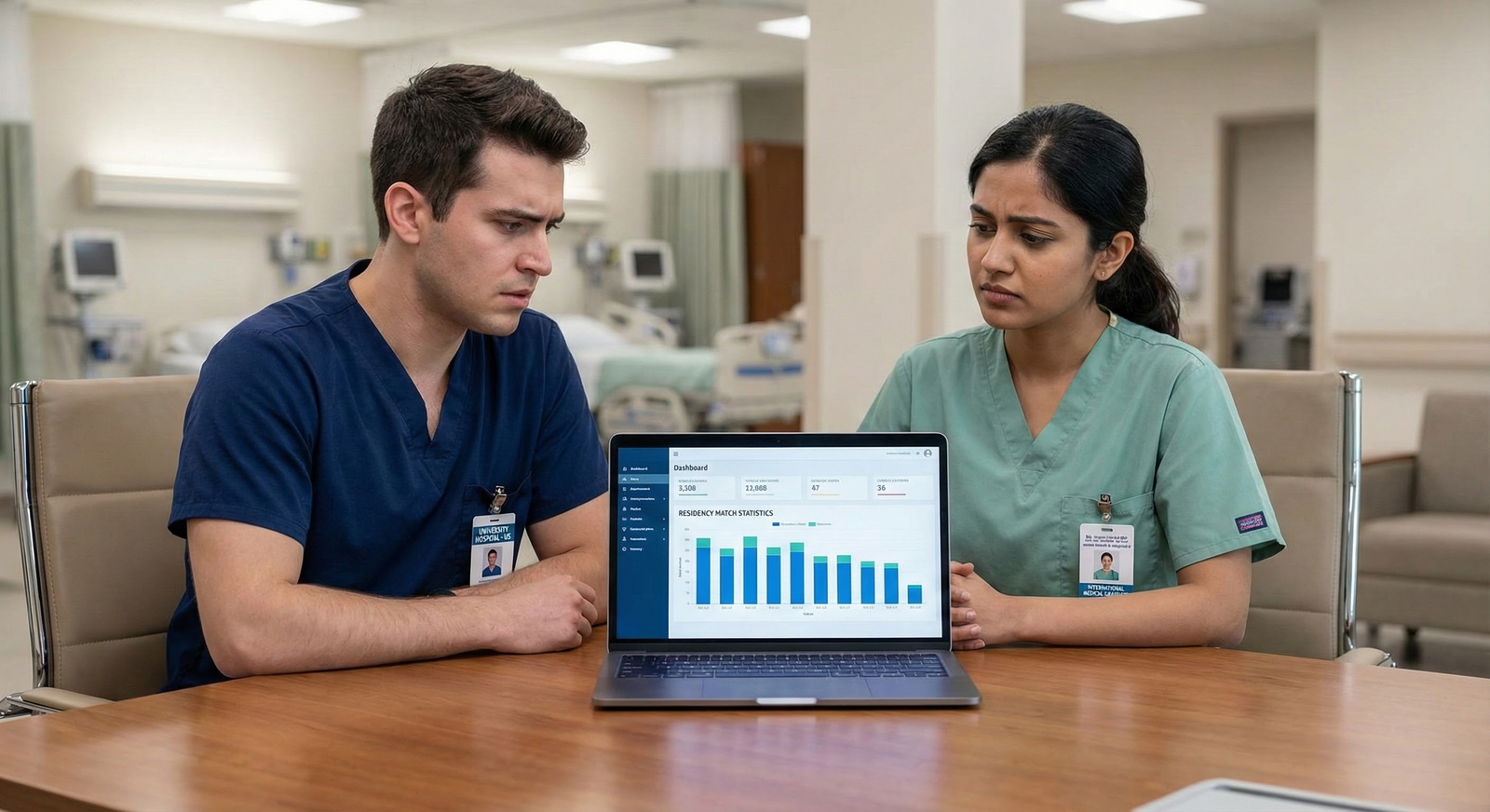
If you are a non-US citizen IMG or foreign national medical graduate with a low Step 1 score or below average board scores, you are not alone—and you are not automatically out of the match. County hospital residency and safety net hospital residency programs can be realistic and rewarding targets if you approach your strategy thoughtfully.
First, it helps to understand how program directors think:
- Scores are screening tools, not complete judgments. Many programs set score cutoffs simply to manage volume, not because they believe scores perfectly predict resident performance.
- Non-US citizen IMGs face extra filters. Visa issues, perceived communication gaps, and unfamiliar schools all add friction. Programs that are IMG-friendly and willing to sponsor visas become your priority.
- County and safety net hospitals have specific needs. These programs often serve underserved, complex patient populations. They tend to value:
- Grit and work ethic
- Commitment to underserved medicine
- Clinical readiness and reliability
- Language skills and cultural competence
Your job is to show that, despite a low Step 1 score or overall below average board scores, you will be a safe, hard-working, and mission-aligned resident who makes their team stronger.
Step Scores in Context: Why “Low” Is Not the Whole Story
“Low” is relative. Some examples of what a program might consider weak:
- USMLE Step 1:
- Pre-pass/fail era: < 215–220 often considered below average for competitive programs
- Fail on first attempt (even if later passed)
- USMLE Step 2 CK:
- < 225–230 for many university programs
- < 215–220 may trigger auto-filters at some community and county hospitals
- Attempts:
- Multiple attempts on any Step can be a red flag—but not a universal disqualifier, especially at certain county hospital residency programs.
Your score is one data point. For non-US citizen IMGs, the pattern matters: did your performance improve over time? Did you learn from setbacks?
Action step:
Write down, honestly, in 2–3 sentences:
- Why you believe your scores ended up where they are, and
- What concrete changes you made after that.
You will reuse this insight in your Personal Statement, interviews, and even email communication.
Targeting County & Safety Net Programs Strategically
County hospital residency and safety net hospital residency programs can be more open to IMGs and to applicants matching with low scores—but only if you choose wisely and apply broadly and strategically.
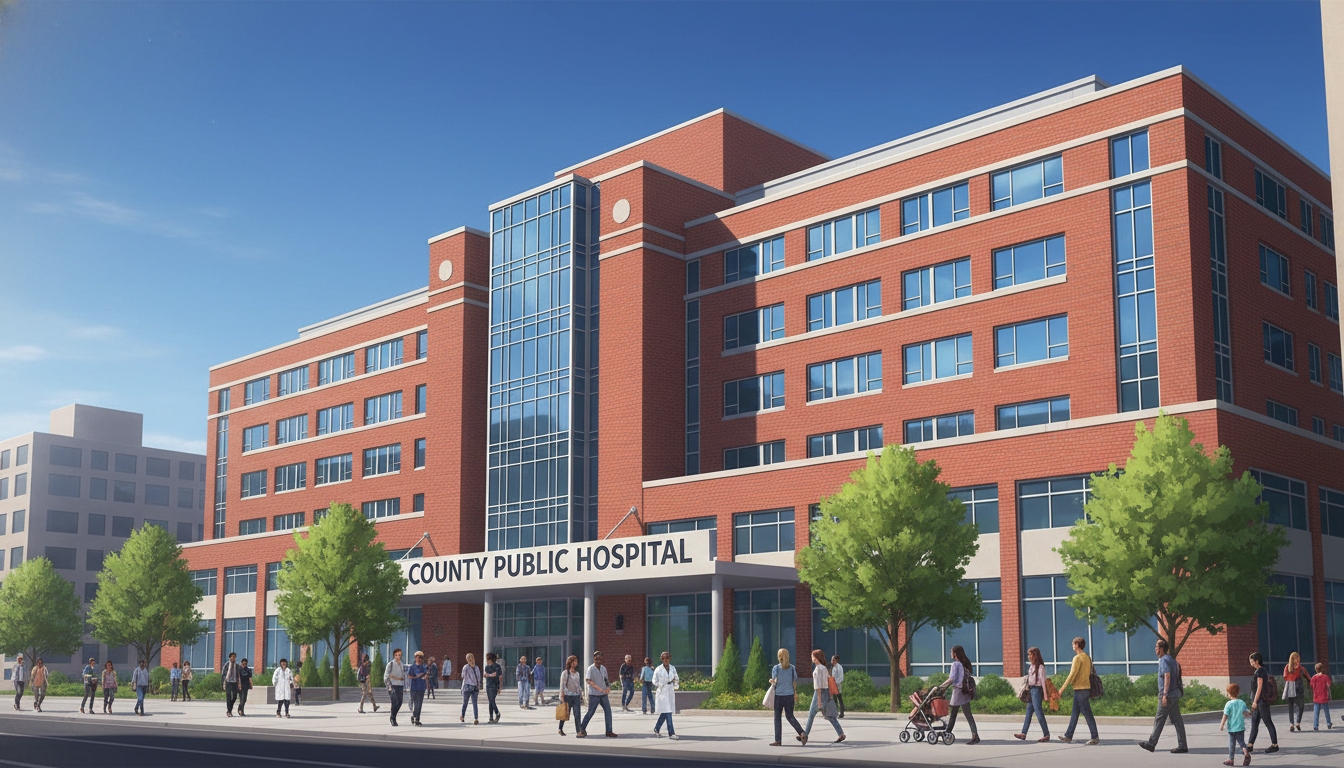
Step 1: Build a Realistic Program List
For a non-US citizen IMG with a low Step 1 score, you cannot afford a fantasy-heavy list. You need a tiered, data-driven strategy.
1. Prioritize programs with:
- A history of non-US citizen IMG matches
- Check program websites’ “Current Residents” pages
- Look for graduates from your region (e.g., South Asia, Latin America, Middle East, etc.)
- Explicit visa sponsorship (J-1 at minimum; H-1B is a plus but more selective)
- A strong service mission (county/safety net hospitals, FQHC-affiliated programs, large Medicaid and uninsured population)
2. Use tools and filters:
- FREIDA (AMA) – Filter for:
- “Accepts IMGs” or high percent of IMG residents
- “Visa sponsorship” options
- Community/County, Safety Net, or “Public” hospitals
- Program websites:
- Look for terms like “safety-net hospital,” “underserved,” “county health system,” “indigent care,” “community oriented.”
3. Apply widely—but not blindly:
Approximate ranges for a non-US citizen IMG with below average board scores:
- Internal Medicine / Family Medicine / Pediatrics (less competitive specialties):
- 80–120 programs if Step 2 CK ≥ 220
- 120–160+ programs if Step 2 CK < 220 or multiple attempts
- Psychiatry, Neurology, Pathology, etc.:
- Still broad (60–100+) if low scores; adjust based on your research and other strengths.
Focus a high proportion (at least 50–70%) of applications on county hospital residency and safety net hospital residency settings, where service and resilience may count more than pure numbers.
Step 2: Identify IMG-Friendly County Programs
Signs a county or safety net program is IMG-friendly for foreign national medical graduates:
- Current residents include:
- Multiple IMGs, especially non-US citizen IMG (not only US citizens who studied abroad)
- Residents from your world region or medical school network
- Clear statement: “We accept and sponsor J-1 visas” on the website
- Program social media shows:
- Diversity in resident backgrounds
- Engagement in community outreach clinics, free clinics, homeless outreach
Actionable approach:
- Make a spreadsheet with these columns:
- Program name and location
- County / safety net / community description
- Visa type(s) supported
- Number and origin of IMGs in current classes
- Minimum USMLE score listed (if any)
- Notes on mission and underserved focus
- Rank programs:
- Tier 1: No explicit minimum scores, clear IMG presence, J-1 sponsorship, county/safety net
- Tier 2: Moderate score expectations but IMG-friendly and mission-aligned
- Tier 3: More competitive or unclear but still potentially open
Invest most of your efforts (emails, away rotations, networking) in Tier 1 and Tier 2.
Compensating for Low Scores: Building a Strong Application Portfolio
Scores may open or close doors initially, but your overall file can make a big difference, especially at county and safety net programs that value work ethic and community commitment.
1. Maximize Clinical Experience in the US (Especially County/Safety-Net)
For a foreign national medical graduate, US clinical experience (USCE) is often more important than slightly higher scores.
Prioritize:
- Hands-on USCE: sub-internships, acting internships, or externships where you:
- Write notes
- See patients directly
- Present on rounds
- Receive formal evaluations
- Rotations at:
- County hospitals
- Veterans Affairs (VA) hospitals
- Safety net community hospitals and public health systems
These environments mirror the patient populations of your target residencies and prove that you can function in that setting.
Example:
If you complete an Internal Medicine sub-internship at a county hospital where you:
- Manage 6–8 patients daily with supervision
- Participate in night float
- Present cases concisely during morning report
- Receive positive feedback and a strong LOR from the attending
That single month can outweigh the negative impression of your low Step 1 score for many county program directors.
2. Targeted Letters of Recommendation (LORs)
With below average board scores, your letters must argue strongly that you are safe, reliable, and hardworking.
Aim for:
- 3–4 US letters, ideally:
- 2 from core specialty attendings in the US (e.g., Internal Medicine for IM programs)
- 1 from a county or safety net setting
- 1 from a research mentor (optional but helpful)
Strong LORs for a non-US citizen IMG should highlight:
- Clinical reasoning and judgment (“I trusted them with complex patients.”)
- Communication with nurses, patients, and interdisciplinary teams
- Work ethic and resilience (“First to arrive, last to leave.”)
- Fit with underserved/county medicine (“Passionate about working with limited resources and vulnerable populations.”)
Tip: Provide your letter writers:
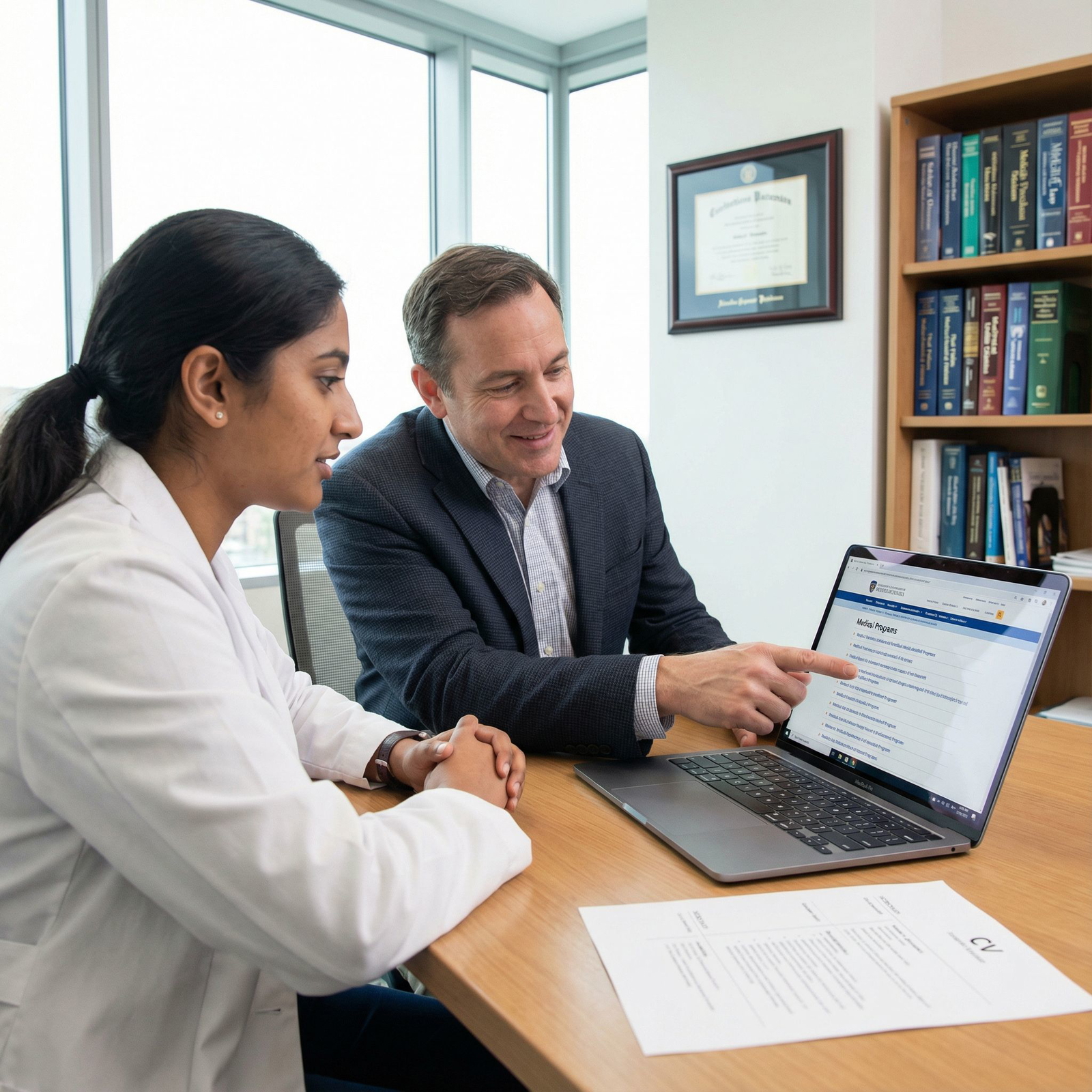
- Your CV
- A brief personal summary (including an honest mention that scores are not your strength but you’ve grown significantly since then)
- Specific experiences you hope they will mention (cases, projects, on-call performance)
3. Research and Quality Improvement (QI) with a County Focus
You do not need extensive publications, but focused experiences can help overcome concerns about your low Step 1 score:
- Case reports or case series from county hospital patients (complex, resource-limited scenarios)
- Small QI projects:
- Reducing no-show rates in a safety net clinic
- Improving diabetes control in uninsured patients
- Standardizing care transitions for homeless patients
These signal:
- Analytical thinking
- Follow-through
- Commitment to underserved populations
Even a single accepted abstract or poster at a regional meeting can be a strong plus.
Explaining Low Step Scores Without Making Excuses
One of the hardest tasks for a non-US citizen IMG with below average board scores is how to explain them. You must strike a balance: honest but not defensive, brief but not evasive, and always ending on growth.

1. Where to Address the Scores
You may need to address your low Step 1 score or multiple attempts in:
- Personal Statement
- ERAS Additional Information section
- Interviews (almost guaranteed if the score is far below program norms or if you have a failure)
Avoid repeating lengthy explanations in every space. Use a consistent, concise story that frames scores as part of your journey.
2. Framework for a Strong Explanation
Use this 4-part structure:
Brief Context (1–2 sentences)
- “During my preparation for Step 1, I faced [brief, concrete challenge: e.g., family illness, financial constraints, unstable study environment, misunderstanding of exam style].”
Personal Responsibility (1–2 sentences)
- “Regardless of the circumstances, I acknowledge that my initial preparation strategy was not effective, and the result does not reflect my true potential.”
Demonstrated Growth (2–3 sentences)
- “For Step 2 CK, I completely changed my approach: I [more UWorld questions, dedicated schedule, mentorship, etc.]. As a result, I improved my performance significantly and developed a more disciplined and analytical way of studying.”
Connection to Residency (1–2 sentences)
- “This experience taught me to adapt quickly, seek feedback, and maintain resilience under pressure—qualities I now apply daily in clinical work, especially with complex patients in resource-limited settings.”
If Step 2 CK is also low:
- Emphasize your clinical evaluations, strong US rotations, LORs, and real-world performance.
- Show that despite exam struggles, your on-the-ground performance in county hospitals has been strong and consistent.
3. Avoid Common Pitfalls
Do not:
- Blame the exam or say it is unfair.
- Write long emotional narratives without clear takeaways.
- Provide overly personal details that raise concerns (e.g., “I was so anxious I could barely function” without showing how you overcame it).
Do:
- Accept responsibility.
- Show a structured response.
- Highlight present competence and maturity.
Optimizing Other Parts of Your Application for County & Safety Net Programs
County hospital residency directors look closely at more than just scores, especially for international applicants. Use these elements to reinforce your fit.
1. Personal Statement: Mission, Not Just Metrics
For a non-US citizen IMG targeting county/safety net programs, your Personal Statement should center on:
- Commitment to underserved communities
- Comfort with complex social determinants of health
- Specific experiences:
- Working in rural/low-resource areas abroad
- Volunteering in free clinics or community health fairs in the US
- Handling language barriers, uninsured patients, or health illiteracy
Organize your PS:
- Opening clinical story – ideally from a county, government, or rural hospital context, showing your connection to vulnerable patients.
- Key experiences – your path as a foreign national medical graduate, and what drew you to US county hospital residency or safety net hospital residency.
- Addressing growth – a short reference to overcoming academic or exam challenges, emphasizing current strengths.
- Future vision – long-term goals in community/underserved medicine, possibly academic or leadership roles in such systems.
2. CV and Experiences: Depth Over Quantity
Do not list dozens of minor activities. Instead, showcase:
- 2–4 major clinical or volunteer experiences in underserved settings
- Any long-term involvement (1+ year) in community outreach
- Leadership roles:
- Coordinating health camps
- Mentoring junior IMGs
- Organizing QI projects in clinics or hospitals
Highlight tangible outcomes: “Increased cervical cancer screening rates by 20% in our free clinic over 6 months.”
3. Communication Skills and Cultural Competence
For a non-US citizen IMG, communication is under scrutiny. County hospitals serve diverse patients—your background can be an asset.
Demonstrate:
- Languages spoken (especially Spanish, Arabic, Mandarin, etc., depending on region)
- Experience bridging cultural gaps between patients and the medical system
- Positive feedback from patients and staff in US rotations about your communication
Mention these explicitly in your PS, CV, and ask recommenders to comment on them.
Interview and Post-Interview Strategies for Matching with Low Scores
Once you get interviews, your odds significantly improve, even with low Step 1 scores—provided you handle interviews strategically and follow up thoughtfully.
1. Before the Interview: Program-Specific Preparation
For each county or safety net program:
- Research:
- Patient population (immigrant, uninsured, homeless, etc.)
- Major community health challenges (e.g., diabetes, HIV, substance use disorders)
- Program’s mission statement and any public health initiatives
- Prepare 2–3 program-specific talking points:
- “I’m especially excited about your county HIV clinic and mobile outreach team, because…”
- “Your partnership with the public health department aligns with my previous work in…”
This shows you’re not just applying widely; you’re choosing them deliberately.
2. Common Interview Questions with Low Scores
You will almost certainly be asked:
- “Can you tell us about your USMLE performance?”
- “Is there anything in your application you would like to explain?”
- “What did you learn from that experience?”
Use the 4-part framework above: brief context, responsibility, growth, connection to residency.
Also practice:
- “Why this program, specifically?” (Tie to county/safety net, mission, diverse population)
- “Why should we choose you over other candidates?” (Stress work ethic, resilience, and proven performance in similar settings)
- “Tell me about a challenging patient in a resource-limited environment.” (Show your adaptability and empathy.)
3. Professionalism and Reliability Signals
Program directors at high-volume, high-acuity county hospitals care intensely about reliability. Send subtle but strong signals:
- Respond promptly to emails and interview invitations.
- Be on time (or slightly early) for virtual or in-person interviews.
- Dress professionally and ensure your technology works for virtual interviews.
- Be polite and appreciative, but not overly flattering or insincere.
These behaviors can reassure a program that, despite low Step 1 or overall below average board scores, you will show up and do the work.
4. Post-Interview Communication
Thoughtful communication can help, especially in smaller or community-based county programs:
- Send program-specific thank-you emails within 24–72 hours.
- Mention specific aspects you appreciated (clinic structure, resident camaraderie, teaching style).
- Reiterate:
- Your interest in county/safety net medicine
- Your fit as a non-US citizen IMG who understands diverse, underserved populations
- Your appreciation that they looked beyond scores to your full story
Avoid:
- Repeated or pushy emails
- Explicit ranking promises that violate NRMP rules (keep language genuine but compliant)
Final Thoughts: Turning a Weakness into a Differentiator
Being a non-US citizen IMG with a low Step 1 score or below average board scores is a challenge—but it can also be the foundation of a compelling story of resilience, growth, and service.
County and safety net hospital residency programs often:
- Understand that life circumstances and systemic inequities impact test performance
- Value real-world performance, teamwork, and commitment to vulnerable communities
- Have a culture that appreciates the grit many foreign national medical graduates bring
Your strategy must be:
- Focused: Prioritize IMG-friendly county/safety net programs with visa support.
- Evidence-based: Use US clinical experience, LORs, and QI/research to show competence.
- Honest and growth-oriented: Address low scores clearly, then redirect attention to your current strengths.
- Mission-driven: Align your story with the realities of county hospital work.
If you repeatedly demonstrate that you are reliable, clinically capable, and devoted to underserved populations, you can absolutely succeed in matching with low scores.
FAQs
1. Can I match into a county hospital residency as a non-US citizen IMG with a Step 1 failure?
Yes, it is possible, though challenging. Your best chances are:
- Passing all subsequent Steps on the first attempt
- Showing clear improvement (e.g., stronger Step 2 CK)
- Building robust US clinical experience in county/safety net settings
- Securing strong LORs from US attendings who directly address your reliability and clinical skills
Many county programs are more flexible if they see evidence that the failure was an isolated event and that you have since performed well clinically.
2. How many programs should I apply to with below average board scores?
For a non-US citizen IMG with low Step scores:
- Internal Medicine / Family Medicine / Pediatrics: generally 80–160+ programs, heavily weighted toward community, county, and safety net hospitals.
- If you have multiple attempts or Step 2 CK < 220, lean toward the higher end of that range and focus intensely on IMG-friendly programs.
Quality research into which programs actually take non-US citizen IMGs is as important as quantity.
3. Is it worth delaying my application to improve my Step 2 CK score?
If you have not yet taken Step 2 CK and your Step 1 is low, then Step 2 CK becomes critical. For many foreign national medical graduates:
- If you realistically can improve significantly (e.g., aiming for ≥ 230) with 2–3 more months of study, delaying may help.
- If you are already late in the match cycle or your practice scores are still low, focus instead on:
- Passing on the first attempt
- Strengthening USCE and LORs
- Targeting IMG-friendly county programs
Discuss your specific situation with a trusted advisor who knows recent match trends.
4. Do county and safety net programs prefer applicants with prior underserved experience?
Yes, very often. County hospital residency and safety net hospital residency programs place strong value on:
- Prior work in rural or low-resource settings
- Volunteer work in free clinics, mobile clinics, or public health campaigns
- Comfort with language barriers and complex social issues
For a non-US citizen IMG, highlighting your experience working with similar populations in your home country or in US community settings can be a major advantage and help offset lower scores.