
Understanding the Challenge: Low Scores, Non-US Citizen, Rural Midwest
Being a non-US citizen IMG with a low Step 1 or below average board scores is stressful—especially when you’re trying to match into residency programs in the rural Midwest (Iowa, Nebraska, the Dakotas, Kansas, Missouri, etc.). But this combination can also become a strategic advantage if you understand how to use it.
Programs in the rural Midwest often:
- Have fewer applicants than big coastal academic centers
- Are more open to IMGs, especially foreign national medical graduates willing to live in smaller communities
- Care deeply about clinical work ethic, reliability, and community fit—sometimes more than pure board score cutoffs
Your goal is not to pretend your low Step score doesn’t exist; it’s to build an application where programs see clear reasons to rank you highly despite the numbers.
This article walks through step-by-step strategies tailored to:
- Non-US citizen IMG
- Foreign national medical graduate
- Aiming for rural Midwest residency (e.g., Iowa, Nebraska, Kansas, Dakotas, rural Missouri/Illinois)
- Concerned about low Step 1 score or below average board scores
We’ll focus on Internal Medicine, Family Medicine, Pediatrics, Psychiatry, and Transitional/Prelim year programs, as these are the most IMG-accessible in rural regions.
Step 1: Reframe Your Profile for Rural Midwest Programs
Before tactics, you need the right mindset and positioning. Rural Midwest programs have specific needs that you can match—sometimes better than higher-scoring US grads.
Why Rural Midwest Programs May Overlook Low Scores
Directors at Iowa, Nebraska, and nearby rural programs often say they value:
- Reliability and long-term commitment over test-taking brilliance
- Service to underserved and rural populations
- Teamwork and cultural humility
- Visa-stable candidates who are realistic about practicing in smaller communities
If you can present yourself as:
- A non-US citizen IMG who genuinely wants to live and work long-term in the region
- Someone who understands rural health and underserved care
- A candidate who has already shown resilience and improvement after low scores
…you become more attractive than many anonymous high-scorers who will leave for big cities at the first opportunity.
Assessing Your Score Situation Honestly
Clarify your score profile:
- Step 1: low but pass (for example: 195–215) or multiple attempts
- Step 2 CK: low, average, or strong (very important now that Step 1 is pass/fail for newer candidates, but many IMGs still have numeric Step 1)
- Any failed attempts: Step 1, Step 2, Step 3
- Gaps or delays in training
You can’t change these facts, but you can change what else is true about your application by Match season:
- Strong Step 2 CK or Step 3 performance
- Consistent recent clinical work (USCE, observerships, tele-rotations)
- Solid letters of recommendation (LORs) from US physicians, especially in the Midwest
- Clear, tailored narrative in your personal statement and interviews

Step 2: Academic Recovery – Minimizing the Impact of Low Scores
A low Step 1 or below average board scores do not automatically end your chances, but they force you to prove academic readiness in other ways.
Strategy 1: Make Step 2 CK Your Redemption Exam
For many non-US citizen IMGs, Step 2 CK is the single most powerful tool to counter a low Step 1.
If you haven’t taken Step 2 CK yet:
- Delay ERAS submission if necessary (within reason) to get a solid Step 2 CK score
- Aim for at least 10–15 points above the minimum threshold most community and rural programs use (often around low 220s, but check individual programs)
- Use high-yield resources and NBME practice tests to target a pass plus a clear upward trend
If you already have Step 2 CK and it’s also low:
- Consider Step 3 if:
- You are a foreign national medical graduate who needs a visa (many programs see Step 3 as evidence you’re less risky and H-1B-eligible)
- You have multiple attempts or significant Step 1 issues and need extra proof of knowledge
Be strategic: Step 3 can help, but only if you can pass comfortably. A fail worsens your profile.
Strategy 2: Demonstrate Knowledge Outside Test Scores
Programs care about your ability to function clinically. You can prove that by:
- Strong US letters of recommendation stating your medical knowledge is solid and improving
- Case presentations or teaching activities described in your ERAS experience section
- Participation in quality improvement (QI) projects or small research projects
- Earning certificates (e.g., online modules, NIH training, primary care or rural health courses) and listing them under “Certifications” or “Additional Training”
Example:
A non-US citizen IMG with a 203 on Step 1 and 218 on Step 2 CK completes:
- 3 months of US observerships in Iowa/Nebraska Internal Medicine
- Presents 2 case reports at local hospital conferences
- Joins a hospital QI project on reducing readmissions in heart failure patients
Their LORs now describe them as “thorough, reliable, and knowledgeably engaged in patient care,” neutralizing some of the concern about low scores.
Strategy 3: Contextualize Your Low Scores
In your personal statement or interview—not your ERAS “additional comments” unless necessary—briefly:
- Acknowledge the low score once, without excuses
- Provide a specific, credible explanation (e.g., language adjustment, family crisis, misjudged timing)
- Emphasize:
- What changed afterward (study method, schedule, environment)
- Evidence of improvement (Step 2 CK, strong clinical feedback, Step 3, recent performance)
Keep it 3–5 sentences maximum. The goal is to show insight and growth, not dwell on the problem.
Step 3: Targeting the Right Programs in the Rural Midwest
With low scores, program selection is as important as your CV. Many non-US citizen IMGs fail to match because they apply too broadly but too randomly.
Strategy 4: Focus on Rural Midwest-Friendly Specialties
For non-US citizen IMG with low Step scores, the most realistic specialties in Iowa, Nebraska, and surrounding rural states:
- Family Medicine – High demand in rural areas, many IMG-friendly community and university-affiliated programs
- Internal Medicine – Community or small university-affiliated programs, some rural track options
- Pediatrics – Slightly more competitive, but rural state programs may still consider strong IMG applicants
- Psychiatry – Growing need, some rural programs open to foreign national medical graduates
- Transitional/Preliminary year – Useful if you need a foot in the door, but less stable path than categorical positions
If your scores are significantly low (multiple fails), Family Medicine in rural Midwest is often the most viable path.
Strategy 5: Build a Focused Geographic List
Create a spreadsheet of programs in:
- Iowa – e.g., community FM and IM programs, especially those outside major cities
- Nebraska – university-affiliated community programs, rural-focused FM tracks
- Neighboring rural states:
- South/North Dakota
- Kansas
- Missouri (outside St. Louis/Kansas City)
- Rural Illinois, Minnesota, Wisconsin
For each program, track:
- Past IMG acceptance (check program website, FREIDA, and residents’ photos/names)
- Visa policy (sponsor J-1 only, J-1 + H-1B, or no visas)
- Any stated score requirements or “no minimum” policies
- Size of program and rural track opportunities
- % of foreign national medical graduates (if visible from bios)
Target:
- Programs with visible IMGs (especially non-US citizen IMGs)
- Programs that explicitly say they sponsor J-1 or H-1B
- Programs with a mission statement about rural or underserved care
Strategy 6: Don’t Self-Exclude Aggressively—but Be Realistic
With low Step 1 or below average board scores:
- Still apply to a range of programs: some slightly above where you think you fit, most within realistic range
- Avoid:
- Highly competitive university programs in bigger Midwest cities unless they have a strong history of taking IMGs with low scores
- Programs that clearly state strict score cutoffs you don’t meet
- Apply early in ERAS with a complete file (scores, LORs, personal statement, MSPE, transcripts)
For many non-US citizen IMGs with low scores, applying to 80–120 programs total across FM and IM (or your chosen specialty) is typical. Heavily weight programs in the rural Midwest.
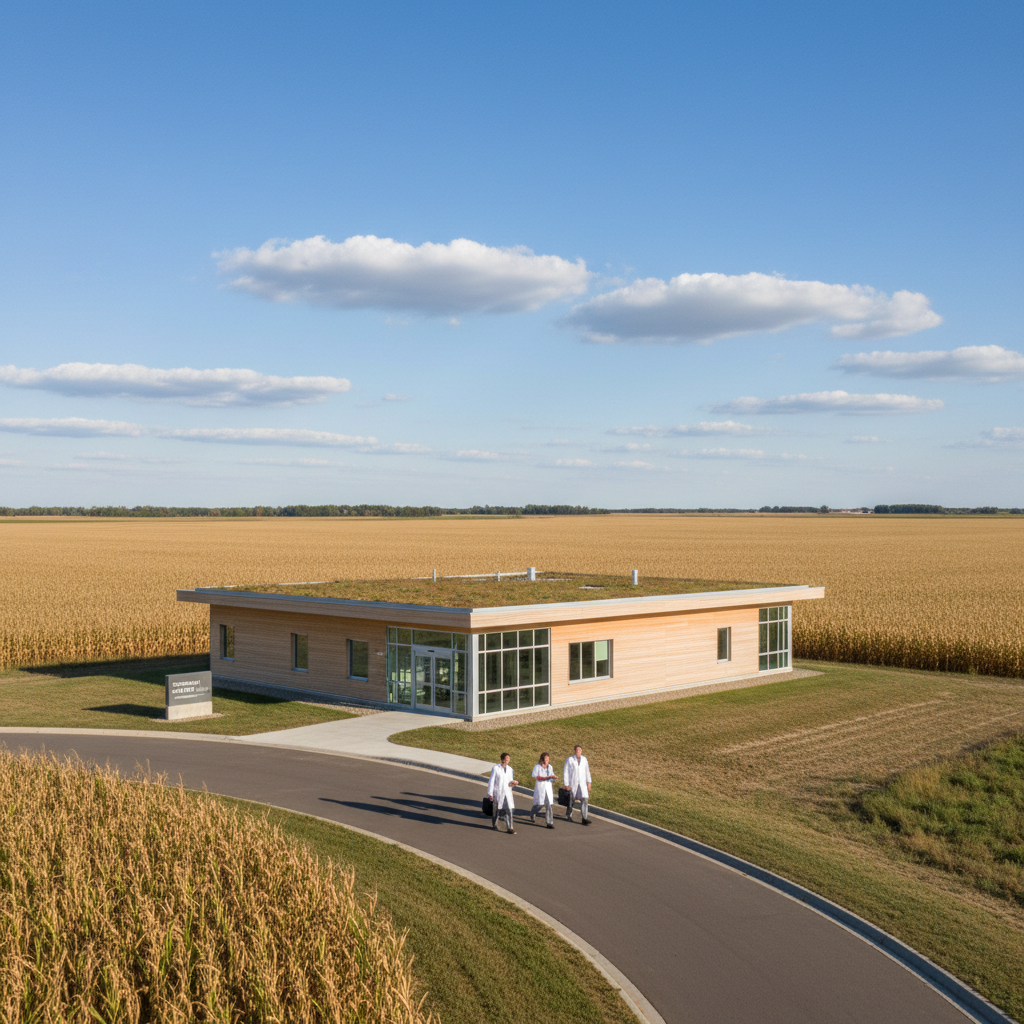
Step 4: Maximizing Your Fit for Rural Midwest Programs
Low scores can be overshadowed if you look like an ideal fit for a rural Midwest residency.
Strategy 7: Show Genuine Interest in Rural and Underserved Medicine
Programs want residents who understand rural life and won’t leave immediately after training.
Highlight:
- Any experience in rural or small-town medicine in your home country
- Working with underserved or low-resource populations
- Comfort with limited resources and being adaptable
- Long-term career goals in primary care, hospitalist work, or psychiatry in smaller communities
In your personal statement:
- Explain why you’re specifically drawn to Iowa, Nebraska, and neighboring states
- Mention appreciation for smaller communities, continuity with patients, and long-term relationships
- Share a specific story from rural or underserved care that shaped your path
Be honest. Program directors will sense generic or insincere statements quickly.
Strategy 8: Tailor Your Application Materials
Personal Statement
- One core version for your main specialty (e.g., FM or IM)
- Emphasize:
- Resilience after setbacks (like low Step 1)
- Dedication to patient care and teamwork
- Concrete reasons you are seeking rural Midwest residency opportunities
You can add a short customization paragraph for a subset of programs in Iowa Nebraska residency clusters, mentioning:
- The appeal of their rural training sites
- Their emphasis on community-based medicine
- Your particular interest in staying in the region after training
Letters of Recommendation (LORs)
Aim for:
- 3–4 strong LORs from US physicians whenever possible
- At least one letter from a Midwest or rural site if you can secure observerships or electives there
- Letters that explicitly address:
- Your clinical knowledge and improvement over time
- Your professionalism, reliability, and work ethic
- Your suitability for rural practice (adaptability, independence, communication)
If you can, arrange virtual or in-person rotations in Iowa or Nebraska hospitals with known IMG-friendly programs. Even a 4–6 week observership can make a difference.
Strategy 9: Use Your IMG Background as a Strength
As a non-US citizen IMG or foreign national medical graduate, you bring:
- Experience with diverse diseases and limited resources
- Multilingual abilities and cultural competence
- A strong work ethic and resilience
Tie these strengths to rural care:
- Many rural Midwest communities have immigrant, refugee, or minority populations
- Your language skills and international exposure can help build trust with diverse patients
- Programs appreciate residents who can relate to underserved patients and navigate cultural barriers
Explicitly connect these points in your personal statement, CV descriptions, and interview answers.
Step 5: Application Execution, Interview Performance, and Backup Planning
Low Step scores require flawless execution in every other area you can control.
Strategy 10: Apply Early, Completely, and Strategically
By ERAS opening:
- All USMLE scores uploaded (including Step 3 if taken)
- MSPE and transcripts ready
- At least 3 LORs uploaded (4 is ideal)
- Polished personal statement
- CV filled with clear, quantified descriptions of work, research, volunteering
Prioritize submission within the first week ERAS allows. Many programs review on a rolling basis.
Strategy 11: Prepare Specifically for Interviews as a Low-Score IMG
In interviews, be ready for direct or indirect questions about your low Step 1 score or below average board performance. Practice:
- A concise, non-defensive explanation
- Mention of what you learned and how you changed your approach
- Emphasis on your strengths: clinical skills, reliability, patient communication, and rural fit
Also prepare strong answers for:
- “Why our program and our region?” – Be specific about Iowa Nebraska residency opportunities or rural Midwestern lifestyle.
- “How do you handle stress and failure?” – Show resilience and healthy coping strategies.
- “What are your long-term goals?” – Align with primary care, hospital medicine, or psychiatry in smaller communities, or at least in similar settings.
Show that you:
- Understand the reality of rural life (weather, distance, smaller cities)
- Are not just “using” rural programs to get any US spot, then plan to leave
- Have realistic expectations and genuine appreciation for the community
Strategy 12: Strengthen Your Backup Plan
Even with strong effort, matching with low scores as a non-US citizen IMG is never guaranteed. Always prepare a 1–2 year contingency plan that still moves you closer to residency:
Possible options:
- Research positions in Midwestern academic centers that have community/rural affiliates
- Clinical research assistant roles or QI projects in hospitals
- Additional US observerships or tele-rotations, especially in targeted states
- Step 3 preparation (if not already taken)
- Master’s programs with clinical exposure (only if financially feasible and clearly helpful for your target)
During this time, maintain:
- Ongoing clinical contact (even if observership or scribe)
- Updated CV with concrete accomplishments
- Networking with residents and faculty in relevant programs
Applying a second time with a stronger profile, better contacts, and added achievements improves your odds significantly.
Frequently Asked Questions (FAQ)
1. Can a non-US citizen IMG with a low Step 1 score still match into a rural Midwest residency?
Yes. Many rural Midwest programs in Family Medicine and Internal Medicine have historically accepted IMGs, including some with below average board scores. Your chances depend on how well you:
- Demonstrate improvement (especially with Step 2 CK and/or Step 3)
- Show genuine commitment to rural and underserved care
- Obtain strong US-based letters of recommendation
- Target programs intelligently (Iowa, Nebraska, and neighboring states that are IMG-friendly and sponsor visas)
2. Is Step 3 necessary for foreign national medical graduates applying to Iowa or Nebraska programs?
Not always, but Step 3 can help in several ways:
- It shows academic recovery if your earlier scores were weak
- It may make you eligible for H-1B sponsorship at certain programs
- It reassures program directors about your ability to pass future board exams
However, only take Step 3 if you can prepare thoroughly; a fail is more damaging than not taking it.
3. How many programs should I apply to as a low-score non-US citizen IMG?
For most foreign national medical graduates with low Step scores, applying to 80–120 programs is reasonable, focusing heavily on:
- Rural Midwest Family Medicine and Internal Medicine
- Programs with a history of accepting IMGs and sponsoring J-1 or H-1B visas
The exact number depends on your overall profile (USCE, LORs, Step 2 CK, attempts). Quality targeting is more important than applying blindly to 200+ programs.
4. What type of US clinical experience is most valuable for rural Midwest residencies?
Most valuable are:
- In-person observerships or electives in community or rural hospitals, especially in the Midwest
- Experiences where attendings can write detailed LORs about your clinical reasoning, communication, and professionalism
- Rotations involving primary care, general internal medicine, family medicine, or psychiatry in underserved settings
Tele-rotations are better than nothing but weaker than in-person experience; try to supplement them with at least one in-person USCE if possible.
A low Step 1 score or below average board performance does not define your entire candidacy. For a non-US citizen IMG focused on rural Midwest residency, your best chance comes from a deliberate, region-focused strategy: demonstrate academic recovery, show a clear rural commitment, target Iowa and Nebraska residency programs and their neighbors intelligently, and present yourself as the kind of dependable, long-term physician rural communities urgently need.