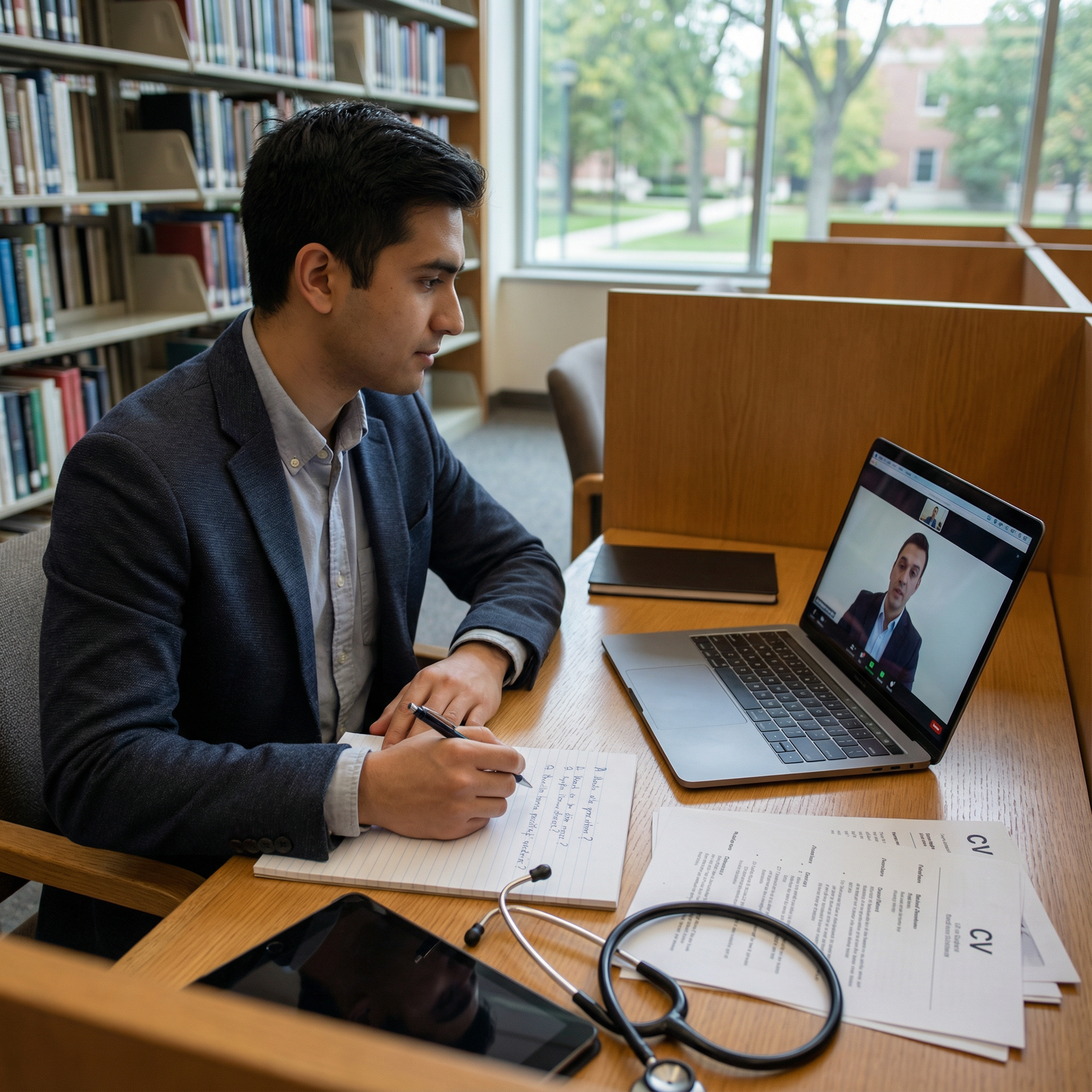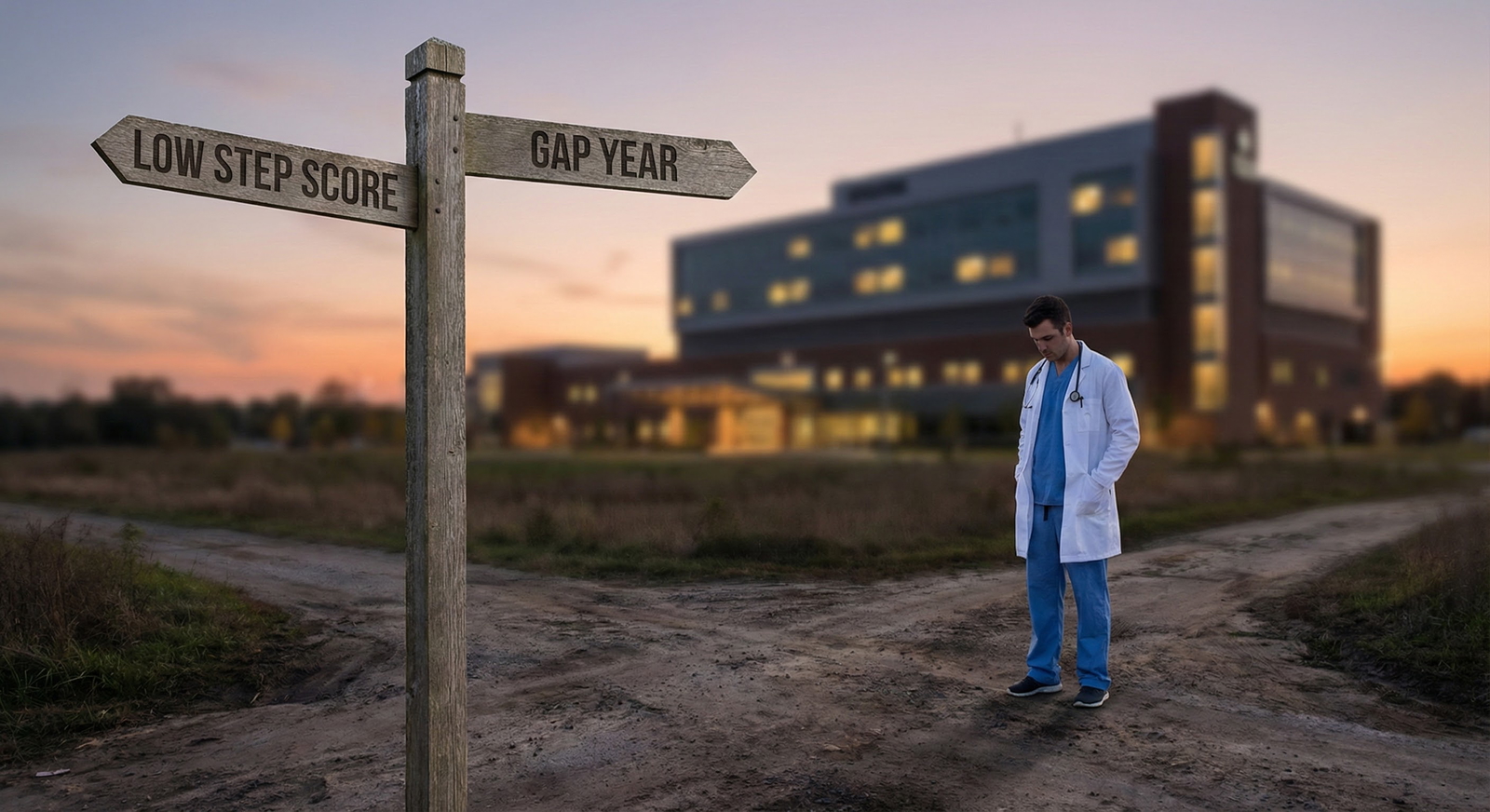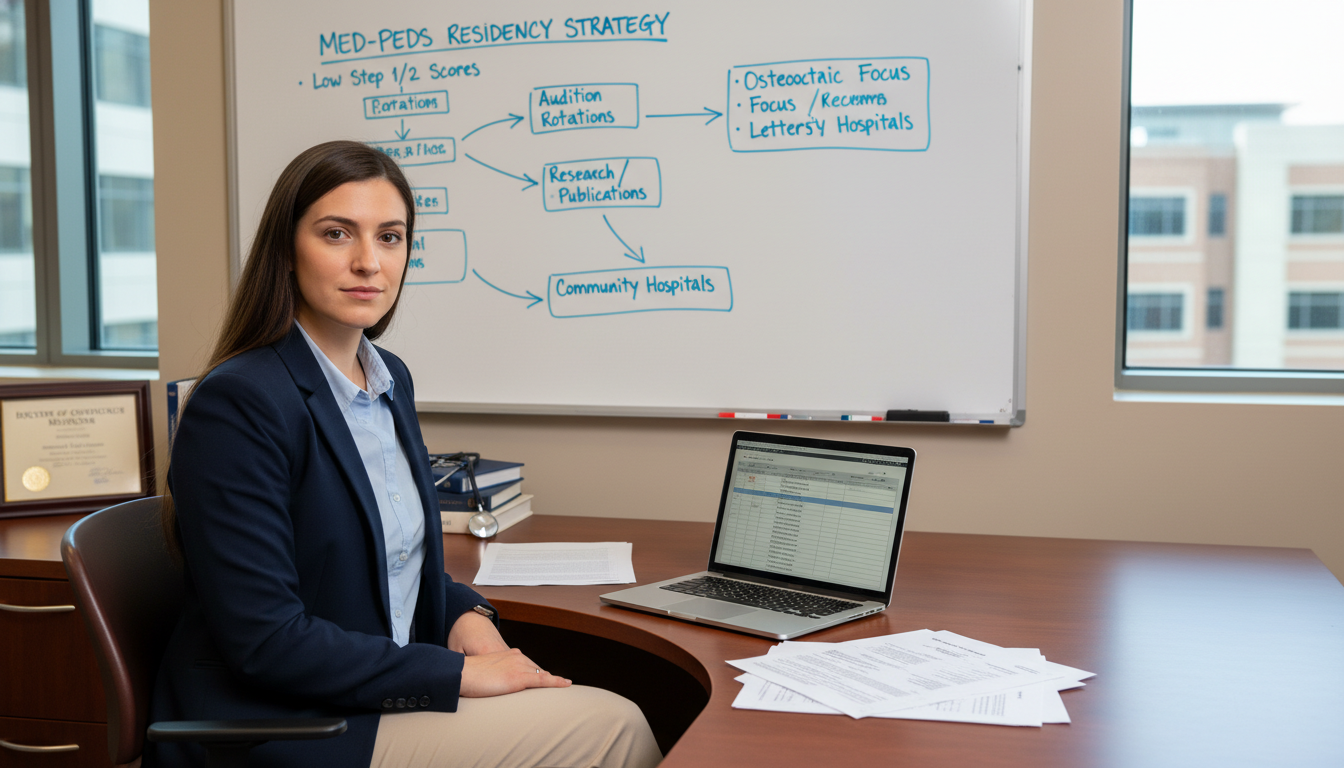
Understanding Low Step Scores in the Research Triangle Context
For a non-US citizen IMG, a low Step 1 or Step 2 CK score can feel like a door closing. In reality, it means the path is narrower and more strategic—not impossible. The Research Triangle (Raleigh–Durham–Chapel Hill) is a highly academic region, home to Duke, UNC, and numerous community programs, so competition is intense. Yet, foreign national medical graduates do match here, including those with below average board scores.
This guide focuses on low Step score strategies tailored specifically to:
- Non-US citizen IMGs
- Targeting programs in the Research Triangle (NC)
- Concerned about a low Step 1 score, a low Step 2 CK, or both
- Wondering about chances at programs like Duke residency and other North Carolina residency options
You’ll learn how to:
- Realistically assess your profile and target the right programs
- Compensate for below average board scores with strong USCE, research, and letters
- Use the unique ecosystem of the Research Triangle to your advantage
- Optimize your ERAS application, networking, and interview strategy
Throughout, “low score” means below a program’s typical matched range—for many academic programs, that’s roughly <230 (pre-pass/fail era) or lower third percentile equivalent in current score patterns. But these are not hard cut-offs, and there is room to maneuver, especially if you’re strategic.
Step 1: Realistic Self-Assessment for a Non-US Citizen IMG
Before building a plan, you must honestly define where you stand. Programs in the Research Triangle see hundreds of highly competitive applications each year, so you must know how your file will be viewed.
1. Clarify Your Score Situation
Key questions:
- Is your Step 1:
- Pass/fail with multiple attempts?
- A numeric score that is clearly below average (e.g., <220 or significantly below that program’s usual average)?
- Is your Step 2 CK:
- Significantly below national mean?
- Borderline but pass on first attempt?
- Any attempt failures or multiple attempts?
How programs tend to interpret:
- Single low score, all else strong: Often viewed as an outlier, especially if Step 2 CK is stronger and consistent clinical performance is documented.
- Pattern of low scores or multiple failures: Much harder, but not automatically disqualifying if you have substantial strengths elsewhere (e.g., strong US LORs, notable research, or meaningful institutional connections).
2. Understand the Extra Hurdles for a Non-US Citizen IMG
As a foreign national medical graduate (not a green card holder or US citizen), you face:
- Visa requirements: Most Research Triangle programs sponsor J-1; H-1B is limited and often reserved for particularly strong candidates.
- Credential scrutiny: Programs pay more attention to school reputation, clinical exposure, and documentation.
- Implicit competition: You are compared with US grads and US-IMGs with easier logistics and fewer visa complexities.
This doesn’t mean you can’t match. It means you must show clear added value to a program—clinical excellence, work ethic, research productivity, or unique skills.
3. Define Your Target Specialty and Program Tier
Your specialty choice significantly affects what “low” means and how much it matters.
Broadly:
- Most forgiving for low scores (in general): Internal Medicine (community/some university-affiliated), Family Medicine, Psychiatry, Pediatrics (non-top-tier), some Preliminary/TY years.
- Moderately forgiving: Neurology, PM&R, Pathology, some OB/Gyn and Anesthesia programs.
- Least forgiving: Dermatology, Integrated Plastics, Ortho, ENT, Neurosurgery, some competitive Radiology or EM programs.
In the Research Triangle, academic programs like Duke residency or UNC are highly selective. For a non-US citizen IMG with a low Step 1 score, matching there generally requires:
- An exceptionally strong Step 2 CK or improvement trajectory
- Meaningful Duke/UNC research and/or letters from local faculty
- Strong US clinical experience and clear fit with the program’s mission
If you’re determined to stay in the region, you may need to:
- Combine applications to North Carolina residency programs outside the Triangle (e.g., ECU/Vidant, community hospitals)
- Apply broadly outside NC while building specific connections in the Triangle
Step 2: Target the Right Research Triangle and NC Programs
To match with low scores, program selection is as important as your actual application quality.
1. Differentiate Between Academic Powerhouses and Other Options
In and near the Research Triangle, you’ll see three main categories:
Major Academic Centers
- Duke University Hospital
- UNC Hospitals (Chapel Hill)
- Highly research-focused, often with score-conscious selection
- Attract top USMDs; low Step 1 score is a major hurdle, but not necessarily impossible if other metrics are standout
University-Affiliated Community Programs
- Programs linked to academic centers but based at community or regional hospitals
- Somewhat more flexible on scores, especially if you bring strong clinical evaluations and work ethic
Pure Community Programs in NC
- Historically more open to non-US citizen IMG candidates and more flexible about below average board scores
- May be less research-heavy but offer excellent clinical training
- Potentially more consistent J-1 sponsorship and IMG-friendly culture
For a foreign national medical graduate with low Step scores, applying to all three categories, but strategically, makes sense. You can still target Duke or UNC, but you must not restrict your list to those.
2. Reading Between the Lines of Program Requirements
On program websites and FREIDA, look for:
- Stated minimum scores:
- If they visibly require “Step 1 ≥ 230” and you’re far below, consider it a reach only if you have something truly exceptional (e.g., top-tier research with that department).
- “No minimum score” but “competitive”:
- This often means “no published cutoff,” but there’s a soft threshold. Still, programs might accept a modestly lower score if you’re a great institutional fit.
- IMG % and visa policy:
- Programs that regularly match international medical graduates, especially non-US citizen IMG candidates, are more likely to look beyond numbers.
- Confirm whether they sponsor J-1, H-1B, or “none.”
Document everything in a spreadsheet: score requirements, IMG friendliness, visa support, research profile, your connections there.
3. Use a “Core + Stretch + Safety” Targeting Strategy
For the Research Triangle and broader North Carolina residency landscape:
- Stretch programs
- Duke residency, UNC, other highly selective academic centers in nearby states
- Apply if you have some strong counterweights to your low Step 1 score (strong Step 2, research, networking, US letters).
- Core programs
- University-affiliated and IMG-friendly community programs in NC and neighboring states
- Where your scores are at least near their typical range and visa sponsorship is clear.
- Safety programs
- Programs with high IMG percentages or in less popular locations, provided they meet your minimum standards and sponsor visas.
Aim for a broad list—often 80–120 applications for a non-US citizen IMG with low scores, depending on specialty competitiveness.

Step 3: Compensating for Low Scores with Strategic Strengths
Programs cannot change your score, but they can be persuaded to re-interpret your potential if other parts of your file are outstanding.
1. Maximize Step 2 CK and (If Applicable) Step 3
If your Step 1 is low:
- Treat Step 2 CK as your main academic redemption.
- Goal: demonstrate clear upward trajectory and mastery of clinical knowledge.
If you’ve already taken Step 2 CK and it is also low:
- Consider Step 3 before the match if feasible (especially for H-1B-possible programs). A strong Step 3 can:
- Show improvement and commitment
- Reassure programs about your ability to pass future board exams
But do not rush Step 3 if you’re not ready. A second low score is more harmful than a delayed attempt.
2. High-Impact US Clinical Experience (USCE) in the Triangle
For a foreign national medical graduate targeting the Research Triangle, local USCE is extremely valuable.
Types of experience (from best to acceptable):
- Hands-on electives or sub-internships (if still a student)
- At Duke or UNC, these can produce powerful letters and help overcome low scores.
- Hands-on externships (for graduates where available)
- Prefer programs where you can write notes, present patients, and get evaluated.
- Observerships
- Less ideal but still meaningful if directly with faculty in your target institutions.
- Aim for structured experiences with documented feedback.
Key strategies:
- Try to obtain rotations within the Research Triangle or at least within North Carolina to show regional commitment.
- During each rotation, perform like a top resident:
- Show up early, know your patients well, read around cases nightly.
- Volunteer for presentations and QI projects.
- Ask for feedback and act on it quickly.
You are not just getting “US experience”; you are building advocates who can say, “This candidate is far better than their board scores.”
3. Build a Narrative with Research and Quality Improvement
Academic centers in the Research Triangle value scholarly engagement. You don’t need first-author NEJM papers, but you should show sustained interest.
Options:
- Short-term clinical research with faculty at Duke, UNC, or regional institutions
- Retrospective chart reviews, case reports, or QI projects during USCE
- Remote collaborations, systematic reviews, or data analysis if you can’t be onsite for long
To maximize impact:
- Target projects in your intended specialty (e.g., cardiology for IM; child psychiatry for Psychiatry).
- Aim for at least one to three presentable outcomes: poster, abstract, or publication.
- Add your research mentors to your network of potential letter writers.
A compelling file for a low-score non-US citizen IMG might show:
- Step 1 below average, but
- Step 2 CK solid or improved
- 1–2 rotations in the Research Triangle with excellent evaluations
- 1–3 research outputs, ideally with Triangle institutions or NC faculty
- Strong letters from US faculty saying you perform at or above the level of US grads
4. Letters of Recommendation that Override Numbers
Strong LORs are one of the most powerful tools for matching with low scores.
Best-case scenario:
- Two letters from US faculty in your desired specialty
- At least one letter from someone in the Research Triangle (Duke/UNC or a major regional hospital)
- Letter writers who explicitly address:
- Your clinical reasoning, reliability, communication
- Clear statement that “the board scores do not reflect the candidate’s true capabilities”
How to get such letters:
- Ask early: “If I continue to work hard and perform well, do you feel you could write me a strong recommendation?”
- Provide a CV, personal statement draft, and summary of cases you worked on with them.
- Explain your situation briefly (low score, non-US citizen IMG, aiming for residency in NC) and ask if they can comment on your readiness for training in spite of your scores.
Step 4: Crafting an Application that De-emphasizes Your Low Score
Programs will see your score. Your job is to direct what they remember about your file.
1. Personal Statement: Strategic, Not Defensive
Your personal statement should:
- Acknowledge, if needed, but not obsess over a low Step 1 score.
- Briefly explain any major anomalies:
- Serious life event, illness, language transition, or test anxiety, only if you can do so honestly and professionally.
- Immediately pivot to:
- How you’ve grown (e.g., improved test strategies, better clinical understanding)
- Strong clinical performance in USCE
- Commitment to the specialty and to serving diverse populations, including the communities around the Research Triangle
Avoid:
- Self-pitying tone
- Long explanations that sound like excuses
- Overemphasis on your score rather than your competencies
2. ERAS Application: Highlight Strengths Up Front
Use every available field to counterbalance low scores:
- Experience section:
- Emphasize your USCE in NC, describe your responsibilities clearly.
- Showcase leadership roles, teaching, and impactful projects in your home country.
- Publications and presentations:
- Even small contributions matter; list them accurately and professionally.
- Awards and honors:
- Any academic recognition, especially post-Step, suggests you’ve continued to excel.
Tie experiences to the Research Triangle context when possible:
- Mention that your research addressed issues relevant to NC populations, primary care in the Southeast, or health disparities.
3. Program-Specific Signaling and Communication
If your specialty uses signaling (like preference signaling):
- Use signals wisely on programs where you have:
- A realistic chance (IMG-friendly, open to visas, not extremely score-centric)
- A clear connection (research, USCE, mentors)
Consider targeted but concise communication:
- Short emails from your mentors to program leadership endorsing you
- Thank-you emails after away rotations
- Politely expressing strong interest in NC and the Research Triangle region

Step 5: Interview Strategy and Post-Interview Follow-Through
Once you receive interviews, your Step score matters less than how you perform in person (or on video).
1. Addressing Low Scores Confidently
You may be asked directly: “Can you tell us about your Step 1 score?”
Effective approach:
- Own it briefly:
- “Yes, my Step 1 score is lower than I would have liked.”
- Context if appropriate (one or two lines):
- “At that time, I was adjusting to a new language/testing format, and my preparation strategy was not effective.”
- Demonstrate growth:
- “After this, I analyzed my weaknesses, changed my study methods, and as a result I improved significantly on Step 2 CK and in my clinical performance.”
- Link to current strengths:
- “My US rotations in North Carolina confirmed that I can apply clinical knowledge effectively in patient care, and my supervisors have been pleased with my performance.”
Avoid:
- Blaming others
- Over-sharing personal difficulties that raise more concerns than they resolve
- Sounding rehearsed or insincere
2. Emphasize Fit with the Research Triangle and NC
Programs in North Carolina want residents who:
- Will enjoy living and training in their communities
- Understand and respect the diverse patient populations they serve
- Are interested in long-term engagement with the region
You can show this by:
- Talking about your positive experiences in the Triangle (if you’ve done USCE there)
- Expressing interest in community health, rural outreach, or regional health disparities
- Mentioning your willingness to practice in NC after training, if true
3. Post-Interview Communication
While you must follow NRMP rules, you can:
- Send sincere thank-you notes highlighting:
- Specific parts of the conversation
- Why the program is a strong fit
- Ask your Triangle-based mentors to advocate for you if you are genuinely ranking a program highly
- Avoid generic messages to dozens of programs; be selective and individualized
Special Considerations for Non-US Citizen IMGs in the Triangle
1. Visa Strategy and Timing
Common scenarios:
- J-1 visa: Most common; easier for many programs to sponsor.
- H-1B visa: Limited; many academic centers only for exceptional candidates and often require Step 3.
As a non-US citizen IMG with low scores, you generally improve your chances if you:
- Are open to J-1 sponsorship
- Take Step 3 early only if you are truly prepared and can score well
- Make your visa status clear on ERAS and in your communications to avoid confusion
2. Bridging Years: What If You Don’t Match?
If you don’t match in a particular cycle:
- Avoid unstructured gaps. Use the time to:
- Gain additional USCE (especially in NC or nearby states)
- Deepen research involvement (one or two solid publications can shift how you’re viewed)
- Improve your English communication and presentation skills
- Consider Step 3 (if not already taken) with strong preparation
You can also look into:
- Non-residency clinical roles (e.g., research coordinator, clinical observer with research duties)
- Public health or graduate degrees in NC (MPH, MS) that lead to stronger integration in the local academic community—though consider cost and visa implications carefully.
Use these experiences to create a new narrative: “In the last 1–2 years, I have [concrete achievements] that demonstrate growth far beyond my initial low Step 1 score.”
Putting It All Together: A Sample Pathway
Imagine a non-US citizen IMG with:
- Low Step 1 score (below average, no failure)
- Slightly better Step 2 CK (but still not stellar)
- Strong English and work ethic
A realistic, research-triangle-focused plan could be:
Year 0–1 (now):
- Secure USCE in North Carolina, prioritizing Duke/UNC/community hospitals in the Triangle or nearby.
- Start one or two research or QI projects with local faculty.
- Obtain strong letters of recommendation from these rotations.
Application cycle:
- Apply to 80–120 programs, with a mix of:
- Stretch: Duke, UNC, selective regional programs
- Core: University-affiliated and IMG-friendly community programs across NC and neighboring states
- Safety: High IMG-percentage programs that sponsor J-1
- Craft a focused personal statement that briefly acknowledges low scores but emphasizes growth, USCE success, and NC interest.
- Apply to 80–120 programs, with a mix of:
Interviews:
- Practice addressing your low scores transparently and confidently.
- Emphasize your commitment to serving NC’s patient populations and your positive experiences in the Triangle.
If unmatched:
- Stay engaged in NC through extended USCE, research roles, or graduate programs.
- Consider Step 3 if you can realistically excel.
- Reapply with a significantly stronger profile the next year.
Used thoughtfully, this kind of targeted, region-based strategy has helped many foreign national medical graduates with below average board scores successfully match in the US—sometimes even at institutions that initially felt out of reach.
FAQs: Low Step Score Strategies for Non-US Citizen IMGs in the Research Triangle
1. Can I realistically match at Duke residency with a low Step 1 score as a non-US citizen IMG?
It is difficult but not absolutely impossible. To have a realistic chance, you generally need several of the following:
- A much stronger Step 2 CK (and possibly Step 3)
- Excellent US clinical experience at Duke or similar institutions with strong letters
- Research productivity with Duke or related faculty
- Clear evidence that your low Step 1 was an outlier, not a pattern
Even then, you should treat Duke as a reach program and apply broadly to other North Carolina residency options and beyond.
2. How low is “too low” to apply to programs in the Research Triangle?
There is no universal cutoff, but:
- For many academic programs, scores far below their typical matched ranges, especially with multiple attempts, will make an interview very unlikely.
- However, some community and university-affiliated programs in NC may consider applicants with lower scores if:
- Your USCE and letters are strong
- You have no professionalism concerns
- You show clear improvement and strong fit
Use program data (IMG match %, score ranges, visa policies) to decide where to focus your applications. Even with very low scores, you can sometimes find a home if the rest of your file is outstanding.
3. Does being a non-US citizen IMG with a J-1 need hurt my chances more than my low scores?
Both factors matter, but in different ways:
- Low scores affect whether your application passes initial filters.
- Visa requirements affect whether a program even considers your file.
If a program is IMG-friendly and routinely sponsors J-1, your scores will be the main hurdle. If a program rarely sponsors visas or only accepts citizens/green card holders, visa status alone can be disqualifying. For the Research Triangle, many academic centers sponsor J-1 but are still very competitive; some smaller or community programs may be more open to J-1 IMGs with lower scores.
4. Should I delay applying and work on research or USCE in the Research Triangle first?
If your scores are significantly below average and your current USCE/research profile is weak, one well-planned extra year can substantially improve your chances. Reasons to delay:
- To obtain high-quality USCE in NC with strong letters
- To build meaningful research connections in the Research Triangle
- To prepare for and take Step 3 with a strong performance
However, delaying without a clear, structured plan is risky. Create a concrete roadmap—rotations, research, mentors, expected outputs—before deciding to postpone your application cycle.