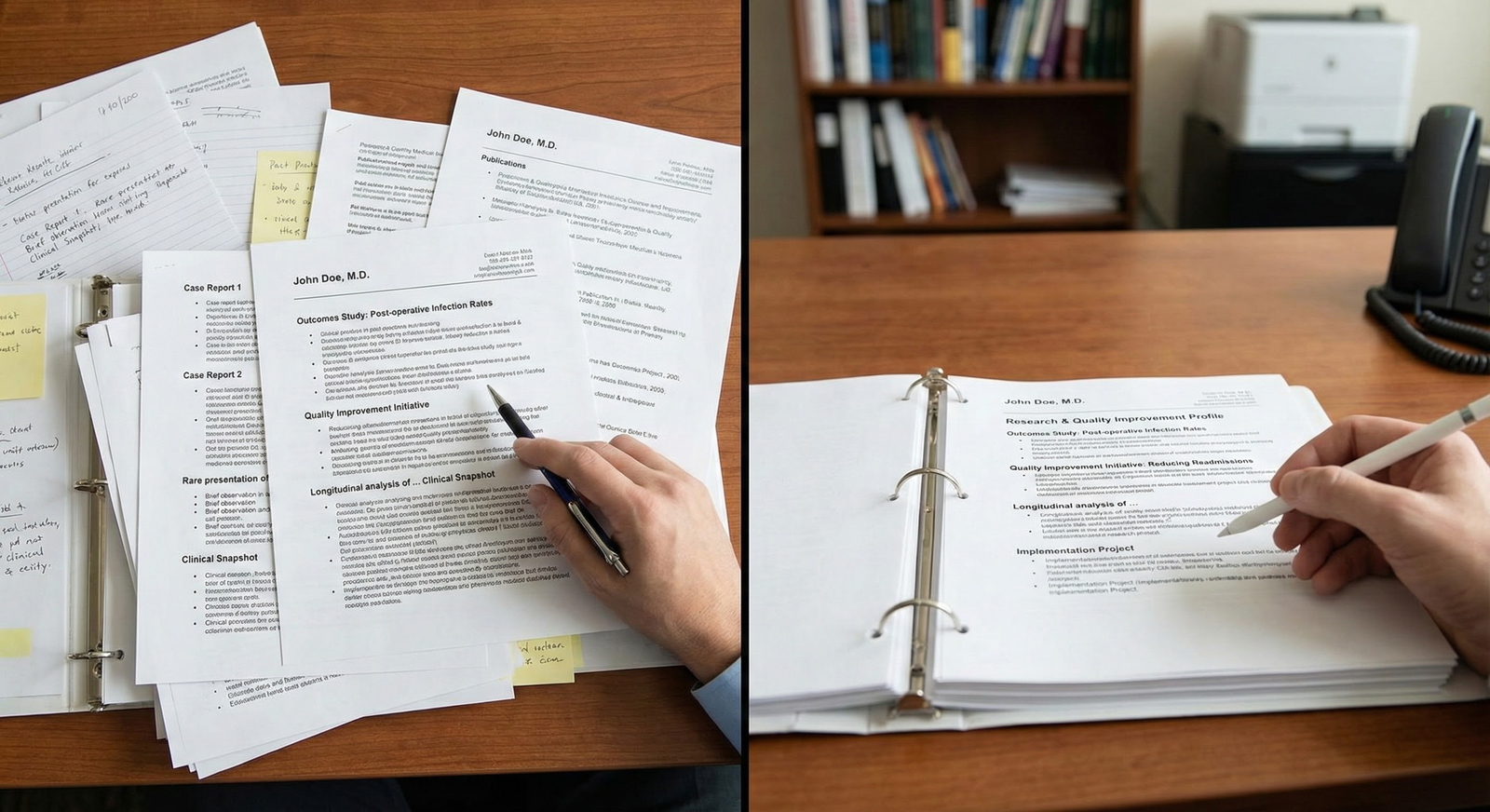
Success in the psychiatry match as a US citizen IMG is absolutely possible—even with an imperfect Step score profile—but it requires a deliberate, data-driven strategy. This article focuses on how to think about, use, and “work around” your Step 1 and Step 2 CK scores to build the strongest possible application as an American studying abroad.
Understanding How Step Scores Are Viewed in Psychiatry
Psychiatry has become increasingly competitive, but it still remains more holistic than many other specialties. Program directors tend to care about:
- Your fit for psychiatry (interest, insight, maturity)
- Communication skills and professionalism
- Evidence you can handle clinical complexity and documentation
- Your board exam performance (to predict board pass rates)
- Your US clinical experience and letters of recommendation
Where Step Scores Fit in the Big Picture
For a US citizen IMG aiming for psychiatry residency, Step scores matter for three main reasons:
Screening for interview offers
- Programs may use Step scores (especially Step 2 CK) as a filter.
- This often matters most for whether your application is ever seen by a human.
Risk assessment
- Programs want to maintain high board pass rates.
- Lower scores, multiple attempts, or score gaps can make PDs worry about future exam performance.
Competitiveness signal
- Very strong scores (particularly Step 2 CK) can compensate for being an IMG.
- Conversely, lower scores mean you must be much stronger in other domains.
Psychiatry Trends Relevant to US Citizen IMGs
- Psychiatry is friendlier than many specialties to IMGs, but:
- There is a clear preference for US citizen IMGs over non-US IMGs.
- US clinical experience and strong language/communication skills are highly valued.
- Step 1 is now pass/fail, but:
- Programs still notice fails and the total number of attempts.
- Step 2 CK has become the primary numeric academic metric.
- Many psychiatry programs use soft cutoffs for Step 2 CK (e.g., around 220–230), but this varies widely.
Being a US citizen IMG is a real advantage. The question becomes: how do you maximize that advantage when your Step 1 or Step 2 CK is not perfect?
Interpreting Your Step 1 and Step 2 CK as a US Citizen IMG
Before you can design a Step score strategy, you need to understand what your scores suggest to program directors.
Scenario 1: Step 1 Pass, Strong Step 2 CK
Profile example
- Step 1: Pass on first attempt
- Step 2 CK: ≥ 240
Interpretation
- You are academically low risk.
- Your Step 2 CK score can offset IMG status and other imperfections.
- For psychiatry, a strong Step 2 CK makes you a very viable candidate, especially if combined with:
- US clinical experience in psychiatry
- Strong letters and a clear narrative of interest
Strategy focus
- Aim high on program list, including some mid-tier university programs.
- Use your Step 2 CK as a selling point in your application and personal statement.
- Focus on building a psychiatry-focused story and strong US-based letters.
Scenario 2: Average Step 2 CK, Solid Overall Profile
Profile example
- Step 1: Pass on first attempt
- Step 2 CK: ~220–235
Interpretation
- You are in the borderline/average zone for some university programs and stronger for community programs.
- You are unlikely to be filtered out everywhere, especially as a US citizen IMG.
- Your chances will be determined largely by:
- How psychiatry-focused your CV is
- US clinical experience and letters
- How intelligently you build and distribute your program list
Strategy focus
- Treat Step 2 CK as “acceptable but not a strength.”
- Build a wide application list: community, university-affiliated, and some university programs that are IMG friendly.
- Put extra effort into:
- Unique psych-related experiences
- Personal statement quality
- Interview skills
Scenario 3: Low Step Score or Multiple Attempts (But Passing)
This is where a low Step score match strategy becomes crucial.
Profile example
- Step 1: Pass, but with a prior fail
and/or - Step 2 CK: < 220
or multiple attempts
Interpretation
- You will likely be filtered out by many larger programs that use strict score cutoffs.
- But in psychiatry, you are not automatically “out.”
- Smaller, community, or IMG-friendly programs may review you holistically, especially if:
- You demonstrate clear improvement (e.g., stronger Step 2 CK after weak Step 1)
- You present consistent clinical performance and strong letters
Strategy focus
- Maximize strengths in non-score domains:
- US clinical experience
- Psychiatry research or scholarly work
- Superb letters from US psychiatrists
- Clear narrative of growth and resilience
- Apply broadly and strategically: many more programs than average, focusing on historically IMG-friendly psychiatry programs.

Step 2 CK Strategy: The Centerpiece of Your Application
With Step 1 now pass/fail, Step 2 CK strategy is the heart of score management for psychiatry.
Timing Your Step 2 CK as a US Citizen IMG
Your timing choice should align with the story you want your application to tell.
Option A: Take Step 2 CK Early (Before ERAS Opens)
Best if:
- You expect a strong or clearly improved score.
- You want Step 2 CK to offset weaker Step 1 or preclinical performance.
- You need a strong numeric score to overcome being an IMG.
Advantages:
- Programs see your full academic profile at the time of invitations.
- No ambiguity about your test performance.
- Strong scores can push you into the interview pile at more competitive sites.
Risks:
- If the result is lower than hoped, you can’t hide it.
- For US citizen IMGs with already weak metrics, a second low score may reinforce concerns.
Option B: Take Step 2 CK Later (Closer to or After ERAS Submission)
Best if:
- You are still building knowledge and realistically need more study time.
- You had a marginal Step 1 pass or complicated academic history and want a true chance at a big improvement.
- You will still receive scores in time for most program rank lists.
Advantages:
- More time to prepare and strengthen knowledge.
- If your Step 2 CK ends up weaker than expected, some programs may have already offered interviews based on Step 1 pass + rest of application.
Risks:
- Some programs may not offer interviews without a Step 2 CK score visible.
- You may lose out on early interview offers.
Score Targeting for Psychiatry
For US citizen IMGs, general Step 2 CK targets for psychiatry (not strict cutoffs, just strategic tiers):
- ≥ 240: Strong for psychiatry, can open doors at many programs, including mid and some upper-tier.
- 230–239: Solid and competitive for a wide range of programs, especially with strong other factors.
- 220–229: Acceptable, particularly for community and IMG-friendly sites; needs strong “whole application.”
- < 220: Challenging, but not disqualifying—your success will lean heavily on non-score strengths.
If your current predictors suggest you are in a lower range, consider:
- Extending your study timeline strategically.
- Using dedicated question bank work with a psychiatry-forward focus (helpful for both scores and interviews).
- Getting honest feedback from mentors or advisors before registering.
If You Already Have a Low Step 2 CK: Reframing and Repair
You cannot change a low Step 2 CK score, but you can change how it is interpreted:
Highlight improvement where possible
- If Step 1 was borderline or you had academic struggles, emphasize the progress leading to Step 2 CK, even if the score isn’t ideal.
- Show upward trend in clinical grades, shelf exams, or in-course assessments if you can.
Demonstrate clinical competence
- Strong US clinical evaluations show you function well in real settings.
- Psychiatry elective narratives that emphasize your clinical reasoning, empathy, and reliability are powerful.
Clarify context when appropriate
- A brief note in your personal statement or a short ERAS description can help if there were real, exceptional disruptions (e.g., major illness, family emergency).
- Keep it factual, non-defensive, and focused on what you learned and how you improved.
Building a Psychiatry Application That Compensates for Step Weakness
When you are a US citizen IMG with a less-than-ideal Step profile, every other piece must be intentional.
US Clinical Experience (USCE) in Psychiatry
For psychiatry, quality USCE in psych is often more important than another few points on Step 2 CK.
Aim for:
- At least 2–3 months of USCE, ideally including:
- Inpatient psychiatry
- Outpatient psychiatry
- Subspecialty exposure (child, gero, addiction, C/L) if possible
Prioritize:
- Rotations where you can work closely with attendings who will know you well enough to write specific, detailed letters.
- Exposing yourself to both:
- Safety net/underserved populations
- Academic or teaching-oriented sites
Letters of Recommendation: Your Primary Counterweight
Letters in psychiatry carry substantial weight, especially when scores are weaker.
For a US citizen IMG with a low Step score match goal:
- Target 3–4 letters from psychiatrists, ideally:
- US-based faculty
- At least one Program Director or Clerkship Director
- At least one letter commenting on your clinical judgment and reliability
Ask for letters from attendings who can say things like:
- “This applicant functioned at or above the level of our US students.”
- “I would be comfortable having them as a resident in my own program.”
- “They managed complex psychiatric patients and documentation with maturity.”
These letters can effectively override some concerns about Step 1 score residency risk.

Application Strategy: How to Maximize Match Chances with Imperfect Scores
Even with the best Step 2 CK strategy, your application strategy will determine whether you match into psychiatry.
Program Selection: Where Step Scores Matter Less
US citizen IMGs with lower or average Step scores should target:
IMG-friendly psychiatry programs
- Look at NRMP Charting Outcomes, FREIDA, and program websites for:
- Percentage of IMGs in current residents
- Explicit mention of IMG friendliness
- Check resident portraits/pages: count US citizen IMGs and DOs as evidence of openness.
- Look at NRMP Charting Outcomes, FREIDA, and program websites for:
Community and community-university–affiliated programs
- These often have more flexible cutoffs.
- They may rely more on personal fit and letters than strict numeric filters.
Geographically less competitive areas
- Programs in the Midwest, South, or smaller cities often receive fewer applications than big coastal cities.
- This can be a major advantage for a US citizen IMG, even with lower scores.
Safety net and public hospital–based psychiatry programs
- These programs value commitment to underserved populations, resilience, and real-world skills.
Program List Size: Adjusting for Score Risk
If your scores are:
- Strong (Step 2 CK ≥ 240): 35–45 psychiatry programs may be sufficient.
- Average (Step 2 CK 220–235): Target 45–60 psychiatry programs.
- Low or multiple attempts: 70+ programs is often appropriate, especially if you have few other standout features.
As a US citizen IMG, you can tactically mix in:
- Programs with known US-IMG residents.
- A subset of more competitive programs where your story or experiences may be especially compelling (e.g., strong research, language skills, or unique background in mental health).
Personal Statement: Directly Addressing or Indirectly Reframing Scores
You can manage your Step 1 score residency concerns through careful narrative decisions:
Direct approach (when there’s a fail or major anomaly)
- Briefly acknowledge the issue.
- Provide concise context (without making excuses).
- Emphasize:
- What you learned about your studying or personal resilience.
- Concrete steps you took afterward (tutors, time management, new strategies).
- How this led to better performance and clinical success.
Indirect approach (when scores are just lower than desired, but not disastrous)
- Focus on:
- Your longitudinal interest in psychiatry.
- Meaningful clinical experiences.
- Skills highly valued in psych (empathy, listening, teamwork, documentation).
- Let your letters and CV compensate, rather than drawing attention to modest scores.
Interviews: Turning a Low Step Score into a Strength
When you’ve been invited, the program already sees enough potential. Now, your job is to:
- Show insight and maturity about your academic path.
- Demonstrate that your weaker score does not define your current capability.
If asked about scores:
- Own the result: “I wish my Step 2 CK were stronger.”
- Give brief, non-defensive context: “At the time, I underestimated…”
- Move quickly to growth: “Since then, I’ve improved my…” with specific examples:
- Shelf exam improvements
- Clinical evaluations
- Use of structured study systems
- Connect to residency: “Those changes are exactly how I plan to approach future in-training exams and the psychiatry boards.”
For psychiatry, the way you discuss a setback can actually reinforce your candidacy, showcasing resilience, insight, and emotional maturity.
Putting It All Together: Sample Strategic Plans
Example 1: US Citizen IMG, Average Step 2 CK (225), Strong USCE
- Step 1: Pass, first attempt
- Step 2 CK: 225
- 3 months US psych electives in the US
- Good communication skills, strong written letters
Strategy
- Apply to ~50–60 psychiatry programs:
- Majority: community and university-affiliated community.
- Some: mid-tier university programs known to be IMG friendly.
- Strong psych-centric personal statement with no elaborate focus on scores.
- Use letters that emphasize clinical competence and communication.
- Prepare extensively for interviews to highlight:
- Fit for psychiatry
- Commitment to underserved mental health care
- Insight into personal strengths and growth areas
Example 2: US Citizen IMG, Low Step 2 CK (213), but Excellent Psych Experience
- Step 1: Pass, but borderline
- Step 2 CK: 213
- 2 years volunteer work at a crisis hotline
- 3 strong US psychiatry letters, including one PD
Strategy
- Apply to ~75+ psychiatry programs:
- Heavy emphasis on community and IMG-friendly programs.
- Focus on regions where the applicant has ties (family, prior schooling, etc.).
- Personal statement briefly and professionally acknowledges academic difficulty as part of a broader growth story.
- Emphasize:
- Longstanding psychiatry commitment (hotline, volunteer work).
- Strong clinical feedback cited in letters.
- Resilience and ability to manage stress and complex interpersonal situations.
- During interviews, reframe low scores as an early obstacle now addressed through:
- Better habits
- Time management
- Structured learning systems
FAQs: Step Score Strategy for US Citizen IMG in Psychiatry
1. As a US citizen IMG with a low Step score, do I still have a real chance at a psychiatry residency?
Yes. Psychiatry remains one of the more accessible specialties for IMGs, especially US citizen IMGs. A low Step score does not automatically disqualify you, but it does mean:
- You must be more strategic with program selection.
- You need to strengthen other parts of your application (USCE, letters, personal statement).
- You should apply more widely than an applicant with stronger scores.
Many programs, particularly community-based and IMG-friendly ones, evaluate candidates more holistically and will seriously consider applicants whose clinical performance and letters are strong, even with lower scores.
2. How important is Step 1 now that it’s pass/fail for psychiatry?
Step 1 is still important in two ways:
Pass vs. fail: A clean pass on first attempt avoids concern. Fails will raise questions but are not fatal if you:
- Pass on the next attempt
- Show clear Step 2 CK and clinical improvement
Overall academic story: Programs want to know:
- Whether your performance is stable or improving
- Whether you can handle board-style exams
However, with pass/fail Step 1, Step 2 CK now carries much more weight as the main indicator of test performance.
3. What Step 2 CK score should a US citizen IMG aim for to be competitive in psychiatry?
Targets are not rigid cutoffs, but general strategic goals:
- ≥ 240: Strong, competitive at many programs.
- 230–239: Solid for a wide range, especially with strong USCE and letters.
- 220–229: Acceptable, but you must maximize other parts of your application.
- < 220: Significant challenge, but still possible with:
- Exceptional letters
- Strong psychiatry experience and narrative
- Broad, carefully selected program list
Remember, for many programs, especially when you have a compelling psych-focused application, your overall fit may matter more than a few points of score difference.
4. Should I delay my Step 2 CK to try for a higher score, or take it early?
It depends on your current readiness and risk profile:
- If your practice scores are already near your target and you feel well-prepared, taking Step 2 CK before ERAS can help programs see a strong score early and offer interviews.
- If your predictors are low, and you realistically need more time to reach a safer range, delaying can be wise, as long as:
- You don’t delay so much that scores arrive after most interview decisions.
- You use the extra time with a structured, high-yield plan.
For many US citizen IMGs, it’s better to take a bit more time to aim for a stronger Step 2 CK—because it’s the single biggest academic factor programs will see when evaluating a psychiatry applicant.
By analyzing your Step profile honestly, targeting an intelligent Step 2 CK strategy, and deliberately strengthening every non-score element of your application, you can greatly improve your odds of a successful psych match as a US citizen IMG—even if your scores are not perfect.