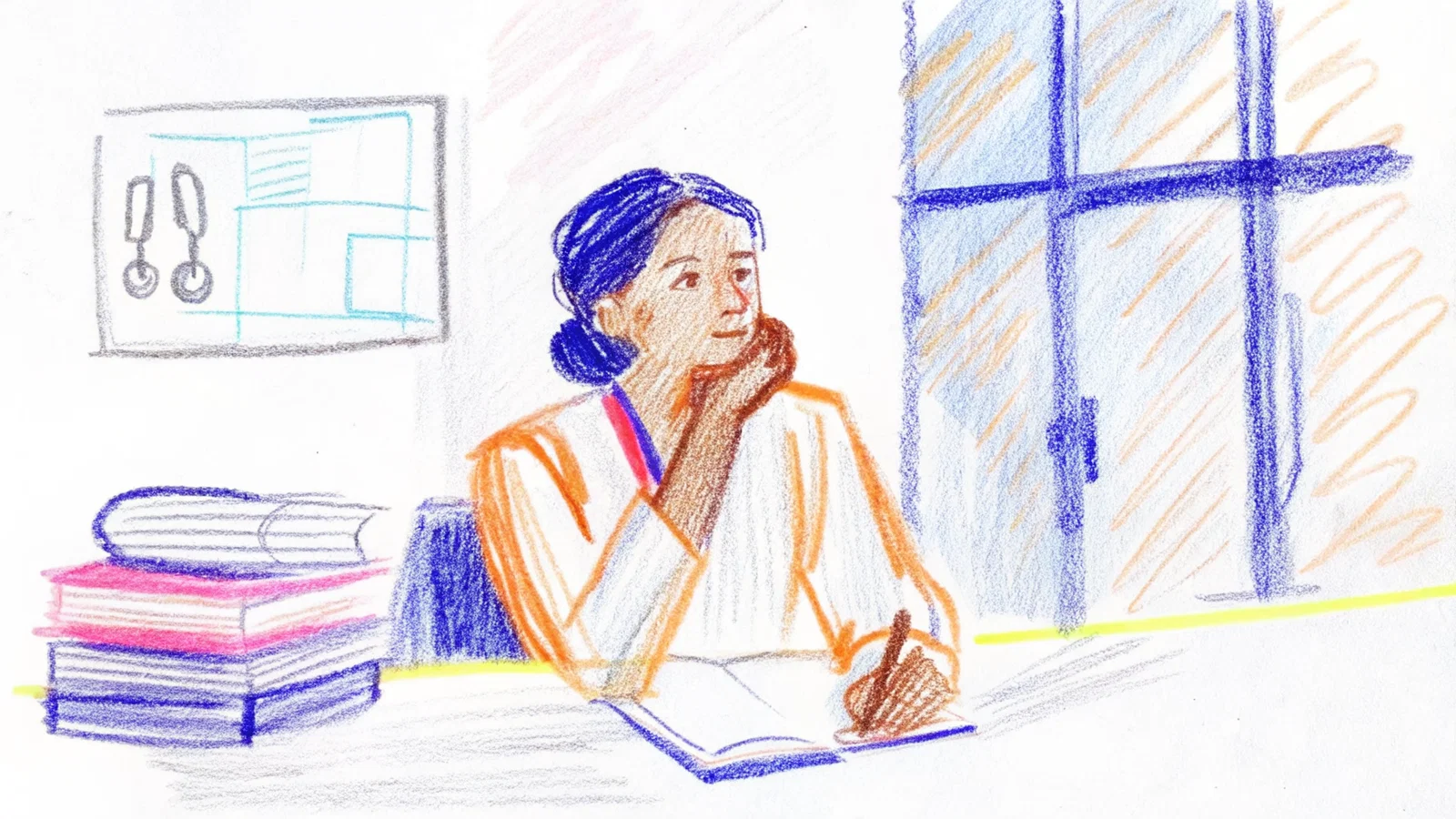
Humor at sign-out isn't the problem. Bad humor is. Good humor takes the edge off a brutal shift, helps people breathe for two seconds, and keeps the room human. Bad humor muddies the handoff, punches down, or leaves the intern wondering whether they were just insulted in front of everybody.
Here's the rule: humor should reduce tension, not add risk.
Safe sign-out humor is brief, inclusive, low-stakes, and never at a patient's expense. It doesn't interrupt the actual work. It doesn't require a backstory. It doesn't make the med student fake-laugh because the senior started a bit nobody can escape. If a joke could embarrass, distract, exclude, or confuse, leave it out. That's the whole framework.
And tired teams need that framework more, not less. Post-call brains are sloppy. Tone gets weird. Sarcasm sounds sharper. People miss context. I've seen perfectly decent residents say something they thought was harmless, then watch the room go flat because everyone was too exhausted to process whether it was a joke or a dig. That's how unsafe talk gets normalized: not through malice, but through fatigue and repetition.
So use humor like any other tool in residency. Deliberately. Briefly. And only when it helps.
1) Keep the Joke Short, Neutral, and Easy to Ignore
The safest sign-out joke is one line long and medically irrelevant.
That's not me being anti-fun. That's me being practical. Sign-out is a communication task, not open mic night. The second the joke becomes a bit, you've already lost the thread. People stop tracking the overnight issues, the contingency plans, the pending labs. Then someone says, "Wait, what was the blood pressure issue in 812?" That's dumb and avoidable.
Use humor that can slide past without cost. That's the "easy to ignore" test. If half the room doesn't catch it because they're updating their list, the handoff should still work perfectly.
Best bets:
- Mild self-deprecating fatigue humor: "If I mispronounce ceftriaxone, blame the 28-hour day."
- Harmless wordplay: "This sodium has really committed to the bit."
- Situational humor: "The printer remains our strongest consultant."
Avoid:
- Sarcasm
- Roasting coworkers
- Running jokes that require initiation into the team's lore
- Anything that sounds like coded criticism
Neutral humor works because nobody has to do anything with it. No one has to laugh. No one has to decode whether you're angry. It lands lightly, or it doesn't land at all, and either outcome is fine.
2) Never Aim Humor at Patients, Families, or Vulnerable Colleagues
This is the hard boundary. Don't joke about patients. Don't joke about families. Don't joke about the intern who's barely holding it together, the student who's trying not to look lost, or the nurse who isn't in the room to respond. Just don't.
Off-limits means off-limits:
- Diagnoses
- Appearance
- Weight
- Housing status
- Substance use
- Language barriers
- Health literacy
- "Noncompliance"
- Behavior during delirium, psychosis, or distress
- Family dynamics in crisis
Fatigue lies to you here. It makes risky humor feel normal because everybody's punchy and filtered less. That's exactly when empathy drops and bad habits creep in. I've heard residents say things late at night that they'd be embarrassed to hear played back at noon conference. As they should be.
If you want to lighten the room, target the system, the hour, or yourself. Better substitution lines:
- "This pager has entered its villain era."
- "We are now practicing evidence-based survival."
- "Let's all pretend the EMR and I are on speaking terms."
See the difference? Nobody gets diminished. Nobody becomes the punchline.
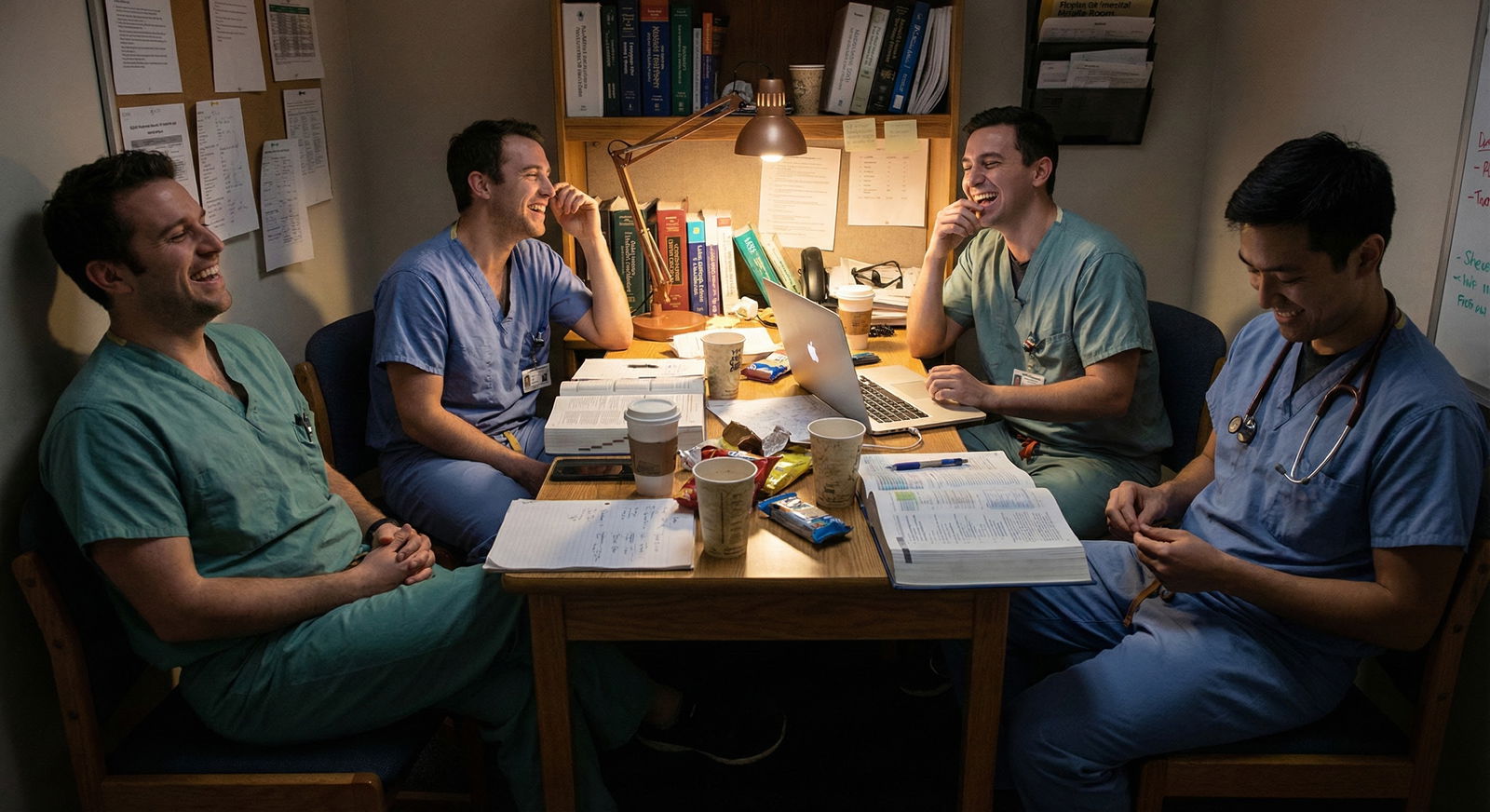
3) Read the Room: Use Team Size, Timing, and Fatigue as Your Safety Check
A joke that works at 4 p.m. after a smooth day can bomb at 6:45 a.m. after three admissions, an ICU transfer, and a bad family meeting. Context matters. A lot.
Here's the fast safety check I use: pause and scan.
Ask yourself:
- Is sign-out clinically clear already?
- Is the room stressed, rushed, or emotionally raw?
- Is anyone too junior, too new, or too tired to safely opt out?
- Could this comment be heard as criticism, not humor?
If the answer raises even a little doubt, skip it.
Hierarchy matters more than people admit. Interns and students often laugh because the senior did, not because the joke was funny. That's not shared humor. That's pressure with a smile on it. Same with new rotators who don't know the team vibe yet. If people don't feel free to not laugh, the joke isn't safe.
Silence is better when:
- The handoff is urgent
- The case was emotionally heavy
- The team is post-call and frayed
- A new learner is present
- Multiple people are multitasking through unstable patients
- There are competing priorities and obvious tension in the room
Use the room, not your mood, as the guide. That's how you avoid the classic mistake: making a joke because you need relief while everyone else needs clarity.
4) Make Humor a Team Tool, Not a Personality Test
Not everybody performs humor the same way, and nobody should have to.
Good team humor is opt-in. It creates a little shared oxygen, then gets out of the way. Bad team humor turns into a personality test: Are you cool enough to laugh? Are you relaxed enough to handle sarcasm? Do you get the reference? That's childish, and residency already has enough of that.
If you're going to joke, signal the intent clearly. Make it obvious that you're lightening the mood, not delivering criticism through a smile. That's why recurring, safe team traditions work well:
- A harmless phrase everyone knows
- A silly "survived the pager" line at the end of rough call
- A whiteboard doodle that doesn't target anyone
- Mild recurring jokes about the copier, printer, or EMR betrayal
What doesn't work? [Using humor to:
- Rush through sign-out
- Hide that you're annoyed
- Avoid asking for help
- Dismiss concern with "I'm kidding"
- Passive-aggressively comment on someone else's work](https://residencyadvisor.com/resources/medical-humor/the-10-humor-missteps-that-make-attendings-question-your-judgment)
I've seen this exact move: a senior makes a "joke" about an intern's list being messy, room laughs nervously, intern shuts down, and the rest of sign-out gets stiffer and less honest. That's not humor. That's a cheap shot with plausible deniability.
5) Know When the Funny Line Has Become a Problem
You usually know. People tell you with their faces before they tell you with words.
Warning signs:
- Repeated jokes about the same person
- Someone stops talking after being teased
- Awkward silence
- Forced laughter
- Eye-rolling
- A med student suddenly becomes invisible
- The joke keeps coming back, even after nobody really enjoyed it
That puts you in yellow or red territory fast.
If you're in the room and need to redirect without making it worse, keep it simple:
- "Let's get back to the handoff."
- "Let's keep this one clean and move on."
- "Back to the overnight plan."
- "Not the right target. Next patient."
Short. Calm. No lecture.
If you made the joke and it landed badly, don't write a dissertation on your intent. That's the worst move. Just say:
- "Sorry, that came out wrong."
- "My bad. Let's get back to the plan."
- "That wasn't the right joke for this moment."
Then move on. Brief acknowledgment restores trust better than defensive overexplaining ever will.
Leaders matter here. Senior residents and attendings set the acceptable range, whether they mean to or not. If they model kind, brief, low-stakes humor, the team usually follows. If they normalize sarcasm or patient-directed jokes, the culture rots fast.
Practical Examples: Safe vs Unsafe Sign-Out Humor
Residents don't need vague advice here. You need lines you can actually hear in a workroom.
Safe
- "If the pager goes off one more time, I'm putting in a psych consult for myself."
- "This potassium has a stronger comeback arc than most TV characters."
- "I have now read this CT report three times and achieved no spiritual growth."
Why these work: they're brief, self-directed or situation-directed, and easy to ignore.
Borderline
- "Classic surgery sign-out: two words and a mystery."
- "Wow, somebody had a creative relationship with the med rec."
These can sound funny in the right room, but they can also sound like criticism of another service or colleague. On a tired team, that edge shows. I'd skip them unless you know the room extremely well. Even then, probably skip them.
Unsafe
- "This patient's family is insane."
- "He actually thinks he knows what's going on."
- "She's noncompliant because apparently insulin is optional now."
- "Don't ask the intern, they haven't met the chart yet."
These aren't jokes. They're disrespect, contempt, or humiliation dressed up as humor. They erode empathy and make handoff less safe.
Here's how to make a risky line safer by changing the target:
Unsafe: "This patient is a train wreck." Safer: "This case is complicated, so let's make the contingency plan extra clear."
Unsafe: "The family was impossible." Safer: "It was a high-emotion conversation, so just expect more questions overnight."
Unsafe: "Our intern is fighting for their life." Safer: "We've all had that day. Let's make sure the overnight tasks are crystal clear."
That's the move. Keep the human dignity. Keep the clinical point. Drop the cheap laugh.
Bottom Line: Funny Is Fine If It Protects Clarity, Respect, and Team Trust
Use this checklist before you crack the joke:
- Is it brief?
- Is it kind?
- Is it optional?
- Is it easy to ignore?
- Does it avoid targeting patients, families, and vulnerable teammates?
- Will the handoff stay clear if nobody laughs?
If yes, you're probably fine. If not, let the silence sit there. Silence is underrated. Not every dead space needs a joke stuffed into it.
Before your next sign-out comment, ask one thing: does this help the team, or am I just filling the air because I'm tired?
Save this framework. Share it with your co-residents. Use it in intern orientation. Sign-out is hard enough already. Your humor should make it safer, not sloppier.