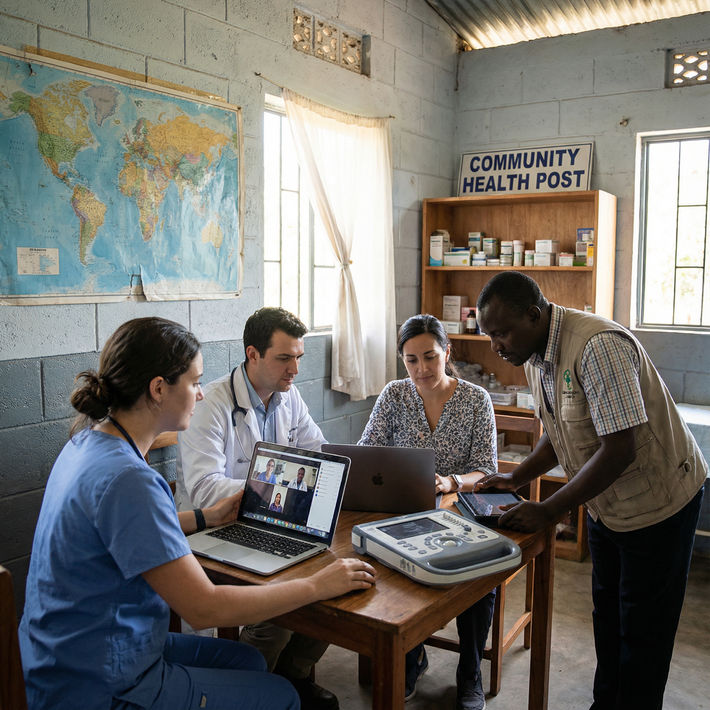
Mission trips during interview season are not automatically a good idea. That’s the truth nobody says plainly enough.
They can absolutely strengthen your application. They can also make you miss interview invites, fumble scheduling, look disorganized, and tell a weird story about your priorities. I’ve seen applicants spend thousands on travel, come back inspired, and then quietly lose interview momentum because they were in the air when programs called, offline when invites dropped, or too exhausted to perform well on Zoom. Brutal. Preventable.
Program directors usually won’t tell you, “That mission trip made us question your judgment.” They’ll just move on to the applicant who looked easier to work with.
So here’s the real issue: a mission trip only helps if it fits your timeline. Not your fantasy version of your timeline. Your actual one.
This guide is built the way applicants actually need it:
- Months before interview season: decide whether the trip belongs in your plan at all.
- Weeks before interviews: protect your schedule, connectivity, and message.
- Day by day during travel: make yourself impossible to miss and hard to misunderstand.
- After the trip: turn the experience into a clean, credible interview answer.
At this point you should be thinking less about optics and more about reliability. Reliability wins.
Months Before Interview Season: Decide Whether the Trip Helps or Hurts Your Application
The first decision happens earlier than most students think. Not in October. Not after ERAS is in. Months before that.
If you’re considering a mission trip, ask one blunt question: does this actually fit your long-term story? If yes, good. If not, stop trying to staple it onto your CV like decorative service wallpaper.
A strong mission experience usually has at least one of these:
- sustained involvement over time
- a clear connection to your patient population or specialty interest
- leadership or meaningful responsibility
- real reflection and cultural humility
- evidence that you didn’t just parachute in for photos and adjectives
A weak mission experience looks different:
- booked late because you felt your CV was “missing service”
- no continuity before or after
- no clear explanation for why this trip mattered
- obvious overlap with application deadlines or interview season
- a tone that screams “interesting travel” more than “serious service”
Program directors can smell the difference. They may not say it out loud, but they know when an experience is part of your identity versus a last-minute résumé patch.
At this point you should open a calendar and work backward.
Month-by-month planning guide
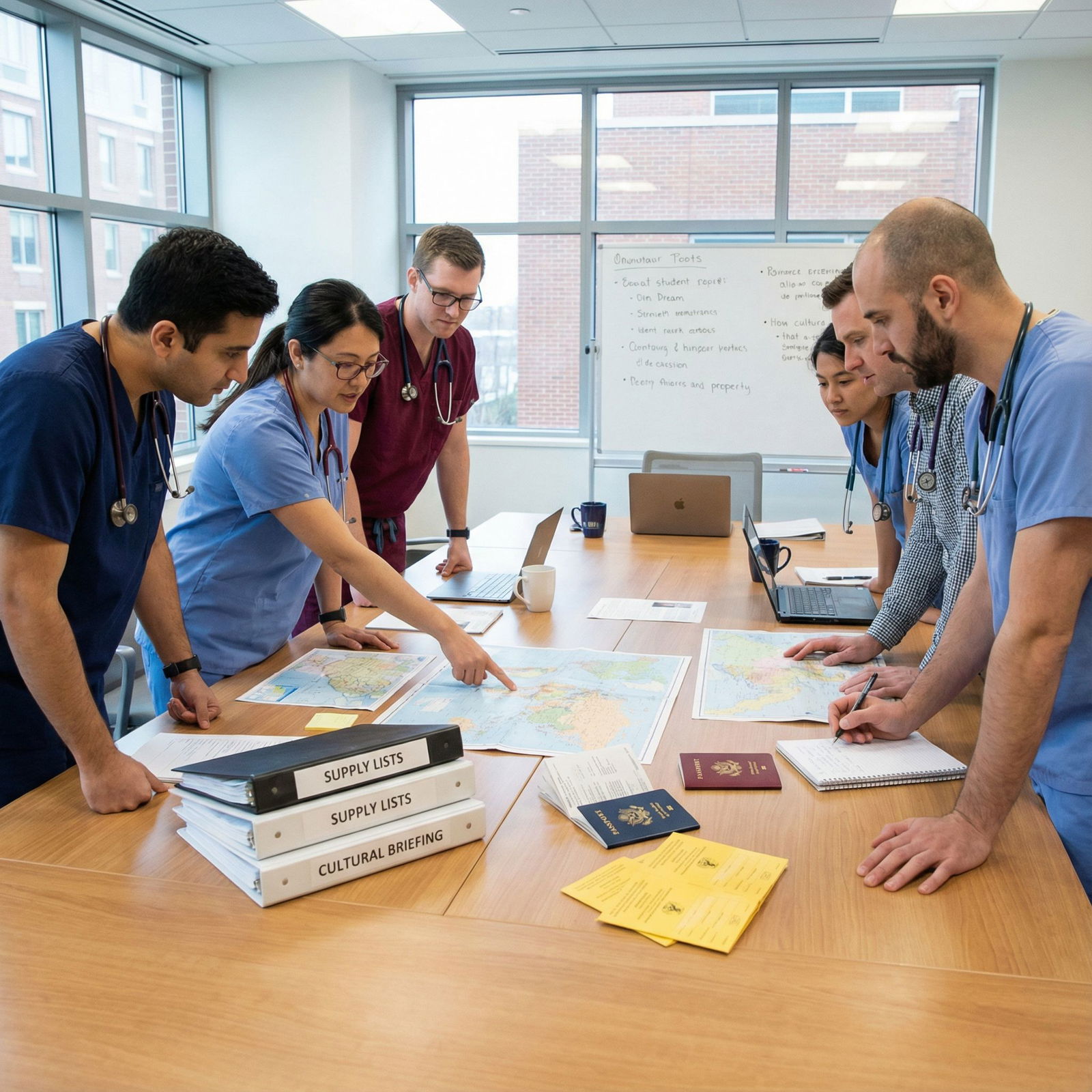
4–6 months before interview season
- Review your specialty’s usual interview timeline.
- Mark high-volume interview months on your calendar.
- Flag ERAS submission, MSPE release, supplemental application deadlines, and away rotation obligations.
- Ask yourself whether travel during that window is smart or just emotionally appealing.
3–4 months before interview season
- Decide whether the trip truly adds to your application narrative.
- If it does, choose travel dates that avoid likely interview surges.
- Build in buffer days before and after travel. Jet lag and delayed flights are real; pretending otherwise is amateur behavior.
- Confirm whether the trip has reliable internet, private space, and schedule flexibility.
2–3 months before interview season
- Finalize logistics only if the trip still makes sense.
- Tell mentors and advisors exactly when you’ll be away.
- Make a plan for fast interview response if invitations arrive while you’re traveling.
Here’s the self-checklist. Be honest.
Self-checklist: Should you go?
- Does this trip deepen a commitment I already have?
- Can I explain why this experience matters in one or two clear sentences?
- Would I still do it if it never appeared on my CV?
- Can I protect interview weeks without chaos?
- Am I going because it fits my goals, or because I’m nervous my application looks thin?
If that last answer is “I’m filling space,” don’t go. Empty strategy wrapped in service language is still empty strategy.
Weeks Before Interviews: Protect Your Schedule, Your Connectivity, and Your Story
Now we’re in the practical window. This is where good intentions either become a system or fall apart.
Once interviews begin rolling in, speed matters. Some specialties fill spots fast. Not “check tonight” fast. More like “answer in the grocery store parking lot” fast. If you’re heading abroad, your margin for error gets tiny.
At this point you should have three protections in place: schedule protection, tech protection, and narrative protection.
1) Schedule protection
As soon as interview offers come in:
- confirm dates immediately
- avoid optional travel on likely interview days
- leave white space for reschedules
- know your time zones cold
I’ve seen applicants mix up Eastern Time and local time while overseas. One hour off can wreck a month of work. Put every interview in:
- your phone calendar
- a paper backup
- an email folder
- one master document with both local time and program time
2) Tech protection
Before you leave, confirm:
- Wi-Fi quality
- hotspot access
- charger adapters
- backup battery packs
- a camera-ready device
- a second device in case your primary one fails
Download key files offline:
- CV
- personal statement
- program notes
- interview talking points
- contact list for coordinators
If your whole plan depends on “the hotel internet should be okay,” your plan is bad.
3) Communication protection
Tell people early:
- your trip lead
- faculty mentor
- dean’s office or advisor
- anyone helping coordinate your schedule
Use direct language:
“I’m committed to the trip, but interview season is a priority. I may need protected time, reliable internet, and privacy for virtual interviews.”
That isn’t selfish. That’s adult planning.
How to talk about the trip
Do not pitch it as exotic. Do not get performative. Nobody needs your grand speech about how traveling “changed everything.”
A better framing:
- service
- teamwork
- resourcefulness
- humility
- what you learned about continuity, systems, and patient trust
That reads mature. Because it is.
During the Trip: Keep Interviews, Professionalism, and Reliability on Track
This is the day-by-day part. At this point you should already be done with improvising.
The day before an interview
You should have:
- two alarms, not one
- confirmed time-zone conversion
- fully charged laptop and phone
- backup charger and adapter
- tested internet
- tested camera and microphone
- a quiet interview location reserved
- professional clothes ready and wrinkle-checked
If you’re interviewing from abroad, the burden is on you to look composed. Programs do not give extra points for logistical adversity.
The morning of the interview
Your checklist:
- Wake up early enough to recover from any surprise.
- Recheck the interview link and start time.
- Test audio and lighting again.
- Close unnecessary apps and notifications.
- Keep coordinator contact info visible.
- Join early. Not exactly on time. Early.
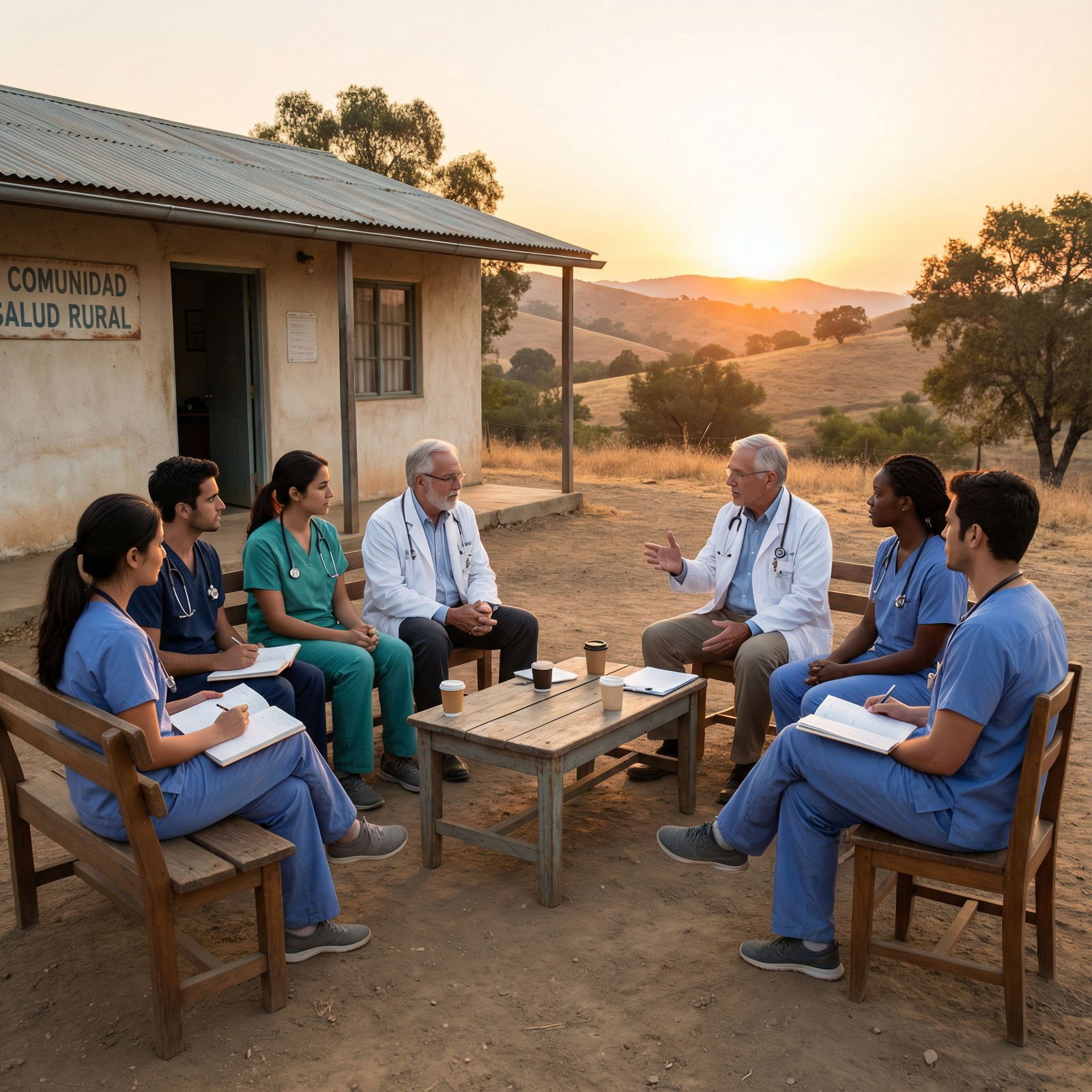
A mission clinic courtyard with roosters, generators, and people walking behind you is not a charming backdrop. It’s distracting. Find a neutral wall. Protect the sound. Look prepared.
If you may be offline
Do not disappear and hope for sympathy later. That’s how opportunities die.
Instead:
- email coordinators in advance if you’ll be in transit
- ask mentors to text you if something urgent arrives
- set up email forwarding and notifications
- schedule check-in windows every day
Programs can work with proactive communication. They do not like preventable silence.
Your concise interview narrative
When mission work comes up, keep it tight:
- one concrete example
- one lesson
- one connection to how you practice medicine
Example:
“On a repeat service trip with a mobile clinic team, I learned how quickly good intentions fall apart without continuity and local partnership. It made me more attentive to follow-up, patient trust, and the limits of short-term care. That’s shaped how I think about service now.”
That answer works. It’s specific. It’s humble. It doesn’t sound like a brochure.
After the Trip: Turn the Experience Into a Stronger Interview Answer
The trip is over. Good. Now do the part most applicants skip: the debrief.
Don’t just upload photos, add a line to ERAS, and move on. Sit down within a few days and write out what actually happened while it’s still fresh. Not the polished version. The real version.
In the first week after returning
At this point you should document:
- one patient interaction or team moment that stayed with you
- one assumption that got challenged
- one thing the experience taught you about limitations of short-term service
- one way it changed how you think about future patient care
This matters because interview answers decay fast when they’re built from vague memory. Reflection sharpens the story.
Build the answer in three parts
Use this formula:
One example
A specific moment. Briefly told.One lesson
What it taught you about medicine, service, communication, or systems.One forward-looking sentence
How it connects to the physician you want to become.
That’s it. No monologue. No travel diary.
Example structure:
- “During a community clinic day, I saw how much care coordination depended on local staff who knew the patients well.”
- “It reminded me that humility matters more than heroics in short-term service.”
- “I want my future work to reflect that—showing up consistently, building trust, and supporting sustainable care.”
That lands much better than dramatic language about being “forever changed.”
And yes, there’s a wrong way to talk about mission trips:
- sounding self-congratulatory
- centering your discomfort instead of patient care
- exaggerating your role
- acting as if brief exposure made you an expert in global health
Don’t do it. It’s transparent, and it turns a potentially strong experience into a maturity test you fail.
Final Timeline Recap
Here’s the clean version.
Months before interview season
At this point you should:
- decide whether the trip truly fits your long-term story
- avoid using service travel as CV filler
- map interview season before booking anything
- protect high-volume interview weeks
Weeks before interviews
At this point you should:
- confirm dates fast
- lock down internet, devices, chargers, and backup plans
- tell mentors and trip leaders that interviews take priority
- prepare a mature, non-performative way to discuss the experience
Day before and day of interviews
At this point you should:
- double-check time zones
- test audio and video
- reserve a quiet, professional setting
- communicate proactively if you’ll be offline or in transit
After the trip
At this point you should:
- debrief while details are fresh
- build one strong interview story from one real example
- keep the reflection concise, specific, and grounded
Mission trips can help your application. Absolutely. But only when they’re planned around interview season instead of dumped on top of it. The applicants who handle this well aren’t luckier or more impressive. They’re just more disciplined.
And that’s what programs notice. Not the passport stamp. The judgment.