
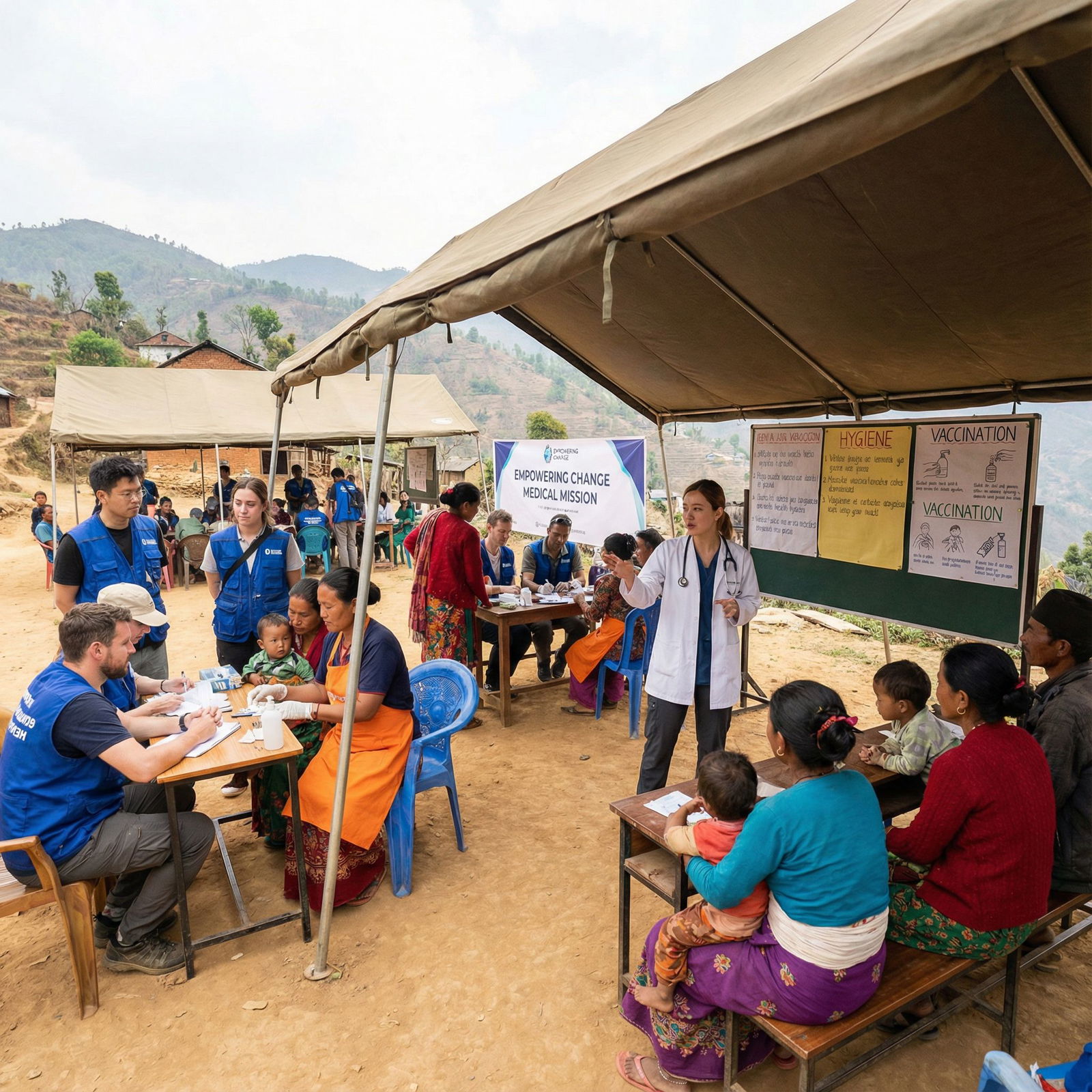
Medical Missions on Your CV: Why They Don’t ‘Automatically Impress’ PDs
Why did the program director skim right past your two-week Guatemala mission and instead grill you on a quality-improvement project from your home hospital?
Let me be blunt: you’ve been sold a story about medical missions. The “go abroad, help the poor, put it on your CV, and PDs will be blown away” story. It’s popular. It’s also mostly wrong.
The reality in 2026: residency program directors are a lot more skeptical, a lot more ethics-conscious, and a lot more burned out on “voluntourism” than premed advising blogs want to admit.
Let’s walk through what actually happens when a PD sees “Medical Mission – Honduras” on your application.
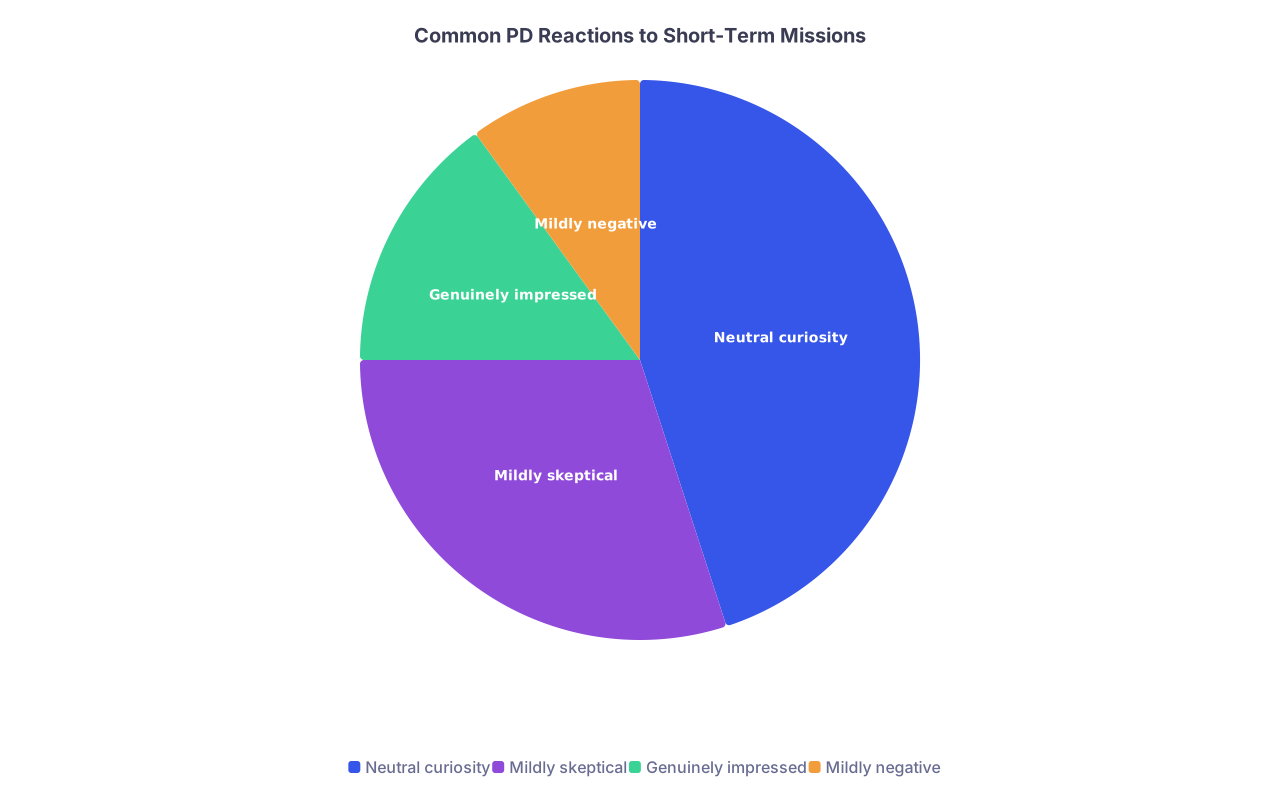
What PDs Actually See When You List a Medical Mission
| Category | Value |
|---|---|
| Neutral curiosity | 45 |
| Mildly skeptical | 30 |
| Genuinely impressed | 15 |
| Mildly negative | 10 |
I’ve sat in rooms where a pile of ERAS apps is projected, and the line “Medical mission trip to X country” comes up. The reactions from PDs and faculty are rarely what students imagine.
You think they’re reading:
“Compassionate, globally minded, selfless.”
Many of them are actually reading:
“Two-week trip, unclear impact, possibly unethical care, nice photos for Instagram.”
Not always. But often enough that you should stop assuming “mission = bonus points.”
Common internal questions PDs have when they see a mission entry:
- Was this supervised by anyone qualified?
- Were they doing stuff there they are not allowed to do at home?
- Did this help the local community or mostly the applicant’s CV?
- Why did they fly 3,000 miles to do blood pressures when their own city has uninsured patients they’ve never worked with?
None of that is written on the ERAS form. But that’s the subtext.
And here’s the kicker: if all you can say about your mission is some version of “It made me grateful for what I have” or “It taught me how lucky we are in the US,” you’ve basically confirmed the PD’s skepticism.
The Ethics Problem: PDs Are Not Ignoring This Anymore
A decade ago, short-term medical trips were still being romanticized in many circles. “Global health” meant fly in, do a clinic, fly out. That era is dying, and program directors know it.
Academic groups have been ripping into short-term missions for years:
- They disrupt local care systems.
- They can undercut local clinicians.
- They may involve trainees practicing beyond their competence.
- They often provide no continuity of care, no follow-up, and no sustainable change.
This is not fringe opinion. There are entire position statements and review articles on the ethics failures of “parachute” care. PDs, especially at academic centers, read those.
So when they see “Medical mission – 10 days – Nicaragua” with no mention of:
- Established local partner
- Longitudinal involvement
- Language skills
- Defined, appropriate trainee role
- Evidence of capacity building or sustainability
…they mentally file it under “possibly problematic.”
I’ve literally heard a faculty interviewer say after reading an app:
“Another spring break mission. I’m going to ask them exactly what they were allowed to do there.”
This is where applicants get exposed. They start describing doing procedures, injections, even minor suturing with supervision that would never fly in a US teaching hospital at their training level. That doesn’t impress. It alarms.
If your mission experience sounds like a loophole to practice beyond your scope under the cover of “helping the poor,” a growing number of PDs see that as an ethical red flag, not a badge of honor.
The Data: Medical Missions vs. What PDs Actually Care About
Let’s be cold for a second and talk about signal strength. Your CV is noise unless it sends a clear, strong, relevant signal to the people deciding whether to interview you.
Most PDs, especially in competitive specialties, rank these much higher than “did mission trip”:
- Clinical performance and narrative evaluations
- Letters of recommendation from people they trust
- Step scores / COMLEX scores (yes, still)
- Home institution reputation / rigor
- Real research or QI projects showing persistence and follow-through
- Evidence of reliability and teamwork
Short-term missions? They’re in the “nice, maybe” bucket with hobbies and one-off service events.
Let me put that in a quick comparison.
| CV Item | Typical Impact on PDs |
|---|---|
| Strong clerkship comments | High (core decision factor) |
| Trusted LOR from known faculty | High |
| Step 2 / COMLEX Level 2 score | High |
| Longitudinal local service (years) | Moderate to high |
| Sustained global health program | Moderate, sometimes high |
| One-off short-term mission | Low, sometimes neutral/negative |
Notice the pattern: longitudinal, integrated work matters. One-shot, “I flew in and out” impresses far less than you’ve been led to believe.
Worse, if the mission is the only substantial service experience on your CV, that contrast raises questions: why are you suddenly compassionate at 30,000 feet but invisible in your own city?
The “Savior” Narrative: Why Your Reflection Essays Fall Flat
Here’s the part students almost never get honest feedback about.
A lot of medical mission personal statements and ERAS descriptions sound the same. And they sound bad.
Common tropes that PDs are tired of reading:
- “They had so little but were so happy.”
- “I realized how privileged we are in the US.”
- “Despite the lack of resources, the people were so grateful.”
- “I found my passion for medicine by seeing real need.”
These lines are not just cliché. They frame the trip as your personal awakening rather than about the community’s needs or autonomy.
Ethically aware PDs see:
- Centering yourself instead of the patients or the system
- Zero mention of local colleagues’ expertise or leadership
- No evidence you understand power dynamics, colonialism, or structural determinants of health
If your main growth point is “I learned to be grateful,” that’s not a professional-level reflection. That’s a study abroad blog post.
Reflective depth that actually plays well with PDs sounds more like:
- Specific examples of how local clinicians led the work and what you learned from them
- Critique of your own role and its limitations
- Acknowledgement of sustainability, or lack thereof, and how that changed what you now choose to do
- Concrete actions you’ve taken since, based on what you learned (not just feelings)
You don’t get extra points for being wide-eyed and amazed. You get points for demonstrating ethical awareness and humility tied to actual behavior change.
Voluntourism vs. Real Global Health: PDs Know the Difference
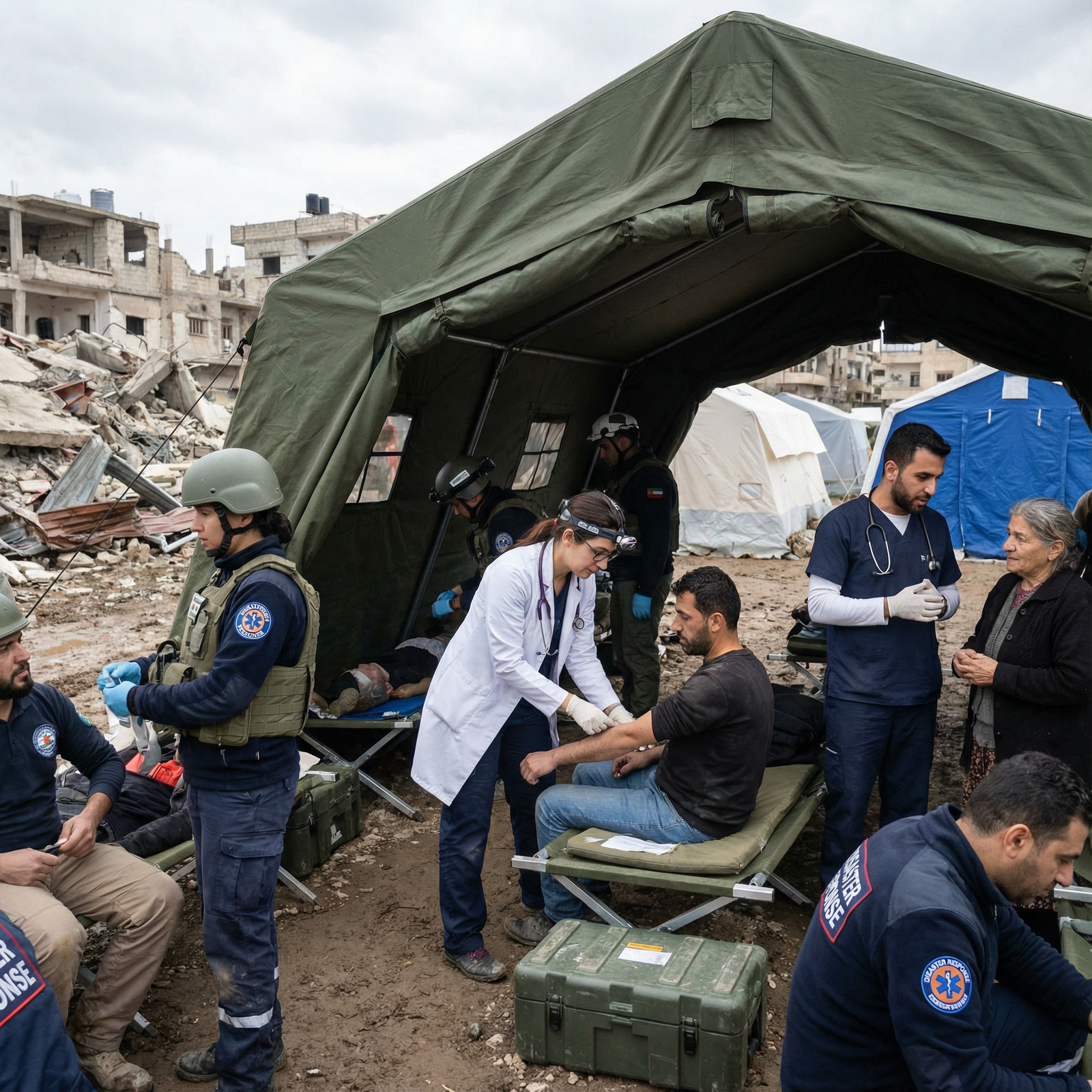
Not all overseas work is created equal. And yes, residency leadership can usually smell the difference.
Red flags for “voluntourism” on a CV:
- Duration: 1–2 weeks, often during breaks, no follow-up mentioned
- Vague role: “Provided medical care” as a preclinical or early student
- Third-party mission org with no academic or local institutional partner
- Lots of emotional language, almost no concrete description of systems, follow-up, or outcomes
- Absolutely no subsequent engagement with similar work back home
In contrast, genuine, high-yield global health work tends to look like:
- Multi-year involvement with the same site or partner institution
- Clear, appropriately limited role (education, research support, longitudinal QI, supervised clinical tasks within your scope)
- Mentors with actual global health track records who can write detailed letters
- Integration with your academic work: research, curriculum, program development
- Attempts at bi-directional exchange, capacity building, or support of local priorities
Let me be clear: PDs are not anti-global health. Some of them built global health programs.
They are anti-self-serving tourism disguised as medicine.
And if you’re applying to programs with established global health tracks, the bar is even higher. They’ve seen dozens of “mission trip” applicants. The ones they remember are the ones who can talk in detail about ethics, sustainability, funding structures, and local leadership, not just “we saw 200 patients a day and worked really hard.”
Why Local Longitudinal Work Often Beats Short-Term Missions
If your goal is to show commitment to underserved care, you do not need a passport. You need consistency.
From a PD’s perspective, there’s a huge difference between:
- A ten-day clinic in Peru
versus - Two years volunteering at a free clinic in your city, or doing street medicine, or working with a refugee health program, or running longitudinal diabetes group visits in a safety-net hospital
The latter:
- Shows reliability over time
- Generates faculty who can comment on your growth
- Puts you in systems similar to what you’ll face in residency
- Avoids the ethical minefields of parachute missions
- Looks much less like a “one and done” CV ornament
| Category | Value |
|---|---|
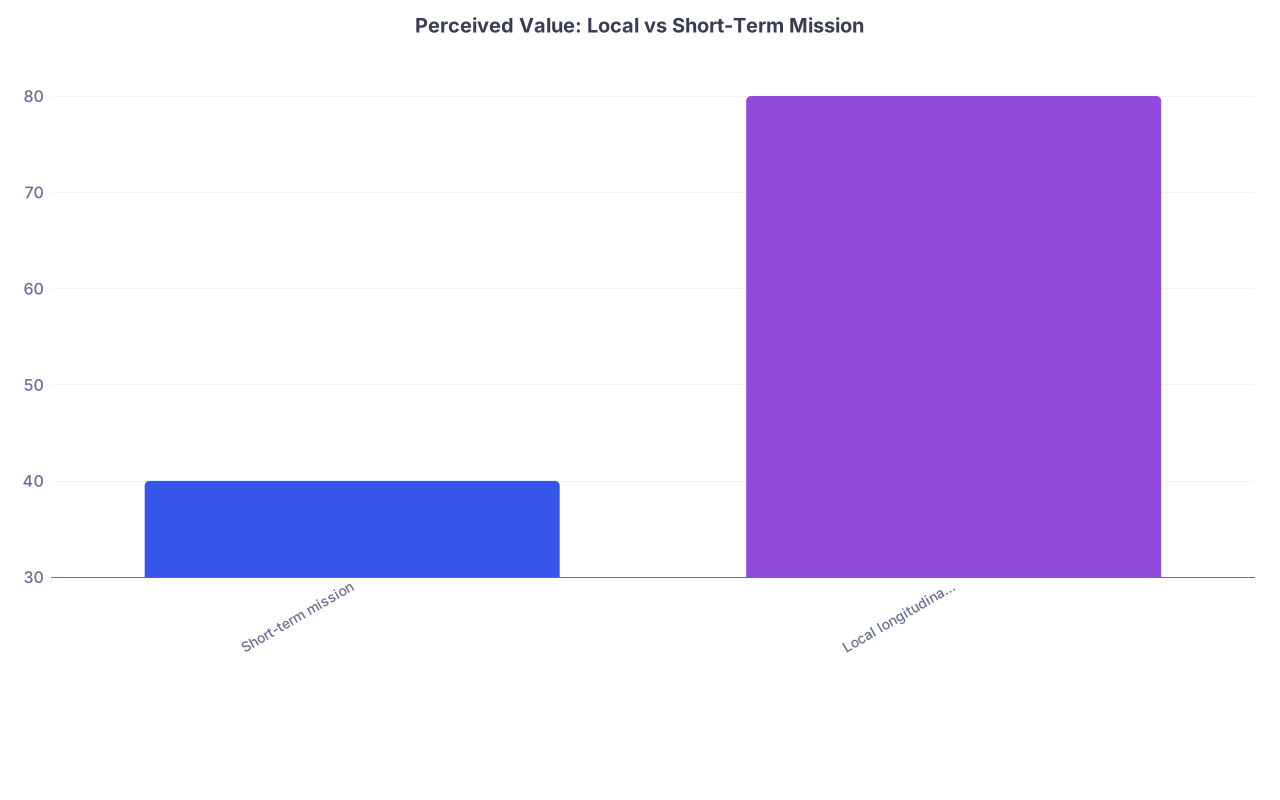
| Short-term mission | 40 |
| Local longitudinal clinic | 80 |
The number isn’t literal; it’s conceptual. When PDs talk informally, many will straight up say they value long-term local work more than a brief overseas trip, especially if that trip is medically questionable.
You want to impress a jaded PD? Show that you’ve stuck with unglamorous, low-resource care close to home for years. That you’ve done the follow-up visits, the boring charting, the awkward conversations through interpreters. Not just the dramatic first encounter in a rural setting you’ll never see again.
When Missions Can Actually Help You – And When They Hurt You
I’m not saying every mission trip is a liability. I am saying the default is “neutral” until you prove otherwise.
Missions help you when:
- They are part of a clear, longitudinal story of commitment to underserved or global health work.
- You can articulate specific ethical challenges you saw — and how they changed your behavior or career goals.
- You can describe your scope of practice in ways that reassure PDs you did not exploit lax oversight.
- A credible mentor from that work writes a detailed, nuanced letter.
- You connect the experience to current actions, not just memories.
They hurt you when:
- You brag about doing procedures you had no business doing at your training level.
- Your reflections center your emotions and heroics, not the community or system.
- It’s the only service experience on your application.
- You clearly treated it as adventure plus photo-op.
- You scoff at ethical questions or respond with “Well, something is better than nothing.”
On that last point: “something is better than nothing” is a terrible ethical defense. PDs who think about this stuff will shred that logic in about two seconds. Unsafe, unsupervised, or disrespectful care is not “better than nothing.” And if you double down on that stance in an interview, do not expect a call back.
How to Salvage a Mission Trip on Your CV (If You Already Did One)
You went. It’s on your CV. You can’t time travel. What you can do is stop romanticizing it and start interrogating it.
First, audit the experience honestly:
- What exactly did you do? If you strip out anything beyond your legitimate scope, what remains?
- Who supervised you, and how does that supervision compare to your home institution?
- What happened to those patients after you left? Do you know? Did anyone know?
- Did you learn anything about the local health system beyond “they don’t have enough resources”?
Then, reframe how you talk about it.
Stronger narratives sound like:
“I realized I was being asked to do tasks I would never be allowed to do at home. That discomfort was the start of my interest in global health ethics. Since then, I’ve…”
or
“I was initially excited about how many patients we saw, but as I learned more, I became concerned about continuity of care. That pushed me to join a local migrant health clinic where I could be part of long-term follow-up.”
That kind of evolution? PDs actually like hearing that. It shows growth and moral seriousness.

| Step | Description |
|---|---|
| Step 1 | Short term mission |
| Step 2 | Recognize limits and issues |
| Step 3 | Seek education on global health ethics |
| Step 4 | Engage in local longitudinal work |
| Step 5 | Integrate lessons into career goals |
What you do after the mission matters more than the mission itself. A suspect experience followed by ethical reflection and changed behavior is more impressive than a glossy, uncritical story.
Should You Do a Mission Trip Just for Your CV? No.
If you’re still at the “deciding whether to go” stage and your honest reason is “this will look good for residency” — do not go.
PDs are moving away from rewarding that kind of box-checking, and there are far better ways to spend your limited time and money:
- Deep local service with real follow-up
- Serious QI or research in health disparities
- Longitudinal involvement in refugee, immigrant, or uninsured care
- Building language skills and cultural humility in populations you’ll actually serve in residency
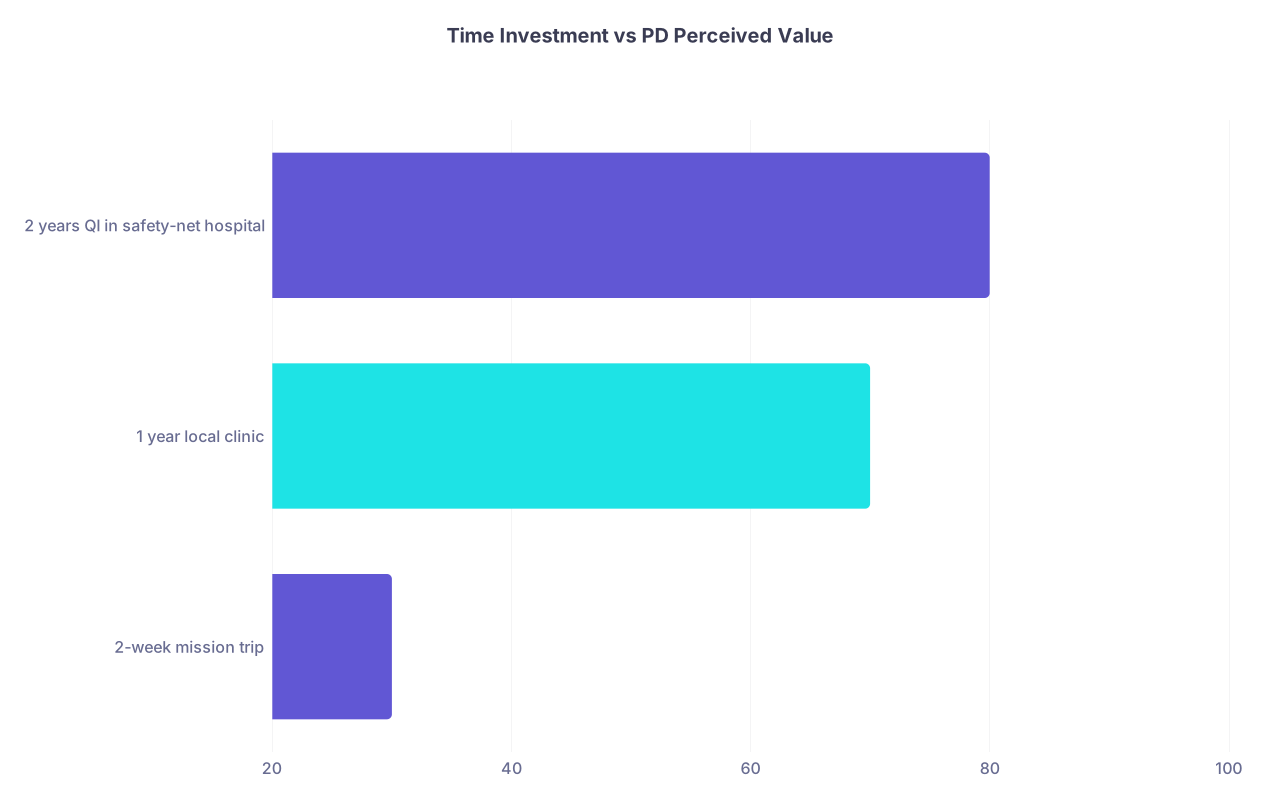
| Category | Value |
|---|---|
| 2-week mission trip | 30 |
| 1 year local clinic | 70 |
| 2 years QI in safety-net hospital | 80 |
Could there be exceptions? Sure. Legitimate, well-structured partnerships, humanities-informed global work, long-term engagement with a specific region — those exist. But if you’re asking Reddit whether a 10-day trip will “boost your app,” you’re probably not talking about that.
The Bottom Line
Medical missions do not automatically impress residency program directors. Many of them are skeptical, for good reasons.
Three things to take away:
- Short-term, one-off missions are low-yield at best and can be ethical liabilities if you overstep your role or glorify the experience.
- Longitudinal, ethically grounded work — local or global — carries far more weight than passport stamps.
- If you’ve done a mission, your only real leverage now is honest, critical reflection and clear evidence that it changed your behavior, not just your feelings.


