Introduction: Medical Missions at a Turning Point
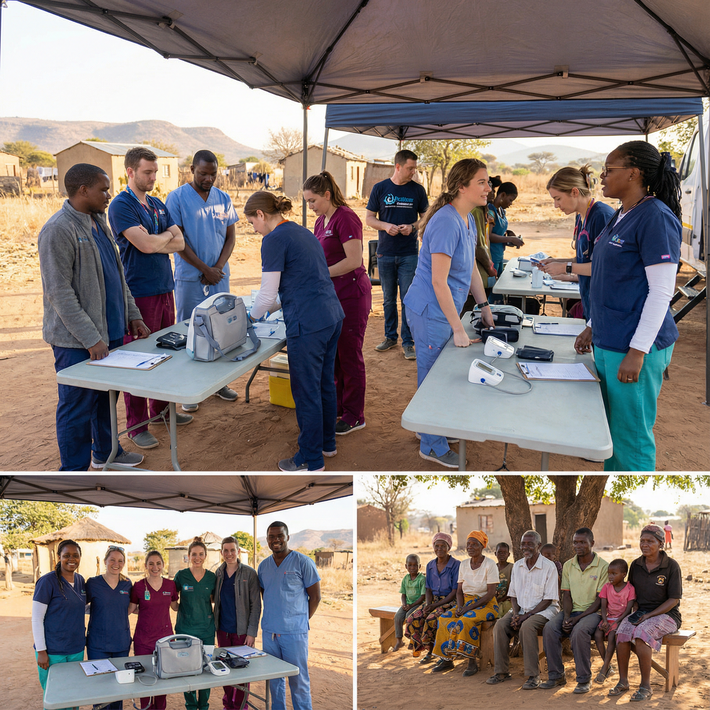
Medical missions have long been synonymous with altruism in healthcare—teams of clinicians traveling to underserved regions to provide much-needed care, often under challenging conditions. Historically, images of short-term surgical brigades or primary care pop-up clinics have dominated the narrative. Yet global health is changing rapidly.
Digital transformation, the COVID-19 pandemic, climate change, migration, geopolitical instability, and the growing visibility of the United Nations’ Sustainable Development Goals (SDGs) are reshaping how, why, and where we serve. At the same time, there is growing recognition that well-intentioned missions can inadvertently undermine local systems if they are poorly planned or not aligned with local needs.
For medical students, residents, and early-career physicians interested in Medical Missions and ethical volunteerism, this evolving landscape presents both opportunity and responsibility. The future of medical missions is likely to be:
- Less episodic, more longitudinal
- Less individualistic, more collaborative
- Less charity-driven, more justice-oriented and aligned with Sustainable Development Goals
- Less focused solely on acute care, more inclusive of prevention, health systems, and Mental Health
This article explores the major trends and predictions shaping the future of medical missions and volunteerism—highlighting how Telehealth, technology, sustainable development, mental health integration, and advocacy will redefine what it means to “go on a mission” in the coming decades.
Telehealth and Hybrid Care Models in Medical Missions
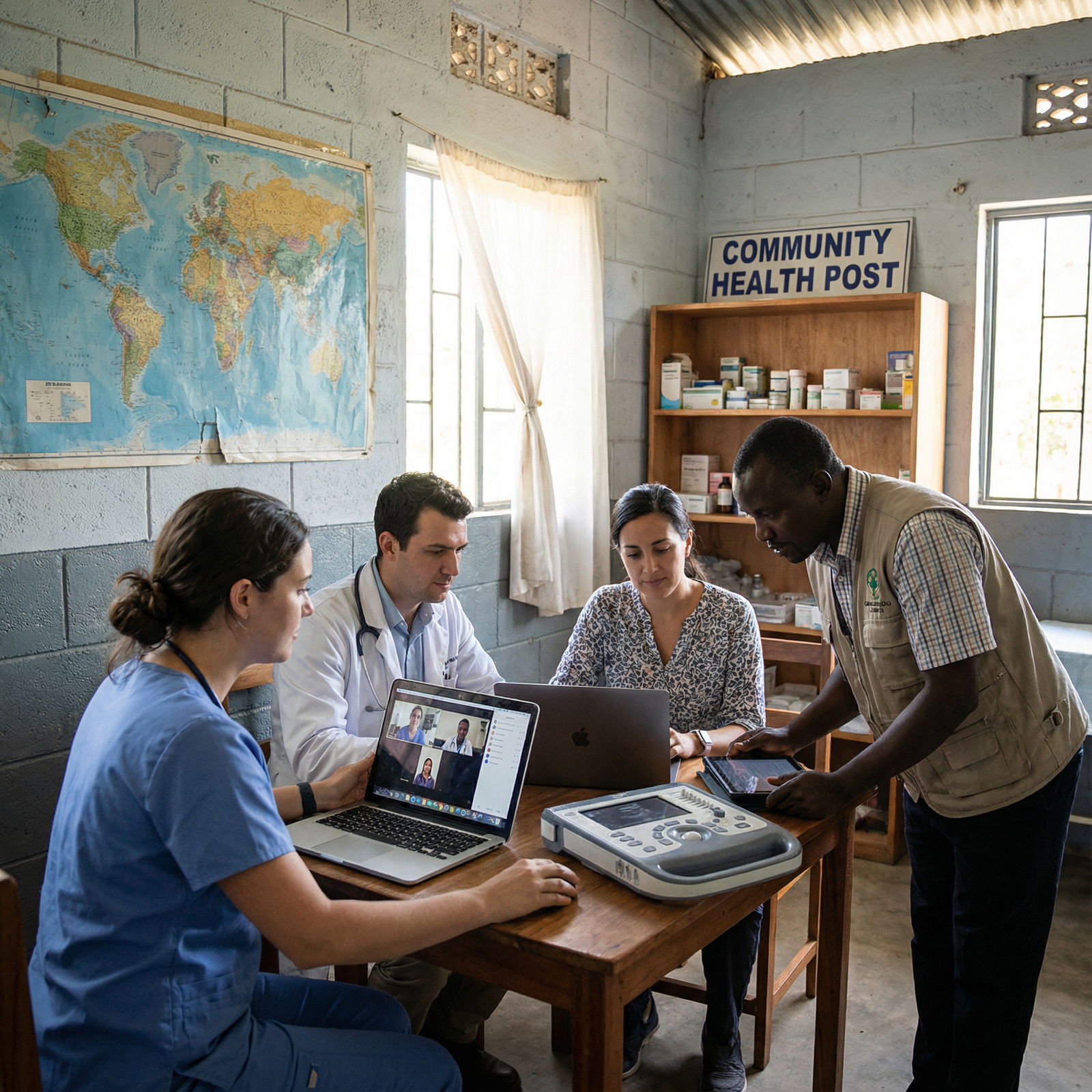
Telehealth is arguably the single biggest disruptor of traditional medical missions. What began as a stopgap during the COVID-19 pandemic has now become a cornerstone of long-term, sustainable global health engagement.
Redefining Access to Care Across Borders
Telehealth allows clinicians to bridge vast geographic gaps without boarding a plane. For mission organizations and teaching hospitals, this means:
Remote specialty care
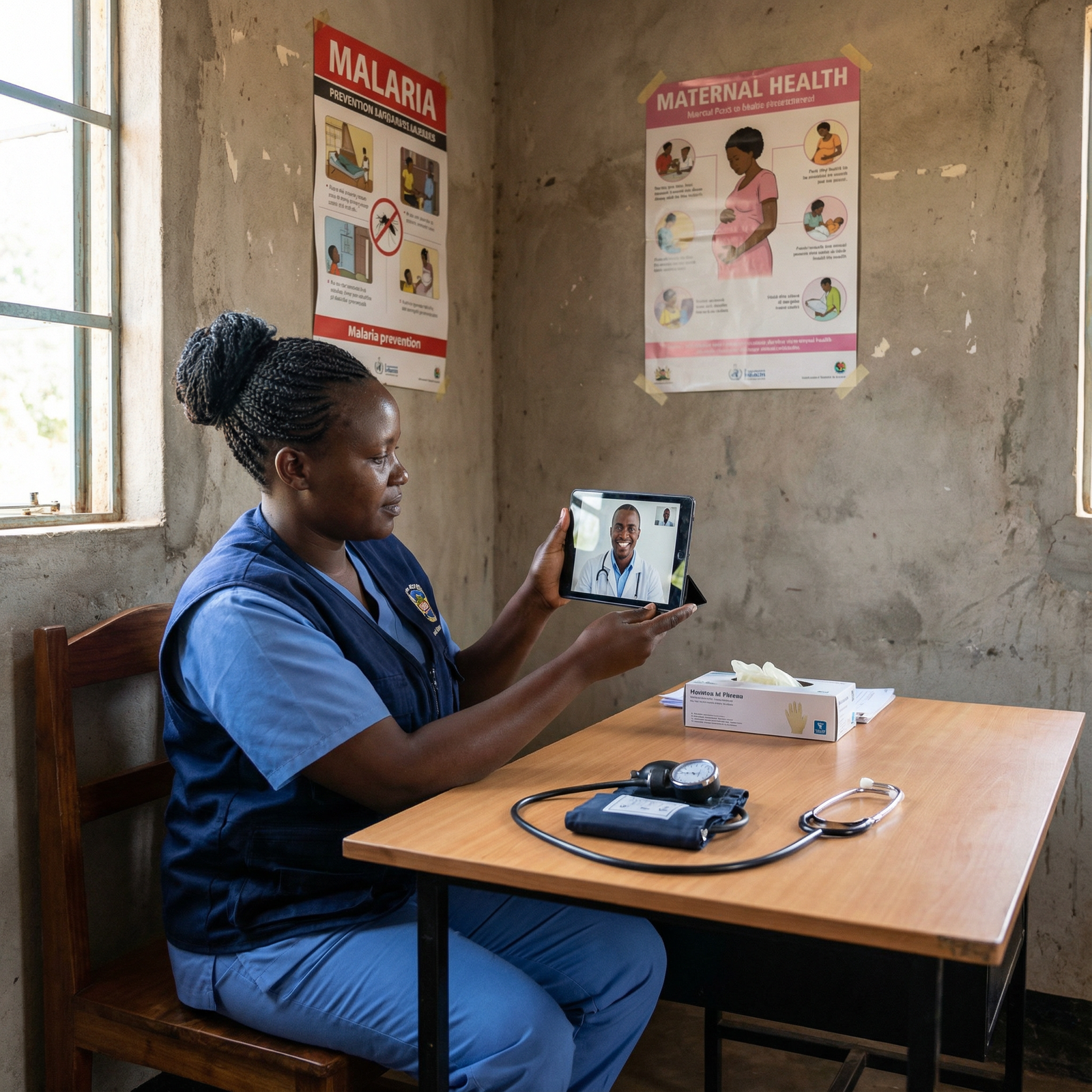
- A woman with a high-risk pregnancy in a rural clinic can be co-managed by a local midwife and an obstetrician in another country.
- A child with untreated congenital heart disease can be evaluated via telecardiology before a surgical team ever travels, ensuring appropriate case selection.
Expanded reach with fewer resources
- Organizations can support multiple partner sites simultaneously, rotating teams of remote volunteers instead of sending one physical team per location.
- Teletriage can help prioritize patients who most need in-person procedures, making limited surgical missions safer and more efficient.
Continuity of care
The traditional model—arriving for one week, treating hundreds, then leaving—often leaves dangerous gaps in follow-up. Telehealth enables:- Post-operative wound checks via smartphone photos or video
- Ongoing management of chronic diseases (e.g., diabetes, hypertension, HIV)
- Virtual multidisciplinary rounds with local providers after the mission ends
For trainees, this also opens up meaningful global health engagement without the time and cost of international travel—especially valuable during residency and fellowship.
Cost-Effective and Environmentally Conscious
Telehealth has clear financial and environmental advantages:
- Lower travel and logistical costs: Fewer flights, accommodations, and freight shipping free up resources for medications, diagnostics, or local staff salaries.
- Reduced carbon footprint: Fewer flights align missions with climate-related Sustainable Development Goals and the broader ethical responsibility to minimize environmental harm.
Skeptics sometimes worry telehealth is a second-tier substitute for “being there.” In reality, thoughtfully blended “hybrid” models—combining in-person visits for procedures and relationship-building with robust year-round virtual follow-up—often offer superior outcomes and more ethical, sustainable engagement.
Telehealth as a Platform for Education and Capacity Building
Telehealth is not just for patient care; it is a powerful educational tool:
- Virtual grand rounds and case conferences: Residents in high-resource settings can present challenging cases with input from clinicians in partner hospitals abroad, and vice versa.
- Point-of-care mentoring: A rural clinician can livestream an ultrasound or a procedure while an off-site expert guides them in real time.
- Asynchronous learning: Recorded lectures, short clinical pearls, and protocol videos can be shared through low-bandwidth platforms for ongoing professional development of local staff.
Actionable tip for trainees:
If you join a mission organization, ask how telehealth is used to support local clinicians between trips and how you can contribute to virtual teaching or case discussions.
Aligning Medical Missions with the Sustainable Development Goals
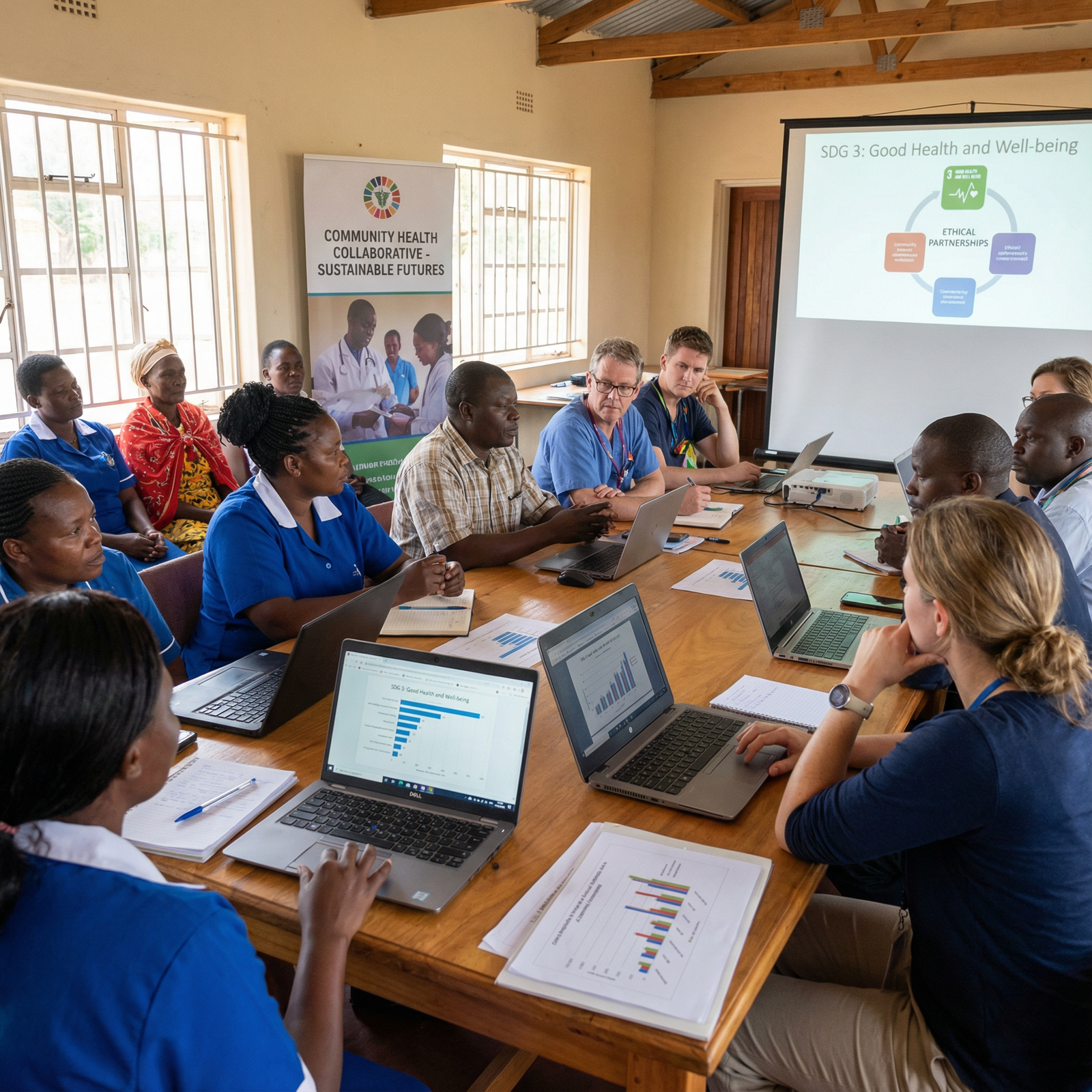
The Sustainable Development Goals (SDGs) provide a global roadmap for reducing poverty, improving health, and promoting equity by 2030. Future-ready medical missions increasingly see themselves as partners in this broader agenda rather than isolated charitable efforts.
From One-Time Trips to Health System Strengthening
SDG 3 (“Good Health and Well-being”) includes targets on reducing maternal mortality, ending preventable child deaths, and achieving Universal Health Coverage. Medical missions can align with these goals by:
Shifting from episodic care to system-building
- Supporting local training in emergency obstetrics instead of just providing short-term obstetric services
- Helping clinics build robust referral systems, supply chains, and quality-improvement programs
Investing in infrastructure
Missions are beginning to fund or co-design:- Reliable oxygen delivery systems
- Solar-powered cold chains for vaccines
- Laboratory capacity for routine diagnostics
These investments outlast any visiting team and directly support SDG 3.8 on Universal Health Coverage.
Multi-Sector Collaboration: Beyond Hospital Walls
Many determinants of health lie outside the clinic. Forward-looking missions are integrating with other SDG-aligned efforts:
- Clean water and sanitation (SDG 6): Collaborations to improve wells, latrines, and hygiene education reduce diarrheal disease more than clinical treatment alone.
- Food security and nutrition (SDG 2): Joint programs with agricultural cooperatives or school feeding programs directly impact child health and maternal outcomes.
- Education and gender equality (SDG 4 & 5): Health missions increasingly partner with schools and women’s organizations to promote reproductive health education, menstrual hygiene management, and domestic violence prevention.
Community Ownership and Empowerment
Ethically grounded missions recognize that durable health improvements depend on local leadership:
Training and mentoring local health workers
- Task-shifting (e.g., training community health workers to screen for hypertension or depression) multiplies the impact of a single visiting physician.
- Mission teams should plan from the start how local staff will take over roles once external volunteers reduce or end their involvement.
Participatory program design
Rather than arriving with pre-packaged solutions, future missions will:- Conduct community needs assessments with local leaders
- Co-develop priorities (e.g., maternal health vs. trauma vs. mental health)
- Establish metrics of success that matter locally (e.g., school attendance, clinic utilization, stigma reduction)
Actionable tip for trainees:
When considering an organization, ask: “How are local partners involved in setting priorities and evaluating outcomes?” Genuine collaboration is a strong marker of ethical, SDG-aligned work.
Technology and Innovation: From Data to 3D Printing
Technology will not replace the human relationships at the heart of Medical Missions, but it is dramatically changing how those missions are planned, delivered, and evaluated.
Data-Driven Decision Making in Global Health Volunteerism
In the past, many missions measured success by the number of patients seen or surgeries performed. While these numbers are easy to report, they reveal little about long-term impact or equity.
Future-oriented missions are becoming more data-informed:
Standardized data collection
- Use of simple electronic health records (EHRs) or mobile apps to track diagnoses, treatments, and outcomes
- Aggregated data to identify patterns: antibiotic overuse, high rates of poorly controlled hypertension, or preventable complications
Targeted interventions based on analytics
Data can reveal:- Which districts have the highest maternal mortality, guiding where to focus emergency obstetric training
- Which chronic diseases are most common, influencing pharmacy stock and health education campaigns
Research and publication
Collecting robust data allows mission organizations to:- Publish outcomes and lessons learned, contributing to global health knowledge
- Support advocacy efforts for policy change (e.g., demonstrating the health impact of air pollution or lack of mental health services)
For residents interested in academic global health, participation in ethically conducted research within mission partnerships can be a valuable path to scholarship.
Mobile Health (mHealth) and Patient Engagement
Mobile phones are among the most transformative tools in global health:
Appointment reminders and adherence support
SMS or WhatsApp messages can:- Remind patients about follow-up visits or immunization schedules
- Deliver brief education on medication side effects and warning signs
Decision-support tools for frontline providers
Low-bandwidth apps can:- Provide algorithms for triage (e.g., Integrated Management of Childhood Illness)
- Offer dosing calculators, treatment guidelines, and mental health screening tools
Community health worker platforms
CHWs can use tablets or smartphones to:- Register households
- Track pregnancies and newborn visits
- Capture vital health indicators and refer complex cases
These tools allow medical missions to leave behind more than a stack of paper charts—they can strengthen local systems for ongoing data-informed care.
3D Printing and Localized Production
3D printing, once experimental, is gaining traction in resource-limited settings:
Prosthetics and orthotics
- Custom prosthetic limbs can be designed and printed on-site at a fraction of the usual cost.
- Children can receive prostheses that are easily reprinted and resized as they grow.
Surgical tools and small devices
- Simple clamps, splints, or teaching models can be fabricated on demand.
- Anatomical models allow for preoperative planning and trainee education.
Future frontier: pharmaceuticals
While still largely in development, research is exploring 3D printing of medications or personalized dosing tablets. If realized safely and affordably, this could revolutionize medication access in remote areas where supply chains are fragile.
Actionable tip for trainees:
If you have interests in bioengineering, informatics, or data science, these skills are increasingly valued in medical missions. Consider how your non-clinical expertise can contribute to sustainable systems, not just one-time clinical care.
The Expanding Focus on Mental Health in Medical Missions
Mental Health has historically been underrepresented in short-term missions, which often prioritize acute physical conditions. This is changing rapidly as the global burden of mental disorders and trauma becomes impossible to ignore.
Integrating Mental Health into Comprehensive Care
Populations served by missions—refugees, communities affected by conflict, poverty, or natural disaster—are at high risk for:
- Depression and anxiety
- Post-traumatic stress disorder (PTSD)
- Substance use disorders
- Suicide and self-harm
Future mission models are moving toward:
Routine mental health screening
Simple, validated tools (e.g., PHQ-9, GAD-7, brief trauma scales) can be translated and culturally adapted for local use.Co-located services
Mental health counseling or group support can be offered alongside antenatal care, HIV clinics, or chronic disease programs, reducing stigma and improving access.Task-sharing and stepped care
Given the severe shortage of psychiatrists worldwide, missions can:- Train primary care clinicians and community health workers in basic counseling and pharmacologic management
- Reserve telepsychiatry consults for complex cases
Psychological First Aid and Trauma-Informed Approaches
Psychological First Aid (PFA) is an evidence-informed, scalable approach to supporting individuals in the immediate aftermath of crisis. In future medical missions, PFA training will become standard:
Core skills of PFA
- Listening without pressuring individuals to talk
- Ensuring safety and basic needs (food, shelter, information)
- Connecting people with social supports and services
Trauma-informed care principles
Missions increasingly recognize that:- Many patients have lived through violence, war, or displacement
- Clinical interactions can inadvertently re-trigger trauma
Training volunteers in trauma-informed communication—emphasizing safety, choice, collaboration, and empowerment—will become essential.
Caring for Volunteer Well-Being
The future of ethical volunteerism includes attending to the Mental Health of the health workers themselves:
- Pre-deployment preparation: Address expectations, role clarity, and coping strategies.
- Debriefing and peer support: Structured post-trip debriefing can mitigate moral distress and burnout.
- Long-term support: Organizations should provide access to confidential counseling or peer support groups, especially after high-intensity or crisis deployments.
For residents, choosing missions that prioritize volunteer wellness is both an ethical and practical safeguard against compassion fatigue.
Advocacy, Policy, and Ethical Volunteerism
As Medical Missions professionalize, their role is expanding from direct service to systems-level change.
From Charity to Justice: Influencing Global Health Policy
Future missions will increasingly:
Advocate for equitable health policies
- Using mission data and lived experience to highlight barriers to care, such as user fees, medication shortages, or discriminatory practices
- Partnering with local and international NGOs to push for reforms that advance Universal Health Coverage
Contribute to global guidelines
Mission organizations with strong research and implementation track records may:- Inform WHO or national protocols on task-shifting, telehealth, or humanitarian responses
- Participate in national health strategic planning in host countries
Address structural determinants of health
Policy advocacy may target:- Environmental factors (air and water pollution, climate-related disasters)
- Social protections (paid maternity leave, disability rights)
- Legal reforms (decriminalization of mental illness, protection for survivors of gender-based violence)
Ethical Frameworks for Volunteerism
Growing critiques of “voluntourism” are pushing the field toward higher ethical standards. Future missions will be expected to:
Respect local autonomy and expertise
- Local clinicians are not “assistants”—they are leaders and co-authors of programs and research.
- Missions should avoid displacing local practitioners or undermining public systems.
Practice within scope and ensure supervision
- Trainees must not perform procedures abroad that they are not credentialed or supervised to perform at home.
- Host-country regulations and licensing requirements must be treated with full seriousness.
Plan for exit and sustainability
- Every mission should answer: “What happens when we leave?”
- Long-term capacity building, training, and local hiring must be central, not secondary.
Actionable tip for residents:
Before joining a mission, review its ethical guidelines, supervision structures, and partnerships. Seek mentors experienced in global health ethics who can help you evaluate opportunities critically.
Emerging Trends in Volunteerism: Skills, Collaboration, and Long-Term Engagement
Volunteerism itself is being redefined. Instead of simply “going to help,” future volunteers will be part of coordinated, multidisciplinary efforts that stretch beyond traditional clinical boundaries.
Skill-Based and Non-Clinical Volunteering
Medical missions increasingly recognize that sustainable health systems depend on more than clinicians:
Technical and IT support
- Setting up secure telehealth platforms
- Building low-cost electronic record systems
- Training local staff in cybersecurity and data management
Logistics, supply chain, and operations
- Improving procurement and inventory systems
- Designing resilient cold-chain logistics
- Optimizing clinic flow and patient safety systems
Education, communication, and research support
- Developing patient education materials in local languages
- Supporting grant writing and monitoring and evaluation (M&E) systems
For medical trainees with backgrounds in engineering, business, public health, or education, this creates diverse entry points into global health.
Collaborative and Networked Models
The era of standalone mission organizations is fading. Future missions will:
Form multi-institution consortia
- Academic centers, NGOs, and local ministries of health co-develop long-term programs in specific regions.
- Shared funding and governance reduce duplication and competition.
Embed within local health systems
- Volunteers work in existing hospitals or clinics, not parallel structures.
- Programs are co-branded and co-owned, enabling smoother handover to local leadership.
Leverage South–South collaboration
- Clinicians and public health experts from middle-income countries often bring highly relevant expertise to other low-resource settings.
- Missions will increasingly support regional training hubs and peer learning within the Global South.
Longitudinal Global Health Pathways for Trainees
Residency and fellowship programs are creating formal global health tracks that emphasize:
- Long-term partnerships with specific sites
- Repeated, supervised visits over several years
- Scholarly projects tied to local priorities
- Training in ethics, cultural humility, and health systems
For aspiring global health professionals, this model offers deeper relationships and a stronger foundation in responsible volunteerism than ad hoc, one-off trips.
FAQs: The Future of Medical Missions and Ethical Volunteerism
1. How are medical missions changing, and what does this mean for my future career?
Medical missions are shifting from short-term, charity-focused trips to long-term, partnership-based global health programs. For your career, this means:
- More opportunities to engage via Telehealth and remote education
- Greater emphasis on research, systems thinking, and health policy
- Stronger expectations for ethical behavior, local collaboration, and sustainability
You can build a career that blends clinical practice, teaching, research, and advocacy within structured global health pathways.
2. What are practical ways a student or resident can get involved ethically in medical missions?
Consider the following steps:
- Join global health interest groups or tracks at your institution.
- Seek mentorship from faculty with long-term partnerships rather than one-off trips.
- Participate first in research, Telehealth case discussions, or curriculum development to understand local context.
- Choose organizations that:
- Have clear local partners and MOUs
- Provide pre-departure training and cultural orientation
- Offer appropriate supervision and scope-of-practice protections
3. How does Telehealth improve medical missions without replacing in-person care?
Telehealth allows:
- Year-round follow-up after in-person missions
- Remote specialty input and case reviews
- Ongoing education for local health workers
It complements rather than replaces in-person work. Critical procedures, relationship-building, and system assessments still benefit from on-site presence, but Telehealth adds continuity, safety, and scalability.
4. Why is mental health integration so important for future medical missions?
Mental Health conditions contribute substantially to global disability and are highly prevalent in communities facing poverty, conflict, or disaster. Ignoring them leads to:
- Poor adherence to treatment for physical illnesses
- Increased suicide and self-harm
- Intergenerational cycles of trauma
Integrating mental health screening, basic counseling, and referral pathways into missions aligns with WHO recommendations and improves overall health outcomes.
5. How can I evaluate whether a mission organization is aligned with the Sustainable Development Goals and ethical principles?
Look for evidence that the organization:
- Collaborates with local ministries of health or established local NGOs
- Prioritizes training, capacity building, and local leadership
- Uses data to monitor outcomes and adapt programs
- Addresses social determinants of health (e.g., water, nutrition, gender-based violence)
- Has clear ethical guidelines—on supervision, research, photography, and resource allocation
If these elements are present, the organization is more likely to contribute meaningfully to Sustainable Development Goals and to ethical, sustainable global health practice.
By embracing Telehealth, aligning with Sustainable Development Goals, integrating Mental Health, leveraging technology, and committing to ethical, collaborative volunteerism, the next generation of medical missions can move beyond temporary relief toward lasting health equity. For medical trainees and professionals, this evolving landscape offers not just a chance to “help,” but an opportunity to participate in a global movement toward more just, resilient, and person-centered health systems.