
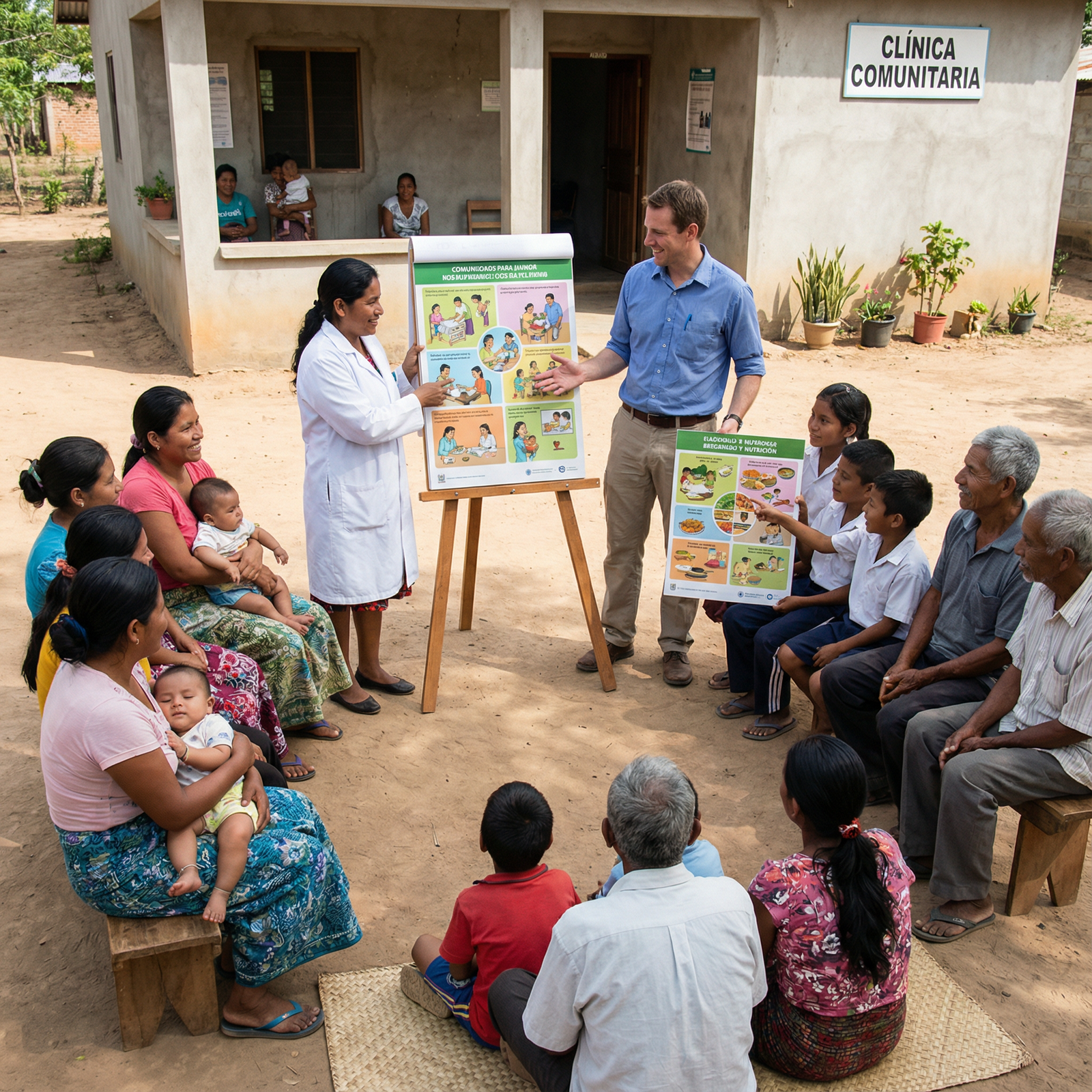
Short-term medical missions mostly make the volunteers feel good. The evidence that they measurably improve health outcomes is thin to nonexistent.
That is the uncomfortable truth. And if you are serious about medical ethics and personal development, you need to stare that in the face before you book a ticket and order matching T‑shirts.
The Big Myth: “Any Help Is Better Than No Help”
The dominant story goes like this: fly in for 1–2 weeks, see hundreds of patients, hand out meds and glasses, maybe do a few surgeries, hug some kids, fly out. Health outcomes improved. Mission accomplished.
The data and on-the-ground experience say otherwise.
Most short-term missions are:
- Brief: 1–3 weeks
- Episodic: one-off or yearly
- Outsider-driven: planned and led by visiting organizations
- Poorly integrated: minimal linkage with local health systems, records, or long‑term follow‑up
Now look at what actually moves population-level health indicators: vaccination coverage, antenatal care, chronic disease management, clean water, sanitation, health workforce density, supply chain stability, trauma systems, policy and financing reforms. These are long-haul, boring, systems problems.
Dropping in for 10 days with boxes of meds does not magically alter under‑5 mortality, diabetes complications, TB cure rates, or maternal mortality in any lasting way.
And where we do have data, it’s telling.
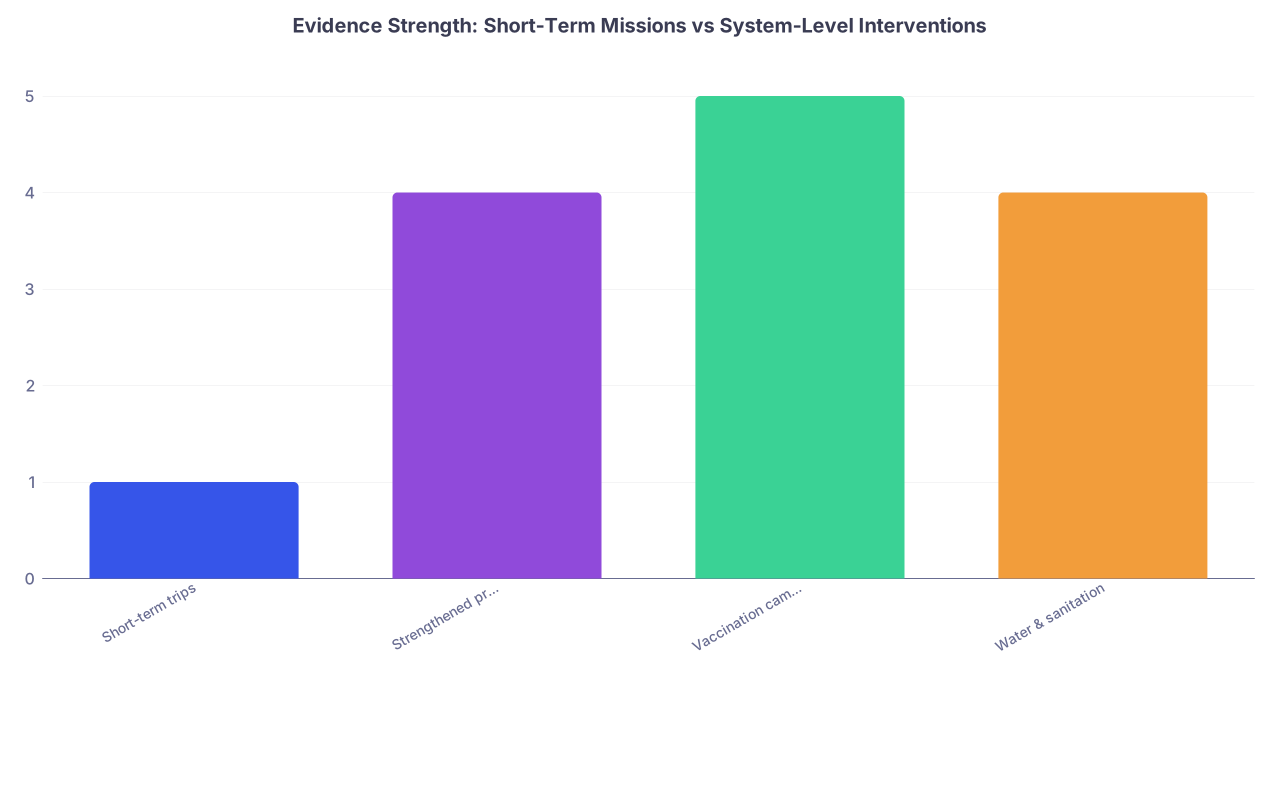
| Category | Value |
|---|---|
| Short-term trips | 1 |
| Strengthened primary care | 4 |
| Vaccination campaigns | 5 |
| Water & sanitation | 4 |
(Think of 1–5 as rough “quality and quantity of evidence for sustained health impact,” where 5 is strong and consistent. Short-term trips barely get on the chart.)
The serious global health literature repeatedly points out the same things: lots of anecdote, almost no rigorous outcome data, frequent ethical problems, and a tendency to bypass and sometimes undermine local systems.
So no, “any help” is not automatically better than “no help.” Badly designed help can crowd out local care, create dependence, and even harm patients.
What the Evidence Actually Shows (When Anyone Bothers to Measure)
Here’s the first major problem: most short-term missions don’t measure outcomes at all. They count activities.
I’ve sat through debriefs where teams proudly reported “we saw 1,200 patients!” and “we did 50 cataract surgeries!” and then went home convinced they’d improved community health. No follow-up data. No complication tracking. No comparison with local baselines. Nothing.
So what do we know from the projects that did try to measure something meaningful?
1. Durable impact is rare and tightly constrained
When short-term missions show real, measurable benefit, you usually see one of three features:
- They are part of a long-term partnership or program run by local organizations.
- They focus on a narrow, high‑value clinical gap (e.g., specific surgeries) where outcomes can be tracked.
- They transfer skills or build local capacity, rather than just delivering one-off care.
Examples you’ll see in the literature:
Short-term specialized surgery trips (e.g., cleft repairs, cataracts) that use standardized procedures, robust follow-up protocols with local surgeons, registries, and complication tracking. Some of these show good surgical outcomes comparable to high-income settings, when integrated with local care.
Recurrent teams working with the same local primary care clinic to support HIV care, TB programs, or chronic disease management, where the local team is in charge and the visitors fill tightly defined gaps. Here you sometimes see improved process measures (more patients started on ART, better blood pressure control) and occasionally longer-term outcomes.
But these are the exceptions. They also barely look like the typical student-led “medical mission” people imagine. They’re closer to visiting consult teams or technical assistance within an existing system.
2. Activity counts ≠ health outcomes
Counting patient encounters is easy and emotionally satisfying. It does not tell you if you helped.
Seeing 300 patients a day for 7 days is not a flex. It’s a red flag. It means you had no time for proper histories, continuity, documentation, or follow-up, and likely no integration with local records.
If you want to talk “health outcomes,” you need things like:
- Reduction in disease-specific mortality or complications
- Sustained improvements in blood pressure, HbA1c, viral load, etc.
- Improved vaccination coverage or ANC attendance
- Reduced time to treatment for emergencies
Short-term missions rarely even attempt to measure these. The few that do often find the effect fades once the team leaves—because the underlying system did not change.
3. Structural problems undermine impact
Even well-intentioned teams run into the same structural issues:
- Medications they prescribe are not available locally afterward.
- Patients cannot afford transport or follow-up at local facilities.
- Electronic or paper records from the mission never make it into local charts.
- Language and cultural gaps lead to poor understanding of diagnoses and plans.
You get a brief spike of activity, then a return to baseline, with a mess for local clinicians to sort out.
Common Harms Nobody Likes to Talk About
The myth is that short-term missions are either beneficial or at worst neutral. That’s wrong. They can and do cause harm.
Clinical harm: “mission complications”
Ask local surgeons in some regions what they think of foreign surgical teams. The phrase I’ve heard more than once: “We spend months fixing their complications.”
Examples I’ve seen and others have documented:
- Orthopedic teams doing complex cases with no plan for long-term rehab or hardware failure.
- Gynecologic or general surgery teams leaving behind infections or unrecognized injuries.
- Dental missions doing extractions and minor procedures without structured follow-up, leading to unmanaged pain and complications for local providers to manage.
When no one tracks outcomes beyond 1–2 weeks, complications vanish from the visiting team’s narrative. They’re very real for the patients and local clinicians.
Ethical harm: practicing beyond training
Let me be blunt: putting medical students or early trainees in roles they could never hold legally at home, just because the patients are poor and far away, is unethical.
This includes:
- Students “running” clinics, diagnosing and treating independently with little or no supervision.
- Pre-meds doing procedures they are absolutely unqualified for anywhere else.
- Non-licensed volunteers handing out medications or making triage decisions.
“Supervision” sometimes means one overextended physician nominally covering several rooms or sites, glancing over prescriptions when they can. That’s not equivalent to real oversight.
You would not accept that level of care for your family. Poor patients do not magically deserve less.
System harm: undercutting local care
Short-term missions can distort local health systems in ways that are hard to see on a 10-day trip:
Crowding out local clinicians. If people know that once a year free foreign doctors arrive with free meds, they may delay care, skip local clinics, or devalue local providers who charge fees.
Uncoordinated parallel systems. Missions sometimes set up temporary clinics without involving district health offices, local NGOs, or community health workers, undermining fragile efforts at coordinated primary care.
Resource misallocation. Local staff are pulled off their normal duties to translate, register, or support visiting teams, leaving other services understaffed.
Short version: you can unintentionally weaken the very system patients depend on the other 51 weeks of the year.
Who Actually Benefits? Follow the Incentives
If short-term missions don’t clearly improve health outcomes and can cause harm, why are they everywhere? Because they do reliably benefit someone: the volunteers and sending organizations.
Let’s be honest.
- Pre-meds and students get personal growth stories, application fodder, and striking photos.
- Churches and NGOs get compelling fundraising material and donor satisfaction.
- Some clinicians get a mix of adventure, moral satisfaction, and a break from their usual practice.
I’m not dismissing the personal transformation. Many people come back with genuinely expanded empathy and global awareness. That’s real.
But that’s not the same as improved community health outcomes. Confusing the two is the core ethical problem.
If your main goal is your own learning and development, say that explicitly. Then the ethics shift: you must ask whether it’s acceptable to use vulnerable patients as your educational material, and under what constraints.
Spoiler: it’s only ethically defensible if the local health system clearly benefits more than you do. Which is rarely the case in generic “mission trip” models.
How Short-Term Work Can Be Ethically Justifiable
I’m not arguing that anyone setting foot in another country for a brief period is automatically unethical. I am saying the default models are bad.
There are specific circumstances where short-term involvement actually makes sense and can be defended on outcome and ethical grounds:
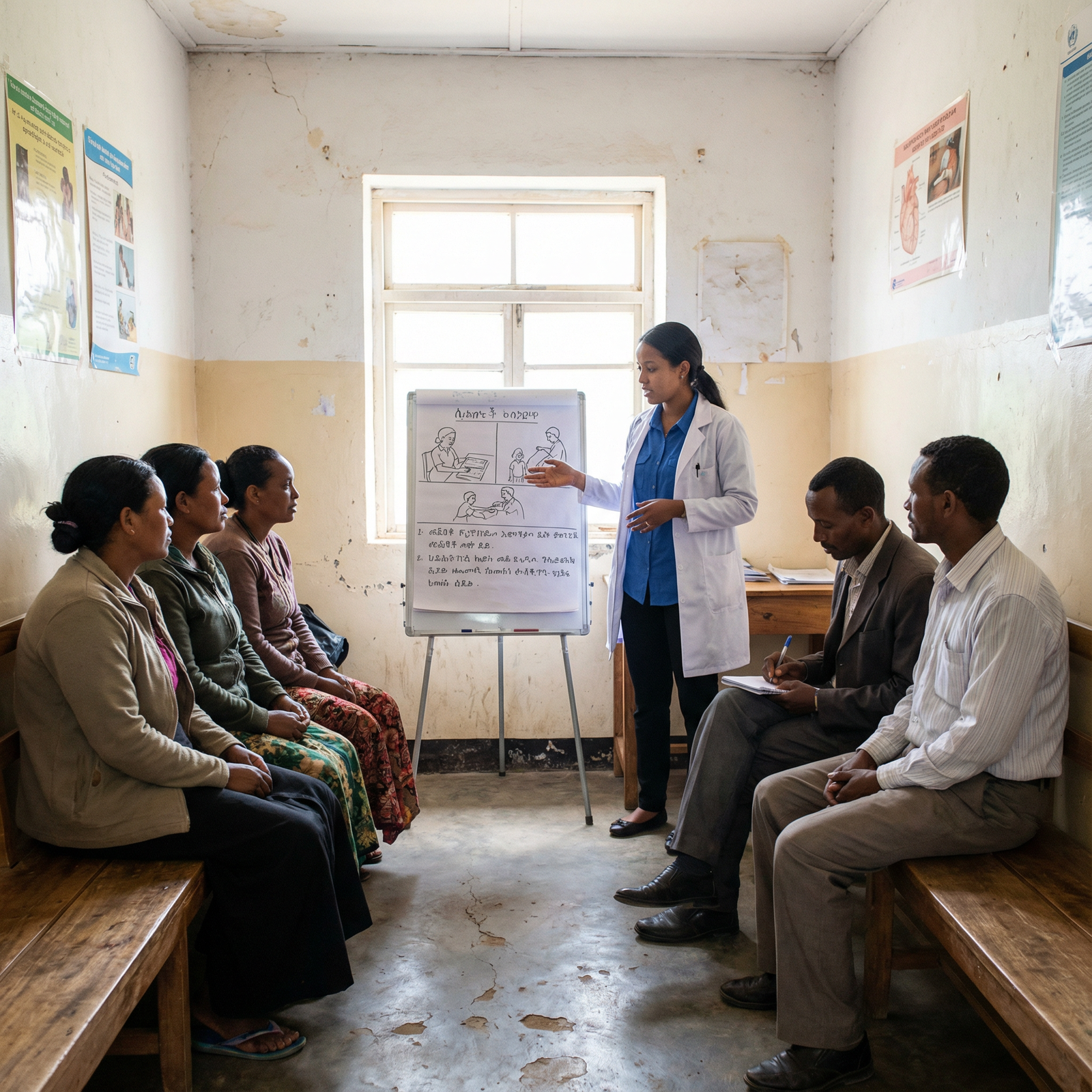
You are embedded in a long-term, locally-led program.
The local organization defines priorities. You’re a guest worker, not the savior. You fit into an existing care pathway, data system, and follow-up plan.You fill a true, documented, time-limited gap.
For example, a surgical team supporting a local trauma system after a natural disaster for a defined period, coordinated with ministry of health and NGOs, with transfer of skills as a priority.You emphasize capacity building over direct care.
Training local clinicians, co-managing complex cases, supporting quality improvement, helping to set up protocols, registries, or systems that persist after you leave.You accept strict limits on your scope of practice.
You do not do abroad what you are not credentialed to do at home. Ever.You contribute to real evaluation.
You help collect and analyze data with local partners, publish or at least internally review outcomes, adjust or stop programs that are not working.
Here’s a rough comparison of two extremes:
| Feature | Typical Short-Term Mission | Integrated Partnership Model |
|---|---|---|
| Leadership | Foreign team-centered | Local organization-centered |
| Duration | 1–2 weeks | Multi-year with short visits |
| Focus | Volume of patient encounters | System and capacity strengthening |
| Data | Activity counts only | Outcomes and follow-up tracked |
| Supervision | Often thin or symbolic | Clear, local clinical oversight |
| Impact | Short-term relief at best | Potential for sustained improvement |
Guess which one has a shot at improving health outcomes.
What This Means for Your Personal Ethics and Growth
If you’re in the “personal development and medical ethics” phase, this is where the rubber hits the road. The question is not “should I ever leave my country?” The question is “how do I avoid being ethically lazy?”
Some hard checks you should do on yourself:
- If no foreign volunteers came this year, would the local system be worse off, the same, or actually less disrupted?
- Are local clinicians genuinely asking for your specific contribution, or tolerating you because you bring money and supplies?
- Do you know how the patients you saw last year are doing now? Or did they disappear from your mind the moment your plane took off?
And the most uncomfortable one:
- If this exact trip were in a poor rural region of your own country, supervised by outsiders, would you consider the standards of care acceptable?
If the answer is no, then you know what you’re doing is ethically compromised. The fact that it’s on another continent does not change that.

| Step | Description |
|---|---|
| Step 1 | Considering trip |
| Step 2 | Reconsider or decline |
| Step 3 | More benefit to patients than to you |
| Step 4 | Locally led? |
| Step 5 | Clear health outcome goals? |
| Step 6 | Within your normal scope? |
| Step 7 | Integrated with local system? |
If you can’t get to that last box honestly, don’t go. Or go in a completely different role (e.g., observer, learner, donor) that doesn’t put you between patients and their care.
The Reality, Stripped Down
Here’s the bottom line, without the feel-good varnish:
Most short-term medical missions do not have evidence of improving population health outcomes. They generate activity, stories, and selfies, not documented reductions in disease burden.
They can cause real clinical, ethical, and system-level harm. Practicing beyond training, bypassing local structures, and leaving behind untracked complications isn’t “better than nothing.”
The only defensible short-term work is tightly integrated, locally led, and focused on capacity, not heroics. If your trip doesn’t look like that, it’s time to rethink it—not just reframe it.


