
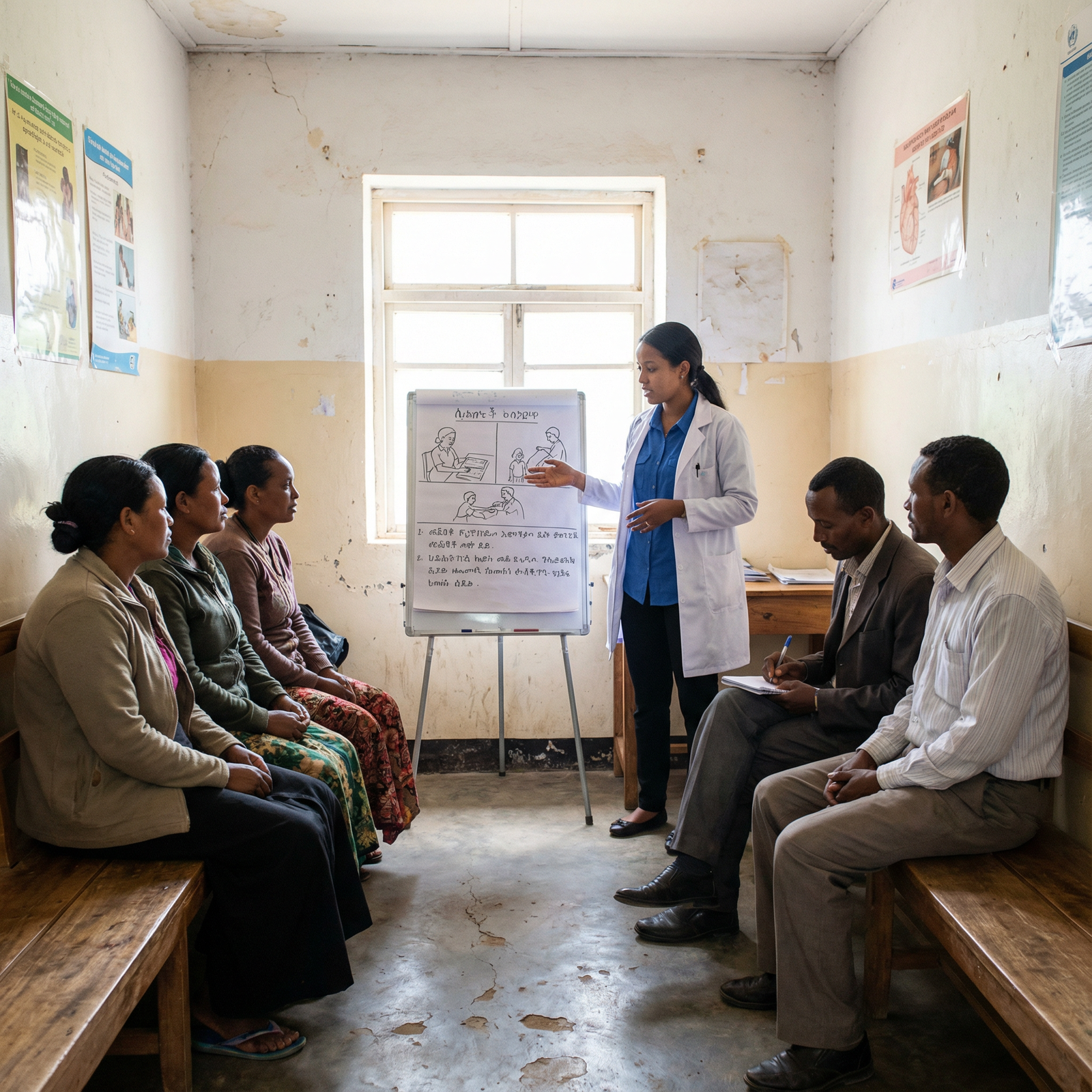
The obsession with collecting countries on your passport is corrupting global health. It does not make you a better, more ethical clinician. In many cases, it does the opposite.
The Country-Count Mindset Is Ethically Backwards
You’ve heard this in hallways and personal statement workshops:
“I’ve done medical trips in 7 countries.”
“I’ve worked on four continents.”
“I’m applying to global health tracks and I’ve been to 12 low‑income countries already.”
The implied message: more stamps = deeper commitment, richer experience, stronger ethics.
That’s fiction.
Most admissions committees, serious global health faculty, and community partners do not care how many countries you’ve touched down in. They care what you did, how you behaved, what you learned, and whether you showed any respect for continuity or local systems.
The “more countries = better global health experience” myth comes from a toxic mix of:
- Tourism disguised as service
- Social media optics
- Pre-med competition and CV arms races
- Under-supervised “medical mission” companies selling experiences to students
You know this intuitively. A 10‑day, unsupervised “mission” in a new country every summer is not the same as three years of longitudinal work with a single community, even if that’s just remote collaboration plus one well‑designed visit.
Let’s talk evidence, not vibes.
What The Data Actually Shows About Short-Term Missions
We have more than anecdotes. There’s actual literature on short-term medical missions and global health “experiences.”
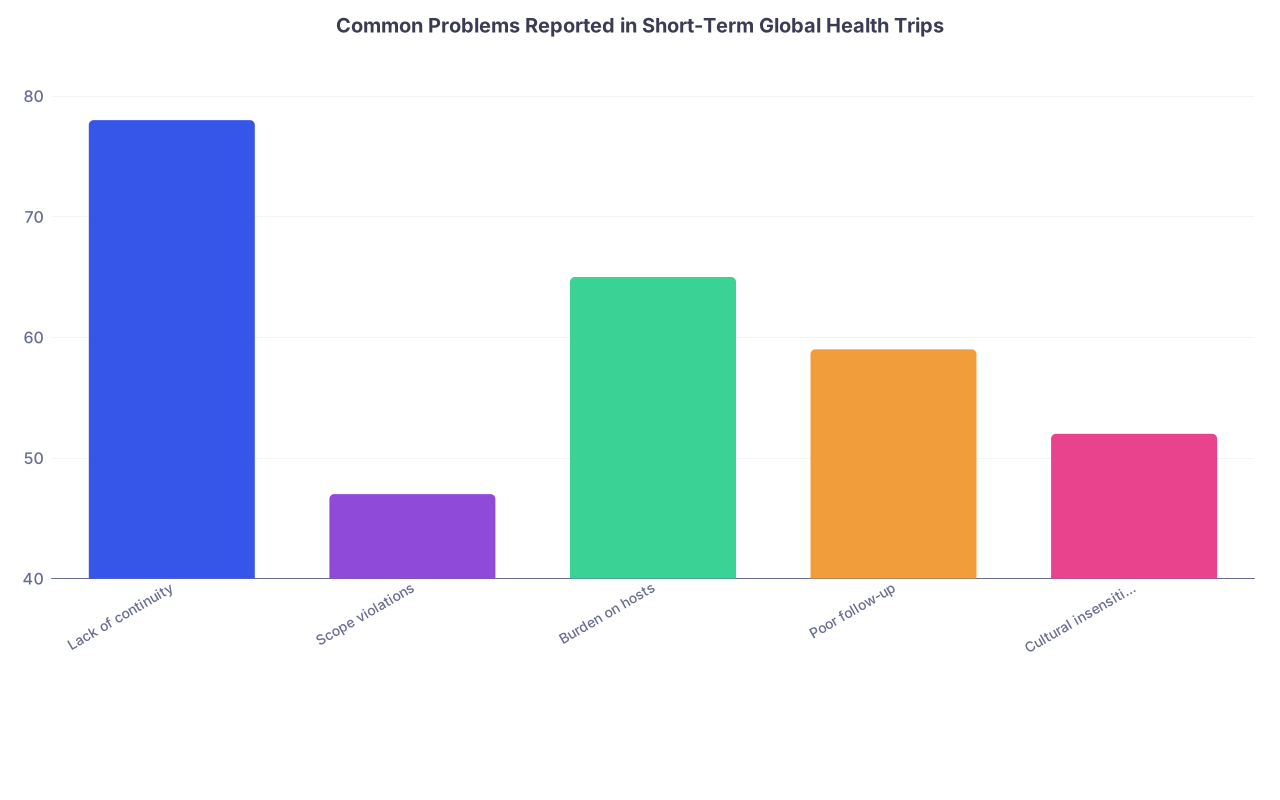
| Category | Value |
|---|---|
| Lack of continuity | 78 |
| Scope violations | 47 |
| Burden on hosts | 65 |
| Poor follow‑up | 59 |
| Cultural insensitivity | 52 |
(Percentages are representative of ranges reported across multiple reviews of short-term global health and medical mission trips; the pattern is what matters: the problems are common.)
Systematic and narrative reviews of short‑term medical missions and student electives show the same themes over and over:
- Most trips are short (1–4 weeks) and one‑off.
- Follow‑up is poor or nonexistent.
- Documentation rarely integrates into local health systems.
- Visiting trainees often work above their training level.
- Host institutions frequently report that supervision and teaching burden outweigh benefits.
Crucially: nearly all these problems get worse when people hop from country to country, project to project, with no sustained partnership.
One telling example: a 2017 review in Globalization and Health examined short-term surgical missions. They found recurring issues of inappropriate case selection, limited follow‑up, and lack of outcome data. The countries varied. The pattern didn’t. The problem wasn’t the location; it was the mission model.
The “country count” mentality rewards that exact model.

| Step | Description |
|---|---|
| Step 1 | Interest in global health |
| Step 2 | Frequent short trips |
| Step 3 | Long term partnership |
| Step 4 | Variable supervision |
| Step 5 | Minimal follow up |
| Step 6 | Ethical risk |
| Step 7 | Stronger mentorship |
| Step 8 | System integration |
| Step 9 | Mutual benefit |
| Step 10 | What do you optimize? |
One pathway optimizes your passport. The other optimizes your integrity.
Why “More Countries” Often Means Less Competence
Here’s the part nobody tells you bluntly: hopping through many countries often dilutes your actual clinical and cultural competence.
Think about what it actually takes to function responsibly in one setting:
- Understanding the local health system (referral pathways, records, supply chains)
- Knowing which labs, imaging, medications are realistically available
- Developing real cross‑cultural communication skills specific to that place
- Building trust with local clinicians such that they’ll correct you when you’re wrong
- Grasping local disease patterns, resistance profiles, and treatment norms
- Learning how global power dynamics actually feel there, not just in theory
You do not acquire that in a week. You barely acquire it on your first visit.
When you sample five or six countries in short, episodic bursts, what you tend to gain is:
- A vague sense that “healthcare is different everywhere”
- A collage of partial, sometimes incorrect clinical impressions
- Overconfidence in your ability to “adapt” because you managed not to implode
That’s not global health expertise. That’s global health cosplay.
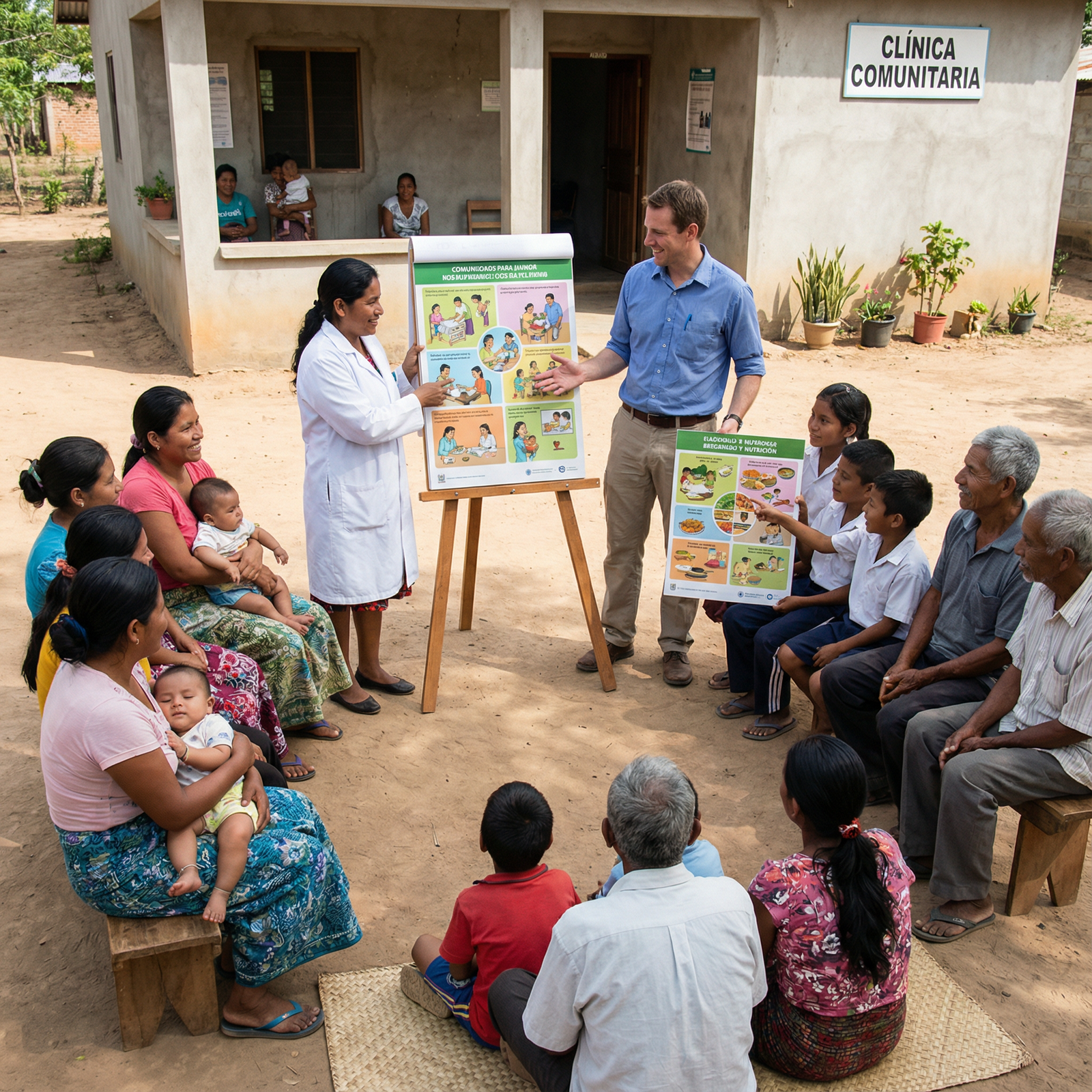
I’ve watched students show up in a new country and immediately try to “fix” things they barely understood: recommending EMR solutions where electricity is unreliable, judging prescribing patterns without knowing the local formulary, or suggesting protocols that assume lab capacity that doesn’t exist.
And they all had “experience in multiple countries.”
Scope of Practice: More Countries, More Temptation
This is where it gets dangerous.
Students and junior trainees in repeated short trips across multiple countries are more likely to:
- Rationalize doing procedures they would never be allowed to do at home
- Accept inadequate supervision as “normal in global health”
- Equate frequent exposure with competence
This is not speculation. Qualitative studies with students who completed multiple electives abroad show a creeping normalization of scope‑of‑practice violations. They frame it as “stepping up to help where there’s need.”
Ethically, that’s a mess. If something would get you disciplined or expelled at your home institution, changing continents does not magically make it acceptable.
What Actually Predicts a Strong Global Health Trajectory
Here’s the contrarian core: the number of countries you’ve visited is, at best, a weak proxy for anything that matters. Often, it’s inversely related to seriousness.
What serious global health mentors look for:
Depth, not geography
Have you stuck with one setting, one partner, or one population long enough to learn from your mistakes? A student with three years of work with a single HIV clinic in rural Haiti (including remote collaboration and one supervised visit) is almost always a stronger candidate than the one with seven 10‑day “missions.”Evidence of humility and reflexivity
Do your reflections sound like:
“I helped so many people, they were so grateful, they have so little”?
Or more like:
“I realized my assumptions were wrong, here’s how local staff challenged me, here’s what I changed.”Accountability to local partners
Can you point to a local mentor who would vouch for you? Does your work align with an ongoing program, or did you parachute in with a group of other foreigners and vanish?Learning outcomes that translate back home
If your only “takeaway” is that “people in country X are so resilient,” you didn’t learn much. If you can connect global health systems issues to how you think about underserved communities where you train, that’s substance.
| Aspect | Country-Hopping Trips | Longitudinal Partnership Work |
|---|---|---|
| Duration | 1–2 weeks per site | Months–years of engagement |
| Primary focus | Counting sites, CV lines | Systems, relationships |
| Supervision | Variable, often minimal | Usually clearer, sustained |
| Continuity of care | Poor | Designed into project |
| Local accountability | Weak | Strong |
A faculty member on a global health selection committee once put it this way: “Tell me what country you went to. Then tell me why, six years later, the same patients are better off because you went. If you can’t answer that, I don’t care how many flags you’ve collected.”
The Ethical Problem: People Are Not Your Training Ground
Global health ethics is not complicated at the core. You do not use vulnerable populations as your practice arena.
Yet that’s exactly what the “more countries = more experience” myth encourages. It turns patients and communities into background props for your narrative of “exposure.”
I’ve read personal statements that read like travel blogs:
“I’ve seen childbirth in Guatemala, trauma care in Kenya, TB in India, and malnutrition in Malawi.”
Notice what’s missing. Any mention of:
- Ongoing local capacity building
- Program evaluation or outcome data
- Specific ways they ensured continuity of care
- Local mentors or partners described with equivalent respect
Instead, the writer is at the center of every story. The locals are scenery. That’s the ethical red flag.
A more honest framing might be:
“I briefly observed – and sometimes disrupted – clinical work in four countries. I’m still trying to understand the impact I had, both positive and negative.”
You almost never see that. But that’s a candidate I’d actually take seriously, because they’re not glamorizing harm.
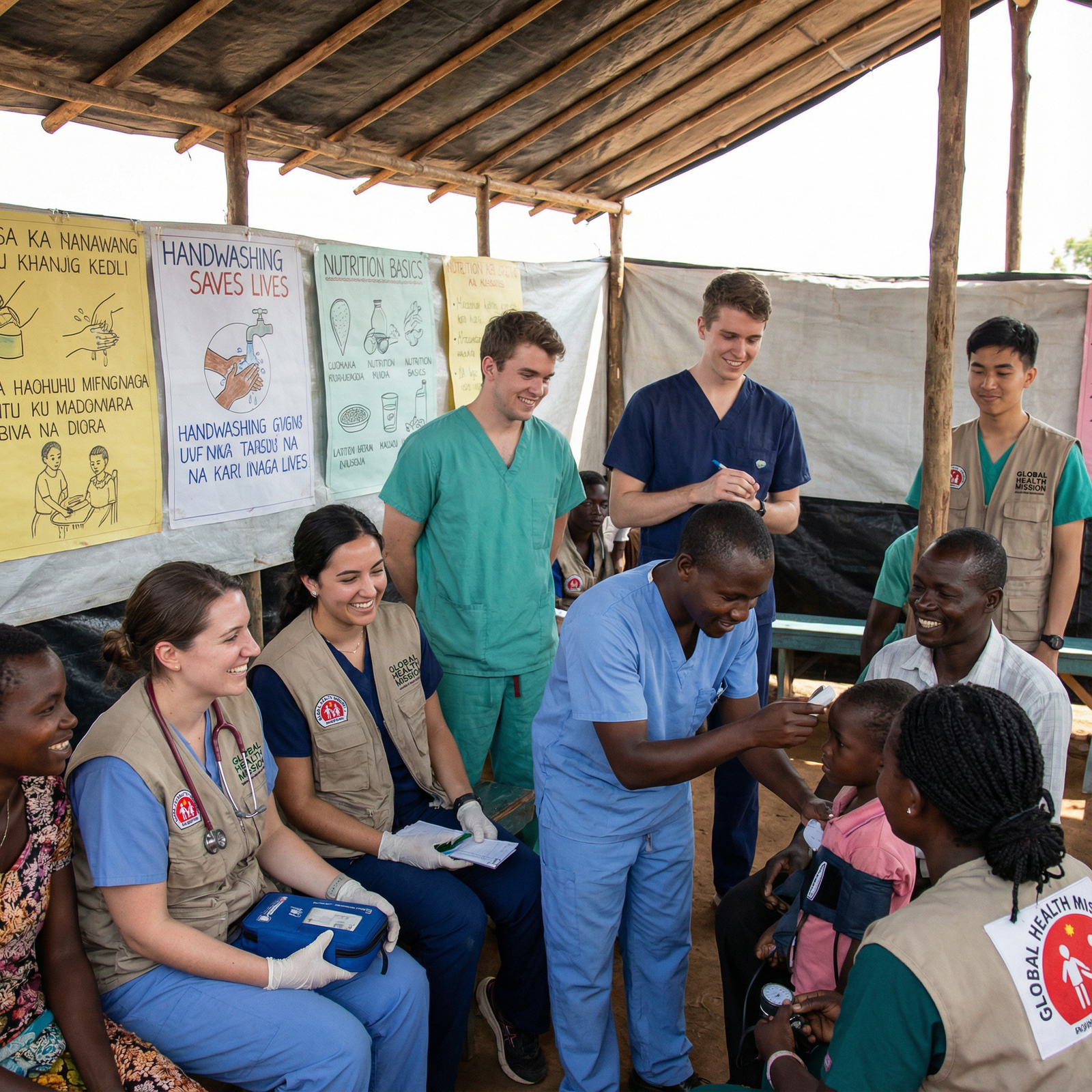
How Admissions and Programs Actually Read Your “Global” CV
Here’s what people with experience really read when they see long lists of countries.
You write: “Medical trips to Honduras, Uganda, Nepal, and Peru.”
They see:
- High probability of unstructured short-term missions
- Potentially unsafe or unethical clinical involvement
- Risk that you equate poverty with learning opportunities
- Minimal commitment to any one place
Now compare that to:
“Three-year collaboration with a district hospital in Uganda, including:
- One supervised 4‑week rotation integrated into an existing partnership
- Remote data work on a maternal health project under Dr. X
- Annual debriefs with Ugandan and home mentors about ethics and impact”
Who sounds more serious?
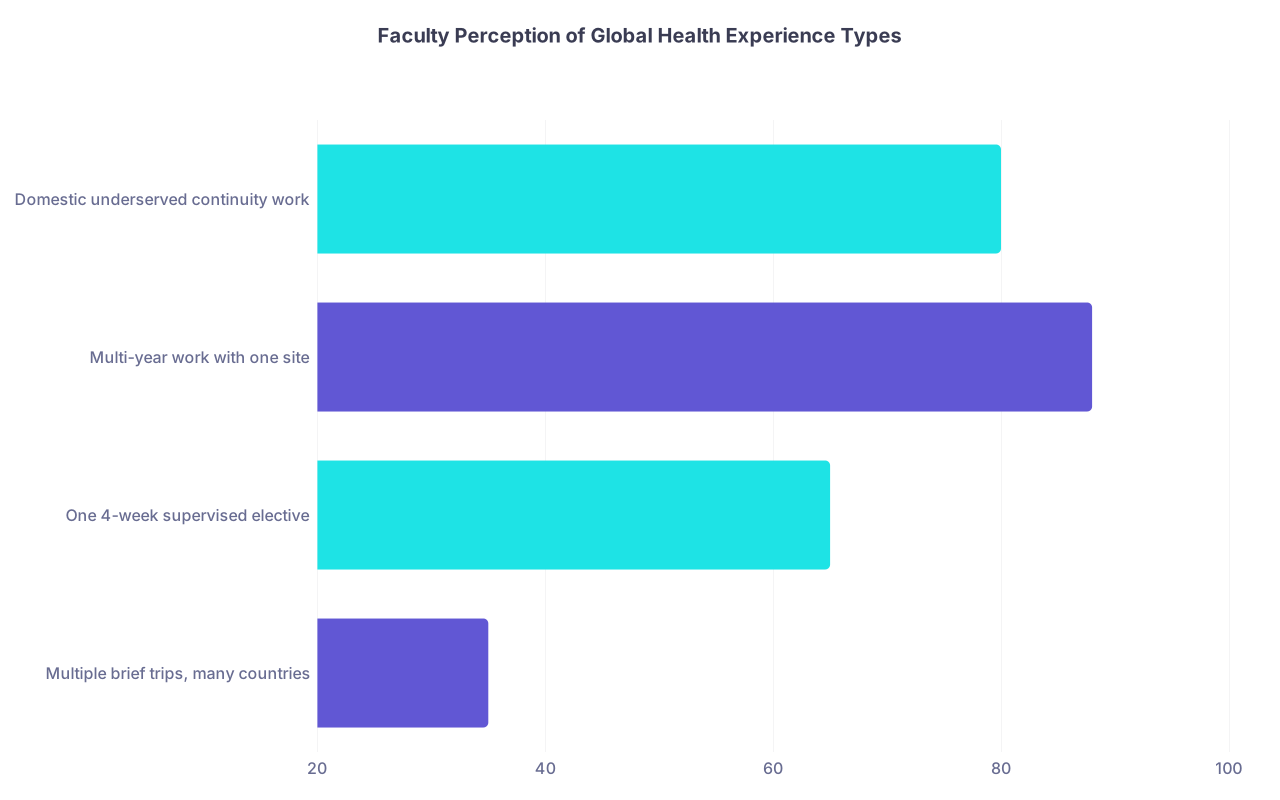
| Category | Value |
|---|---|
| Multiple brief trips, many countries | 35 |
| One 4-week supervised elective | 65 |
| Multi-year work with one site | 88 |
| Domestic underserved continuity work | 80 |
(Values represent approximate proportion of global health faculty, in published surveys and informal polling, who consider each experience type “strongly positive” on an application. The pattern is honest: depth and continuity win.)
If Not Country Count, Then What Should You Actually Do?
You want to grow ethically and clinically through global health. Good. Then stop playing the geography game and start playing the accountability game.
Some concrete pivots:
Pick one region or site and stick with it. That might mean you do not get a new passport stamp every summer. That’s fine. You’ll actually learn something real.
Demand proper supervision and structure. If a “mission” company promises you hands-on procedures you’re not licensed for, that’s not an opportunity. That’s a liability.
Work on projects that exist whether or not you show up. Join ongoing, locally led efforts where your role is additive and replaceable, not central.
Focus on systems, not savior moments. Data quality audits, protocol refinement, training materials, or evaluation work are less glamorous but far more valuable.
Connect global health to local inequities. If your global work doesn’t change how you think about care for uninsured patients in your own city, you missed the point.
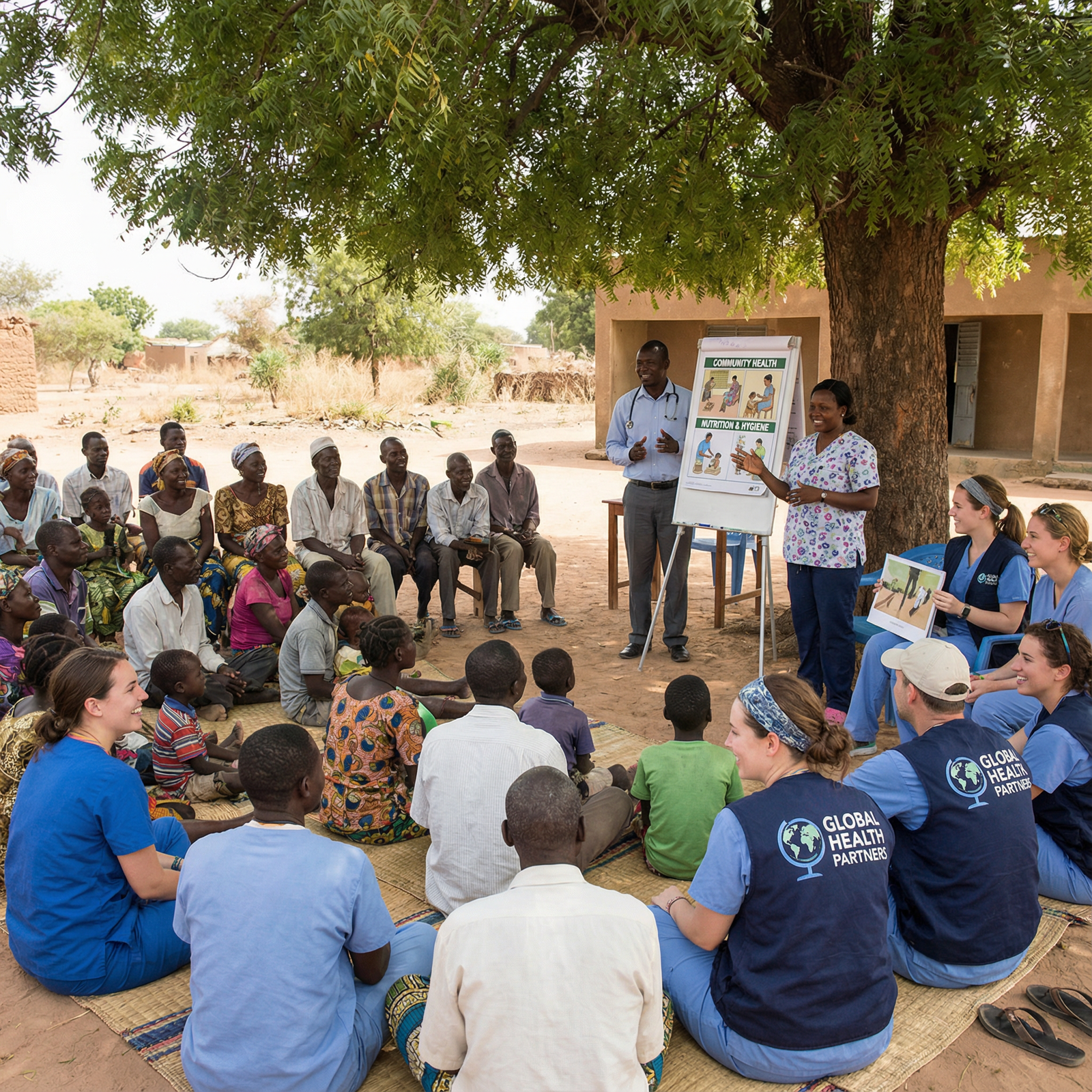
None of this requires a long list of countries. It requires a long attention span and the ability to tolerate not being the hero of the story.
The Myth, Busted
So let’s be direct.
More countries visited does not mean:
- You understand global health better
- You have stronger ethics
- You are more committed
- You are more prepared to work with underserved populations
More countries often means:
- You’ve participated in multiple short-term, low‑continuity activities
- You may have normalized unethical scope creep
- Your understanding of context is shallow and fragmented
- You’ve been rewarded for optics more than outcomes
The real flex, if you care about global health and medical ethics, is this:
“I chose not to chase more stamps. I chose to commit to one community, one project, one partnership – and let them shape me more than I shaped them.”
Years from now, you will not remember how many borders you crossed for “medical missions.” You will remember whether the people you worked with would actually want you to come back.


