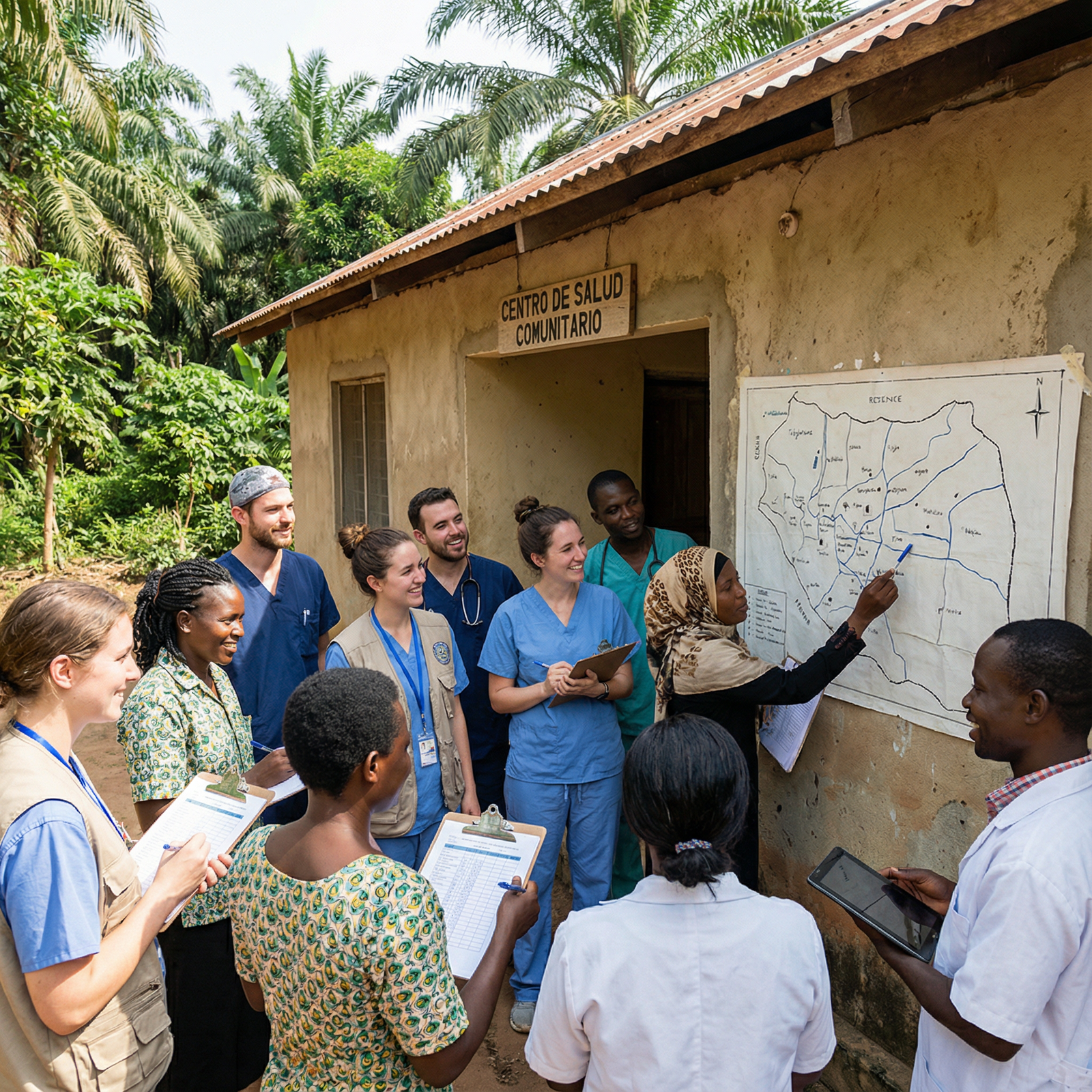
Introduction: From Short-Term Aid to Lasting Impact
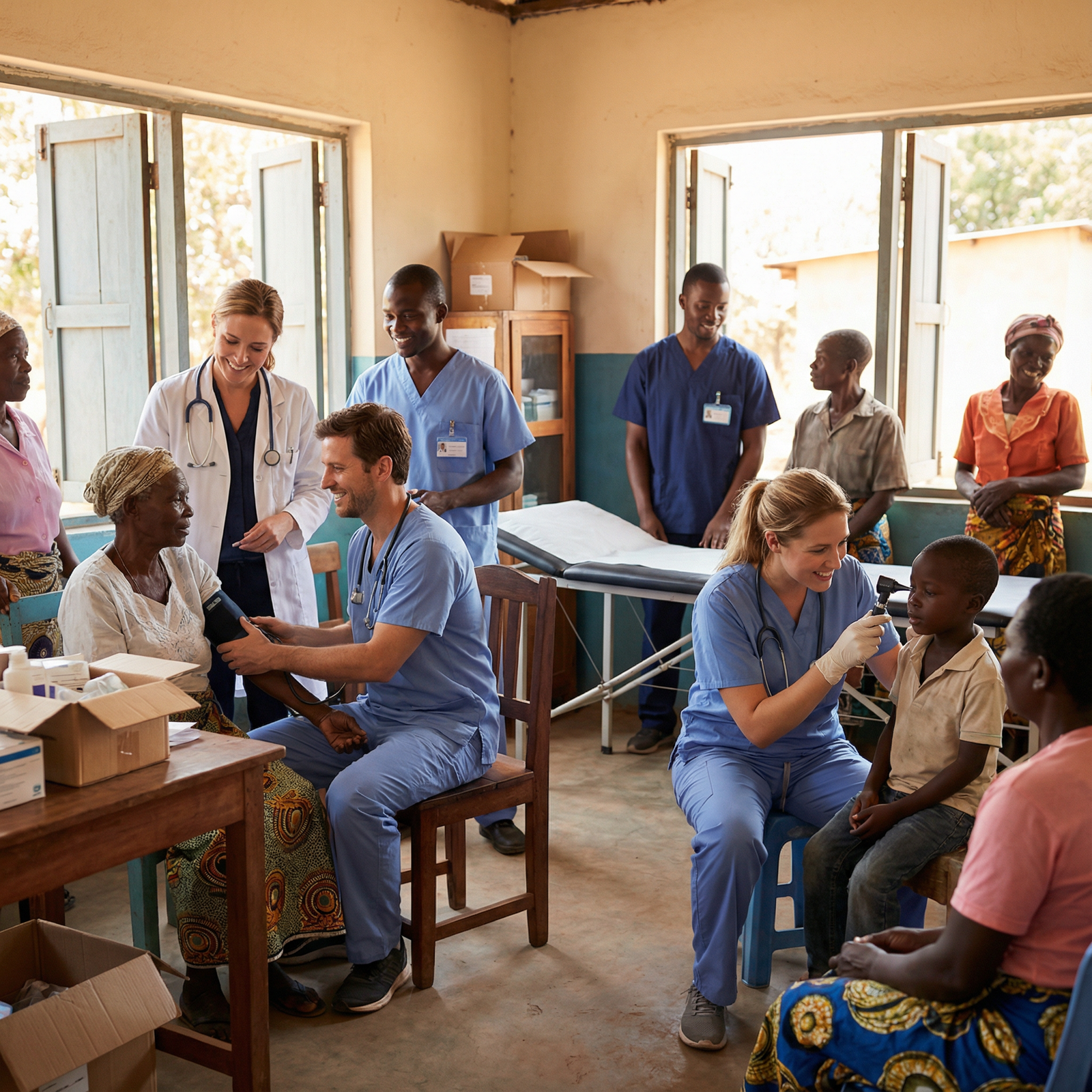
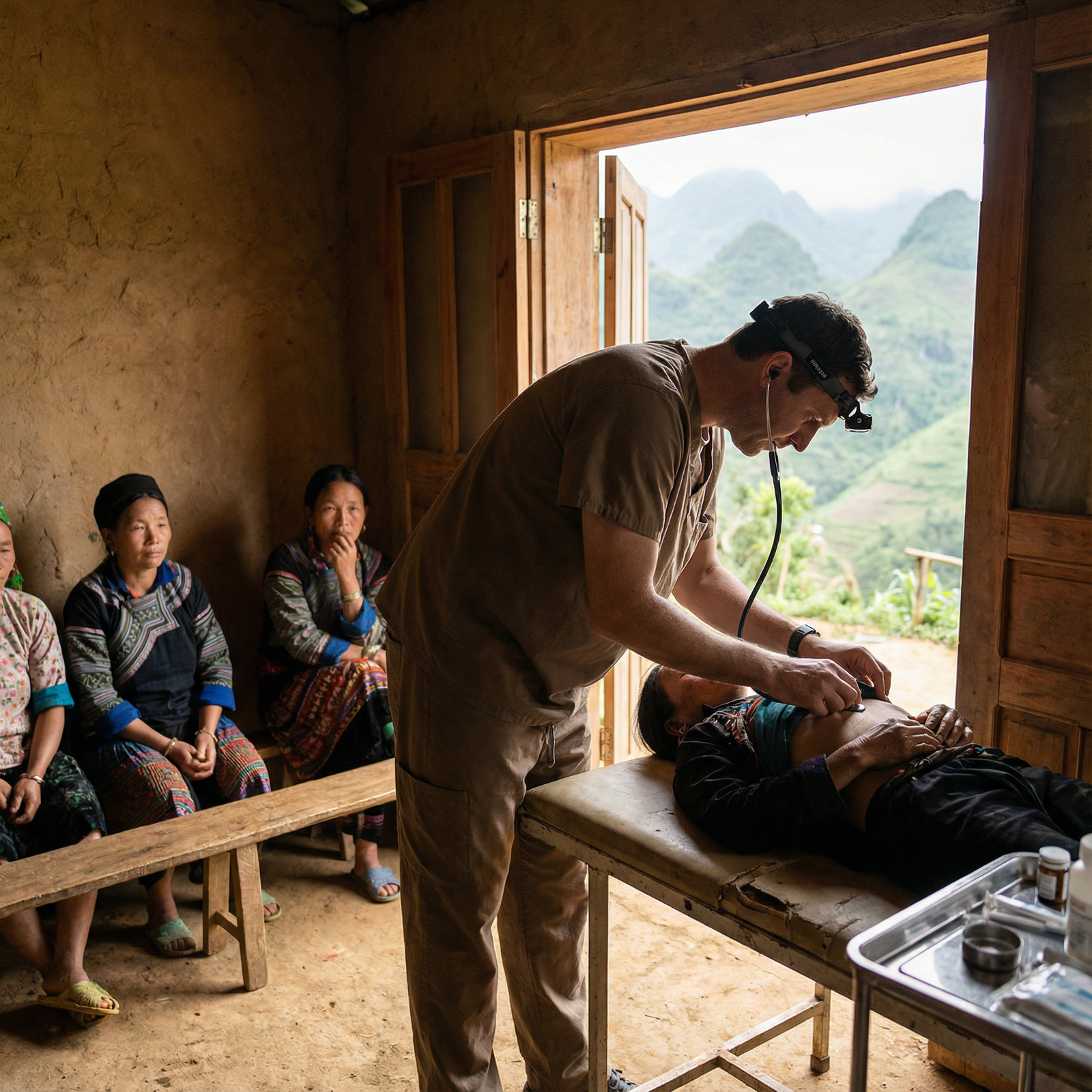
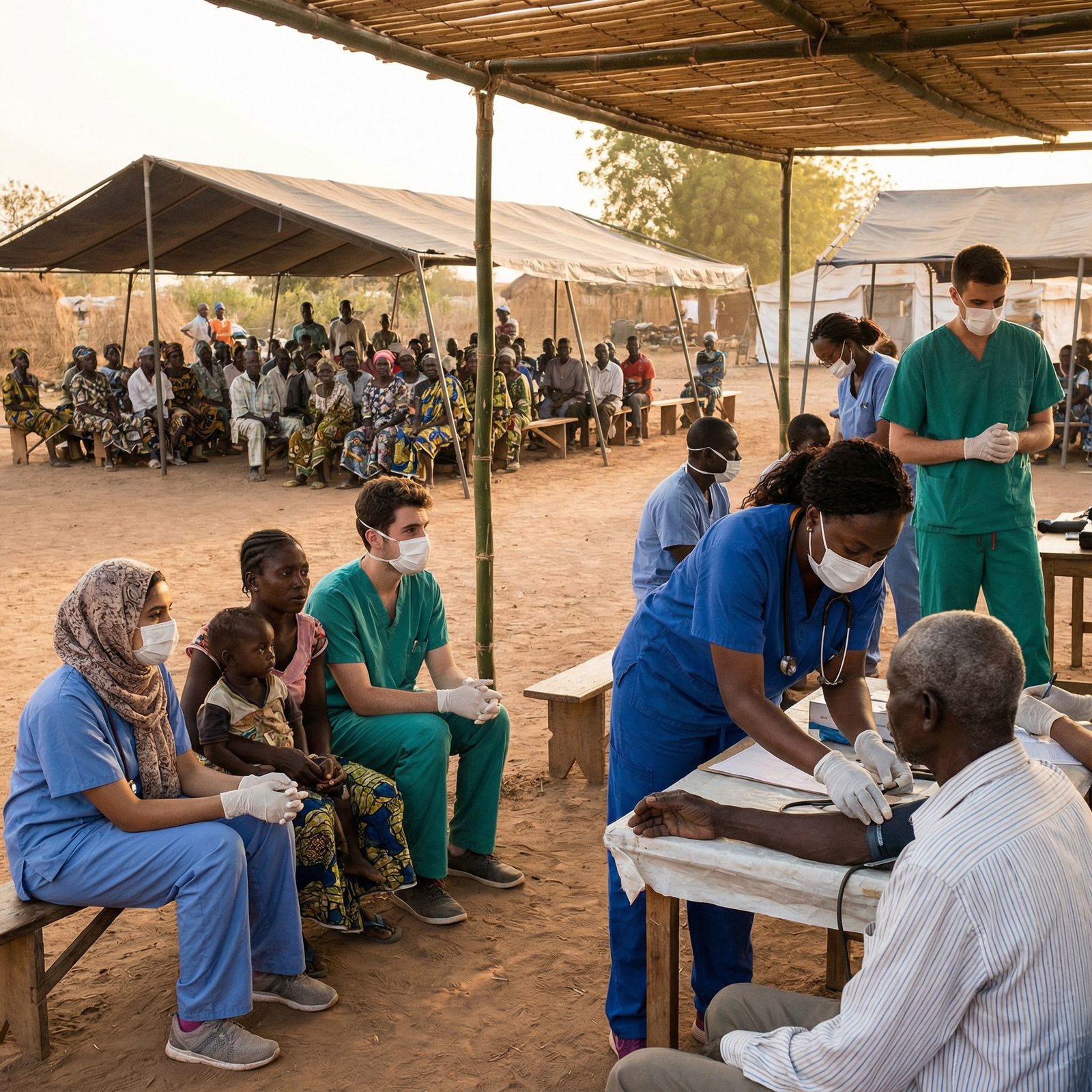
Medical missions have long been a visible and valued part of global health work. Teams travel across borders to provide surgeries, primary care, specialist services, and health education in underserved communities. For many medical students, residents, and practicing clinicians, these trips can be deeply formative experiences.
Yet the field has evolved. The global health community increasingly recognizes that short-term, episodic care—while often well-intentioned—can fall short of creating sustainable health improvements. In some cases, it can unintentionally undermine local systems or foster dependency.
Today, the gold standard is clear: medical missions must prioritize sustainable health and community empowerment. The focus is shifting from “How many patients did we see this week?” to “What will be better for this community 5–10 years from now because we were here—and because local systems were strengthened?”
This article explores:
- What sustainability means in the context of medical missions
- Why sustainable practices are ethically essential and practically effective
- Key strategies for building local capacity and healthcare infrastructure
- Real-world case studies from leading organizations
- Concrete steps residents and clinicians can take to ensure their own missions promote lasting change
Whether you’re planning your first trip or refining a long-standing program, this guide will help you align your work with best practices in global health and medical ethics.
Understanding Sustainability in Medical Missions
Sustainability in medical missions goes far beyond “staying green” or limiting waste—though environmental stewardship is part of it. In global health, sustainability refers to designing interventions so that positive change continues after the visiting team leaves, powered by local people, resources, and systems.
Key Dimensions of Sustainability
In sustainable medical missions, interventions are:
- Locally led and locally owned – Community leaders and local health professionals define priorities and drive projects.
- System-strengthening, not system-replacing – Efforts complement and build existing healthcare infrastructure rather than operating parallel “pop-up” systems.
- Economically realistic – Services, medications, and technologies introduced are affordable and maintainable for local systems over time.
- Culturally grounded – Programs align with local beliefs, practices, and languages to ensure acceptability and long-term uptake.
- Environmentally conscious – Waste disposal, supply chains, and facility upgrades consider long-term environmental and health impacts.
Why Sustainability Matters in Global Health Missions
1. Empowerment Over Dependence
Unintentionally, some traditional mission models have created cycles of dependence. When patients learn to “wait for the foreign team” to access care, local clinics may be bypassed, and local clinicians sidelined.
Sustainable medical missions intentionally flip that script:
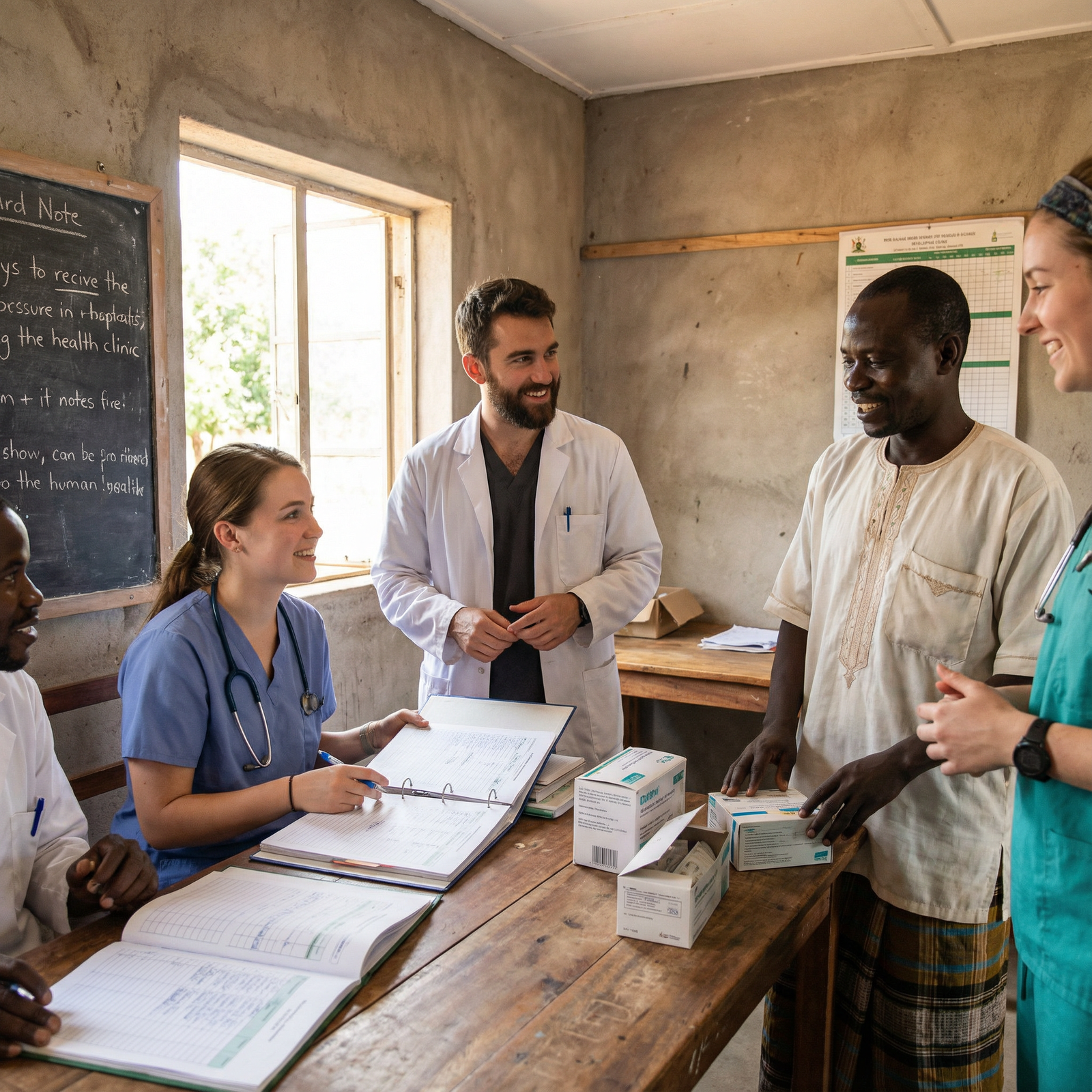
- Visiting teams train rather than just treat.
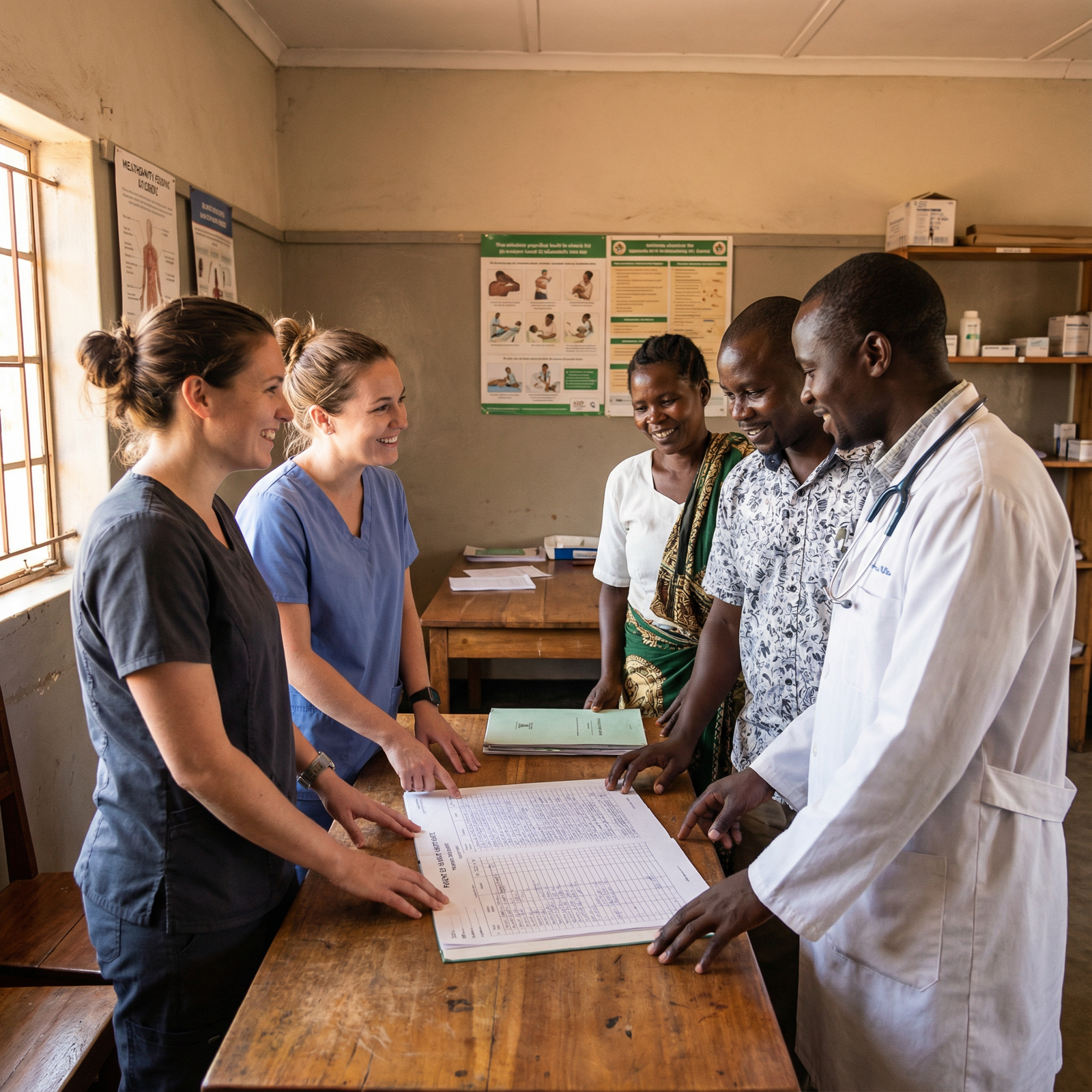
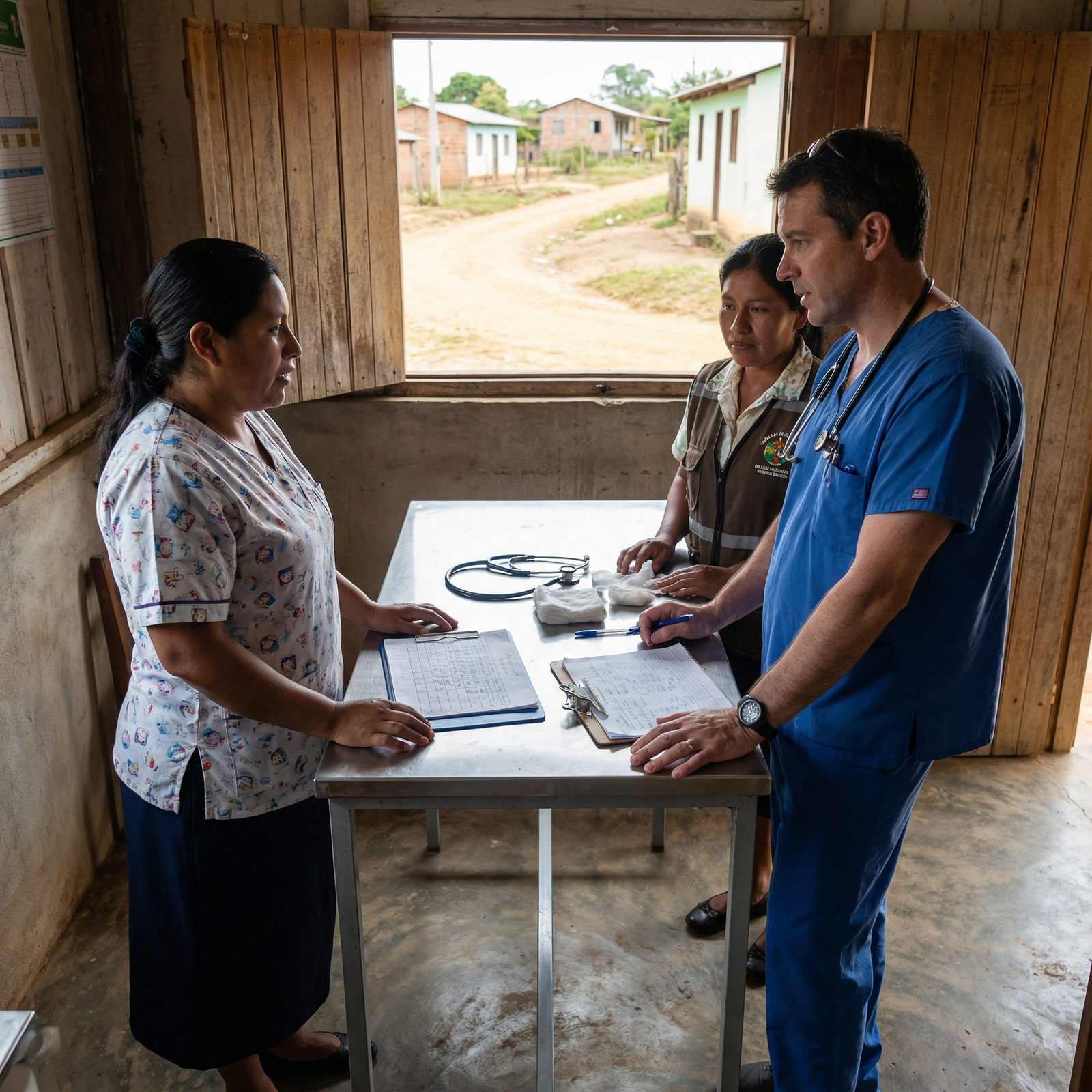
- Local clinicians are placed in lead roles, with foreign clinicians as supporters or mentors.
- Patients are consistently directed back into local systems for follow-up and ongoing care.
This approach builds community empowerment—the ability of communities to define, manage, and sustain their own health solutions.
2. Better Long-Term Health Outcomes
A single week of high-volume clinics may provide temporary relief, but without continuity:
- Chronic conditions go unmanaged.
- Surgeries lack proper follow-up.
- Health education stops when the team departs.
In contrast, when missions focus on skills transfer, ongoing mentorship, and strengthening care pathways, they can help shift population-level indicators—such as vaccination rates, maternal mortality, or HIV viral suppression—over the long term.
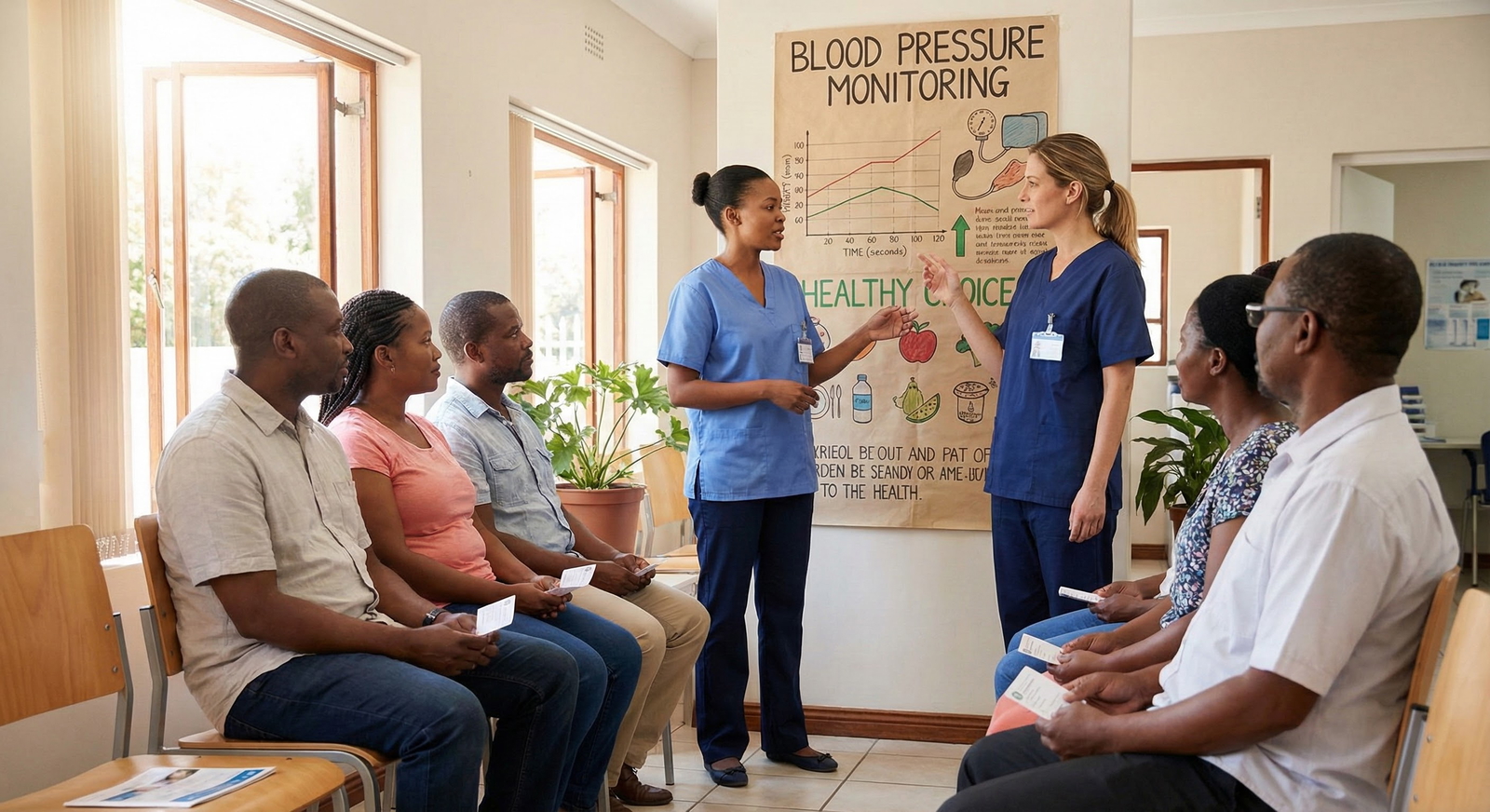
For example, a mission that trains local nurses to run hypertension clinics, supplies validated blood pressure cuffs, and helps integrate protocols into the local health system can reduce stroke and cardiovascular events for years beyond the initial visit.
3. Greater Cost-Effectiveness
Repeatedly flying teams and supplies to the same region is expensive. Sustainable models invest up front in local people, infrastructure, and systems so that:
- Future visits, if needed, are shorter and more focused.
- Local partners can carry out much of the work at a fraction of the cost.
- Donor funds are leveraged to build something enduring, not just finance one-time clinics.
Over time, this approach yields more health impact per dollar spent.
4. Cultural Relevance and Community Trust
Programs designed without local input risk being irrelevant—or even harmful. Sustainable missions prioritize cultural competence and co-design:
- Health messages reflect local beliefs and languages.
- Care approaches account for financial realities and social norms.
- Community advisory structures ensure that vulnerable groups have a voice.
The result is deeper trust, better adherence, and more meaningful health behavior change.

Core Sustainable Practices in Medical Missions
Sustainability is not an abstract ideal; it is built through concrete, intentional practices. Below are key pillars that any ethical global health mission should incorporate.
1. Training and Capacity Building: Teaching Yourself Out of a Job
The most powerful metric of success in medical missions is not how many patients the visiting team sees—but how many patients local providers can confidently care for after the mission ends.
Practical Approaches to Capacity Building
Clinical skills workshops
- Examples: Point-of-care ultrasound (POCUS), neonatal resuscitation, basic surgical techniques, mental health screening.
- Best practice: Co-teach with local clinicians; provide certificates recognized by local health authorities.
Train-the-trainer models
- Identify highly motivated local clinicians and community health workers.
- Train them intensively, then support them to train others in their language and context.
Leadership and management development
- Offer workshops on clinic management, quality improvement, budgeting, and supervision.
- Focus on skills that strengthen entire health facilities, not just individuals.
Digital and remote mentorship
- Set up regular telemedicine case conferences or virtual journal clubs.
- Use messaging platforms (in line with privacy laws) for ongoing support.
Example
A pediatrics-focused mission to a rural district hospital in East Africa shifts its model from “we’ll run the NICU for a week” to:
- Introducing a locally adapted neonatal resuscitation program.
- Training nurses and clinical officers as master trainers.
- Providing low-cost mannequins and laminated protocols.
- Following up monthly by video to review challenging cases and support QI projects.
Within a year, neonatal mortality rates in the facility drop, and the training spreads to neighboring clinics—without requiring constant foreign presence.
2. Community Engagement and Needs Assessment: Starting With Listening
True sustainability begins with humility and partnership. Arriving with a predetermined project ignores the community’s expertise and may miss real priorities.
Key Steps in Ethical Community Engagement
Conduct structured needs assessments
- Use mixed methods: surveys, focus groups, key informant interviews.
- Involve community health workers (CHWs), traditional healers, teachers, and local leaders.
- Ask: “What are the biggest barriers to health here?” and “What has already been tried?”
Establish community advisory boards (CABs)
- Include representation from women, youth, elders, marginalized groups.
- Meet regularly (in person or virtually) to review plans, address concerns, and adjust interventions.
Co-create goals and success metrics
- Collaboratively determine what “success” looks like from the community’s perspective, not just the mission organization’s.
Example
In a region with high rates of childhood malnutrition, external teams might assume food scarcity is the core issue. Through engagement, they discover:
- Cultural weaning practices contribute to poor infant feeding.
- Grandmothers play an outsized role in advising young mothers.
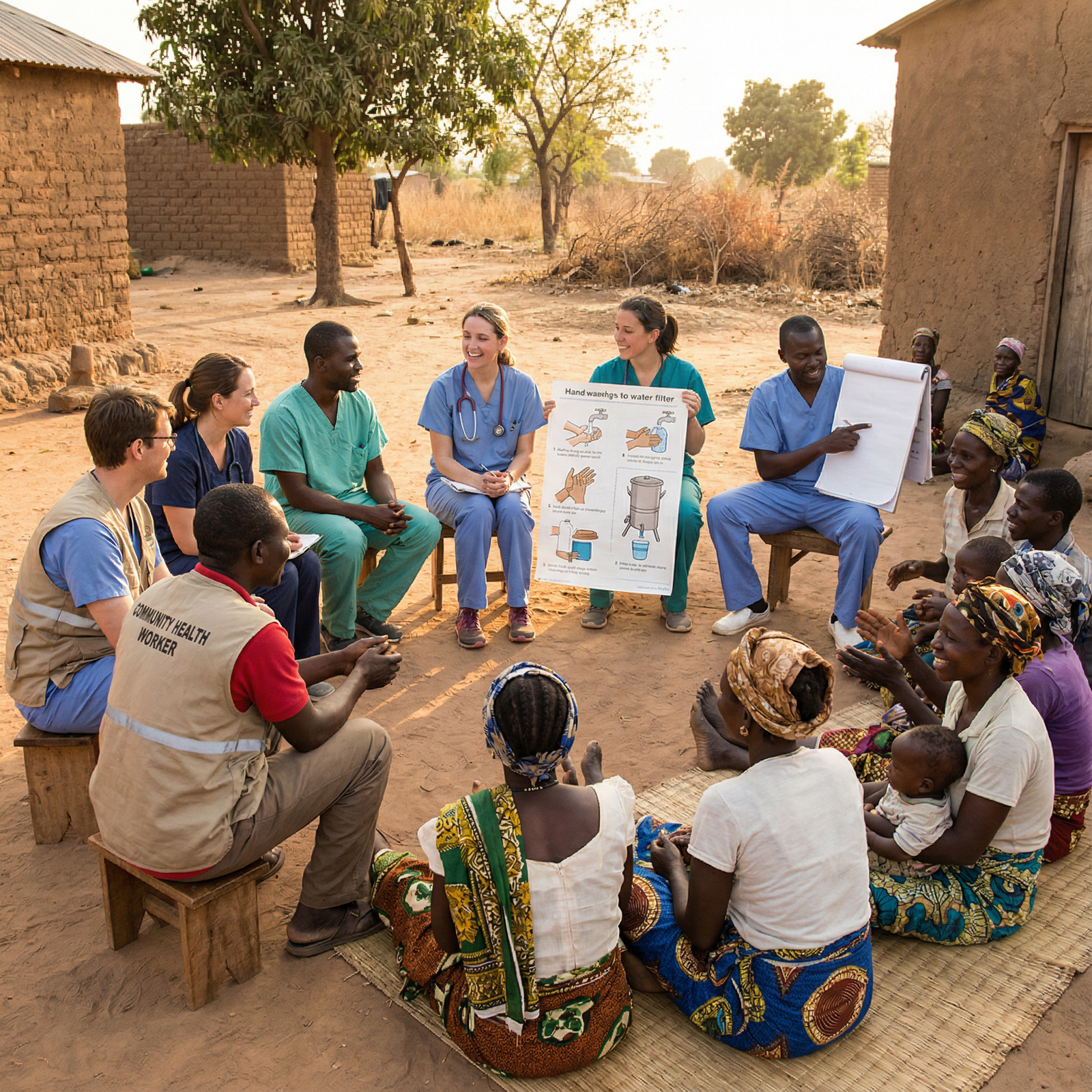
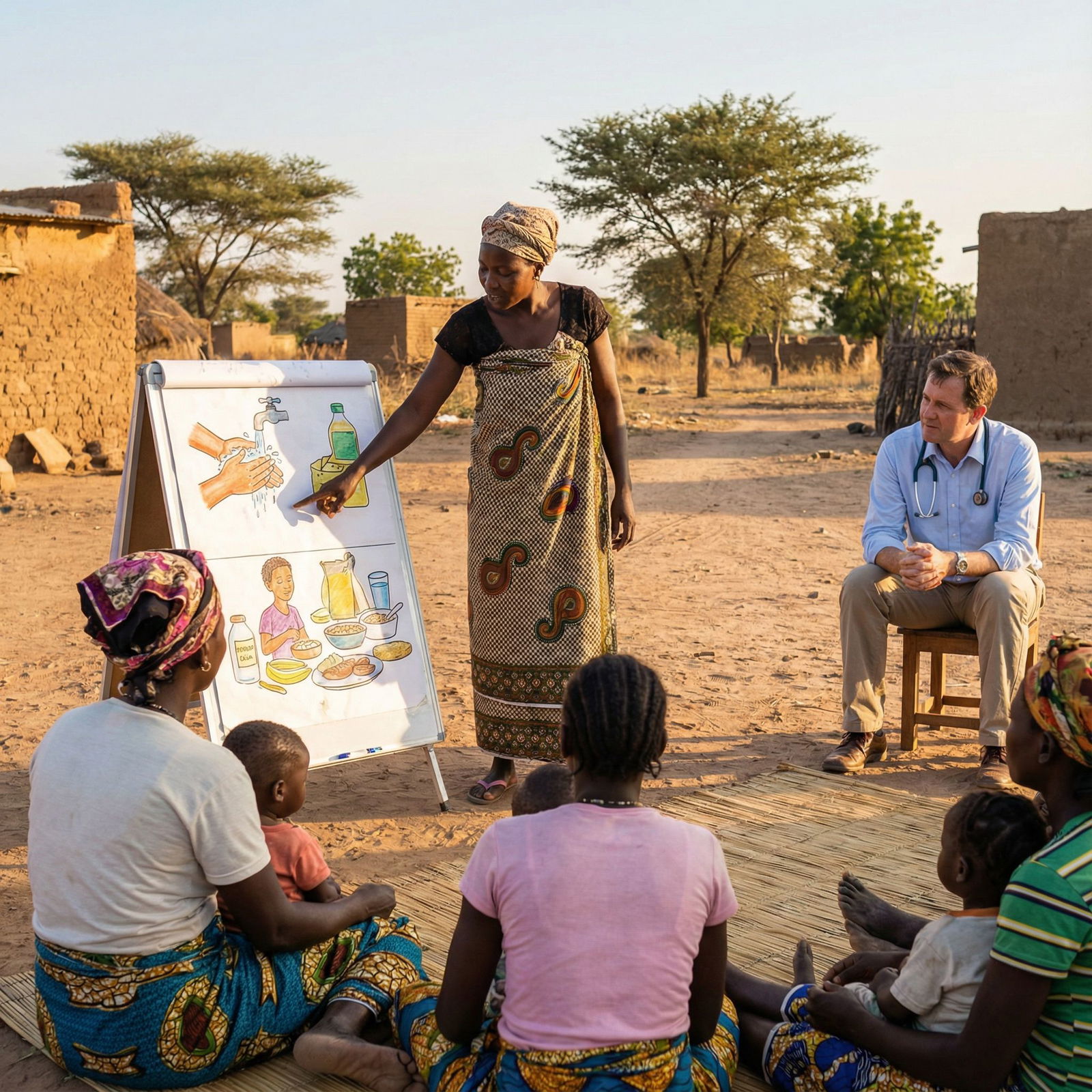
Instead of only distributing food, the mission co-develops a nutrition education campaign led by local grandmothers and CHWs, integrated with agricultural support and cooking demonstrations. This culturally grounded approach earns trust and achieves more sustainable improvements in child health.
3. Strengthening Healthcare Infrastructure and Systems
Sustainable health outcomes depend on strong, resilient healthcare infrastructure. Medical missions can either bypass or bolster that infrastructure.
Key Areas for Infrastructure-Focused Missions
Facility upgrades
- Renovating clinics; building triage areas or labor and delivery rooms.
- Installing reliable power sources (e.g., solar panels), water systems, or cold chain capacity.
- Ensuring accessibility for people with disabilities.
Equipment and technology
- Donating context-appropriate, maintainable equipment with available parts and local servicing.
- Training local biomedical technicians.
- Avoiding “equipment graveyards” of unused, incompatible technology.
Supply chain enhancement
- Mapping existing pharmaceutical and supply chains.
- Helping implement inventory systems, stock monitoring, and rational prescribing.
- Advocating with regional authorities to prioritize essential medications.
Data and health information systems
- Supporting the implementation of simple registries or digital tools aligned with national systems.
- Training staff in data entry, analysis, and use for quality improvement.
Example
A surgical mission to a rural Guatemalan community initially focuses on high-volume hernia repairs. Moving toward sustainable health, they pivot to:
- Partnering with the local hospital to upgrade the operating theatre’s lighting and sterilization capacity.
- Training local nurses in perioperative care and infection prevention.
- Collaborating with local authorities to ensure ongoing supply of basic anesthetic agents.
- Installing solar panels to stabilize power during procedures.
Over time, the local hospital can safely conduct many of the surgeries previously “reserved” for visiting teams, strengthening the entire region’s surgical capacity.
4. Cultural Competence and Tailored Health Messaging
Cultural humility is central to ethical global health work. Sustainable missions treat local knowledge as essential expertise, not as something to “work around.”
Building Cultural Competence
Pre-departure training for volunteers
- Local languages basics, cultural norms, gender roles, and religious considerations.
- Clinical topics such as local disease patterns, traditional healing practices, and common beliefs about illness.
Working through local health workers as cultural liaisons
- Invite local staff to lead patient education sessions.
- Ask them to review and adapt all patient-facing materials.
Tailored, context-sensitive health education
- Use local idioms, relevant stories, and visual aids.
- Consider literacy levels and preferred communication channels (radio, community theater, religious gatherings).
Example
In Tonga, a medical mission aims to address non-communicable diseases. Instead of distributing generic pamphlets on “healthy eating,” they:
- Collaborate with local dietitians and church leaders.
- Integrate messages into local church events, using familiar foods and recipes.
- Create visual tools that reflect traditional meals and realistic substitutions.
This respect for local culture leads to much higher acceptance and sustained behavior change.
5. Monitoring, Evaluation, and Ethical Accountability
Without monitoring and evaluation (M&E), it is impossible to know whether a medical mission is improving or inadvertently harming local health systems.
Building a Robust M&E Framework
Define clear, shared objectives
- Example: “Increase facility-based deliveries by 20% within two years” rather than “Improve maternal health.”
Collect baseline and follow-up data
- Use simple, feasible metrics: clinic attendance, stock-outs, adherence to clinical protocols, morbidity and mortality data.
- Align indicators with national health information systems where possible.
Incorporate continuous feedback loops
- Regular debriefings with local staff and community representatives.
- Anonymous feedback mechanisms to identify concerns about ethics, equity, or clinical quality.
Publish and share results
- Transparently report both successes and challenges.
- Use findings to refine future missions and contribute to the global evidence base.
Example
A maternal health mission in Haiti introduces standardized protocols for hypertensive disorders in pregnancy. They:
- Collect data on eclampsia rates, use of magnesium sulfate, and maternal mortality over several years.
- Train local staff to lead audit and feedback sessions.
- Present findings to the Ministry of Health, which later incorporates elements into national guidelines.
This systematic approach not only improves care locally but influences broader policy and practice.
Case Studies: Organizations Modeling Sustainable Medical Missions
Several global health organizations demonstrate how medical missions can promote sustainable health, community empowerment, and strengthened healthcare infrastructure.
Operation Smile: Building Local Surgical Capacity
Operation Smile started as a surgery-focused organization providing cleft lip and palate repairs worldwide. Over time, they recognized that simply flying in teams for high-volume surgical camps was insufficient for long-term impact.
Their more sustainable model now includes:
- Training local surgeons, anesthetists, and nurses in cleft procedures and perioperative care.
- Accrediting local centers as comprehensive cleft care hubs, integrating speech therapy, dentistry, nutrition, and psychosocial support.
- Research and data collection to improve quality and advance global surgical standards.
By equipping local hospitals and specialists, Operation Smile helps ensure that children born with clefts can access care year-round, not just when foreign teams arrive.
Partners In Health (PIH): Health System Strengthening at Scale
Partners In Health is a global leader in rights-based, equity-focused global health work. Their approach in places like Haiti, Rwanda, and Liberia illustrates what long-term, sustainable partnership looks like:
- Deep integration with public systems – PIH works alongside ministries of health, not as a parallel structure.
- Investments in infrastructure – Building and upgrading hospitals, clinics, and labs that remain permanent assets of the country.
- Training and employing local staff – From CHWs to specialists, with pathways for professional development.
- Addressing social determinants of health – Providing food, transportation, housing support, and education as part of comprehensive care.
Their decades-long engagement shows that sustainable global health is less about “missions” and more about shared, long-term commitment to health equity.
Project HOPE: Linking Emergency Response With Long-Term Resilience
Project HOPE blends emergency medical response with sustainable development. In disaster and crisis zones, they provide rapid clinical support. But importantly, they also:
- Train local teams in disaster preparedness and response.
- Support rebuilding and strengthening of healthcare infrastructure after emergencies.
- Integrate chronic disease management and maternal-child health programs into post-crisis settings.
This dual approach ensures that communities are not only stabilized after a crisis, but better prepared and equipped to handle future health threats.
Practical Tips for Residents and Clinicians Planning Sustainable Missions
If you are a resident, fellow, or attending planning to join or lead a mission, you can actively shape it toward sustainability.
Before You Go
Vet the organization’s model
- Ask: How are local partners involved in decision-making? What happens between trips? How do they avoid undermining local systems?
Clarify learning vs. service priorities
- Ensure your educational goals (procedural experience, exposure to diseases) do not overshadow the community’s needs.
Prepare culturally and clinically
- Study local epidemiology, health policies, and cultural norms.
- Seek mentorship from experienced global health faculty.
While You Are There
Defer to local leadership
- Ask local clinicians what support they want from you.
- Avoid taking over roles that can be done by local staff.
Focus on teaching and co-managing
- Involve local staff in every procedure, bedside discussion, or family meeting.
- Share evidence-based guidelines and help adapt them to local reality.
Respect resource constraints
- Avoid introducing diagnostics or treatments not sustainable locally.
- Discuss the downstream implications of any intervention you initiate.
After You Return
Stay engaged
- Join regular case discussions or M&E activities with partners.
- Assist with protocol development, grant writing, or educational materials.
Reflect critically
- What worked? What felt uncomfortable or ethically complex?
- How might the mission improve its alignment with sustainable health and community empowerment?
By approaching medical missions thoughtfully, you contribute not only to patients’ immediate care but to the long-term evolution of ethical, sustainable global health practice.
FAQs: Sustainable Practices in Medical Missions
1. What exactly does “sustainable health” mean in the context of medical missions?
In medical missions, sustainable health means designing and implementing activities that lead to lasting improvements in health outcomes and health systems—improvements that can be maintained by local communities and healthcare infrastructure after the visiting team leaves. This includes:
- Strengthening local clinical capacity and leadership
- Supporting resilient supply chains and facilities
- Aligning with national health strategies and policies
- Addressing social and cultural drivers of health, not just clinical conditions
The aim is not to create ongoing dependence on foreign teams but to support communities in achieving long-term health security and equity.
2. How can short-term missions avoid undermining local healthcare providers?
Short-term missions can avoid harm and promote community empowerment by:
- Working only at the invitation of local partners and within existing systems
- Ensuring local clinicians lead clinical decisions whenever possible
- Prioritizing co-consultation and co-management rather than parallel clinics
- Referring all patients back to local facilities for follow-up
- Avoiding free services that permanently undercut local clinicians’ livelihoods unless coordinated as part of a broader, agreed-upon public health strategy
Transparency, humility, and ongoing dialogue with local partners are crucial.
3. What are some red flags that a medical mission may not be sustainable or ethical?
Potential warning signs include:
- No clear local partner or memorandum of understanding with local health authorities
- Lack of needs assessment or community input into project design
- Focus exclusively on foreign team experience (e.g., “we did 100 surgeries”) with no plan for follow-up
- Use of medications, technology, or procedures that are not available or maintainable locally
- No data collection, monitoring, or evaluation of outcomes
- No mechanisms for patient follow-up or continuity of care
If you notice several of these, it is worth raising questions with organizers or reconsidering participation.
4. Can medical missions genuinely improve healthcare infrastructure, or is that only possible through large NGOs and governments?
Both are possible. Large NGOs and governments play a critical role in building nationwide systems, but well-designed missions—even from smaller organizations or academic programs—can meaningfully support healthcare infrastructure at the facility or district level. They can:
- Help renovate and equip clinics or operating theatres in a context-appropriate way
- Provide targeted training in areas prioritized by local partners (e.g., emergency obstetrics, anesthesia, POCUS)
- Strengthen data systems and quality improvement processes
- Advocate alongside local stakeholders for better resource allocation
The key is to align efforts with local and national plans, ensure long-term maintenance, and avoid introducing unsustainable “islands of excellence.”
5. How can trainees integrate sustainable global health principles into their career development?
For medical students and residents:
- Seek out global health tracks, fellowships, or electives that emphasize ethics, health systems, and sustainability—not just clinical exposure.
- Get involved in longitudinal partnerships rather than one-off trips.
- Build skills in quality improvement, implementation science, and health policy, which are directly relevant to strengthening systems.
- Learn about decolonizing global health—critically examining power dynamics, funding flows, and who defines priorities.
- Consider career paths that blend local practice with ongoing global health collaboration, emphasizing equity and mutual learning.
By centering sustainability and ethics early in your training, you contribute to a global health community that values partnership, justice, and long-term impact over short-term metrics.
Sustainable practices in medical missions are not optional extras—they are central to ethical, effective global health. By focusing on community empowerment, healthcare infrastructure, and long-term system strengthening, medical missions can evolve from episodic outreach into meaningful, lasting partnerships that help communities thrive.