Introduction: Why Medical Missions Matter for Your Training and Career
Participating in a medical mission is one of the most powerful ways to combine clinical learning, Community Service, and Global Health exposure. Whether you are a pre-clinical medical student, resident, nurse, PA, or seasoned attending, Medical Missions can reshape how you think about health systems, equity, and your role as a clinician.
Beyond the inspiring photos and travel stories, effective Volunteer Healthcare work requires careful preparation, humility, and a willingness to adapt. You’ll be stepping into unfamiliar health systems, working across language and cultural barriers, and practicing in resource-limited environments where your usual diagnostic and treatment approaches may not be available.
This guide expands on what to expect on a medical mission—from planning and preparation through on-the-ground work, ethical decision-making, Cultural Adaptation, and post-mission reflection. The goal is to help you maximize your positive impact while protecting patient safety, respecting local partners, and growing professionally and personally.
Understanding Medical Missions and Your Role in Global Health
What Are Medical Missions in Modern Global Health?
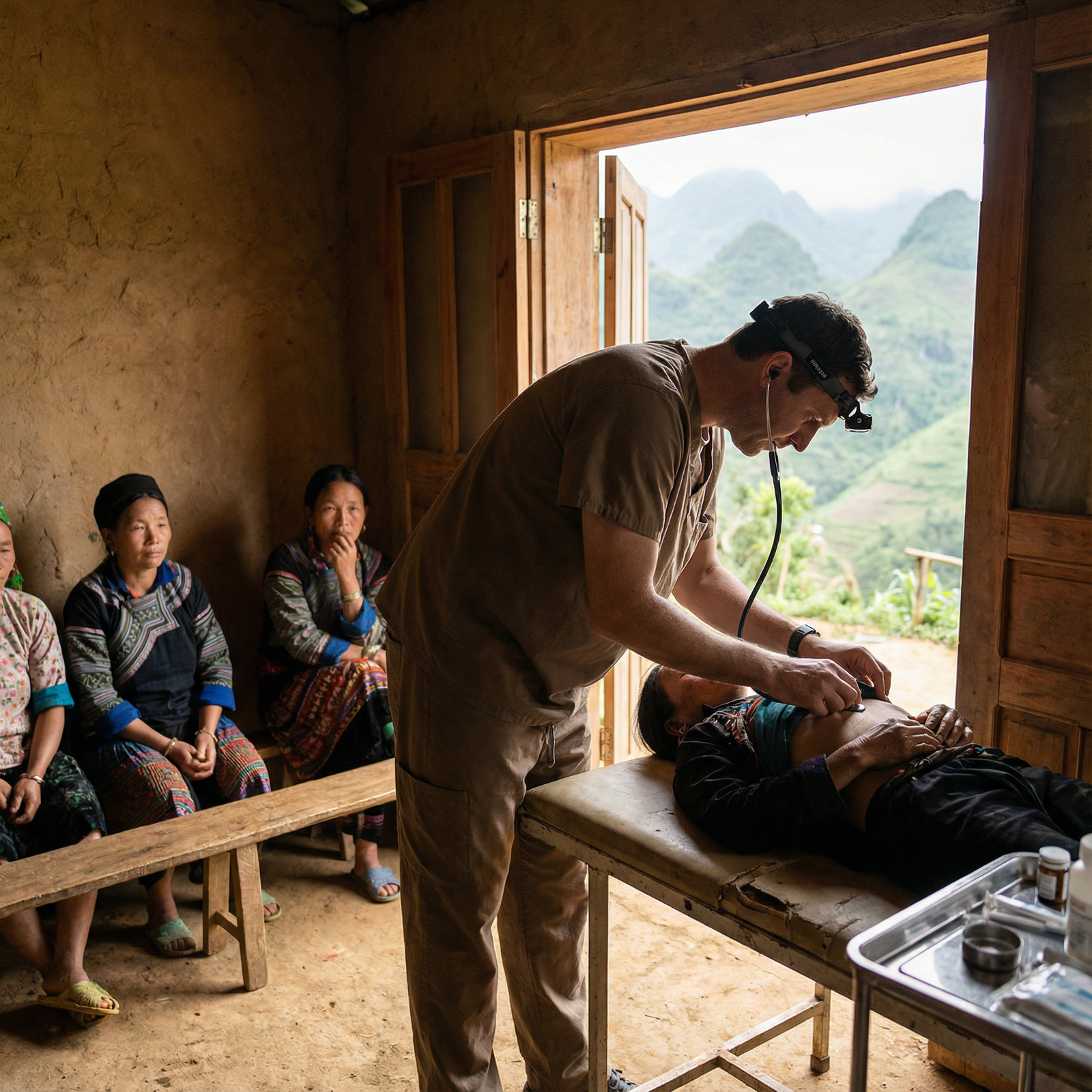
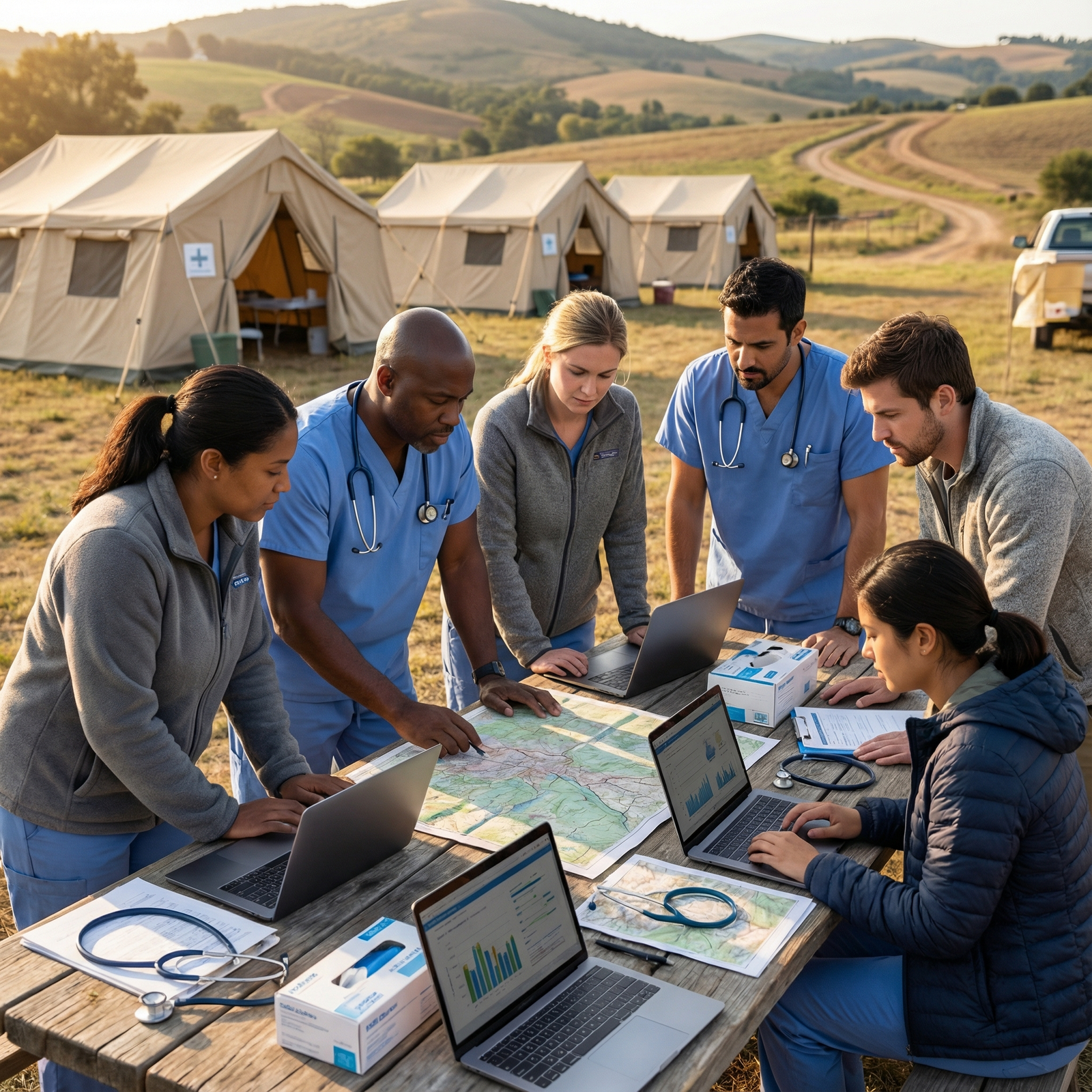
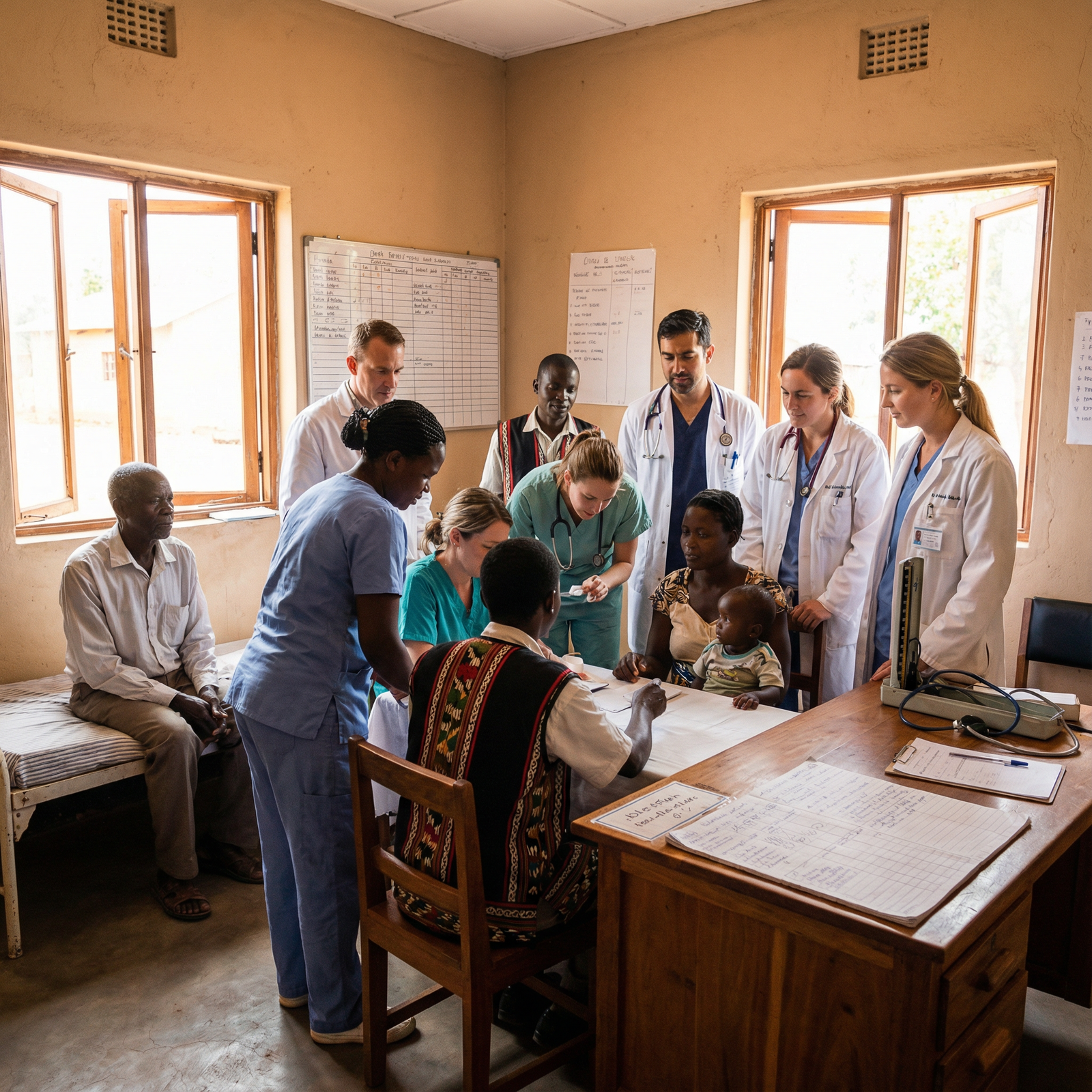
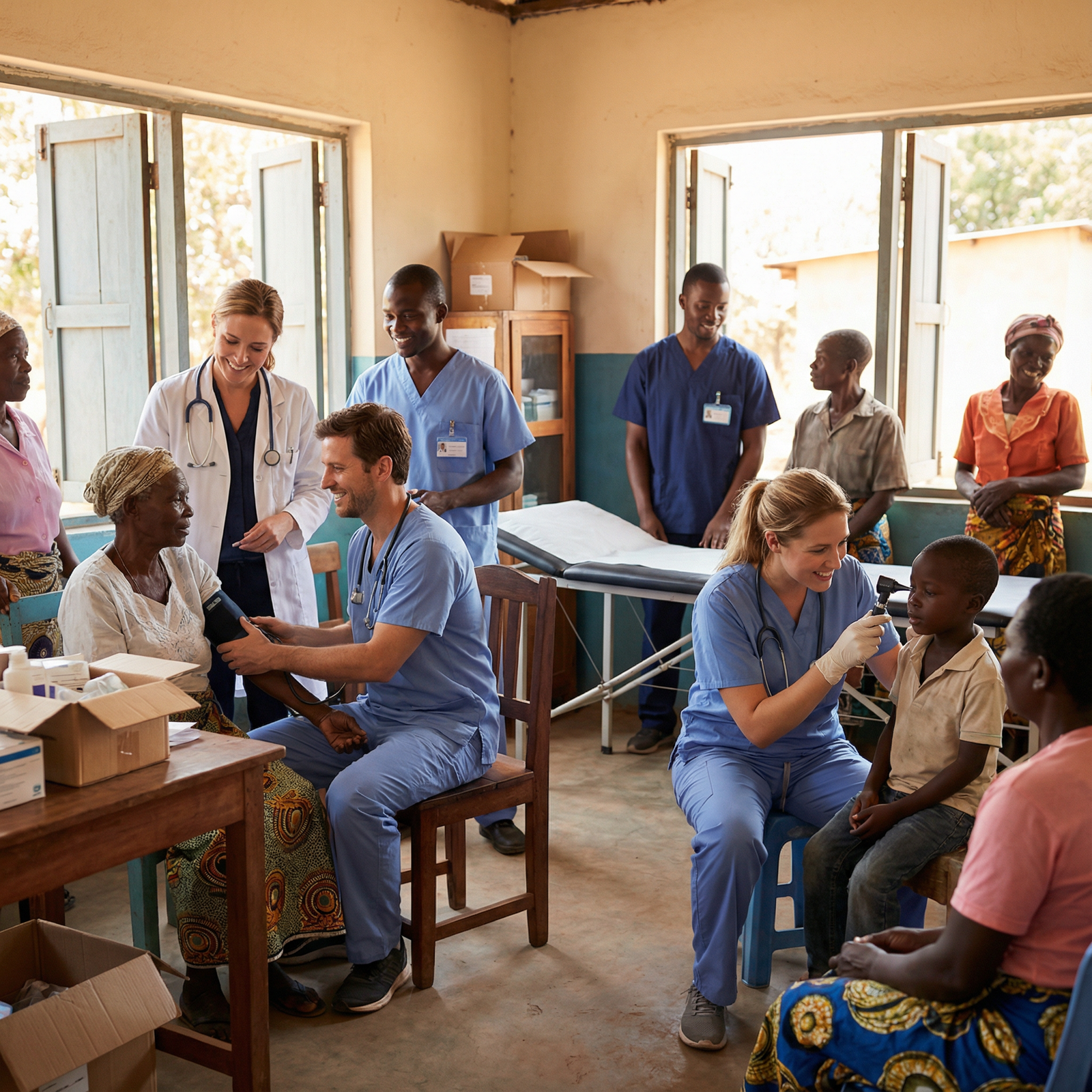
Medical missions are organized efforts where health professionals and trainees provide direct patient care, health education, and system support in under-resourced communities—domestically or abroad. They can range from a weekend free clinic in a U.S. urban underserved area to a multi-year Global Health partnership in a rural district hospital overseas.
Typical aims include:
- Providing essential clinical services where access is limited
- Supporting local health systems rather than replacing them
- Building capacity through teaching, training, and mentorship
- Strengthening public health and prevention through community-based programs
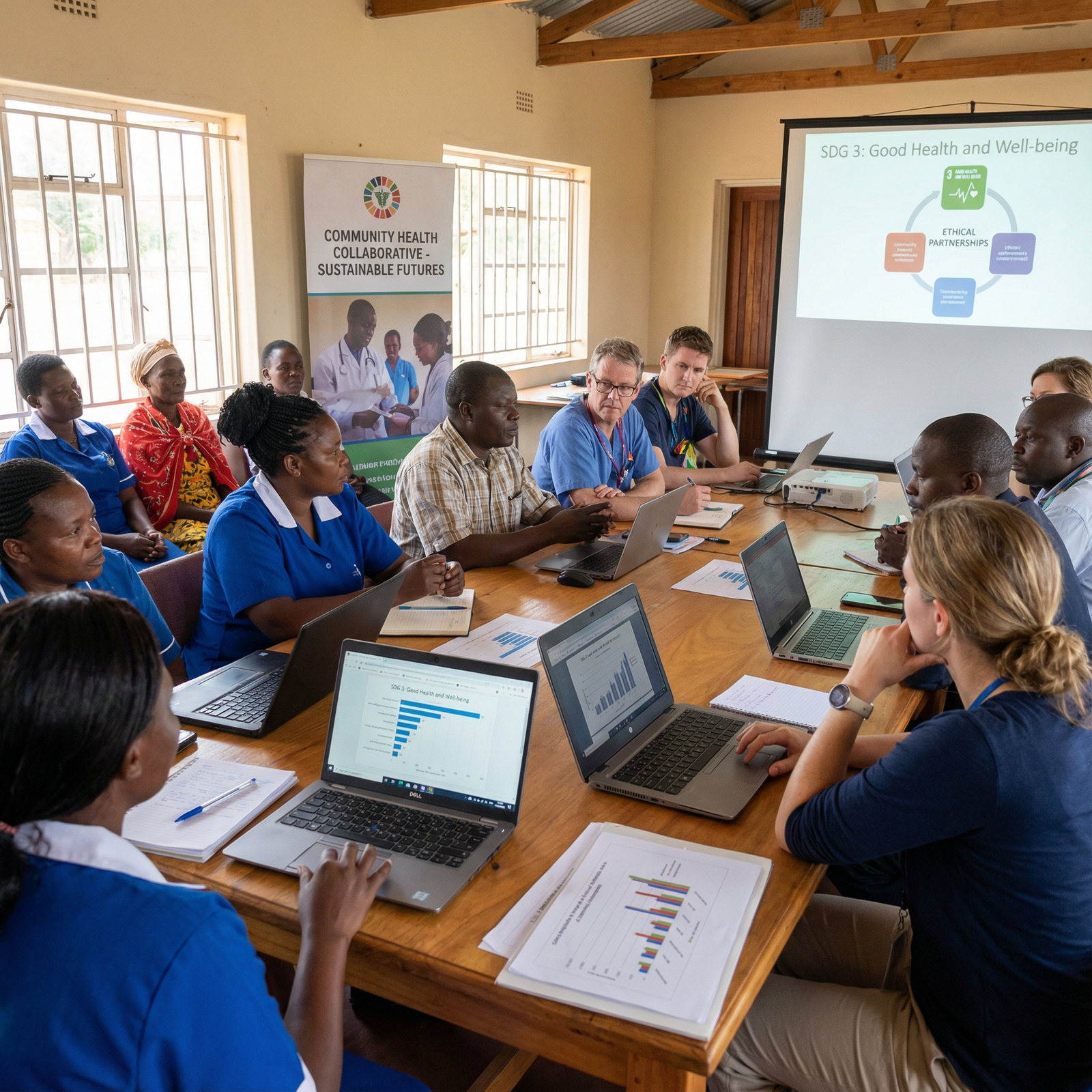
High-quality missions increasingly prioritize sustainability, local leadership, and equitable partnerships, moving away from “medical tourism” models that prioritize volunteer experience over community needs.
Common Types of Medical Missions
Understanding mission types helps you choose a program that matches your skills, values, and availability.
Short-Term Medical Missions (STMMs)
- Duration: A few days to 2–4 weeks
- Examples:
- Mobile clinics for primary care, acute infections, minor injuries
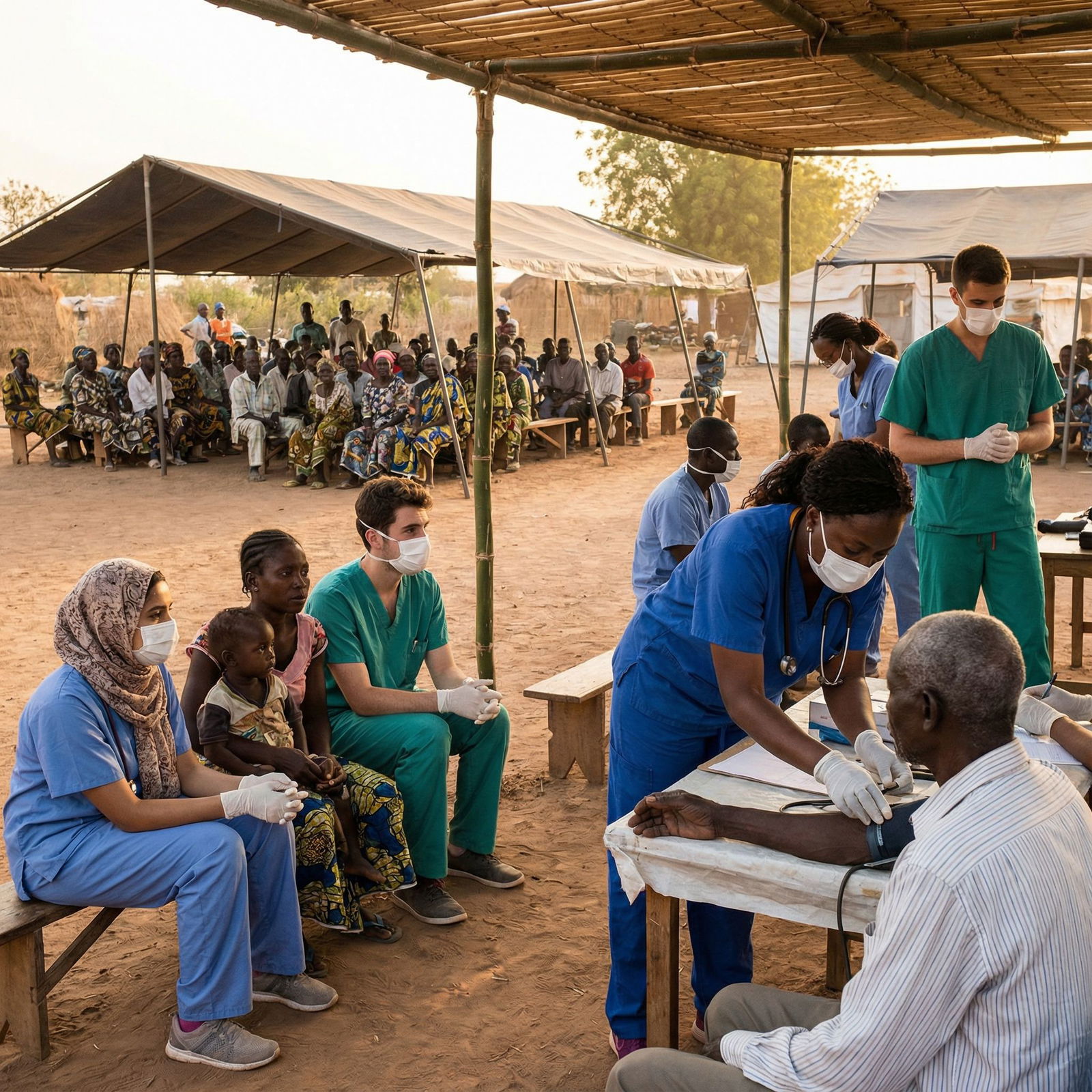
- Surgical camps (e.g., cataract, cleft lip/palate) in partnership with local surgeons
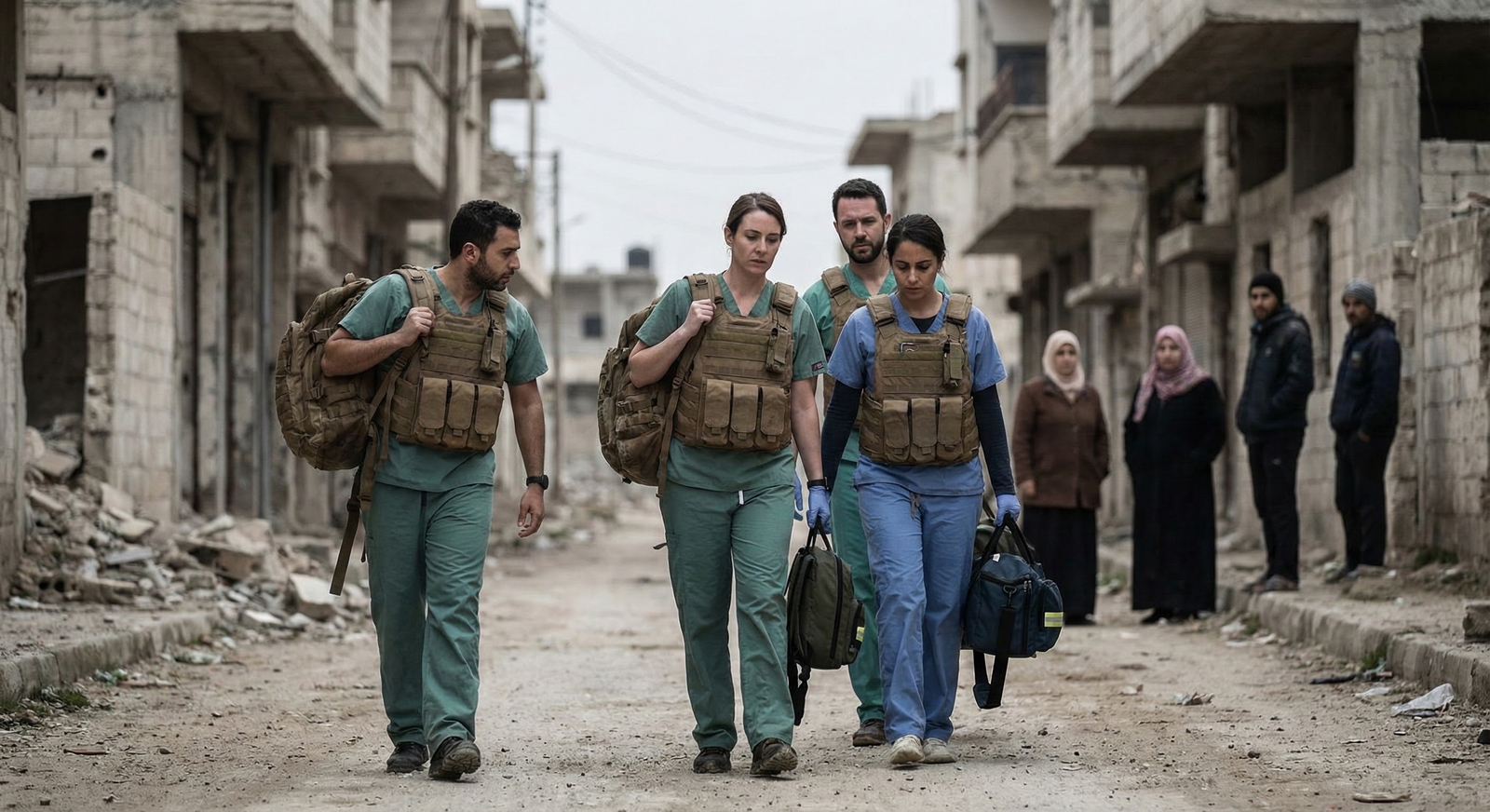
- Disaster-response teams (earthquakes, hurricanes, epidemics)
- Pros: More feasible for students and trainees, rapid exposure to Global Health
- Cons: Risk of fragmented care if not integrated with local services
Long-Term and Recurrent Missions
- Duration: Months to years, or repeated trips to the same site
- Examples:
- Long-term placements with NGOs or academic Global Health programs
- Recurring annual missions that build on previous work in the same community
- Pros: Greater continuity of care, capacity-building, and system strengthening
- Cons: Require more commitment; often better suited for residents, fellows, and attendings
Non-Clinical or Hybrid Missions
- Focus on:
- Health systems strengthening (EMR development, quality improvement)
- Public health projects (vaccination campaigns, sanitation, mental health outreach)
- Teaching, curriculum development, and mentorship of local trainees
- Ideal for: Individuals interested in health policy, leadership, or research in Global Health
- Focus on:
When evaluating opportunities, look for missions that:
- Are requested by local partners
- Integrate with existing health services
- Have clear plans for follow-up and continuity of care
- Emphasize ethical guidelines and safe scope of practice for trainees
Preparing for Your Medical Mission: From Selection to Packing
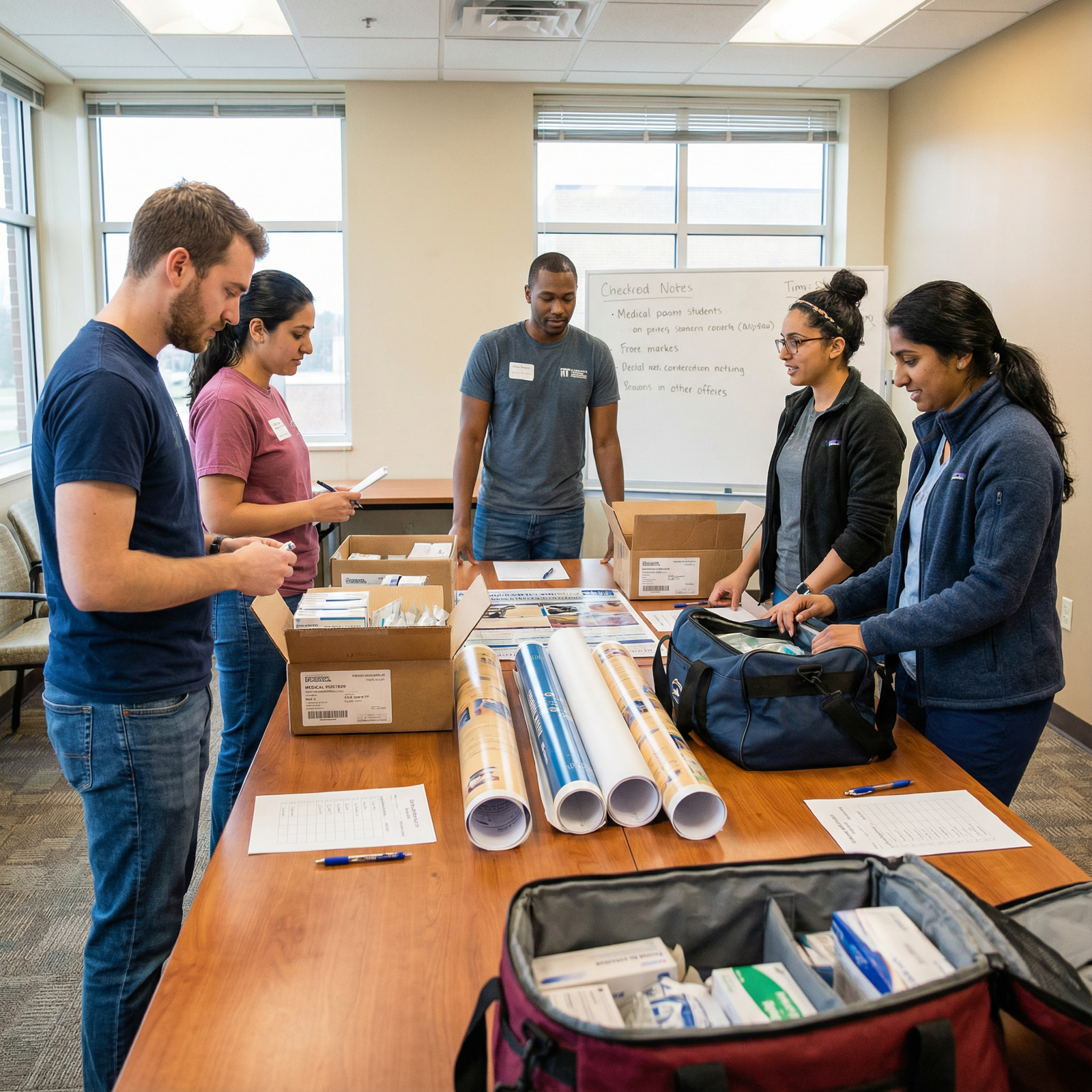
Step 1: Choosing the Right Organization and Destination
Before you book flights, invest time in due diligence:
- Mission philosophy: Does the organization emphasize partnership, sustainability, and respect for local expertise?
- Scope of work: Is the clinical work appropriate to your training level and licensure?
- Supervision: Who will supervise students and residents? Are there clear protocols for complex cases?
- Legal and ethical safeguards: Are there guidelines on documentation, patient privacy, and scope of practice?
- Follow-up care: How will patients receive follow-up, medications, and referrals once you leave?
Request to speak with past volunteers or local partners. Their perspectives often reveal more than promotional materials.
Step 2: Researching Health and Cultural Context
Effective Cultural Adaptation starts before you leave:
Population health and epidemiology
- Review common conditions: TB, HIV, malaria, dengue, malnutrition, maternal health issues, NCDs (hypertension, diabetes).
- Check WHO and CDC country profiles for disease burden and health indicators.
Health system structure
- Understand where your mission fits: primary care, district hospital, referral center, NGO clinic.
- Learn referral pathways and what is realistically available (labs, imaging, surgery, ICU).
Cultural norms and beliefs
- Gender roles, modesty norms, and who makes health decisions in the family
- Local views on mental health, traditional healers, disability, and chronic illness
- Greetings, forms of respect, and nonverbal communication
Reading local news, talking with diaspora communities, and reviewing your organization’s pre-departure materials can help you arrive informed and respectful.
Step 3: Building the Right Skill Set
In addition to your clinical training, consider focused preparation in:
Cultural competence and humility
- Attend Global Health ethics or cross-cultural care workshops
- Reflect on your own biases and how they may show up in patient encounters
- Practice asking, not assuming: “Can you tell me how you usually seek care when someone is ill?”
Basic language skills
- Learn key phrases: greetings, symptoms (“pain,” “fever,” “cough”), body parts, consent language (“Is it okay if I examine…?”)
- Download offline translation apps and carry simple picture-based communication tools
Low-resource clinical skills
- Reviewing diagnosis and management using history and physical exam when imaging and advanced labs are limited
- Refreshing management of tropical and neglected diseases if relevant
- Practicing procedural skills common in low-resource settings and allowed at your level (e.g., wound care, IV placement, simple obstetric support for advanced trainees)
Step 4: Packing Wisely and Ethically
Your packing list should balance personal safety, clinical readiness, and respect for local systems.
Personal essentials:
- Passport, copies of documents, vaccination records, and travel insurance
- Routine and prescription medications (enough for full trip + extra)
- Weather-appropriate, modest clothing; closed-toe shoes, scrub sets
- Sun protection, insect repellent (DEET or picaridin), hat, refillable water bottle
- Headlamp or small flashlight, power bank, universal adapter
Clinical and safety gear (if not provided):
- Stethoscope, penlight, protective eyewear
- Basic PPE (gloves, masks) as needed, following mission guidance
- Pocket references for WHO guidelines, essential medications, or emergency algorithms
- Hand sanitizer and disinfectant wipes
Ethical considerations for supplies:
- Avoid bringing medicines or devices that won’t be available for follow-up
- Prioritize materials that can be reused or restocked locally (e.g., durable equipment)
- Coordinate with your organization so supplies align with local formularies and protocols
What to Expect on the Ground: Orientation, Adaptation, and Daily Work
Orientation and Team Dynamics
Upon arrival, most structured missions include an orientation. It often covers:
- Local health system overview and referral pathways
- Clinic/hospital workflows: triage, documentation, pharmacy processes
- Safety and security: areas to avoid, transportation guidelines, emergency contacts
- Cultural briefings: greetings, dress code, boundaries with patients
This is also where you meet:
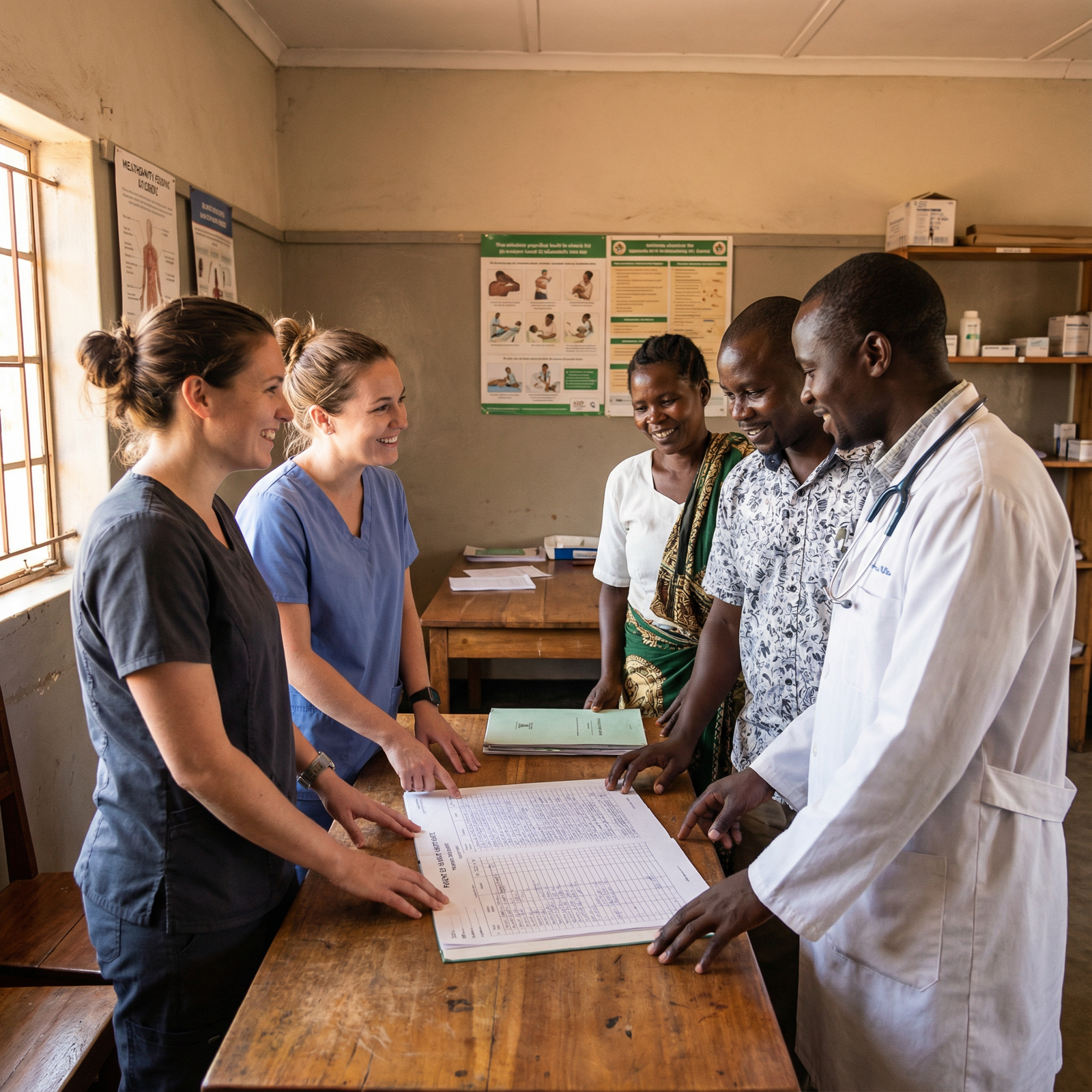
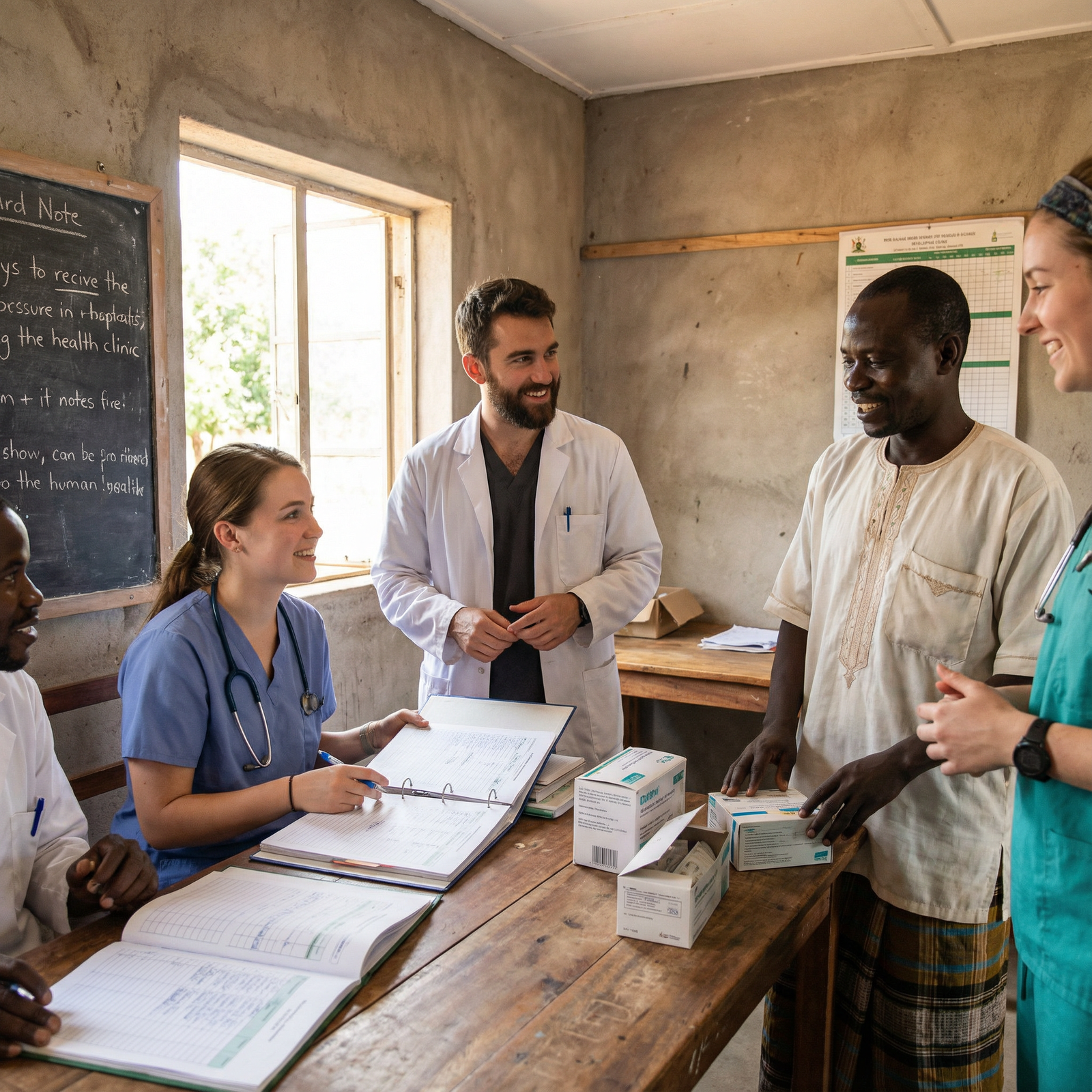
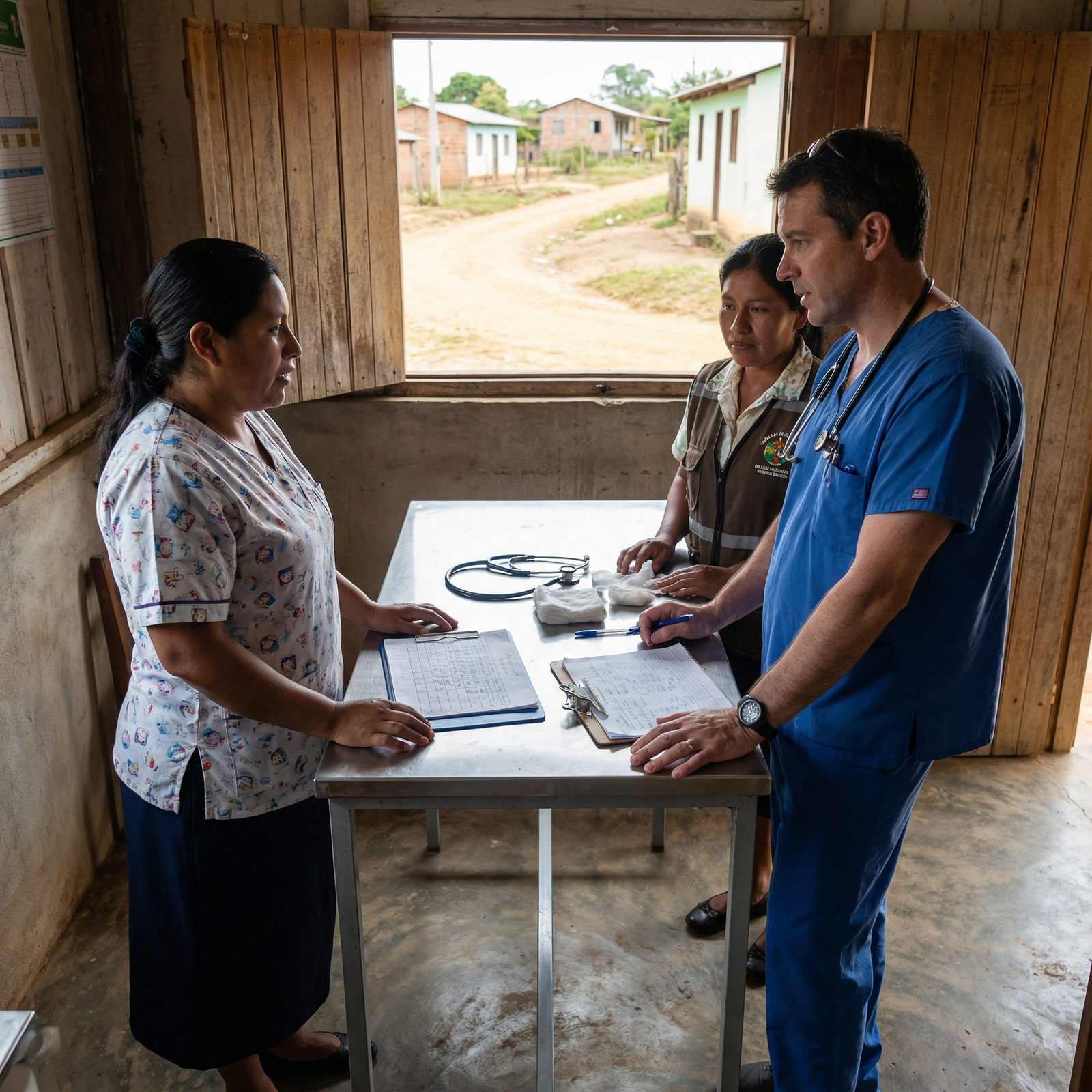
- Your multidisciplinary team – physicians, nurses, pharmacists, students, interpreters, logistics staff
- Local health workers – who should be treated as clinical and cultural experts, not “assistants”
Approach orientation with curiosity and humility. Clarify your role and scope:
- “What decisions am I expected to make independently?”
- “At what point should I call a supervising clinician?”
Adapting to New Living and Working Conditions
Living conditions can vary widely:
- Guesthouses or dormitories with shared rooms and limited privacy
- Homestays in the community
- Temporary camps with intermittent electricity and water
Common adjustments include:
- Variable sanitation and hygiene: Use bottled or filtered water, practice strict hand hygiene, and follow food safety precautions.
- Different concepts of time and scheduling: Clinics may start late due to transport issues, weather, or community events. Build flexibility into your expectations.
- Emotional fatigue: Long days, intense clinical encounters, and cultural dislocation can be draining.
Practical strategies:
- Establish a simple daily routine (morning review, evening debrief)
- Prioritize sleep, hydration, and nutrition
- Use brief mindfulness, prayer, journaling, or exercise for mental health support
Clinical Practice in Low-Resource Settings
Working in resource-limited environments requires a shift in clinical reasoning and priorities:
- Limited diagnostics: You may rely heavily on clinical judgment, basic labs (if any), and physical exam.
- Essential medications only: Drug formularies may include a narrower set of antibiotics, antihypertensives, or psychotropics than you are used to.
- Triage and prioritization: You will likely see more patients than you can treat thoroughly. Learning to prioritize life-threatening issues while still offering respectful care is essential.
Examples:
- Managing pneumonia with clinical criteria rather than chest X-ray
- Treating probable TB with referral to national programs rather than ad-hoc regimens
- Offering palliative care and symptom relief when curative options don’t exist locally
Always defer to local protocols where possible, and avoid introducing treatment plans that cannot be maintained once you leave.
Cultural Adjustment and Patient Relationships
Cultural Adaptation affects every aspect of the patient encounter:
- Communication style: In some cultures, direct eye contact is avoided or deference to elders is expected.
- Decision-making: Families or community leaders may play a central role in healthcare decisions.
- Health beliefs: Illness may be attributed to spiritual or social causes as well as biological ones.
Approach each encounter with:
- Respectful curiosity: “How do people here usually understand this kind of illness?”
- Shared decision-making within context: Work with families and local providers to find acceptable, realistic plans.
- Patience with interpretation: Work closely with interpreters; pause frequently to allow for accurate translation.
Remember that you are the guest. Your cultural norms are not the default. Let local colleagues guide you in sensitive situations (e.g., reproductive health, end-of-life discussions, mental health stigma).
Beyond Clinical Work: Community Service, Education, and Long-Term Impact
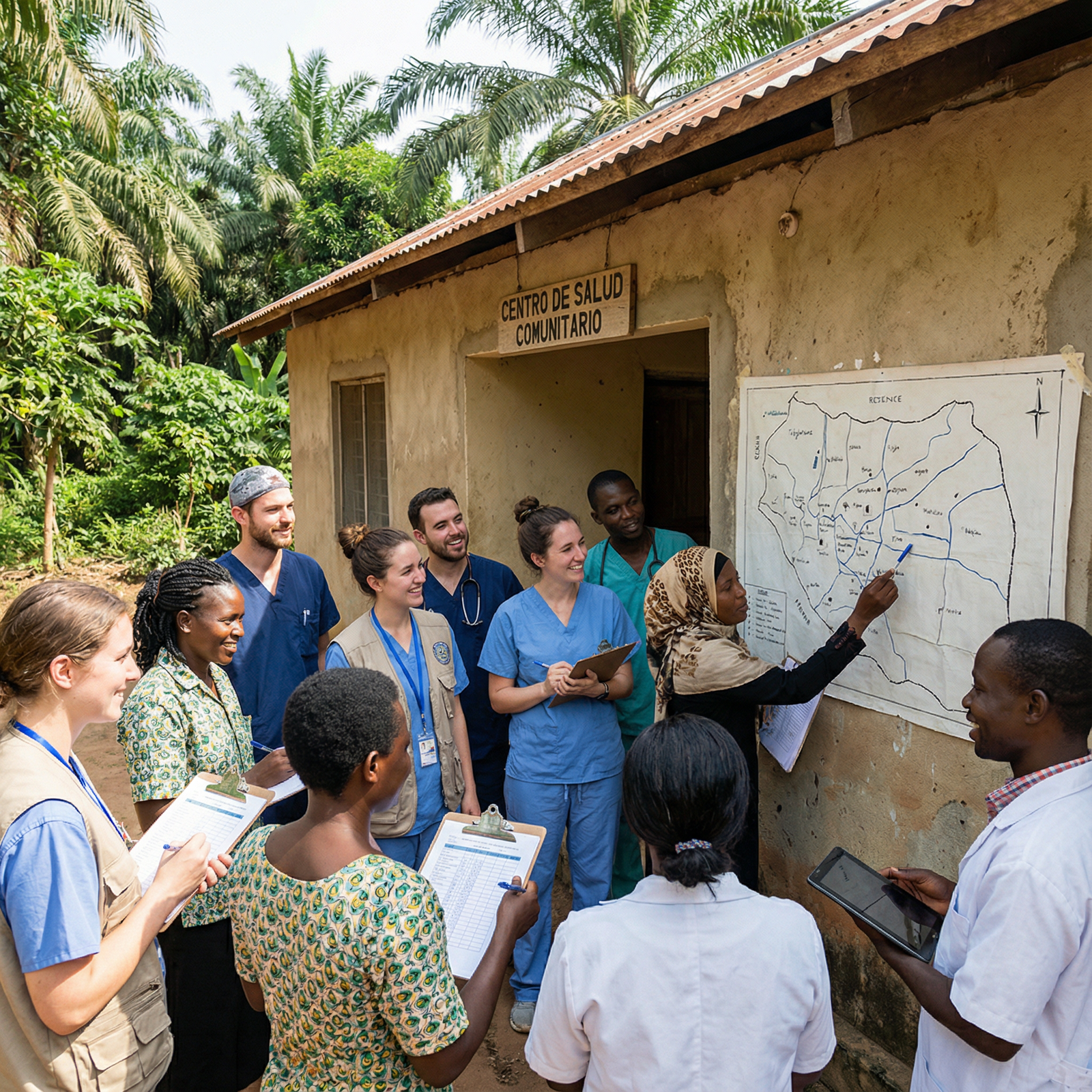
Health Education and Community Engagement
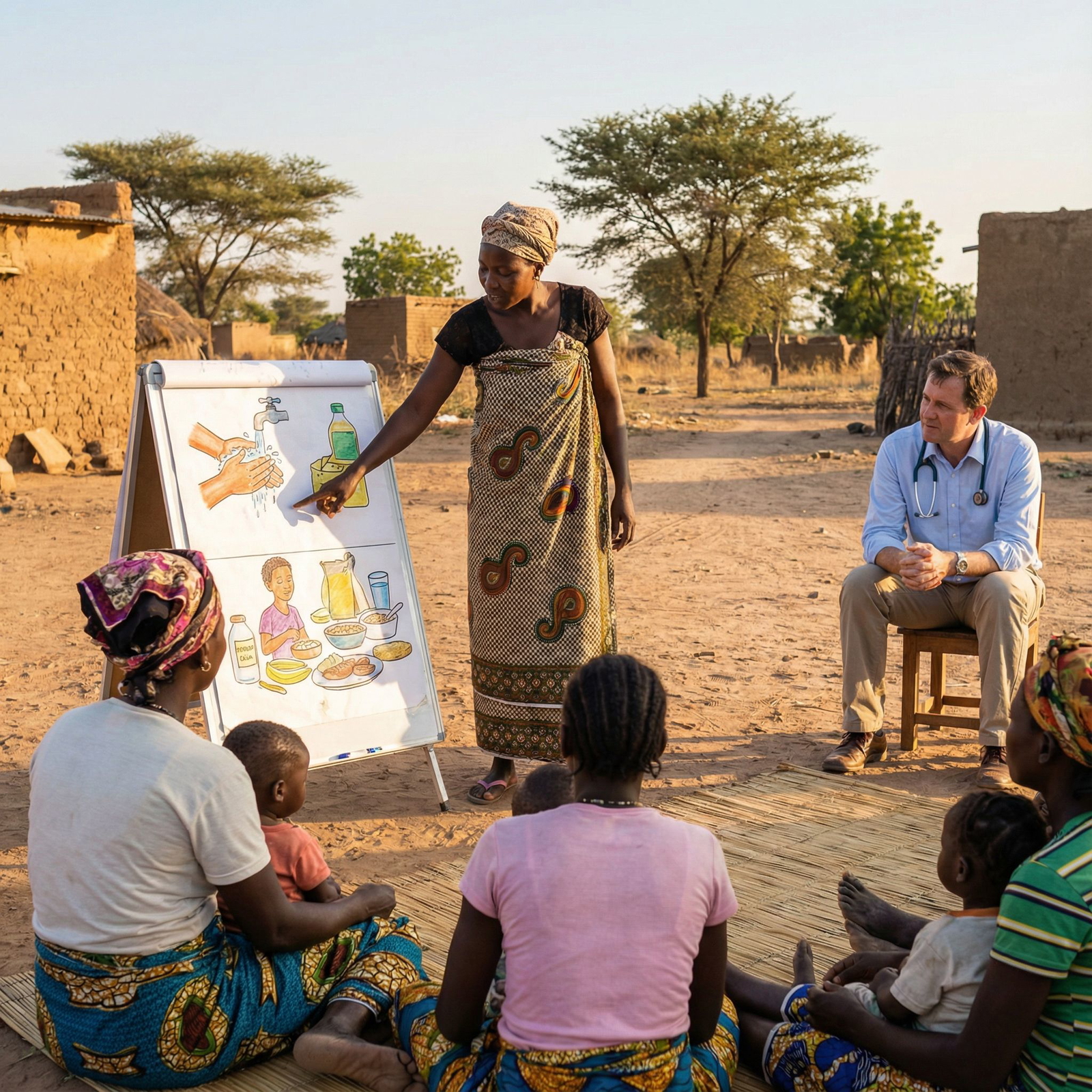
High-impact Volunteer Healthcare missions extend beyond episodic clinical care:
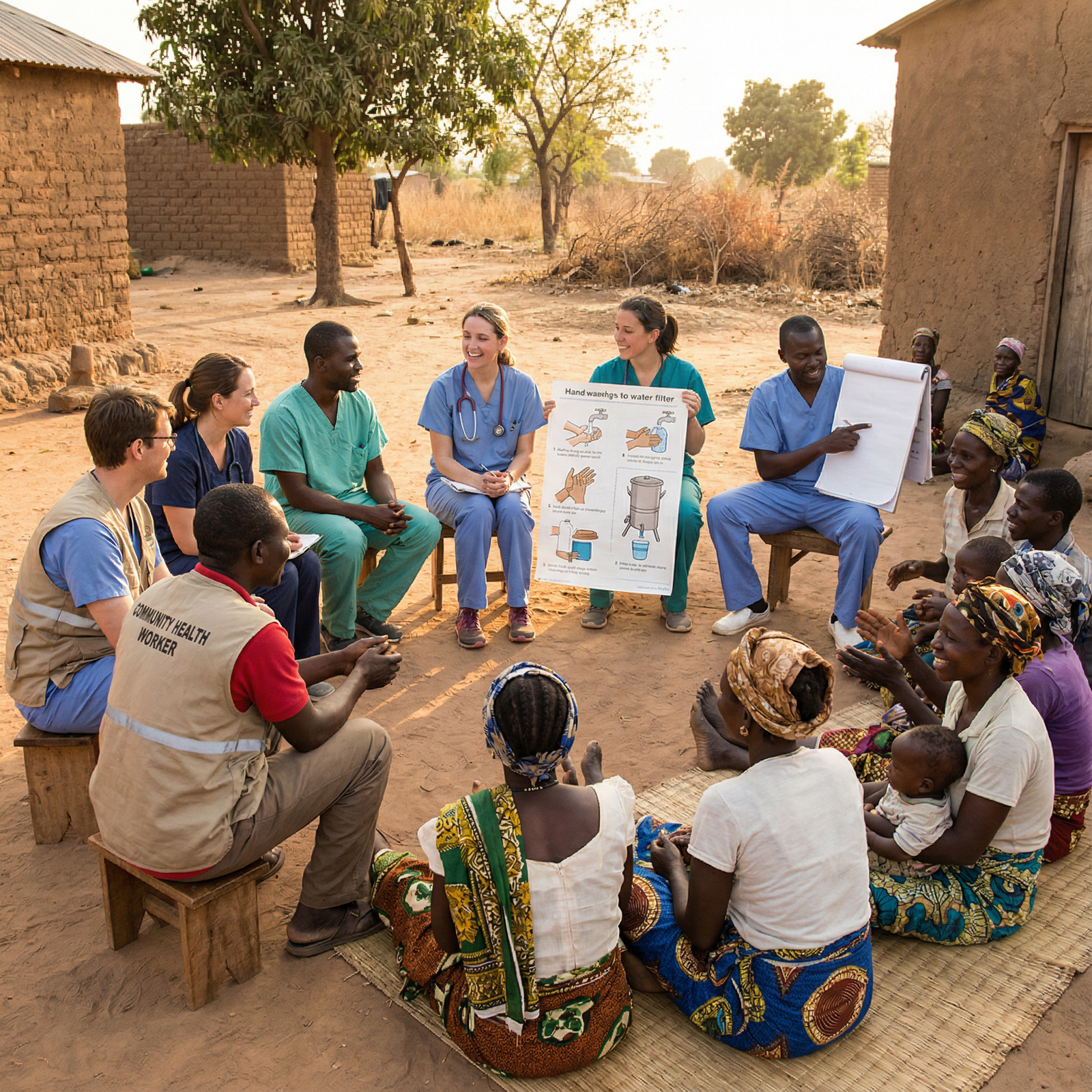
Group education sessions:
- Handwashing and hygiene
- Safe water and sanitation
- Maternal and child nutrition
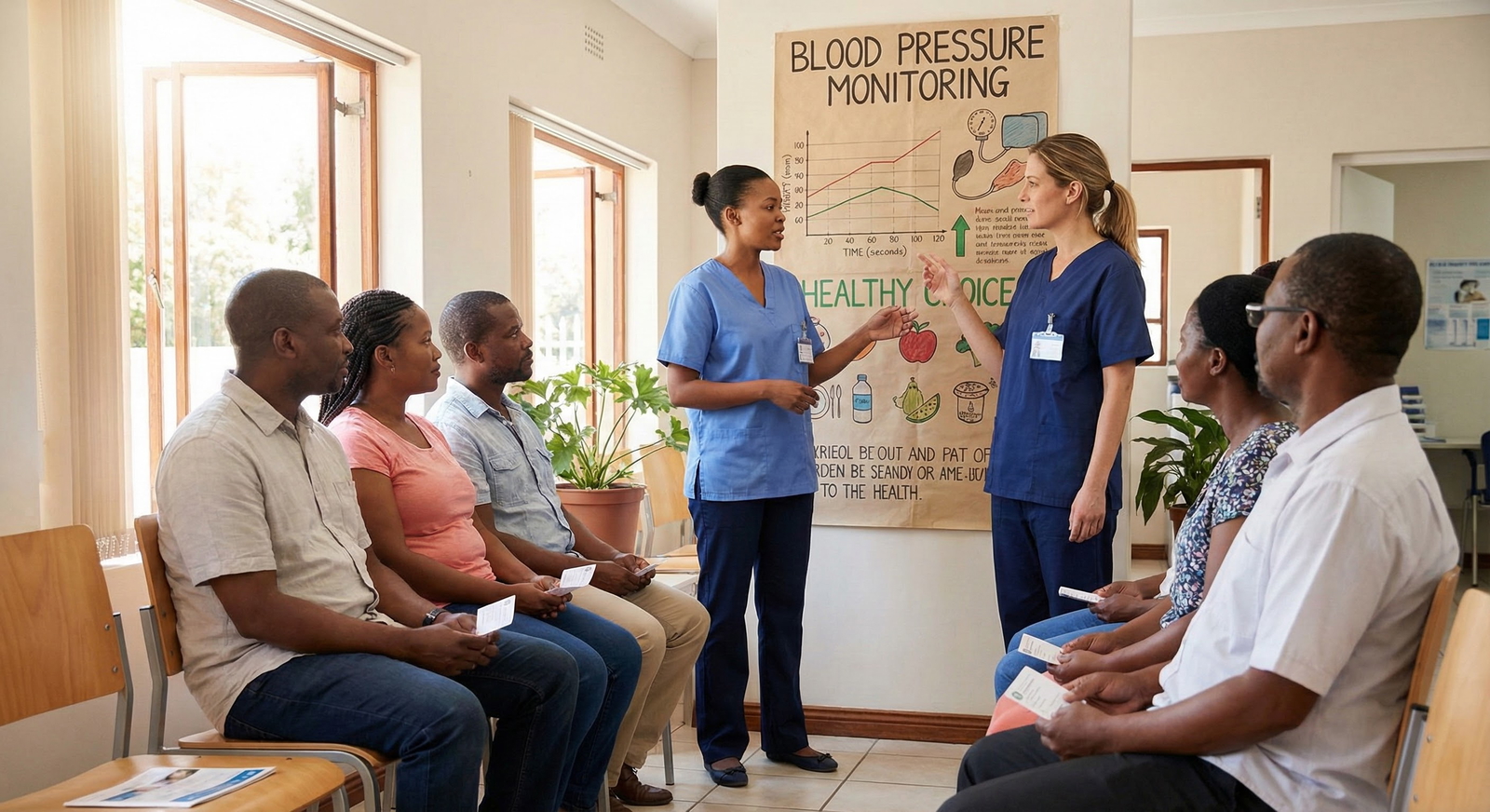
- Chronic disease management (diet, medication adherence)
School-based programs:
- Dental hygiene demonstrations
- Puberty and reproductive health education (within cultural norms)
- Injury prevention and first aid
Peer educator training:
- Identify and train community health workers or lay leaders who can continue education after your team leaves.
Design education that is:
- Visual and interactive (posters, demos, role-play)
- Language-appropriate and aligned with local literacy levels
- Co-created with local staff to ensure relevance and acceptability
Community Integration and Responsible “Voluntourism”
Becoming part of the community—beyond the clinic—can be deeply meaningful:
- Participating in community events, meals, and religious or cultural ceremonies (when invited)
- Visiting local markets, schools, or farms to better understand daily life
- Collaborating on non-clinical Community Service projects (e.g., painting a clinic, supporting a health fair)
However, maintain professional boundaries:
- Avoid posting identifiable patient photos on social media
- Be cautious about portraying communities as helpless or dependent
- Focus narratives on local strengths and resilience, not just deficits
Reflect regularly: “Am I here primarily for my own experience, or to support community-defined needs?” Ethical missions keep community priorities at the center.
Navigating Challenges, Ethics, and Personal Well-Being
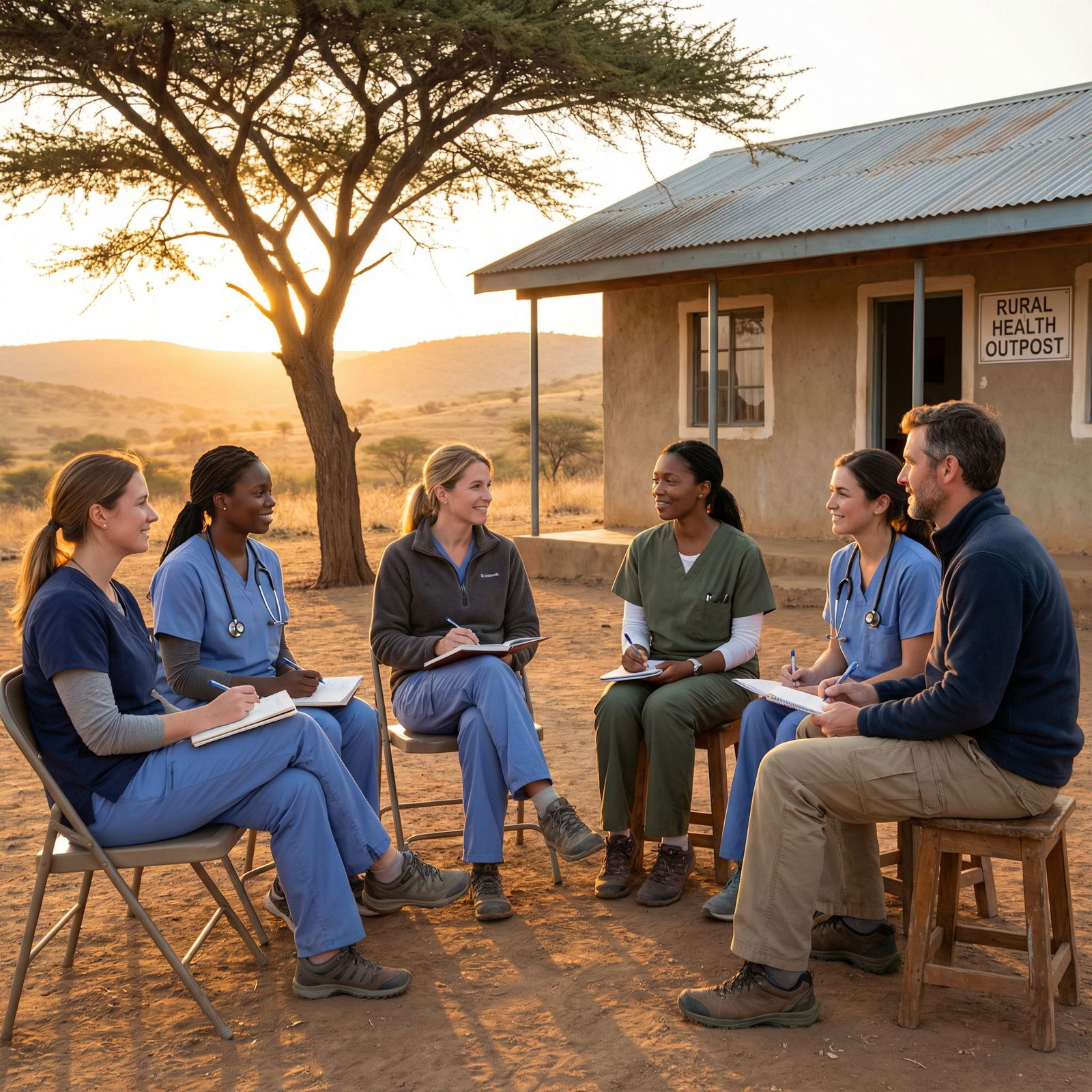
Emotional and Ethical Strain in Global Health Work
Medical missions often expose you to severe illness, poverty, and systemic inequities. Common emotional reactions include:
- Guilt about your own privilege or ability to leave
- Helplessness when you cannot provide definitive treatment
- Moral distress when resources force you to prioritize some patients over others
Ethical dilemmas might involve:
- Being asked to practice beyond your level of training
- Pressure to provide medications or procedures not available locally long-term
- Tension between Western clinical guidelines and local cultural norms
Strategies to manage:
- Know your limits: Never perform procedures or make decisions beyond your training and supervision. Decline respectfully and seek guidance.
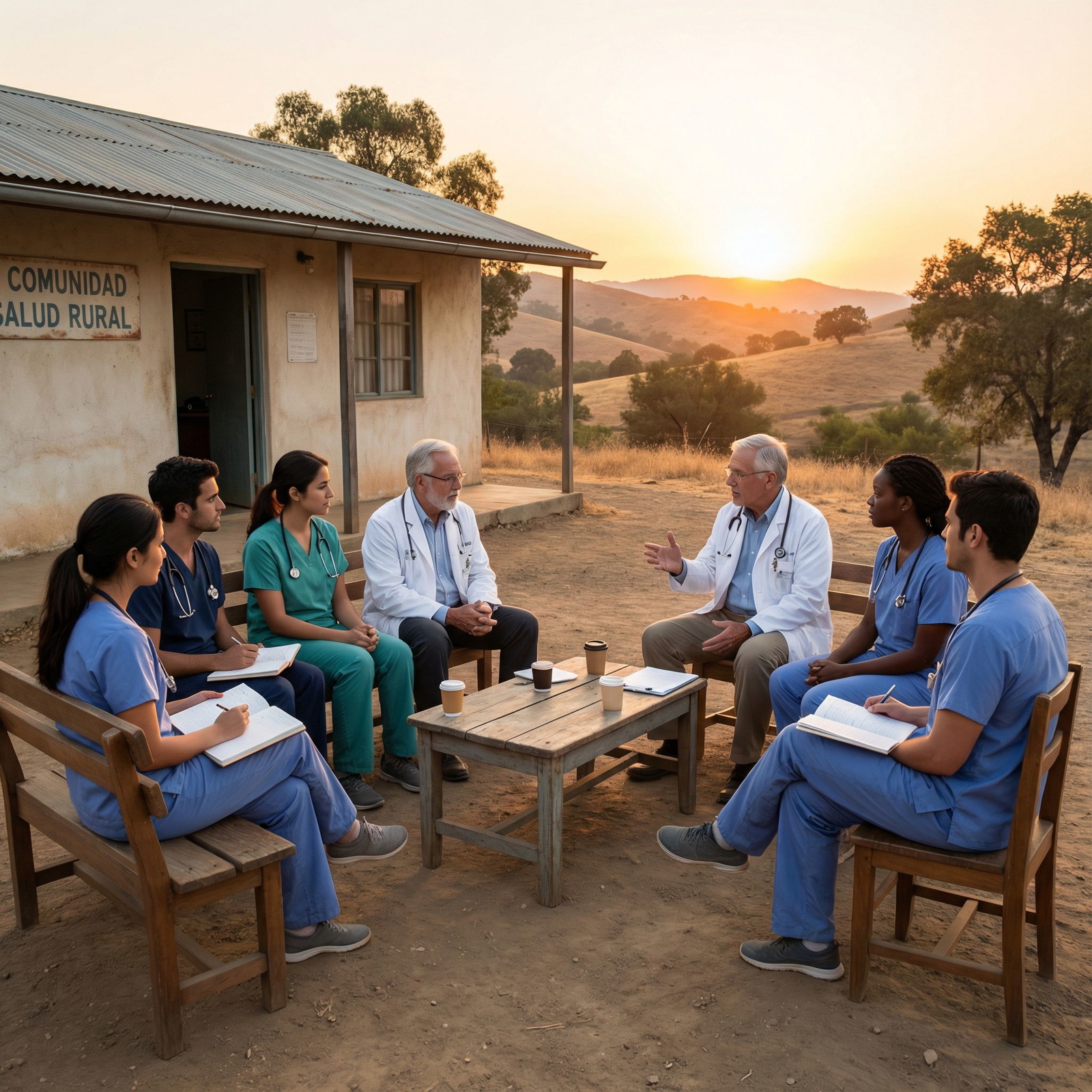
- Use your team: Discuss challenging cases and emotions during structured debriefings.
- Apply ethical frameworks: Consider principles of beneficence, non-maleficence, autonomy, and justice, adapted to local context.
If your mission lacks an ethical guideline document, ask about it before departure and advocate for one.
Personal Safety and Health
Your safety is essential to safe patient care and responsible Global Health work:
Pre-travel health planning:
- Visit a travel clinic 4–8 weeks before departure.
- Update routine vaccines (MMR, Tdap, influenza) and region-specific vaccines (hepatitis A/B, typhoid, yellow fever, rabies as indicated).
- Obtain malaria prophylaxis and traveler’s diarrhea medications if needed.
Security awareness:
- Register with your embassy or consulate where appropriate.
- Follow organizational guidance on safe transport and areas to avoid.
- Carry emergency contact numbers at all times.
On-site health practices:
- Use appropriate PPE for infectious exposures.
- Practice safe sharps handling and know what to do after needle-stick injuries.
- Avoid risky food and water: “boil it, cook it, peel it, or forget it.”
Monitor your mental health as seriously as your physical health. Seek support early if you experience anxiety, depression, or trauma-related symptoms.
After the Mission: Reflection, Integration, and Ongoing Commitment
Debriefing and Reflective Practice
Returning home can be surprisingly disorienting—your recent experiences may feel distant from your peers’ day-to-day concerns. Structured debriefing helps you process and grow from the mission:
Organizational debriefing:
- What worked well? What should change?
- Were there safety or ethical issues that need attention?
- How were local partners impacted and what feedback did they share?
Personal reflection:
- Journaling or reflective essays about patients who changed your perspective
- Discussions with mentors, advisors, or residency faculty
- Identifying skills gained: adaptability, cross-cultural communication, resource-conscious decision-making
These reflections can later inform residency applications, fellowship statements, or academic presentations—as long as patient privacy and humility are maintained.
Sustained Engagement in Global Health and Community Service
A single medical mission is a starting point, not an endpoint. Consider how to translate your experience into long-term advocacy and service:
- Stay connected with local partners through updates, shared research, or remote teaching.
- Engage in local underserved care—free clinics, refugee health, migrant farmworker outreach—to apply lessons learned at home.
- Pursue further training in Global Health tracks, MPH programs, or ethics courses.
- Advocate for systemic change:
- Support global access to essential medicines
- Engage with policy efforts on climate and health, migration, or health equity
- Present on your experience in academic settings, focusing on systems-level insights rather than “savior” narratives
Sustainable Global Health and Community Service work is about long-term partnerships, humility, and ongoing learning.
Frequently Asked Questions About Medical Missions
1. What qualifications do I need to join a medical mission?
Requirements vary by organization and role:
- Attending physicians and independent practitioners: Valid license, board certification/eligibility, proof of malpractice coverage in some settings.
- Residents and fellows: Good standing in training program, faculty supervision, sometimes letters of support from program leadership.
- Medical and health professions students: Enrollment verification, basic clinical skills, and clear supervision structure.
- Non-clinical volunteers: Background in public health, logistics, education, or administration can be valuable.
Always verify that the mission’s clinical expectations match your actual training and licensure. Reputable organizations clearly define roles and limits for trainees.
2. How can I fund my participation in a medical mission?
Common funding strategies include:
Institutional support:
- Global Health scholarships or travel grants through your medical school or residency
- Departmental funds for international electives
External organizations and grants:
- Specialty societies’ Global Health awards (e.g., pediatrics, surgery, EM)
- Faith-based or community organizations
Personal and community fundraising:
- Crowdfunding with transparent budgets and ethical messaging
- Speaking to local civic groups, hospitals, or clinics about sponsorship
Be explicit about how funds will be used (travel, housing, in-country costs, supplies) and avoid implying that donations alone will “save” a community.
3. Are vaccinations and special health precautions required?
Yes, and they depend on destination and planned activities:
- Core vaccinations: MMR, polio, Tdap, hepatitis B, influenza, COVID-19 as recommended
- Travel-specific vaccines: Hepatitis A, typhoid, yellow fever, rabies, Japanese encephalitis, meningococcal, depending on region
- Malaria prophylaxis: As recommended for endemic regions
- Other considerations: Altitude illness prevention, insect-borne disease precautions, and traveler’s diarrhea planning
Consult a travel medicine specialist and review CDC and WHO guidelines well in advance.
4. How do I manage language barriers and still provide safe care?
You can communicate effectively even without fluency if you:
- Work closely with trained interpreters or bilingual staff when possible
- Learn and use key phrases and polite forms of address in the local language
- Use simple, jargon-free language and confirm understanding with teach-back (“Can you tell me how you will take this medicine?”)
- Use diagrams, pictures, or gesture-based explanations when appropriate
Never guess what a patient is saying about symptoms or consent; when in doubt, pause and seek interpretation.
5. What if I feel overwhelmed or conflicted during or after the mission?
Feeling overwhelmed is common and not a sign of failure:
During the mission:
- Talk with team leaders or mentors about your emotions and ethical concerns
- Take short breaks when needed; burnout helps no one
- Practice basic self-care (sleep, hydration, meals, brief walks)
After returning home:
- Participate in debriefing sessions and peer support groups
- Continue reflective writing or counseling if distress persists
- Reframe your experience as a catalyst for advocacy and long-term engagement rather than a one-time emotional shock
If you experience persistent anxiety, sadness, or intrusive memories, consider speaking with a mental health professional familiar with humanitarian or Global Health work.
By approaching Medical Missions with humility, preparation, and a commitment to partnership, you can transform a short-term experience into a foundation for lifelong service in Global Health and Community Service.