
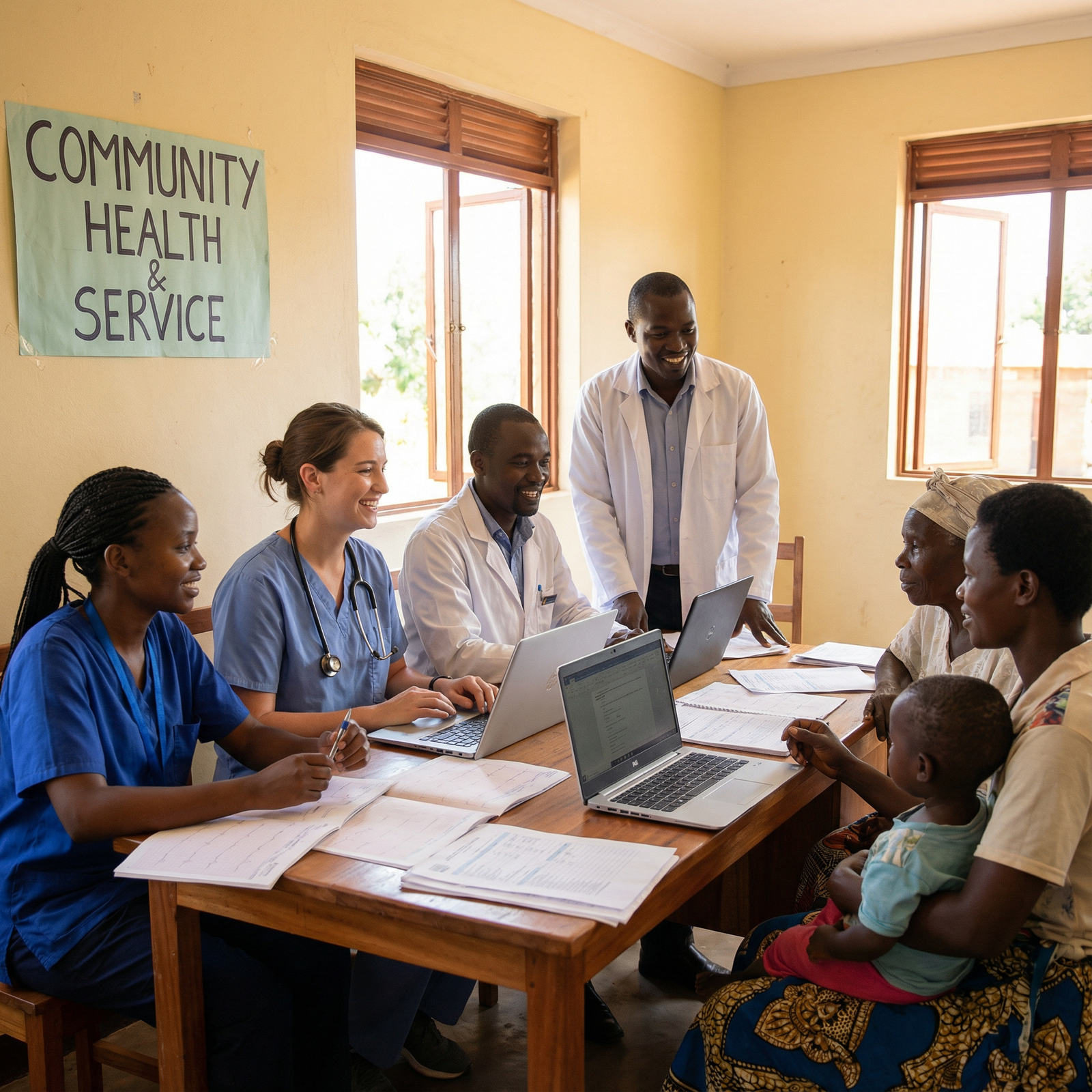
It’s 7:45 a.m. You’re in a Zoom waiting room for a residency interview. You know they’re going to ask about your global health or medical mission trip. You’re already thinking of that “perfect” story: the malnourished child you helped stabilize, the complicated delivery in a rural clinic, the patient who walked three days to be seen.
And then it hits you:
Is it actually okay to use that case in an interview answer? Or could it be a privacy or ethics landmine?
Here’s the answer you’re looking for.
The Short Answer: Yes, If You Do It Right
You can absolutely use mission cases in interviews. In fact, good programs expect you to have concrete examples, not vague “I learned so much” fluff.
But there’s a line.
You cross that line when your answer:
- Exposes identifiable patient information
- Turns suffering into a “poverty porn” story for your benefit
- Exaggerates your role or skills
- Violates the expectations under which that care was provided
So the rule set is straightforward:
- Protect patient privacy as if you were at your home institution.
- Tell stories that highlight your learning and ethics, not your heroism.
- Be honest about what you did and didn’t do.
- Avoid exploiting patients or communities for career points.
Do that, and mission cases are not only acceptable; they can be some of your strongest answers.
Step 1: Understand What Counts as “Identifiable” in a Mission Story
HIPAA is U.S.-centric. Many mission sites aren’t. But in an interview, you’re being judged by U.S. professional standards whether you’re in Boston or rural Honduras.
So, what’s your practical rule? If a colleague on the trip, or someone from that community, could recognize the patient from your description, you’ve gone too far.
Avoid:
- Names (obvious, but I’ve watched applicants use them)
- Exact ages when unnecessary (“47-year-old mechanic named Carlos…”)
- Highly specific locations (“the only cardiologist in X tiny village”)
- Rare conditions plus unique contextual details that narrow it down
- Photos of patients unless you have explicit, documented consent for that use (and even then, usually don’t do it in interviews)
Instead, generalize:
- “A middle-aged woman” instead of “a 44-year-old mother of three”
- “A rural clinic two hours outside the capital” instead of the exact village name
- “A low-resource regional hospital in East Africa” instead of the district and town
Key test: If I were on that mission with you, could I easily know which patient you’re talking about based on your description? If yes, strip it down further.
Step 2: Build Ethically Sound Stories (Without Sounding Like a Savior)
Most applicants mess up not on privacy, but on tone. They slip into the “I went and helped the poor people” narrative, even if they don’t mean to.
Here’s a simple framework that keeps you grounded:
Start with context, not spectacle
“During a month-long rotation at a district hospital in western Kenya, resources and staffing were very limited.”Describe the clinical challenge briefly and respectfully
“We saw a young adult with severe sepsis who had presented very late because of distance and cost barriers.”Focus on what you actually did and learned
- Your role (student vs intern vs resident)
- How you worked within your scope
- What ethical tension you faced (resource allocation, informed consent, cultural differences, etc.)
- What feedback or supervision you had
End with humility and systems awareness
Not “I saved a life.”
More like: “It highlighted how short-term teams need to support local systems rather than just doing dramatic cases.”
Example of a good, clean answer core:
“On a medical mission in Guatemala, I assisted in a rural clinic where patients walked several hours to be seen. One case that stayed with me involved a woman with uncontrolled diabetes and limited access to medication. My role was basic: history, physical, counseling under supervision. The ethical tension for me was knowing that we could adjust her medications for now, but continuity of care after we left was uncertain. That experience shifted my thinking; I became much more skeptical of one-off trips and more focused on longitudinal support and partnering with local clinicians.”
No name, no village, no savior narrative. Clear ethical reflection. That’s what interviewers want.
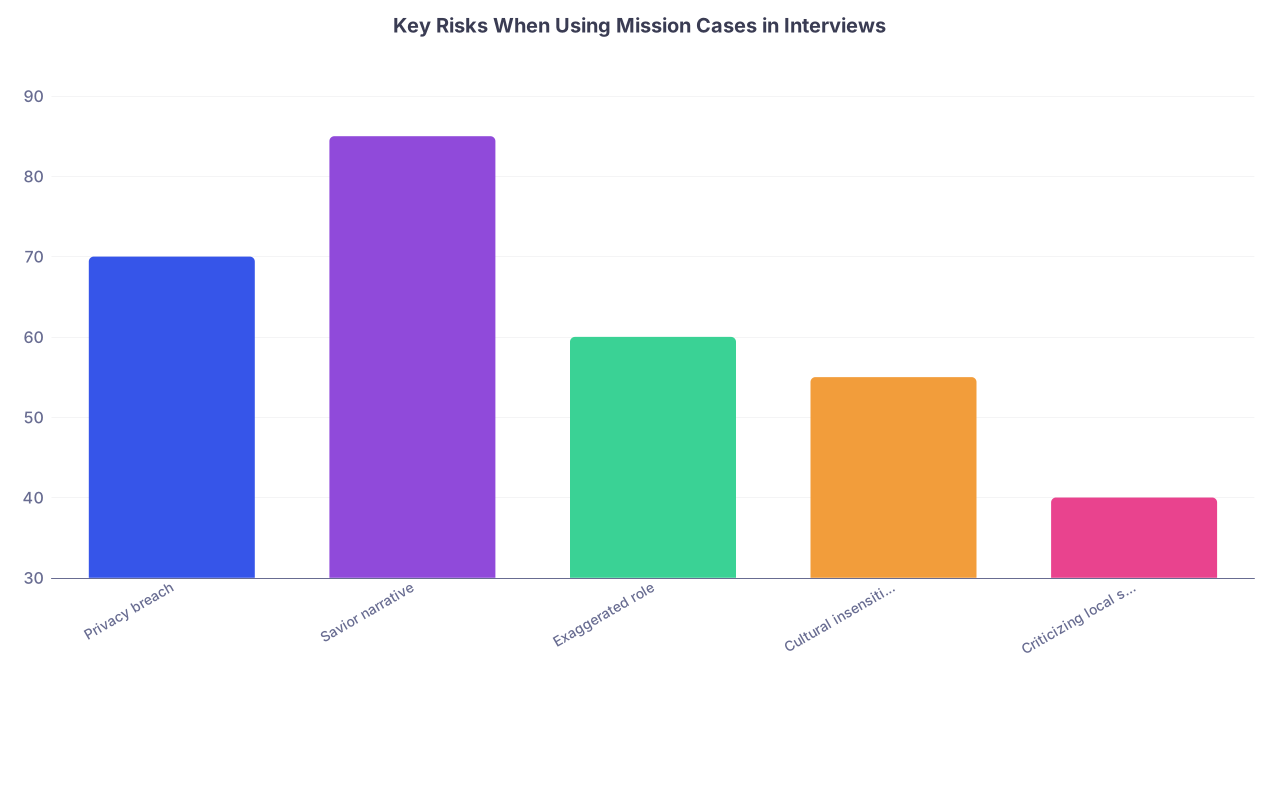
| Category | Value |
|---|---|
| Privacy breach | 70 |
| Savior narrative | 85 |
| Exaggerated role | 60 |
| Cultural insensitivity | 55 |
| Criticizing local staff | 40 |
Step 3: Know the Red Flags That Turn Program Directors Off
I’ve heard attendings debrief interview days. The same complaints show up whenever people use mission stories badly.
Watch out for these:
The Hero Story
“If I hadn’t been there, this child would have died.”
Translation to the committee: lacks humility, poor insight into systems, overestimates personal impact.The Poverty Porn Story
Graphic details, tears, dramatic language.
It feels like using someone’s worst moment as a prop. Ethically gross, and it reads as manipulative.The Scope Creep Story
You were a preclinical student “helping with C-sections” or “placing central lines.”
If you talk about doing advanced procedures with minimal supervision in a low-resource country, you’re not impressive; you’re dangerous.The “We Know Better Than Them” Story
Any hint of looking down on local clinicians or health systems.
Example: “They just didn’t know how to manage X, so we came in and fixed it.”
People on selection committees hate this. Many do global health themselves. They know how wrong this mindset is.The De-Identified-But-Not-Really Story
You remove the name but keep the rare disease + small community + exact hospital.
If a local provider could tell who you mean, you didn’t de-identify.
Step 4: Concrete Do’s and Don’ts for Mission-Based Interview Answers
Let’s get blunt and specific.
Do:
- Use mission cases when they show:
- Ethical growth
- Respect for local partners
- Progression from “helping” to “partnering”
- Recognition of your own limitations
- Say “we” more than “I” when describing team-based care
- Admit discomfort:
- “I realized I didn’t understand the local context as well as I thought.”
- “I felt uneasy about the line between learning and service.”
- Connect the experience to future practice:
- Choice of residency
- Interest in health systems, policy, or longitudinal global work
Don’t:
- Use a patient’s name, face, or any obviously identifying detail
- Show patient photos on your phone or laptop during an interview (yes, people still try)
- Make clinical claims that are hard to believe for your training level
- Frame the community as helpless and you as the solution
- Trash-talk the local health system or staff
- Treat the trip like a one-time character-building safari
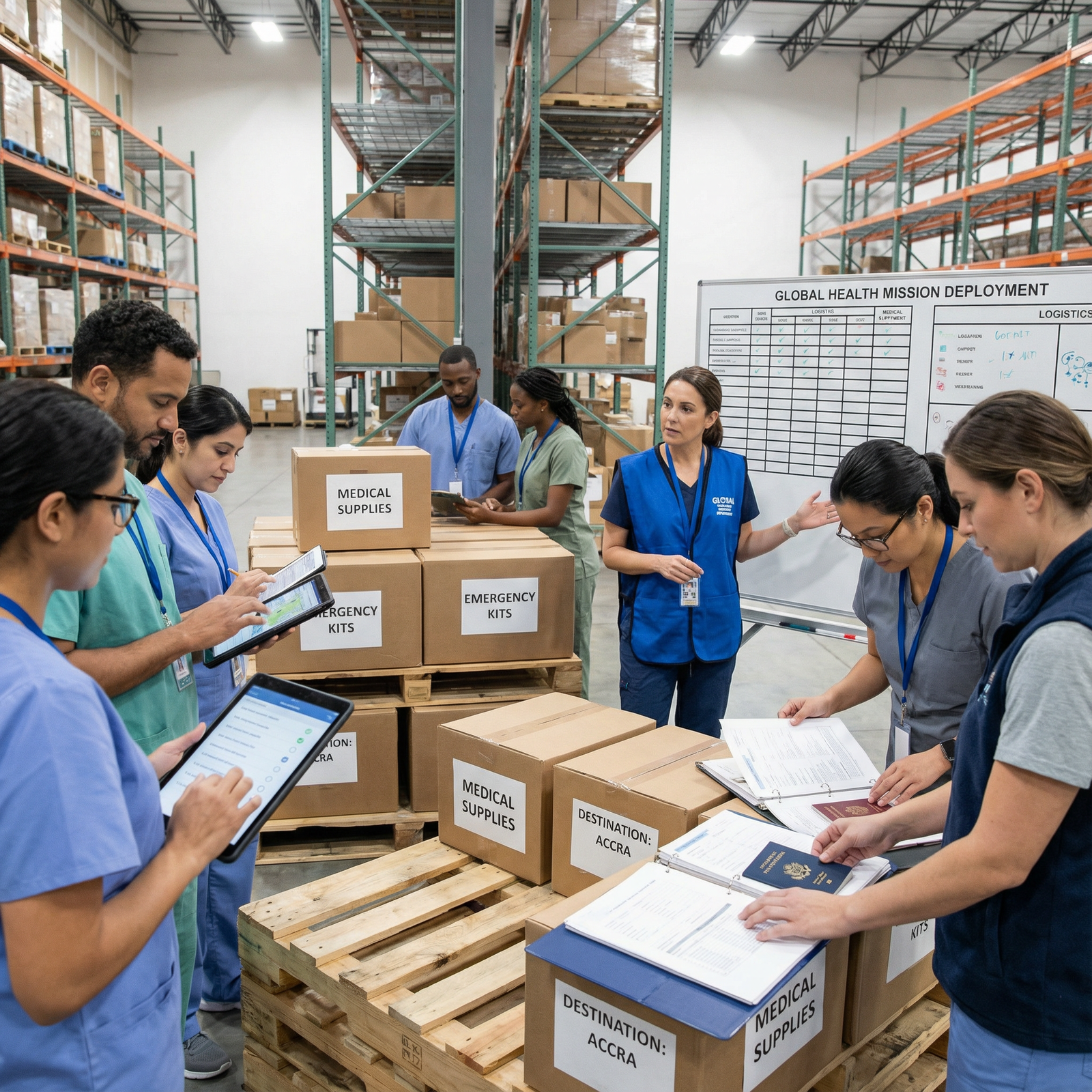
Step 5: How to Quickly “Scrub” a Mission Story Before You Use It
Take any mission case you’re planning to use and run it through this 5-question filter:
Could a local clinician on that trip identify the patient from my description?
If yes, remove more details. Generalize age, location, timing, or diagnosis.Is there any part that feels like I’m showing off how “hardcore” the setting was?
Dial down the drama. Focus on systems and reflection instead of shock value.Did I accurately describe my level of training and role?
If I was a preclinical student “assisting” in surgery, I need to be precise: “observed,” “retracted,” “closed skin under close supervision.” No inflation.Is the emotional center of the story about me or about what I learned about patients, systems, and ethics?
It should be the latter.Could I tell this same story in front of that patient and their family and feel okay about it?
That’s your gut-check. If I’d be embarrassed or they’d feel used, I don’t tell it that way.
Step 6: Mission Cases and Informed Consent – What You Actually Owe Patients
You probably did not get explicit “Can I use your story in a residency interview?” consent from patients on your trip. No one does. That’s fine, as long as:
- You’re using the case in a highly de-identified way
- You’re using it as a professional reflection, not public marketing
- You’re not sharing images or specific identifiers
- You’re not publishing it (interviews are private; publications are different)
Where people go wrong is:
- Pulling photos from their mission trip Instagram to “illustrate” their story
- Sharing real names or nicknames used on the trip
- Describing extremely rare or high-profile cases with lots of context
The ethical principle is simple: patients in low-resource settings don’t consent to be teaching material for your career branding. They consented to care. You respect that.
| Situation | Bad Version | Better Version |
|---|---|---|
| Child with severe malnutrition | Graphic weight details, village name, dramatic rescue | Brief description, generalized location, focus on systems |
| Emergency C-section as MS2 | “I did a C-section” | “I observed and assisted with retraction and suturing” |
| Criticizing local hospital | “They didn’t know how to manage sepsis” | “Resource constraints changed how sepsis was managed” |
| Naming the patient | “Maria was a 36-year-old mother of four…” | “A woman in her 30s with limited access to care” |
| Showing photos | “Let me show you this picture from my trip” | No photos; just verbal narrative |

| Step | Description |
|---|---|
| Step 1 | Want to use mission case |
| Step 2 | Remove specific details |
| Step 3 | Refocus on learning not heroics |
| Step 4 | Adjust to match training level |
| Step 5 | Choose different case |
| Step 6 | Safe to use in interview |
| Step 7 | De-identified? |
| Step 8 | Respectful tone? |
| Step 9 | Role accurate? |
| Step 10 | Comfort sharing in front of patient? |
Step 7: Sample Phrases You Can Steal (That Keep You Safe)
If you’re not sure how to phrase things, use language like this:
Privacy-safe descriptions:
- “A patient in their 50s with advanced heart failure in a rural hospital”
- “A child with a chronic condition that had gone untreated for years due to access barriers”
- “A pregnant patient presenting late in labor after traveling a long distance”
Ethically grounded reflection:
- “I struggled with the fact that we were there for a short time while the local team carried the long-term burden.”
- “It forced me to confront the tension between learning and service in global health.”
- “I realized that good intentions are not enough; structure, partnership, and humility matter more.”
Honest role-setting:
- “As a medical student, my role was primarily history, physical exams, and counseling under direct supervision.”
- “I assisted with basic tasks and observed procedures, and I was very conscious of staying within my competence.”
- “I followed the lead of local clinicians, who understood the context better than I did.”
Those phrases keep you inside the ethical guardrails without sounding robotic.
FAQ: Mission Cases, Privacy, and Interviews
Can I ever use a patient’s name if they told me I could?
No. Even if a patient verbally says “you can share my story,” that’s not robust consent for high-stakes professional settings. In interviews, there is no benefit to using their name and real risk. Change all names by default.What if the mission organization used patient photos in their marketing? Can I show those in an interview?
Still no. Their consent (if it was even properly obtained) was for that organization’s use, not for your residency or job interviews. Ethically, you should not be whipping out pictures of patients during interviews, period. It’s almost always a bad look.Is it okay to talk about procedures I did abroad that I wouldn’t do at home?
Only if you’re brutally honest about your discomfort and the context, and you do not brag about it. But I’d be cautious. Many faculty will hear “I did X unsupervised abroad” and think “unsafe and unethical.” If in doubt, pick a different case that doesn’t hang your judgment out to dry.Can I say the country or city where the mission took place?
Yes, usually. Country is almost always fine. City is often fine too. The problem is coupling that with highly specific patient details, a rare condition, and a small facility. If it’s a tiny community and a very unique case, strip the details back.What if my mission experience was poorly run or exploitative? Can I say that?
You can and sometimes should. But be precise and reflective, not bitter. Focus on what you learned about ethical global health and how it shaped what you will and will not participate in going forward. Avoid trashing specific organizations by name.How many mission stories is too many in an interview?
If every answer you give is about that one trip, you look one-dimensional. One or two well-chosen mission cases are fine. Then show you’ve grown in other contexts too: home hospital, community clinics, research, leadership.Are mission stories actually helpful, or do they backfire more often than not?
They’re powerful when done well and disastrous when done badly. If your mission experience led to real ethical reflection, humility, and changed behavior, it can be a huge asset. If it’s mainly “look at this dramatic thing I saw,” it backfires. The story isn’t the problem; your framing is.
Key Takeaways
- You can absolutely use mission cases in interviews, but they must be de-identified, respectful, and honest about your role.
- Avoid hero narratives, poverty porn, and any suggestion you did things beyond your training or looked down on local systems.
- Use mission stories to show ethical growth, humility, and systems-level thinking—not to prove how “hardcore” your trip was.


