
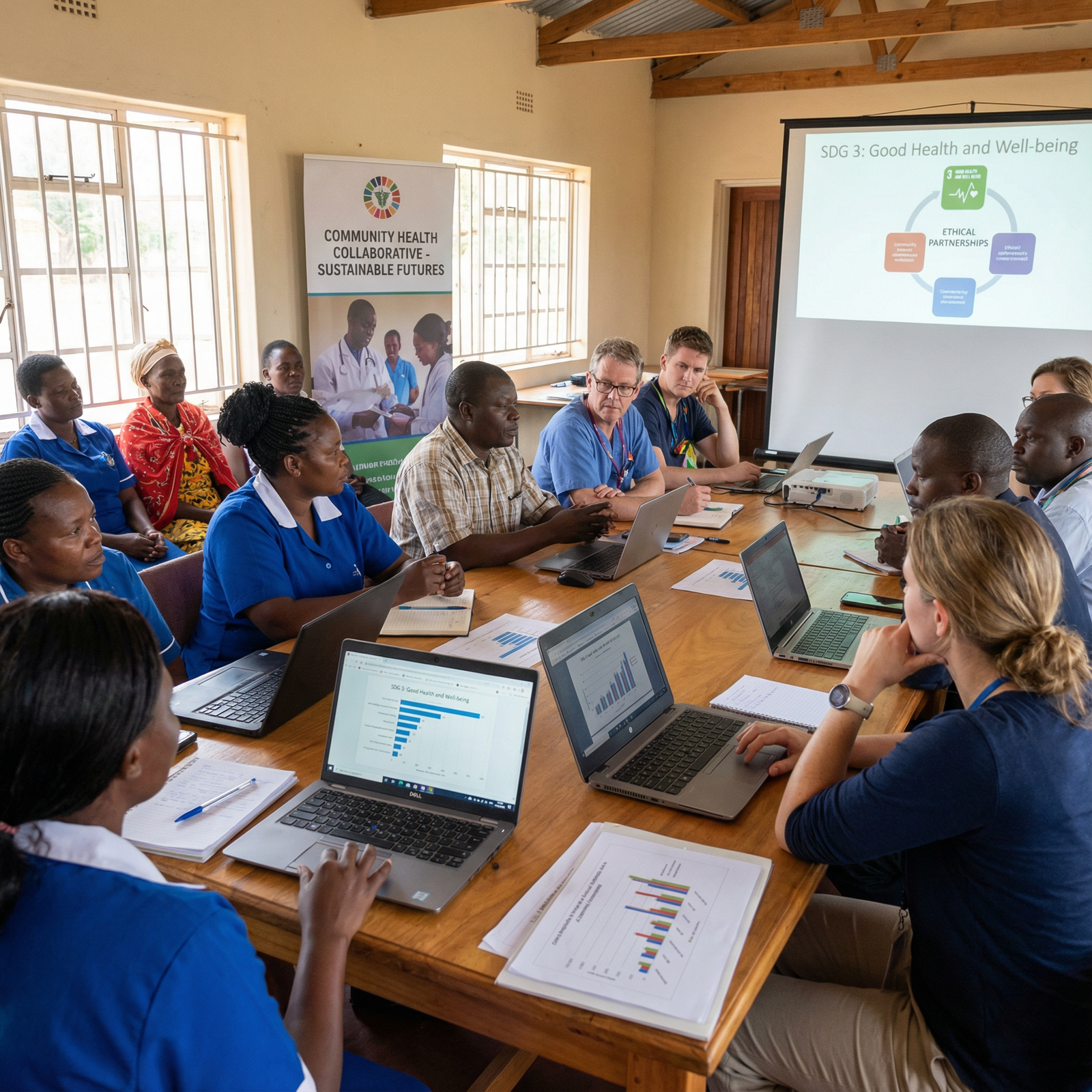
You don’t need a magic number of medical missions to match into residency—and chasing one is how people end up doing unethical, performative trips that actually hurt their application.
The Short Answer: Stop Chasing a Number
Here’s the real answer you’re looking for:
- You don’t need any medical missions to match.
- One well-chosen, well-reflected medical mission can be enough.
- More than two or three starts to look suspicious if there’s no depth, continuity, or ethical awareness behind them.
Program directors care much less about how many trips you went on and much more about:
- What you actually did
- What you learned
- How you talk about ethics, harm reduction, and sustainability
- Whether it ties into a believable narrative of who you are as a physician
If your question is “Do I need three medical missions?” the answer is no. If your question is “Can a single mission experience really matter?” the answer is absolutely yes—if you handle it correctly.
Let’s break it down.
What Residency Programs Actually Look For (Not # of Trips)
Residency PDs don’t sit in a meeting saying, “This applicant has 3 missions, bump them up a tier.” That’s fantasy.
They’re asking:
- Is this student ethical and safe with vulnerable patients?
- Does this experience show maturity, humility, and growth?
- Can they work with diverse and underserved populations?
- Are they here to serve patients—or to collect photos and stories?
I’ve watched application committees skim right over lines like “Medical mission to Guatemala x3 summers” because there was no substance. Then stop cold to discuss one applicant’s single, deeply thoughtful experience where they:
- Admitted the limits of what they should be doing as a trainee
- Talked about language barriers and power dynamics
- Reflected on unintended consequences and colonialism in global health
- Actually did something longitudinal afterward (QI project, research, advocacy, local clinic work)
So no, there is no “target number.” There is only: Does this help or hurt your narrative?
Reasonable Targets by Specialty and Career Goals
If you want some concrete numbers as guardrails, here you go:
| Career Interest / Specialty | Suggested Level of Involvement |
|---|---|
| No specific global health interest | 0–1 carefully chosen experience |
| Strong interest, but not core goal | 1 trip + ongoing local underserved work |
| Serious global health career plans | 1–2 trips + longitudinal project or research |
| Applying to competitive specialties | 0–1 max, with strong ethical framing |
Key point: Outside of a genuine global health path, more than one mission is optional, not necessary. And local underserved work often carries more weight than repeated short-term trips abroad.
When One Mission Is Enough (And When It’s Not)
One mission is enough if:
- You were actually involved in real clinical or systems work at your level of training
(Shadowing is fine early, but by MS3–4, you should be doing something more engaged: data collection, QI, health education, etc.) - You can clearly explain:
- Why you went
- What bothered you ethically
- How it changed your approach to patients back home
- You did something with the experience afterward:
- Talked about it in a reflective essay
- Presented a poster
- Developed or joined a longitudinal project or clinic serving similar populations
One mission might not be enough if:
- It was essentially “voluntourism”: short, unstructured, no supervision, no continuity
- You were allowed (or encouraged) to do things well beyond your level of training
- You have no reflection beyond “It made me grateful for what we have in the US”
In that case, doing a second, better-structured, ethically grounded experience—often domestically—can help balance that first one.
The Ethical Red Flags Residency Programs Notice
Program directors are increasingly skeptical of “mission trips.” For good reason. They’ve seen:
- Students bragging about doing procedures abroad they’d never be allowed to touch at home
- Photos of children and patients on public social media
- Applications that scream, “I like feeling like a hero for a week”
If your missions raise any of these red flags, more trips will just amplify the problem.
Common red flags:
- Multiple short-term trips with no continuity: different country every year, no ongoing partnerships
- Descriptions focused on what you did to people, not what you learned from them
- No mention of local physicians, health workers, or sustainable infrastructure
- Zero sign that you’ve read or thought about global health ethics, colonialism, or power dynamics
If every entry sounds like: “Traveled to X and provided care to underserved patients…” and that’s it, your “number of missions” doesn’t matter. The content is bland and ethically shallow, and committees can spot that a mile away.
How Many Missions Before It Looks Like Voluntourism?
Here’s the uncomfortable truth: past a certain point, more missions can make you look worse.
Rough guide:
- 0 missions: Totally fine. Won’t hurt you at all.
- 1 mission: Normal and often positive, if described well.
- 2 missions: Can be strong if it shows progression, deepening involvement, or a clear global health interest.
- 3+ missions: Starts to require explanation. Why so many short trips instead of longitudinal work, research, or local commitment?
If you do 3 or more:
- They should clearly be with the same organization or region
- There should be progression in your role (e.g., from observer to project lead)
- You should have some scholarly or systems output by then: poster, QI project, curriculum, partnership-building
Otherwise it reads as: You like travel and gratitude journaling more than you like systems-level impact.
Missions vs Local Underserved Work: Which Matters More?
If you’re choosing between a third mission and sustained local work, pick local. Every time.
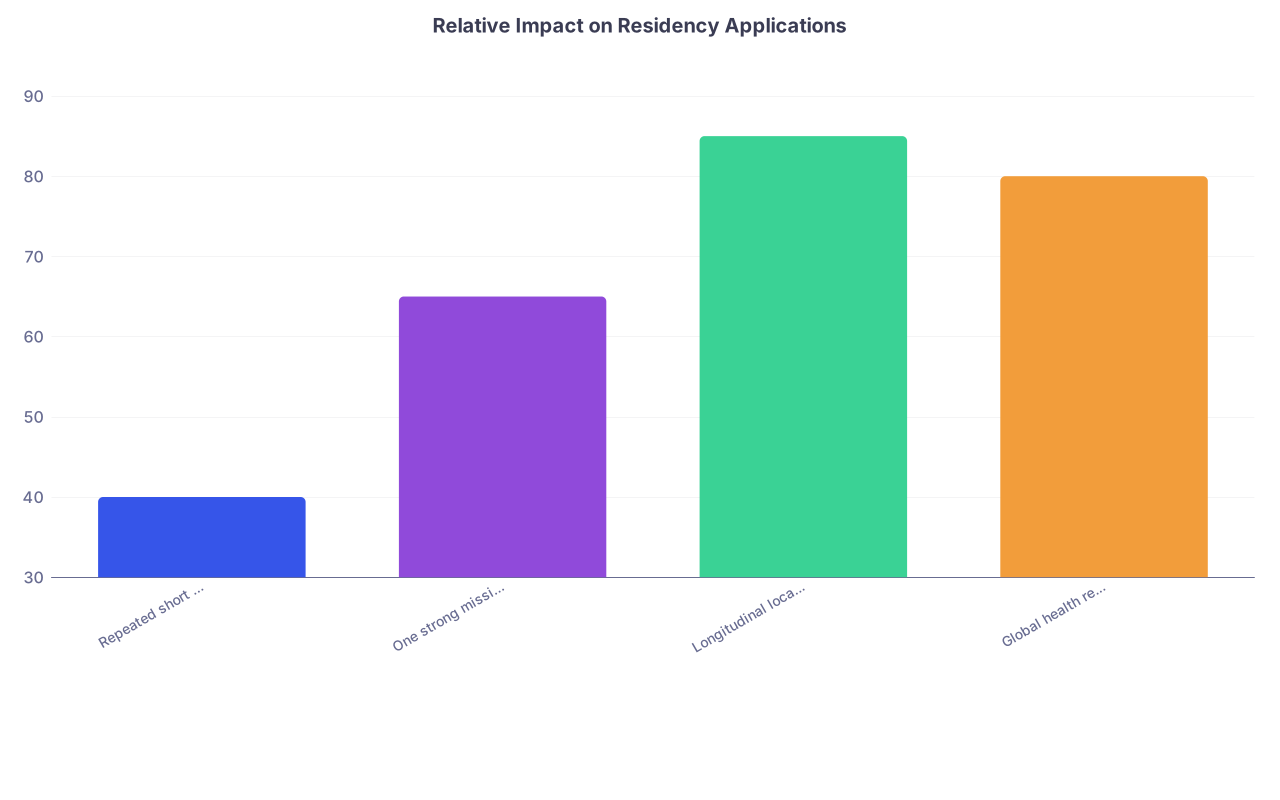
| Category | Value |
|---|---|
| Repeated short missions | 40 |
| One strong mission | 65 |
| Longitudinal local work | 85 |
| Global health research | 80 |
Residency programs tend to value:
- Longitudinal clinics with refugees, migrants, homeless populations
- Free clinics, FQHCs, street medicine, correctional health
- Domestic rural rotations in resource-limited settings
more than another 7–10 day overseas sprint.
Why? Because:
- It’s more directly relevant to what you’ll actually do as a resident
- It shows you can show up week after week, not just when it’s exciting
- It avoids many of the global health ethics landmines
If you’ve done one mission, the highest-yield next step is: find a local underserved or global health–related commitment and stick with it.
How To Talk About Medical Missions In Your Application
You can have the perfect “number” of missions and still tank the impact by how you talk about them.
Do this right:
Be brutally honest in your own head
“What power did I hold in that room?”
“Did we help or just feel helpful?”
“Would I be okay with foreign students doing the same in my home hospital?”In your application, emphasize:
- Working with local staff, not around them
- Recognizing your training limits
- Ethical dilemmas you didn’t solve neatly
- How it changed your care of disadvantaged patients here, not just “over there”
If something was problematic, say so
I’ve seen applicants win people over by admitting:- “Looking back, I’m uncomfortable with how unregulated the experience was.”
- “I realized I was being trusted with things I shouldn’t have been doing, even with supervision.”
- “That’s why I now only work with programs that are embedded in local health systems.”
That kind of reflection reads as mature, safe, and trustworthy. And it matters more than your trip count.
When You Should Absolutely Not Do Another Mission
There are situations where the right number of missions is zero going forward, even if you’ve done them before.
Skip another mission if:
- You’re only doing it because “it’ll look good for residency”
- The organization can’t clearly explain:
- Who the local partners are
- How care is continued after you leave
- How your role is defined and limited by your training level
- You’re behind on core clinical skills, exams, or home institution responsibilities
- You feel pressure to do procedures you know you wouldn’t be allowed to perform at home
Residency programs would rather see you pass up a sketchy opportunity than grab it for your CV.
A Simple Decision Framework: Should You Add Another Mission?
Use this checklist. If you can’t answer yes to most of these, don’t go.

| Step | Description |
|---|---|
| Step 1 | Thinking about another mission |
| Step 2 | Do not go |
| Step 3 | One more could make sense |
| Step 4 | Consider going if time and finances allow |
| Step 5 | Clear educational or career purpose |
| Step 6 | Ethically structured program |
| Step 7 | Have you done 2+ trips already |
| Step 8 | Is it longitudinal or same site |
If you’re above two trips and it’s not longitudinal, you’re drifting into “mission hobbyist” territory. That’s not a good look.
How Programs in Different Specialties May View Missions
Not all specialties weigh medical missions the same way.
| Specialty | General Attitude Toward Missions |
|---|---|
| Family Medicine | Positive if tied to underserved care and ethics |
| Internal Medicine | Neutral–positive if reflective and grounded |
| Pediatrics | Positive with strong child protection awareness |
| EM / Surgery | Interested if part of true global health pathway |
| Dermatology, Rad Onc | Mostly irrelevant unless connected to research |
| Psychiatry | Curious about cultural humility, not mission count |
Again, no one is saying “3 or more required.” They’re asking, “Does this make sense for who you say you are and what you want to do?”
Putting It All Together
If you want a clean rule of thumb, here it is:
- Zero missions? Totally fine. Focus on underserved work and being excellent clinically.
- One strong mission? Great. Reflect deeply, connect it to your values, and tie it to your ongoing work.
- Two missions? Make sure there’s progression, continuity, or real global health engagement.
- More than two? It better be part of a coherent long-term global health path—not just serial voluntourism.
FAQ: Medical Missions and Residency Applications
1. Do residency programs expect applicants to have done medical missions?
No. Not even a little. Plenty of outstanding residents and fellows in every specialty have never done a single mission. Programs expect you to have clinical competence, professionalism, and some form of service or advocacy—this can be completely domestic.
2. Will doing more missions make up for a lower Step score or weaker grades?
No. Missions are “nice-to-have” narrative enhancers, not “fix-your-application” tools. If your metrics are weaker, your energy is much better spent on strong clinical performance, letters, and possibly a focused research or QI project than on another overseas trip.
3. Is it bad if I did a mission that, in hindsight, was kind of unethical?
It’s not automatically bad; it depends what you do with that realization. If you ignore the ethical concerns, that’s a problem. If you can clearly articulate what felt wrong, how your thinking has evolved, and how it changed your future choices, that can actually make your application stronger.
4. Does a domestic underserved rotation “count” as much as an international mission?
In many ways, it counts more. A structured rotation at a rural hospital, FQHC, or urban safety-net setting is often viewed as more directly relevant, more sustainable, and less ethically fraught than a one-week trip overseas. Committees like seeing you work with underserved populations in contexts similar to where you’ll train.
5. How do I list medical missions on ERAS without sounding performative?
Be specific and modest. Name the site/program, your actual role (observer, data collector, health educator, junior team member), the team structure, and any scholarly or longitudinal follow-up. Focus on what you learned and changed, not how grateful people were or how “eye-opening” it was.
6. I’m serious about a global health career—what’s the ideal setup before residency?
Aim for 1–2 well-structured international experiences tied to the same region or program, plus sustained involvement with local underserved work and at least one scholarly or systems-focused product (research, QI, curriculum, partnership). That combination tells a clear story: you’re not just traveling—you’re building a real, ethical global health career.
Key takeaways: There is no required number of medical missions for residency. One thoughtful, ethically grounded experience can be plenty. Beyond that, depth, continuity, and reflection matter infinitely more than how many passport stamps you collect.


