
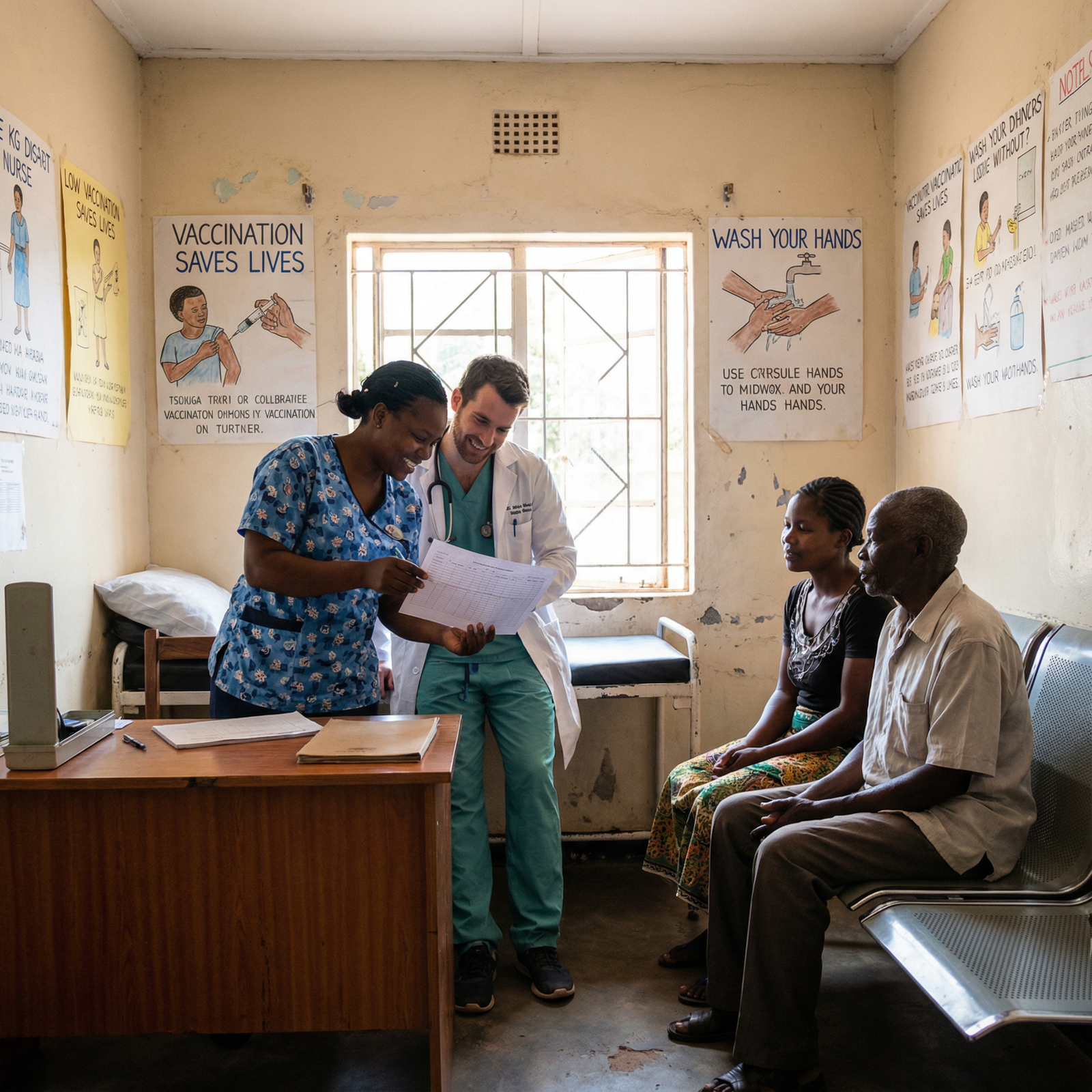
You are standing in a hot, airless church-turned-clinic in rural Honduras. It is late afternoon. The generator is sputtering. The last box of IV fluids just went up for a septic teenager. You open the supply bin for more antibiotics. Empty. You glance at the growing line outside—forty, maybe fifty people waiting. Somewhere a baby is crying. Your translator whispers: “We are out of almost everything.”
Here is what you are up against: local resources are gone mid-mission, resupply is days away or impossible, and you still have patients who expect care and colleagues who are starting to panic. This is where people either fall apart or step into real clinical leadership.
We are going to focus on that second option.
1. First 30 Minutes: Stop the Quiet Chaos
This is the part most people mishandle. They keep going “just one more patient” while the team silently fractures and clinical decisions get sloppier by the minute.
You do not have that luxury.
Step 1: Call a 10–15 Minute Clinical Huddle
Not “when it slows down.” Now.
Who must be there:
- Lead clinician (you or whoever is most senior)
- Pharmacy/supplies lead
- Head nurse or most experienced nurse
- Local partner/clinic head (if available)
- Interpreter lead (if separate)
Agenda (keep it ruthless and structured):
Confirm reality
- What exactly are you out of?
- What is nearly gone (24–48 hours supply)?
- What still exists in workable quantity?
Classify resources into three buckets
- Gone (0 available)
- Critically scarce (will not last the day or next clinic day)
- Adequate (enough for current and next session)
Define time horizon
- When is the earliest realistic resupply? Hours? Days? Not at all?
- When does this mission segment end?
You are not doing philosophy here. You are doing battlefield awareness.
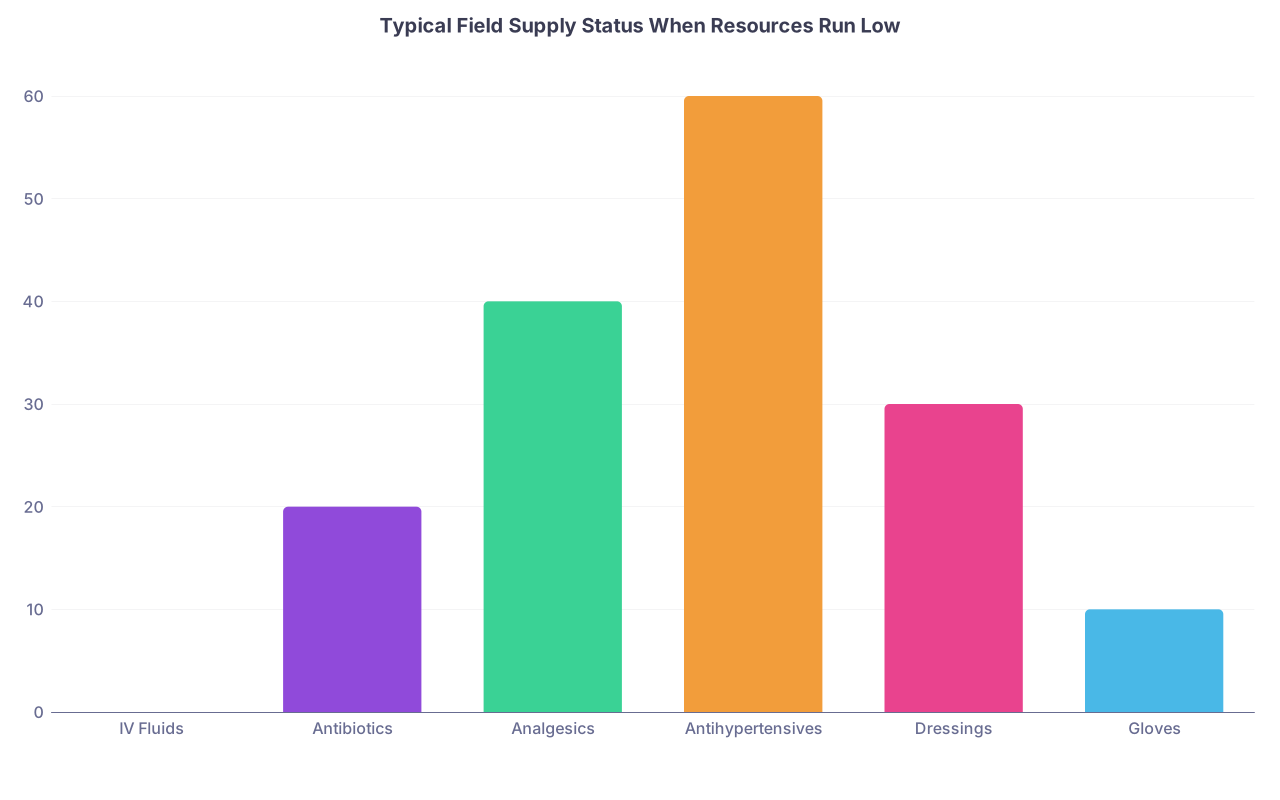
| Category | Value |
|---|---|
| IV Fluids | 0 |
| Antibiotics | 20 |
| Analgesics | 40 |
| Antihypertensives | 60 |
| Dressings | 30 |
| Gloves | 10 |
Step 2: Freeze New Non‑Urgent Intake Temporarily
Tell the crowd—through your interpreter:
- “We are reorganizing to give the safest care with limited medicines.”
- “We will see emergencies first.”
- “We may ask some people to return on another day.”
This is not abandonment. This is controlled triage.
Assign:
- One clinician or experienced nurse to do door triage only
- One person (ideally local) to explain the situation repeatedly and manage expectations
2. Switch to Explicit Triage: Who Gets What, When
If resources are gone or nearly gone, every decision becomes triage whether you admit it or not. Better to do it deliberately.
Build a Simple Three‑Tier Triage System
You do not need a 14‑page protocol. You need something everyone can remember and apply fast.
Use this:
Red – Immediate / Critical
- Life‑threatening, time‑sensitive, benefit likely if treated
- Examples:
- Sepsis with hypotension
- Severe asthma exacerbation with work of breathing
- Active postpartum hemorrhage
- Open fractures, major trauma
- Anaphylaxis
Yellow – Urgent but Stable
- Needs care, but can safely wait hours or a day
- Examples:
- Moderate dehydration
- Non‑severe pneumonia in an adult
- Uncomplicated fractures
- Advanced but compensating heart failure
Green – Non‑urgent / Deferrable
- Chronic issues; no immediate threat
- Examples:
- Mild hypertension
- Chronic joint pain
- Stable chronic rashes
- Long‑standing benign masses
Set this rule:
Red gets priority for limited high‑value resources. Yellow gets them only if there is surplus after Red. Green does not get scarce items.
Harsh? Yes. Ethically necessary? Also yes.

| Step | Description |
|---|---|
| Step 1 | Patient arrives |
| Step 2 | Door triage quick look |
| Step 3 | Red - Immediate |
| Step 4 | Yellow - Urgent |
| Step 5 | Green - Deferrable |
| Step 6 | Prioritize limited resources |
| Step 7 | See if resources remain |
| Step 8 | Education and defer or refer |
| Step 9 | Life threat? |
| Step 10 | Could wait 24 hours safely? |
3. Build a Scarcity‑Mode Treatment Protocol
Now you connect triage levels to actual resource decisions. That is where most ethical talk collapses—lots of theory, no orders written.
Step 1: Rank Your Scarce Resources by Impact
Ask: which items actually change mortality or major morbidity? Not just symptom comfort.
Common high‑impact items:
- IV fluids
- Broad‑spectrum antibiotics
- Airway and breathing adjuncts (nebulizers, steroids for asthma/COPD)
- Uterotonics (for PPH)
- Insulin for DKA or severe hyperglycemia
- Antimalarials (in endemic zones)
- Local anesthesia for critical procedures
Lower impact (still important, but not life‑saving right now):
- NSAIDs and simple analgesics
- Vitamin supplements
- Antacids and PPIs
- Topical creams for chronic skin issues
- Non‑sedating antihistamines for mild allergy
From now on:
- High‑impact resources go to Red first.
- Yellow gets them only if the expected benefit is high and you are not likely to see additional Reds soon.
- Green does not get them. They get alternatives or deferral.
| Resource | Priority Use (Red) | Usually Withheld From (Green) |
|---|---|---|
| IV Fluids | Shock, severe dehydration, sepsis | Mild viral illness, minor dehydration |
| IV/PO Antibiotics | Pneumonia, sepsis, serious wounds | URI, simple viral syndromes |
| Nebulized Albuterol | Asthma/COPD with distress | Mild wheeze without distress |
| Uterotonics | Postpartum hemorrhage | Prophylaxis in low‑risk births |
Step 2: Create “When We Are Out” Alternatives
You will not have perfect substitutions, but you usually have something.
Examples:
Out of IV fluids
- Aggressive oral rehydration solution for moderate dehydration, if they can drink
- Nasogastric tube for continuous ORS in some settings
- Shorter boluses, earlier reassessment
- Conservative fluid strategies for borderline patients
Out of IV antibiotics
- Switch to oral where possible and safe
- Use single‑dose long‑acting IM options if available
- Use the “best remaining option” even if not first‑line by textbook
Out of advanced analgesia
- Stepwise non‑opioid pain regimen (scheduled acetaminophen plus NSAIDs if safe)
- Non‑pharmacologic: splinting, ice/heat, positioning, reassurance
Make these decisions explicit in a quick written “scarcity protocol” taped above the pharmacy bin. You want the whole team making roughly the same choices, not freelancing wildly.
4. Navigating the Ethics Without Paralyzing Yourself
You are not in a perfect system. You are in a church with plastic chairs and three remaining doses of ceftriaxone. Ethical purism helps no one if it stops you from acting.
There are a few bedrock principles that hold in these situations.
A. Prioritize Likely Benefit, Not Social Value
You do not:
- Prioritize because someone is a pastor, mayor, or donor contact
- Allocate based on who is “important to the community”
- Save medicine for “our team” unless it is life‑saving in an emergency
You do:
- Prioritize based on:
- Severity of illness
- Chance of benefit from treatment
- Time sensitivity
That means:
- A septic 75‑year‑old who is moribund with almost no chance of survival may legitimately not get your last unit of IV antibiotics… which instead goes to a 25‑year‑old with early sepsis and high survival probability. That is grim. It is also ethically defensible.
B. Treat Like Cases Alike
If two patients have:
- Similar severity
- Similar prognosis
- Same need for the scarce resource
Then you need a fair tie‑breaker:
- First‑come, first‑served or
- Simple lottery (pull a number, coin flip, etc.)
What you do not do is decide based on:
- Who is more agreeable
- Who speaks your language
- Who looks more like you
C. Respect Local Partners’ Voice, Not Their Pressure
Local partners will sometimes push hard:
- “This patient is the chief’s brother.”
- “We need you to see the visiting politician’s family first.”
You:
- Listen respectfully
- Explain your triage rules clearly
- Hold the line
Script you can use (and teach your interpreter to repeat):
“We are using the same medical rules for everyone: the sickest who can be helped most go first. We want to be fair to your community.”
If they still press, escalate to your mission leader. Do not negotiate triage in front of other patients.
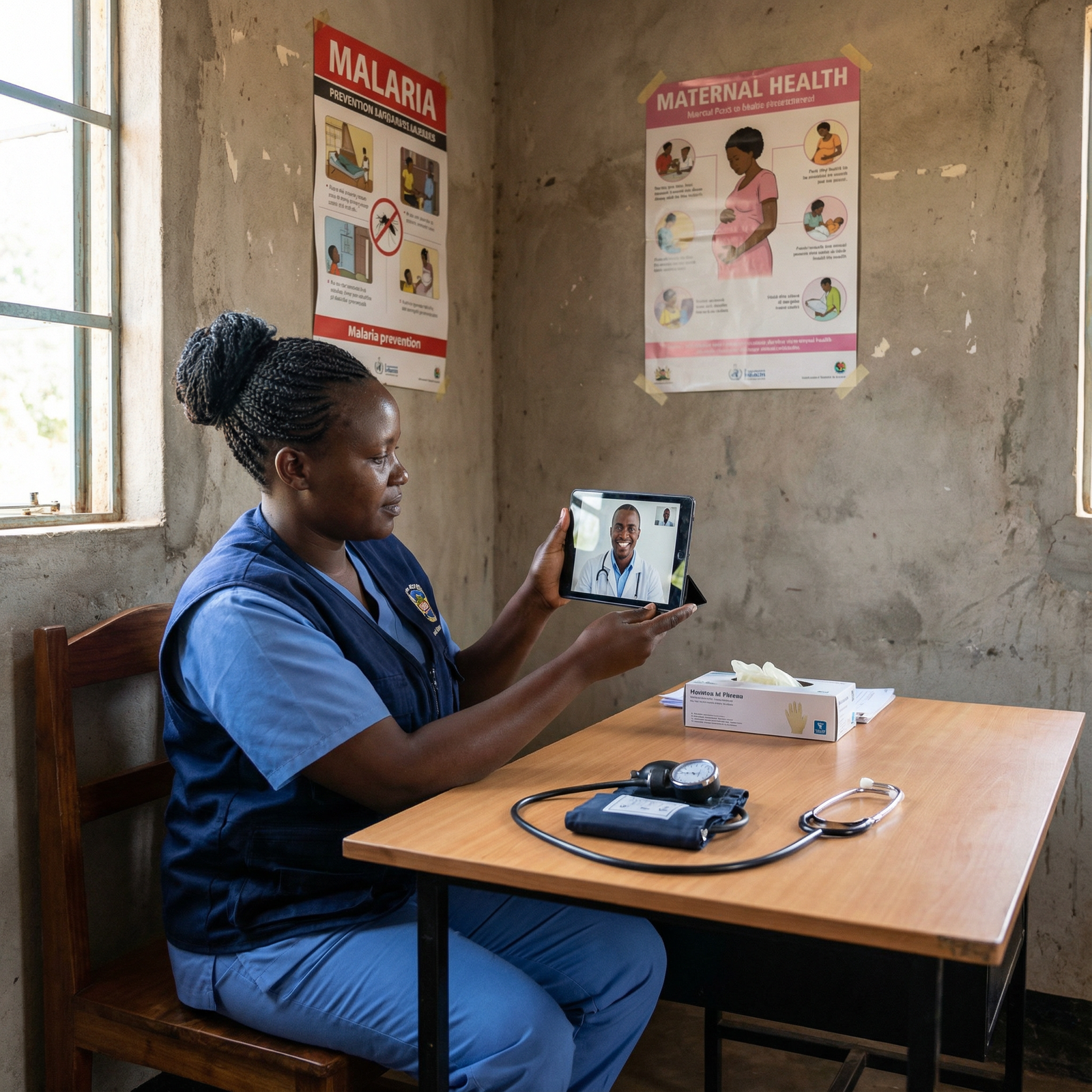
5. Communication: How You Talk Determines Whether This Explodes
Running out of resources mid‑mission is not just a medical problem. It is a trust problem. Mishandle communication and you will create resentment that lasts years.
A. Internal Team Communication
You must kill gossip and mixed messages immediately.
Do this:
Daily 10‑minute briefing
- What we are out of
- What is nearly gone
- Triage rules for the day
- Any changes from yesterday
Clarify who can make exceptions
- Usually the clinical lead only
- Not every well‑meaning volunteer
Protect your staff’s moral sanity
- Acknowledge the weight: “These are awful choices. You are not alone in them.”
- Make it clear: nobody is rationing alone in a room; decisions follow shared rules.
B. Communication with Patients and Community
You owe them honesty without cruelty.
Key principles:
- Be transparent about the shortage
- Emphasize fairness
- Offer something, even if you cannot offer everything
A sample script (through interpreter):
“We have used more medicine than expected and some items are finished. We are now saving the remaining strong medicines for those who are in immediate danger. For you, the safest option is [home care / clinic follow‑up / referral]. We know this is disappointing. We prefer to be honest with you rather than promise what we no longer have.”
Whenever you must say “no” to a scarce resource:
- Try to give one concrete alternative
Education. A written note. Home care instructions. Referral information. Anything.
6. When You Must Withhold or Withdraw: Practical Protocol
The ugliest part: patients you could treat in a resource‑rich setting who will not get ideal care here.
Withholding a Scarce Treatment
Example: You have one remaining dose of IV ceftriaxone. Two candidates.
- Child with severe pneumonia, tachypneic but perfusing, high chance of survival with treatment.
- Elderly patient, multi‑organ failure, moribund.
You give it to the child.
Protocol to follow:
- Document briefly:
- Who was considered
- Why one was prioritized (better prognosis, higher expected benefit)
- Explain to the family of the non‑recipient:
- “We do not have enough of this medicine for everyone. We must choose those with the highest chance of survival from it.”
Do not hide behind vague phrases like “not indicated” if that is not clinically true.
Withdrawing Ongoing Treatment
Harder ethically and emotionally.
Example: You started IV fluids on a patient who is now clearly dying despite treatment. Another arrives in early septic shock with a better chance.
You may decide to:
- Stop fluids on the first patient
- Reallocate to the second
Protocol:
- Reassess the first patient with a second clinician if possible.
- Agree that continued fluids are non‑beneficial (not merely “less beneficial”).
- Explain to family:
- Focus on comfort care now.
- Avoid blaming “the other patient.” Frame it as stopping non‑beneficial interventions.
- Shift to comfort measures:
- Pain control with whatever you have
- Presence, touch, basic dignity
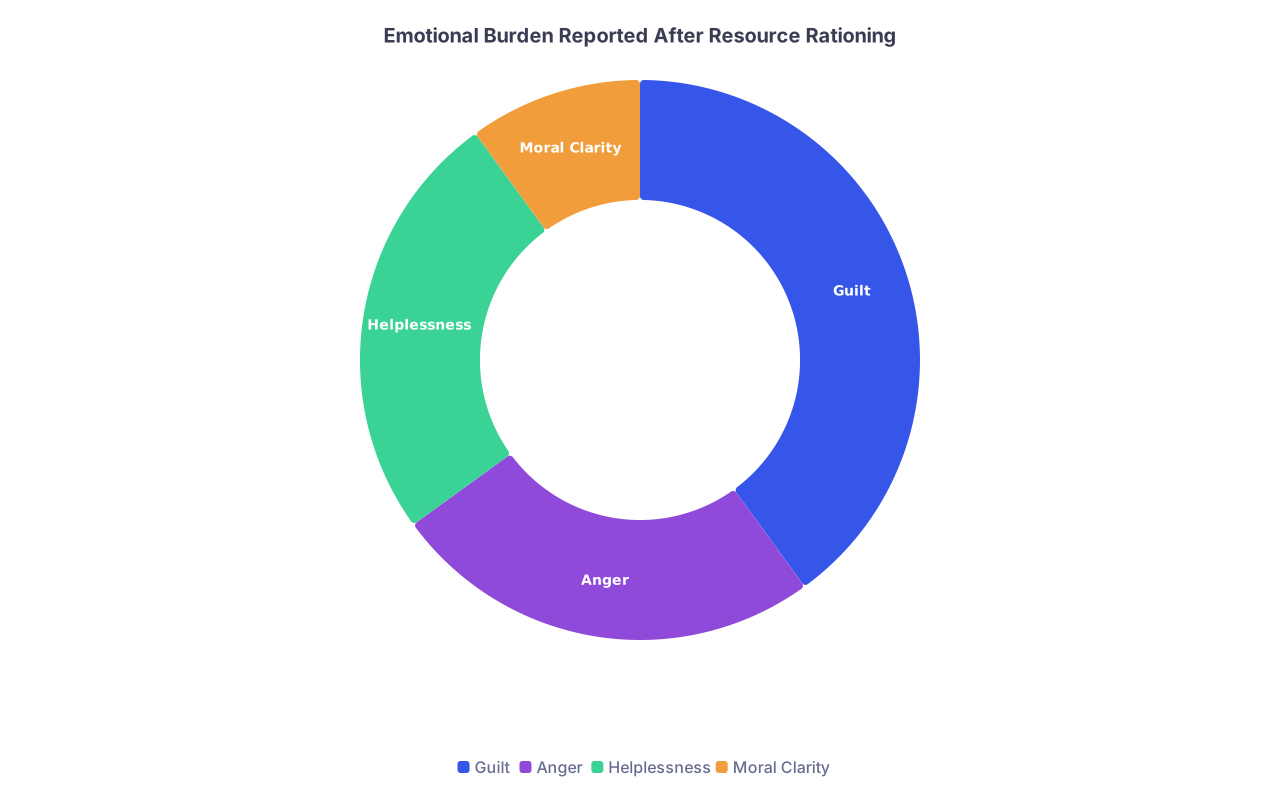
| Category | Value |
|---|---|
| Guilt | 40 |
| Anger | 25 |
| Helplessness | 25 |
| Moral Clarity | 10 |
7. Protecting Your Own Morals and Future Missions
You are not a robot. These choices leave marks. If you pretend otherwise, you will burn out or become numb. Neither is good.
A. Simple Debrief Structure After the Crisis
At the end of the day or the mission, run a 20–30 minute debrief.
Four quick questions:
- What did we do today that we feel was clearly right?
- What decisions still bother us?
- What patterns did we see that we can prevent next time?
- What do we want to change in our preparation and protocols?
Someone writes the answers down. This feeds directly into next year’s planning.
B. Convert Pain into Systems Change
If you felt sick telling a mother that her child could not get IV antibiotics because you mis‑estimated quantities, that is not just a “feeling.” That is data.
Turn that into:
- Different packing lists
- Earlier triggers for rationing (do not wait until you are at zero)
- Stronger agreements with local partners about what you will and will not do

8. Pre‑Mission Prep to Reduce Mid‑Mission Disaster
You wanted “what to do when local resources run out,” and I have given you crisis mode. But the real professionals also change what they do before deployment so it happens less often.
Here is a blunt pre‑mission checklist focused on scarcity:
Quantitative planning, not guesswork
- Estimate patient volume with local data, not hope.
- Plan for at least 25–30% above expected volume for key life‑saving meds.
Explicit scarcity protocol drafted in advance
- Put in writing:
- Triage categories
- Which meds are “high‑impact”
- When rationing begins (for example, when stock <30% and resupply uncertain)
- Review with entire team before travel.
- Put in writing:
Local integration
- Know what the host clinic usually has access to, and what is already scarce.
- Align your prescribing with what can be continued locally, not with what makes you feel like a hero for a week.
Ethics briefing
- One structured session on rationing and moral distress before departure.
- Name the problem before it hits: “We may have to withhold antibiotics from someone who would get them at home. Here is how we will decide if that happens.”
FAQ (Exactly 4 Questions)
1. Is it ever acceptable to turn patients away entirely when supplies run out?
Yes, and pretending otherwise is dishonest. When you cannot provide safe, meaningful care—either because you lack the critical medicine or the minimal infrastructure—you sometimes must:
- Offer education and home care advice only
- Provide a note or verbal referral to the nearest functioning facility
- Clearly state that you are at the limit of what you can safely do
Turning people away with clarity and alternatives is ethically superior to giving false reassurance and useless treatments that waste time and trust.
2. How do I respond when a parent begs for a scarce medicine that I have decided to reserve for more critical cases?
You do not argue prognosis or statistics. You acknowledge their fear and then state the boundary clearly:
- “I hear how worried you are. If I had enough medicine for everyone, I would give it. We have a very small amount left, and we must save it for children who are in immediate danger of dying today without it. For your child, the safest plan we can offer is…”
Then you:
- Give the best alternative you actually have
- Avoid promising “maybe later” if that is not true
- Support your interpreter, who will often absorb much of the emotional blowback
3. Should we ever reserve medicines specifically for our mission team members?
You should not pre‑reserve life‑saving treatments for foreigners while denying them to locals with equal or greater need. That is morally indefensible. What you should have is:
- Basic emergency meds for acute issues among team members (for example, anaphylaxis, severe asthma, short‑term antibiotics)
- The same triage logic: if a team member and a local patient both need the last dose of a life‑saving drug, you apply prognosis and benefit, not passport status
The team is not “more valuable” than the community you serve.
4. How detailed does documentation need to be in a low‑resource setting during rationing?
You are not writing a novel. You are capturing enough to:
- Explain to yourself and your team why certain high‑stakes decisions were made
- Provide minimal defensibility if questions arise later
- Inform future mission planning
For major rationing decisions, one or two lines per case is adequate:
- “Last 2 vials ceftriaxone used for [age/gender] with [diagnosis], high likelihood benefit, no alternatives available. Withheld from [age/gender] with [condition] due to negligible expected benefit.”
Do that consistently and you will have a usable ethical and operational record.
Actionable next step for today:
Take 20 minutes to draft a one‑page “Scarcity Triage Protocol” for your next mission—three triage levels, a list of high‑impact meds, and clear rules for when rationing begins. Print it, stick it in your go‑bag, and send it to your team lead before you forget.


