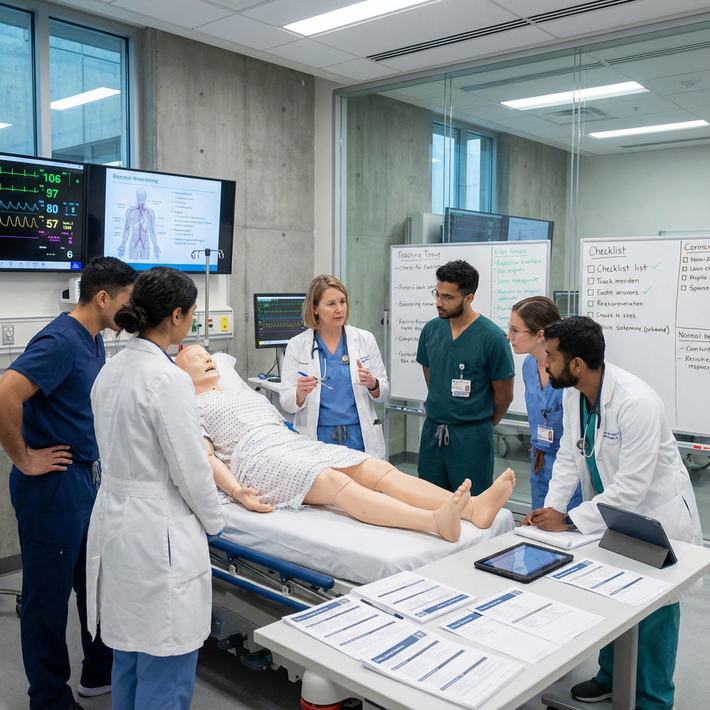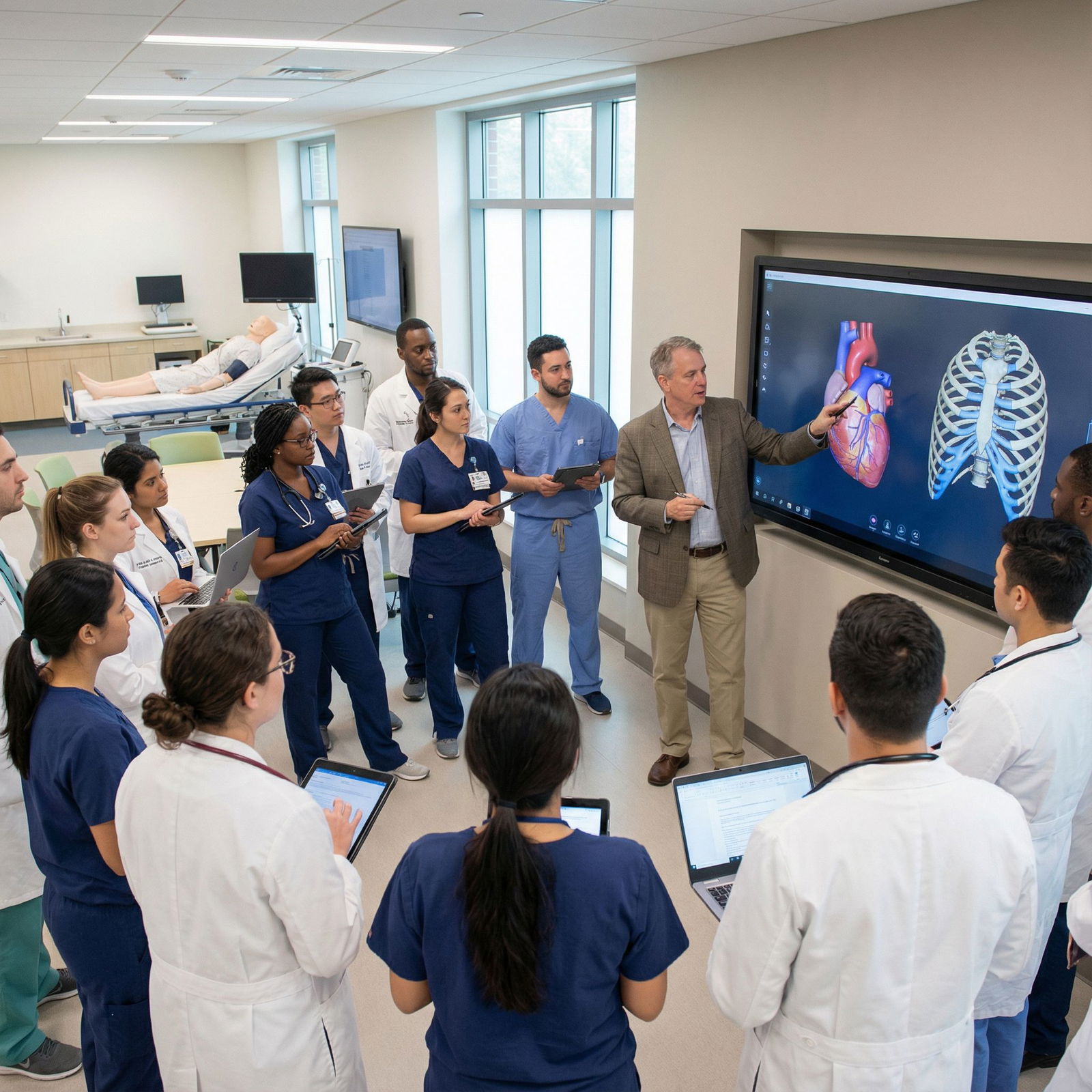
The future of medical education is being rewritten in real time—and new professors are at the center of this transformation. As healthcare becomes more complex, data-driven, and team-based, the way we train medical students and residents must evolve just as quickly. For early-career clinicians and scientists interested in academic medicine, this creates a rare window of opportunity: you can help shape how tomorrow’s physicians learn, practice, and lead.
This enhanced guide explores the current trends reshaping Medical Education, where new professors can make the biggest impact, and the skills you’ll need to thrive as an academic educator in the years ahead.
The Changing Landscape of Medical Education
Medical education is shifting from traditional lecture-heavy, siloed training toward more active, integrated, and patient-centered approaches. Understanding the key forces driving this change will help you identify where your strengths and interests fit.
Technology in Education: From Lectures to Learning Ecosystems
Technology in Education is no longer an optional add-on; it is embedded across the entire learning continuum.
Simulation, VR, and AR
High-fidelity simulation centers, standardized patients, and virtual reality (VR) tools allow learners to:
- Practice procedures (e.g., central line insertion, airway management) repetitively in a safe environment
- Experience rare or high-stakes clinical scenarios (e.g., pediatric codes, obstetric emergencies)
- Receive structured debriefing and feedback focused on both technical and non-technical skills (communication, leadership, teamwork)
Augmented reality (AR) platforms overlay anatomy, pathology, or decision aids on real-world views, helping learners connect theoretical knowledge to what they see in clinic or the OR. Early-career faculty comfortable with digital tools can take the lead in designing and implementing these experiences.
Digital and Hybrid Learning
Virtual classrooms, flipped learning models, and on-demand microlearning are becoming standard:
- Learning management systems (LMS) (e.g., Canvas, Blackboard, Moodle) organize content, track progress, and facilitate online discussions.
- Asynchronous modules (short videos, quizzes, clinical vignettes) enable learners to review content at their own pace, reserving in-person time for case discussions, simulation, and problem-solving.
- Telemedicine and remote OSCEs (Objective Structured Clinical Examinations) help trainees develop virtual communication skills that are now essential in clinical practice.
New professors who can design high-quality digital content—concise videos, interactive cases, question banks, and podcasts—are especially valuable as institutions expand hybrid and distance-learning offerings.
Competency-Based Medical Education (CBME): Outcomes Over Hours
Competency-Based Medical Education focuses on what learners can actually do rather than how long they’ve spent in training. This is reshaping undergraduate (UME), graduate (GME), and continuing medical education (CME).
Key elements include:
- Clearly defined competencies and milestones across domains such as medical knowledge, patient care, communication, professionalism, and systems-based practice
- Entrustable Professional Activities (EPAs)—real-world clinical tasks (e.g., “handover a patient safely” or “manage an acute inpatient complaint”) that faculty assess and gradually entrust to trainees
- Direct observation and structured feedback, replacing vague global impressions with specific, actionable coaching
- Individualized learning plans (ILPs) based on strengths, gaps, and career objectives
As a new professor, you can:
- Help map courses and rotations to competencies and EPAs
- Design assessment tools (rubrics, workplace-based assessments, mini-CEX, multisource feedback)
- Lead faculty development on giving high-quality feedback and achieving assessment reliability
- Advocate for remediation pathways that are supportive, not punitive
CBME also opens the door to flexible progression—advanced learners can accelerate, while others can receive tailored support—creating opportunities for innovative curriculum design.
Interprofessional Collaboration and Education (IPE)
Modern healthcare depends on effective Interprofessional Collaboration. Medical Education is therefore moving toward training students in authentic, team-based environments.
Interprofessional Education (IPE) brings together learners from medicine, nursing, pharmacy, physician assistant programs, social work, physical therapy, and others to:
- Practice team-based care through shared case discussions, simulations, and quality improvement projects
- Understand each profession’s roles and scope of practice
- Build skills in communication, conflict resolution, and shared decision-making
Examples of IPE initiatives you might lead or join:
- A longitudinal primary care clinic where medical, nursing, and pharmacy students manage patients as a team
- Simulation scenarios (e.g., sepsis in the ED, postpartum hemorrhage, discharge planning for a complex patient) with debriefs focused on teamwork and communication
- Interprofessional community outreach projects addressing social determinants of health (e.g., diabetes group visits, vaccination campaigns, harm reduction programs)
New professors who champion IPE help align education with real-world practice, which increasingly values integrated, collaborative care.
Prioritizing Mental Health, Well-Being, and Professional Identity
The recognition of burnout, depression, and moral injury among trainees and faculty has forced Medical Education to address mental health and professional well-being as core priorities, not side topics.
Emerging approaches include:
- Curriculum content on resilience, coping strategies, and recognizing distress in self and colleagues
- Structured debriefing after difficult cases, code events, and ethical dilemmas
- Pass–fail pre-clinical grading and narrative assessments to reduce unhealthy competition
- Protected time for self-care, medical and counseling appointments, and wellness programming
- Professional identity formation curricula, helping learners integrate their personal values with their evolving physician roles
New professors can contribute by:
- Incorporating reflective writing, narrative medicine, or Balint-style groups in courses and clerkships
- Modeling healthy boundary-setting and self-care behaviors
- Advocating for policies that protect learners’ psychological safety and allow speaking up without retaliation
- Collaborating with wellness offices and student affairs to identify high-risk transitions (e.g., starting clinical rotations, night float, fellowship applications)
Your role as a visible, approachable faculty member can substantially impact learners’ sense of belonging and support.
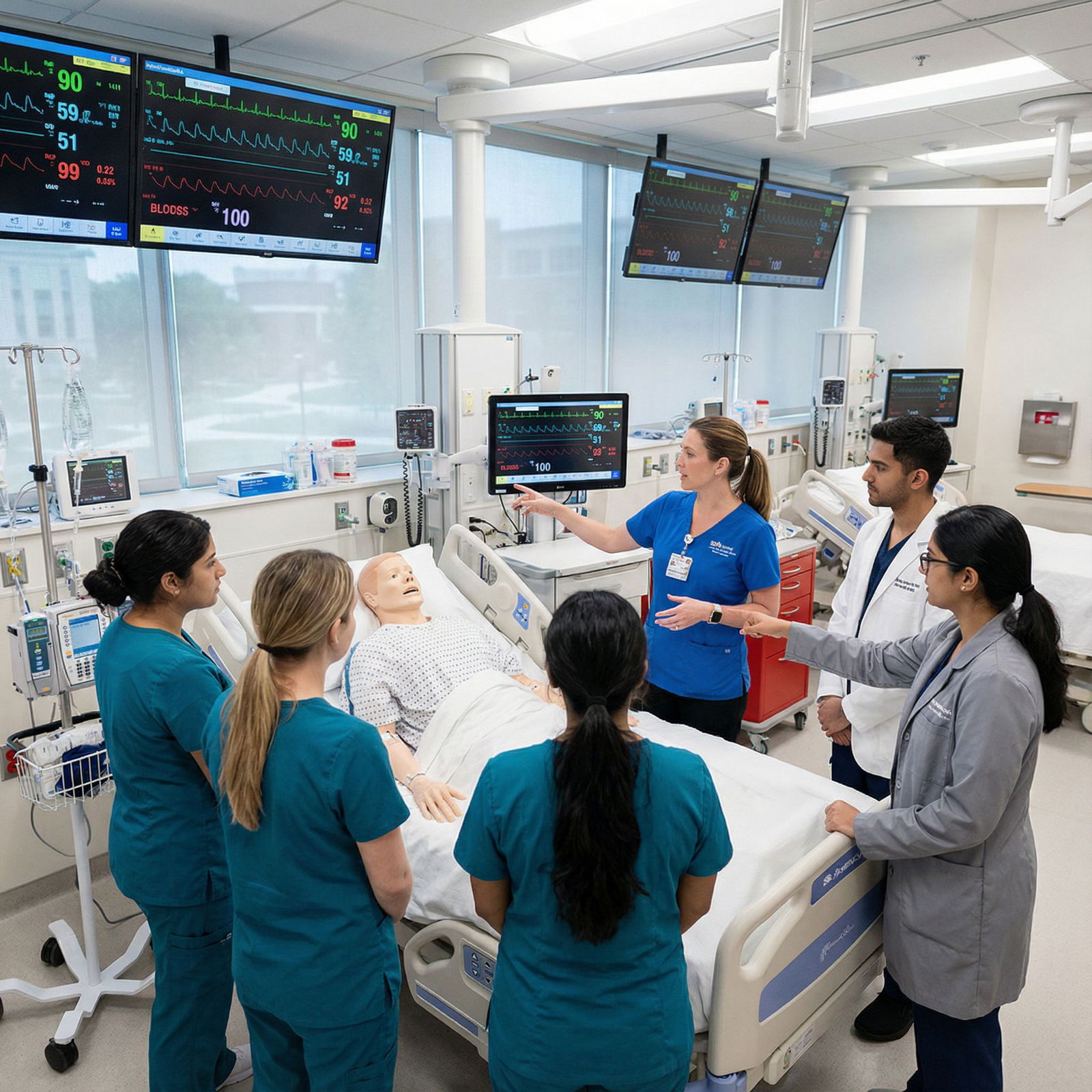
Emerging Opportunities for New Professors in Medical Education
For early-career academicians, this rapidly evolving environment offers multiple pathways to meaningful impact and career growth.
Innovative Curriculum Development and Course Design
Curriculum Development is a high-yield arena where new professors can quickly become indispensable.
Designing Courses That Reflect Contemporary Practice
You can:
- Develop integrated, systems-based courses that connect basic science to clinical reasoning and patient care
- Embed technology, such as simulation, bedside ultrasound, or clinical decision support tools, into clerkships and electives
- Create longitudinal themes (e.g., quality improvement, health equity, leadership, global health) that cut across multiple years of training
Concrete steps:
- Join your school’s curriculum committee or block/track leadership team
- Volunteer to pilot a flipped classroom or team-based learning (TBL) module
- Partner with clinical services to create specialty-specific boot camps (e.g., surgery prep, internship readiness, ICU skills)
Aligning Curriculum With Future Healthcare Needs
Healthcare is shifting toward value-based care, population health, genomics, and data science. New professors can:
- Introduce clinical informatics and AI literacy (e.g., how to interpret algorithm outputs, understand bias, and use electronic health record data responsibly)
- Design modules on social determinants of health, structural competency, and health policy
- Incorporate quality and safety projects where learners analyze real institutional data and propose improvements
Curriculum development is also highly publishable and fundable, making it an ideal niche for early-career academic advancement.
Scholarship and Research in Medical Education
Medical education is now recognized as a rigorous scholarly field. Engaging in education research can accelerate promotion and amplify your impact.
Promising areas of inquiry include:
- Effectiveness of teaching methods (simulation vs. traditional bedside teaching, flipped classroom vs. lecture)
- Assessment validity and reliability of new tools and rubrics
- Impact of IPE on learner attitudes, competencies, and patient outcomes
- Well-being interventions and learning environment reforms
- Technology in Education, such as VR-based anatomy teaching or AI-driven adaptive learning platforms
Actionable steps to get started:
- Identify a problem in your local context (e.g., poor feedback quality, inconsistent handoff skills, low engagement in virtual sessions).
- Review the literature to understand known approaches and gaps.
- Form a small team—include a statistician or education researcher if possible.
- Design and implement an intervention, collect data pre- and post-, and analyze outcomes.
- Present at conferences (e.g., AAMC, IAMSE, SGIM, APDIM, AMEE) and submit manuscripts to education journals.
Over time, you can build a focused program of scholarship that supports promotion on an education-focused track.
Leveraging Grants and Funding for Educational Innovation
Many institutions and foundations support education projects through internal and external grants:
- Institutional education grants for pilot curricula, simulation programs, or wellness initiatives
- National funding from organizations such as HRSA, specialty societies, foundations, or government agencies for workforce development and training innovations
- Innovation or digital learning funds supporting use of AR/VR, serious games, and AI tools in Medical Education
As a new professor, you can:
- Start with small internal grants, which often have simplified applications and shorter timelines
- Collaborate with interprofessional and multi-department teams, which can strengthen proposals and broaden impact
- Use pilot data from small projects to pursue larger extramural grants
Grant writing is a key academic skill; early success can differentiate you and provide resources (time, staff, technology) to scale your ideas.
Mentorship, Coaching, and Longitudinal Learner Support
New professors are often closest in age and experience to students and residents, which can make you particularly effective mentors and coaches.
You can contribute by:
- Serving as a learning community advisor or college mentor, guiding students across multiple years
- Acting as a career advisor for specialty selection, research planning, and residency applications
- Providing academic coaching—helping students interpret performance data, set goals, and design targeted study strategies
- Supporting resident professional development, including teaching skills, leadership, and scholarly productivity
Benefits to your career:
- Mentorship experiences often lead to co-authored research projects and quality improvement initiatives
- Programs value faculty who help improve match outcomes, retention, and learner satisfaction
- Strong mentorship reputations align with institutional criteria for promotion in teaching and service
Educational Leadership and Administrative Roles
Even early in your career, you can begin stepping into educational leadership roles:
- Course or clerkship co-director
- Residency or fellowship associate program director (APD)
- Director of simulation, IPE, or faculty development
- Leads for specific threads, such as professionalism, quality improvement, or communication skills
These positions allow you to:
- Shape policies and standards
- Advocate for equity, inclusion, and learner support
- Drive innovation across multiple courses or programs
Progression from small leadership roles to major positions (e.g., program director, vice chair for education, associate dean) often starts with demonstrating reliability and creativity in these initial appointments.
Building Robust Professional Networks
Networking is not just social—it’s strategic for academic growth.
Effective approaches include:
- Presenting at regional and national conferences, even with small local projects
- Joining professional associations relevant to Medical Education and your specialty (e.g., AAMC, AMEE, ACGME-focused organizations, specialty education sections)
- Engaging in online communities of practice (listservs, Slack groups, academic Twitter/LinkedIn) focused on education
- Participating in faculty development academies or medical education fellowships
Strong networks lead to:
- Collaborative multicenter studies
- Invitations to speak or write
- Opportunities to serve on national consensus panels, guideline committees, or exam boards
Core Skills for Success as a New Medical Educator
Technical knowledge alone is insufficient. Successful new professors deliberately cultivate a set of professional and pedagogical skills.
High-Impact Communication and Teaching Skills
You will teach in diverse formats: bedside rounds, large lectures, small groups, simulation, and virtual sessions. To excel:
- Structure your teaching: Use clear learning objectives, short concept explanations, and frequent check-ins for understanding.
- Promote active learning: Ask open-ended clinical questions, use think–pair–share, assign mini-cases and problem-solving tasks instead of continuous lecturing.
- Give effective feedback: Be specific, behavior-focused, and timely. Use frameworks like “SBI” (Situation–Behavior–Impact) and “Ask–Tell–Ask.”
Communication also includes how you interact with colleagues and leaders. Clear, respectful, timely communication builds trust and influence.
Flexibility, Adaptability, and Change Management
Medical Education is in constant motion. Curricular redesigns, accreditation changes, new technologies, and evolving patient needs are the norm.
New professors can thrive by:
- Embracing experimentation: Pilot new teaching methods, gather feedback, and iterate.
- Remaining platform-agnostic: Be prepared to adapt content to in-person, virtual, hybrid, or asynchronous formats.
- Developing basic change management skills: Understand stakeholders, anticipate resistance, and communicate benefits clearly when implementing new initiatives.
Adaptability not only serves learners—it positions you as a go-to person when institutions navigate change.
Organization, Time Management, and Boundary Setting
Balancing clinical work, teaching, scholarship, and personal life is challenging—especially early in your career.
Practical strategies:
- Time blocking: Reserve specific, protected time for curriculum work, writing, and scholarly projects.
- Use of digital tools: Project management apps (e.g., Trello, Asana), shared calendars, and reference managers streamline tasks.
- Clarify expectations: Negotiate explicit percentages of effort (FTE) devoted to education vs. clinical duties.
- Learn to say no strategically: Prioritize projects aligned with your long-term goals and avoid overextending yourself.
Mastery of these skills prevents burnout and supports sustainable productivity.
Commitment to Lifelong Learning and Professional Development
To stay relevant and effective, new professors must commit to continuous growth in both content and pedagogy.
Options include:
- Faculty development programs offered by your institution or specialty societies (e.g., teaching skills workshops, leadership courses, curriculum design series)
- Formal training in education, such as medical education fellowships, graduate certificates, or master’s programs in Health Professions Education or Curriculum Development
- Peer observation and feedback: Invite colleagues to observe your teaching and provide structured feedback.
- Staying current with literature in both your clinical specialty and education journals (e.g., Academic Medicine, Medical Education, Teaching and Learning in Medicine)
Lifelong learning models the behavior we expect from our trainees and underpins excellence in all other domains.
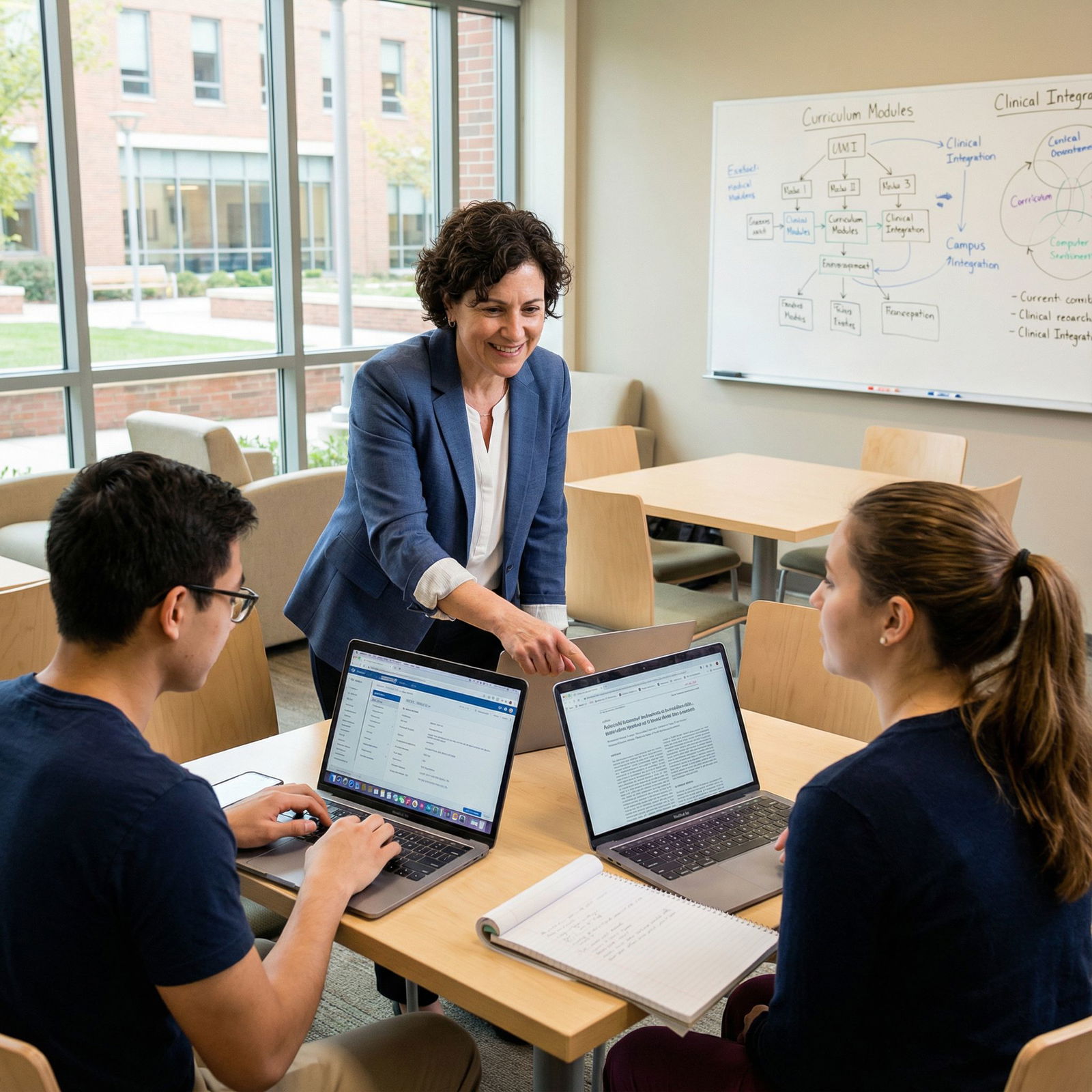
FAQs: Launching and Sustaining a Career in Medical Education
1. What qualifications do I need to become a professor in medical education?
Most medical schools and academic health centers require:
- A terminal degree, typically MD/DO (for clinical faculty) or PhD (for basic science or education research faculty). Some roles welcome other health professions doctorates (e.g., DNP, PharmD) especially in interprofessional programs.
- Clinical or subject-matter expertise relevant to the courses or clerkships you will teach.
- Demonstrated interest or experience in teaching, such as resident teaching awards, teaching electives, or completion of a clinician-educator track or fellowship.
- For promotion, increasing emphasis is placed on education scholarship, curriculum development, leadership roles, and contributions to institutional service.
Many new professors start as assistant professors on clinician-educator tracks that explicitly value teaching and educational leadership.
2. How can I find and start research in medical education?
You can begin by:
- Asking your department chair, program director, or dean’s office about ongoing education projects and offering to join.
- Connecting with your institution’s office of medical education or a center for health professions education.
- Attending local and national education conferences, especially sessions on “works in progress” or poster presentations.
- Starting small: audit your existing teaching or assessment process, implement a structured improvement, and evaluate its effect.
Seek mentors who have successfully published and received funding in Medical Education—they can help you navigate methodology, IRB approval, and target journals.
3. What skills are most important for a successful career as a new medical educator?
High-yield skills include:
- Teaching and facilitation skills, including active learning and effective feedback
- Communication and collaboration, especially in Interprofessional Collaboration contexts
- Curriculum Development and assessment design aligned with CBME principles
- Project management and time management to balance clinical, teaching, and scholarly roles
- Scholarly mindset, including basic knowledge of education research methods and quality improvement
- Resilience and adaptability, as education environments and expectations evolve
You do not need to master all of these at once; focus on incremental growth and seek structured faculty development.
4. How can new professors meaningfully contribute to curriculum development?
Concrete ways to get involved:
- Volunteer to revise a specific course module, lecture, or simulation based on learner feedback or new guidelines.
- Propose a pilot project (e.g., implementing team-based learning in one unit, adding a telemedicine skills OSCE) with clear evaluation metrics.
- Join a curriculum working group or subcommittee for a particular thread (e.g., professionalism, health equity, technology in education).
- Partner with colleagues in other disciplines to design interprofessional learning activities that bridge silos.
Document your contributions (needs assessment, design, implementation, evaluation) and disseminate your work through presentations and publications—this both improves education and supports your promotion.
5. Why is mentorship so important in medical education—for both students and faculty?
Mentorship is central to thriving academic and clinical careers because it:
- Provides personalized guidance on career paths, specialty choice, and work–life integration
- Helps learners and junior faculty avoid common pitfalls and access hidden opportunities
- Expands professional networks, leading to collaborations and leadership roles
- Enhances academic productivity through joint scholarship and shared projects
- Supports well-being and professional identity, especially during stressful transitions
For new professors, being both a mentee and a mentor is critical: strong mentorship upward accelerates your development, while mentoring downward strengthens your impact and visibility as an educator.
The future of Medical Education will be defined by those who are willing to innovate, collaborate, and continually learn. As a new professor, you are uniquely positioned to integrate Technology in Education, champion Interprofessional Collaboration, lead Curriculum Development, and support the next generation of clinicians. By investing in your own growth as an educator and leader, you not only shape your career—you help shape the future of healthcare itself.