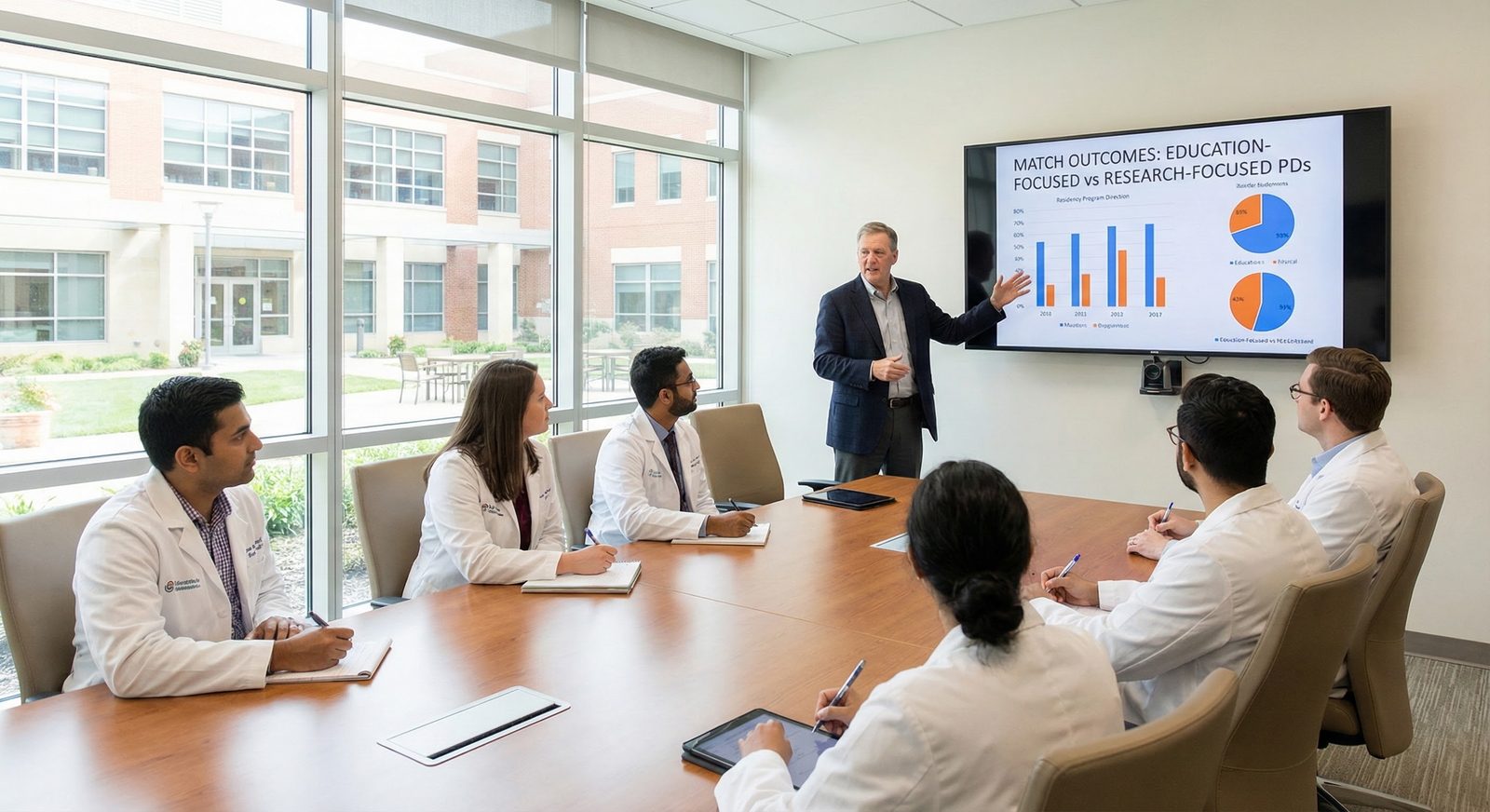
Aspiring to be more than an excellent clinician—to shape how future physicians learn, think, and care—requires intentional preparation. For many residents and early‑career physicians, structured fellowship opportunities in medical education are the most powerful way to build that expertise.
Medical Education fellowships provide protected time, mentorship, and formal training in teaching skills, curriculum design, assessment, educational research, and leadership. They help transform “good teachers” into academic leaders who can influence training programs, institutions, and even national standards.
This enhanced guide explores the spectrum of Fellowship Opportunities available for aspiring medical educators, outlines how to choose and apply to the right program, and illustrates how these fellowships can shape your long‑term Career Development in academia and beyond.
Why Medical Education Fellowships Matter for Your Career
Medical Education fellowships are deliberately designed to bridge the gap between “doing” and “teaching.” Being a strong clinician is necessary—but not sufficient—for becoming an effective educator or academic leader.
What Is a Medical Education Fellowship?
A medical education fellowship is a structured training program—usually 1–2 years—focused on developing advanced:
- Teaching Skills (bedside teaching, small‑group facilitation, lecturing, feedback)
- Curriculum Development and program design
- Educational Research and scholarship
- Assessment and Evaluation of learners and programs
- Leadership and Administration in academic medicine
Fellowships may be discipline‑specific (e.g., Internal Medicine, EM, Pediatrics) or cross‑disciplinary, and can be based within departments, GME offices, simulation centers, or national organizations.
Key Benefits of Pursuing a Medical Education Fellowship
1. Deep Specialization in Teaching
You will:
- Learn adult learning theory and evidence-based teaching methods
- Practice microteaching and receive structured feedback
- Master giving high-quality feedback to learners
- Develop skills in assessment (objective structured exams, workplace-based evaluations, milestones/EPAs)
This goes beyond “learning on the job”—it’s a systematic approach to becoming an expert educator.
2. Robust Educational Research Training
Most fellowships include formal training in:
- Study design for Medical Education research
- Qualitative and quantitative methods
- Survey design and validation
- IRB processes for educational projects
- Writing for publication and presenting at conferences
You’ll typically complete at least one mentored research or curriculum project suitable for presentation and publication—key for academic Career Development.
3. Powerful Networking and Mentorship
Fellowships immerse you in a community of educators:
- Faculty mentors in education, assessment, and research
- Fellow peers across specialties
- Contacts at national societies and educational conferences
These networks often lead to:
- Collaborative multi-center studies
- Invitations to speak or teach workshops
- Future job and leadership opportunities (clerkship director, program director, DEI or simulation leader, etc.)
4. Leadership and Administrative Skills
Many fellowships intentionally prepare you for administrative roles by including:
- Leadership seminars (change management, conflict resolution, negotiation)
- Opportunities to chair committees or lead working groups
- Experience with accreditation, program evaluation, and strategic planning
This leadership foundation is essential if you envision becoming a residency program director, clerkship director, or vice chair for education.
5. Stronger Career Trajectory and Flexibility
Graduates of Medical Education fellowships often:
- Match into competitive academic faculty positions
- Assume educational leadership roles earlier in their careers
- Have greater flexibility to shape their job descriptions (e.g., protected time for teaching/scholarship)
- Negotiate better support for their educational activities (time, staff, funding)
For residents eyeing long-term academic careers, a fellowship can be a strategic accelerator rather than just “more training.”
Major Types of Medical Education Fellowships
There is no one-size-fits-all pathway. Understanding the main fellowship categories helps you match your goals with the right type of program.

1. Academy and Institutional Education Fellowships
These fellowships, often run by institutional academies of medical educators or GME offices, focus on building broad educational leadership capacity.
Key Features:
- Open to residents, fellows, or junior faculty
- Part-time or full-time formats
- Structured curriculum in teaching, assessment, and educational leadership
- Completion of an education-focused scholarly project
Examples:
Society of General Internal Medicine (SGIM) Education Fellowship Program
Prepares general internists to become leaders in teaching, curriculum development, and educational research.Association of American Medical Colleges (AAMC) Faculty or Medical Education Fellowships
Provide training in educational scholarship, curriculum delivery, and leadership across disciplines.
Ideal for you if:
You want broad-based Medical Education training and aim for a career as a core educator, clerkship/résidency leader, or educational scholar.
2. Simulation-Based Medical Education Fellowships
Simulation fellowships focus on using technology-enhanced learning to improve clinical training.
Core Components:
- Designing and running simulation scenarios (procedural, communication, crisis resource management)
- Faculty development in debriefing and feedback
- Managing simulation operations and technology
- Research in simulation-based assessment and competency evaluation
Example:
- Cleveland Clinic Simulation Fellowship (and similar programs):
Emphasize integrating simulation into curricula, assessment strategies, and interprofessional education.
Ideal for you if:
You’re excited by hands-on teaching, crisis management, procedural training, and the use of technology to enhance Medical Education.
3. Curriculum Design and Innovation Fellowships
These fellowships specialize in building, piloting, and evaluating innovative curricula.
Typical Focus Areas:
- Needs assessment and gap analysis
- Backward design and competency‑based frameworks
- Integration of active learning, team-based learning, or flipped classroom strategies
- Educational outcomes measurement and continuous quality improvement
Example:
- Curriculum Innovation Fellowships at institutions like the University of California:
Prepare fellows to lead curriculum reform, design longitudinal courses (e.g., quality improvement, health systems science), and rigorously evaluate educational outcomes.
Ideal for you if:
You’re drawn to system-level impact—designing how entire cohorts learn rather than only teaching in existing structures.
4. Clinical Educator Fellowships
Clinical Educator Fellowships are often subspecialty or department-based and blend clinical excellence with advanced teaching roles.
Key Elements:
- Continued high-level clinical practice in your specialty
- Protected time for teaching (wards, clinics, small groups, bedside teaching)
- Focused training in learner assessment and individualized feedback
- Opportunities to take on roles such as associate program director, chief resident educator, or clerkship site lead
Example:
- Clinical Educator Fellowship at academic centers such as Stanford University and similar institutions:
Fellows refine their teaching in real clinical settings while acquiring formal training in education theory and scholarship.
Ideal for you if:
You want a clinically rich practice but also substantial protected time for teaching and educational program leadership.
5. Global Health and International Medical Education Fellowships
Global Health fellowships can be an outstanding pathway if you’re passionate about Medical Education in resource-limited or diverse cultural contexts.
Common Components:
- Teaching and supervising trainees in international or underserved settings
- Building or adapting curricula for different health systems and resource levels
- Partnering with local educators on sustainable training programs
- Research in global medical pedagogy, capacity-building, or health systems education
Examples:
- Global Health Fellowships with organizations such as Médecins Sans Frontières (Doctors Without Borders) or Global Health Corps
Provide frontline experience in clinical care and health education in diverse global contexts.
Ideal for you if:
You envision a career at the intersection of medical education, equity, and global health systems strengthening.
How to Identify and Choose the Right Medical Education Fellowship
Finding the right fellowship is as much about self-understanding as it is about program features.
Step 1: Clarify Your Career Vision and Priorities
Ask yourself:
- Do I see myself primarily as a clinician‑educator, education scholar, program leader, or global health educator?
- What excites me most: direct teaching, curriculum design, simulation, assessment, or educational research?
- How important is having protected research time versus maintaining a high volume of clinical work?
- Where do I want to be in 5–10 years (e.g., program director, clerkship director, vice chair for education, or educational researcher)?
Write down 3–5 specific goals. For instance:
- “Publish at least two medical education research papers.”
- “Gain enough leadership experience to be competitive for an assistant program director role.”
- “Develop and implement a new simulation-based curriculum at my home institution.”
Use these as a filter for evaluating programs.
Step 2: Research and Compare Fellowship Programs
Effective strategies include:
- Program websites: Note duration, structure, expectations, and past fellows’ accomplishments.
- Talk to current and former fellows: Ask about culture, mentorship, workload, and tangible outcomes.
- Review alumni trajectories: Where are they now? Have they reached roles you aspire to (e.g., clerkship director, med ed researcher, global health leader)?
- Conference networking: Attend education sessions at meetings (e.g., AAMC, SGIM, AAIM, SAEM, ACP, APDIM) and ask presenters about their training pathways.
Create a simple comparison spreadsheet:
- Focus (teaching / research / leadership / simulation / global health)
- Level of protected time (clinical vs education)
- Mentorship structure
- Required scholarly output
- Funding and salary
- Eligibility (resident, fellow, faculty; specialty-specific vs open)
Step 3: Understand Application Requirements and Timelines
Most Medical Education fellowships require:
- Curriculum vitae (CV) emphasizing teaching experiences, leadership, and any educational projects
- Personal statement or statement of purpose outlining your interest in Medical Education, career goals, and fit with the program
- Letters of recommendation, ideally including:
- A program director or department chair
- An educator mentor familiar with your teaching and leadership
- Occasionally: teaching evaluations, a sample teaching portfolio, or a proposal for a scholarly project
Timelines vary—some align with subspecialty fellowship Match cycles; others have earlier or rolling deadlines. Start preparing 12–18 months in advance, especially if you’re still in residency.
Step 4: Assess Funding, Time Commitment, and Logistics
Important practical considerations:
- Employment status and salary: Are you paid as a fellow, junior faculty, or both?
- Tuition and degree options: Some programs fund or partially fund:
- Master of Education (MEd)
- Master of Health Professions Education (MHPE)
- Master of Public Health (MPH) with an education focus
- Clinical obligations: How many clinical sessions or calls per month? Is this compatible with your life and learning goals?
- Visa and licensing issues for international graduates: Confirm institutional experience supporting visas and state licensing.
Clarify these details early to avoid surprises and make sure the fellowship is sustainable for you and your family.
Real-World Examples: How Education Fellowships Shape Careers
Stories from past fellows illustrate how these opportunities can transform a career trajectory.
Case Study 1: Dr. Lisa Smith – Curriculum Designer to Institutional Leader
Background:
Dr. Lisa Smith, a family medicine physician, discovered during residency that her most rewarding days were spent precepting students and thinking about how to improve teaching on the wards.
Fellowship Experience:
She enrolled in a 2‑year Curriculum Design and Innovation Fellowship at “ABC Medical School.” During her fellowship, she:
- Led a project to redesign the outpatient continuity clinic curriculum
- Implemented structured direct observation tools and milestone-based assessments
- Completed a certificate in Medical Education
- Presented her work at a national family medicine education conference and published her curricular innovation in a peer-reviewed journal
Outcome:
- On returning to her home department, she was appointed Associate Residency Program Director with a focus on curriculum and assessment.
- She spearheaded a major curriculum overhaul incorporating telehealth, population health, and quality improvement.
- Her program’s resident satisfaction and in-training exam performance improved, and her work gained national recognition.
- She now serves on multiple national committees related to Medical Education and is frequently invited to speak on curriculum reform.
Case Study 2: Dr. Ravi Patel – Global Health Educator and System Builder
Background:
Dr. Ravi Patel completed internal medicine residency with a strong interest in health equity and international work but wasn’t sure how to combine these with teaching.
Fellowship Experience:
He joined a Global Health and Clinical Education Fellowship with Global Health Corps, splitting his time between:
- Teaching residents and local trainees in rural clinics abroad
- Collaborating with local faculty to adapt internal medicine curricula to resource-constrained environments
- Conducting an Educational Research project on sustainable faculty development in low-resource settings
Outcome:
- He built enduring partnerships with local medical schools and helped establish a longitudinal faculty development program.
- Upon returning to the U.S., he accepted a faculty role as Director of Global Health Education at his institution.
- He now supervises residents on international electives, leads global health curriculum development, and continues collaborative research with his international partners.
These examples highlight how Fellowships in Medical Education can open doors not just to “more teaching,” but to high-impact roles in curriculum innovation, global health, and leadership.
Maximizing Your Fellowship Experience: Practical Tips
You’ll get far more from a fellowship if you approach it strategically.
Be Intentional with Goals and Deliverables
At the start:
- Define 1–2 major projects (e.g., new curriculum, multi-year research study)
- Identify clear deliverables: abstracts, manuscripts, teaching workshops, or education portfolios
- Regularly review progress with your mentors and adjust as needed
Build a Teaching and Scholarship Portfolio
Throughout the fellowship, document:
- Lectures, workshops, and simulation sessions you design or deliver
- Feedback from learners and peer evaluations
- Educational research abstracts, posters, and publications
- Leadership roles (committees, task forces, course or rotation leadership)
A strong portfolio will significantly strengthen your applications for faculty and leadership positions.
Say Yes Strategically
You’ll likely be offered many opportunities—talks, committees, small projects. Before accepting:
- Ask: “Does this align with my long-term goals?”
- Ensure your main fellowship projects don’t get derailed by too many small commitments.
- Work with your mentor to decide which opportunities have the greatest educational and Career Development value.
Frequently Asked Questions (FAQs) About Medical Education Fellowships
1. How long do most Medical Education fellowships last?
Most programs are 12–24 months.
- One-year programs are often more clinically focused or designed for residents/early faculty seeking foundational training.
- Two-year programs typically allow for more in-depth Educational Research, completion of a certificate or degree, and larger curriculum projects.
Confirm the structure and any expected extensions (e.g., for degree completion) when you apply.
2. Are Medical Education fellowships only for physicians?
No. While many fellowships are physician-focused, a growing number are open to:
- Advanced practice providers (NPs, PAs)
- Psychologists and other allied health professionals
- Nursing faculty and health professions educators
- PhD-trained education researchers working in health professions education
Interprofessional cohorts enrich the learning environment and more closely mirror modern team-based care.
3. What funding and financial support are available for these fellowships?
Funding models vary:
- Many fellowships provide a salary comparable to subspecialty fellowship or junior faculty compensation.
- Some include tuition support for a degree or certificate in Medical Education, MHPE, or related fields.
- Stipends for conferences, teaching materials, or Educational Research may be available.
- For part-time or institutional academies, you may retain your primary salary with protected time for fellowship activities.
Ask programs directly about salary, benefits, tuition coverage, and funding for conferences or research.
4. What skills or experiences make me a strong applicant?
Programs look for:
- Demonstrated interest in teaching: precepting, tutoring, leading didactics, peer teaching
- Leadership potential: chief residency, committee participation, QI projects, or advocacy roles
- Early exposure to Medical Education activities: small curricula, teaching awards, or educational projects
- Strong communication skills and professionalism
- Clear, realistic career goals articulated in your personal statement
Formal research experience is helpful but not always required; enthusiasm and openness to learning often matter more.
5. Can I pursue a Medical Education fellowship while continuing clinical practice?
Yes—many fellows blend educational training with active clinical work:
- Full-time fellowships typically include reduced but ongoing clinical duties to maintain skills and income.
- Some academies or certificates operate as part-time, longitudinal programs alongside full-time faculty or clinical roles.
- Certain residents participate in scholarly tracks or “mini-fellowships” in Medical Education during training.
Discuss with programs how they balance clinical service with educational activities and whether part-time options exist if you have other commitments.
Conclusion: Investing in Your Future as a Medical Educator
Medical Education fellowships sit at the intersection of passion and strategy. They offer:
- Structured development of Teaching Skills, curriculum design, and assessment expertise
- Mentorship and networking that open doors to new Fellowship Opportunities and long-term leadership
- Robust training in Educational Research that underpins academic promotion
- A clear pathway for Career Development in academic medicine, global health, and health systems education
By thoughtfully assessing your goals, exploring the wide landscape of available programs, and applying strategically, you can choose a fellowship that not only strengthens your abilities as an educator but also positions you to shape the future of medical training.
If you’re committed to mentorship, passionate about improving how we teach medicine, and ready to invest in your own growth, a Medical Education fellowship can be one of the most impactful decisions of your career.