Standing beside a poster board for two hours isn't the hard part. The real work, and where almost everyone torpedoes their momentum, happens the moment the session ends.
Trainees treat poster presentations like a finish line. That's a massive mistake. It's the starting line. You presented your abstract, answered a few questions, and swapped contact information. Great. But if you walk away thinking "mission accomplished," you just burned three months of hard work for nothing.
First impressions right after a national meeting are fragile. A forgettable email, an over-eager self-promotional monologue, or waiting until next Thursday to touch base will completely erase whatever modest goodwill you built. The most damaging career missteps aren't dramatic outbursts or blatant errors, they're quiet, sloppy omissions.
Here are the seven post-poster networking mistakes you must avoid, and how to protect your hard-earned professional momentum.
Mistake 1: Waiting Too Long to Follow Up
Assuming someone will remember you ten days later is pure fantasy.
I see residents make this error constantly. They return home, get consumed by clinic or ward rotations, and put off follow-up emails until they "have time." By then, you're dead in the water. That department chair or division head talked to forty trainees that afternoon. By Monday morning, your face is a blur and your poster topic is forgotten.
The safe follow-up window is 24 to 48 hours. No exceptions.
Your message doesn't need to be a masterpiece. Keep it short and clean:
- Re-introduce yourself and mention your specific poster title.
- Highlight one specific point from your conversation.
- Propose a clear, low-pressure next step.
Don't spend four days agonizing over draft revisions because you want it to be "perfect." Good and fast beats perfect and late every single time.
Mistake 2: Making the Conversation All About Yourself
Nobody wants to listen to a mini-lecture about your career goals.
When a well-known PI stops by a poster, nervous trainees often launch into an uninterrupted sermon about their CV, publication record, and fellowship dreams. Stop doing this. It's painful to watch and immediately turns off senior faculty.
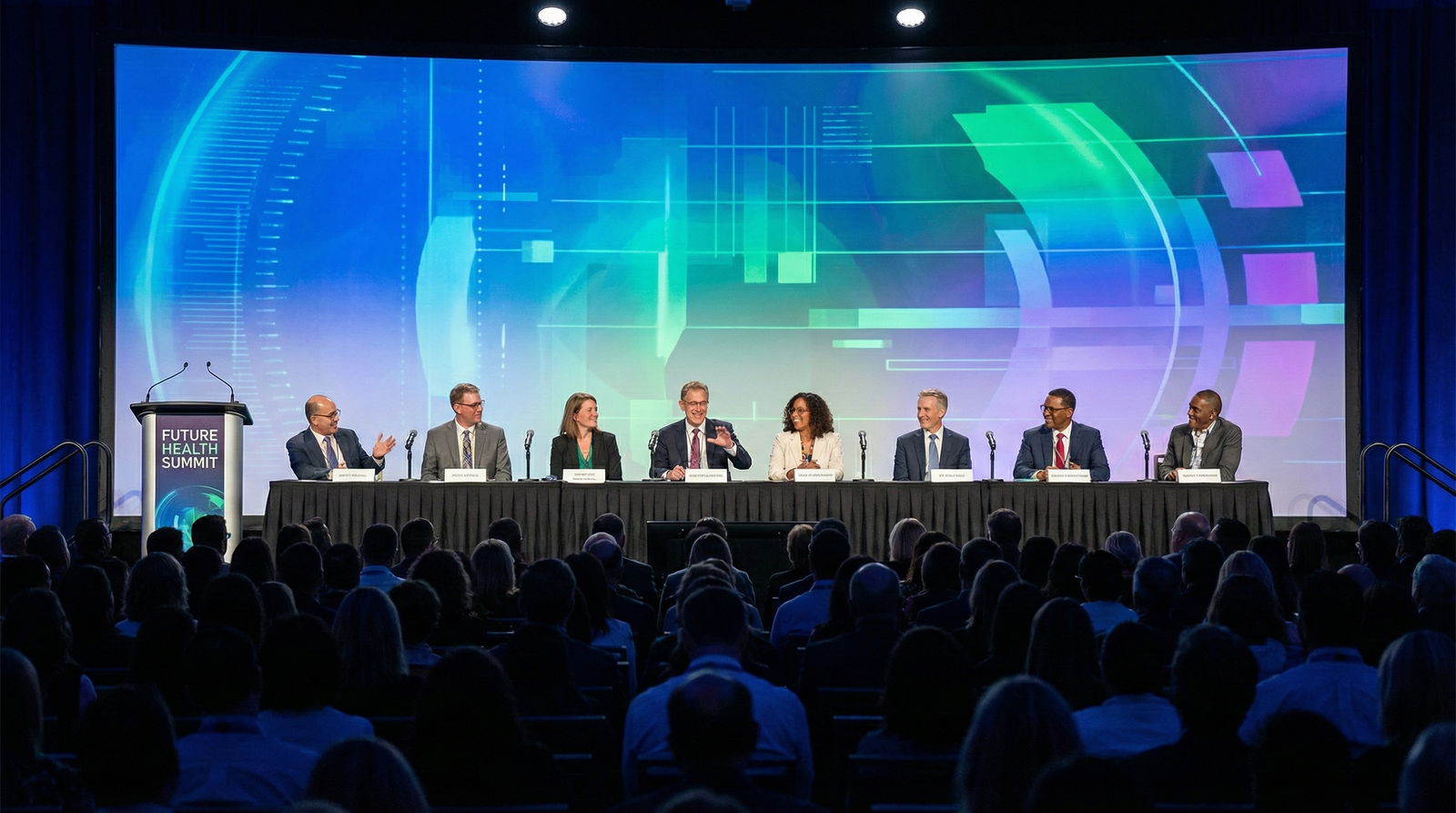
Networking isn't self-promotion; it's a conversation. Give a 30-second summary of your findings, then flip the microphone. Ask about their institutional trials. Ask how their group handles the clinical dilemma your abstract addressed.
Rule of thumb: Listen first. Figure out what they care about, then connect your research interests to their priorities.
Mistake 3: Networking Without a Clear Ask
Ending an email with "I'd love to stay in touch!" is the kiss of death.
It sounds polite, but it places the burden of work entirely on the other person. Busy attendings don't have time to invent ways to mentor strangers. Vague messages get ignored, not out of malice, but out of triage.
Give them a clean, low-friction request:
- Bad ask: "Let me know if you have any research opportunities in your lab next year."
- Good ask: "Could I send you three brief questions over email regarding your center's protocol?"
- Good ask: "Would you recommend one foundational paper I should read on this subgroup?"
Don't ask for the moon on your first contact. Asking for a grant co-authorship or fellowship spot in email #1 makes you look naive and transactional.
Mistake 4: Failing to Track Contacts and Context
Collecting business cards without writing down context is useless record-keeping.
I've watched trainees proudly fly home with a pocket full of cards, only to sit at their desks completely unable to match names to conversations. You will not remember details three days later. Don't trust your memory.
The moment someone leaves your poster, spend 15 seconds logging three things on your phone or notepad:
- Who they are: Name, institution, role.
- What you discussed: Their critique, shared interests, or a paper they mentioned.
- The explicit action item: Did you promise to send your PDF? Did they offer to review a protocol?
Sending a generic follow-up proves you don't remember who they were. That hurts your reputation worse than sending nothing at all.
Mistake 5: Ignoring Hierarchy, Timing, and Boundaries
Pinging a Division Chief on LinkedIn at 11:00 PM isn't "hustle", it's weird.
Academic medicine runs on explicit, formal structures. Expecting immediate responses or pushing past professional boundaries signals a complete lack of situational awareness.
Watch out for these classic red flags:
- Over-familiarity: Addressing senior faculty by their first name when they haven't invited you to do so.
- Channel flooding: Sending messages simultaneously via email, X/Twitter, and LinkedIn. Pick professional email first.
- Desperate follow-ups: Sending a "Did you get my message?" nudge 24 hours after your initial note. Give people 5 to 7 business days before sending a polite follow-up.
Mistake 6: Forgetting to Add Value Before You Ask for Help
Stop treating senior colleagues like automated advice dispensers.
If every interaction you initiate is a request for a favor, people will start ignoring you. Relationships are reciprocal, even when there's a huge gap in seniority.
You don't need a massive grant to offer value. Simple, professional offerings work best:
- Send a high-resolution, cleanly formatted PDF of your poster.
- Share a recent, highly relevant paper that touches on a question they raised during your conversation.
- Send a concise, two-sentence thank-you note highlighting a specific clinical insight they shared with you.
Make your initial follow-up about giving or closing a loop, not demanding their time.
Mistake 7: Treating One Conversation as the Whole Relationship
One good interaction at a poster board doesn't mean you have a mentor. It means you had a good conversation.
Networking is a slow sequence, not a single transaction. A common trap is having a fantastic 10-minute chat, sending one email, and then vanishing for two years until you need a letter of recommendation. That isn't networking; that's burning bridges.
Build a real, professional cadence. Tie your touchpoints to actual milestones:
- 6 months later: "Dr. Marks, wanted to share that the abstract we discussed at ATS just got accepted for publication. Thanks again for your input on our methodology."
- 1 year later: "Saw your recent paper in AJRCCM on ARDS outcomes, congratulations on the findings. It gave us a great idea for our next project."
That is how legitimate professional networks are constructed: brick by brick, over years, based on shared work and mutual respect.
Reminder: A Safe Networking Checklist After Your Poster
Don't let post-conference exhaustion undo your hard work. Run through this safety checklist as soon as the floor closes:
- Log details immediately: Record context, specific conversation points, and promised items for every person who visited your poster.
- Execute the 24-48 hour rule: Send brief, tailored follow-ups before you fade from memory.
- Frame a concise ask: Give them an easy, low-friction question to answer.
- Attach low-friction value: Include your poster PDF or a referenced resource without making them ask for it.
- Respect boundaries: Use professional email channels, formal titles, and sensible follow-up timelines.
You put months into designing studies, analyzing data, and refining poster layouts. Don't waste that effort by being sloppy after the conference lights turn off.