Understanding Networking in Medicine as an IMG in Nuclear Medicine
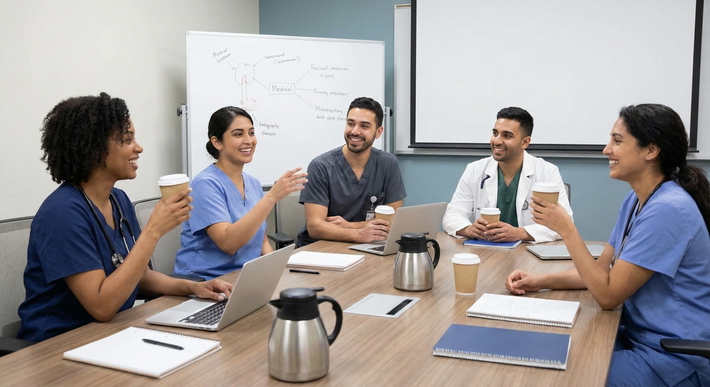
For an international medical graduate, networking in medicine is not a luxury—it is a core strategy for entering and thriving in the U.S. system. In nuclear medicine, where programs are relatively small and the community is tight‑knit, your professional relationships can be as important as your exam scores.
This IMG residency guide focuses on nuclear medicine specifically: how to build relationships, gain visibility, and translate those connections into interviews, mentorship, research, and a successful nuclear medicine match.
As an IMG, you are likely navigating additional barriers:
- Limited existing connections in the U.S.
- Differences in medical culture and expectations
- Visa and funding concerns
- Unfamiliarity with the nuclear medicine training pathways (categorical NM, DR → NM fellowships, dual pathways, etc.)
Strategic medical networking can help you:
- Learn the unwritten rules of the field
- Identify realistic and “reach” programs for nuclear medicine residency
- Get research and observership opportunities
- Earn strong letters of recommendation
- Be remembered when your application is reviewed
The goal is not to collect as many contacts as possible, but to build a small, genuine network that opens doors and supports your long‑term growth in nuclear medicine.
The Nuclear Medicine Landscape for IMGs
Nuclear medicine is a specialized field with distinctive features that shape how you should approach networking:
- Smaller community: Fewer residency positions than large specialties like internal medicine or radiology. This means people tend to know each other, and your reputation travels quickly—positively or negatively.
- Program variability: Some programs are highly research‑focused, others more clinically oriented; some are integrated with radiology, others more independent.
- Overlap with radiology and oncology: Your network may include diagnostic radiologists, radiation oncologists, medical oncologists, and cardiologists who rely heavily on nuclear imaging.
- Rapidly evolving technology: PET/CT, PET/MR, theranostics, new tracers—staying updated and visible in these areas makes you more memorable.
For an international medical graduate, this environment creates both challenges and opportunities:
- Challenge: Programs may have limited experience with IMGs or specific visa types.
- Opportunity: A standout, well‑networked IMG interested in nuclear medicine can quickly become known and valued within this relatively small field.
Your networking strategy should be deliberate and tailored: gain visibility in nuclear medicine circles, demonstrate commitment to the specialty, and cultivate mentors who can vouch for your abilities and fit.
Laying the Foundation: Preparing Before You Network
Before you start emailing faculty or attending conferences, build a strong foundation so your networking efforts lead to meaningful outcomes.
Clarify Your Nuclear Medicine Story
You need a concise, honest narrative that explains:
- Why you chose nuclear medicine
- How your international background enriches your perspective
- What you are doing now to prepare for a nuclear medicine residency
- Your long‑term goals (e.g., theranostics, academic research, hybrid radiology-nuclear training, or clinical leadership)
Example “elevator pitch” (adapt and shorten as needed):
“I’m an international medical graduate from India with a strong interest in oncologic imaging and theranostics. During my internship, I saw how PET/CT dramatically changed cancer staging and treatment planning. That experience led me to pursue observerships and research in nuclear medicine in the U.S., focusing on novel PET tracers. I’m now working on building clinical exposure and research productivity to match into a nuclear medicine residency and eventually practice in an academic cancer center.”
Having this prepared allows you to introduce yourself confidently when meeting nuclear medicine physicians, whether online or at conferences.
Build a Focused Academic and Clinical Profile
Networking is much more effective when you can show concrete evidence of your interest in nuclear medicine:
- USMLE and licensing exams: Aim for solid performance; nuclear medicine may be more flexible than some competitive specialties, but scores still matter.
- Clinical engagement:
- Seek observerships or externships in nuclear medicine or radiology.
- If that is not possible yet, try internal medicine or oncology observerships at institutions with strong nuclear departments; later, you can leverage those connections.
- Research:
- Get involved in projects related to PET/CT, SPECT, theranostics, dosimetry, radiopharmaceuticals, or AI in imaging.
- Even small roles (data collection, image labeling, chart review) can grow into abstracts or manuscripts if you’re consistent and reliable.
When you contact potential mentors or network at conferences, being able to say “I’m currently working on a project about gallium-68 tracers in neuroendocrine tumors” is far more powerful than “I’m interested in nuclear medicine.”
Create a Professional Online Presence
In today’s environment, online visibility is a major part of medical networking:
- LinkedIn:
- Use a professional headshot and clear headline: “International Medical Graduate aspiring Nuclear Medicine Physician.”
- List education, exams, research, observerships, and relevant skills.
- Follow nuclear medicine societies (SNMMI, EANM), nuclear medicine divisions, radiology departments, and key nuclear medicine leaders.
- Research and academic platforms:
- Maintain an updated profile on Google Scholar, ResearchGate, or ORCID if you have publications or abstracts.
- Email professionalism:
- Use a clean, professional email address and a signature that includes your full name, degree, country of graduation, current location, and contact information.
A polished profile reinforces your credibility when people look you up after a conference interaction or an email introduction.

Conference and Event Networking in Nuclear Medicine
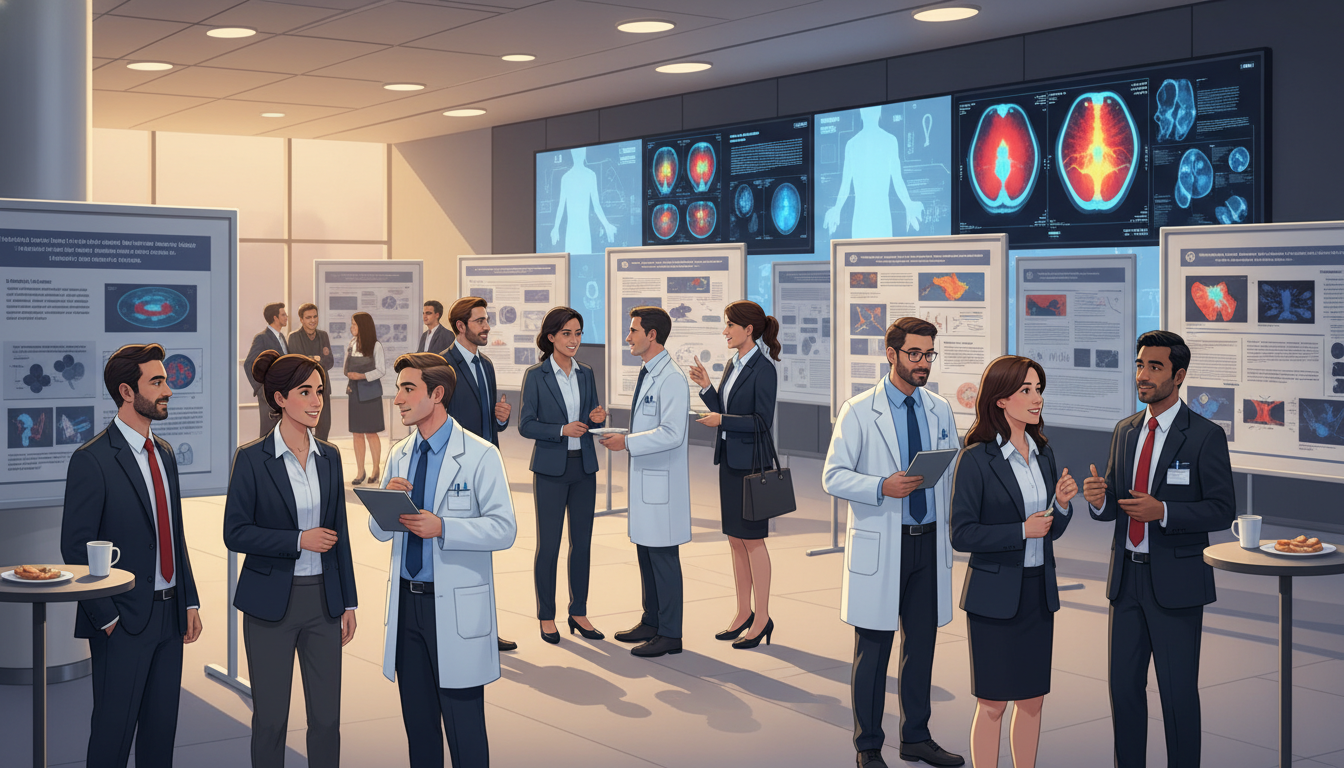
Conference networking is one of the most powerful tools in this IMG residency guide for nuclear medicine. Because the field is small, repeated presence at key events makes you recognizable and memorable.
Target Key Nuclear Medicine and Imaging Conferences
As an aspiring nuclear medicine resident, prioritize:
- SNMMI (Society of Nuclear Medicine and Molecular Imaging) Annual Meeting – the flagship nuclear medicine conference in the U.S.
- SNMMI Mid‑Winter Meeting – often smaller, can be more intimate for networking.
- Regional SNMMI chapters or state radiology/nuclear medicine meetings.
- Larger imaging meetings where nuclear medicine is represented (e.g., RSNA), if budget allows.
For IMGs, even attending virtually can be beneficial—you gain content knowledge, see who is active in your areas of interest, and may be able to attend networking or mentorship sessions online.
Prepare Before the Conference
To maximize conference networking:
Study the program:
- Identify sessions and speakers affiliated with programs you are interested in.
- Highlight talks related to PET, theranostics, neuroimaging, or any subfield you’re passionate about.
Make a short target list:
- 5–10 individuals (program directors, active researchers, rising attendings, or current residents/fellows).
- Note:
- Their institution and role
- A recent publication or talk topic
- One specific question or comment you can raise
Reach out briefly in advance (optional but valuable):
A concise email or LinkedIn message such as:
“Dear Dr. X,
I am an international medical graduate planning to apply for nuclear medicine residency in the U.S. I’ve been following your work on PSMA PET in prostate cancer and will be attending your session at SNMMI. If you have a few minutes after your talk, I’d be very grateful for brief career advice about entering nuclear medicine as an IMG.
Sincerely, …”Not everyone will reply, but some will, and it frames you as serious and prepared.
How to Approach People at Conferences
Conference networking can be intimidating, especially across cultural and language differences. Practical strategies:
- Attend smaller sessions and workshops: Easier to ask questions and approach speakers.
- Ask thoughtful questions:
- During Q&A, introduce yourself briefly: “I’m Dr. X, an international medical graduate interested in nuclear medicine residency.” Then ask a concise, relevant question.
- Approach speakers after the session:
- Start with appreciation: “Thank you for that talk on F-18 tracer development.”
- Add a short personal connection: “I’ve been working on a small retrospective project on PET in lymphoma; your comments on clinical workflow were very helpful.”
- Then ask one specific question: “If I’d like to get involved in similar research as an IMG, what would you recommend as a first step?”
This kind of interaction is “conference networking 101” and often leads to an invitation to email them, connect on LinkedIn, or even discuss research or observership options.
Using Conference Networking for the Nuclear Medicine Match
Conferences are particularly important for an international medical graduate aiming for a nuclear medicine residency:
Visibility with program leadership:
- Many program directors and faculty attend SNMMI and similar meetings.
- If they recognize your name when your application appears, you are already ahead.
Discovering IMG‑friendly programs:
- Ask residents or fellows informally: “Does your program usually consider IMG applicants?”
- Take notes on:
- Visa support (J‑1 vs H‑1B)
- Typical applicant profile
- Opportunities for research or dual training
Showcasing commitment:
- If you present an abstract or poster, mention it in conversations: “I’m presenting a poster on Saturday about SPECT/CT in infection imaging.”
- This shows you’re not just passively interested; you are involved.
After the conference, follow up by thanking people you met, briefly reminding them of your interaction, and sharing any related materials (poster PDF, abstract, or future application timeline).
Everyday Networking: Email, Online Platforms, and Local Opportunities
While conferences are high‑impact, most of your networking in medicine will be small, consistent actions over months or years.
Cold Emailing for Observerships and Research
As an IMG without a local network, cold emailing is often necessary—but it must be done well to avoid being ignored.
Key principles:
- Keep it short (8–12 sentences).
- Personalize each email (no copy‑paste mass emails).
- Emphasize your nuclear medicine interest and what you can contribute.
Sample structure:
Subject line:
- “IMG interested in nuclear medicine research – request for guidance”
- “Prospective nuclear medicine applicant seeking observership opportunity”
Opening:
- Who you are: “I am an international medical graduate from Brazil, currently in the U.S. on [status], with strong interest in nuclear medicine.”
Connection:
- Mention something specific: “I read your recent paper on 68Ga-PSMA PET in recurrent prostate cancer” or “I saw your talk at the SNMMI Mid-Winter Meeting.”
Ask:
- Be realistic and respectful:
“I am writing to ask whether there might be any opportunity—now or in the future—to become involved in ongoing research projects or observe clinical work in your division. I am particularly interested in [specific area].”
- Be realistic and respectful:
Value and constraints:
- Highlight what you can offer: strong work ethic, data analysis skills, familiarity with specific software (e.g., SPSS, Python, imaging tools).
- State your availability clearly and visa/financial constraints briefly if relevant.
Close:
- “I understand how busy you are, and I appreciate any guidance or suggestions you may be able to offer.”
Expect a low response rate, but even a handful of positive replies can lead to meaningful opportunities.
Using LinkedIn and Social Media for Medical Networking
In addition to email, intentionally use online platforms:
LinkedIn:
- Connect with nuclear medicine attendings, residents, and program coordinators after you have met them, or when you have a specific reason to reach out.
- Post occasionally about:
- Conferences you attend
- Articles or guidelines in nuclear medicine you found insightful
- Research milestones (submitted or accepted abstracts)
- This keeps you “on the radar” without constant direct messaging.
Professional Twitter/X or other platforms:
- Many nuclear medicine experts share cases, articles, and updates.
- Engage professionally: like, retweet with thoughtful comments, or ask clarifying questions.
- Avoid conflicts with patient privacy and institutional policies.
Local and Institutional Networking
If you are already in the U.S. (or another country) for research, a master’s degree, or another role:
Leverage your immediate environment:
- Attend grand rounds, tumor boards, and nuclear medicine case conferences.
- Introduce yourself to nuclear medicine faculty after sessions: “I’m Dr. X, an IMG working in the cardiology lab, but very interested in nuclear medicine. Would it be okay if I attend these case conferences regularly?”
Radiology and oncology departments:
- Many nuclear medicine physicians are housed within radiology departments.
- Building rapport with diagnostic radiologists and medical/ radiation oncologists strengthens your overall network and may lead to back‑door introductions to nuclear medicine leaders.
Everyday visibility, professionalism, and reliability in your current environment often yield opportunities more organically than one‑time requests.
Mentorship, Sponsorship, and Long-Term Relationship Building
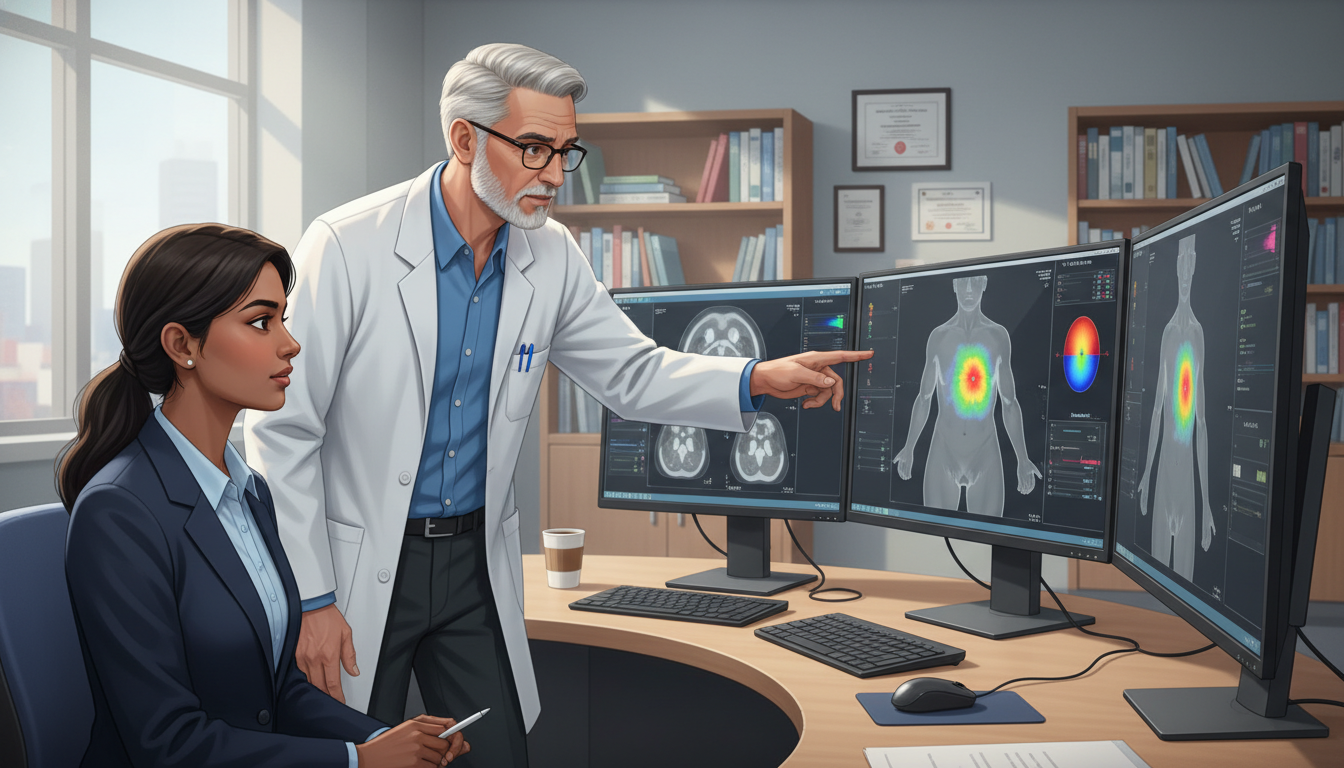
Medical networking is not only about short‑term gains like observerships; it is also about building mentorship and, when possible, sponsorship.
Understanding Mentorship in Medicine
Mentorship medicine in the nuclear field can take several forms:
- Career mentors: Help you understand the training pathways, suitable programs, exam timing, visa implications, and realistic career goals.
- Research mentors: Guide you through projects, abstracts, and publications; provide structure and feedback on academic growth.
- Peer mentors: Senior residents or fellows—especially prior IMGs—who can share practical tips, mock interview you, and help decode institutional culture.
A good mentor may:
- Offer honest feedback on your CV and personal statement
- Write strong, personalized letters of recommendation
- Directly email program directors or colleagues to support your application
- Invite you to new projects or collaborative opportunities
Finding and Nurturing Mentors
As an IMG, you may worry that you are “bothering” people. The key is to be respectful, prepared, and appreciative:
Start small:
- After a talk or short interaction, send a follow‑up:
“Thank you again for your advice about nuclear medicine training. Would it be alright if I email you in a few months with an update on my progress?”
- Many will say yes, implicitly inviting an ongoing mentorship relationship.
- After a talk or short interaction, send a follow‑up:
Show progress:
- When you reconnect, share concrete steps you have taken based on their guidance (e.g., new observership, submitted abstract, completed exam).
- This signals that their time and advice are having an impact.
Ask targeted questions:
- Instead of “Do you have any advice for me?”, ask:
- “Given my current profile (attached CV), what type of nuclear medicine programs should I prioritize?”
- “Do you think taking an additional research year would significantly improve my chances?”
- Instead of “Do you have any advice for me?”, ask:
Respect boundaries:
- Accept that some physicians cannot offer long‑term mentorship despite wanting to help; it’s often due to time constraints, not your worth.
Over time, you may develop one or two “anchor mentors” who know you well and can advocate for you during the nuclear medicine match.
Sponsorship: The Advanced Stage of Networking
A sponsor goes beyond giving advice; they use their reputation to actively promote you:
- Recommending you directly to program directors
- Including you in major research or guideline projects
- Suggesting you as a speaker for educational sessions or case conferences
As an IMG, sponsorship can be transformative, particularly when competing with U.S. graduates who already have local networks. Sponsorship usually emerges from strong mentorship relationships where you have proven reliability, integrity, and growth.
Translating Networking into a Strong Nuclear Medicine Application
Networking is only valuable if it meaningfully strengthens your application and performance in the nuclear medicine match.
Application Components Influenced by Networking
Letters of Recommendation (LoRs):
- Networking helps you secure letters from:
- U.S.-based nuclear medicine physicians
- Recognized researchers in PET/CT, SPECT, or theranostics
- Specific, personalized letters carry more weight than generic ones.
- Networking helps you secure letters from:
Research and Publications:
- Connections lead to projects, which lead to abstracts, posters, oral presentations, and manuscripts.
- Having SNMMI presentations or nuclear medicine journal publications on your CV signals commitment and capability.
Program Fit and Targeting:
- Through conversations with mentors, residents, and faculty, you can identify:
- Programs more open to IMGs
- Institutions where your visa type is supported
- Environments that align with your interests (e.g., academics vs community practice, oncology‑heavy vs cardiology‑heavy practice)
- This helps you send focused, strategic applications rather than random, broad ones.
- Through conversations with mentors, residents, and faculty, you can identify:
Interview Performance:
- Guided by mentors and peer networks, you can:
- Practice common nuclear medicine interview questions
- Anticipate program‑specific expectations
- Tailor your answers to emphasize your unique strengths as an IMG
- Guided by mentors and peer networks, you can:
Common Pitfalls in Networking for IMGs
Be mindful of several frequent mistakes:
- Being transactional:
- Only contacting people to “ask for something” without building genuine rapport or showing ongoing effort.
- Mass messaging:
- Sending the same generic email to dozens of faculty; this can damage your reputation within a tight-knit field like nuclear medicine.
- Overpromising:
- Committing to research projects but failing to deliver due to time or skill constraints; this can quickly close doors.
- Neglecting professionalism online:
- Posting unprofessional content or violating confidentiality can undermine all your efforts.
Instead, aim for patient, relationship-based networking: consistent engagement, clear communication, and follow-through on commitments.
FAQs: Networking in Medicine for IMGs in Nuclear Medicine
1. I’m an IMG with no U.S. experience yet. How can I start networking in nuclear medicine from abroad?
- Join major societies (e.g., SNMMI) and access virtual webinars, case conferences, and online educational content.
- Attend virtual conferences if travel is not feasible; ask questions in chat or Q&A to get noticed.
- Reach out via email or LinkedIn to speakers and authors whose work you genuinely admire, asking for brief guidance.
- Start research collaborations if possible, even remotely (e.g., image analysis, literature reviews, data management).
- Build a strong online profile highlighting nuclear medicine interests and any local experience (e.g., rotations, thesis work).
2. How important is conference networking compared to exam scores for the nuclear medicine match?
Both matter. Exam scores (USMLE/COMLEX or equivalents) are often used as initial filters, but in a smaller field like nuclear medicine, personal connections and reputation can significantly influence who receives interview invitations and how applicants are ranked. For a borderline or non‑traditional IMG application, strong medical networking—especially through conferences and research—can sometimes compensate for modest scores by showcasing your commitment, reliability, and contribution to the field.
3. How many mentors should I have, and do they all need to be in nuclear medicine?
Quality matters more than quantity. Aim for:
- One or two mentors directly in nuclear medicine (ideally in the U.S. or target country).
- One or two in related fields (radiology, oncology, internal medicine) or in your current environment who understand your broader journey as an IMG.
Not all mentors must be in nuclear medicine, but at least one key mentor in the specialty is very helpful for targeted advice and strong, credible letters of recommendation.
4. I’m worried about bothering busy physicians. How frequently is it appropriate to contact a mentor or potential mentor?
If someone has signaled willingness to advise you:
- Updates every 2–3 months are generally reasonable, especially if you are sharing concrete progress (e.g., new exam result, accepted abstract, completed observership).
- For active ongoing projects (research, observerships), follow the project’s natural communication needs (weekly or biweekly check‑ins, as agreed).
- For initial contacts who have not responded, a single polite follow‑up after 2–3 weeks is acceptable; if there is no response after that, move on without taking it personally.
By being respectful of their time, prepared for each interaction, and consistent in your efforts, you will find that many physicians are willing—often enthusiastic—to support a motivated international medical graduate aspiring to join the nuclear medicine community.