Why Networking Matters Even More for Caribbean IMGs in Med-Peds
For a Caribbean international medical graduate (IMG) aiming for a Medicine-Pediatrics (Med-Peds) residency, networking in medicine is not optional—it’s strategic survival.
As a Caribbean IMG, you may already know you’re facing:
- Less name recognition compared with U.S. MD schools
- Questions about clinical preparation and exam rigor
- Fewer built-in connections to program directors and faculty
- Additional visa or geographic barriers
Now layer on the fact that Med-Peds is a small, tight-knit specialty. Most programs know each other; faculty talk frequently; and decisions about interview invites and rank lists often involve personal impressions and direct recommendations.
This is exactly where intentional, skillful medical networking becomes a powerful equalizer.
In this article, we’ll walk through:
- How to think strategically about networking as a Caribbean IMG
- Practical steps to build connections in Medicine-Pediatrics
- Ways to leverage conferences, online platforms, and mentorship in medicine
- How to turn networking into tangible outcomes: interviews, strong letters, and a successful medicine pediatrics match
If you’re from a Caribbean medical school—whether you’re thinking about a Caribbean medical school residency path or specifically targeting an SGU residency match or a similar institution’s match outcomes—these strategies will help you build a professional network that opens doors.
Understanding the Med-Peds Landscape as a Caribbean IMG
Med-Peds is unique: it blends Internal Medicine and Pediatrics in a four-year accredited program. That makes it small, competitive, and highly community-driven. Before you network, you need to understand the environment you’re entering.
The Small-World Reality of Med-Peds
- Limited number of programs: There are far fewer Med-Peds programs than categorical Internal Medicine or Pediatrics programs.
- Highly interconnected leaders: Program Directors (PDs), Associate PDs, and core faculty often know each other from:
- National conferences
- Joint committee work
- Med-Peds–specific organizations
In a small world, reputation and relationships travel quickly—both good and bad. That’s why clear, professional, and consistent networking matters.
Why Caribbean IMGs Must Be Extra Strategic
Compared to U.S. graduates, Caribbean IMGs often:
- Have fewer direct links to U.S. academic departments
- Rely more heavily on away rotations, observerships, and online connections
- Need to actively show they belong in competitive spaces like Med-Peds
For a Caribbean IMG, a strong Med-Peds network can:
- Turn an “uncertain” application into one supported by trusted faculty advocates
- Provide honest feedback about your competitiveness and target programs
- Connect you to mentors who understand IMG challenges and can coach you
Think of networking not as “collecting business cards,” but as building a circle of people who know you well enough to vouch for your character, work ethic, and potential.
Building Your Med-Peds Network from Where You Are Now
Whether you’re early in Caribbean medical school or already in clinical rotations, you can start building your network today.

1. Start Locally: Maximize Every Clinical Contact
Even if your rotations are not labeled “Med-Peds,” you can still build connections relevant to a med peds residency.
Key people to connect with:
- Internal Medicine attendings and chiefs
- Pediatric attendings and chiefs
- Med-Peds–trained physicians working in hospitalist or primary care roles
- Chief residents (Medicine, Pediatrics, or combined Med-Peds)
How to turn a rotation into a networking opportunity:
Show up early, be prepared, be reliable.
Your professionalism is your most powerful calling card. Residents and attendings remember students who:- Consistently arrive early
- Volunteer for tasks
- Read up on their patients
- Follow through on what they say they’ll do
Express your interest in Med-Peds clearly and early.
On day 1–2 of a rotation, you might say:“I’m a Caribbean IMG interested in Medicine-Pediatrics. I’d really appreciate feedback on my performance and any advice you have for someone hoping to pursue Med-Peds in the U.S.”
Ask for opportunities to present or teach.
- Case presentations during rounds
- Short teaching talks (“5 minutes on bronchiolitis” or “hyponatremia basics”)
- Quality improvement or chart-review projects
Visible initiative makes it easier for faculty to remember you when you later ask for a letter or introduction.
2. Train Yourself to Follow Up Professionally
Networking fails when initial good impressions are not maintained. After a rotation or meaningful interaction:
Send a short, specific thank-you email (24–72 hours).
Example:“Dr. Smith,
Thank you for your teaching during my Internal Medicine rotation at [Hospital]. I especially appreciated your guidance on managing complex diabetes cases. As a Caribbean IMG hoping to pursue Med-Peds, your insights were very encouraging. If you’re open to it, I’d be grateful to stay in touch and possibly seek your advice as I move into the application phase.
Sincerely, [Name]”Add them to a simple contact list (spreadsheet or note):
- Name, title, institution
- How you met
- What you talked about
- Date of last contact
Check in every few months with:
- A brief update on your progress
- A relevant question
- A short note when you see something related to their work (e.g., a paper, talk, or news mention)
This slow, steady contact transforms a one-time encounter into a lasting professional relationship.
Using Conferences and Online Platforms to Expand Your Network
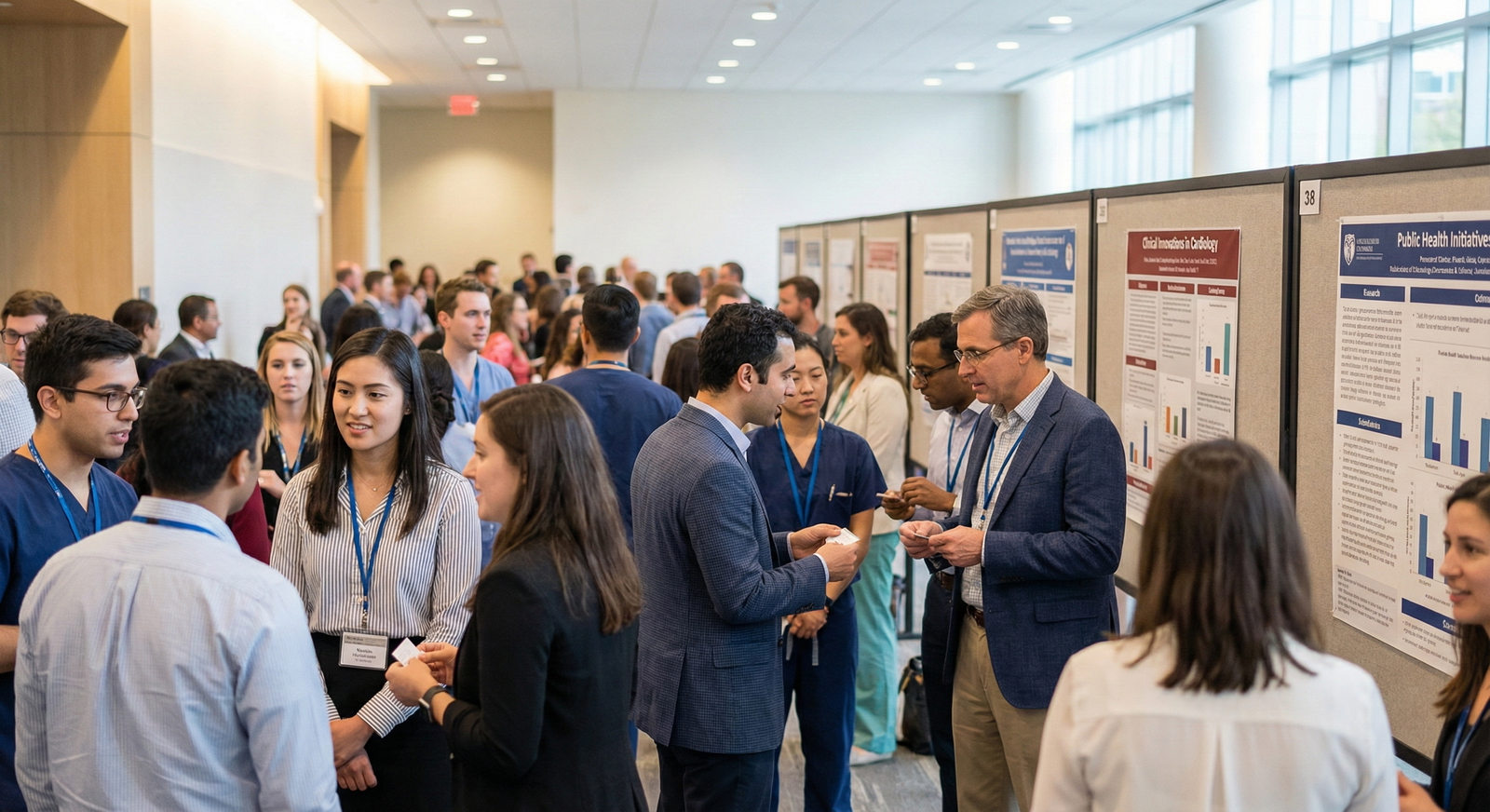
For Med-Peds, conference networking and professional platforms can dramatically widen your reach beyond your immediate hospital environment.

1. Target Med-Peds–Relevant Conferences
Your goal is to get yourself in the same room—physically or virtually—with Med-Peds faculty, residents, and leaders.
High-yield conferences:
- National Med-Peds organizations (e.g., MPPDA, NMPRA–related events, Med-Peds tracks at major conferences)
- Internal Medicine (ACP, SGIM) with Med-Peds representation
- Pediatrics (AAP) with combined program faculty often present
- Local/regional academic days at hospitals where Med-Peds exists
If travel cost is a barrier, look for:
- Virtual sessions or hybrid formats
- Student/IMG discounts and scholarships
- Abstract-based travel grants (submitting a poster can offset costs)
2. Prepare for Conference Networking with Intention
Before the conference:
Review the program schedule and identify:
- Med-Peds sessions
- Talks by Med-Peds program directors or core faculty
- Resident or student networking events
Make a short target list (5–10 people) you’d like to meet:
- Med-Peds PDs at programs where you want to apply
- Faculty who share your interests (global health, health equity, combined hospitalist roles, etc.)
- Caribbean or IMG-friendly mentors
Draft short intro messages you can use in person or by email:
“Dr. Johnson, I’m a Caribbean IMG very interested in Med-Peds, particularly [interest area]. I’ll be attending your session on [topic] and would love to briefly introduce myself and hear any advice you might have for someone from my background.”
During the conference:
- Attend Med-Peds–associated sessions and sit near the front.
- Ask thoughtful questions during Q&A if appropriate.
- Introduce yourself afterward:
- State your name, school, and Med-Peds interest in 1–2 sentences.
- Ask one specific, non-generic question.
- Request permission to follow up by email.
After the conference:
- Within a few days, send a personalized email:
“Dear Dr. Johnson,
It was great to meet you at [Conference] after your session on transitions of care. I’m a Caribbean IMG strongly interested in Med-Peds with a particular interest in improving care for young adults with chronic illness. Your comments on collaborative inpatient-outpatient models were especially insightful.
If you’re open to it, I’d appreciate any general advice on how a Caribbean IMG can become a strong applicant to Med-Peds programs like yours.
Best regards, [Name]”
This kind of precise, polite follow-up is how conference networking turns into long-term mentorship in medicine.
3. Leverage Online Platforms (LinkedIn, Twitter/X, and Beyond)
You don’t need to be a social media star; you just need to use platforms as a professional signal and connection tool.
LinkedIn:
- Create a professional profile with:
- Clear headline: “Caribbean Medical Student | Aspiring Med-Peds Physician”
- Appropriate photo (neutral background, professional attire)
- Concise summary focusing on your Med-Peds interest and clinical/research experiences
- Connect with:
- Residents and attendings you’ve worked with
- Med-Peds residents and faculty from programs you are targeting
- Occasionally post about:
- Presentations, QI/research activities
- Reflections on Med-Peds–relevant topics (transition care, complex chronic disease, etc.)
Twitter/X (if used professionally):
- Follow:
- Med-Peds program accounts
- PDs, APDs, and residents
- Like, retweet, or comment thoughtfully on:
- Educational threads
- Program announcements
- Calls for abstracts or scholarship opportunities
Always maintain a professional tone. Assume programs will see your public posts.
Mentorship in Medicine: Finding, Keeping, and Using Mentors Well
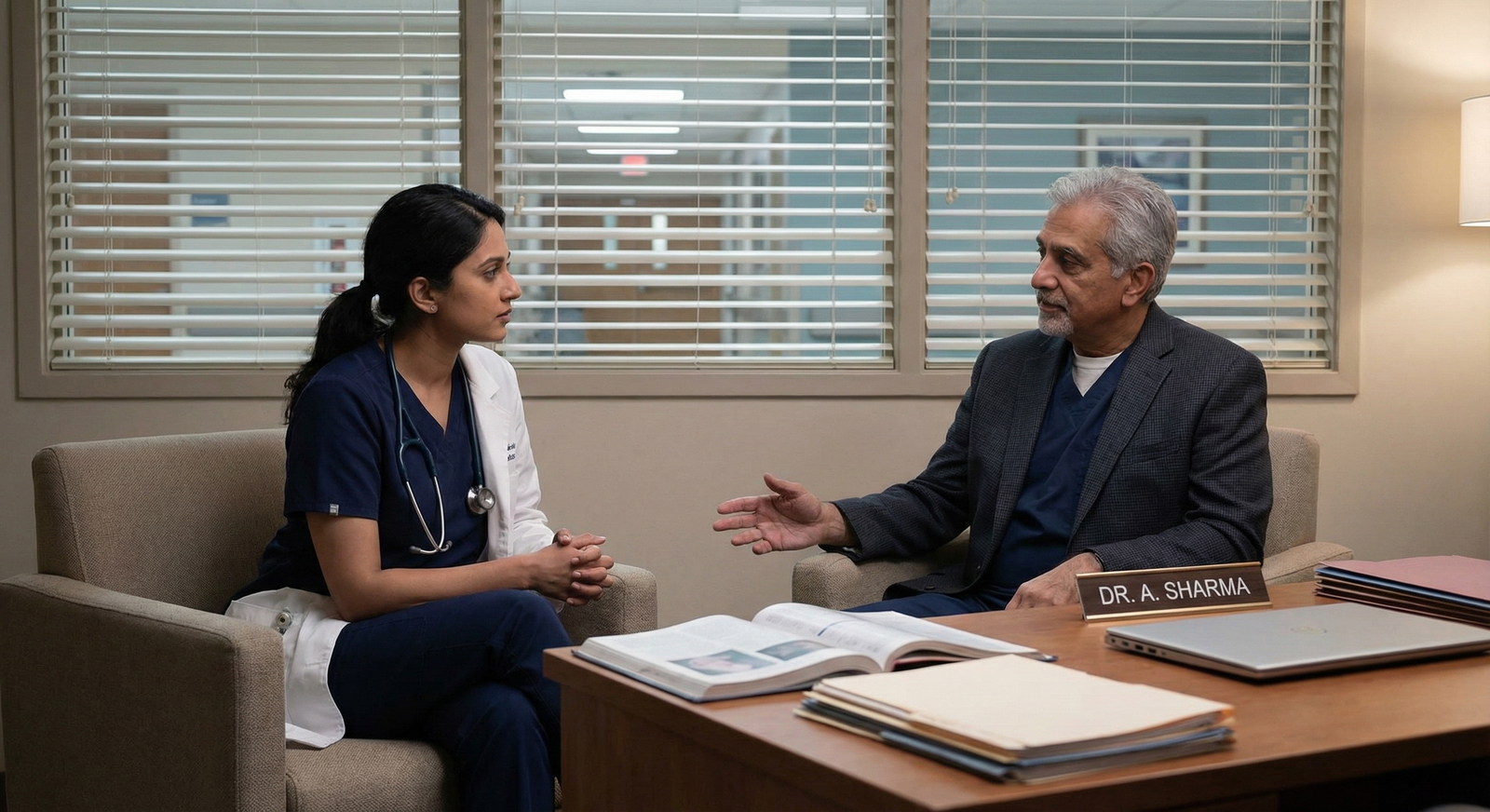
Mentorship medicine is one of the most powerful tools for a Caribbean IMG in Med-Peds. But it must be approached strategically and respectfully.
1. Different Types of Mentors You Need
As a Caribbean IMG, you should intentionally build a small “board of mentors” rather than relying on a single person.
High-yield mentors include:
Clinical mentor (Internal Medicine, Pediatrics, or Med-Peds)
- Observes your day-to-day performance
- Can write strong letters of recommendation
Career/strategy mentor
- Helps with specialty choice, program list, and backup plans
- May be within or outside Med-Peds but understands residency dynamics
IMG-sensitive mentor
- Understands the unique barriers of Caribbean IMGs
- Can advise on visas, geographic strategy, and expectations
Research/scholarship mentor
- Guides you through posters, abstracts, or publications
- Strengthens your CV and conference presence
One person might fill more than one role, but don’t expect a single mentor to meet all your needs.
2. How to Ask for Mentorship Without Putting People Off
Instead of saying, “Will you be my mentor?”, use small, specific requests:
- “Could I schedule a 20-minute meeting to ask your advice about applying to Med-Peds as a Caribbean IMG?”
- “Would you be willing to give me feedback on my CV for Med-Peds?”
- “May I update you periodically as I move through the application process?”
After positive interactions over time, mentorship often evolves naturally. Later, you might say:
“You’ve been incredibly helpful over the past few months; I really see you as a mentor in this process. I’m very grateful for your guidance.”
3. Being a High-Value Mentee
Mentors are most responsive to students who:
- Show up prepared and on time
- Follow through on agreed tasks
- Don’t repeatedly ask for information they could find themselves
- Take feedback seriously and implement it
You can demonstrate this by:
- Sending a short agenda before a meeting
- Following up with a summary email:
“Thank you for meeting with me. I’ll focus on:
- strengthening my IM and Peds letters,
- applying to 40–50 Med-Peds + 20 IM categorical programs,
- submitting at least one conference abstract this year.
I’ll update you once I’ve drafted my personal statement.”
This organized approach signals professionalism and helps mentors invest in you.
Turning Networking into a Strong Medicine-Pediatrics Match Strategy
Networking in medicine has to translate into practical outcomes: interviews, letters, and ultimately a successful medicine pediatrics match.
1. Letters of Recommendation: The Direct Product of Good Networking
For a competitive Med-Peds application, you’ll usually want:
- At least one strong Medicine letter
- At least one strong Pediatrics letter
- If possible, a Med-Peds letter (from a Med-Peds physician, PD, or APD)
- One additional letter (medicine, pediatrics, or research/leadership, depending on your strengths)
Your networking and mentored clinical work should aim to:
- Identify faculty who:
- Have actually seen you work directly
- Are known to Med-Peds programs, if possible
- Are comfortable writing strong letters (you can ask: “Do you feel you know me well enough to write a strong letter of recommendation for Med-Peds?”)
As a Caribbean IMG, the credibility and enthusiasm of your letters can strongly influence how PDs view your training background.
2. Program Targeting Through Your Network
Use your network to shape your application strategy:
- Ask mentors:
- “Which Med-Peds programs have historically been more open to IMGs?”
- “Are there any alumni from my Caribbean medical school residency network who matched into Med-Peds that I could speak with?”
- “How many Med-Peds versus IM categorical programs would you recommend I apply to given my scores and experiences?”
You can also:
- Reach out (professionally) to Med-Peds residents from Caribbean or other IMG backgrounds:
- Ask for a 15–20 minute conversation about their path
- Inquire about their program’s culture and IMG-friendliness
Your goal is to build a realistic but optimistic program list guided by people who understand both your strengths and the current match climate.
3. Using Networking to Navigate the SGU Residency Match and Other Caribbean Schools
If you’re at a large Caribbean medical school such as SGU, AUC, or Ross:
Tap into formal alumni networks:
- Alumni offices
- Online directories
- School-hosted webinars with recent match graduates
Specifically seek:
- Alumni who matched into Med-Peds
- Alumni who matched into strong Internal Medicine and Pediatrics programs with exposure to Med-Peds faculty
Ask them:
- How networking influenced their SGU residency match or equivalent outcome
- Which programs were most welcoming to Caribbean IMGs
- What they would do differently in terms of building connections
Even if your school is smaller, you can:
- Ask your dean’s office or clinical coordinator about prior graduates in Med-Peds
- Use LinkedIn to search “[Your School Name] Medicine-Pediatrics” and connect with any hits
Common Pitfalls Caribbean IMGs Should Avoid in Networking
As powerful as medical networking can be, it’s easy to unintentionally create the wrong impression. Watch out for these traps:
Being transactional
- Only emailing when you need something
- Immediately asking for a letter from someone who barely knows you
Instead, aim for sustained relationships with mutual respect and genuine interest.
Over-contacting busy faculty
- Sending long, unfocused emails
- Following up too frequently (e.g., weekly) without new content
Keep messages concise, purposeful, and spaced out.
Appearing entitled or demanding
- Insisting on special accommodations
- Treating mentorship as an obligation
Remember that mentors are often volunteering time on top of heavy clinical and academic loads.
Unprofessional online presence
- Inappropriate social media posts
- Complaints about programs, exams, or colleagues
PDs and faculty may see more than you think. Curate your online presence to reflect the professionalism you’d bring to a Med-Peds team.
Not being honest about your academic record
- Trying to hide exam failures or poor grades
- Not telling mentors the full story
Trusted mentors need the complete picture to advocate and help you strategize.
Putting It All Together: A Sample 12-Month Networking Plan
Here’s a simplified, realistic plan tailored to a Caribbean IMG preparing for a medicine pediatrics match:
Months 1–3
- Identify 2–3 potential mentors (IM, Peds, and possibly Med-Peds).
- Perform strongly on current rotations; signal your Med-Peds interest early.
- Create or refine your LinkedIn profile.
- Start a contact spreadsheet.
Months 4–6
- Ask one or two mentors for short advising meetings about Med-Peds.
- Submit at least one abstract/poster (even a case report) to a relevant conference.
- Reach out to any Med-Peds physicians at your clinical sites for shadowing or a brief meeting.
- Begin learning about specific Med-Peds programs and PDs.
Months 7–9
- Attend a Med-Peds–relevant conference (virtual or in-person) and practice structured conference networking.
- Solidify who will write your core letters (IM, Peds, possibly Med-Peds).
- Work with a mentor to refine your personal statement, emphasizing your dual interest and Caribbean IMG journey.
Months 10–12
- Ask mentors to review your final program list (Med-Peds + backup IM/Peds).
- Gently ask mentors if they feel comfortable reaching out to any specific programs on your behalf (only when appropriate).
- Maintain light contact with your network during interview season—brief thank-yous and updates.
This consistent, structured approach helps turn networking from something vague and stressful into actionable habits that directly support your career goals.
FAQs: Networking in Medicine for Caribbean IMGs Interested in Med-Peds
1. I don’t have access to a Med-Peds program where I rotate. Can I still match into Med-Peds?
Yes. Many Med-Peds residents trained at schools without home Med-Peds programs. For a Caribbean IMG:
- Focus on excellent IM and Peds rotations with strong letters.
- Use networking at conferences and online to build relationships with Med-Peds faculty elsewhere.
- Seek Med-Peds mentorship remotely via advisors who are willing to meet by video or phone.
A Med-Peds–specific letter helps, but many IMGs match successfully with strong IM and Peds letters and a clear narrative for why Med-Peds.
2. How can I tell if a program is IMG-friendly for Med-Peds?
Use a combination of strategies:
- Check current and recent resident rosters on program websites—look for international backgrounds.
- Ask Med-Peds residents (via email or LinkedIn) whether their program has trained Caribbean IMGs.
- Ask your mentors if they know which programs are more open to IMG applicants.
- Pay attention to how programs talk about diversity and inclusion; many IMG-friendly programs are explicit about valuing diverse educational backgrounds.
3. Is it appropriate to email a Med-Peds program director before I apply?
It can be, if done professionally and sparingly. Some guidelines:
Email only if you have a specific reason:
- You did a rotation or project at their institution
- A mutual contact suggested you reach out
- You have a concrete question not answered on their website
Keep it concise:
- Brief introduction (name, Caribbean school, Med-Peds interest)
- One or two specific questions or a short note of genuine interest
- No attachments unless requested
Remember: PDs are very busy. Even without a response, a well-written, respectful message can still leave a neutral or positive impression.
4. What if I’m shy or introverted—can I still be effective at networking?
Absolutely. Networking is not about being the loudest person in the room. For introverted Caribbean IMGs:
- Focus on one-on-one or small-group conversations rather than large social events.
- Prepare short scripts for introductions and questions ahead of time.
- Use email and scheduled calls, which often feel more structured and comfortable.
- Aim for depth over breadth—a few strong connections are much more valuable than dozens of superficial ones.
With preparation and authenticity, introverted students can build excellent networks, often with more meaningful relationships.
Intentional networking in medicine is one of the most powerful tools you have as a Caribbean IMG aiming for a Medicine-Pediatrics residency. By combining strong clinical performance with deliberate relationship-building, conference networking, and thoughtful mentorship in medicine, you’ll move from being “just another Caribbean applicant” to being a known, trusted future colleague in the Med-Peds community.