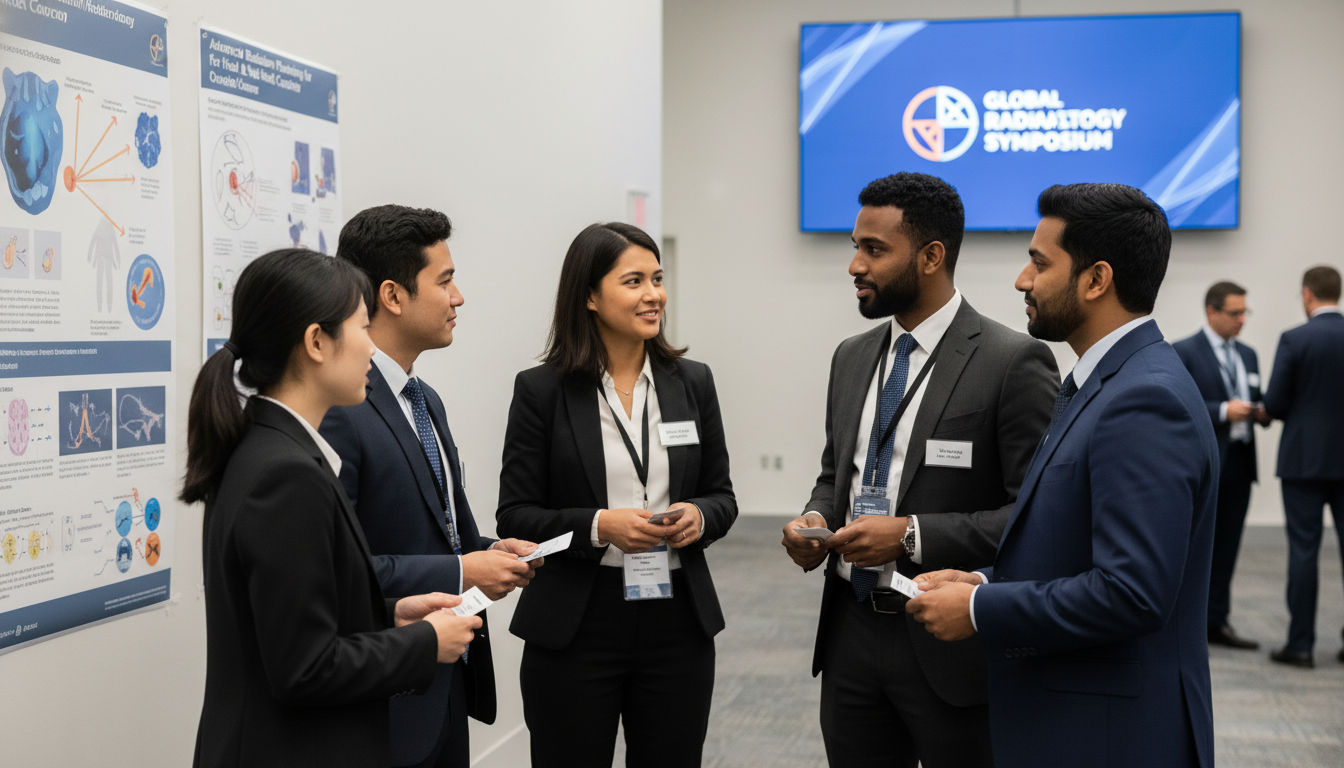
Why Networking Matters So Much in Neurology
For an MD graduate entering neurology, your clinical skills and exam scores are only part of the story. The other part—often less discussed, but equally critical—is networking in medicine: building authentic, professional relationships that shape your training, career trajectory, and reputation.
Neurology is a relatively small, interconnected specialty. People know each other across programs, conferences, and subspecialty societies. This is particularly important if you:
- Are planning for a competitive neurology residency or fellowship (stroke, epilepsy, neurocritical care, movement disorders, etc.)
- Are navigating the allopathic medical school match and want to maximize your chances in the neuro match
- Are graduating from an MD program without a home neurology department or strong neurology presence
- Want early access to mentorship in medicine, research opportunities, and letters that carry weight
In neurology, the same handful of names can appear repeatedly on conference programs, guideline panels, and editorial boards. Having even a small foothold in that network offers very real benefits:
- Stronger letters of recommendation from people known in the field
- Insider information about residencies, fellowship programs, and institutional cultures
- Early access to research projects, QI initiatives, and case reports
- Career sponsorship, not just mentorship—people who will actively promote you for positions and opportunities
- Professional visibility that opens doors for speaking, teaching, and leadership
Networking done well is not schmoozing or flattery. It is the deliberate practice of creating mutual value: you learn, contribute, and grow while helping others do the same.
The Foundations: Mindset and Strategy for Medical Networking
Before the tactics, you need the right framework. Good networking in medicine, especially in neurology, rests on three principles: intentionality, generosity, and consistency.
1. Get Clear on Your Goals
As an MD graduate approaching neurology, networking should be tied to specific goals, not just “meet people.” Ask yourself:
- Am I targeting a neurology residency or already in one and looking ahead to fellowship?
- Which subspecialties interest me (e.g., vascular neurology, neuroimmunology, epilepsy, neurocritical care, behavioral neurology)?
- Do I aim for an academic career (research/teaching) or community practice?
- Where geographically do I want to train or work?
- Do I need research collaborations, letters, or guidance in the allopathic medical school match process?
Your answers determine who you should prioritize connecting with (e.g., stroke faculty if you’re set on vascular neurology) and where you should invest your time (conferences, societies, lab groups, etc.).
2. Shift from “Asking” to “Offering”
Many MD graduates approach networking with anxiety: “I’m bothering people” or “I’m just asking for things.” Reframe your role:
- You offer energy, curiosity, and hands-on help on projects
- You can assist with literature reviews, data collection, patient recruitment, or teaching materials
- You bring fresh perspectives from your training, prior degree, or background (e.g., data science, public health, humanities)
- You contribute to your peers—sharing resources, notes, and tips—which strengthens your reputation in your cohort
When you approach networking from a stance of, “How can I help and learn?” instead of “What can I get?” people feel it—and respond differently.
3. Play the Long Game
Neurology is a small world. The residents you meet at a regional course could become fellowship directors or division chiefs. The junior faculty you assist with a project may later sit on a fellowship selection committee.
Long-term thinking means:
- Treat every interaction as part of your professional story, not a one-off
- Don’t burn bridges—even if you choose another path
- Stay in light, periodic contact rather than only reaching out when you need something

Building Mentorship and Sponsorship in Neurology
Understanding Mentorship vs. Sponsorship in Medicine
Both are vital for a successful neurology career:
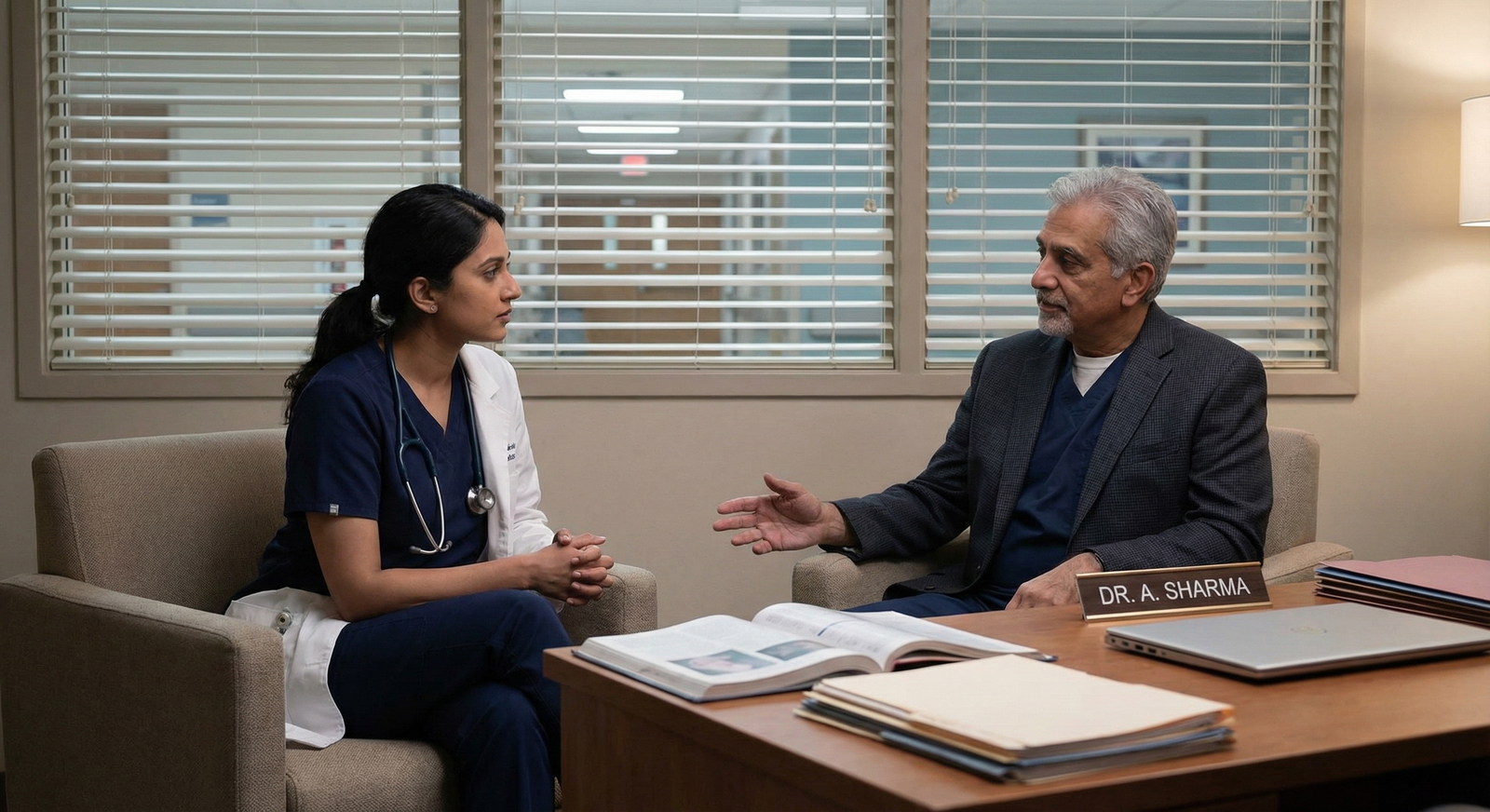
- Mentors guide you, advise you, and help you develop skills
- Sponsors use their influence to advocate for you, nominate you, and connect you to opportunities
For an MD graduate in neurology, you ideally want a small portfolio of mentors and at least one sponsor by the time you are applying for residency or fellowship.
Types of Mentors You Should Seek
Clinical Mentor (Neurology Focus)
- Helps you think like a neurologist
- Reviews clinical cases, imaging, and differential diagnosis with you
- Can later write letters speaking to your clinical acumen
Example: A stroke attending who lets you shadow their consult service and involves you in stroke code debriefs.
Research Mentor
- Guides you through projects, abstracts, and manuscripts
- Introduces you to co-authors and national collaborators
- Helps you structure a research portfolio aligned with your planned subspecialty
Example: An epilepsy researcher who gives you a project analyzing EEG patterns or seizure outcomes with publication potential.
Career or “Big Picture” Mentor
- Discusses long-term goals (academic vs. private practice, geographic preferences, work–life balance)
- Helps you navigate personal and professional trade-offs
- Often has cross-institutional perspective (may not even be a neurologist, but understands medicine careers well)
Peer Mentors
- Residents or fellows 1–3 years ahead of you
- Share unfiltered tips about programs, exams, and hidden curriculum
- Critical in decoding the culture of neurology training and the neuro match
How to Find and Approach Mentors
Within Your Institution
- Join the neurology interest group or resident teaching conferences, even if you’re rotating elsewhere
- Attend neurology grand rounds and introduce yourself briefly to speakers afterward
- Ask for brief meetings (15–20 minutes) instead of long, undefined commitments
- Use a clear, concise template when emailing:
Subject: MD graduate interested in neurology – request for brief meeting
Dear Dr. [Name],
I am an MD graduate from [Institution] with a strong interest in [subfield, e.g., vascular neurology] and am currently preparing for neurology residency applications. I have followed your work on [specific paper, project, or lecture] and would be grateful for 15–20 minutes of your time to ask a few questions about career development and how best to get involved in neurology projects.Thank you for considering this,
[Your Name]
[Contact info / affiliation]
Outside Your Institution
If your home program lacks a robust neurology department, medical networking outside your institution becomes even more important:
- Reach out to faculty at programs where you’ve rotated as a visiting student or sub-intern
- Use neurology society directories (e.g., American Academy of Neurology) to find faculty with shared interests
- Attend regional or national meetings (details below) and request short, focused follow-up calls with speakers or poster presenters
Maintaining Mentoring Relationships
To keep relationships alive without feeling burdensome:
- Send periodic clinical or research updates (every few months)
- Share small wins (accepted abstract, exam passed, residency interview) and thank them for their role
- Ask specific questions rather than “Any advice?”
- Offer help: “If you or your team need assistance with data entry or literature review, I’d be glad to contribute.”
Mastering Conference Networking for Aspiring Neurologists
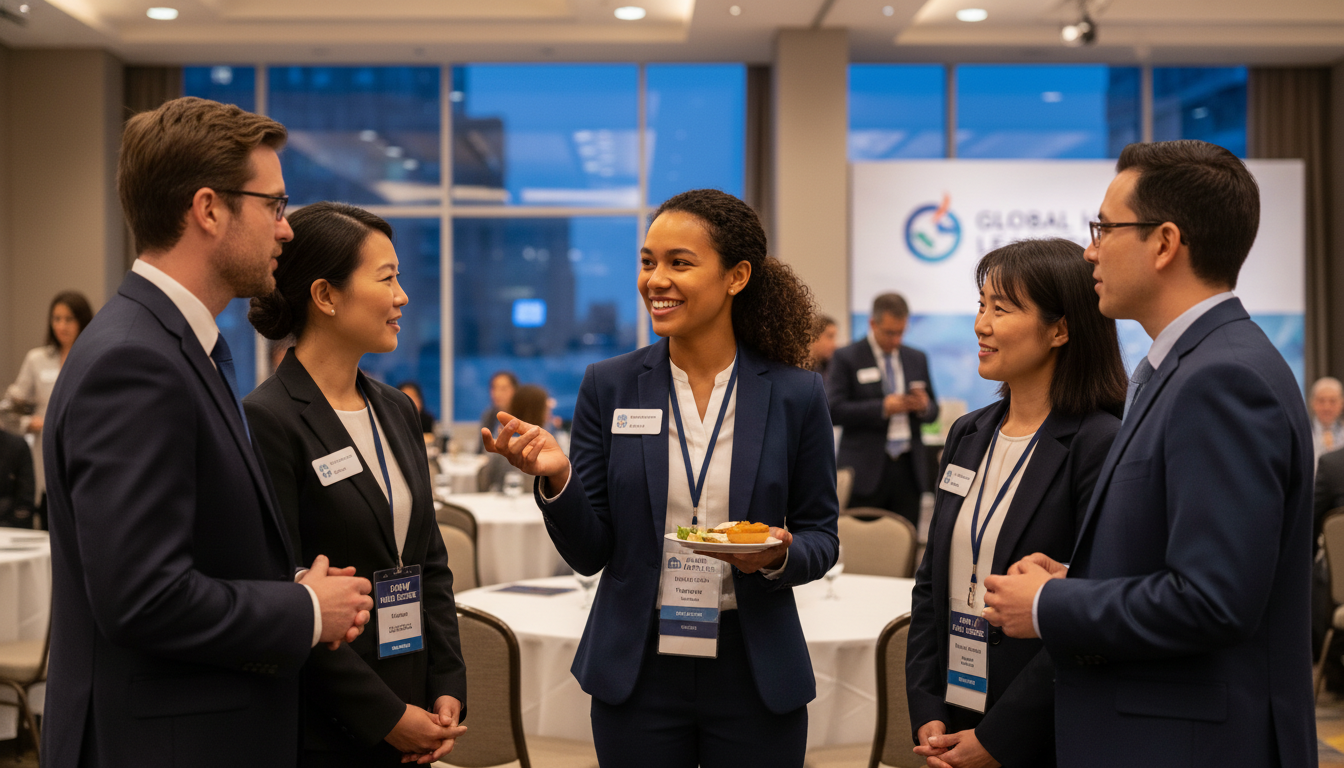
For neurology, conference networking is one of the highest-yield strategies you have. Strategic attendance at a few focused meetings can significantly influence your trajectory.
Choosing the Right Meetings
For an MD graduate focused on neurology:
American Academy of Neurology (AAN) Annual Meeting
- Flagship event; excellent for broad exposure, job boards, and seeing the field’s thought leaders
- Often has sessions for trainees, CV review, and networking events
Subspecialty Meetings (depending on interest):
- International Stroke Conference (ISC)
- American Epilepsy Society (AES)
- Neurocritical Care Society (NCS)
- Movement Disorder Society (MDS)
- Consortium of Multiple Sclerosis Centers (CMSC)
These are particularly valuable if you have a nascent interest in a specific field. Program directors and fellowship directors often attend.
Preparing Before You Go
Conference networking is much more effective with planning:
Register as early as possible, often there are trainee discounts or travel scholarships.
Submit something if you can—case report, quality improvement project, or small retrospective study. Even a modest poster gives you a professional anchor for conversations.
Use the conference app or program to:
- Identify sessions where your desired mentors or programs will be present
- Highlight poster sessions from institutions or researchers you’d like to connect with
- Note early-career events, resident/fellow lounges, or trainee receptions
Prepare:
- A 30–45 second self-introduction (who you are, training stage, interests, and what you’re exploring)
- A simple, professional email signature on your phone with your name, MD, contact info, and affiliation
- A short list of 5–10 people or programs you prioritize meeting
How to Approach People at Conferences
Many MD graduates feel awkward starting conversations. Keep it simple and professional:
At a poster:
- “Hi, I’m [Name], an MD graduate interested in [subfield]. I really enjoyed your work on [specific detail from the poster]. Could you tell me a bit about how you got involved in this project?”
After a talk:
- “Thank you for your talk on [topic]. I’m planning for a neurology residency with interest in [field], and your discussion on [point] was especially helpful. Would it be okay to email you to ask a couple of follow-up questions about getting involved in similar work?”
At a reception or networking event:
- “Hi, I’m [Name]. I’m an MD graduate preparing for the neurology match. What’s your role at [institution]?”
You are not expected to “impress” people with brilliance; you are showing curiosity, professionalism, and initiative.
Following Up After Conferences
This step is where medical networking becomes durable:
Within 3–5 days, send a brief thank-you email to people you spoke with
Reference something concrete: “I appreciated your suggestion to read about [topic] and am starting with [resource].”
If appropriate, ask one specific, actionable question or propose a next step:
- “Would you be open to a 15-minute Zoom call to discuss potential resident-level projects at your institution?”
- “May I send you my CV for feedback as I prepare for the neuro match?”
If they agree, treat that call like a mini-interview:
- Be on time, have questions prepared
- Take notes
- End by asking: “Is there anyone else you’d recommend I speak with as I explore neurology?”

Everyday Networking: Residency, Rotations, and Online Presence
Not all networking happens at conferences. Most of your professional network is built day-to-day during rotations, early residency, and via your digital footprint.
Maximizing Rotations and Sub-Internships
Your neurology rotations are live auditions—for both residency and future mentors.
On clinical services:
- Be reliable and prepared: Know your patients, follow up results, and understand the basic neurology exam cold
- Show genuine curiosity: Ask thoughtful, case-based questions after you’ve read on your own
- Volunteer for presentations (short case-based talks, journal club) and ask for feedback
- Ask attendings or senior residents:
- “Are there any ongoing projects that need help with chart review or literature searches?”
After a strong rotation:
- Request a brief meeting near the end:
- “I’ve really enjoyed working with you and learning from your approach to [e.g., stroke care]. I’m applying to neurology. Could I meet with you for 15–20 minutes to discuss my application strategy and get your advice?”
- If the relationship went very well, consider asking:
- “Would you feel comfortable writing me a strong letter of recommendation for neurology residency?”
This is one of the most powerful forms of mentorship in medicine—rooted in direct observation of your clinical work.
Networking During Residency (If You’re Already Matched)
If you are an MD graduate already in a neurology residency, your focus shifts toward fellowship and early career.
- Get involved with at least one departmental or educational committee
- Participate in resident recruitment, which connects you with faculty leadership
- Step up for teaching roles (student lectures, skills sessions) – this builds your reputation as a teacher
- If you have a research interest, prime your program director early and align with faculty mentors in that niche
Residents who are visible, dependable, and constructive in their home program naturally gain sponsors who will make calls on their behalf when it’s time for fellowship or job applications.
Building a Thoughtful Online Presence
Digital tools can amplify your medical networking if used strategically:
Create a polished profile:
- Professional headshot
- Clear headline: “MD Graduate – Aspiring Neurologist | Interests: Epilepsy & Health Equity”
- Brief summary: where you trained, interests, what you’re seeking (e.g., “Open to research collaborations in neuroimmunology”)
Connect with:
- Neurology faculty and residents you have met in person
- Alumni from your medical school now in neurology
- Speakers who have invited connection after conferences
Share modest updates:
- “Honored to present a poster on [topic] at [conference].”
- “Grateful for the chance to rotate with the neurology team at [institution]. Learned a lot about [area].”
X (Twitter) and Professional Platforms
Many neurologists are active in “NeuroTwitter” and similar spaces:
- Follow neurologists and societies (AAN, AES, ISC, etc.)
- Engage respectfully with evidence-based posts (likes, retweets, and occasional brief comments)
- Avoid sharing patient-identifiable information or commenting beyond your level of expertise
Used wisely, these platforms can help you stay current and occasionally lead to research or collaboration opportunities.
Putting It All Together: A Step-by-Step Networking Plan for the Neuro Match
Below is a concrete roadmap an MD graduate can adapt when targeting the neurology residency and subsequent neuro match.
Year 0–1 (Late Medical School or Immediately Post-Graduation)
- Clarify your interest in neurology and potential subspecialties
- Identify 2–3 potential mentors at your institution or via email introductions
- Join your national neurology society as a student/trainee member
- Submit at least one poster or abstract (case report or retrospective chart review)
- Attend one neurology-related conference if possible and practice conference networking
Year 1–2 (During Application Preparation)
- Deepen a relationship with at least one clinical mentor and one research mentor
- Ask mentors frankly about your competitiveness for the allopathic medical school match in neurology and how to strengthen weak areas
- Target away rotations or sub-internships at programs you’re seriously considering
- Use each rotation as a networking opportunity:
- Ask for feedback on your performance
- Explore research or QI involvement
- Secure 2–3 strong letters of recommendation from neurologists who know you well
- Refine your online presence and keep a simple, updated CV
During the Match Cycle
- Stay in touch with your mentors about interview invites and rank list strategy
- Where appropriate, mentors and sponsors may advocate on your behalf with colleagues at other programs—this is where long-term networking pays off
- After interviews, send thoughtful thank-you notes and maintain modest contact with particularly aligned programs
Early Residency (If Already Matched)
- Decide on at least one potential subspecialty interest (keeping an open mind)
- Identify fellowship-level mentors in that field as early as PGY-2
- Attend or present at subspecialty conferences in your chosen area
- Begin to move from sole mentee status to near-peer mentor for students and junior residents, which solidifies your role in the network
Frequently Asked Questions (FAQ)
1. I graduated from an allopathic medical school without a strong neurology department. How can I still build a competitive neurology network?
Focus on external networking:
- Seek away rotations at neurology-heavy institutions to showcase your skills and meet faculty
- Use national neurology societies and regional conferences for conference networking and visibility
- Reach out via email to neurologists at institutions you admire, requesting brief conversations and exploring potential remote projects (e.g., chart reviews, literature-based work)
A small number of strong, committed mentors at different institutions can compensate for a limited home department.
2. I’m introverted and find networking uncomfortable. Can I still succeed?
Absolutely. Many neurologists are introverted; networking does not require being extroverted. It requires:
- Showing up reliably
- Asking thoughtful, prepared questions
- Following through on commitments
- Maintaining low-intensity, consistent contact rather than constant socializing
Think of it as building professional alliances around shared intellectual interests, not forced small talk.
3. How important is research networking for the neurology match?
For neurology, research is helpful but not mandatory at all programs. However:
- Even one or two well-executed projects—especially in neurology—can significantly strengthen your application
- Research networking connects you to potential letter writers and future collaborators
- At academic programs, demonstrated scholarly activity signals that you can thrive in that environment
If you’re targeting highly academic programs or eventual fellowship at top centers, research networking is especially valuable.
4. How do I avoid coming across as transactional when networking?
Focus on relationship-building and reciprocity:
- Lead with curiosity and specific questions, not immediate requests for letters or positions
- Ask how you can contribute to ongoing projects or help junior learners
- Express genuine appreciation and follow up on advice given (e.g., “I read the article you recommended, and here’s what I learned…”)
Over time, the relationship will naturally expand to include advocacy, letters, and opportunities—without you asking for everything upfront.
For an MD graduate pursuing neurology, deliberate, authentic networking can transform your trajectory—from the first neurology residency you join to the subspecialty niche you eventually build. Treat each interaction as part of a long, evolving professional story in a tight-knit specialty, and you will steadily convert connections into mentorship, sponsorship, and a sustainable, fulfilling neurology career.