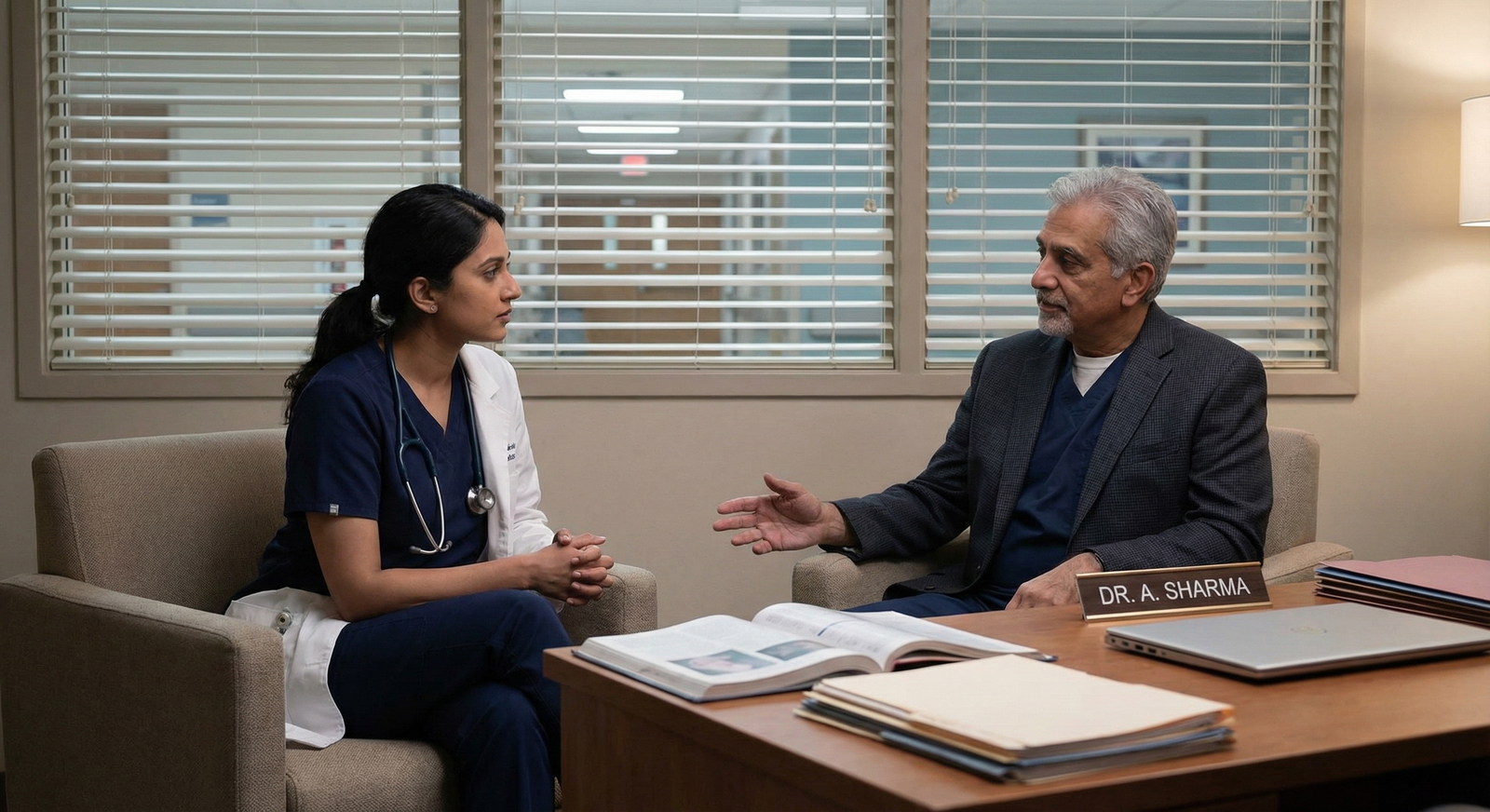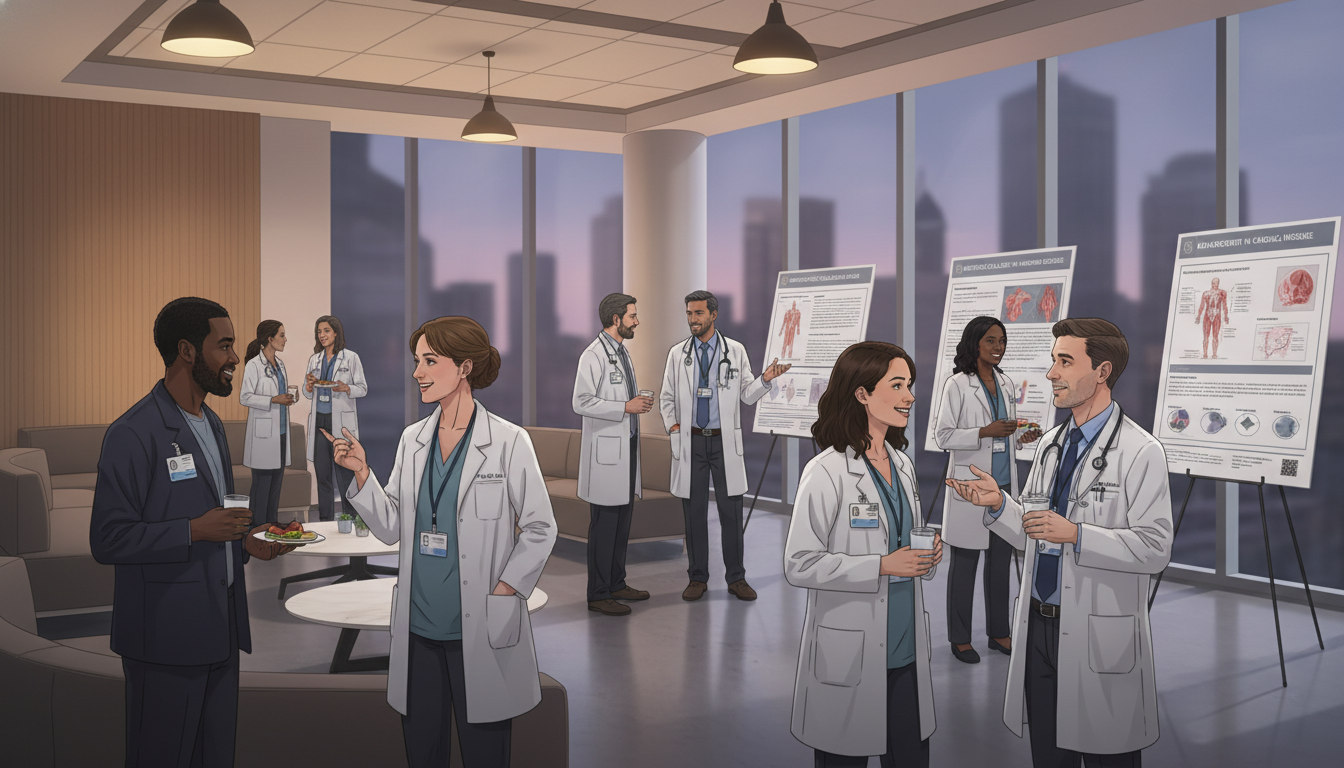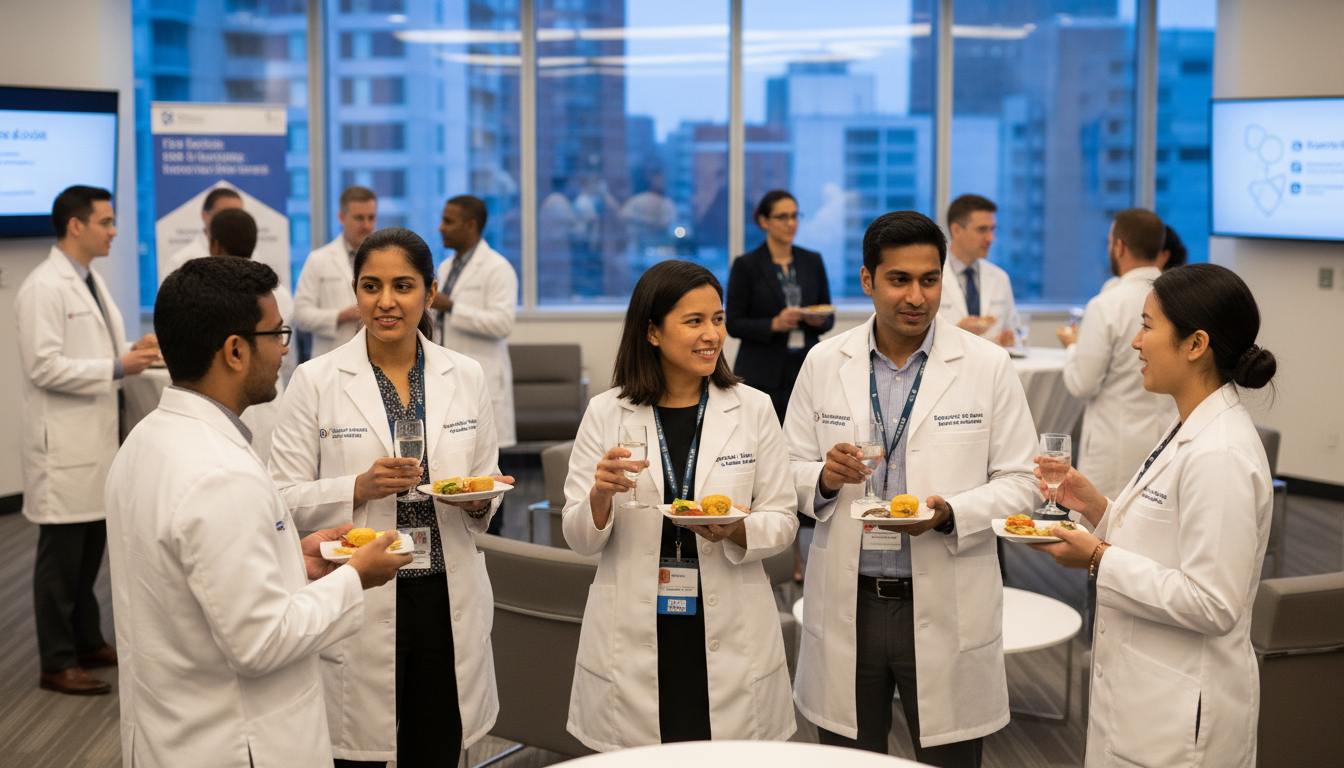
Networking in medicine can feel uncomfortable, especially if you are an international medical graduate (IMG) entering a new country, system, and culture. Yet for an IMG in pathology, strategic networking can be the difference between an anonymous ERAS application and a compelling candidate whom program directors already recognize. This IMG residency guide will walk you through how to build meaningful relationships, find mentors, and use medical networking to strengthen your pathology match chances—without feeling fake or forced.
Why Networking Matters So Much for IMGs in Pathology
Many IMGs hope that good scores, strong clinical performance, and publications will be enough. They’re essential—but often not sufficient. In a competitive pathology residency environment, networking helps in several concrete ways:
1. You Become a Recognized Name, Not Just an Application
Program directors and faculty receive hundreds of applications. When someone in the department says, “I know this applicant; they rotated with us and were excellent,” you move from the anonymous pool to the “take a closer look” group.
Examples of how being known helps:
- Your research mentor emails the program director: “This IMG worked very hard in my lab—highly recommend.”
- A conference contact forwards your CV to their program’s coordinator, suggesting they watch for your application.
- A faculty member recalls meeting you at a conference and makes a positive comment during rank discussions.
2. You Learn the Hidden Curriculum of the Pathology Match
The official requirements for pathology residency are public. The unwritten rules—how programs really think, what they value in IMGs, what red flags matter—are shared through conversations, not websites.
Networking reveals:
- Which programs are IMG-friendly in a realistic way (not just historically, but currently).
- How much value a given program places on research, US clinical experience (USCE), or letters from certain institutions.
- Specific tips like:
- “That program really wants strong communication skills and interest in teaching.”
- “This one prefers applicants with some US anatomic pathology exposure.”
- “That PD really likes to see commitment to pathology early in medical school.”
3. Access to Research, Observerships, and Letters of Recommendation
For IMGs, especially those still abroad or with visas, getting into US pathology departments can be challenging. Networking is how you hear about:
- A faculty member seeking help with a retrospective chart review.
- A lab open to training an IMG volunteer for 6–12 months.
- New or informal observership/shadowing opportunities not widely advertised.
These experiences often lead to:
- US letters of recommendation in pathology.
- Co-authorships on abstracts or manuscripts.
- Invitations to present posters at pathology conferences.
4. Building Long-Term Career Support
Medicine is a long game. The people you meet as an applicant may become:
- Future co-authors or multi-center research collaborators.
- Advisors when you apply for fellowships or academic jobs.
- Advocates who nominate you for committees, awards, or leadership roles.
Networking is not just about matching—it’s about building your future professional community in pathology.
Understanding the Landscape: Where Networking Happens in Pathology
Networking is not just formal “events.” It includes any environment where you can connect with people in your field meaningfully. For an IMG in pathology, key spaces include:
1. Pathology Departments (Your Own or Host Institutions)
Within a department, every interaction is a networking opportunity:
- Electives and observerships – Show up early, be prepared, ask thoughtful questions.
- Sign-out with attendings – Engage in diagnostic reasoning discussions; follow up on interesting cases.
- Departmental conferences – Case conferences, tumor boards, journal clubs are perfect for interacting with faculty and residents.
Actionable steps:
- Introduce yourself briefly to each attending:
“Hello Dr. Smith, my name is Dr. [Last Name]. I’m an international medical graduate from [Country], currently doing an observership here in anatomic pathology. I’m very interested in pursuing pathology residency in the US and appreciate the chance to learn from your cases.” - After a teaching session, send a short thank-you email with a specific thing you appreciated. Over time, this builds familiarity and respect.
2. National and Regional Pathology Conferences
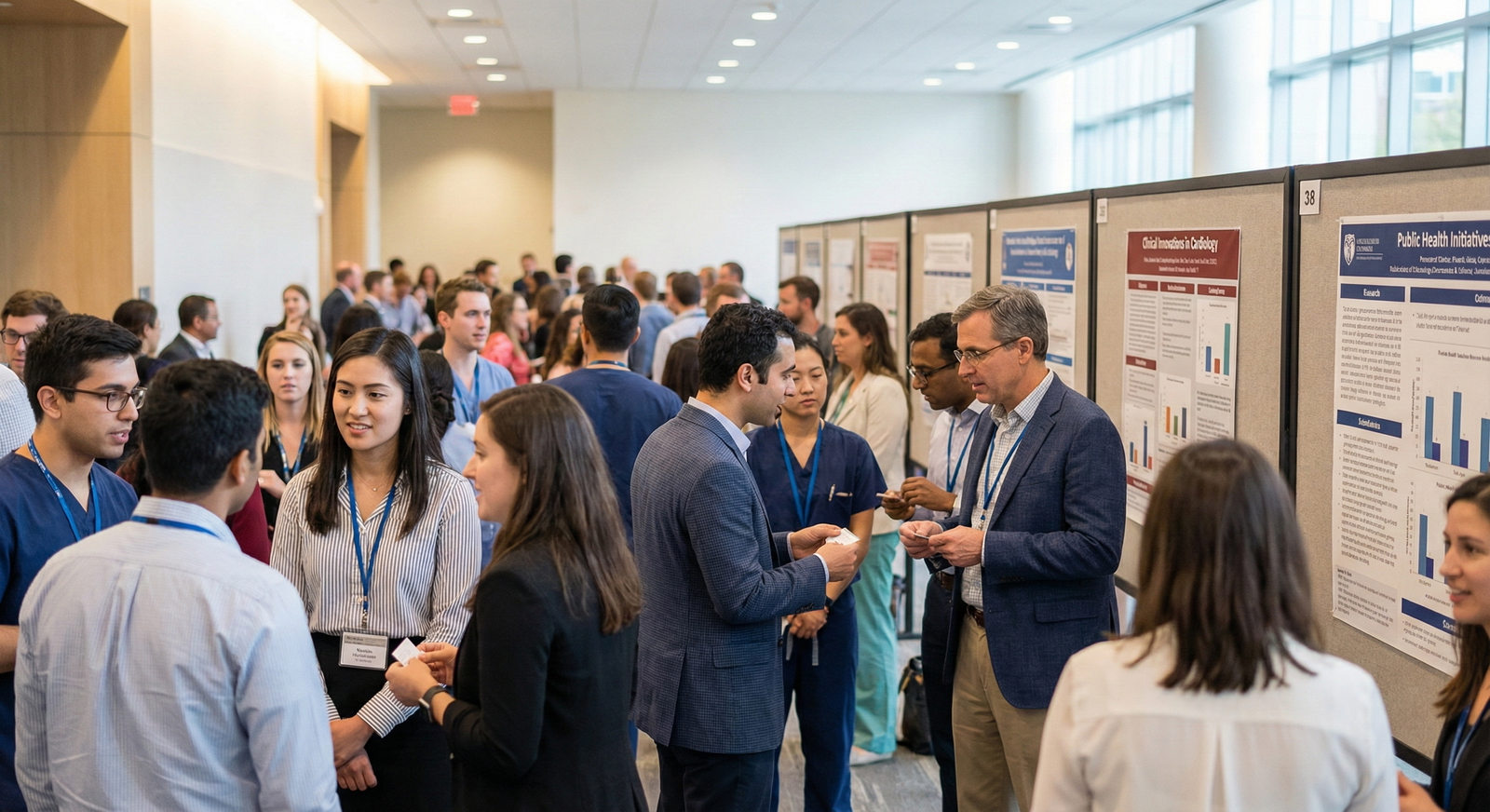
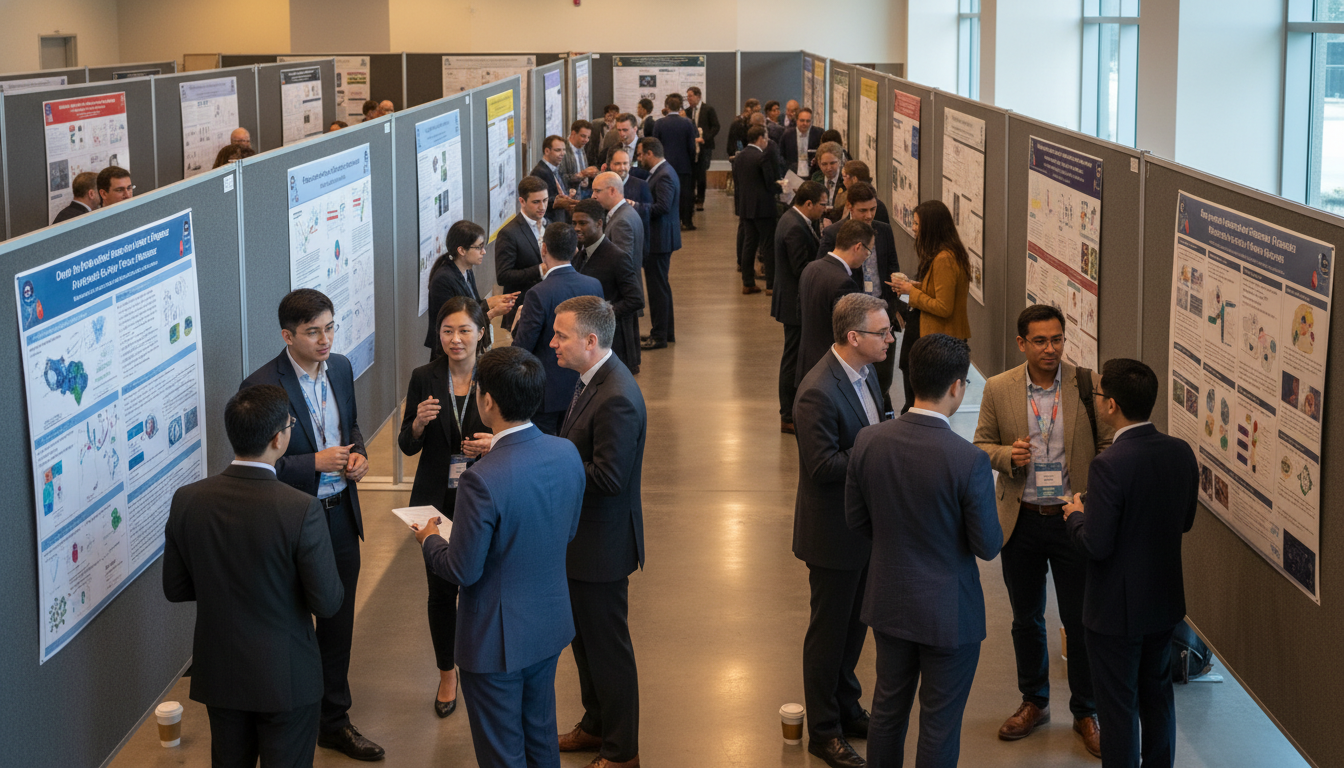
Conferences are high-yield for medical networking, especially for IMGs:
- USCAP (United States and Canadian Academy of Pathology) – Premier anatomic pathology conference.
- CAP (College of American Pathologists) Annual Meeting – Mix of clinical, management, and education content.
- ASCP (American Society for Clinical Pathology) – Strong for laboratory medicine and career development.
- Regional societies and subspecialty meetings (hematopathology, cytopathology, etc.).
Why conferences matter for IMGs:
- You meet faculty and residents from multiple programs in one place.
- Poster or oral presentations showcase your work and commitment.
- You gain a richer understanding of current research and practice trends.
3. Online Professional Networks
Digital networking is particularly important for IMGs who may still be abroad.
Key platforms:
- LinkedIn – Excellent for professional profiles, messaging, and following institutions.
- X (formerly Twitter), especially #PathTwitter – Highly active pathology community discussing cases, research, and education.
- Specialty groups and listservs – e.g., ASCP or CAP student/trainee sections, IMG-focused groups.
Online networking lets you:
- Follow pathologists who share educational content.
- Ask brief, professional questions about careers and training.
- Stay visible and engaged with the field even without physical access to US hospitals.
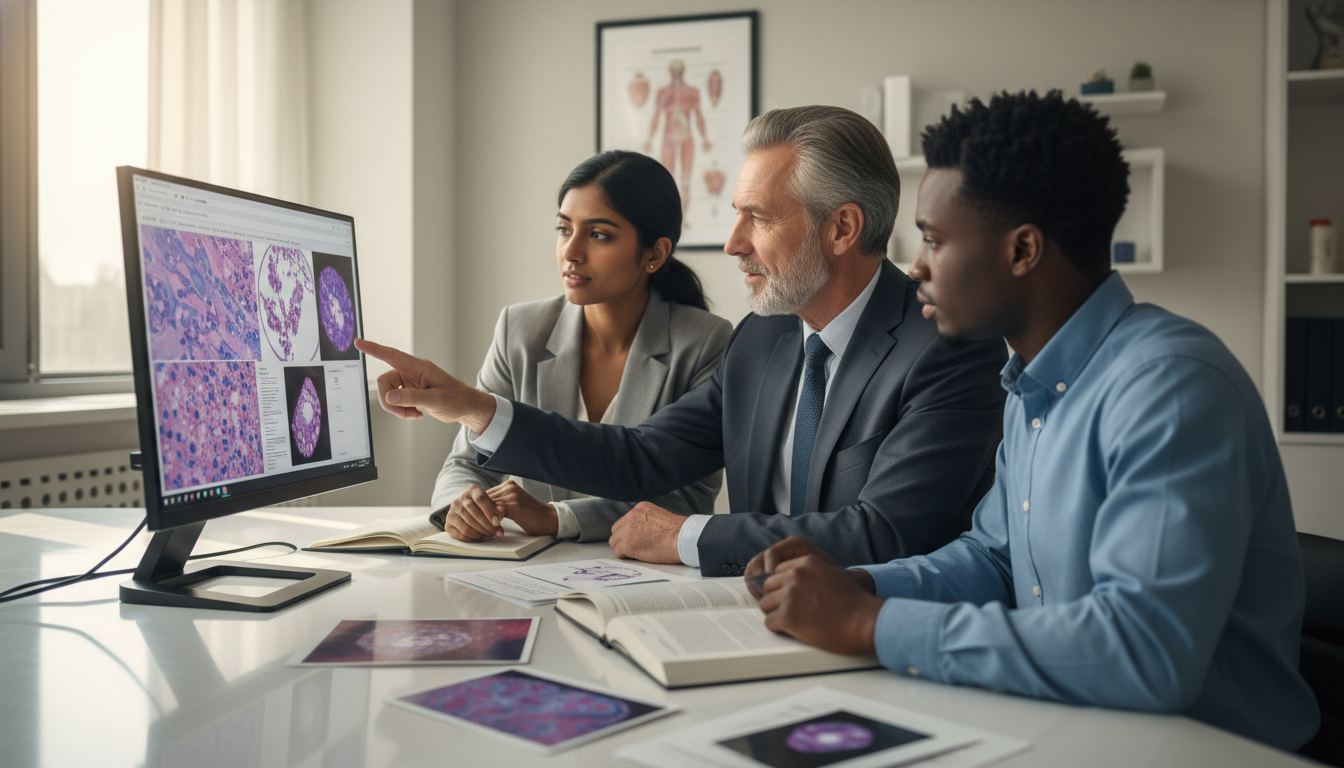
How to Network Effectively as an IMG: Step-by-Step Strategy
Networking is a skill set, not a personality trait. You do not need to be extroverted; you need to be clear, respectful, and consistent. Here is a practical approach adapted to the IMG residency guide context.
Step 1: Clarify Your Story and Goals
Before you network, know what you want to communicate. People will ask:
- “Tell me about yourself.”
- “How did you get interested in pathology?”
- “What are you hoping to do in the US system?”
Prepare a concise, authentic 30–45 second “professional introduction.”
Example:
“My name is Dr. Ana Silva. I graduated from medical school in Brazil in 2022 and developed a strong interest in diagnostic medicine during my pathology rotations. I’ve worked on a small research project in breast pathology and I’m currently pursuing observerships and research to prepare for a pathology residency in the US. I’m especially interested in how digital pathology and AI are changing diagnostic workflows.”
Having this clear makes every new interaction smoother and more confident.
Step 2: Start Local – Your Current Environment
Even if you are still in your home country, you can begin:
In your home institution:
- Connect with any pathologists or lab medicine faculty.
- Ask if any alumni have gone to US pathology programs and if they might be open to advising you.
- Volunteer to help with audits, quality improvement projects, or case series.
If you are in the US:
- Treat every observership, research position, or rotation as an extended networking opportunity.
- Ask permission to attend departmental conferences and tumor boards.
- Request feedback before your observership ends; this signals maturity and interest.
Step 3: Use Digital Tools Smartly
Building a Strong LinkedIn Profile
Your LinkedIn should function as an extended CV:
- Professional photo (simple, clear, neutral background).
- Headline: “International medical graduate seeking US pathology residency | Interests: [subspecialty/research area].”
- Summary section: Briefly tell your training background, pathology interest, and goals.
- Experience: Clinical rotations, research, observerships, volunteer work.
- Featured section: Add links to posters, publications, or academic talks if available.
Networking actions on LinkedIn:
Connect with:
- Pathologists at institutions you’re interested in.
- Residency program directors and coordinators (some will accept, some will not—that’s okay).
- Residents in pathology programs.
When sending a connection request, always add a brief message:
“Dear Dr. Jones, I am an international medical graduate from Egypt interested in pathology residency in the US. I’ve been following your posts about molecular pathology and find them very helpful. I would be grateful to connect and learn more about the field.”
Engaging on #PathTwitter and Other Platforms
If you use X (Twitter):
- Follow academic pathologists, pathology organizations (USCAP, CAP, ASCP).
- Engage by:
- Liking and occasionally retweeting educational content.
- Commenting thoughtfully: “Thank you for sharing this interesting case on gastric lymphoma. As an IMG interested in hematopathology, I appreciate the discussion of differential diagnosis.”
Avoid:
- Arguing about diagnoses unless you are very certain and very respectful.
- Sharing identifiable patient information.
- Posting unprofessional content on the same account.
Step 4: Prepare for Conference Networking
Conferences are intense but high-yield. Treat them like a mission with planning.
Before the Conference
Review the program; identify:
- Sessions led by faculty from programs you like.
- Trainee or IMG-focused workshops.
- Poster sessions in your area of interest.
If you have a poster:
- Practice a 2–3 minute summary of your work.
- Prepare a one-page handout with key points and your contact information.
Reach out to 3–5 people ahead of time:
“Dear Dr. Patel,
I am an IMG from India, interested in pathology residency and especially cytopathology. I will be attending USCAP this year and noticed you’re presenting on thyroid FNA. If you have 5–10 minutes during the conference, I would greatly appreciate the chance to briefly introduce myself and ask a couple of questions about training paths in cytopathology.
Respectfully,
[Name]”
Not everyone will respond—but some will, and that pre-existing contact makes meeting them easier.
During the Conference
- Wear your badge visibly and business-casual professional attire.
- Attend:
- Trainee or resident networking events.
- Meet-and-greet sessions with program representatives, if available.
- Poster walks where program faculty tend to gather.
How to start a conversation:
With a resident:
“Hi, I noticed your badge says [Program Name]. I’m an IMG interested in your program. Do you mind if I ask what you like most about your training there?”With a faculty member at a poster:
“Thank you for presenting this work. I’m an IMG interested in GI pathology. I was curious—how do you see this research affecting day-to-day diagnostic practice?”
Crucial: Take notes right after each interaction (in your phone or notebook). Record:
- Name, institution, role (resident/faculty).
- What you talked about.
- Any advice they gave.
- Whether they invited you to follow up.
After the Conference
Within 3–5 days, send concise follow-up emails:
“Dear Dr. Lee,
It was a pleasure meeting you at USCAP after your session on liver pathology. I greatly appreciated your advice about focusing on case reports and small projects early in my career as an IMG. I will look into the resources you suggested.
Thank you again for your time and insight.
Best regards,
[Name]”
This cements the connection and opens the door for future contact.
Mentorship in Medicine: Finding and Working With Mentors in Pathology
Mentorship medicine is a powerful engine for your growth. A good mentor is more than someone who signs your letter; they are a guide, advocate, and sometimes a connector to broader networks.
Types of Mentors for an IMG in Pathology
Career Mentor:
Helps you think about your long-term path—academic vs. community practice, subspecialty interests, fellowship choices.Process Mentor:
Guides you through specific steps: USMLE strategy, ERAS, personal statements, interview preparation for the pathology match.Research Mentor:
Supervises your projects, helps you publish, and introduces you to academic communities.Peer Mentor:
Often a current resident or fellow, ideally also an IMG. Helps you navigate culture, expectations, and practical issues.
You may need more than one mentor; that is normal and healthy.
How to Approach Potential Mentors
Look for:
- Faculty whose interests align with yours (e.g., GI pathology, hematopathology).
- Attendings who enjoy teaching and treat trainees respectfully.
- Residents/fellows who appear approachable and engaged.
When reaching out:
- Be specific and respectful.
- Show that you have done some preparation.
- Do not immediately ask for a letter of recommendation.
Example email:
Subject: IMG seeking brief career advice in pathology
Dear Dr. [Last Name],
My name is Dr. [Your Name], an international medical graduate from [Country] with a strong interest in [subspecialty if any]. I have been following your work on [specific topic] and recently attended your [lecture/poster/Grand Rounds].
I am preparing to apply for pathology residency in the US and would greatly appreciate 15–20 minutes of your time (in person or via Zoom) to ask a few questions about training and careers in this field.
Thank you for considering my request.
Sincerely,
[Name, degree]
[Current position]
[Contact information]
If they accept, prepare:
- 3–5 clear questions (e.g., “What do you recommend IMGs focus on during a research year?”).
- A brief summary of your background.
- Respect for their time; end within the agreed duration unless they extend it.
Maintaining Mentor Relationships
To build a sustainable mentorship:
Update them every few months:
- Major steps (USMLE results, new research, observership secured).
- Application season progress.
Ask for advice before major decisions:
- Which programs to apply to.
- Whether to accept a particular research or observership opportunity.
Follow through on their suggestions; mentors are more invested when they see you act on guidance.
When the time comes, asking for a letter becomes natural:
“Given your familiarity with my work on [project X] and your mentorship over the past [time period], I was wondering if you would feel comfortable writing a strong letter of recommendation for my pathology residency applications.”
If they hesitate or say they cannot write a strong letter, thank them and look elsewhere; an average or lukewarm letter can harm your application.
Turning Networking Into Match Results: From Contacts to Opportunities
Networking alone does not guarantee a pathology residency, but targeted networking can substantially improve your application’s quality and visibility.
1. Strengthening Your CV Through Networked Opportunities
Your connections can help you identify:
- Research positions (paid or volunteer) in pathology or related fields.
- Case reports or case series to co-author from your home or host institution.
- Quality improvement or laboratory management projects (highly relevant for pathology and appreciated by programs).
- Conference abstracts that give you visibility and demonstrate scholarly engagement.
When someone offers you a project:
- Clarify expectations (time, tasks, authorship possibilities).
- Deliver work reliably and on time.
- Communicate clearly if obstacles arise.
Your reputation as a dependable collaborator travels quickly through medical networks.
2. Obtaining Strong, Specific Letters of Recommendation
Networking and mentorship feed directly into recommendation letters:
- Faculty who know you well can write detailed, specific letters with examples of your work and professionalism.
- For IMGs, US pathology letters are particularly powerful in the pathology match.
To maximize letter quality:
- Provide your CV, personal statement draft, and a brief bullet list of experiences you shared with the faculty member.
- Politely remind letter writers of deadlines well in advance.
- Thank them after submissions and after the match, regardless of outcome.
3. Interview and Post-Interview Networking
Once you start getting interview invitations, networking remains important:
- During pre-interview and interview days:
- Engage with residents authentically.
- Ask thoughtful questions that show you understand pathology and residency training.
Examples:
- “How does your program balance AP and CP training in the junior years?”
- “What sort of exposure do residents have to molecular pathology or digital pathology?”
After the interview:
- Send a concise thank-you email to the program director or key faculty you met.
- If a mentor in your network knows someone at a program where you interviewed, they may choose to reach out and support you—this is behind-the-scenes networking you cannot control but often benefit from.
Common Networking Pitfalls for IMGs (and How to Avoid Them)
Even well-intentioned IMGs sometimes make mistakes that undermine their professional image. Be aware of:
- Over-asking in First Contact
Avoid opening with: “Can you give me an observership?” or “Can you help me get into your program?” before rapport exists. Build a relationship first; opportunities come later.
- Sending Generic or Mass Messages
Faculty and residents can detect copied messages. Personalize each message and show you know who they are and why you’re writing.
- Being Too Informal or Too Formal
- Too informal: using first names without permission, overly casual language.
- Too formal: rigid, stiff emails that sound like copied templates.
Aim for professional but warm.
- Neglecting Cultural Norms
Learn local professional etiquette:
- Punctuality for meetings and responses.
- Hierarchy and titles (Dr. vs. first name—when in doubt, use “Dr.”).
- Direct but polite communication.
- Disappearing After Help
If someone gives you advice or support, update them on the outcome. Not doing so can feel ungrateful and close future doors.
FAQs: Networking in Medicine for IMGs in Pathology
1. I’m still in my home country and don’t know any US pathologists. How do I start networking?
Begin online and locally:
- Build a strong LinkedIn profile and connect with US pathologists who have public educational roles or interests similar to yours.
- Engage with #PathTwitter and other academic social media communities respectfully.
- In your home institution, connect with pathologists and ask if any alumni have trained in the US and might be willing to share their experience.
- Look for virtual conferences or webinars from USCAP, CAP, ASCP, or regional societies where you can attend and ask questions.
Small, consistent steps accumulate into a substantial network over 1–2 years.
2. How many mentors do I need as an IMG interested in pathology residency?
There is no fixed number, but most successful IMGs have:
- 1–2 core faculty mentors (in pathology if possible).
- 1 process-focused mentor (often a resident, fellow, or recent graduate familiar with the match).
- 1–2 peer mentors (current residents, especially IMGs).
It is normal to have different mentors for research, career advice, and personal support. Just be transparent and respectful with each.
3. Is conference networking worth the cost for an IMG?
For many IMGs, attending a major conference is expensive—but potentially high-yield if you:
- Present a poster or abstract (increasing visibility and CV strength).
- Plan your networking in advance (identify people and programs, schedule brief meetings).
- Use the trip to meet multiple contacts in person, including mentors you already know online.
If resources are limited, prioritize:
- A conference where you are presenting.
- Events with strong trainee or IMG support.
- Virtual conferences that still allow Q&A and networking features.
4. How do I know if my networking is “working”?
Signs your medical networking is effective:
- You receive invitations to collaborate on small projects or case reports.
- Faculty respond positively to your emails and are willing to meet.
- You get clearer, more specific advice about the pathology match and target programs.
- Over time, people in your field begin to recognize your name or remember having met you.
The impact may not be immediate but often becomes visible over 6–18 months as your CV strengthens and your application cycle approaches.
Thoughtful, strategic networking in medicine does not require you to be a natural extrovert; it requires clarity, consistency, and professionalism. As an international medical graduate pursuing pathology residency, you have unique strengths—global perspectives, resilience, adaptability. Networking helps ensure those strengths are seen, understood, and valued by the people who will shape your career.