Why Networking Matters So Much for US Citizen IMGs in PM&R
As a US citizen IMG and an aspiring physiatrist, you’re navigating two parallel challenges:
- The IMG label in a competitive US match system
- A specialty—Physical Medicine & Rehabilitation (PM&R)—that still relies heavily on who knows you and how well they know you
Networking in medicine is not just socializing; it’s strategic relationship-building that can:
- Turn a cold application into a familiar name on a rank list
- Lead to research, away rotations, and observerships
- Provide mentors who advocate for you during selection meetings
- Help you understand which programs truly support IMGs and which don’t
For a US citizen IMG, especially an American studying abroad, strong networking can partially offset:
- Limited home-institution connections to US residency programs
- Less exposure to US-based PM&R departments
- Misconceptions about the quality of your training
Your goal is not to “collect contacts,” but to build genuine, mutually respectful relationships with people who:
- Teach in PM&R
- Lead or influence residency programs
- Are residents and fellows in the field
- Are involved in PM&R research, advocacy, and patient care
The good news: PM&R is a small, collaborative specialty. People generally remember names and faces. That makes networking especially powerful here—if you start early and do it well.
Understanding the PM&R Landscape as a US Citizen IMG
Before you start networking, you need a clear picture of:
- Where PM&R lives (institutions, societies, conferences)
- Who the key players are
- How IMGs typically enter the field
The Nature of PM&R Networking
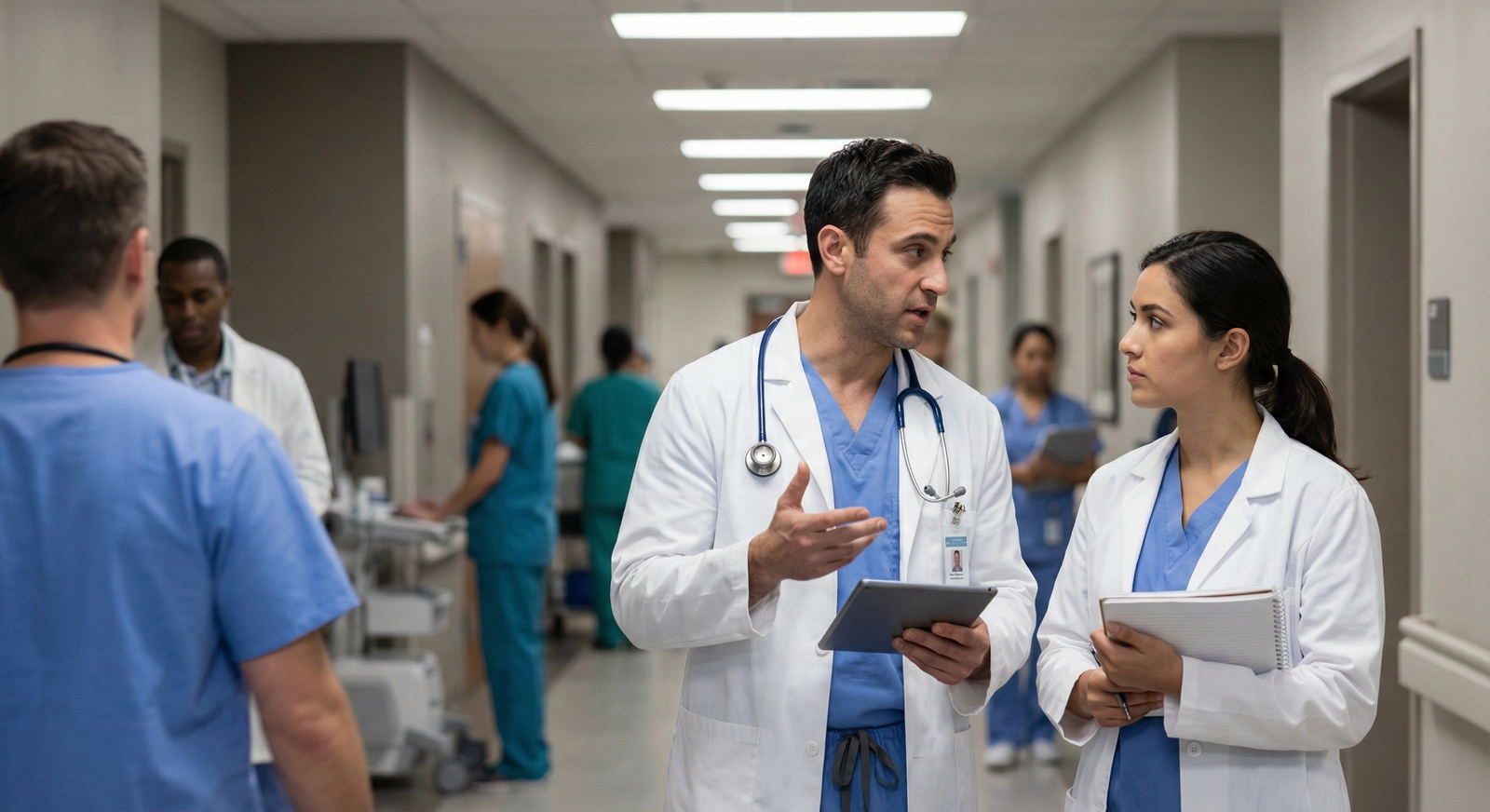
Physiatry is interdisciplinary and team-based by design—physicians constantly communicate with PTs, OTs, SLPs, psychologists, and surgeons. This culture tends to make the specialty approachable, especially compared to some highly hierarchical fields.
However:
- PM&R is small: fewer programs and fewer positions than big fields like IM, FM, or Pediatrics.
- Program directors (PDs) often know each other and share impressions of applicants.
- Because many US medical schools offer limited exposure to PM&R, word-of-mouth and personal recommendations from trusted mentors can strongly influence decisions.
For a US citizen IMG, this means:
- If a respected physiatrist emails a PD saying, “I strongly recommend this applicant,” it can significantly help your physiatry match prospects.
- A single strong US-based PM&R rotation with enthusiastic attendings who advocate for you can be more influential than multiple anonymous rotations elsewhere.
Where PM&R People Gather
As you plan your medical networking strategy, think in terms of ecosystems:
- National organizations
- Association of Academic Physiatrists (AAP)
- American Academy of Physical Medicine and Rehabilitation (AAPM&R)
- Subspecialty societies (e.g., spine, pain, sports, brain injury, spinal cord injury)
- Local and regional rehab conferences
- Residency program events (open houses, webinars, virtual meet-and-greets)
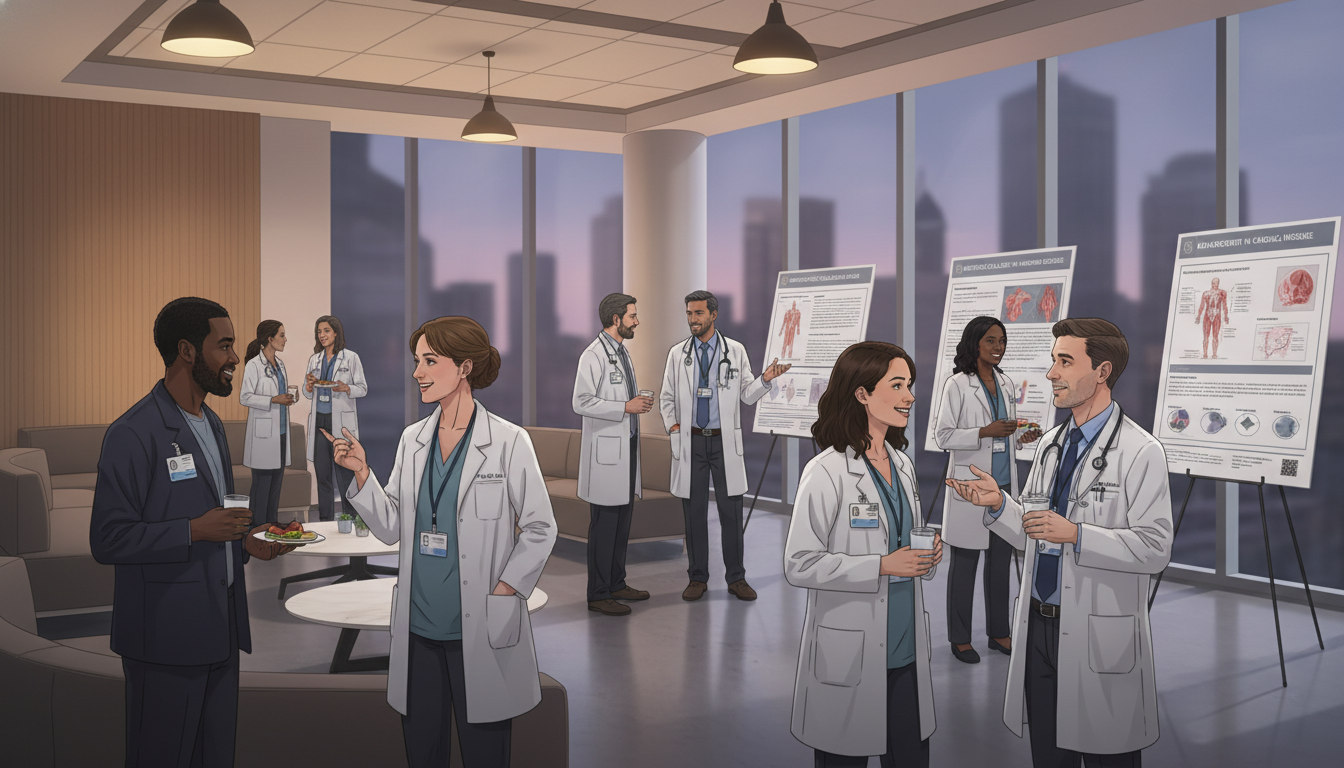
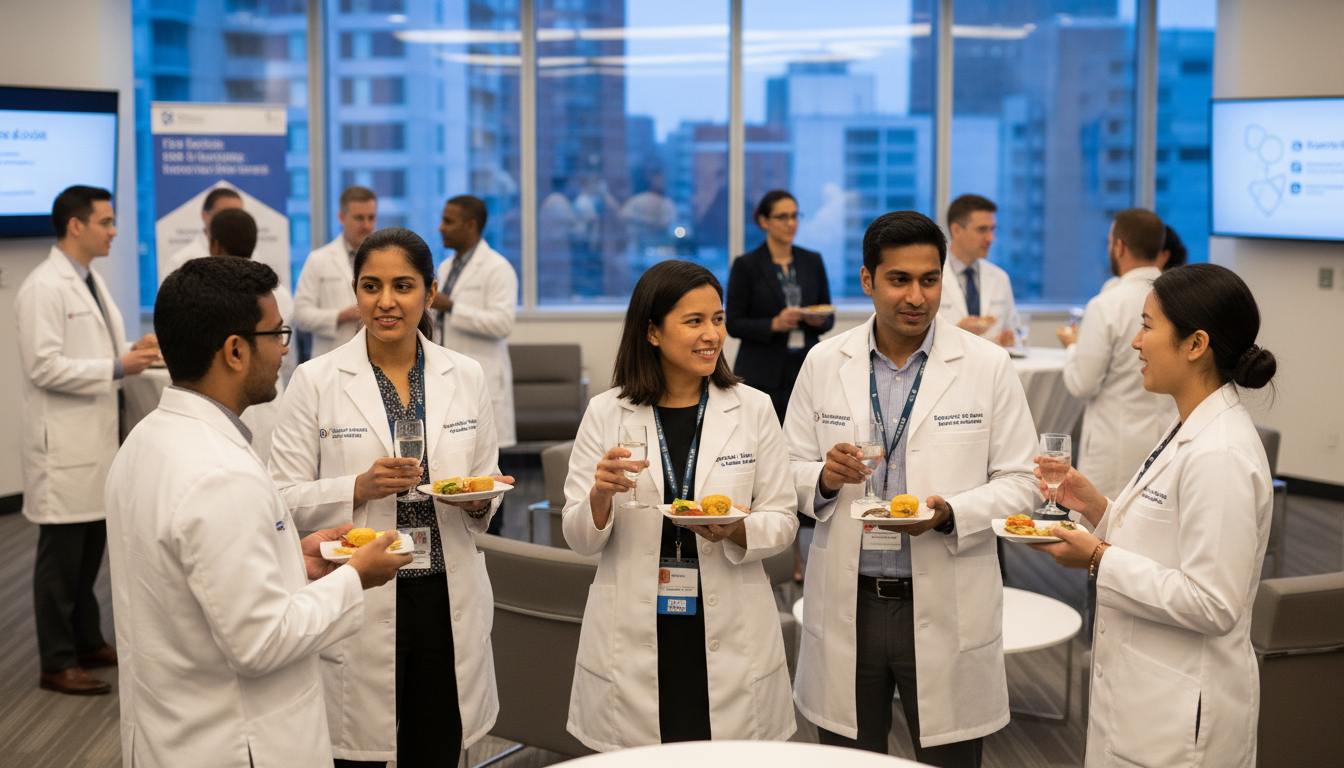
This is where networking in medicine for PM&R really happens—not just on Match day, but in the years leading up to it.
Building a Strong Foundation: Preparing to Network Effectively
Before you reach out to physiatry faculty or attend conferences, you need to prepare. Think of it as doing your homework so you can present yourself as a serious, informed future colleague, not just “someone asking for a favor.”
Step 1: Clarify Your PM&R Story
As an American studying abroad, you’ll commonly be asked:
- “Why PM&R?”
- “Why did you choose to study medicine outside the US?”
- “What are your long-term goals in physiatry?”
Prepare a crisp, authentic narrative that covers:
- Your path to PM&R
- A meaningful rehab rotation, sports injury, family member with disability, time spent in a rehab hospital, etc.
- How rehab aligns with your values
- Function, quality of life, longitudinal patient relationships, interdisciplinary care.
- Your long-term vision
- Academic physiatry, community-based rehab, interventional spine, brain injury rehab, sports medicine, etc.
You want people to remember you as:
“The US citizen IMG who’s really passionate about spinal cord injury rehab and has been doing research in that area.”
Not:
“Just another applicant who wants any residency spot.”
Step 2: Create Professional Profiles
Before serious medical networking, ensure your digital footprint supports you.
- Email: Use a professional email (e.g., firstname.lastname.md@gmail.com).
- LinkedIn:
- Headshot: Professional, neutral background, clear lighting.
- Headline: “US Citizen IMG | Aspiring Physiatrist (PM&R) | Medical Student at [School].”
- About: 3–5 sentences highlighting PM&R interests, activities, and goals.
- Doximity (if accessible): Basic profile can help programs find you.
- Twitter/X (optional but useful): Many physiatrists, especially academic ones, are active here.
- Follow: PM&R departments, faculty, AAPM&R, AAP, and residents.
- Keep posts clean, professional, and focused on learning, patient care (de-identified), and research.
Step 3: Build a PM&R-Focused CV
Your CV is not only for applications; it also guides mentors and networking contacts on how they can help you.
Include:
- Any rehab-related exposure (even if informal): shadowing, volunteering at rehab centers, community work with people with disabilities.
- Research or quality improvement projects—especially if PM&R-adjacent (neurology, orthopedics, rheumatology, sports, geriatrics, pain).
- Leadership or advocacy in disability, sports, or wellness organizations.
When a mentor sees a PM&R-relevant CV, it becomes easier for them to say:
“You’re already on the right track; I know someone at XYZ PM&R department you should email.”
High-Impact Networking Channels for US Citizen IMGs in PM&R
You don’t need to be everywhere; you need to be strategic. Focus on the channels below and approach each with a clear plan.
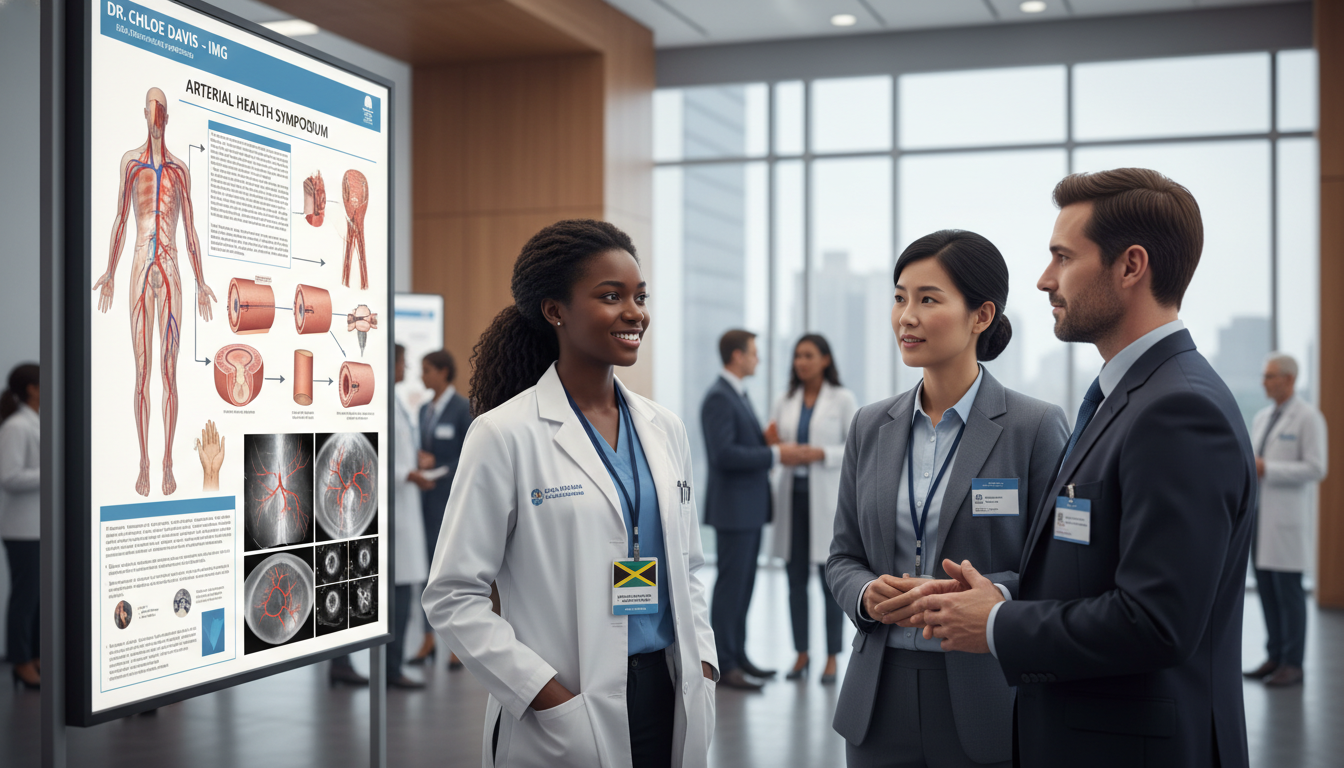
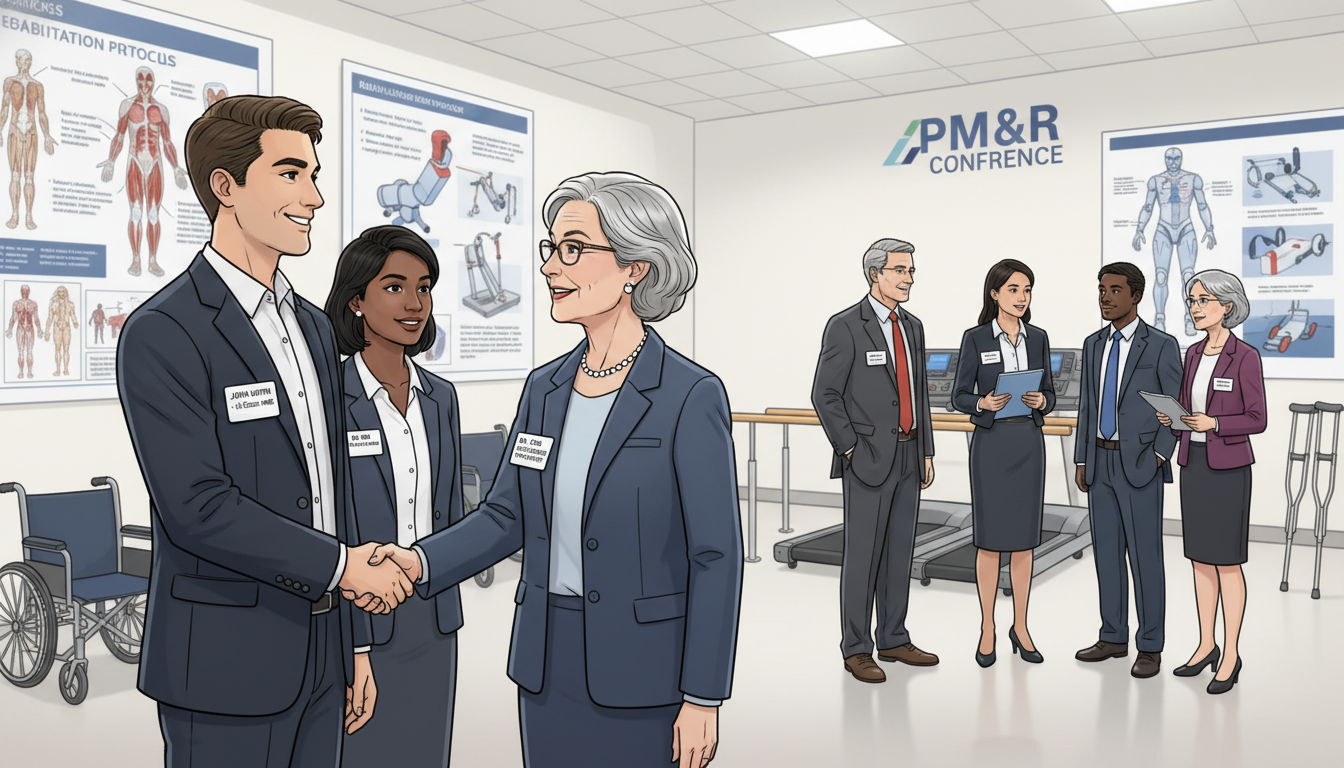
1. Conferences: The Heart of PM&R Networking
Key Conferences for Physiatry Match Preparation
- AAPM&R Annual Assembly
- Large, clinically oriented, strong for general networking in medicine and seeing the breadth of PM&R.
- AAMC, AAP Annual Meeting
- More academic and education-focused; strong for medical students interested in academic physiatry.
- Regional or state PM&R meetings
- Smaller, more intimate; easier to have longer conversations with attendings and residents.
If you can attend even one major PM&R meeting before applying, it can dramatically improve your medical networking reach.
How to Prepare for Conference Networking
- Register early and look for:
- Student registration discounts
- Travel scholarships or diversity scholarships (many societies offer them)
- Study the program:
- Highlight sessions led by PDs and key faculty at programs you’re interested in.
- Look for “student and resident” sessions, mentorship medicine events, and career panels.
- Set concrete goals, such as:
- Meet 3–5 faculty in your areas of interest.
- Introduce yourself to residents from at least 3 PM&R programs.
- Ask at least 1 person from each “target program” for permission to follow up by email.
What to Say at Conferences
You don’t need a script, but you do need a framework. For example:
Introduce yourself
- “Hi, my name is [Name]. I’m a US citizen IMG and a [3rd/4th]-year medical student at [School]. I’m really interested in PM&R, especially [sub-area].”
Show genuine interest
- “I saw your name on the session about [topic]. I’d love to hear how you got into that area of rehab.”
Connect to your goals
- “As an American studying abroad, I’m trying to understand how to best prepare for the physiatry match. Do you have any advice for US citizen IMG applicants?”
Close with a follow-up
- “Would it be alright if I emailed you after the conference with a couple of specific questions?”
Always ask permission to follow up, and if they agree, send an email within 3–7 days.
2. Virtual Events, Webinars, and Open Houses
Because many US citizen IMGs can’t easily fly to every event, virtual networking is crucial.
Types of Virtual Events to Prioritize
- Program-sponsored open houses
- Typically held in the months before ERAS submission.
- Great to understand a program’s culture and IMG-friendliness.
- National society webinars
- Topics like “Introduction to PM&R,” “Career Paths in Physiatry,” or “How to Match into PM&R.”
- Residency fair events
- Multiple programs participate; you can ask short questions and meet residents and PDs.
How to Stand Out Virtually (Without Overdoing It)
- Attend with your camera on if possible, in professional attire, neutral background.
- Ask thoughtful, concise questions in Q&A:
- “As a US citizen IMG, what aspects of my application can help demonstrate that I’m ready to train in a US PM&R residency?”
- “How does your program support residents interested in [subspecialty]?”
- Follow programs and their residents on social media for updates.
If a resident or faculty member stands out as particularly helpful or kind, email them a short note:
“Thank you for your insights during the [Program Name] open house. As a US citizen IMG interested in [specific area], your comments about [topic] were very helpful. May I reach out closer to application season with any further questions?”
3. Direct Email Outreach and Cold Networking
Reaching out directly can be intimidating, but when done respectfully it can be highly effective.
Who to Email
- PM&R faculty at:
- Institutions near your home in the US
- Hospitals or universities with PM&R programs you may want to rotate at or apply to
- US-based physiatrists who are:
- Alumni of your medical school (if any)
- From your geographic region or community
- Active in topics you care about (e.g., SCI, pain, sports, pediatrics)
Sample Email Structure (Adaptable Template)
Subject: US Citizen IMG Interested in PM&R – Request for Guidance
Dear Dr. [Last Name],
My name is [Name], and I am a US citizen medical student studying at [Medical School, Country]. I am currently in my [year] and have developed a strong interest in Physical Medicine & Rehabilitation, particularly in [specific area if applicable].
As an American studying abroad, I am working to better understand how to prepare for a PM&R residency in the US. I came across your work in [specific talk, paper, or program detail], and it resonated with my interests in [connection].
If you have 15–20 minutes available in the coming weeks, I would be very grateful for the chance to ask a few questions about:
- Preparing for the physiatry match as a US citizen IMG
- Building relevant experiences and skills for your field
- Any opportunities you might suggest for a student in my situation (e.g., observerships, remote research, electives)
I understand you have many demands on your time, and I appreciate any guidance you are able to offer. Thank you for considering my request.
Sincerely,
[Full Name]
US Citizen IMG, [Year]
[Medical School, Country]
[Email] | [LinkedIn link if appropriate]
Be prepared that not everyone will respond. That’s normal. A response rate of 20–40% is already a success.
4. Research and Scholarly Collaboration
Research is both an academic tool and a networking engine.
How Research Builds Relationships
- You work closely with attendings, fellows, and residents—these become natural mentors and advocates.
- Presenting at conferences gives you an organic reason to interact with leaders in PM&R.
- Research supervisors can write highly personalized letters of recommendation that highlight your persistence and intellectual curiosity.
Strategies for Finding PM&R-Related Research as a US Citizen IMG
- Look for remotely feasible projects:
- Chart reviews
- Systematic reviews or meta-analyses
- Survey-based research
- Use:
- Your home network in the US (family, friends, or former schools) to identify local hospitals with rehab departments.
- Email rehab faculty at academic centers with clear proposals:
- “I am very interested in inpatient stroke rehab outcomes and would be happy to assist on any ongoing projects that can be done remotely.”
Your goal is not necessarily first-author publications only; even co-authorships, posters, and abstracts linked to PM&R matter and generate natural talking points in interviews.
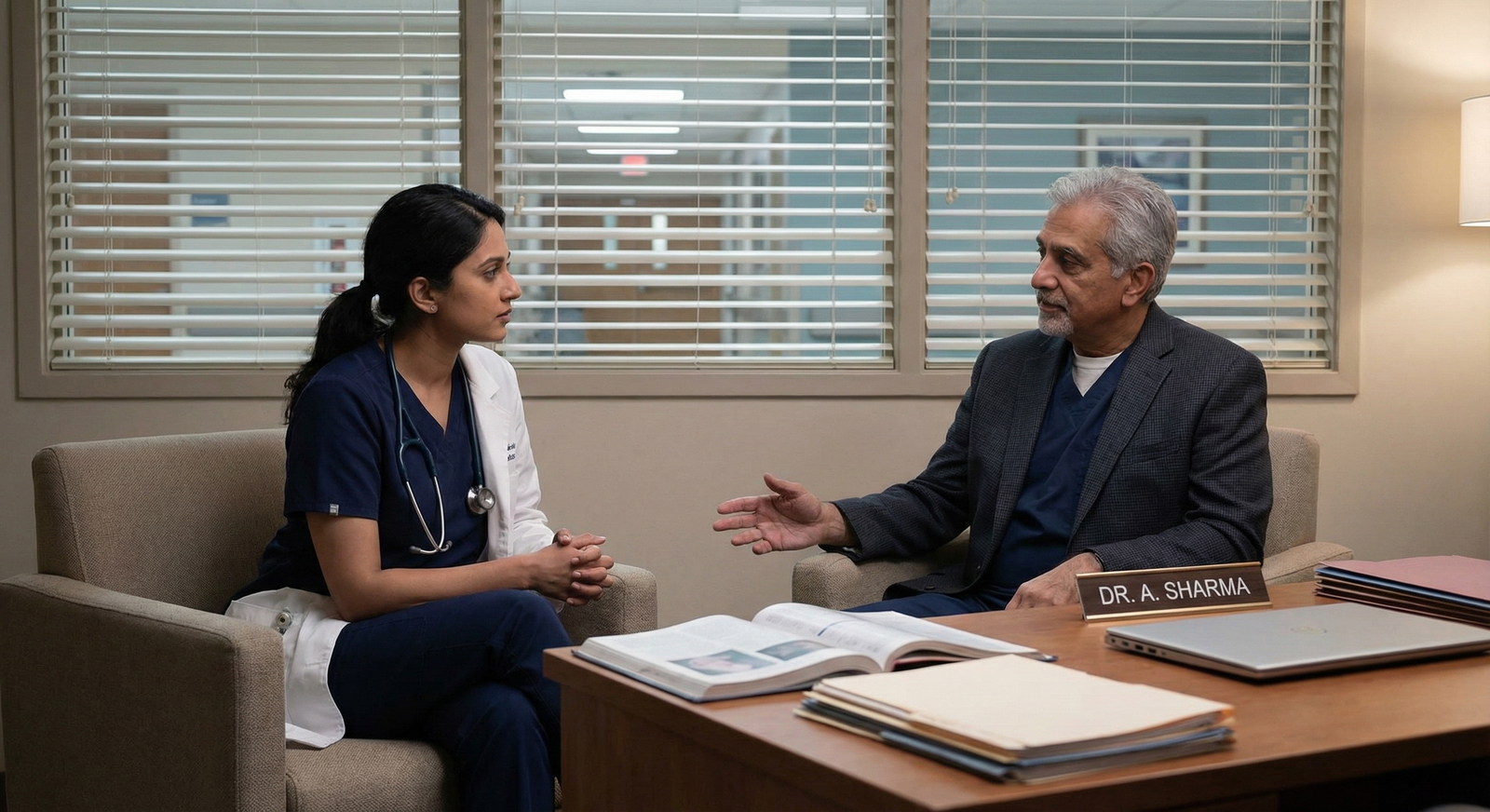
Mentorship in Medicine: Turning Contacts into Long-Term Allies
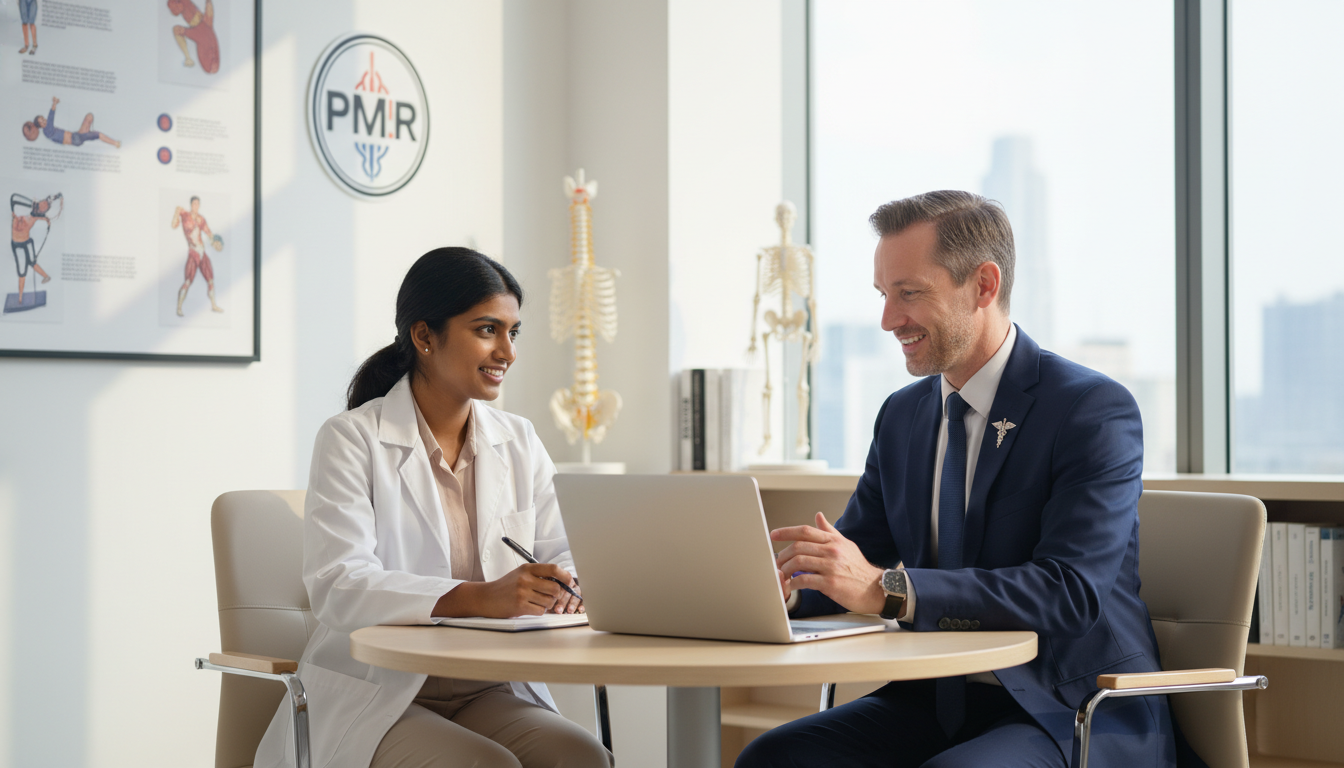
Networking without mentorship is shallow. For a strong physiatry match strategy, you need at least a few mentors who know you well over time.
Types of Mentors You Should Seek
Career mentors in PM&R
- Help clarify long-term direction and subspecialty interests.
- Often attendings or senior residents.
Application/match mentors
- Understand the logistics of applying as a US citizen IMG.
- Can advise on program list strategy, personal statement framing, and interview prep.
Peer mentors
- Residents or recent graduates who matched into PM&R, especially former IMGs or Americans studying abroad.
- Provide real-time, honest insight into how programs view US citizen IMGs.
How to Build and Sustain Mentorship Relationships
- Start with one or two mentors, then grow slowly as your needs evolve.
- At the end of a first meeting, ask:
- “Would you be open to my checking in every few months as I plan for PM&R and the match?”
- Make mentorship easy for them:
- Send a short agenda ahead of meetings.
- Follow up with brief summaries and action steps.
- Respect their time by being punctual and prepared.
How Mentorship Directly Helps Your PM&R Match
Mentors can:
- Suggest specific programs that are friendly to US citizen IMGs
- Connect you to additional contacts at target institutions
- Provide honest feedback on your competitiveness and realistic program list
- Make phone calls or send advocacy emails (if they feel strongly about you)
These behind-the-scenes actions are often what transform “borderline” applications into interview offers.
Practical Do’s and Don’ts of Networking in Medicine as a US Citizen IMG
Do’s
- Start early: Ideally in your 2nd or early 3rd year of medical school.
- Be specific: When you ask for help, define what you’re looking for (e.g., “feedback on my CV,” “guidance on away rotations,” “advice on research options”).
- Give updates: Email mentors when you achieve milestones:
- “I just presented our poster at AAPM&R; thank you again for your guidance.”
- Offer value where you can:
- Volunteer at conferences.
- Help with data collection or management in research projects.
- Share helpful resources or articles you find (sparingly and relevantly).
Don’ts
- Don’t only contact people when you need something immediately (like a letter with a one-week deadline).
- Don’t mass-email generic messages; personalize each outreach, referencing their work.
- Don’t oversell yourself; be honest about your step scores, school, and experiences.
- Don’t take non-responses personally; many doctors are overwhelmed. Move on, keep the door respectful.
Example: How Networking Can Change a PM&R Application Trajectory
Consider two US citizen IMGs with similar academic profiles:
- Student A applies cold to 80+ PM&R programs with no prior contact, no PM&R research, and no US-based letters from physiatrists.
- Student B:
- Did one US PM&R elective where attendings know them well.
- Attended AAPM&R, met residents and faculty at 3 programs, and followed up.
- Worked remotely on a rehab-related project, leading to a poster presentation.
- Has 2 mentors who email a few PDs highlighting them as a strong US citizen IMG candidate.
Even with identical USMLE scores and grades, Student B is far more likely to secure interviews and match into PM&R. That difference is networking and mentorship, not just “being lucky.”
FAQs: Networking in Medicine for US Citizen IMGs in PM&R
1. I’m an American studying abroad with limited money. What are the cheapest high-yield networking steps I can take?
- Prioritize:
- Virtual open houses and webinars (often free).
- Email outreach to US-based physiatrists in your area of interest.
- Building a solid online professional presence (LinkedIn, simple personal site or CV PDF).
- If you can afford one major conference, choose either AAPM&R or AAP and plan intensively to maximize contacts there (mentorship sessions, resident meet-ups, program events).
2. Do I really need PM&R-specific research to match as a US citizen IMG?
You don’t absolutely need PM&R-specific research to match, but it helps, especially as an IMG. High-yield options include:
- Projects in neurology, orthopedics, rheumatology, pain, or sports with clear rehab relevance.
- Systematic reviews in topics like stroke outcomes, chronic pain, SCI care, or musculoskeletal rehab.
Research is also a relationship-building tool—working closely with physiatrists helps them get to know you well enough to advocate for you.
3. How can I tell if a PM&R program is friendly to US citizen IMGs?
- Check their current and recent residents:
- Do they include IMGs or US citizen IMGs?
- Ask politely during open houses or one-on-one discussions:
- “Do you consider US citizen IMG applicants, and if so, what helps them stand out positively?”
- Talk to current or recent residents (preferably IMGs) via email or LinkedIn and ask about:
- Their experience in the program
- How supportive faculty are regarding mentorship medicine and career development
Programs with a consistent history of IMGs are typically more comfortable evaluating and supporting IMG applicants.
4. What should I do if a mentor or contact stops replying? Did I do something wrong?
Not necessarily. Physicians are often overwhelmed, especially during clinical or academic peaks. You can:
- Wait 2–3 weeks and send a polite follow-up:
- “I know you’re very busy; just wanted to kindly follow up on my previous email.”
- If there’s still no reply, gracefully move on. Maintain professionalism, don’t vent publicly, and keep building other relationships.
- Diversify your mentorship: rely on more than one mentor, so a single unresponsive contact doesn’t derail your progress.
Networking in medicine as a US citizen IMG in PM&R is not about being extroverted or “knowing the right people from birth.” It’s about intentional, respectful, and consistent relationship-building over time. If you integrate conference networking, mentorship medicine, and thoughtful outreach into your journey, you can transform your position from an under-recognized American studying abroad to a well-known, well-supported PM&R applicant that programs are genuinely excited to train.