Understanding Networking in Medicine as a US Citizen IMG in Global Health
If you are a US citizen IMG (American studying abroad) with an interest in global health, networking in medicine is not optional—it is your lifeline. You are building your career from a non‑traditional starting point, often without the built‑in advantage of a US medical school alumni network. Effective medical networking is how you:
- Get plugged into global health residency tracks
- Find mentors in international medicine
- Secure research and global electives that distinguish your application
- Learn about unadvertised positions, away rotations, and funded field projects
This article focuses specifically on networking in medicine for a US citizen IMG who wants to build a career in global health. You will learn where to find people, how to build credible relationships, and how to leverage those relationships for residency in the US—especially in programs that value global health and health equity.
The Networking Landscape for US Citizen IMGs in Global Health
Why networking is different for American students studying abroad
As a US citizen IMG:
- You likely lack a large built‑in US alumni pipeline
- Your school may not have formal links to US residency programs
- Program directors may know less about your institution’s rigor and reputation
- You might have fewer opportunities for in‑person conference networking in the US
At the same time, you have unique strengths that are highly relevant to global health residency tracks and international medicine:
- Lived experience training in a different health system
- Often more hands‑on clinical exposure earlier in training
- Cultural flexibility and adaptability
- Sometimes more exposure to resource‑limited settings
Effective networking helps you translate these strengths into concrete opportunities.
The three layers of your medical network
Think about your network in three layers:
Inner Circle (5–15 people)
Close mentors, supervisors, and peers who know your work well.- Attendings who can write strong letters
- Research supervisors
- Global health faculty at home or in the US
- A few reliable, driven peers
Active Network (30–100 people)
People who know who you are and what you want to do.- Residents and fellows you’ve worked with
- Conference contacts you followed up with
- Program coordinators you’ve had substantial email exchanges with
- NGO/field project leaders you’ve contributed work for
Extended Network (100+ people)
Looser connections—mutual contacts, people you’ve met briefly, folks you interact with occasionally online.- LinkedIn and Twitter/X connections
- People you met at a conference but haven’t worked with
- Former classmates spread across different systems
Your goal is to steadily expand each layer while moving selected people from “extended” → “active” → “inner circle” through consistent, meaningful contact.
Core Networking Strategies Tailored to Global Health–Focused US IMGs
1. Build a clear story about who you are
Before you can network effectively, you need a concise narrative. People remember stories more than CVs.
Craft a 30–45 second “professional intro” that highlights:
- You are a US citizen IMG and where you study
- Your specific interest in global health (e.g., HIV care, refugee health, maternal mortality, health systems strengthening)
- Any real experiences you’ve had in international medicine so far
- Your current goals (e.g., “I’m seeking global health‑oriented internal medicine residency programs with a structured global health residency track.”)
Example introduction:
“I’m a US citizen studying medicine in Poland, currently in my fifth year. I’m especially interested in global health, specifically primary care and health systems in low‑resource settings. I’ve worked on a small project looking at continuity of care in migrant clinics. I’m hoping to match into an internal medicine program in the US with a strong global health residency track and protected time for fieldwork and research.”
Refine this, memorize it, and adapt it slightly depending on audience (faculty, residents, NGO people, program leadership).
2. Structure your networking around your goals
Your broad goal might be “get into a US residency that values global health,” but that’s not specific enough for daily action. Translate into concrete targets like:
- Identify 15–20 US programs with global health tracks aligned with my interests
- Make personal contact (email, Zoom, or conference meeting) with at least one faculty or resident in global health at each target program
- Participate in at least one major global health conference and one US specialty conference before applying
- Obtain two letters of recommendation from mentors known in US/global health circles
Once your goals are specific, networking stops feeling random and starts feeling like a strategy.
3. Use “proximity networking” where you are now
Even if you’re training abroad in a smaller or lesser‑known school, you are rarely as isolated as you think.
On‑site opportunities:
Local faculty with international connections:
Ask: “Do any of you have collaborations with US institutions, global health NGOs, or international research teams?”- Offer to help with data collection, literature reviews, or project coordination.
- Ask politely to join research meetings as a listener if allowed.
Visiting faculty or lecturers:
Visiting professors often have active ties to US or UK institutions and global projects.- Introduce yourself immediately after a talk.
- Use your prepared intro, then: “I’m very interested in your work on [topic]. Are there any opportunities for a student like me to get involved remotely, even in a small way?”
Your peers:
Many American students studying abroad underestimate their own classmates as networking assets.- Some peers will rotate in the US or their home countries and can share contacts.
- Maintain a simple shared document for “who rotated where, with what attendings.”
Remote proximity networking:
If your school has limited global connections, build them yourself:
Ask your dean’s office if there are any alumni in US residency—especially in programs with international medicine interests. Even one or two alumni is a starting seed.
Join email lists or WhatsApp groups for global health or international student organizations. These often have informal calls for volunteers, grants, and research projects.
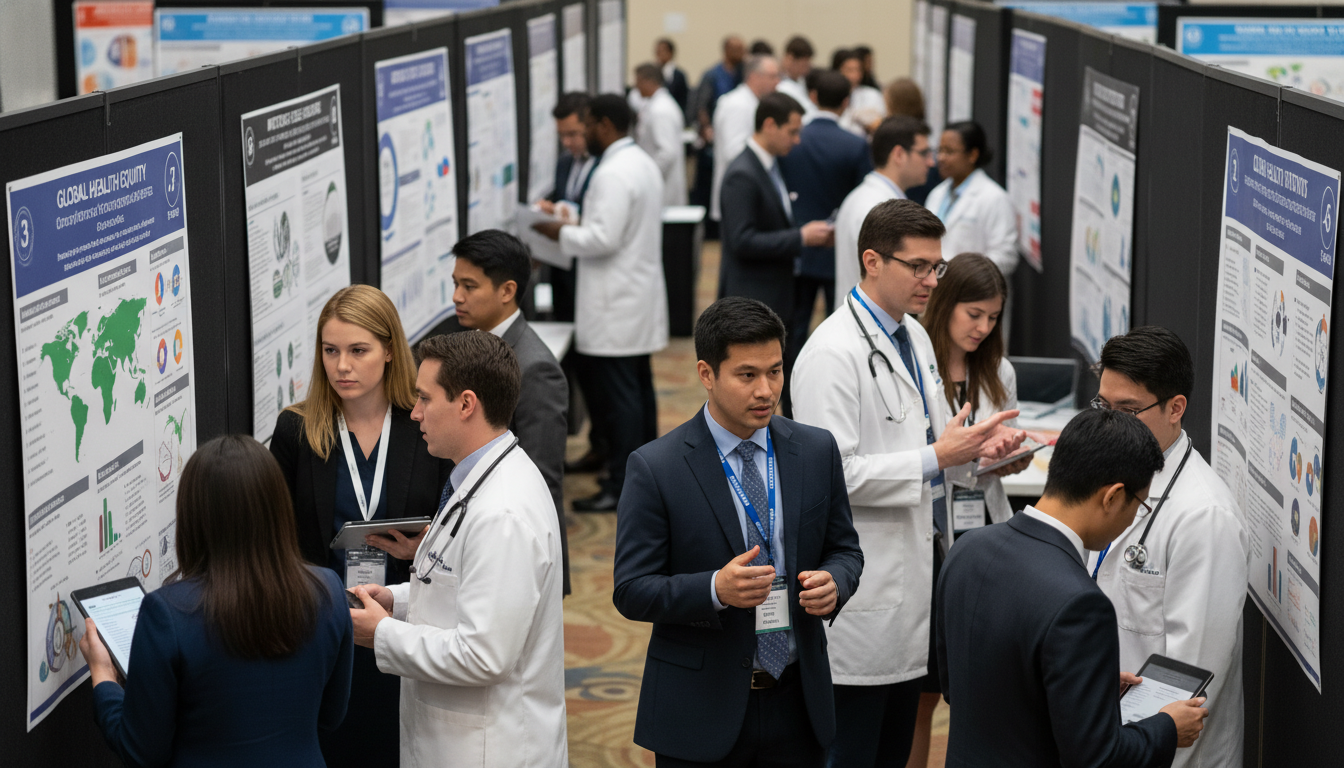
4. Use conferences strategically, not passively
Conference networking is one of the highest‑yield actions for US citizen IMGs interested in global health.
Relevant categories:
Global health–specific conferences
- Consortium of Universities for Global Health (CUGH)
- American Society of Tropical Medicine and Hygiene (ASTMH)
- Global health tracks within specialty conferences (e.g., global emergency medicine, global psychiatry, global surgery)
US specialty conferences with global health content
- American College of Physicians (ACP) with global sessions
- Society of General Internal Medicine (SGIM) global health interest groups
- Pediatric, OB/Gyn, EM, or Family Medicine conferences with global tracks
How to approach conference networking
Before the conference:
Study the program and identify:
- Speakers working in your interest areas
- Panels on global health residency tracks, international medicine training, or mentorship medicine
- Poster sessions run by residents from programs you are targeting
Email 5–10 people in advance, something like:
“Dear Dr. Smith,
I’m a US citizen IMG studying in Ireland with an interest in global health and health systems in East Africa. I see you’re speaking at CUGH on decentralized HIV care models. I’ll be attending and would love to briefly introduce myself and ask one or two questions about career planning in global health internal medicine, if you have 10 minutes during the conference.
Thank you for considering,
[Name], [School], [Graduation Year]”
Even one or two such pre‑planned meetings can transform your experience.
During the conference:
Ask good questions after talks—then introduce yourself to the speaker later:
- “I appreciated your point about sustainability of short‑term missions. I’m training abroad and plan to apply to US residencies with global health tracks. What should I prioritize in my next 1–2 years to build a strong foundation?”
Network laterally, not just up:
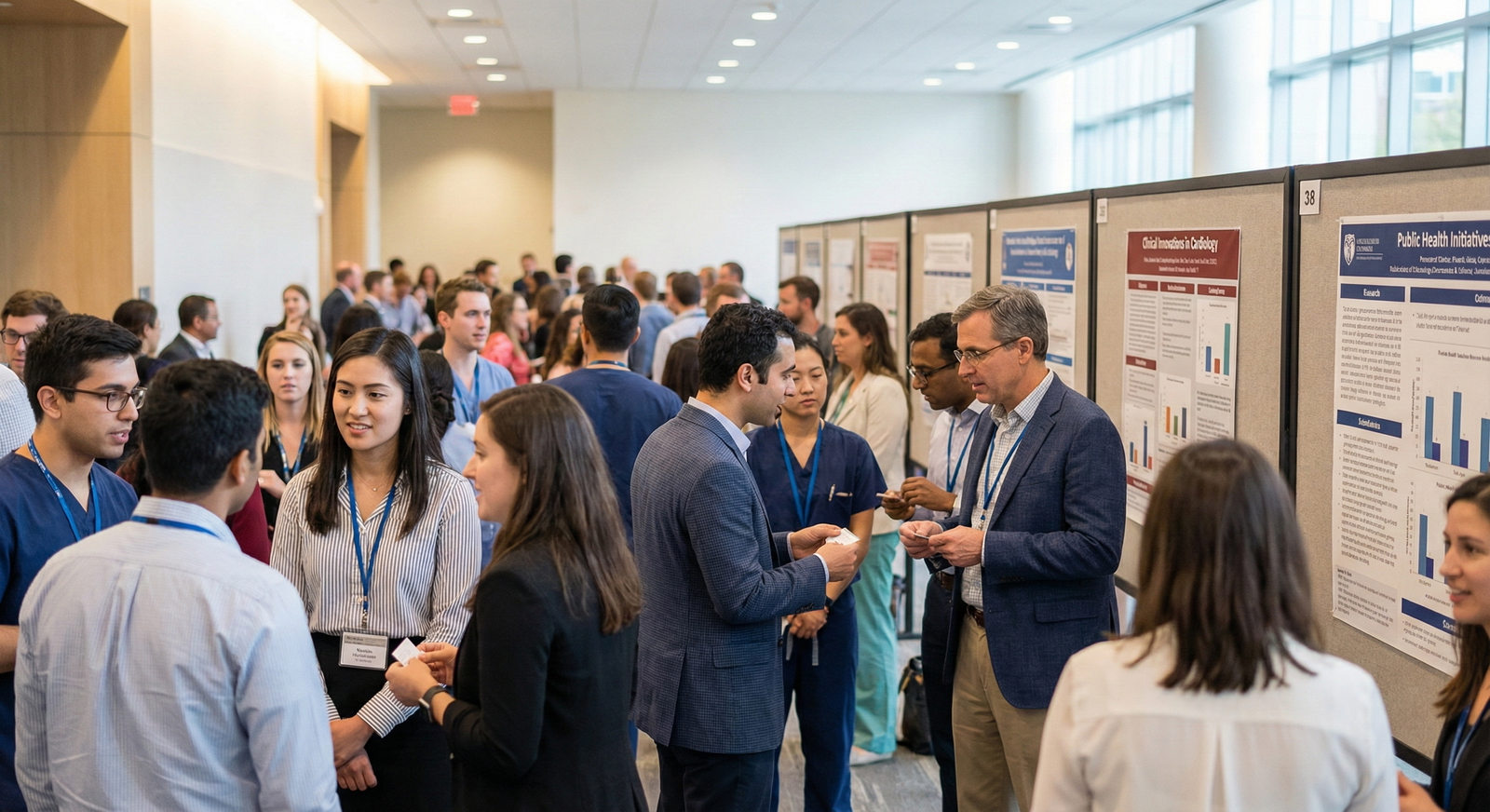
- Talk to residents and fellows at global health booths or poster sessions.
- Ask what their path looked like and which programs genuinely support global work.
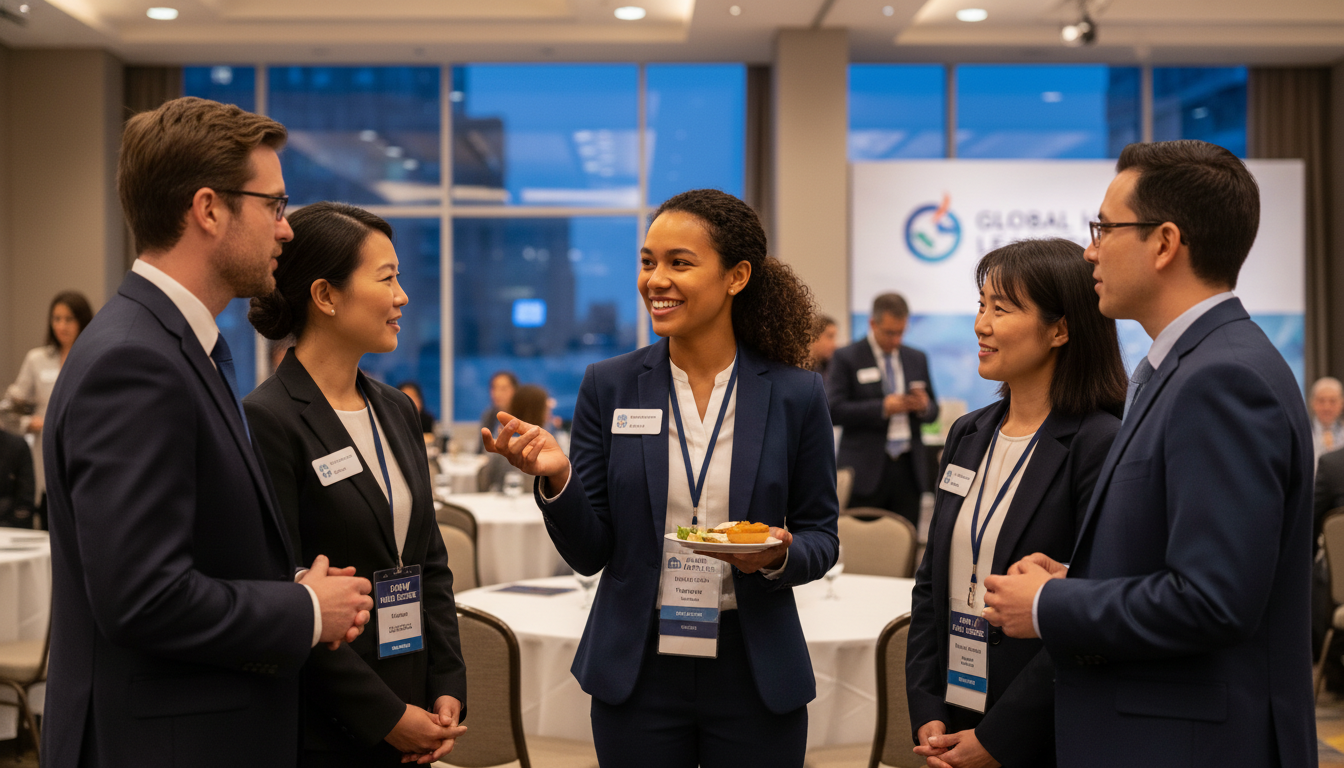
Collect cards / connect on LinkedIn on the spot, before you walk away.
After the conference:
- Within 48–72 hours, send tailored follow‑up emails:
- Reference something specific you discussed
- Express concrete next steps (e.g., sending a CV, asking for reading recommendations, inquiring about elective opportunities)
- Don’t immediately ask for a letter of recommendation—build the relationship first
This kind of deliberate conference networking can generate mentors, research collaborations, and powerful program‑level advocates.
Finding and Developing Mentorship in Medicine for Global Health
Types of mentors you need
For a US citizen IMG in global health, you should aim for at least three categories of mentorship medicine:
Content mentor (Global Health/International Medicine)
- Expertise in the global health area you care about (e.g., TB, maternal health, refugee care)
- Helps you choose meaningful projects, avoid “voluntourism,” and think long term
Process mentor (Residency & US system navigation)
- Familiar with US residency selection, especially for IMGs
- Can advise on ERAS strategy, program list, away electives, and US clinical experience
Near‑peer mentor (Resident/Fellow)
- Ideally in a global health residency track or with active international medicine work
- Knows the current reality of training and can offer granular, practical advice
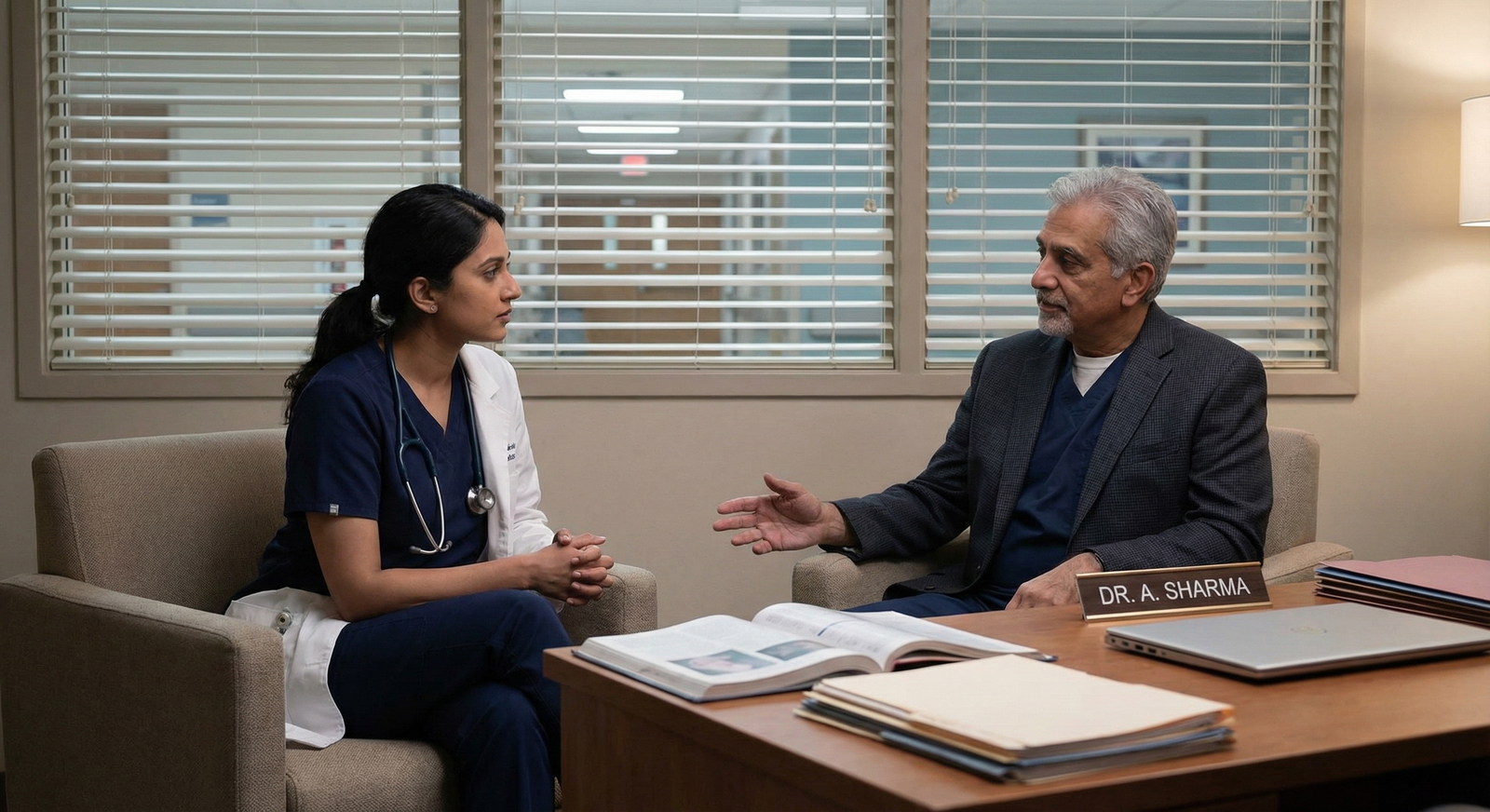
How to approach potential mentors
When you find someone you’d like as a mentor:
Start with a small ask.
- “Could I schedule 20 minutes for advice on how to structure my upcoming year to be more competitive for global health–oriented internal medicine programs?”
Be specific and prepared.
- Send a brief CV and 1–2 paragraph summary of your interests and current situation before the call.
- Come with targeted questions, not “tell me what to do with my life.”
Show you can execute.
- If they suggest reading something or contacting someone, actually do it—and follow up with a short update.
- This converts a one‑off conversation into an ongoing mentoring relationship.
Give something back when possible.
You may feel you have nothing to offer, but you can:- Help with literature reviews or database work
- Assist on abstracts or posters
- Volunteer for administrative tasks in a global health project
Mentors invest in students who demonstrate reliability, initiative, and follow‑through.
Turning mentorship into advocacy
In residency applications, mentors often become your:
- Letter writers
- Informal advocates who email program directors
- Connectors to global health faculty at other institutions
To reach that level:
Keep in touch regularly (e.g., every 2–3 months) with short, focused updates:
- “I completed X project, submitted Y abstract, and plan to apply to Z programs. Does this list align with your sense of where I’d be a good fit?”
Share your draft personal statement and CV early enough for them to provide feedback.
When the time is right, explicitly ask:
- “Would you feel comfortable writing a strong, detailed letter of recommendation for my applications to global health–interested internal medicine programs?”
Leveraging Digital Platforms and Remote Opportunities
Professional social media for global health networking
You don’t need to be a social media star, but selective use of online platforms expands your reach.
LinkedIn:
Create a clear, professional headline:
- “US citizen IMG | Interested in Global Health & Health Systems | Aspiring Internal Medicine Resident”
Add 4–6 bullet points in your About section:
- Current medical school and graduation year
- Global health interests (regions, topics)
- Any projects, languages, or certifications (e.g., tropical medicine courses)
- Statement of your short‑term goals (US residency, global health track)
Connect with:
- Faculty you meet
- Residents and fellows on global health tracks
- Alumni from your school in US training
Send short, tailored connection notes:
“Thank you again for your advice at the CUGH conference. I’m a US citizen IMG in [Country] interested in [topic]. I’d love to stay connected here on LinkedIn.”
Twitter/X and similar platforms:
Follow:
- Global health departments at major academic centers
- Leaders in your specific content area
- Organizations (CDC, WHO departments, MSF, Partners In Health, etc.)
Engage occasionally:
- Retweet (with a brief comment) key publications or insights
- Ask brief, thoughtful questions—not demands for personal help
Just a few visible, polite engagements can warm up future email outreach.
Remote research and global projects
As an American studying abroad, you may be geographically far from US institutions, but remote work in global health is increasingly common:
- Data analysis projects using existing datasets
- Literature reviews for guideline or curriculum development
- Remote coordination of field studies in partnership with local teams
- Virtual educational initiatives for trainees in low‑resource settings
Approach potential supervisors with:
- A short summary of your skills (e.g., basic statistics, Excel, R, or NVivo skills)
- A realistic description of your time availability
- A genuine interest in their specific field, not generic “any project will do”
These projects can result in:
- Co‑authored abstracts or papers
- Invitations to present at conferences
- Stronger credibility when applying to global health residency tracks

Applying Networking to Residency: From Connections to Outcomes
Identifying global health–friendly residency programs
Not every program that says “global health” is equally serious. Use your network and research to find programs that actually support global work.
Look for:
Formal global health residency tracks with:
- Defined curriculum
- Protected time for international or domestic underserved rotations
- Mentored research or field projects
Evidence of productivity:
- Graduates in global health fellowships, NGOs, or academic posts
- Regular publications or conference presentations in international medicine
Resident testimonies:
- Talk to current or recent residents—your network can help introduce you.
As a US citizen IMG, prioritize programs that:
- Have a track record of interviewing or matching IMGs
- Explicitly value diversity, non‑traditional paths, or global exposure
- Allow or encourage away electives at partner sites abroad or in underserved US communities
Turning contacts into interviews
When you’re closer to application season:
Re‑engage your network intentionally:
- Let mentors and key contacts know your application timeline and specialty choice.
- Share your program list and ask if they know anyone at those institutions.
Ask for warm introductions where appropriate:
- A short email from a respected global health mentor to a program director can elevate your application from “random IMG” to “known quantity recommended by X.”
Use your story strategically in ERAS and interviews:
- Frame your status as a US citizen IMG as an asset: cross‑cultural training, adaptability, and firsthand exposure to different health systems.
- Emphasize concrete actions you took in global health (projects, research, language training, advocacy) rather than vague interest.
During interviews:
- Ask detailed questions about global health residency track resources, not just “Do you have global health?”:
- “How many residents participate yearly?”
- “What percentage get protected time?”
- “Are projects primarily short‑term trips or longitudinal partnerships?”
- Ask detailed questions about global health residency track resources, not just “Do you have global health?”:
These questions signal maturity and genuine engagement, shaped by your networking experiences and mentorship.
Maintaining your network during residency
Networking does not end when you match. In fact, this is when the groundwork you’ve laid can really accelerate your career:
Stay in touch with your pre‑residency mentors—send an update once or twice a year.
Plug into your residency’s global health and international medicine communities quickly:
- Join the global health interest group
- Attend relevant meetings, even if just as an observer at first
- Volunteer for small roles (e.g., help coordinate a seminar)
Start mentoring others, including current students and younger US citizen IMGs.
This strengthens your own network and deepens your reputation in mentorship medicine.
FAQs: Networking in Medicine for US Citizen IMGs in Global Health
1. I feel behind because I’m an IMG. Is it too late to start networking?
No. You can start effective networking at any stage—pre‑clinical, clinical, or even during a research year. The key is to:
- Clarify your global health interests
- Identify at least one potential mentor in global health and one in residency navigation
- Take small, consistent steps (one email, one meeting, one conference session at a time)
Even one strong mentor can significantly shift your trajectory.
2. What if my school has almost no connection to US residencies or global health?
You can still:
- Use international conferences (in‑person or virtual) as your primary networking hub
- Cold‑email global health faculty at US institutions with:
- A brief, specific introduction
- A targeted question or small request (advice or potential remote project involvement)
- Leverage online platforms (LinkedIn, professional groups, Twitter/X) to identify and follow global health leaders, programs, and opportunities
Many global health careers start from exactly this kind of self‑built network.
3. How pushy is too pushy when following up with mentors or contacts?
As a rule of thumb:
- Wait about 7–10 days after an unanswered email before sending a short, polite follow‑up.
- After a second unanswered follow‑up, assume they are too busy or not the right contact and move on.
- Keep messages brief, respectful, and focused on one or two clear questions or requests.
Most academic physicians are busy but generally supportive of motivated students—polite persistence is acceptable; repeated long emails are not.
4. Should I focus my networking entirely on global health, or also on general clinical fields?
Do both, but in proportion to your goals:
Your primary clinical specialty (Internal Medicine, Pediatrics, Family Medicine, EM, etc.) will define your residency match. Networking with people in that specialty—regardless of global health focus—is essential.
Your global health/international medicine network guides your trajectory within and beyond residency and helps you find global health residency tracks, scholarly projects, and long‑term field opportunities.
A balanced approach: secure your clinical foundation while steadily building global health–specific connections that align with your long‑term vision.