Why Networking Matters So Much for Caribbean IMGs in Pathology
For a Caribbean international medical graduate (IMG) pursuing pathology, networking in medicine is not optional—it is strategic survival. Program directors consistently report that beyond scores and transcripts, they rely heavily on trusted recommendations, personal impressions, and informal channels when selecting candidates for pathology residency.
As a Caribbean IMG, you may face additional barriers: less name recognition of your school, fewer built-in academic connections, and physical distance from U.S. training centers. But you also have unique advantages: resilience, adaptability, diverse clinical exposure, and often a strong work ethic honed in challenging systems.
Effective medical networking helps you:
- Transform your Caribbean medical school residency prospects from “unknown applicant” to “known quantity”
- Turn short rotations and observerships into SGU residency match-style success stories
- Secure strong letters of recommendation from U.S. pathologists
- Learn about “hidden” pathology residency opportunities and program cultures
- Identify mentors and sponsors who will advocate for you in the pathology match
- Build a long-term professional identity in pathology—from medical student to resident, and ultimately to attending
This article will walk you through a step-by-step, practical networking strategy tailored specifically to Caribbean IMGs aiming for pathology, with actionable tactics you can start using today.
Foundation First: Understanding the Pathology Landscape for Caribbean IMGs
Before you network, you need a clear picture of the terrain you’re entering. Networking is far more effective when you can speak the language of the specialty and understand what matters to people in it.
How Pathology Residency Evaluates Caribbean IMGs
Pathology is relatively IMG-friendly compared to some other specialties, but standards remain high. Programs typically weigh:
- USMLE/COMLEX scores (still important, even in a more holistic environment)
- U.S. clinical or pathology observership/externship experience
- Letters of recommendation from U.S.-based pathologists
- Evidence of genuine interest in pathology (electives, research, conferences)
- Communication skills and professionalism
- Fit with the program’s culture and needs
This is exactly where medical networking becomes your leverage: it generates evidence of interest, access to opportunities, and trusted voices who can vouch for you.
Common Networking Challenges for Caribbean IMGs
You may recognize some of these:
- No home pathology residency program to plug into
- Limited faculty who are known in U.S. academic circles
- Living outside the U.S. while trying to network with U.S.-based pathologists
- Visa concerns that make programs more cautious
- Less familiarity with unspoken norms of U.S. medical networking
Acknowledging these barriers helps you target networking efforts more intelligently instead of trying to copy the strategies of U.S. MD students with very different starting points.

Strategic Networking Channels: Where and How to Connect in Pathology
Networking is not “talking to as many people as possible.” For a Caribbean IMG, it is choosing high-yield touchpoints and being deliberate about how you show up.
Below are the main channels you should prioritize, with specific tactics tailored to your situation.
1. Rotations, Observerships, and Electives in Pathology
If you can secure even a 4–8 week U.S.-based pathology experience, that is your networking gold mine.
Goals of an observership/elective:
- Earn at least one strong letter of recommendation from a pathologist
- Demonstrate reliability, curiosity, and professionalism daily
- Learn the culture of U.S. labs and tumor boards
- Build at least 2–3 relationships you can maintain long-term
Networking actions during a rotation:
- Day 1–3:
- Introduce yourself clearly and briefly to everyone—faculty, residents, PAs, histotechnologists.
- Share your goals: “I’m a Caribbean IMG very interested in pathology residency and would be grateful for any guidance on getting there.”
- Daily behavior that builds your reputation:
- Arrive early, stay slightly late.
- Read about cases you see; ask 1–2 thoughtful questions each day.
- Offer help with simple tasks (case pull, slide filing, preparing presentations).
- Mid-rotation check-in:
- Ask your supervising pathologist: “I hope I’m meeting expectations. Are there ways I can improve or contribute more?”
- This shows maturity and invites mentorship.
- End-of-rotation ask (letters & future help):
- If you’ve worked closely and received positive feedback, say:
“I plan to apply for pathology residency next year as a Caribbean IMG. If you feel you know my work well enough, I’d be honored if you might consider writing a letter of recommendation and possibly advising me on my application strategy.”
- If you’ve worked closely and received positive feedback, say:
Even if the answer is “not yet,” you’ve signaled seriousness and opened the door for future contact.
2. Conference Networking: Making Meetings Work for You
Pathology is a specialty where conferences and societies carry enormous networking weight. Key organizations include:
- United States & Canadian Academy of Pathology (USCAP)
- College of American Pathologists (CAP)
- American Society for Clinical Pathology (ASCP)
- Subspecialty groups (e.g., hematopathology, cytopathology, neuropathology)
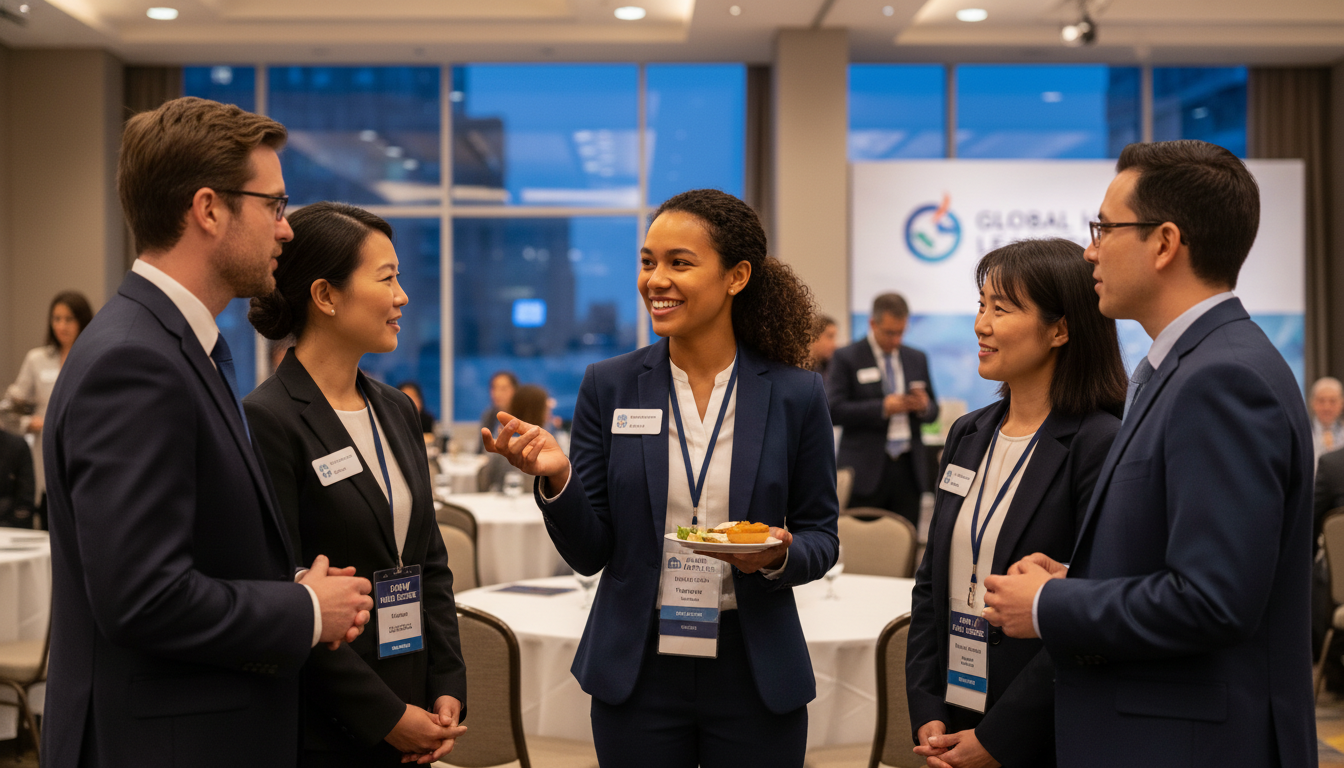
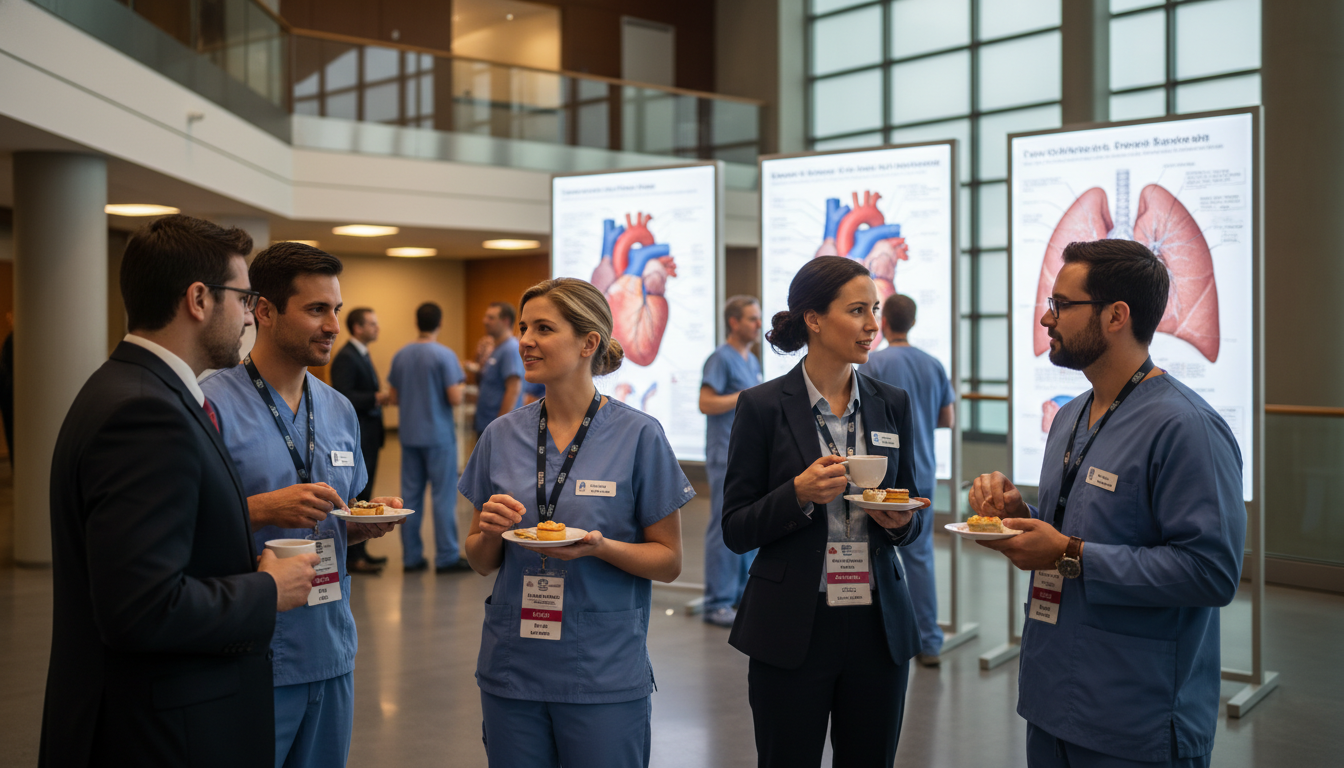
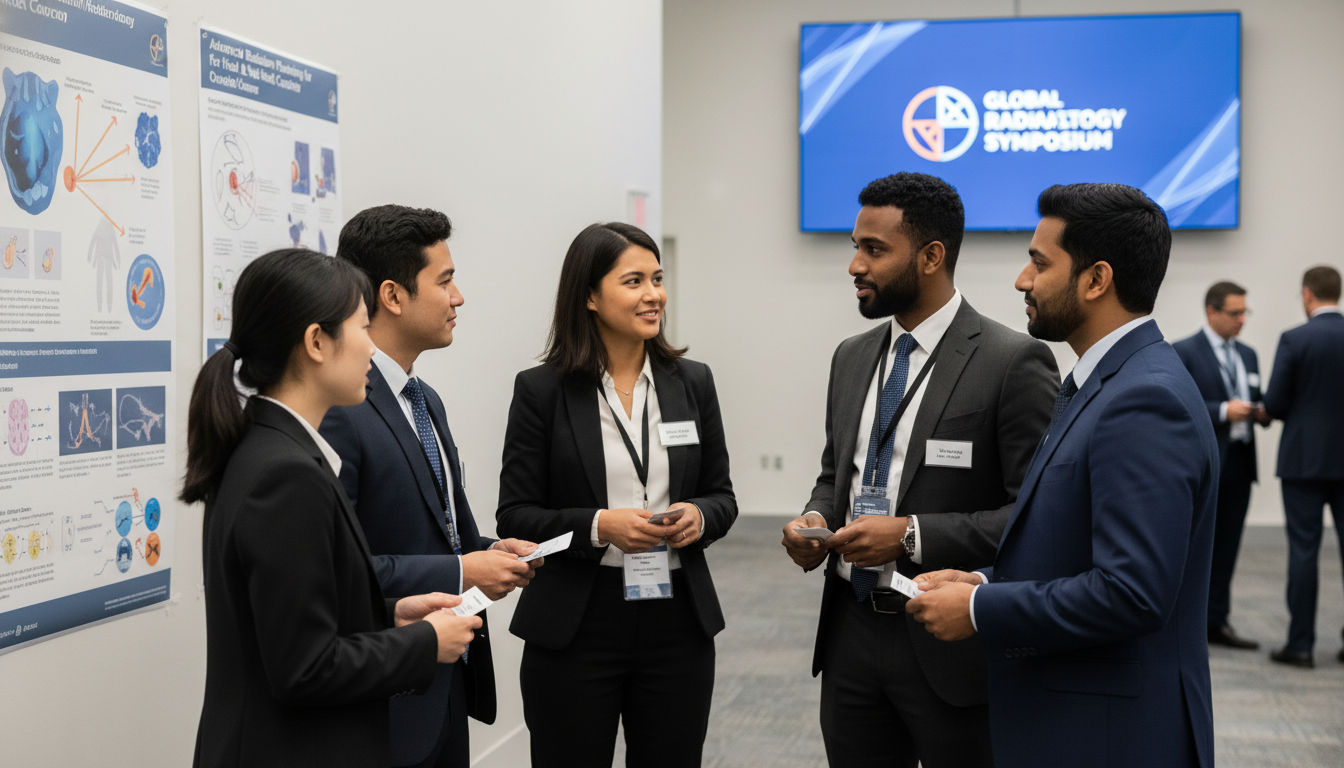
Conferences are high-density medical networking environments: dozens of program directors, faculty, fellows, and residents in one place.
Before the conference:
- Identify specific sessions and poster sessions focused on education, residency, or training.
- Search the program for:
- Program directors of pathology residencies you might apply to
- Faculty at institutions where you’ve rotated or hope to rotate
- Caribbean IMG or international-focused sessions or interest groups
- Prepare:
- A brief 15–30 second “intro pitch” (who you are, that you’re a Caribbean IMG, your interest in pathology)
- A concise CV or one-page resume accessible on your phone or as a file you can send via email afterward
- 1–2 intelligent questions or talking points for people you most want to meet
During the conference:
- Attend trainee and career-development sessions; they’re built for networking.
- Go to poster sessions in your area of interest and ask presenters:
“How did you get involved in this project? Any advice for someone just starting in pathology research as an IMG?” - When you introduce yourself to faculty or residents:
- “I’m [Name], a Caribbean IMG currently at [School], planning to apply for pathology. I’m very interested in [specific area, e.g., hematopathology or general surgical pathology]. I’d love any guidance you might have for someone with my background.”
After the conference (where most people fail):
- Within 48–72 hours, send short, specific follow-up emails:
- Remind them where you met.
- Mention one thing you learned from them.
- Ask one small, easy-to-answer question or express interest in staying in touch.
This is where conference networking becomes sustainable relationship-building, not just a series of handshakes.
3. Digital Networking: LinkedIn, Email, and Social Media
When you are in the Caribbean and pathologists are in U.S. labs, digital platforms become essential.
LinkedIn for Pathology
- Create a professional profile:
- Clear headshot in business attire
- Headline: “Caribbean IMG aspiring Pathology Resident | Interested in [subspecialty if any]”
- Summary: 2–3 paragraphs describing your pathway, pathology interest, and current activities.
- Connect with:
- Pathology residents and faculty at programs you’re targeting
- Alumni from your Caribbean medical school who matched in pathology
- Speakers from conferences you attend
Sample connection message:
Hello Dr. [Name],
I’m a Caribbean IMG from [School] with a strong interest in pathology, especially [area]. I came across your profile while researching training paths. I’d be grateful to connect and learn from your posts and experience.
Email Outreach
Cold emailing can feel uncomfortable, but when done properly, it is powerful. Use email for:
- Requesting brief career advice (“informational interviews”)
- Following up after conferences or webinars
- Asking about possible observerships, electives, or research roles
Effective cold email formula:
Subject line: Clear and concise
- “Caribbean IMG seeking pathology career advice”
- “Prospective pathology applicant – brief question”
First line: Connection context
- “I’m a 4th-year Caribbean IMG at [School], deeply interested in pathology.”
Second line: Why them specifically
- “I read your article on [topic] / saw your presentation at [event] / know you mentor residents at [program].”
Third–fourth line: Clear, small ask
- “Would you be willing to spare 10–15 minutes for a brief Zoom or phone call about how to strengthen my application as a Caribbean IMG?”
Close politely:
- “I completely understand if your schedule does not allow. Either way, thank you for your time and for your contributions to pathology training.”
Many will decline or not respond. That’s normal. You are looking for the few who say yes and become enduring allies.

Mentorship and Sponsorship: Turning Contacts into Real Support
Networking is the starting point; mentorship in medicine and, eventually, sponsorship is where the real value lies.
Types of Supportive Relationships in Pathology
For Caribbean IMGs, think about cultivating three types of relationships:
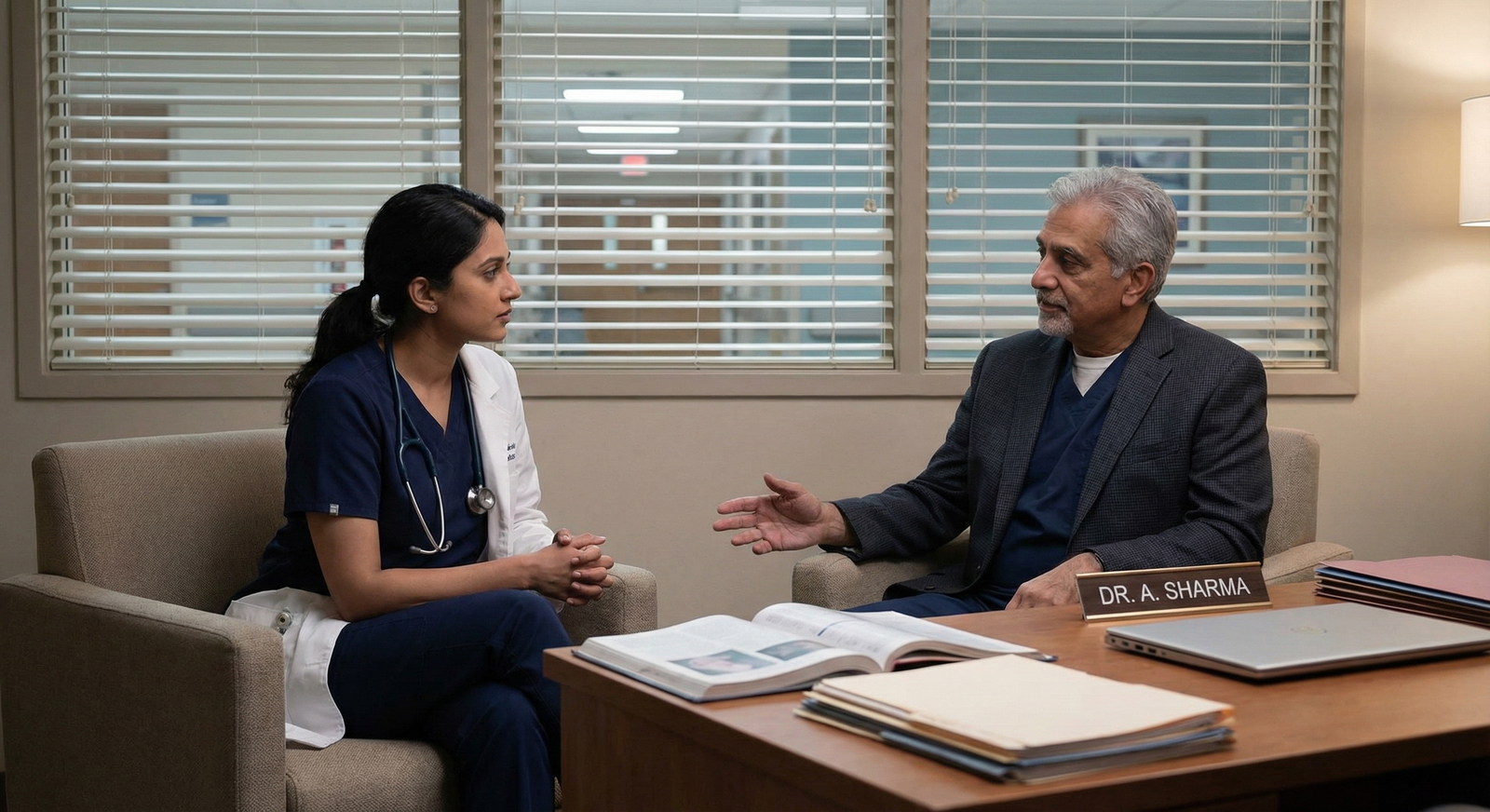
Mentors – Guide your career decisions
- Help you decide which programs fit your profile
- Review your personal statement or CV
- Advise on research vs. more clinical exposure
Sponsors – Advocate for you behind closed doors
- Email program directors about you
- Mention you when a research or observership slot appears
- Push for your file to be reviewed during the pathology match process
Peers – Walk the path with you
- Other IMGs or Caribbean grads applying to pathology
- Share resources, experiences, and emotional support
- Introduce you to their own mentors and contacts
How to Build and Maintain Mentorship in Medicine
1. Start with small, respectful asks
For a new mentor:
- First ask: brief advice or a 10–15 minute conversation
- Once rapport forms: ask if they would feel comfortable reviewing your CV or giving feedback on a program list
2. Make the relationship easy for them
- Be organized: send documents as PDFs, highlight specific questions
- Respect time: show up on time, keep to the agreed length
- Follow through: if they suggest a step (e.g., join CAP, present a case), do it—and report back
3. Communicate your progress
Every few months, send short updates:
Dear Dr. [Name],
I wanted to thank you again for your advice about [topic]. Since we last spoke, I have [completed an observership / submitted an abstract / improved my Step score / joined CAP].
I’m now [preparing applications / starting a new rotation], and your guidance has been invaluable. I hope to keep you updated as I move closer to applying for pathology residency.
Mentors are far more likely to help when they see you acting on their guidance.
Example: From Email to Advocate
Imagine this pathway:
- You email a pathologist with expertise in breast pathology after reading their paper.
- They agree to a 15-minute Zoom call.
- You show you’ve read their work, ask targeted questions, and mention you’re a Caribbean IMG with serious interest in pathology.
- They suggest you attend a specific virtual conference session and consider submitting a case report.
- You follow their advice, then update them with your progress and send a polished draft case report asking for feedback.
- Over time, they come to see you as driven, reliable, and serious. When you apply, they email a colleague who is a program director:
“I’ve been mentoring this Caribbean IMG for a year—consistent, hardworking, very committed to pathology. Worth a serious look.”
That is sponsorship—and it begins with a single, well-executed networking touchpoint.
Applying Networking to the Pathology Match: Practical Steps and Timelines
The pathology match is where all your networking efforts converge into tangible outcomes: interviews, strong recommendation letters, and, ultimately, a residency position.
Timeline: When to Focus on What
Assuming you plan a typical application during your final year or a dedicated application year:
18–24 months before applying
- Join major pathology societies with trainee or student memberships (often discounted for IMGs).
- Start digital networking: LinkedIn, email outreach, attending webinars.
- Seek at least one U.S.-based pathology elective/observership (or plan for it).
12–18 months before applying
- Complete at least one focused U.S. pathology or related lab experience.
- Target 1–2 pathology conferences or virtual equivalents for conference networking.
- Identify at least 2–3 potential letter writers and begin building deeper relationships.
6–12 months before applying
- Ask for letters of recommendation from U.S. pathologists who know your work well.
- Use your network to refine your program list:
- IMG-friendly programs
- Places where you have any contact or personal connection
- Ask mentors to review your personal statement and CV.
During interview season
- Let your mentors know where you’ve received interviews; they may reach out to programs on your behalf.
- Send thank-you emails after interviews—personalized, specific, and concise.
- If appropriate, ask close mentors if they would consider advocating for you at specific programs where they have influence.
Using Networking Ethically to Improve Your Chances
Ethical, effective networking is not about favoritism; it is about:
- Giving programs more reliable information about who you are as a person and trainee
- Demonstrating initiative, professionalism, and communication skills—core competencies in any pathology residency
- Helping programs assess “fit”—which benefits both you and them
For Caribbean IMGs, where your transcript may not fully convey your potential, personal relationships (built over time and anchored in real interactions) can bridge that perception gap.
Practical Networking Tips Specific to Caribbean IMGs in Pathology
To bring it all together, here are focused, actionable guidelines:
1. Craft Your Story as a Caribbean IMG
Be ready to explain your path clearly:
- Why you chose a Caribbean medical school
- When and why you became interested in pathology
- How your unique path has prepared you for pathology (e.g., diverse patient exposure, resilience, adaptability)
Knowing your story well makes networking conversations more natural and memorable.
2. Leverage Your School’s Alumni Network
- Search for graduates of your Caribbean medical school who matched into pathology or related fields.
- Ask your school’s career office or alumni office for contacts.
- Reach out with messages like:
“As a fellow [School] graduate pursuing pathology, I’d be really grateful for any insights about how you navigated the path as a Caribbean IMG.”
Alumni are often more willing to help “one of their own.”
3. Focus on Quality Over Quantity
It’s more advantageous to have 5–10 genuine, ongoing relationships in pathology than 100 superficial contacts. Choose:
- 2–3 mentors (at least one U.S.-based pathologist)
- A handful of residents or fellows who can give “on-the-ground” advice
- Several peers (other Caribbean IMGs) for mutual encouragement and resource sharing
4. Show Up as a Future Colleague, Not Just an Applicant
In every interaction—emails, conferences, rotations—present yourself not as someone begging for help, but as a future colleague investing in the field:
- Ask questions about pathology practice and service, not only “How can I match?”
- Share your interests and what you hope to contribute (teaching, research, service to underserved communities).
- When possible, add value: share relevant articles, offer help with small tasks, or volunteer for society committees or student sections.
This mindset makes you more memorable and more appealing as a future resident.
FAQs: Networking in Medicine for Caribbean IMGs in Pathology
1. I’m at a Caribbean medical school with no home pathology department. How do I even start networking in pathology?
Start digitally. Join major pathology societies with student memberships and attend virtual events. Create a professional LinkedIn profile and connect with pathology residents and faculty. Email a small number of pathologists whose work you genuinely find interesting and request brief career advice. Aim to secure at least one U.S. pathology observership or elective and treat that experience as your primary in-person networking hub.
2. I’m shy and introverted. How can I network effectively without feeling fake or overwhelmed?
Networking does not require being extroverted; it requires being consistent and genuine. Prepare a short self-introduction and a few questions in advance. Focus on one-on-one conversations rather than big groups, and use email or LinkedIn for follow-ups (which often feel more comfortable than on-the-spot discussion). Remember that many pathologists themselves are introverted; thoughtful, well-prepared communication is highly respected in the specialty.
3. How important is conference networking for the pathology match compared to scores and letters?
Scores and letters remain essential, but conferences give you rare face-to-face access to program directors, faculty, and residents from many programs at once. For Caribbean IMGs, this can humanize your application, help you understand program cultures, and sometimes lead to observerships, research collaborations, or strong advocates. Think of conferences as amplifiers of your efforts—not a replacement for academic performance, but a powerful complement.
4. When should I ask a pathologist to write me a letter of recommendation, and how do I make that request?
Ask near the end of a rotation or after a sustained period of work together (e.g., months of research or regular meetings). First, gauge their impression by asking for feedback on your performance. If it’s positive, say something like:
“I’m applying for pathology residency this coming cycle as a Caribbean IMG. If you feel you know my work and character well enough, would you be willing to write a strong letter of recommendation on my behalf?”
The word “strong” gives them an honorable way to decline if they cannot fully support you, which protects you from lukewarm letters.
Networking in medicine is both an art and a discipline, and as a Caribbean IMG pursuing pathology, it is one of your most powerful tools. By combining deliberate relationship-building with solid clinical preparation and professionalism, you can transform your Caribbean medical school residency journey into a compelling, competitive candidacy—and ultimately take your place in the pathology community as a valued colleague.