Why Networking Matters So Much in Neurosurgery for DO Graduates
Neurosurgery is one of the most competitive and relationship‑driven fields in medicine. For DO graduates, networking in medicine is not optional—it is a strategic necessity. The road to a neurosurgery residency or brain surgery residency is intensely competitive, and while board scores, clinical performance, and research are essential, who knows your work, your character, and your potential often determines whether you match.
In the osteopathic residency match era—and now with the unified ACGME match—DO applicants entering neurosurgery still face unique challenges: fewer role models, implicit bias at some programs, and a smaller alumni footprint. Intentional, smart medical networking can help you:
- Get on the radar of neurosurgery program directors and faculty
- Secure strong letters of recommendation from well‑known neurosurgeons
- Find research positions, sub‑internships, or gap‑year opportunities
- Learn insider information about programs’ cultures and priorities
- Identify mentors and sponsors who will advocate for you behind closed doors
This article focuses on practical, step‑by‑step networking strategies tailored to a DO graduate pursuing neurosurgery, with emphasis on conference networking, online professional presence, mentorship in medicine, and how to build meaningful, long‑term professional relationships.
Understanding the Landscape: Networking Challenges and Opportunities for DO Graduates
Before you build your networking plan, it helps to understand the context in which you’re operating as a DO graduate aiming for neurosurgery.
The Reality for DOs in Neurosurgery
Compared with MDs, DO graduates:
- Are often under‑represented in neurosurgery programs, especially at historically allopathic academic centers
- May have less access to in‑house neurosurgery departments, especially at smaller or community‑based osteopathic schools
- Sometimes face misconceptions about training rigor or research exposure, despite equivalent competence and dedication
These realities make focused networking and visibility even more critical. Your goal is to ensure that programs see you as an individual—your performance, your potential, your character—rather than as a bundle of assumptions associated with your degree path.
Strategic Advantages You Can Leverage as a DO
You also have some real strengths:
- Adaptability and grit: Many DO students work harder to find opportunities—this often translates into a strong work ethic and maturity.
- Osteopathic philosophy: Your training emphasizes holistic care, communication, and functional outcomes—traits highly valued by neurosurgeons who manage complex patients longitudinally.
- Smaller communities: The osteopathic world is tight‑knit; word spreads quickly when someone is outstanding. Positive impressions travel.
The key is to show up consistently in neurosurgery circles, demonstrate value, and let people see these strengths in action. Networking is the vehicle.
Building Your Professional Network Early: From Student to DO Graduate
Networking in medicine starts well before residency applications are submitted. For a DO graduate targeting neurosurgery, think of this in phases: early student phase, clinical rotations, and the transition to residency applications.
Phase 1: Pre‑Clinical and Early Clinical Years
If you’re still early in your training (or advising someone who is), focus on:
Find or create your neurosurgery “home base.”
- If your DO school has a neurosurgery department, get involved early—shadow, attend M&M conferences, go to tumor boards.
- If it does not, identify a nearby academic center or private neurosurgery group willing to mentor and host you.
Join organized neurosurgery groups.
- Become a student member of national societies (e.g., AANS, CNS, your regional neurosurgery society).
- Join osteopathic neurosurgery and osteopathic surgery organizations where available.
Signal your interest and reliability.
- Email the neurosurgery clerkship director or department chair: briefly introduce yourself as a DO student interested in neurosurgery, ask for advice, and offer to help with ongoing projects.
- Follow up and actually do what you say you’ll do—this is foundational to your professional reputation.
Phase 2: Clinical Rotations and Sub‑Internships
This is where mentorship in medicine and day‑to‑day networking really accelerate.
On core rotations (including non‑neurosurgery):
- Be the student everyone wants on their team: on time, prepared, proactive, and kind.
- Let residents and attendings know about your career interest:
“I’m strongly considering neurosurgery and would really appreciate any feedback you have on skills I should focus on developing.”
- Ask for specific suggestions—and then incorporate them. People remember when their advice is taken seriously.
On neurosurgery electives and sub‑internships:
- Treat every interaction as both an evaluation and a networking opportunity.
- Learn names and roles: residents, nurses, PAs, scrub techs, coordinators—professional respect travels.
- Ask for case follow‑up tasks: reading on the pathology, presenting at rounds, or helping with a short case presentation.
Your performance on these rotations directly fuels:
- Letters of recommendation
- Word‑of‑mouth endorsements among faculty and residents
- Offers for research or additional sub‑internships
Phase 3: Transition to Application Year (DO Graduate Stage)
As a DO graduate preparing to apply in neurosurgery:
Map your network on paper:
- Which neurosurgeons know you well enough to vouch for you?
- Which residents and fellows could quietly advocate for you at their programs?
- Which mentors (even outside neurosurgery) have national reputations?
Schedule check‑ins:
- Short emails or calls updating mentors on your progress: board scores, research, rotations.
- Ask for honest guidance on program list construction and application strategy.
Clarify your “story”:
- Why neurosurgery?
- Why as a DO graduate?
- How have you demonstrated readiness for a neurosurgery residency or brain surgery residency?
Your network should understand your narrative so they can advocate more effectively.

Mentorship in Medicine: How to Find, Cultivate, and Use Mentors Wisely
Mentorship is the backbone of networking in neurosurgery. For DO graduates in particular, a strong mentor can open doors that would otherwise remain closed.
Types of Mentors You Need
You will almost never find everything you need in a single person. Aim to build a team of mentors:
Clinical Neurosurgery Mentor
- A practicing neurosurgeon who can guide your clinical development, help you understand the field, and write powerful letters.
- Ideally, someone with academic involvement and recognition.
Research Mentor
- Could be a neurosurgeon, neurologist, neuroradiologist, or basic scientist in neuroscience.
- Helps you build a track record of scholarship, which is a major signal for neurosurgery residency programs.
Process/Strategy Mentor
- Someone who understands the neurosurgery match and the osteopathic residency match history—often a program director, advisor, or senior resident.
- Gives you high‑level guidance on timelines, program choices, and red‑flag avoidance.
Peer Mentor (Near‑Peer)
- Senior residents or recent graduates (especially DO neurosurgery residents) who can offer practical, real‑time advice.
- Often the most approachable and honest about what’s happening on the ground.
How to Approach Potential Mentors
When reaching out for mentorship in medicine, be intentional and respectful of their time.
A concise initial email might include:
- A brief introduction (name, DO school, current year/PGY, interest in neurosurgery)
- Why you’re reaching out specifically to them (“I attended your tumor board,” “I read your recent paper on spine surgery,” etc.)
- A specific ask:
- A short meeting to discuss pathways into neurosurgery as a DO graduate
- Guidance on joining a research project
- Feedback on your trajectory
Example:
Dear Dr. [Name],
My name is [Your Name], and I am a DO graduate from [School] currently planning to apply for neurosurgery residency. I recently [attended your lecture on brain tumor surgery / worked with your resident on service / read your article on minimally invasive spine techniques] and was very inspired by your work.
Given your experience mentoring trainees and your involvement in neurosurgery education, I was wondering if you might have 15–20 minutes for a brief conversation about pathways into neurosurgery for DO graduates and ways I might become involved with your team’s research or clinical activities.
I understand you have a very busy schedule and would be grateful for any time or advice you can offer.
Sincerely,
[Name], DO
Maintaining Mentoring Relationships
Once someone invests in you, follow‑through is everything.
- Send brief periodic updates (every 2–3 months): rotations, publications, scores, major milestones.
- Show how you’ve implemented their advice: “After your suggestion, I reached out to Dr. X and joined a spine outcomes project.”
- Ask focused questions instead of broad, vague ones.
- Respect boundaries—if they’re busy, ask how they prefer to be contacted and how often.
Using Mentors Wisely in the Match
Mentors can:
- Help refine your program list based on realistic self‑assessment and their insider knowledge
- Make targeted phone calls or send emails to programs you’re particularly interested in
- Help shape your personal statement and interview answers so they align with what neurosurgery residency programs value
- Provide invaluable mock interviews and feedback
For DO graduates, having a mentor who explicitly states in your letter that they would “trust you with their own family member” or “would take you into their own neurosurgery residency” can be transformative.
Conference Networking: Turning Meetings into Opportunities
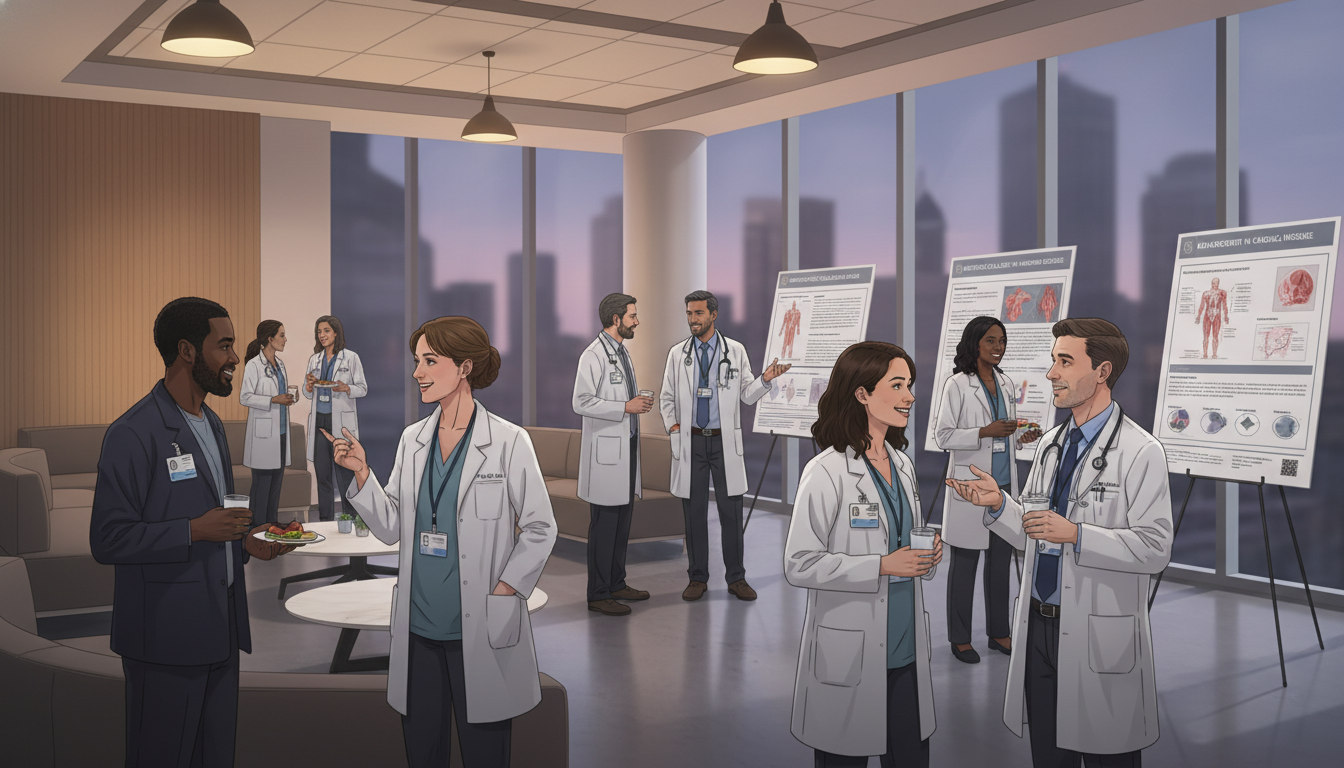
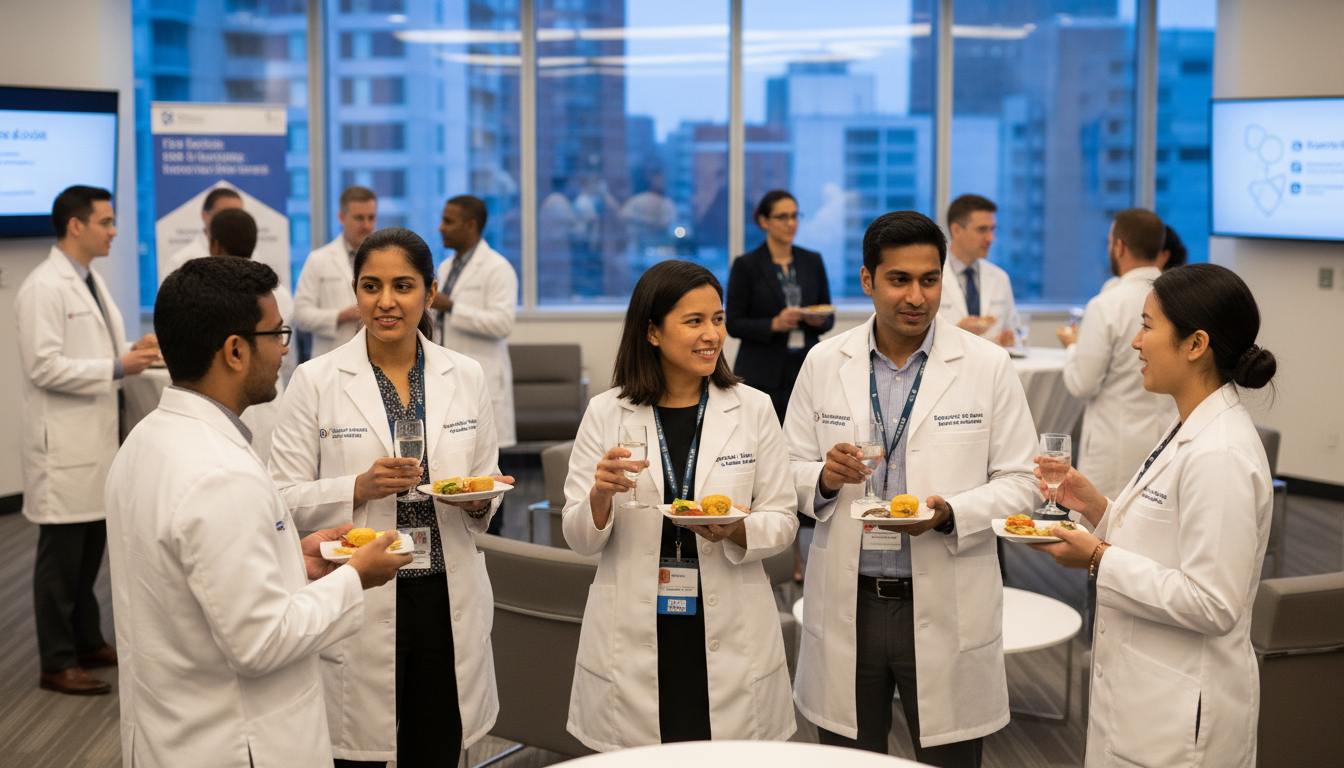
Medical conferences are high‑density networking environments. For someone pursuing neurosurgery, they’re one of the most efficient ways to expand your connections and be seen as a serious, engaged future colleague.
Choosing the Right Conferences
Consider a mix of:
- National conferences (AANS, CNS, specialty‑subgroup meetings)
- Regional neurosurgery meetings (often smaller, more intimate, easier access to faculty)
- Osteopathic surgery or osteopathic neurosurgery‑related meetings where DOs are prominently represented
If finances are limited, prioritize:
- Meetings where you can present a poster or abstract
- Smaller/regional meetings where you’ll have better access to faculty
Look for student or resident discounts, travel scholarships, and institutional support—many neurosurgery departments are happy to subsidize trainees who are presenting.
Preparing for Conference Networking
Your goal is to arrive prepared, not just to “attend.”
Know who will be there.
- Review the conference program. Identify neurosurgery residency program directors, chairs, and faculty at programs of interest.
- Note DO neurosurgeons or DO‑friendly programs.
Reach out ahead of time.
A short pre‑conference email can dramatically warm up an interaction:- “I’ll be presenting a poster on [topic] at [session]. I’d be honored if you had a chance to stop by.”
- “I’m very interested in [Your Program] and would appreciate the chance to briefly introduce myself and ask a few questions about your residency training.”
Prepare your elevator pitch.
In 20–30 seconds, be able to say:- Who you are (DO graduate, where from)
- Your interest in neurosurgery (and sub‑interests if relevant)
- What you’re working on now (research/rotations)
- What you’re hoping to learn or accomplish
Example:
“I’m Dr. [Name], a DO graduate from [School] currently applying to neurosurgery. I’ve been working on outcomes research in spine surgery and completed a sub‑I at [Institution]. I’m really interested in academic neurosurgery with a focus on complex spine, and I’d love to hear more about how residents at your program get involved in research early on.”
Effective Behavior at the Conference
- Attend resident socials, trainee sessions, and mentorship breakfasts—these are often the highest yield events for face‑to‑face time with faculty.
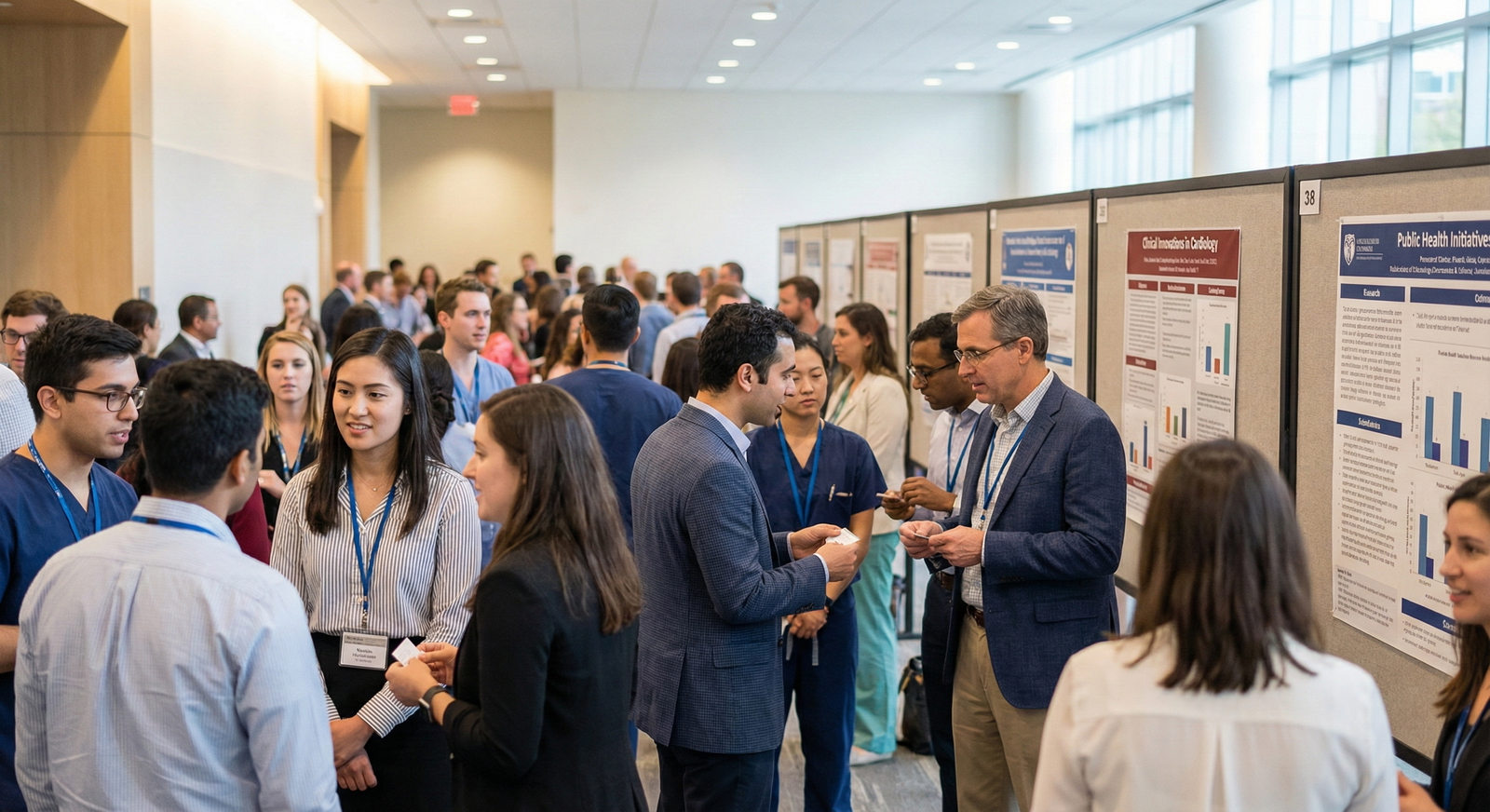
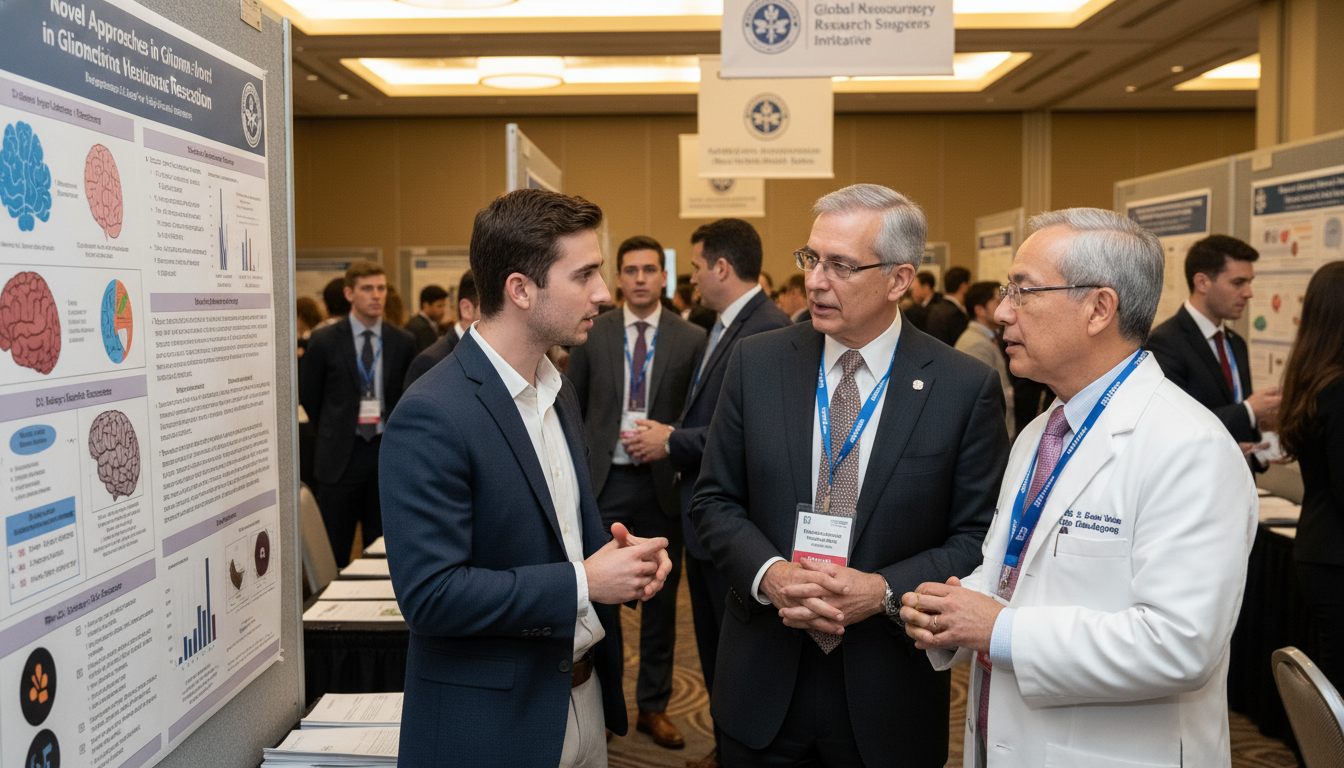
- Stand by your poster for the entire session; people will walk past multiple times.
- Ask thoughtful, specific questions during Q&A about talks you attend.
- After a conversation, jot down quick notes (where you met, topics discussed) to help you remember details later.
Following Up After the Conference
Within 3–7 days:
- Send personalized emails:
- Thank them for their time or for their talk.
- Mention one concrete detail from your interaction (“I appreciated your advice about early research in functional neurosurgery”).
- If appropriate, attach your CV or ask about future opportunities (research, sub‑I, visiting rotation).
Over time, stay lightly on their radar by:
- Sending an update if you publish, present, or rotate at their institution.
- Congratulating them if you see a big career milestone on social media or in neurosurgery news.
This is relationship‑building, not transactional asking.
Expanding Your Network Online: Digital Presence, Email, and Social Platforms
Networking in medicine is no longer limited to hallways and conference rooms. For DO graduates in neurosurgery—especially those without strong in‑house departments—your digital footprint can significantly augment your visibility.
Professional Email Etiquette
- Use a professional address (preferably institution‑based; if not, a simple firstname.lastname format).
- Subject lines should be clear and specific:
- “DO applicant interested in neurosurgery research – brief inquiry”
- “Follow‑up from AANS conference poster session – [Your Name], DO”
- Keep emails concise, respectful, and easy to respond to (clear asks, limited length).
If you don’t get a reply:
- Wait 7–10 days and send a single, polite follow‑up.
- After that, accept that they may be too busy or not currently taking on new mentees or projects.
LinkedIn and Professional Profiles
LinkedIn can be surprisingly effective for medical networking, especially across institutions.
- Build a complete profile:
- DO degree clearly listed
- Research experiences, presentations, and publications
- A short, professional summary noting your interest in neurosurgery residency
- Connect with:
- Neurology/neurosurgery faculty you’ve worked with
- Residents in neurosurgery programs you’re targeting
- Alumni from your DO school in surgical specialties
Use LinkedIn to:
- Share your conference posters or recent publications.
- Congratulate others on their achievements (shows engagement, keeps you visible).
- Send short, respectful connection messages:
“I’m a DO graduate interested in neurosurgery and was very impressed by your work on [topic]. I’d appreciate staying connected as I navigate the residency application process.”
Twitter/X and Professional Societies
The neurosurgery community is present and active on platforms like Twitter (now X).
You can:
- Follow neurosurgery journals, societies, and key opinion leaders.
- Engage with scientific content (likes, retweets, brief thoughtful comments).
- Post about your own academic milestones in a professional tone.
Always assume program directors may see what you post. Avoid anything unprofessional or polarizing. Your digital presence should reinforce your image as a thoughtful, serious neurosurgery applicant.
Turning Networking into Tangible Outcomes: Research, Sub‑Is, and the Match
Ultimately, networking in medicine should yield practical outcomes that strengthen your application.
Using Your Network to Build a Research Portfolio
Neurosurgery is research‑heavy. For DO graduates, research productivity is often a major compensating strength.
Leverage your network to:
- Join existing projects with clear, finite roles (chart review, data collection, manuscript drafting).
- Ask mentors which journals and topics are most respected in neurosurgery.
- Seek multi‑institutional collaborations—these often have more visibility.
When you join a project:
- Clarify expectations: your responsibilities, authorship, and timelines.
- Over‑deliver rather than over‑promise. Reliability is your best networking currency.
- Track all outputs: abstracts, posters, oral presentations, manuscripts.
Using Networking to Secure Strong Sub‑Internships
Sub‑internships (sub‑Is) are critical in neurosurgery; they are essentially month‑long interviews.
Your network can help you:
- Identify programs with a track record of supporting DO applicants.
- Get your application noticed by rotation coordinators.
- Understand what each program values most on sub‑Is (operative performance, research, resident compatibility, etc.).
When applying for sub‑Is, a mentor might email a program director or clerkship director:
“I’m writing to strongly recommend Dr. [Name], a DO graduate with outstanding clinical and research skills, who is very interested in a neurosurgery residency at your institution. I hope you’ll consider their application for a visiting sub‑internship.”
These small interventions can bump you from an overfilled list into a confirmed rotation slot.
Networking During the Actual Match Cycle
Once interviews start:
- Continue to maintain professional contact with mentors at programs where you’ve rotated or interviewed.
- Be transparent with key mentors about your true top choices; they can then reach out strategically.
- After interviews, send tailored thank‑you emails to interviewers and coordinators.
Throughout, remember:
- Do not cross ethical lines—no explicit discussions of rank lists, no pressure tactics.
- Your goal is to convey genuine interest and professionalism, not to manipulate the process.
For DO graduates, the combination of strong performance, deliberate networking, and visible commitment often makes the difference between being a borderline applicant and a standout.
Frequently Asked Questions (FAQs)
1. As a DO graduate, can I realistically match into neurosurgery?
Yes—while challenging, it is realistic. DOs have successfully matched into neurosurgery residency and brain surgery residency programs, especially when they demonstrate:
- Strong board scores and clinical performance
- A consistent record of neurosurgery‑related research
- Excellent letters of recommendation from neurosurgeons
- Visible engagement in neurosurgery communities and conferences
Networking in medicine—particularly mentorship and conference networking—helps overcome initial biases and allows programs to see you as an individual, not a statistic.
2. How many mentors do I actually need?
Focus on quality over quantity. Most successful applicants have:
- 1–2 neurosurgery faculty who know them well and can write detailed letters
- 1 strong research mentor (can overlap with clinical mentors)
- Several near‑peer mentors (residents, fellows) across 1–3 institutions
What matters is not how many people you know, but how well they know your character, work ethic, and potential.
3. What if my DO school doesn’t have a neurosurgery department?
You’ll need to be more proactive, but it’s entirely doable:
- Identify nearby academic centers or private neurosurgery practices; request shadowing or research involvement.
- Use conferences and digital platforms to meet neurosurgeons willing to mentor you remotely.
- Seek out formal research years or fellowships in neurosurgery or related fields (neuro‑oncology, spine, neurocritical care).
Many DO neurosurgeons came from schools without departments—they simply had to build their network externally.
4. How do I avoid coming across as pushy or transactional when networking?
Approach networking as relationship‑building rather than opportunity extraction:
- Lead with genuine curiosity and respect, not immediate requests for letters or positions.
- Offer value when you can: help with research tasks, presentations, or departmental projects.
- Show appreciation and follow‑through on advice.
- Accept “no” or non‑responses gracefully and move on without repeated pressure.
If you consistently focus on learning, contributing, and being reliable, people will naturally be more willing to invest in you and open doors.
By combining deliberate medical networking, meaningful mentorship in medicine, strategic conference networking, and a strong academic record, you can significantly improve your chances as a DO graduate entering neurosurgery. The field is demanding, but it is also small, tightly connected, and deeply invested in the next generation. If you show up consistently, contribute authentically, and nurture your relationships over time, your network will become one of your most powerful assets in building a career in neurosurgery.