
Have You Ever Worried a Warm Intro Will Just Fade Into Awkward Silence?
Have you ever stared at a fresh, warm email introduction from a trusted mentor, paralyzed by the sudden fear that one wrong sentence will ruin everything?
I've been there. You open your inbox, see that a attending or faculty member just CC'd you to a prominent physician, and instead of feeling thrilled, your chest tightens. What if you sound desperate? What if you write too much and annoy them? Worse, what if you reply, and they just... never write back?
A warm introduction feels like a golden ticket, but it's dangerously easy to mistake it for a guarantee. It isn't. A warm intro isn't a promised spot on a research project, an automatic letter of recommendation, or a guaranteed audition rotation. It's simply an open door. A "real medical connection" is what happens when you step through that door with enough tact, brevity, and genuine curiosity to build actual professional trust.
If you are terrified of blowing your shot, take a breath. Here are 7 concrete ways to convert a delicate email introduction into a lasting, meaningful professional relationship without letting panic ruin the exchange.
1. Respond Quickly, Calmly, and With a Clear Thank-You
The moment that intro lands in your inbox, a clock starts ticking in your head. Wait three days because you were obsessing over the wording? You look disinterested. Reply in four seconds with a messy wall of text? You look frantic.

Your first response needs to hit a very specific sweet spot: prompt, calm, and concise. Reply within 24 hours. Acknowledge the person who connected you, express clear appreciation to the new contact, and move the mutual introducer to BCC so you stop clogging their inbox.
Here is the exact structure I use when my nerves start spiking:
- Move to BCC: "Thanks [Introducer], moving you to BCC to save your inbox!"
- Thank & Acknowledge: Express gratitude for their time and acknowledge their specific background.
- State Purpose Gently: Mention why you're excited to connect in one crisp sentence.
Do not attach your 5-page CV. Do not write a three-paragraph biography about why you've wanted to be a pediatric neurosurgeon since age six. Polished does not mean sterile, but brevity shows respect for their time. Calm efficiency beats emotional dumping every single time.
2. Find the Real Reason the Connection Was Offered
Why did your mentor connect the two of you in the first place? If you can't answer that question instantly, stop typing your email right now.
People rarely make introductions randomly. There is almost always an underlying bridge: a shared specialty interest, an alumni connection, a specific research methodology, or simple geographic alignment. If you send a generic "I'd love to pick your brain about medicine" email, you waste the exact bridge your mentor built for you.
Dig into the background context before responding. Did your mentor mention their fellowship pathway? Their work on a specific hospital committee? Tailor your message to that specific context. You don't need to list every single one of your own achievements to prove you are worthy of their time. You just need to show that you understand why this specific conversation makes sense.
3. Ask One Thoughtful Question, Not Ten Panicked Ones
Anxiety makes us overcompensate. When I was terrified of looking unprepared, I used to write out laundry lists of questions. I thought it proved I was hardworking. In reality, sending eight questions in an initial email feels like delivering a homework assignment to a physician who is already drowning in EMR charts.
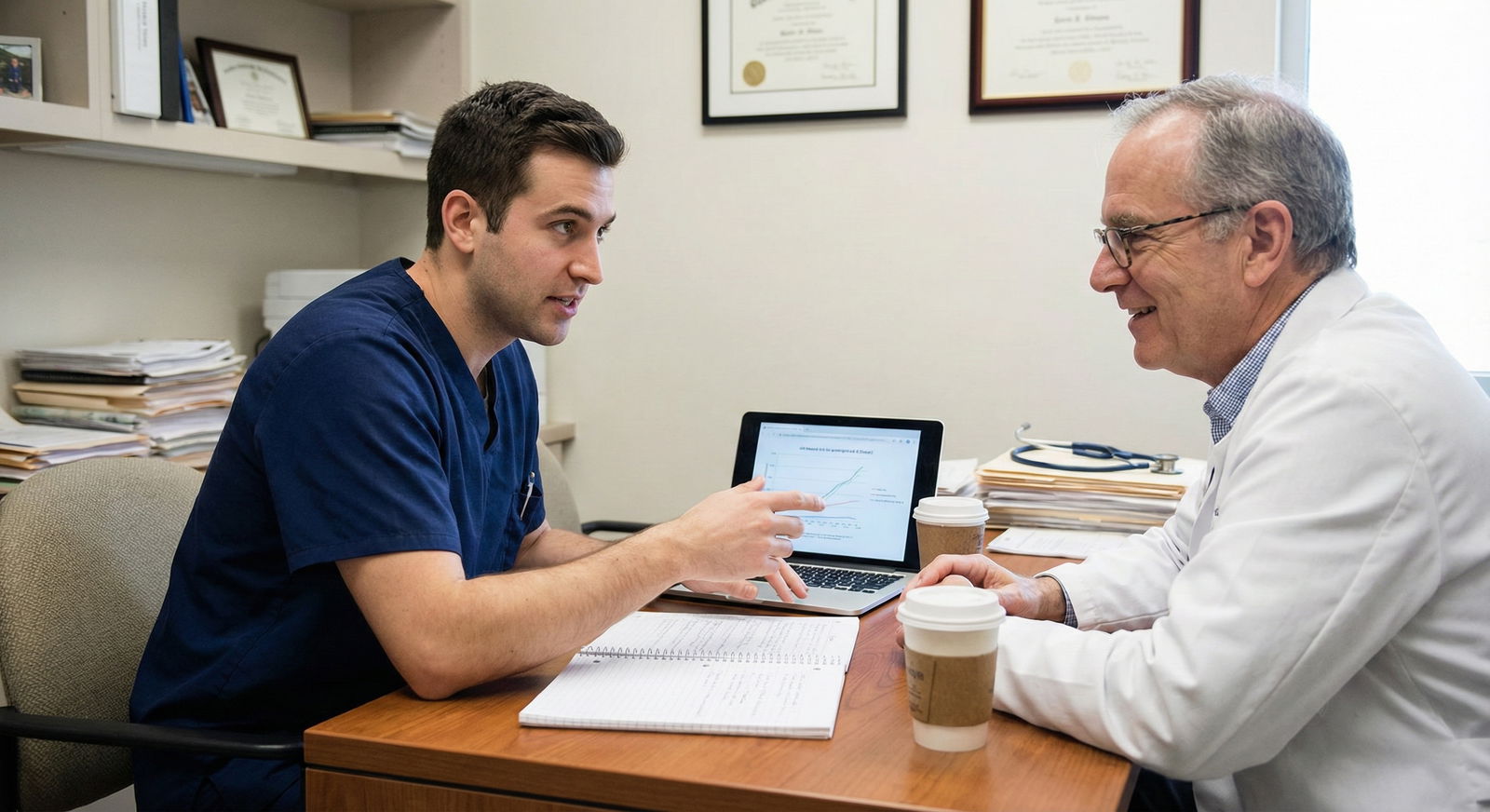
Ask one deep, well-researched question. That's it.
Avoid bad, lazy questions that take ten seconds to answer on Google (e.g., "How many residency spots does your program offer?"). Instead, ask questions that invite perspective:
- Good: "I noticed your transition from community practice into academic cardiology, what was the biggest mindset shift you had to make during that transition?"
- Good: "Given how rapidly the guidance around interventional oncology is changing, what advice would you give an early learner trying to build a solid foundation in this space?"
A single high-yield question signals maturity. It invites dialogue rather than demanding labor.
4. Make the Interaction Easy to Continue
The absolute worst thing you can say at the end of a networking email is: "Let me know when you're free to chat!"
It sounds polite on the surface. In reality, it forces the busy physician to look at their chaotic master schedule, figure out open slots, and pitch times to you. That takes mental effort. Mental effort leads to unread emails sitting in inboxes for weeks.

Do the heavy lifting yourself, but offer a painless exit. Ask for a brief 15-minute virtual coffee or phone call, and provide specific parameters while remaining completely flexible.
"If you have 15 minutes to spare over the next couple of weeks, I would be incredibly grateful to connect over Zoom or phone. I am completely flexible, but mornings before 8 AM or afternoons after 4 PM usually work best on my end, whatever fits your clinical schedule best. And if things are too busy right now, I completely understand!"
Notice what this does? It sets a firm, low-commitment boundary (15 minutes), suggests reasonable times, and explicitly gives them a guilt-free exit. When you remove the pressure, people are far more likely to say yes.
5. Show Up Prepared, Curious, and Easy to Remember
So they agreed to a 15-minute Zoom call. Now the real panic sets in. What if there's an awkward silence? What if you stumble over your words?
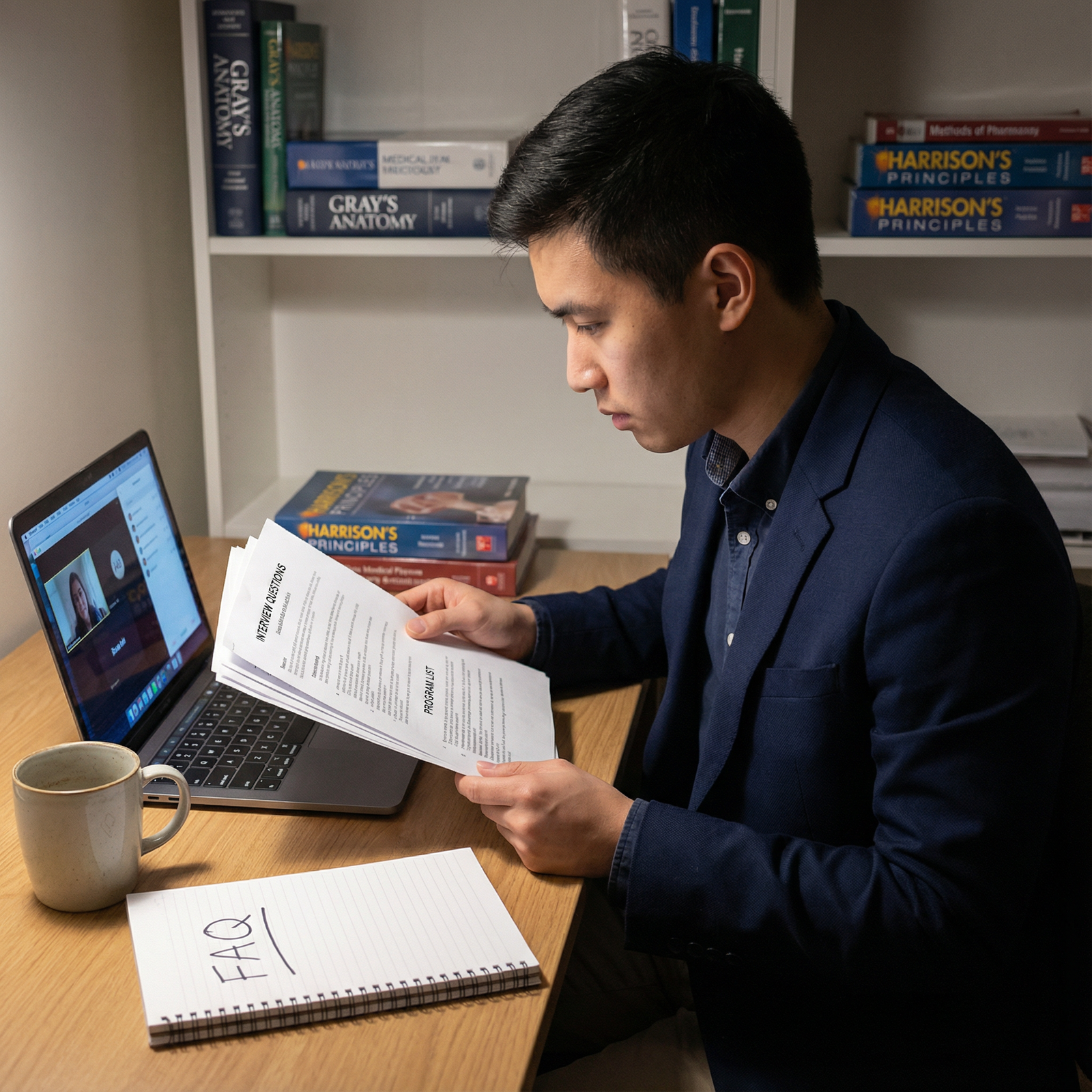
Preparation cures panic, but over-rehearsing creates a robotic, awkward nightmare. Do not memorize a script. Instead, have three basic items ready on a sticky note next to your webcam:
- A 30-second introduction of who you are (keep it brief!).
- Two specific reference points about their work or career path.
- One crisp anchor detail about yourself that highlights your core interest.
Listen far more than you speak. Informational interviews are not oral board exams; you are not being tested on medical knowledge. You are being evaluated on whether you are a pleasant, sane, thoughtful human being to work with. If they talk for 12 out of the 15 minutes because you asked great follow-up questions, you won.
6. Follow Up So the Connection Doesn't Disappear
The call went great. You breathed a huge sigh of relief. You're done, right?
Wrong. This is where 90% of medical applicants drop the ball. They have one nice conversation, feel relieved it's over, and then never speak to the person again until ten months later when they desperately need a letter of recommendation. That feels transactional because it is transactional.
Send a short thank-you email within 24 hours of your conversation. Reference a specific piece of advice they gave you during the call.
Then, put a reminder on your calendar for 4 to 8 weeks out. Did they recommend a specific paper during your call? Read it, and send a two-sentence note sharing your takeaway. Did you finally submit that research abstract you mentioned? Send a brief update thanking them again for their encouragement.
Consistency over time builds professional trust. Single, intense bursts of interaction do not.
7. Turn the Relationship Into a Long-Term Medical Connection
How do you transition from an annoying applicant hovering in their inbox to a trusted junior colleague? By offering value and maintaining light, low-stakes contact.
Value doesn't mean you have to write a grant for them. Value can be as simple as sending a recent relevant review article with a note saying, "Saw this published in JAMA today and immediately thought of our conversation about surgical education models, no reply needed, just thought you'd find it interesting!"
That phrase, "no reply needed", is pure magic. It relieves them of obligation while keeping your name positively branded in their mind.
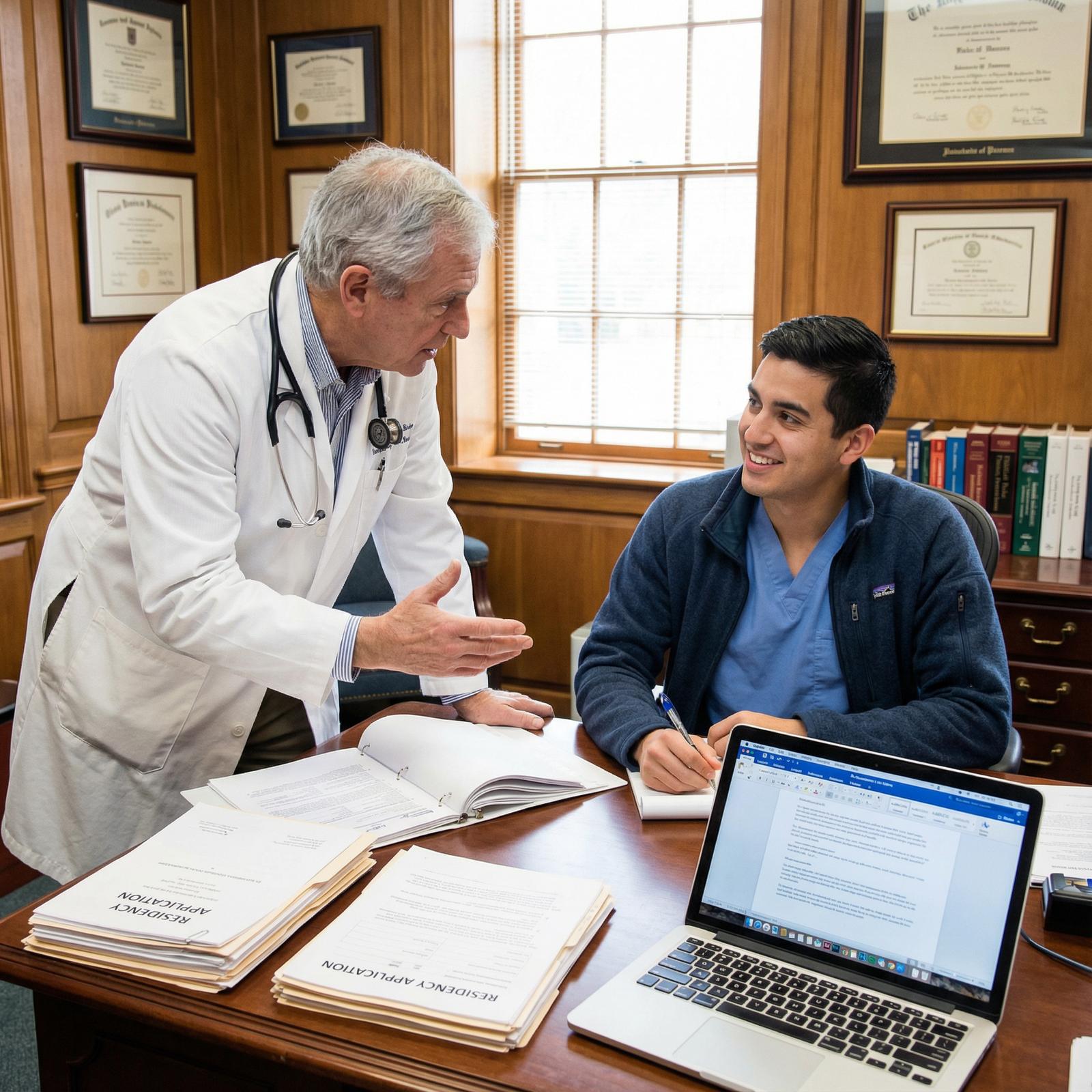
When the time eventually comes to ask for advice on residency programs, a letter of recommendation, or an introduction to a fellowship director, it won't feel terrifying or sudden. You won't be a random applicant begging for a favor; you will be a familiar, polite, consistent presence in their professional life.
Key Takeaways
- A warm intro is just an open door. It requires quick, humble, and clear action on your part to turn an email CC into an actual professional relationship.
- Make scheduling completely effortless. Keep initial requests short (15 minutes), suggest clear availability, and always offer a polite, guilt-free exit option.
- Focus on relationship continuity. The magic happens in the low-pressure follow-ups weeks after the first meeting, not in a single perfect email.