This article is for educational purposes only. It is not financial advice, not legal advice, and not tax advice. Figures vary by individual circumstances, so consult a qualified professional before acting.
Hook: Why one quiet resident contact can still matter more than you think
What if they forget me the second after we talk?
If you've had that thought looping in your head after meeting a resident for like, three minutes in a hallway, same. You walk away replaying every word. Did I sound awkward? Did I ask something dumb? Was that silence them thinking I'm not a good fit?
I get it. One quiet interaction feels so high stakes when you're applying. Like this one person now holds your entire future in their memory, and they barely looked up from their pager.
But here's the truth I've had to learn the hard way: a single brief resident interaction is not a verdict. It's a start. A doorway. Not a final grade.
Residents are valuable for a reason that isn't obvious at first. They aren't the program director. They won't single-handedly get you in. But they know the hidden curriculum, who actually reads the emails, which research mentor is responsive, what the program really values, how to not panic during interview season. They can normalize the panic you're feeling right now because they were literally you two years ago.
You don't need a perfect, charismatic connection. You don't need to be memorable in a movie-scene way. You just need a thoughtful next step. That's what this is about.
1) Follow up fast, but not frantically
I spiral if I wait too long. If I don't message within a day, I convince myself it's too late and they already think I'm rude or disinterested. That catastrophic thinking? It's lying to you.
Send a short thank-you within 24 hours while the details are still fresh, for both of you. Not a novel. Not a formal cover letter. Just... human.
Something like: "Hi Dr. [Name], thanks so much for chatting today after rounds, I really appreciated your point about how you chose between gen surg and your subspecialty track."
See? One specific detail. That proves you were listening. That makes you not generic. Generic is forgettable. Specific is memorable.
And please don't do what anxious-brain wants you to do, which is send three follow-ups because they didn't reply in 45 minutes, with a paragraph-long essay about your entire CV and life story. Polite and concise beats perfect every single time. I promise, no resident is sitting there judging you for not writing poetically. They're judging whether you're respectful of their time.
2) Make the message easy to answer
This one changed everything for me. I used to ask these huge, impossible-to-answer questions because I wanted to sound smart. Like, "Could you tell me everything about matching and your application strategy and life advice?" No resident on call has time for that. And then when they don't answer, I spiral: they hate me.
Instead, make it easy. Low-pressure. One small question that takes 20 seconds to answer.
Try: "If you have a sec, is there one resource you found helpful for [rotation you discussed]?" Or "Would you recommend reaching out to Dr. X first, or is email okay?"
Yes/no. One sentence. Low effort for them. Huge relief for you.
You're not demanding their entire evening. You're not asking for a letter, a connection to the PD, a research spot on day one. That's too much, too fast. It makes the relationship feel transactional and one-sided. And it triggers our worst fear, that we're being annoying.
Your goal in this message is to learn, not to extract. To show you're considerate. Residents notice when you're considerate. Because most people aren't.

3) Turn small talk into a useful thread
We had like two minutes of small talk. We talked about the cafeteria, being from the same state, the new EMR. How is that supposed to become "real support"? It feels impossible.
But small talk is data. It's thread you can pull later.
If you talked about their research on sports injury return-to-play, you now have a thread. If you talked about living in that city with no car, you have a thread. If you talked about how they switched from peds to med-peds, thread.
The anxious part of my brain says: they'll never remember that. They meet so many students. I'm forgettable.
But one thoughtful touchpoint later is stronger than five anxious ones. Consistency over intensity. Always.
So two weeks later: "Hi again, you mentioned that article on ACL rehab, I just read it and found the part about psychological readiness so interesting. Thanks for pointing me to it!"
You just proved you remembered. You listened. You followed through. That's rare. That's not forgettable.
4) Ask for advice before you ask for advocacy
This is the biggest mistake I almost made. I wanted to jump straight to: "Could you put in a good word for me? Could you introduce me to the program director? Could you tell me if I have a chance?"
Don't. Please don't. Not yet.
Asking for advocacy right away feels unsafe, for you and for them. You'll be anxious you overstepped, they'll feel cornered. No one wins.
Start with advice-seeking language. It's lower stakes. It feels safer for an anxious applicant, and it feels respectful for a busy resident.
What would you do if you were me? What do you wish you knew when you were applying? What should someone interested in your program prioritize in the next few months?
When trust builds a little, they reply quickly, they ask you a question, they say "happy to help", then advocacy can happen naturally. An intro. A quick look at your personal statement. A mention of your name when it makes sense.
You don't have to say "I expect you to fix everything for me." You can actually say the opposite: "I totally understand if you're swamped, no pressure at all, just appreciate any insight when you have a moment." That sentence has saved me so much anxiety. Because it gives them an out. And giving an out actually makes people more likely to help.
5) Give them a reason to remember you
My biggest fear: What if I'm just another generic applicant in a sea of navy suits and identical personal statements? What if I'm... forgettable?
You won't be remembered for being perfect. You'll be remembered for being specific. Real. Human.
Pick one authentic detail. Just one. Not your whole life story. Not a trauma dump to try to be interesting. One real thread.
"I grew up in a rural clinic where my mom was the front desk and medical assistant", that's memorable. Or "I'm really interested in health literacy because my dad never understood his discharge instructions", specific. Grounded.
Then later, share a brief update that connects back. "Following up, I presented that QI project on discharge instructions we talked about, thought you'd appreciate the update!"
Specific enough to stick. Not so personal it feels forced or like you're performing. The formula that calms my anxious brain is this: relevance plus consistency. You don't need to be flashy. You just need to be relevant to your earlier conversation, and consistent enough that they see you follow through.
6) Respect time, boundaries, and silence
If they don't reply in two hours, did I ruin everything? If they take three days, does it mean they regret meeting me? Are they talking about how awkward I was in the resident lounge?
No. No. And definitely no.
Silence is almost never rejection. It's call. It's consults. It's 28-hour shifts and charting and a kid at home sick. Residents are drowning. I know because I've watched my own resident friends disappear for days.
Set yourself a limit. My rule: one initial thank-you, and one gentle follow-up 7-10 days later if needed. That's it. No chasing. No double-texting every day. No apology essay about how sorry you are for bothering them.
You can leave the door open without making it emotionally loaded. "No worries at all if you're busy, appreciate your time regardless!" That's it. Warm. Short. Done.
This is how you avoid catastrophizing. Silence means "on call." Not "they hate you." Write that on a sticky note if you have to. I did.
7) Convert the relationship into real support when the moment is right
You'll know when the moment is right. Or at least, you'll have a clue.
They reply promptly without you having to nudge. They ask you a follow-up question back: "Where are you rotating next?" They say "let me know if..." or "happy to connect you..." Those are green lights.
That's when you can make a clear, modest request. Not vague, not huge.
"Would you have 15 minutes next week for a quick chat about the program culture?" Clear. Time-bound. Respectful.
"Would you be open to me mentioning I spoke with you when I reach out to Dr. Y?" Permission-based. Thoughtful.
"If you think it's appropriate, would you be comfortable introducing me to [specific person relevant to your interest]?" Specific. Limited.
Frame it as mutual professional respect, not entitlement. You're not owed their advocacy. No one is. But you can earn their willingness to support you by being thoughtful, consistent, and easy to help.
Real support isn't extracted from one quiet conversation. It's built. Slowly. Safely. One short, respectful message at a time.
Closing reflection: one conversation is not the whole application, but it can become a bridge
I know what it feels like to want one contact to solve everything. To think, if this resident likes me, maybe I'll be okay. If they don't, I'm doomed. That's the anxiety talking. Loud. Unfair.
Real networking is slower than that. And actually, that's safer. Because it doesn't all hinge on one hallway chat where you stumbled over your words and your white coat was wrinkled.
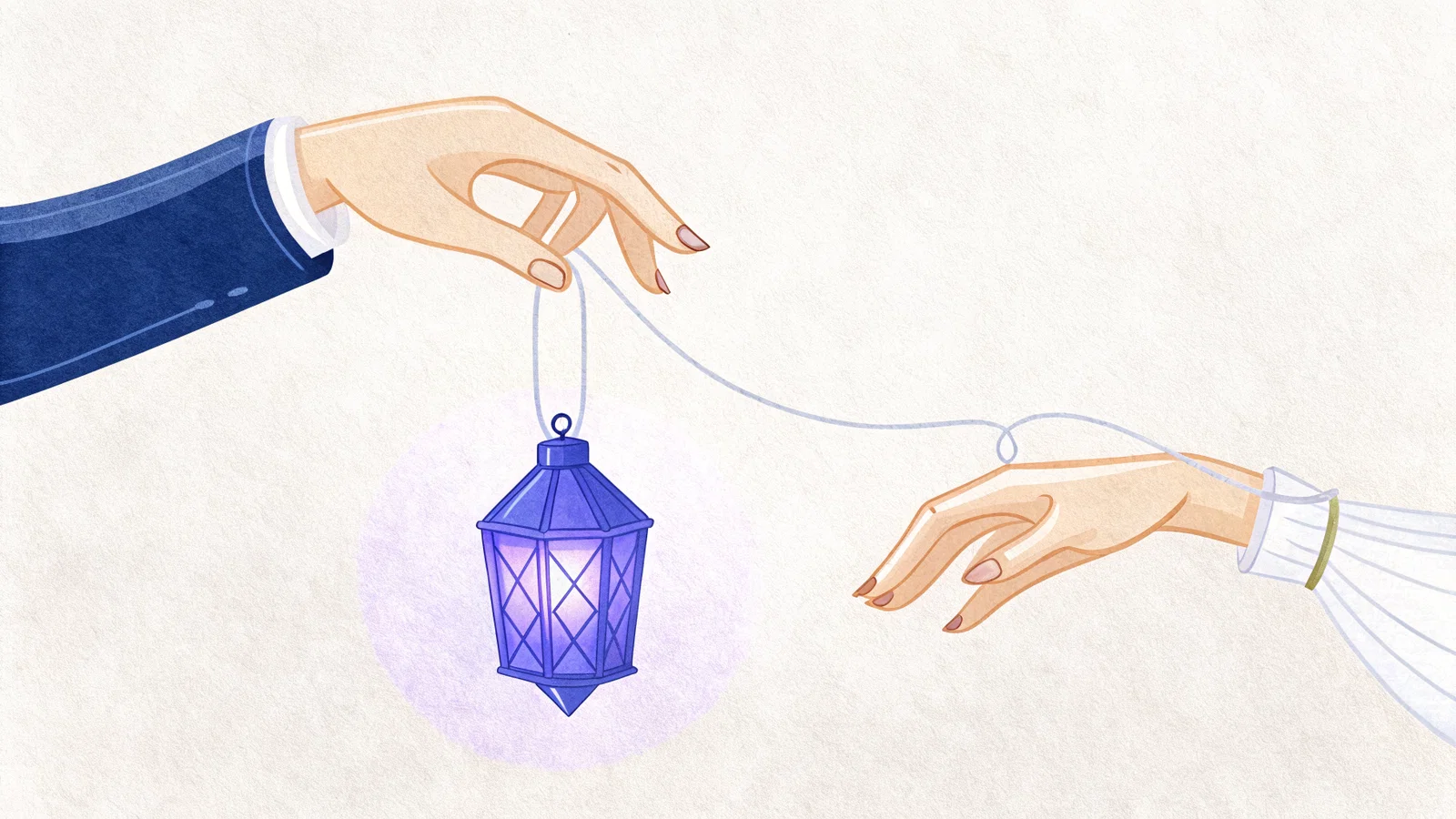
One quiet interaction can become a bridge if you let it. Not because you were the most impressive person in the room, but because you were thoughtful enough to stay in the conversation.
You don't need to impress everyone. You really don't. You just need to be the person who follows up kindly, remembers a detail, asks one easy question, and respects their time.
That's enough. You're enough, even when your brain tells you otherwise.