
The Post-Interview Paradox: A Clinical Scenario
It is 11:43 PM on a Tuesday. A fourth-year medical student sits in a darkened apartment, staring at a blinking cursor. They have spent the last forty-five minutes debating whether to sign off their post-interview email with "Sincerely," "Best regards," or "Respectfully." They have run the text through a grammar checker, asked their partner to review the syntax, and cross-referenced the program director's name on the hospital website three times to ensure the spelling is flawless.
This is Interview Day Paralysis. It is a pervasive, exhausting neurosis that defines the modern residency application cycle.
Let me break this down specifically. The medical student in this scenario is engaging in performative networking. They are not building a meaningful connection; they are attempting to soothe their own anxiety through the illusion of control. The post-interview "thank you" industry has convinced applicants that a perfectly crafted email is the secret lever that will elevate them from the waitlist to the top ten.
But do residency programs actually track these emails? Do they pull them up during the rank list meeting?
The short answer is no. The long answer is far more nuanced and requires an understanding of how selection committees actually operate behind closed doors. The reality of the match is that the vast majority of thank-you notes vanish into a digital void. They are acknowledged, perhaps, with a polite nod, and then immediately buried under the weight of clinical duties, patient care, and the hundreds of other identical emails flooding the program's inbox.
The neurosis surrounding this practice is entirely manufactured by a hyper-competitive environment that rewards over-preparation. Applicants are terrified of leaving any stone unturned. Yet, in their desperation to appear engaged, they often fail to recognize the fundamental difference between demonstrating genuine interest and generating administrative noise. A generic expression of gratitude does not move the needle. It merely adds to the inbox fatigue of the very people you are trying to impress.
If you are concerned about your standing, understand how program directors interpret overapplication to avoid common pitfalls.

The Anatomy of a Rank List Meeting
To understand why a thank-you email rarely changes your fate, you must understand the actual logistics of the rank room. I have sat in these meetings. The atmosphere is rarely one of meticulous deliberation over every single candidate's post-interview correspondence. It is an exercise in triage, fatigue management, and consensus-building.
Rank lists are populated using a structured, often rigid framework. The committee, usually comprising the program director, associate PDs, and key faculty, reviews the aggregated interview scores. Every interviewer submits a standardized evaluation immediately following the applicant's interview day. These scores are compiled into a master spreadsheet before the rank meeting even begins.
Learning how post-interview emails really affect your place on program ranks can help you decide if sending a note is worth the risk.
This brings us to the "Threshold vs. Preference" model. This is the most critical concept in residency selection.
First, the committee determines the Threshold. The question here is binary: Is this applicant safe and competent enough to be ranked at all? Did they pass the academic and interpersonal minimums required to function in this specific program? If an applicant fails to meet the threshold, they are not ranked. No amount of polite follow-up emails will rescue an applicant who failed the threshold assessment.
If the applicant passes the threshold, they move to Preference. This is where the actual ranking order is determined. The committee asks: Where do they belong on the list relative to other qualified candidates?
Notice the drivers of rank movement in the flowchart above. Movement is driven by clinical competence, interview day performance, and alignment with program culture. Post-interview emails sit at the very bottom of the influence hierarchy.
Programs actively maintain a "Communication Buffer." Many programs explicitly state on their websites or during the interview day: "Please do not send thank-you notes." This is not a test of your politeness. It is a boundary. When a program institutes this policy, they are protecting their faculty from inbox burnout and protecting themselves from NRMP communication violations.
If a program says "no thank you notes," and you send one anyway, you are not showing enthusiasm. You are demonstrating an inability to follow explicit instructions. In the Preference phase, when a committee is deciding between candidate A and candidate B, the candidate who ignored a direct instruction will be moved down the list. The truth about program policies is absolute: "No thank you notes" means your standing is entirely dependent on the interview you already completed.
Data Trends: Do Emails Shift the Needle?
Let us look at the quantitative reality. When selection committees weigh candidates, they rely on heavy, objective metrics. Step scores (or the equivalent clinical grade metrics in a pass/fail era), letters of recommendation from known entities, medical school performance, and the structured interview score.
A post-interview email is a feather on a scale designed to weigh boulders.
As the data illustrates, soft networking and correspondence account for a negligible fraction of the final ranking decision. But we must also compare specialty-specific norms, because the culture of the specialty dictates the unwritten rules of engagement.
Take surgical specialties. The traditional surgical culture operates heavily on a sponsorship model. A phone call from a well-known mentor at a rival institution carries immense weight. That is high-level networking. Conversely, a thank-you email from the applicant to the program director carries zero weight. In fact, in highly competitive surgical fields, excessive follow-up from the applicant is often viewed as unseemly or desperate. The "old boys club" mentality values stoicism and institutional backing over individual applicant eagerness.
Contrast this with Primary Care specialties like Family Medicine or Pediatrics. These fields prioritize interpersonal warmth, communication skills, and community fit. A thoughtful follow-up might be slightly better received here, but it still suffers from the law of diminishing returns. The first email is polite. The second email is a nuisance. The third email is a red flag.
And that brings us to the "Red Flag" communication. I have watched a committee collectively groan when an applicant sends a third follow-up email asking for "any updates on my application status." This is a catastrophic error. It signals insecurity, poor boundary recognition, and a fundamental misunderstanding of the NRMP timeline.
Other red flags include:
- The Copy-Paste Error: Sending an email that accidentally mentions the wrong program name or the wrong city. This immediately moves the applicant to the "Do Not Rank" pile.
- The Guilt Trip: Emails that heavily emphasize how much the applicant "needs" this specific program for personal or family reasons, attempting to leverage sympathy rather than competence.
- The Interrogation: Follow-up emails that ask highly specific, easily searchable questions about the program's curriculum, signaling that the applicant did not do their basic research prior to the interview.
The Psychology of Professional Connection
If you are going to send a follow-up, you must shift your mindset from a generic "Thank You" to a "Value Add." The goal of post-interview correspondence is not to express gratitude; the interviewers were paid to interview you. The goal is to reinforce your interview performance and demonstrate intellectual engagement.
This relies on the psychological concept of "Cognitive Priming." You want your name to trigger a specific, positive memory in the mind of the reader, rather than presenting as a generic burden to be deleted.
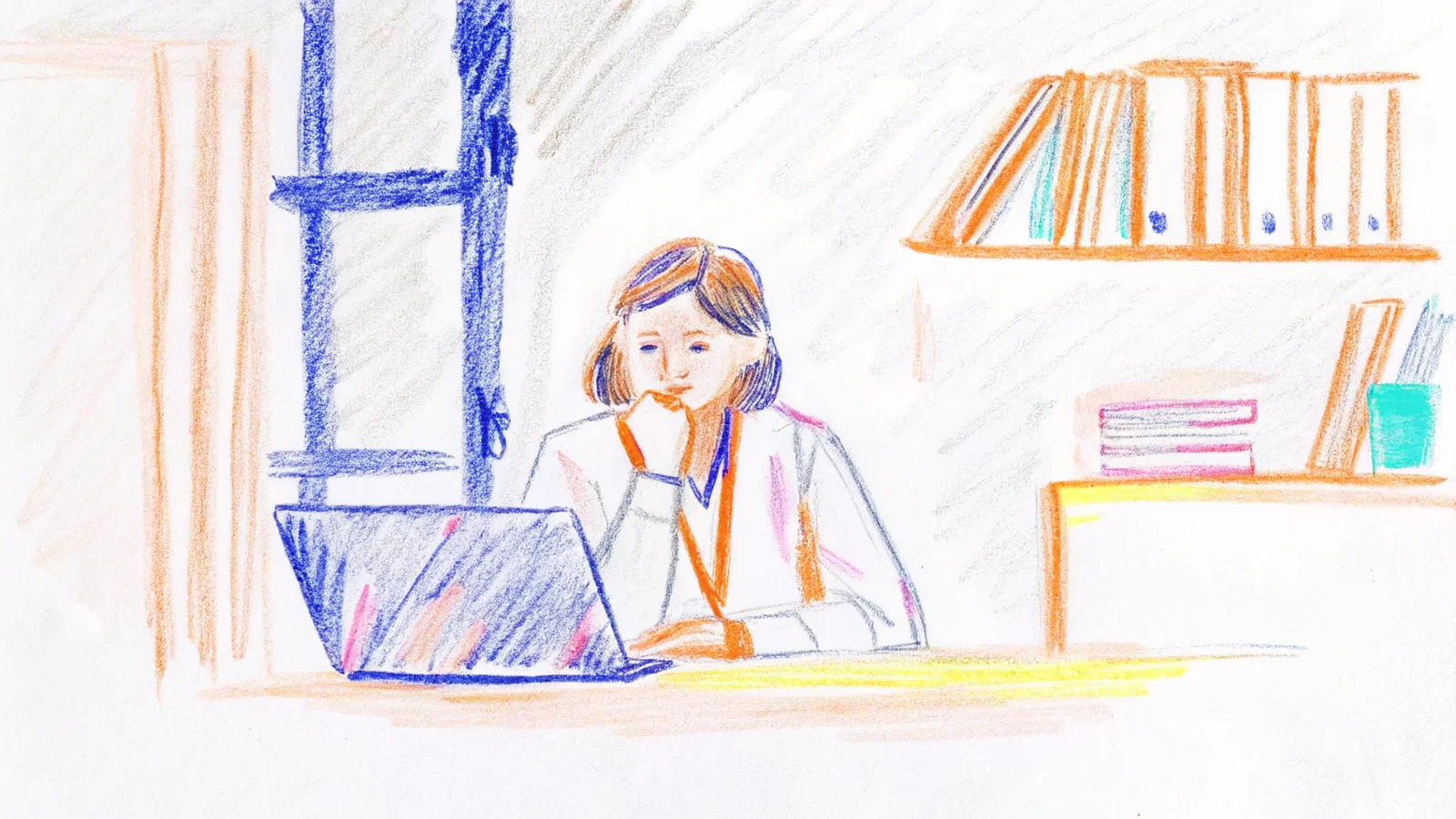
Let us break down the syntax and tone of effective correspondence through a brief case study.
The Generic Template (Ineffective): "Dear Dr. Smith, Thank you so much for the opportunity to interview at University Hospital. I really enjoyed meeting the residents and learning about the program. It seems like a great fit. Thank you again for your time. Sincerely, Applicant."
This is pure noise. It provides no new information. It relies on the "template trap," where applicants send the exact same paragraph to twenty different programs, changing only the hospital name. Program directors can spot a template from a mile away. It shows a lack of genuine interest and reduces the applicant to a statistic.
The Value-Add Follow-Up (Effective): "Dear Dr. Smith, I am writing to thank you for the conversation we had regarding the integration of point-of-care ultrasound in the rural clinic rotations. Our discussion prompted me to read the recent literature on pre-hospital POCUS protocols, which solidified my interest in your program's specific approach to rural outreach. I look forward to the possibility of training under your team's model. Best regards, Applicant."
Notice the difference. The second email is highly specific. It references a distinct moment from the interview. It demonstrates that the applicant continued to think about the program's curriculum after the Zoom call ended. It adds value by showing intellectual curiosity. This is how you prime a positive cognitive response. You remind them of the best version of yourself that they saw on interview day.
However, you must avoid the template trap at all costs. If you cannot write a highly specific, value-add email for a particular program, do not send an email at all. Silence is vastly superior to a generic, copy-pasted platitude.
Final Verdict: Strategic Communication Strategy
Let us synthesize the data and establish a concrete strategy. When should you send an email, what should you say, and when should you remain entirely silent?
Send a follow-up only if you have a specific, value-add point to make that reinforces a strong interview performance. Keep it under one hundred and fifty words. Send it within twenty-four to forty-eight hours of the interview. Address it only to the individuals you had a meaningful, direct conversation with. Do not blast the entire faculty directory.
If the program explicitly requests no post-interview contact, respect the boundary. Do not send an email. Do not send a LinkedIn message. Observe the rule.
There is a distinct advantage to "Post-Interview Silence." In a cycle defined by applicant anxiety and over-communication, confidence is a highly attractive personality trait. An applicant who interviews well, shakes hands (or nods on camera), and then goes about their business projects a quiet competence. They do not need to chase the program director for validation. They trust their performance. That quiet confidence is often interpreted by selection committees as maturity and readiness for residency.

The ultimate summary of the evidence is this: your rank position is largely set at the exact moment your interview window closes. The committee's impression of you is formed in those forty-five minutes of direct interaction. The thank-you note cannot fix a poor interview score, and it will not elevate a mediocre candidate to the top of the list. It acts only as a minor reinforcement of a pre-existing positive impression.
Manage your stress during the rank submission period by accepting this reality. Close the laptop. Stop obsessing over the sign-off. The work is done. Focus on your clinical rotations, enjoy your final months of medical school, and trust the performance you delivered on interview day. The match will resolve itself based on the substance of your application, not the syntax of your gratitude.